Prof. Waldemar Kolanus leads the Molecular Immunology and Cell Biology department at the University of Bonn's Life & Medical Sciences Institute (LIMES) . His research bridges immunoregulation , stem cell dynamics , and metabolic stress responses in immune cells. Unit 2 member at LIMES Principal investigator in SFB 704 and ImmunoSensation Cluster Leads a multidisciplinary lab with postdocs, PhD students, and technical staff His work focuses on intracellular signaling pathways connecting immune activation to tissue homeostasis, particularly through: Cytohesin proteins in integrin-mediated adhesion and migration TRIM71 in stem cell regulation and congenital hydrocephalus High-salt environments affecting macrophage function Publication trends show expertise in immune cell migration , genetic models , and chemical inhibition , with frequent use of mice and zebrafish for in vivo studies. Key articles explore: TRIM71's dual role in auditory development and germ cell maintenance Cytohesin family's Golgi regulation and insulin signaling Ruxolitinib's off-target migration inhibition of dendritic cells Contact details: Address: LIMES Institute, Carl-Troll-Straße 31, Bonn Email: kolanus.sekretariat@uni-bonn.de Phone: +49 228 73-62788
Prof. Can Dincer is a Professor of Sensors and Wearables for Healthcare at the TUM School of Computation, Information and Technology, Technische Universität München (TUM). His research focuses on bioanalytical materials, wearable sensors, and AI-driven diagnostics for One-Health applications, integrating disposable sensor technology with data science. He holds a doctorate from the University of Freiburg (summa cum laude, 2016) and worked as a visiting scientist at Imperial College London before joining TUM in 2024. He is a member of the Munich Institute of Biomedical Engineering (MIBE). Key research interests include: Development of wearable biosensors for real-time health monitoring CRISPR-based diagnostics for nucleic acids and proteins AI integration for therapeutic drug monitoring in sepsis and other critical conditions Environmental health connections via point-of-need diagnostics Notable achievements include the 2021 Biosensors & Bioelectronics Best Paper Award and inclusion in Stanford's World's Top 2% Scientists since 2022. His work spans clinical applications, microfluidic platforms, and nanotechnology-based solutions for healthcare challenges. Publications highlight innovations like optogenetic bioassays (Science Advances, 2024), CRISPR-powered multiplexed biosensors, and wearable systems for continuous biomarker monitoring. His research bridges material science, electrical engineering, and biomedicine to create practical diagnostic tools. Prof. Dincer collaborates across disciplines, focusing on translating lab innovations into clinical and commercial applications through advanced sensor technologies.
Prof. Dr. Michael Sattler is a Full Professor of Biomolecular NMR at the Technical University of Munich (TUM) and Director of the Institute of Structural Biology at Helmholtz Zentrum München. He leads the Molecular Targets & Therapeutics Center and directs the Bavarian NMR Center. His research focuses on integrative structural biology, elucidating molecular mechanisms of biological pathways through advanced NMR techniques combined with cryo-EM, SAXS, and crystallography. Key areas include RNA regulation (alternative splicing, non-coding RNAs), disease mechanisms (e.g., spinal muscular atrophy), and structure-based drug discovery for cancer and infectious diseases. Education & Career PhD in Chemistry (1995) from Goethe University Frankfurt Postdoc at Abbott Laboratories (Chicago) and EMBL Heidelberg (Group Leader, 1997–2007) Full Professor at TUM since 2007 Director roles at Helmholtz Munich and Bavarian NMR Center since 2007 Research Highlights Prof. Sattler's work has revealed structural insights into RNA:protein interactions (e.g., SF1-RNA, U2AF), SMN Tudor domain recognition, and drug discovery strategies targeting Hsp90 and viral proteases. His lab pioneered integrative structural biology approaches and established high-end NMR facilities like the 1.2 GHz spectrometer. Awards & Recognition ERC Synergy Grant (2023) Leopoldina Membership (2017) EMBO Membership (2012) Erwin Schrödinger Prize (2020) Teaching & Leadership He teaches advanced courses in NMR spectroscopy, biochemistry, and structural biology at TUM. Leads EU Horizon-funded training networks (AEGIS, RNAct) and organizes international conferences on NMR and drug discovery.
Zhang Yang is an Associate Professor at the School of Medical Engineering, Harbin Institute of Technology (Shenzhen), with a joint appointment as Visiting Professor at the University of Tokyo starting in July 2024. He holds a PhD from the University of Cambridge's Department of Pathology and an M.Phil. from the University of Hong Kong's HKU-Pasteur Research Center. Previously, he served as an Assistant Professor at Harbin Institute of Technology (Shenzhen) from September 2015 to December 2020. His research integrates computational and experimental approaches to address challenges in pathogen and cancer research. On the computational side, his work focuses on developing AI-powered microscopic imaging systems, applying deep learning to analyze multi-omics data (including proteins, DNA, miRNAs, LncRNAs, and mRNAs), and utilizing deep learning in cheminformatics for drug discovery. On the experimental side, his laboratory combines imaging, high-throughput sequencing, mass spectrometry, and chemical biology to understand disease mechanisms at the molecular level. His publication record demonstrates significant impact, with over 50 SCI-indexed papers in high-impact journals including Nature Communications, Briefings in Bioinformatics, Bioinformatics, Analytical Chemistry, and Trends in Biotechnology. His work has been cited by prestigious journals such as Nature Reviews Methods Primers and Nature Communications, with three ESI highly cited papers. His research spans multiple interdisciplinary fields, combining artificial intelligence with biomedical applications to advance diagnostic and therapeutic approaches. World's Top 2% Scientists 2021 Fellow of the Royal Society of Biology Three ESI Highly Cited Papers Five authorized national invention patents As an academic leader, he serves as Associate Editor for BMC Biology and Frontiers in Microbiology, Academic Editor for PLOS Genetics, Editorial Board Member for Communications Biology, and Guest Editor for a Special Issue on AI in analytical chemistry in Trends in Analytical Chemistry. His laboratory actively collaborates with international institutions, with graduates pursuing further studies at Hong Kong Chinese University, Hong Kong University of Science and Technology, Hong Kong Polytechnic University, Macau University, and the University of New South Wales. He teaches Introduction to Modern Biology for undergraduates and Bioanalytical Chemistry for graduate students.
Prof. Dr. Sven-Erik Behrens serves as a Professor in the Department of Microbial Biotechnology at the Faculty of Natural Sciences I of Martin Luther University Halle-Wittenberg. He is affiliated with the Protein Research Center 'Charles Tanford' and maintains an active research program focused on RNA biology, molecular virology, and biotechnological applications. His primary research interests encompass RNA-based plant protection strategies, viral replication mechanisms (particularly for flaviviruses and plant viruses), and innovative vaccine development using Kluyveromyces lactis yeast expression systems. Behrens' work investigates fundamental RNA-protein interactions, RNA chaperone activities, and the molecular basis of antiviral defense mechanisms in plants. His laboratory explores how RNA accessibility influences viral replication and how this knowledge can be harnessed for developing novel RNA-based antiviral strategies. Analysis of his recent publications (2021-2025) reveals a clear research trajectory focused on identifying accessible RNA sites for targeted antiviral applications, optimizing yeast-based vaccine platforms for both plant and animal pathogens, and investigating the role of non-coding RNAs in plant development and stress responses. His work spans multiple disciplines including plant virology, medical virology, and microbial biotechnology, demonstrating translational research from basic molecular mechanisms to practical applications. Prof. Behrens leads research in the Department of Microbial Biotechnology, collaborating with various groups working on plant-pathogen interactions and vaccine development. His laboratory employs advanced techniques including RNA structure probing, fluorescence-based assays for RNA chaperone activity, and plant in vitro systems for studying viral replication. The research demonstrates significant potential for developing novel approaches to combat viral diseases in both agricultural and medical contexts.
Stefan Hüttelmaier is a Full Professor of Molecular Cell Biology at Martin-Luther University Halle-Wittenberg, Germany. He leads the Core Facility Imaging at the Charles Tanford Protein Center and directs research into RNA-binding proteins' roles in cancer. His career includes postdoctoral work at Albert Einstein College of Medicine and leadership roles in the RTG 1591 research group. His work focuses on RAVER1 protein dynamics, perinucleolar compartments, and RNA metabolism in cancer progression. Education: PhD in Biotechnology (2000, University of Braunschweig), postdoctoral training at Albert Einstein College of Medicine (2001–2004). Academic milestones include Associate Professor (2009) and Full Professor (2014) positions. Research spans RNA-protein interactions, cancer biology, and translational mechanisms in tumors. Key research interests include RNA-binding proteins' roles in cancer (RAVER1, IGF2BP1), alternative splicing, and miRNA regulation. His lab investigates how these molecules influence cancer cell behavior, metastasis, and therapeutic resistance. Recent work highlights druggable targets like IGF2BP1 and mechanisms linking RNA modifications to oncogenesis. Leadership roles include RTG 1591 speaker and Core Facility director. Publications emphasize RNA biology in cancer, with contributions to understanding post-transcriptional control and therapeutic strategies targeting RNA pathways. His interdisciplinary approach combines molecular biology, biochemistry, and computational modeling to address clinical challenges in oncology.
Priscilla A. Furth is a Professor at Georgetown University's Department of Oncology and Medicine, with a distinguished career in disease pathophysiology and cancer research. She serves as an Anna Boyksen Fellow at the Technical University of Munich Institute for Advanced Study (TUM-IAS) since 2023, focusing on experimental bioinformatics and gender diversity in science. M.D. from Yale University (1979) Associate Dean for Faculty Development at Georgetown (2013–2021) Her research integrates bioinformatics and gene-regulatory mechanisms to analyze estrogen signaling pathways in breast cancer risk across diverse gender expressions. She pioneered investigations into circular RNA (circRNA) roles as biomarkers and explores their modification through anti-hormonal therapies. Current article trends show interdisciplinary work bridging quantum computing with network medicine , while maintaining focus on hormonal cancer mechanisms and vaccine immunology . Her 2024 publications emphasize multi-omics data integration and gender-inclusive oncology . Scientific recognition includes: 2023 Anna Boyksen Fellowship 2021 Women in Pathology Spotlight 2020 Excellence in Mentorship Award 2010 Georgetown Women in Medicine Award As Associate Dean, she developed faculty growth programs and continues mentoring through her TUM-IAS fellowship collaborations.
Dr. Emiel van der Vorst is a cardiovascular researcher focusing on atherosclerosis, immunometabolism, and translational medicine . His work spans molecular mechanisms, therapeutic targeting, and omics-based approaches. Affiliation: Institute for Molecular Cardiovascular Research (IMCAR) Research Focus: Chemokine signaling, microRNA therapeutics, immune-metabolic interactions Research Trends: Recent publications highlight his exploration of microRNA-26b in metabolic liver disease GPR55 receptor in cardiomyocyte adaptation calcium-sensing receptor in sex-specific atherosclerosis aryl hydrocarbon receptor in gut-liver-cardiovascular axis His work integrates nanomedicine, genetic models, and clinical biomarker development .
Reinier Boon serves as DZHK Professor for RNA Therapeutics at Goethe University Frankfurt, holding dual affiliations at the Institute for Cardiovascular Regeneration (Frankfurt, Germany) and the Department of Physiology at VU University Medical Center (Amsterdam, Netherlands). His research program, funded by the German Center for Cardiovascular Research (DZHK) and an ERC Starting Grant, focuses on molecular mechanisms of cardiovascular aging. Prof. Boon's laboratory investigates how non-coding RNAs regulate age-related deterioration in endothelial cells and cardiomyocytes, with particular emphasis on long non-coding RNAs (H19, Meg3, MALAT1) and microRNAs (miR-34a, miR-29). His work has identified critical roles for these molecules in cellular senescence, metabolic regulation, and vascular dysfunction, revealing novel pathways involving Stat3 signaling, KLF2 transcription factors, and extracellular matrix remodeling. This research bridges fundamental molecular biology with therapeutic development for age-related cardiovascular diseases. Analysis of his key publications (2011-2019) reveals a consistent trajectory from mechanistic discoveries in RNA biology to translational applications, with increasing focus on therapeutic targeting of non-coding RNAs in vascular aging and regenerative processes. The work spans endothelial metabolism, cardiac aging, neovascularization, and aortic pathology, demonstrating strong interdisciplinary integration of molecular cardiology, regenerative medicine, and RNA therapeutics. Major recognitions include: European Society of Cardiology Outstanding Achievement Award (2019) ERC Starting Grant (2015) Franz-Maximilian Groedel Research Prize (2014) Dutch-German Young Investigator Award (2013) American Heart Association Melvin L. Marcus Award (2010) Prof. Boon leads an internationally collaborative research group supported by DZHK infrastructure and competitive grants. His laboratory directs multiple projects on RNA-based interventions for cardiovascular aging, with strong emphasis on translational validation. The group maintains active collaborations across European cardiovascular research networks and participates in DZHK's therapeutic development initiatives. The Boon Group operates across two specialized sites: the Institute for Cardiovascular Regeneration at Frankfurt's Center for Molecular Medicine and Amsterdam's VU University Medical Center physiology department. As part of the DZHK's RNA Therapeutics program, the team combines advanced molecular techniques with disease models to develop novel strategies against age-related cardiovascular decline.
Juliane Fluck serves as Head of the Knowledge Management Program Area and Acting Deputy Scientific Director at ZB MED Information Center for Life Sciences, while also holding a W2 Professorship for Information Management at the Faculty of Agriculture, University of Bonn. She coordinates the National Research Data Infrastructure for Personal Health Data (NFDI4Health) consortium and has led this initiative since 2020. Her research focuses on optimizing the findability, accessibility, interoperability, and reusability (FAIR) of biomedical data through semantic integration and advanced terminology services. With expertise spanning text mining, data infrastructure development, and semantic annotation, she bridges computer science and life sciences to create systems that make biomedical data semantically readable for computers. Analysis of her recent publications reveals strong emphasis on synthetic health data generation, privacy protection mechanisms, FAIR data implementation across domains including agriculture (FAIRagro), and specialized terminology services for biomedical research. Her work consistently addresses challenges in health data management, with particular attention to pandemic response data (especially COVID-19) and rare disease research. Prof. Fluck actively contributes to critical advisory roles including the Advisory Board of the Center for Cancer Registry Data at the Robert Koch Institute, Scientific Advisory Board of Health.AI, and the INA expert group for Interoperability Generator for Digital Medicine. She heads the Knowledge Management program area at ZB MED and leads multiple national initiatives including NFDI4Health, demonstrating significant leadership in Germany's research data infrastructure landscape. Her work connects academic research with practical implementation in health data management systems used by researchers and clinicians.
Dr. Marcel Friedrichs is a Researcher at the Faculty of Engineering , Bielefeld University , Germany. He is affiliated with both the Algorithmic Cheminformatics Group and the Center for Biotechnology (CeBiTec) , contributing to interdisciplinary research at the intersection of computational methods and biomedical systems. Researcher in Algorithmic Cheminformatics Group Center for Biotechnology (CeBiTec) member Focus on graph-based data integration and biomedical networks Research Interests : Computational biology, systems biology, bioinformatics tool development, and medical biochemistry. His work emphasizes automated data integration, modeling of regulatory networks, and analysis of gene-disease comorbidities. Article Trends : Publications span 2018–2025, highlighting graph-based data integration, stem cell differentiation (cardiomyocytes), miRNA databases, clinical trial analysis, and pharmacological network modeling. Key keywords include Computational Biology , Medical Biochemistry , and Graph Theory . Labs & Teams : Algorithmic Cheminformatics Group (Faculty of Engineering) Center for Biotechnology (CeBiTec) Contributor to projects like BioDWH2 and GenCoNet
Prof. Nilima Prakash is a Professor in the Department of Applied Genetics and Stem Cell Biology at Hamm-Lippstadt University of Applied Sciences. Her research focuses on regenerative medicine for Parkinson’s Disease, stem cell-based therapies, and developmental neurobiology. She leads the Human Stem Cell Research Group, developing protocols for midbrain dopaminergic neuron generation and studying ion channel roles in neurodegeneration. She holds certifications in genetic engineering safety and is an approved animal experimentation researcher. Her expertise spans molecular genetics, forensic genetics, and genetic engineering. She mentors in the TUM Mentoring Program and serves as a journal reviewer and co-editor for Frontiers in Neuroanatomy . Research interests include stem cell differentiation pathways, Wnt signaling, and neurodevelopmental mechanisms in neuropsychiatric disorders. Her work bridges basic science and translational medicine, with recent articles exploring calcium homeostasis in Parkinson’s models and CRISPR-based neuronal reprogramming. She collaborates on projects like the IDGenes database for mouse brain genetic interactions. Grants and funding support her studies on dopaminergic neuron survival and disease modeling. Prof. Prakash is affiliated with the ISSCR, German Genetics Society, and Stem Cell Network NRW. Her lab integrates cutting-edge techniques like live cell imaging and CRISPR-Cas9 engineering for stem cell analysis.
Andrea Sinz is a Full Professor and head of the Department of Pharmaceutical Chemistry and Bioanalytics at Martin Luther University Halle-Wittenberg (MLU). She holds a Pharmacy degree from the University of Tübingen (1993) and a PhD in Pharmaceutical Chemistry from the University of Marburg (1997). Her postdoctoral work at the NIH introduced her to chemical cross-linking and mass spectrometry (MS), which became her core research focus. She leads the Research Training Group (RTG) 2467, focusing on protein interactions of tumor suppressor p53, and served as DGMS president (2017–2020). Her research emphasizes cross-linking/MS method development for studying protein conformations and interactions. Key innovations include MS-cleavable cross-linkers and the MeroX software. Applications span cancer biology, neurology, and virology, with recent work exploring therapeutic vulnerabilities in leukemia and non-coding RNA roles in disease. Publications highlight cross-disciplinary impacts, from structural proteomics to clinical efficacy studies of theophylline in ADCY5 dyskinesia. Her lab collaborates globally to advance proteomic data standards and integrative approaches combining cryo-EM, computational modeling, and MS.
Hans-Jürgen Kreienkamp is a researcher at the Institute of Human Genetics, University Medical Center Hamburg-Eppendorf. His work focuses on neurogenetics, synaptic dysfunction, and molecular mechanisms underlying neurodevelopmental disorders such as autism and intellectual disabilities. Research interests include: Neurodevelopmental Disorders (Autism, Intellectual Disability) SHANK Protein Family CASK and RNA Helicase Mutations Synaptic Targeting and Signaling Protein-Protein Interactions in Synapses Postsynaptic Density Organization The 15 most recent publications highlight his expertise in analyzing gene variants (e.g., LRRC7 , SHANK3 , DEAD/DExH-box ) linked to neurodevelopmental pathology, with a focus on synaptic structure, protein conformation, and RNA regulation. Key methodologies involve genetic sequencing, protein interaction assays, and animal models.
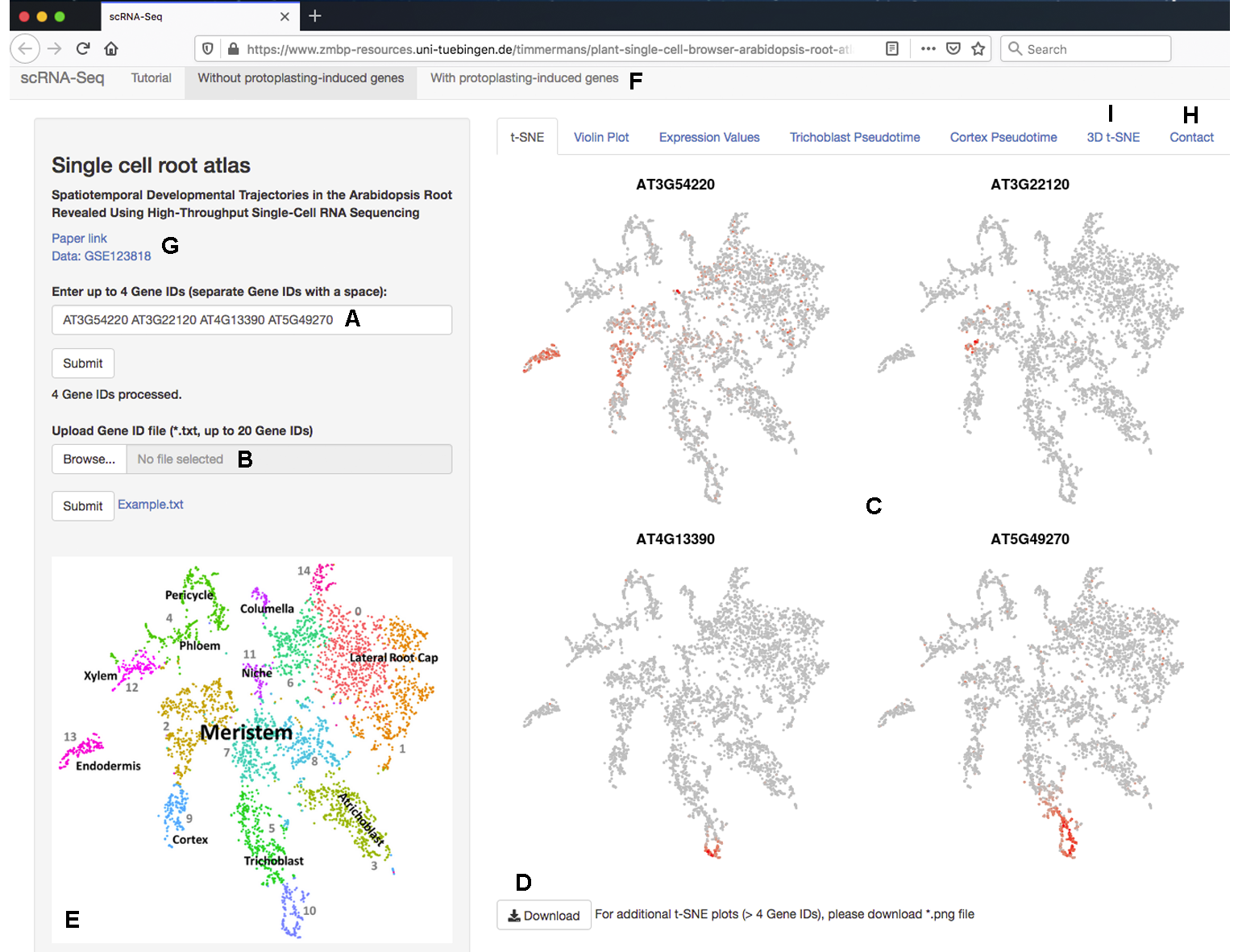
Prof. Marja Timmermans is a Professor at the University of Tübingen's Center for Plant Molecular Biology (ZMBP), leading the Developmental Genetics group within the Faculty of Science. Her research focuses on plant organogenesis, cell differentiation, and the role of mobile small RNAs as morphogens. She uses advanced techniques like single-cell RNA sequencing (scRNA-Seq) to study root and shoot stem cell niches, contributing to the development of the Arabidopsis root scRNA-Seq atlas. Her lab combines confocal imaging, genetic manipulations, and computational approaches to uncover mechanisms governing adaxial-abaxial polarity and meristem dynamics. Key projects include analyzing miRNA mobility via plasmodesmata and understanding threshold-based readouts of RNA gradients. Current positions include leading a vibrant research group with postdocs, PhD students, and technicians. Research interests emphasize small RNA regulation, epigenetic control, and developmental patterning. Her work bridges molecular mechanisms with organismal complexity, addressing questions like how stable cell fate boundaries form during leaf development. Technical innovations include the PscB browser for plant single-cell data interrogation. Collaborations span plant genetics, bioinformatics, and evolutionary biology. Lab members include postdocs like Tom Denyer and Cecilia Lara Mondragon, along with PhD students such as Aleksandar Parvanov. The group is supported by grants including the Alexander von Humboldt Foundation. Notable contributions include seminal papers on miRNA movement dynamics, developmental trajectories in roots, and the role of ancient trans-acting siRNAs in auxin response.