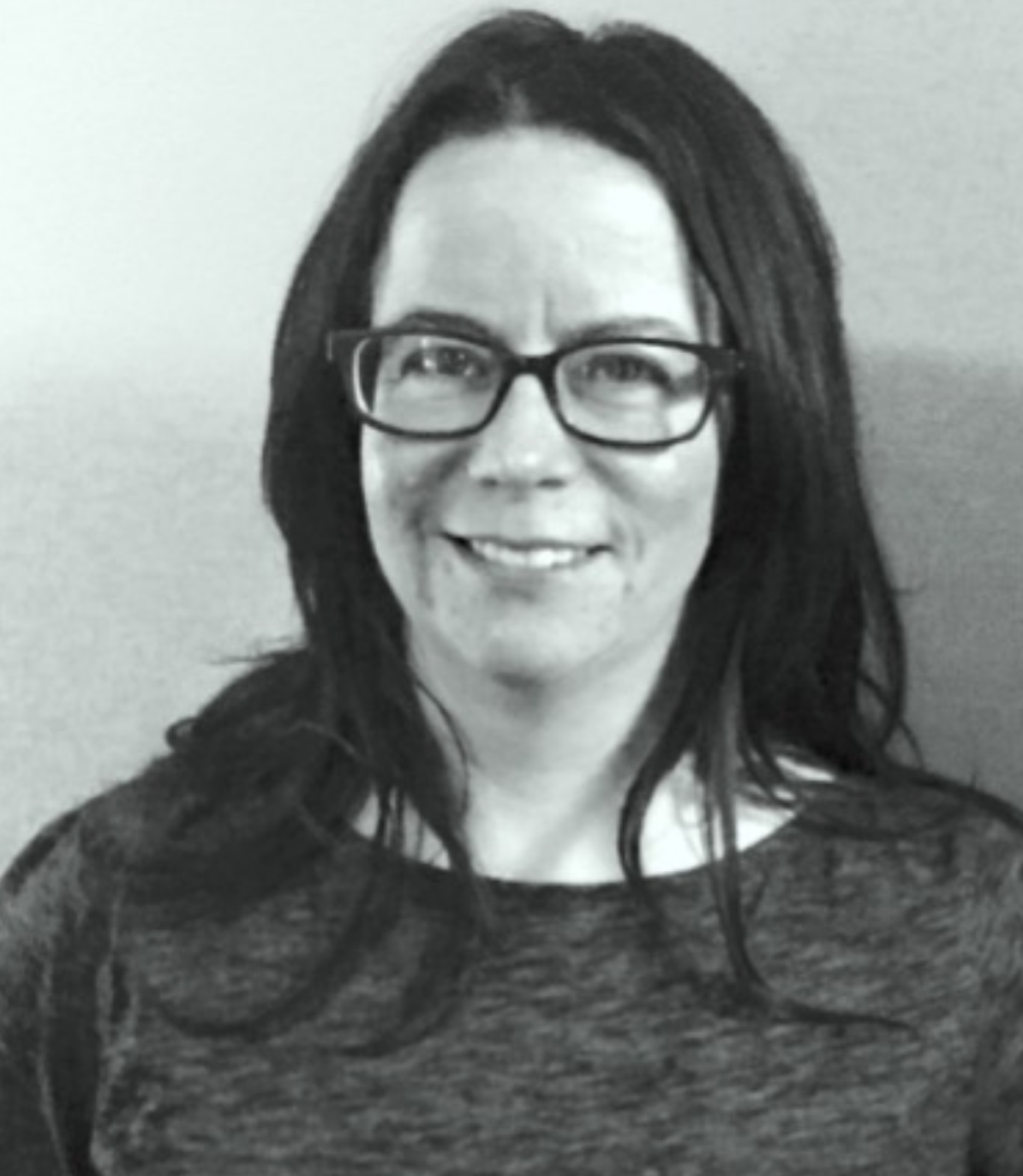
Harald Pichler is an Associate Professor and Team Leader at the Institute of Biotechnology (IMBT) at Graz University of Technology. His research focuses on membrane biology, enzyme engineering, and industrial biotechnology using yeast systems like Pichia pastoris . Key projects include engineering microbial membranes for protein secretion, optimizing biocatalysts for terpenoid synthesis, and studying lipid interactions with membrane proteins. Collaborations with companies like DSM and LONZA highlight industrial applications of his work. Research interests span microbial membrane modifications, sterol biosynthesis, and metabolic engineering for producing valuable metabolites. Major contributions include developing yeast strains for high-throughput screening of terpenoids and engineering hydratases for biocatalytic applications. His team also explores protein secretion pathways and membrane protein expression in yeasts, with patent filings for key genetic targets. Current projects involve lipid raft dynamics, SARS-CoV-2 spike protein interactions with membranes, and low-cost cell culture media alternatives. Collaborations with academic partners like the University of Geneva and Wageningen University emphasize interdisciplinary approaches. Publications frequently address membrane biophysics, enzyme mechanisms, and yeast strain engineering, reflecting a blend of fundamental and applied research.
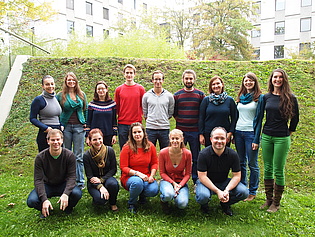
Pabitra Sahoo is an Assistant Professor in the Department of Biological Sciences at Rutgers University, leading a research group focused on axonal mRNA dynamics and stress granule biology. His work bridges molecular neuroscience and regenerative medicine with direct implications for neural repair mechanisms. His educational background includes: B.S. from Utkal University, India (2005) M.S. from University of Hyderabad, India (2007) Ph.D. from National Centre for Cell Science, University of Pune (2013) Postdoctoral fellowship at Twiss Lab, University of South Carolina (2023) Dr. Sahoo's research centers on stress granules in axons and their dual role in physiological mRNA storage and pathological inhibition of nerve regeneration. His lab investigates how localized protein synthesis mechanisms govern neural repair, neurodevelopment, and neurodegenerative processes through cutting-edge approaches in spatial transcriptomics and axonal biology. Key discoveries include the identification of G3BP1 as a critical regulator of axonal mRNA translation and the demonstration that stress granules exist under normal physiological conditions in neurons. Analysis of his 2021-2025 publications reveals a dominant focus on stress granule disassembly mechanisms (particularly involving G3BP1), RNA-binding protein functions in axonal mRNA stability, and therapeutic targeting of these pathways for nerve regeneration. His work consistently connects fundamental molecular mechanisms to applications in spinal cord injury, peripheral nerve repair, and neurodegenerative conditions like ALS. The Sahoo Lab operates as a collaborative team of "curiosity driven, fun, and coffee loving scientists" investigating how mRNA storage granules respond to neuronal signals. Current projects specifically examine stress granule dynamics in neuronal development models and their dysfunction in neurodevelopmental disorders (e.g., Down syndrome) and neurodegenerative diseases, with therapeutic strategies emerging from multiple patent filings.
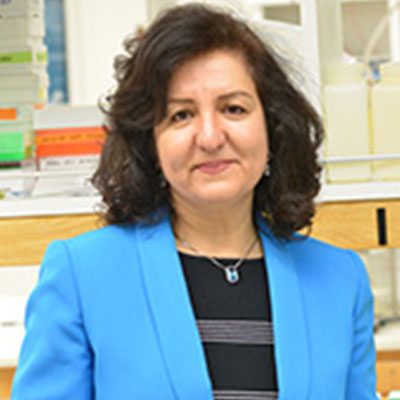
Mansoureh Eghbali, PhD, is a Professor in the Department of Anesthesiology at the David Geffen School of Medicine, University of California, Los Angeles. Her research program investigates molecular mechanisms of cardiovascular and pulmonary diseases with emphasis on sex-specific pathophysiology. She leads an active NIH-funded laboratory focused on pulmonary hypertension, myocardial ischemia-reperfusion injury, and the role of RNA-binding proteins in vascular remodeling. Her research integrates multiomics approaches to explore: Sex chromosome influences (Y-gene Uty) in pulmonary vascular protection MicroRNA regulation of cardiac fibrosis and calcification (e.g., miR-129-5p/Asporin axis) Gut-heart-lung interactions in diet-induced pulmonary hypertension Endothelial subpopulations (TM4SF1+) in disease progression Analysis of her recent publications reveals strong emphasis on: Integrative multiomics in vascular diseases Sex differences in drug responses Novel therapeutic targeting of RNA-binding proteins Cross-organ communication in cardiopulmonary pathologies She directs multiple NIH grants including: R01HL159865: Role of Chromosome Y gene, Uty (2021-2025) R01HL147586: Role of miR125 in pulmonary hypertension (2019-2023) R01HL129051: Role of miR193 in oxidized lipid-induced PH (2016-2021) R01HL131182: Epigenetic regulation by X chromosome (2016-2021)
Prof. Dr. Michael Sattler is a Full Professor of Biomolecular NMR at the Technical University of Munich (TUM) and Director of the Institute of Structural Biology at Helmholtz Zentrum München. He leads the Molecular Targets & Therapeutics Center and directs the Bavarian NMR Center. His research focuses on integrative structural biology, elucidating molecular mechanisms of biological pathways through advanced NMR techniques combined with cryo-EM, SAXS, and crystallography. Key areas include RNA regulation (alternative splicing, non-coding RNAs), disease mechanisms (e.g., spinal muscular atrophy), and structure-based drug discovery for cancer and infectious diseases. Education & Career PhD in Chemistry (1995) from Goethe University Frankfurt Postdoc at Abbott Laboratories (Chicago) and EMBL Heidelberg (Group Leader, 1997–2007) Full Professor at TUM since 2007 Director roles at Helmholtz Munich and Bavarian NMR Center since 2007 Research Highlights Prof. Sattler's work has revealed structural insights into RNA:protein interactions (e.g., SF1-RNA, U2AF), SMN Tudor domain recognition, and drug discovery strategies targeting Hsp90 and viral proteases. His lab pioneered integrative structural biology approaches and established high-end NMR facilities like the 1.2 GHz spectrometer. Awards & Recognition ERC Synergy Grant (2023) Leopoldina Membership (2017) EMBO Membership (2012) Erwin Schrödinger Prize (2020) Teaching & Leadership He teaches advanced courses in NMR spectroscopy, biochemistry, and structural biology at TUM. Leads EU Horizon-funded training networks (AEGIS, RNAct) and organizes international conferences on NMR and drug discovery.
Christian Freund is Professor of Protein Biochemistry at the Institute for Chemistry & Biochemistry, Freie Universität Berlin, holding this W2 professorship since 2011. He serves as Coordinator of the FU Berlin-UCSF Collaborative Initiative and Founding Member/Vice-chair of the DFG Collaborative Research Centre SFB/TRR 186 on Molecular Switches in Cellular Signal Transmission, leading interdisciplinary research across Berlin and Heidelberg institutions. His academic foundation includes Chemistry studies at Heinrich-Heine-Universität Düsseldorf (1983-1986) and Ludwig-Maximilians-Universität München (1986-1989), followed by a PhD in Structural Biology at the Max-Planck-Institute of Biochemistry (1994) and Habilitation in Biochemistry at Freie Universität Berlin (2005). Freund's research integrates structural biology, biophysics, and immunology to investigate molecular mechanisms of antigen presentation and cellular signaling. His work centers on MHC class II dynamics, protein conformational switches, and nanoscale organization of signaling complexes, employing NMR spectroscopy, quantitative proteomics, and molecular engineering to dissect immune recognition pathways and neuronal signaling mechanisms. Analysis of his 2010-2019 publications reveals consistent focus on MHC-mediated antigen presentation (60% of works), with significant contributions to understanding peptide exchange dynamics and HLA-DM editing functions. Secondary research streams explore synaptic protein networks (25%) and T cell signaling machinery (15%), demonstrating methodological breadth across structural biology, proteomics, and cell biological approaches. His scientific recognition includes: Biofuture award from the German Ministry of Education and Research (1999) Swiss National Funds Post-doctoral Scholarship (1997) Innovationswettbewerb Medizintechnik grant (2009) As research group leader at Leibniz-Institute of Molecular Pharmacology (2000-2011) and current FU Berlin professor, Freund has secured major collaborative funding through DFG SFB/TRR 186 and the UCSF partnership. His mentorship spans postdoctoral fellows at Harvard/Dana-Farber and Leibniz-Institute, with current supervision of graduate students in the Berlin biochemistry program. Freund directs a research group within FU Berlin's Institute for Chemistry & Biochemistry, operating as core component of SFB/TRR 186. His laboratory maintains active collaborations with UCSF's QBI (Nevan Krogan) and Heidelberg-based structural biology teams, utilizing advanced NMR, cryo-EM, and single-molecule imaging facilities across the Berlin-Heidelberg research alliance.
Dr. Marie Monfils is Professor of Psychology and Neuroscience at the University of Texas at Austin, where she leads the Monfils Memory Lab in the Department of Psychology within the College of Liberal Arts. Her research focuses on understanding fear memory mechanisms and developing interventions to attenuate maladaptive fear memories. Dr. Monfils received her Ph.D. in behavioral neuroscience from the Canadian Centre for Behavioural Neuroscience and conducted a postdoctoral fellowship at New York University. Her work bridges basic rodent models with translational applications for anxiety, trauma-related, and addiction disorders. Her research program investigates three primary streams: Post-consolidation manipulations that can persistently attenuate fear memories Factors underlying affiliative kinship and social transmission of information Individual differences and their impact on fear attenuation Her work integrates behavioral, neural, and molecular approaches to understand memory modification processes, with particular focus on reconsolidation and extinction mechanisms. Dr. Monfils' publication record demonstrates consistent contributions to understanding fear memory mechanisms. Her recent work examines CO2 reactivity as a biomarker for treatment response, social transmission of fear in rodent models, and optimizing fear attenuation techniques through reconsolidation-extinction interactions. Her research spans both basic neuroscience and clinical applications, with implications for improving exposure therapy for anxiety disorders. 2025: Published work on neural mechanisms of social learning, mechanisms of change in exposure therapy, and social context as a source of variability 2024: Published research on fear attenuation collaborations, carbon dioxide reactivity predicting fear expression, and social transmission dynamics 2023: Published updates on reconsolidation-extinction interactions, estrous cycle effects on behavior, and retrieval-extinction effects on alcohol seeking Dr. Monfils actively mentors graduate students and is accepting applicants for Fall 2026 and 2027. Her lab follows rats through their lifespan with a commitment to humane treatment, euthanizing only when necessary to minimize suffering or at the end of life. She acknowledges the Indigenous lands of Turtle Island where her research takes place, specifically recognizing the Alabama-Coushatta, Caddo, Carrizo/Comecrudo, Coahuiltecan, Comanche, Kickapoo, Lipan Apache, Tonkawa and Ysleta Del Sur Pueblo.
Kazunori Koide is a Professor in the Department of Chemistry at the University of Pittsburgh, affiliated with the Dietrich School of Arts and Sciences. His research focuses on organic synthesis of natural products, development of novel synthetic methodologies, and creation of fluorescent probes for biomedical applications. He leads the Koide Group, which explores anticancer compounds like FR901464 and stresgenin B, as well as sensors for metals such as palladium, copper, and platinum. Research interests include total synthesis of bioactive natural products, mechanistic studies of organic reactions, and design of fluorogenic probes for real-time imaging of biomolecules. Notable projects involve Birch reduction optimization, palladium detection technologies, and RNA splicing modulation therapies. His work has led to awards including the University of Pittsburgh Chancellor's Distinguished Research Award (2009) and the Merck Technology Collaboration Award (2014). Key contributions span medicinal chemistry, analytical methods, and drug discovery, with over 100 publications in top journals like J. Am. Chem. Soc. and Nature Catalysis . Lab activities emphasize interdisciplinary approaches, combining organic synthesis with cell biology and materials science. Collaborations with pharmaceutical companies and academic institutions drive translational research in cancer therapy and environmental monitoring.
Prof. Heike Krebber is a Professor for Molecular Genetics at Georg-August University Göttingen, Germany. Her research focuses on mRNA quality control and non-coding RNA functions, using the model organism Saccharomyces cerevisiae. She has held positions at the DKFZ (Heidelberg), Harvard Medical School, and Philipps-Universität Marburg. Her work addresses how mRNA processing defects contribute to diseases like cancer and neurodegeneration. Education & Positions: PhD (1996), Deutsches Krebsforschungszentrum Heisenberg Fellow (2006) Habilitation in Molecular Biology (2005) Professor since 2010 at Georg-August University Research Interests: Her lab investigates: RNA quality control mechanisms ensuring proper mRNA maturation and export Functions of non-coding RNAs (e.g., lncRNAs in iron metabolism and telomerase) Ribosome assembly and translation termination pathways Stress-induced bypass of mRNA quality control Awards: Heisenberg Fellowship (2006) Grants & Teams: Leads the Molecular Genetics group at the Institute for Microbiology and Genetics. Collaborates with the IMPRS Molecular Biology and GZMB (Molecular Biology of Cells) programs. Labs & Affiliations: Her group is part of the GGNB network, focusing on Microbiology and Biochemistry. The lab’s work spans fundamental molecular mechanisms with translational disease relevance.
Job Dekker is a Professor holding the Joseph J. Byrne Chair in Biomedical Research at UMass Chan Medical School, where he serves as faculty across multiple departments including Systems Biology, Biochemistry and Molecular Biotechnology, and Bioinformatics and Integrative Biology. His work bridges the T.H. Chan School of Medicine and Morningside Graduate School of Biomedical Sciences, with significant contributions to understanding the three-dimensional organization of genomes. Utrecht University, Utrecht, Netherlands: MS Biology Utrecht University, Utrecht, Netherlands: PhD Physiological Chemistry Dekker's research focuses on the fundamental question of how chromosomes are organized in three-dimensional space and how this organization influences gene regulation. As a pioneer in chromosome conformation capture technologies (particularly Hi-C), his laboratory investigates long-range gene regulation, higher-order chromosome organization, and the mechanisms of chromatin folding. The lab employs a multidisciplinary approach combining cell culture, protein biochemistry, microscopy, genomics, and computational modeling to address these questions. Analysis of Dekker's recent publications reveals a continued focus on the structural principles governing chromosome organization, with particular emphasis on mitotic chromosome formation, loop extrusion mechanisms, and the role of cohesin and condensin complexes. His work spans multiple model systems and has increasingly incorporated multi-omics approaches to understand how 3D genome architecture relates to cellular function in both normal and disease states. Member, National Academy of Sciences (2022) Member, National Academy of Medicine (2021) EMBO Associate Member (2020) International Award of the Biochemical Society (2018) Novitski Prize of the Genetics Society of America (2018) Investigator, Howard Hughes Medical Institute (2015) Fellow, American Association for the Advancement of Science (2014) As Principal Investigator of the Dekker Lab within the Program in Systems Biology, Dekker has secured substantial funding including his HHMI Investigator position, which supports his research into chromosome organization. His laboratory offers multiple rotation projects for graduate students focusing on long-range gene regulation and chromosome organization using high-throughput genomics technologies. Dekker's work has been instrumental in developing and refining chromosome conformation capture techniques that are now widely used across the genomics field. The Dekker Lab is a leader in the 4D Nucleome field, contributing significantly to our understanding of how chromosomes fold in three-dimensional space and how this organization changes over time (the fourth dimension). His research group continues to push the boundaries of chromosome conformation capture technologies, developing new methodologies to investigate genome architecture at increasingly higher resolutions and across diverse biological contexts.
Xavier Darzacq is a Professor of Molecular Therapeutics at the University of California, Berkeley, holding the Edward E. Penhoet Distinguished Endowed Chair in Global Health and Infectious Disease. His research at the intersection of molecular biology and biophysics focuses on understanding how nuclear organization governs transcription regulation during cellular differentiation. Research Highlights: Investigates transcriptional control via non-canonical mediator complexes in fibroblast-to-myofibroblast differentiation. Develops advanced imaging techniques (single-molecule tracking, 3D FISH) to study transcription factor mobility and chromatin interactions. Proposes biophysical models where protein diffusion in the nucleus is guided by DNA/chromatin networks. Technological Innovations: Pioneered methods for single-molecule tracking and super-resolution imaging, enabling nanoscale and millisecond-resolution analysis of nuclear processes. Collaborates with experts in biophysics, chemistry, and imaging to integrate multidisciplinary approaches. Scientific Awards: Edward E. Penhoet Distinguished Endowed Chair (Global Health and Infectious Disease) Nature Structural & Molecular Biology – Selected Article of the Month (2007) His lab (http://tjian-darzacq.mcb.berkeley.edu/) explores how nuclear architecture influences gene expression, particularly in wound healing contexts. Future work aims to leverage advancements in microscopy and genome editing to unravel transcriptional rules in living organisms.
Patricia J. Hilleren is an Associate Professor of Biology and current Department Chair at Skidmore College , Saratoga Springs, NY. Her research focuses on nuclear mRNA quality control systems and gene expression accuracy in eukaryotic cells, using Saccharomyces cerevisiae as a model organism. She earned her PhD in Biochemistry, Molecular Biology, and Biophysics from the University of Minnesota (1997) and completed postdoctoral research at the Howard Hughes Medical Institute, University of Arizona (1997-2003). Education: B.S., Microbiology (1987), St. Cloud State University Ph.D., Biochemistry, Molecular Biology, and Biophysics (1997), University of Minnesota Postdoctoral Research (1997-2003), Howard Hughes Medical Institute, University of Arizona Courses Taught: Liberal Sciences I Molecular Cell Biology (BI 242) Chromatin Structure, Maintenance and Function (BI 360) mRNA Synthesis, Processing, and Turnover (BI 363) Research Interests: Hilleren investigates nuclear quality control systems that ensure accurate gene expression, focusing on how defective pre-mRNAs are recognized, retained at transcription sites, and removed in eukaryotic cells. Her work addresses fundamental cellular mechanisms through yeast genetics and molecular biology approaches. Publication Trends: Her research spans RNA biology, gene expression regulation, and mRNA surveillance systems. Key themes include nuclear RNA processing errors, cytoplasmic degradation pathways, and molecular mechanisms of mRNA quality control in Saccharomyces cerevisiae . Contact: Office: Biology Department - CIS 210A Phone: (518) 580-8301 Email: phillere@skidmore.edu Office Hours: Tuesdays 10:30am-12noon, Thursdays 2:15pm-3:30pm
Steven McMahon is a Professor and Chair of the Department of Biochemistry & Molecular Biology at Thomas Jefferson University. He also serves as Senior Associate Dean for Basic Science Research at Sidney Kimmel Medical College and Senior Associate Provost for Programmatic Science. His research focuses on transcriptional deregulation in cancer, particularly MYC and p53 pathways. PhD in Immunology, University of Pennsylvania MS in Physiology, Temple University BS in Biology, Albright College Research Interests: Dr. McMahon's work investigates how mutations in transcription factors like MYC and p53 alter cellular processes in cancer. Specific projects include mitochondrial transcriptional regulation, post-translational modifications of tumor suppressors, and genetic lesions in coactivator complexes. His findings highlight novel therapeutic targets in transcriptional networks. Scientific Awards: Sidney Kimmel Comprehensive Cancer Center Mentorship Award Ralph and Marian Falk Medical Research Trust Catalyst Award Gertrude Elion Award (AACR) Special Fellow Award (Leukemia and Lymphoma Society) Research Scholar Award (American Cancer Society) Scholar Award (V Foundation) Labs & Collaborations: Leads the McMahon Research Lab at Thomas Jefferson University, focusing on biochemical pathways in cancer. Collaborates with teams in the Basic Science Research division and Programmatic Science initiatives.
Adam Frost, MD, PhD is an Assistant Professor in the Department of Biochemistry at the University of Utah School of Medicine and a member of the Cell Response and Regulation Program at the Huntsman Cancer Institute. His research employs structural biology approaches to investigate fundamental cellular processes with implications for understanding cancer and other diseases. Education: Postdoctoral Fellowship: University of California, San Francisco MD: Yale University School of Medicine PhD: Yale University BS: Brigham Young University Dr. Frost specializes in the molecular and structural biology of membrane trafficking, with a particular emphasis on mechanisms that determine membrane shape and topology. His laboratory utilizes electron cryo-microscopy to obtain molecular-scale views of cellular machinery as it engages with and reshapes cellular membranes. This work has direct relevance to understanding cancer, as several components of the cell division machinery have been genetically implicated in tumor formation. His research bridges structural biology, membrane biology, and cell division mechanisms, providing critical insights into how cellular membranes are dynamically remodeled during essential biological processes. Analysis of Dr. Frost's publications from 2011-2015 reveals a consistent focus on membrane remodeling proteins and their roles in cellular processes. His work spans multiple model systems and employs diverse structural biology techniques, with a particular emphasis on cryo-EM. The research demonstrates how membrane-binding proteins influence membrane topology during critical cellular events, especially cell division. These studies have provided direct molecular insights into cellular machinery that was previously difficult to visualize, opening new avenues for understanding disease mechanisms related to membrane dynamics.
Marc Roussel is a Professor in the Department of Chemistry and Biochemistry at the University of Lethbridge, affiliated with the Alberta RNA Research and Training Institute. His research focuses on mathematical modeling of biochemical systems, enzyme kinetics, and systems biology. He has authored multiple books, including Foundations of Chemical Kinetics and A Life Scientist's Guide to Physical Chemistry . His work bridges mathematics and biology, emphasizing dynamical systems, delay differential equations, and model reduction techniques. He has received the 2024 Distinguished Teaching Award from the University of Lethbridge. Key research areas include biochemical networks, gene expression dynamics, and metabolic modeling. Roussel collaborates with experimentalists to study complex biological phenomena such as circadian rhythms, somite formation, and enzyme mechanisms. His contributions span theoretical frameworks, computational methods, and interdisciplinary applications in systems biology.
Paul Joshua Hurst is a Postdoctoral Scholar in the Department of Chemistry at Stanford University, affiliated with the School of Humanities and Sciences. His research focuses on advanced polymer chemistry, self-assembly mechanisms, and their biomedical applications. He explores topics such as drug delivery systems, nanomedicines, and cryo-electron microscopy for material characterization. His work integrates interdisciplinary approaches, combining organic synthesis, materials science, and biophysics. Key areas of investigation include the design of bioreducible polymers for mRNA delivery, chemically driven hydrogel systems, and the structural analysis of enzyme@metal-organic frameworks using cryo-EM. He is affiliated with the CMAD, ChEM-H, and SSRL research programs. Recent research trends show a focus on reaction-driven self-assembly, sustainable polymer synthesis, and dynamic materials with tunable properties. His studies emphasize both fundamental mechanisms and translational applications in drug delivery and nanotechnology. No scientific awards have been listed in the provided information. While no student advisees are mentioned, his research contributions span over 15 peer-reviewed articles from 2020 to 2025, reflecting a strong publication trajectory in top-tier journals. His work is supported through collaborations with Stanford’s affiliated programs.