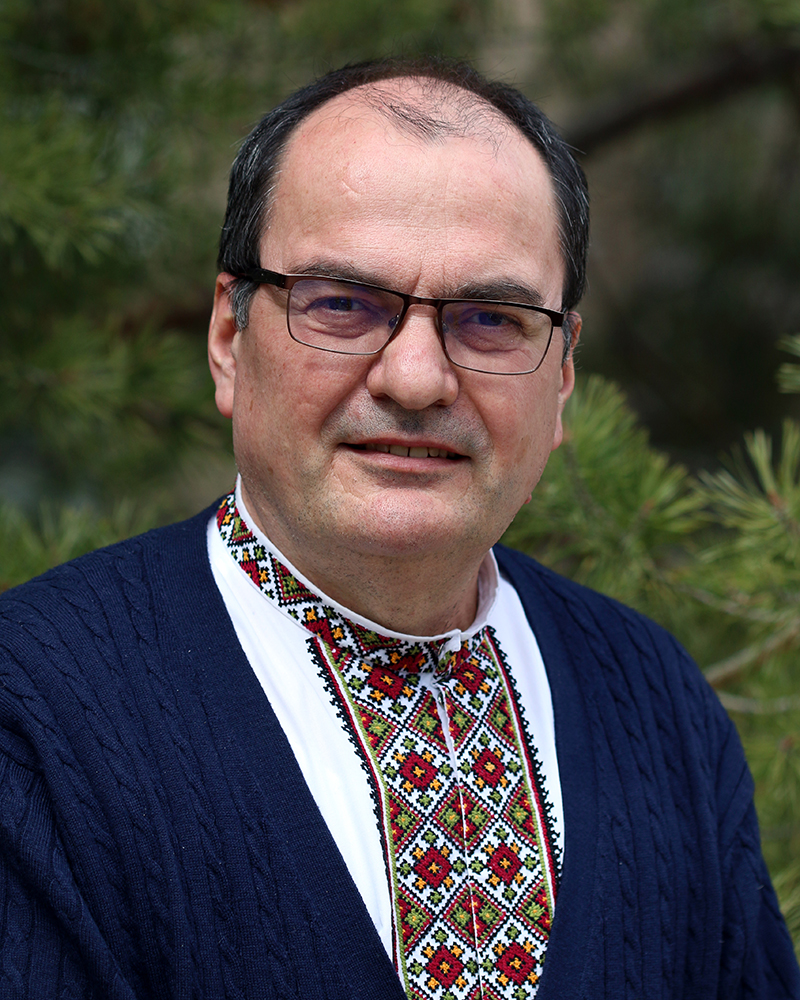
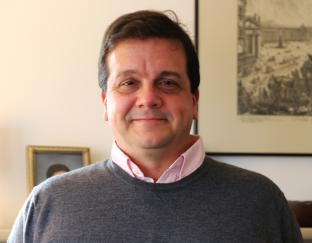
Dr. Elemir Simko is a Professor in the Department of Veterinary Pathology at the University of Saskatchewan, affiliated with Prairie Diagnostic Services. He holds a DVM from the University of Belgrade (Yugoslavia) and a DVSc from the University of Guelph, and is a Diplomate of the American College of Veterinary Pathologists. Since 1998, he has coordinated core anatomic pathology courses at both undergraduate and graduate levels. His research focuses on honey bee health, agricultural sustainability, comparative pathology, and innate immunity. Recent work includes studies on honey bee pathogen dynamics, pesticide impacts, and equine septic arthritis diagnostics using biomarkers. He collaborates extensively with researchers on investigative pathology and contributes to diagnostic services. Education: DVM (University of Belgrade), DVSc (University of Guelph), ACVP Diplomate Key Research Themes: Honey bee health, infectious disease pathogenesis, antimicrobial resistance, and diagnostic pathology Collaborations: Prairie Diagnostic Services, multiple veterinary and agricultural researchers Dr. Simko’s publications span veterinary pathology, honey bee health, and equine medicine. His recent articles highlight advancements in diagnostic techniques for septic arthritis in horses and interventions to mitigate honey bee colony threats. He has no listed awards but maintains active roles in teaching and applied research.
Mikhail Gelfand is a Full Professor and Director of the Center for Molecular and Cellular Biology at Skolkovo Institute of Science and Technology (Skoltech), where he also serves as Vice President for Biomedical Research. His distinguished career spans multiple prestigious institutions including Lomonosov Moscow State University and the Higher School of Economics. His educational background includes: 1985: MSc in mathematics (functional analysis) 1993: PhD in physics-mathematics (biophysics) 1998: DSc in biology (molecular biology) 2007: full professor (bioinformatics) Professor Gelfand's research focuses on molecular evolution, comparative genomics, systems biology, and metagenomics. His work examines eukaryotic processes including alternative splicing, mRNA editing, and chromatin structure, as well as bacterial genome evolution and transcription regulation. His lab combines data on three-dimensional chromatin structure, epigenetic states, and gene expression to obtain an integrated view of genome functioning across diverse organisms from humans to amoebae. One major research direction focuses on the evolution of transcript splicing and editing, while comparative analysis of bacterial genomes yields functional annotations of novel enzymes, transporters, and transcription factors. His recent publications demonstrate a strong focus on RNA editing in cephalopods, bacterial genome analysis, and computational approaches to understanding chromatin structure. The work spans molecular biology, evolutionary biology, and bioinformatics, with particular emphasis on how RNA editing contributes to adaptation and molecular evolution across metazoans. His research shows how edited adenines are more frequently substituted with guanine in evolution than their unedited counterparts, suggesting RNA editing may enhance adaptation. His notable awards include: The President of Russian Federation's Award for Young Doctors of Science (2000) The "Best Scientist of the Russian Academy of Sciences" award (2004) A. A. Baev Prize in Genomics and Genoinformatics (2007) Member of Academia Europaea (2010) As Director of the Center for Molecular and Cellular Biology, Professor Gelfand leads a research group that combines computational and experimental approaches to study genome function and evolution. His lab's work has significant implications for understanding molecular mechanisms of evolution and adaptation across diverse biological systems, from bacteria to complex eukaryotes. His research on metagenomics extends to practical applications in areas including coral disease, aphids, and oil wells.
University of California, Los AngelesUnited States
Guillaume Chanfreau is a Professor in the Department of Chemistry and Biochemistry within the College of Letters and Science at the University of California Los Angeles (UCLA). His research focuses on fundamental mechanisms of RNA metabolism, with particular emphasis on RNA splicing, decay pathways, and ribonuclease functions. His work spans molecular biology, biochemistry, and genetics, utilizing yeast as a primary model organism to investigate conserved RNA processing mechanisms. Professor Chanfreau's research interests center on understanding how RNA processing pathways regulate gene expression. His work examines transcription termination, RNA splicing fidelity, RNA decay mechanisms, and the role of ribonucleases in cellular RNA homeostasis. He investigates how these processes are interconnected and how they respond to cellular stress conditions. His laboratory has made significant contributions to understanding how RNA quality control mechanisms prevent the accumulation of aberrant transcripts and maintain cellular health. Analysis of Chanfreau's recent publications (2020-2025) reveals a strong focus on RNA splicing mechanisms, RNA decay pathways, and ribonuclease functions. His work frequently employs yeast genetics combined with advanced RNA sequencing techniques. A notable trend is the increasing use of long-read sequencing technologies to analyze RNA isoforms and decay intermediates. His research consistently bridges fundamental molecular mechanisms with potential implications for understanding human diseases related to RNA processing defects. Professor Chanfreau has been continuously funded by the National Institutes of Health, with his current grant R35GM130370 (2019-2023) titled 'The Control of Gene Expression by Eukaryotic Ribonucleases' and previous long-term funding through R01GM061518 (2000-2019). His research program has supported numerous graduate students and postdoctoral researchers who have contributed to his extensive publication record spanning over two decades.
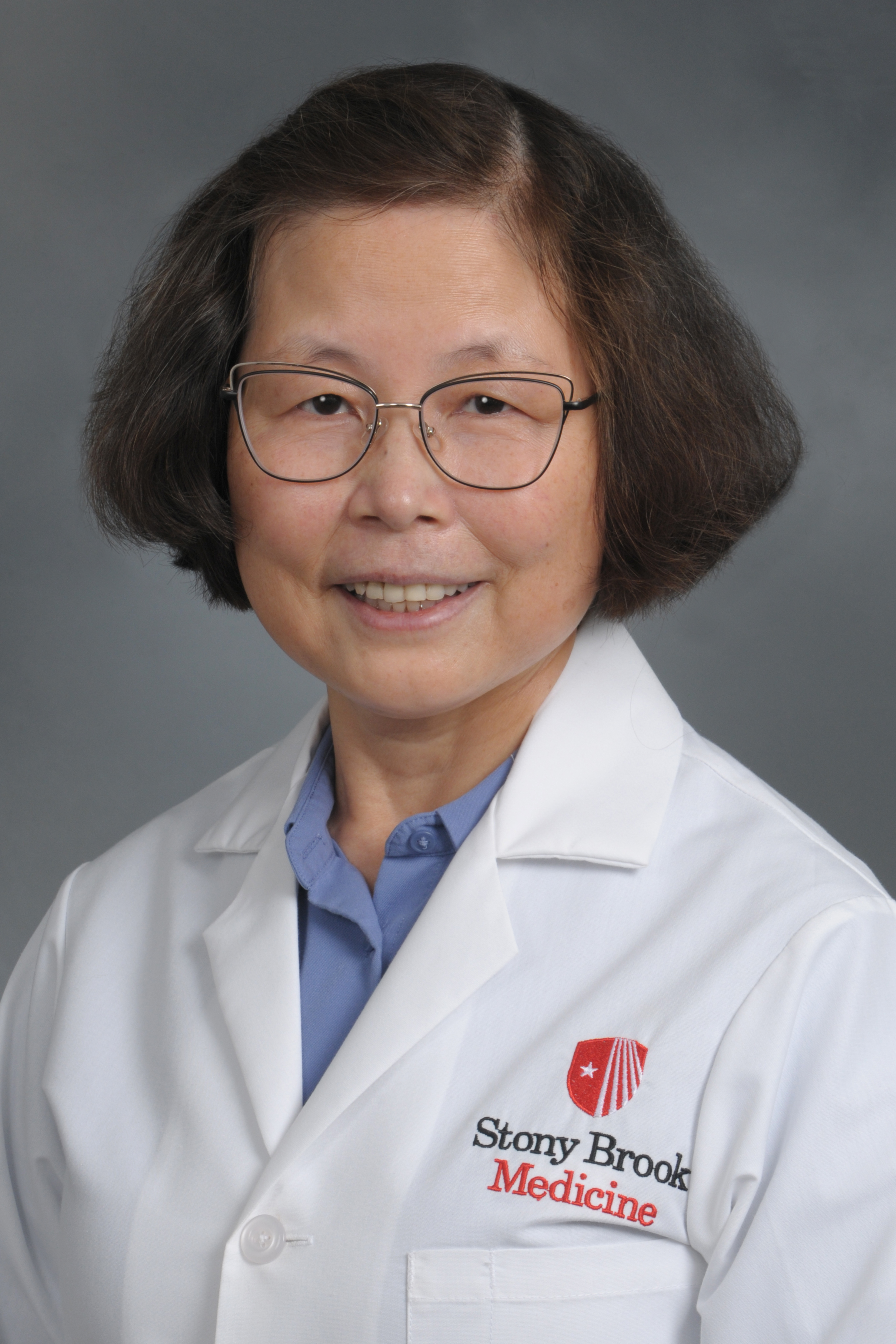
Zhishan Wang, MD, PhD is a Research Professor in the Department of Pathology at Stony Brook University's Renaissance School of Medicine . His work focuses on environmental carcinogenesis , particularly mechanisms of cancer biology and cancer therapy , with a specialization in metal-induced carcinogenicity. Research Interests: Environmental Carcinogenesis Epigenetic and Epitranscriptomic Mechanisms Tumor Microenvironment Remodeling Metal Toxicity Pathobiology Non-Coding RNA Regulatory Networks Scientific Contributions: Analysis of 15 recent publications reveals expertise in: Metal-Induced Oncogenic Pathways (e.g., NF-κB activation, Hedgehog signaling) RNA Modification Dynamics (m6A, lncRNA-splicing interactions) Stem Cell Plasticity in Carcinogenesis Multi-Carcinogen Synergy Mechanisms Epigenetic-Genotoxic Interplay Transcriptomic Reprogramming by Toxicants
University of California, San FranciscoUnited States
Dr. Marco Conti is the Fred Gellert Endowed Professor at the University of California San Francisco (UCSF) School of Medicine, where he serves in the Department of Obstetrics, Gynecology and Reproductive Sciences. He previously directed the Center for Reproductive Sciences at UCSF, a leading institution in reproductive biology research. Dr. Conti received his M.D. from the University of Rome School of Medicine in 1974, followed by postdoctoral training in Reproductive Biology at the same institution (1974-75) and Endocrinology at the National Institutes of Health in Bethesda, MD (1975-77). His research career spans over four decades with significant contributions to understanding oocyte development and reproductive biology. Dr. Conti's research program focuses on signal transduction pathways required for germ cell development, particularly those controlling oocyte meiotic maturation and developmental competence. His lab has identified critical signals arising in somatic cells during ovulation that establish oocyte developmental competence. The research examines how disruption of these pathways affects maternal mRNA translation patterns into proteins critical for nuclear reprogramming and early embryo development. This work has significant implications for stem cell research, understanding mechanisms controlling cell replication during preimplantation development, and developing embryonic stem cells into artificial gametes. Additional research interests include fertility preservation for cancer patients. Analysis of Dr. Conti's publication record reveals a consistent focus on reproductive biology with particular emphasis on cAMP signaling pathways, phosphodiesterases, mRNA translation regulation, and oocyte maturation. His work shows progression from foundational studies on cAMP-specific phosphodiesterases in the 1990s to more recent sophisticated analyses of maternal mRNA translation programs using single-cell approaches and multi-omics techniques. The research demonstrates increasing complexity in methodology while maintaining focus on fundamental questions of oocyte developmental competence. International Fogarty Fellow (1975-77) Phi Beta Kappa Teaching Excellence Award (2000) Sandler Foundation Senior Investigator Award (2001) Society for the Study of Reproduction Research Award (2003) Board of Directors Society for the Study of Reproduction (2006) Dr. Conti has mentored numerous researchers in reproductive biology and has been instrumental in establishing genetic models to study oocyte developmental competence. His laboratory work has significant translational potential for improving assisted reproductive technologies and understanding age-related declines in fertility. The Center for Reproductive Sciences at UCSF, which he previously directed, serves as a hub for interdisciplinary research connecting basic science discoveries with clinical applications in reproductive medicine.
Dr. Irene Nobeli is a Senior Lecturer and Education Lead (PG taught courses) at the School of Natural Sciences, Birkbeck, University of London. She specializes in computational biology and chemoinformatics, focusing on regulatory RNAs, transcriptomics in health/disease, brain disorders, and small molecule roles in biology. Her work bridges bioinformatics tools development and translational research. Administrative roles include directing the MSc Bioinformatics program and organizing the Sequence Analysis and Omics module. She collaborates with research centers like the Birkbeck Institute for Data Analytics (BIDA) and the Institute of Structural Molecular Biology (ISMB). Research interests span bioinformatics methodologies, Mycobacterium genomics, neurodevelopmental disorders, and computational drug design. Notable contributions include developing flexiMAP (alternative polyadenylation analysis) and baerhunter (bacterial non-coding RNA detection). Publications highlight her expertise in transcriptomics, bacterial pathogenesis, and neurobiological mechanisms. She actively engages in advancing computational methods for genomic data interpretation and translational medicine.
Eduardo Eyras is a Professor at the Australian National University (ANU) and EMBL Australia Group Leader, leading research in computational RNA biology and cancer genomics. He directs the Centre for Computational Biomedical Sciences and is part of the Shine-Dalgarno Centre for RNA Innovation. His work focuses on transcriptome and epitranscriptome analysis using long-read sequencing, machine learning, and computational methods to study cancer mechanisms. Eyras holds a PhD in Mathematics from the University of Groningen (1999) and previously led research at the Sanger Institute and Pompeu Fabra University. Affiliations: Director, Centre for Computational Biomedical Sciences Researcher, Shine-Dalgarno Centre for RNA Innovation Member, Division of Genome Sciences and Cancer Leader, The Eyras Group - Computational RNA Biology Research Interests: Development of algorithms for long-read sequencing Machine learning applications in RNA biology Epitranscriptomic modifications and cancer Therapeutic mRNA platform steering Key Projects: Novel algorithms for transcriptome variation analysis Predictive models of RNA modifications in disease Ribosomal DNA variation analysis Advisees & Grants: Supervises PhD students (e.g., Favour Oyelami, Stefan Prodic) and leads ARC-funded projects on mRNA diagnostics and epitranscriptomic therapies. Collaborates with global teams on forensic genomics, cancer drug resistance, and AI-driven translational research. Labs/Teams: Leads the Eyras Group, collaborating with the Hannan Group (Cancer Therapeutics) and Shirokikh Group (Protein Biosynthesis).
John Iacomini is a Professor at Tufts University School of Medicine , affiliated with the Department of Immunology and cross-appointed in Genetics, Molecular and Cellular Biology, and other biomedical programs. He has taught courses like Intro to Immunology and Advanced Cellular Immunology since 2011. Doctor of Philosophy , Tufts University (1991) Bachelor of Science , Syracuse University (1986) His research focuses on adaptive immune responses , immunological tolerance , and the role of microRNAs in T cell activation and tissue injury responses . Recent work explores how hyperlipidemia and dietary factors influence organ transplant rejection and immune regulation. His publications since 2015 highlight studies on Treg dysfunction , Th17 cell pathogenicity , microRNA-mRNA interactions in nephrotoxicity, and hormonal modulation of T cells. These studies often intersect transplant immunology and metabolic-immune crosstalk . Scientific Awards NIH Grant: Post-transcriptional regulation of gene expression by microRNAs (2021-2026) NIH Grant: Microbial disruption of dendritic cell function (2018-2023) NIH Grant: Hyperlipidemia effects on immune memory (2018-2020) NIH Grant: Diet-induced transplant rejection (2015-2020) American Heart Association Grant: Hyperlipidemia in cardiac rejection (2014) As a mentor, he has advised graduate students like Christopher Benway and contributed to training programs. His laboratory remains active in uncovering mechanisms of immune tolerance , microRNA regulation , and metabolic influences on transplant outcomes .
Professor Aideen Sullivan is Head of the Department of Anatomy and Neuroscience at University College Cork (UCC). With a career spanning over two decades at UCC, she leads research on neuroprotective therapies for Parkinson's disease, focusing on growth factors, stem cell applications, and epigenetic mechanisms. She established Ireland's first BSc in Neuroscience and co-developed the cross-College BSc in Medical and Health Sciences (CK707). BSc (First Class Honours) in Pharmacology, University College Dublin (1992) PhD in Neuropharmacology, University of Cambridge (1995) Her research program investigates Parkinson's disease through five key themes: viral vector delivery of neurotrophic factors, molecular mechanisms of neuroprotection, biomarker discovery, neuronal degeneration models, and stem cell-based treatments. She has secured significant grants from Health Research Board, Enterprise Ireland, and the Wellcome Trust. Recent publications (2022-2020) emphasize epigenetic regulation (HDAC inhibitors), microbiome-gut-brain axis interactions, and novel neurotrophic strategies. Articles highlight GDF5's neuroprotective effects, miRNA modulation, and molecular pathways like BMP-Smad and p38-MAPK. Scientific awards include: Postgraduate Certificate in Teaching and Learning (UCC, 2006) FETAC Certificate in Peer-Mentoring (2010) Leadership Foundation Aurora Programme Scholarship (2015) Over €2 million in research grants She mentors undergraduate and postgraduate students, chairs UCC's Athena SWAN 'Flexible Working' group, and serves as Editor-in-Chief of Neuronal Signaling . Her work spans laboratory research, public engagement, and educational innovation.
Anthony Antonellis is a Professor of Human Genetics at the University of Michigan Medical School. His research focuses on transcriptional regulation and the genetic and molecular mechanisms of Mendelian disease, particularly mutations in aminoacyl-tRNA synthetases linked to neuropathies and neurodevelopmental defects. He is affiliated with the Antonellis Laboratory and the Cell and Molecular Biology (CMB) program. Implicit Bias Training Allayship Training Anti-Racism Training Disability Awareness Training Bystander Training Gender Bias/Discrimination Training Research areas include studies of gene regulation via cis-acting elements in myelinating cells, and the role of tRNA charging enzymes in neurodegenerative and developmental disorders. His group employs model organisms like yeast and zebrafish to explore clinical heterogeneity and disease mechanisms. Articles highlight Mendelian disorders, neuropathy genetics, tRNA synthetase dysfunction, and neurogenetics, with emphasis on translation to clinical diagnostics and therapeutics. Contact: antonell@umich.edu
Carmen Catala is an Assistant Professor in the School of Integrative Plant Science , Department of Plant Biology , at Cornell University , with a concurrent appointment at the Boyce Thompson Institute (BTI) . Her research focuses on the molecular regulation of fruit development in tomatoes, particularly the role of auxin in growth, cell wall modification, and drought stress response. Education Doctorate, University of Valencia (1991) Master of Science, Instituto de Agroquímica y Tecnología de Alimentos (1986) Bachelor of Arts, University of Valencia (1985) Research Interests Carmen’s work investigates auxin synthesis, transport, and signaling networks during tomato fruit development. She combines genetic, molecular, and transcriptomic approaches to study how auxin gradients regulate cell division and expansion, with recent projects examining drought stress impacts on fruit set and the use of wild tomato species to identify adaptive traits. Publications & Research Trends Her publications span auxin transporter gene family analysis (PIN/AUX-LAX), transcriptomic studies of drought-stressed fruits, and proteomic characterizations of cell wall modifications. Key trends include hormonal regulation of development, stress adaptation genomics, and leveraging wild genetic diversity for crop improvement. Contact Information Email: cc283@cornell.edu Phone: (607) 254-8694 Lab: 315/316 Tower Rd., Ithaca, NY 14853
The University of Texas Medical Branch at GalvestonUnited States
Claudia Marino, PhD is an Assistant Professor in the Department of Neurology at the University of Texas Medical Branch (UTMB) School of Medicine. She is also a member of both the Institute for Drug Discovery and the Mitchell Center for Neurodegenerative Diseases. Her research focuses on understanding the biophysical, biomolecular, and physiological mechanisms for preventing or halting neurodegenerative disorders, particularly Alzheimer's Disease (AD). Dr. Marino's research interests center on characterizing novel druggable targets for Alzheimer's Disease, with particular emphasis on genetic variants that confer resilience against neurodegeneration. Her groundbreaking work on the APOE3 Christchurch mutation and the RELN-COLBOS variant has provided critical insights into natural protective mechanisms against Alzheimer's pathology. She investigates antibody- and small molecule-based therapeutic approaches targeting ApoE4-induced neurotoxicity and patient-inspired mechanisms of resilience against Alzheimer's disease. Her laboratory also characterizes synthetic, recombinant and biological inhibitors of amyloidogenic proteins. Dr. Marino's recent publications demonstrate a strong focus on genetic variants that confer resistance to Alzheimer's disease, with particular emphasis on the APOE and Reelin pathways. Her research bridges basic science discoveries with translational applications, developing therapeutic antibodies that mimic protective genetic variants. The work spans multiple disciplines including molecular neuroscience, genetics, protein biochemistry, and therapeutic development for neurodegenerative conditions. Her scientific achievements have been recognized with numerous awards including Excellence in Student Research awards (2014-2018), Best Overall Oral Presentation Award (2017), and Excellence in Translational Science Award (2016). Excellence in Student Research for Basic Science and Neuroscience Research category, 22nd Annual Forum on Aging, 2018 Recipient of the award 'Neurodegeneration and Disease', 3rd Annual Neuroscience Graduate Program Student Symposium, 2018 Recipient of Best Overall Oral Presentation Award, 2nd Annual Neuroscience Graduate Program Student Symposium, 2017 Recipient of Student's Choice Award, 2nd Annual Neuroscience Graduate Program Student Symposium, 2017 Dr. Marino's professional affiliations include membership in the Mitchell Center for Neurodegenerative Diseases (2014-2019, 2024-present), ISTART Alzheimer's Association (2022-present), Society for Neuroscience (2014-present), and Sigma Xi, UTMB-Galveston Chapter (2016-2019). Her laboratory work focuses on translating discoveries about natural protective mechanisms against Alzheimer's into disease-modifying therapies that could benefit millions affected by this devastating condition.
Ana Fiszbein is an Assistant Professor of Biology at Boston University, specializing in gene regulation and RNA processing. Her lab employs high-throughput genomics, bioinformatics, and molecular approaches to study co-transcriptional gene regulation in mammalian systems, with a focus on cancer genomics and therapeutic strategies. She earned her PhD from the University of Buenos Aires and leads research on how gene architecture influences transcriptional programs. Her research interests include understanding the interplay between transcription and splicing, particularly through phenomena like Exon-Mediated Activation of Transcription Starts (EMATS). The lab develops computational tools like evopython to predict gene regulatory networks and designs strategies to manipulate gene expression for therapeutic applications. Current projects explore promoter-driven RNA processing decisions, transcriptional interference between promoters, and the connection between transcript initiation and termination. The lab actively recruits undergraduate, graduate, and postdoctoral researchers. Key findings include the discovery of hybrid exons and splicing-dependent transcriptional control mechanisms.
Bin Tian, Ph.D., is a Professor in the Department of Biochemistry and Biophysics at The Wistar Institute and serves as Program Co-Leader of the Genome Regulation and Cell Signaling Program at the Ellen and Ronald Caplan Cancer Center. He is also the Director of the Center for Systems & Computational Biology. His research integrates molecular biology, computational genomics, and functional studies to understand RNA processing, particularly alternative polyadenylation (APA), and its roles in cancer and immunity. His educational background includes a B.S. in Biochemistry from East China University of Science and Technology and a Ph.D. in Molecular Biology from Rutgers Biomedical and Health Sciences (formerly UMDNJ). He completed postdoctoral training in bioinformatics and genomics at Johnson & Johnson before establishing his independent lab at Rutgers New Jersey Medical School in 2003, where he became a tenured professor in 2014. He joined The Wistar Institute in 2020. His research focuses on molecular systems biology of RNA, including functional genomics of cleavage and polyadenylation, regulation of gene expression through early transcriptional termination, spatial and temporal control of mRNA metabolism via alternative 3’UTRs, and cleavage and polyadenylation inhibition (CPAi) as a cancer therapeutic strategy. His lab has developed key bioinformatics resources like PolyA_DB, APAlyzer, and MAAPER. His recent publications show a strong trend in dissecting APA mechanisms across physiological and pathological contexts, including cancer, neuronal function, and immune cell differentiation. The work combines high-throughput sequencing, single-cell analysis, and computational modeling to uncover how APA regulates mRNA stability, localization, and function. He mentors a team of postdoctoral fellows, predocotoral trainees, and research assistants, contributing to training the next generation of scientists. His lab is actively pursuing novel therapeutics targeting mRNA 3’ end processing in cancer and immune disorders.
Kristen W. Lynch, PhD, is the Benjamin Rush Professor of Biochemistry and Chair of the Department of Biochemistry and Biophysics at the Perelman School of Medicine, University of Pennsylvania. She leads research at the Lynch Lab and co-directs the Institute for RNA Innovation , focusing on RNA processing mechanisms in human immune responses. Education: Harvard University (B.A. 1990, Ph.D. 1996) Postdoctoral Training: University of California, San Francisco (1997-2001) Her work bridges RNA splicing , alternative polyadenylation , and gene regulation in immune cells and cancer. She discovered kinase pathways controlling RNA-binding protein (RBP) activity and demonstrated how antigen stimulation and viral infections reprogram splicing networks to modulate immunity. Collaborative studies with oncologists revealed splicing defects phenocopying genetic mutations in leukemias and identified therapeutic vulnerabilities in RNA processing . Her recent publications highlight TREX-2 complex in mRNA export, hnRNP L repressing cryptic exons, and DDX39B structural analysis . Collaborations span RNA-Seq , splicing codes , and epithelial cell post-transcriptional programs . She explores spliceosomal assembly mechanisms and signal-responsive RBPs in T cells and influenza pathogenesis.