Jeffrey J. Borckardt is a Professor in the Department of Psychiatry and Behavioral Sciences at the Medical University of South Carolina (MUSC). His primary research focuses on neuromodulation techniques, including transcranial direct current stimulation (tDCS), transcutaneous auricular vagus nerve stimulation (taVNS), and transcranial focused ultrasound (tFUS), applied to chronic pain management and opioid use reduction. He leads multidisciplinary clinical trials investigating the efficacy of these technologies in diverse populations, including veterans and patients with hypermobile Ehlers-Danlos syndrome. Key research areas include the neurobiological mechanisms of pain, the integration of psychological interventions like cognitive-behavioral therapy (CBT), and the development of telehealth-delivered therapies. His work emphasizes improving healthcare access disparities and optimizing interprofessional teamwork. He collaborates across institutions, including the VA and international ENIGMA initiatives, to advance translational neuroscience. Recent studies explore the synergistic effects of tAN and tDCS with behavioral interventions, pain biomarkers in spine treatments, and real-time fMRI neurofeedback for addiction. His clinical trials often involve double-blind, sham-controlled designs to rigorously evaluate neuromodulation efficacy. Institutional Affiliations: MUSC College of Medicine, VA Medical Center Research Themes: Neuromodulation, Pain Rehabilitation, Opioid Crisis Mitigation
Theresa Sophie Busse is a Junior Professor for Digital Health at the University of Witten/Herdecke, Faculty of Health (Department of Human Medicine). Her work bridges clinical practice, computer science, and ethics through user-centered technology development and addressing digital divides in healthcare. She focuses on improving digital health literacy, ethical data practices, and equitable access to digital interventions for vulnerable populations including older adults and palliative care patients. Education: Doctorate in Theoretical Medicine (Dr. rer. medic.), Master in Applied Ethics, Master in Rehabilitation & Health Research Her research emphasizes participatory development of digital health tools, operationalization of digital literacy metrics, and ethical implications of technology in healthcare. She leads projects like DIM.Ruhr and iDEM-Support, examining technology acceptance and planetary health impacts. Her teaching integrates ethics, sustainability, and multiprofessional collaboration, with courses on digital health certificate programs and problem-based learning in medicine. Notable awards include the Humboldtⁿ Prize for Sustainability (2023) and the Heinz Pichlmaier Research Prize (2023). She is actively involved in professional networks such as the German Society for Palliative Medicine and the Network for Ethics in Medicine, shaping digital health policy through memberships in quality management commissions and sustainability initiatives.
Dr. David Wright is a Professor in the Department of English and Technical Communication at Missouri University of Science and Technology (Missouri S&T). He joined the faculty in 2007 after prior roles at NASA’s Education Project, Oklahoma state government, and the software industry. He holds a Ph.D. in Technical Communication (Oklahoma State University, 2007), an M.S. in Higher Education Administration (1996), and a B.S. in Organizational Psychology (1993), all from Oklahoma State University. His research focuses on smart home technology and artificial intelligence, particularly examining human-AI interaction through usability and user experience (UX) testing. He also explores technology diffusion, technical communication practices in emerging technologies, and educational methodologies for technical fields. His work integrates interdisciplinary approaches, blending engineering, sociology, and computer science. Recent publications highlight his contributions to IoT usability, smart home adoption challenges, and the intersection of AI ethics with virtual assistants. He has also authored studies on knowledge graph design, technical documentation in software development, and educational initiatives in computer science and healthcare. Dr. Wright teaches courses in technical writing, usability studies, and web-based communication. His academic service includes curriculum development and advising on technical communication pedagogy. While no specific awards are listed, his extensive publication record reflects sustained scholarly impact in his fields.
Claudia Ruitenberg is a Professor in the Department of Educational Studies at the University of British Columbia's Faculty of Education, specializing in philosophical and ethical dimensions of education with emphasis on early childhood contexts and global challenges like climate justice. Her research portfolio includes: Philosophical questions in early childhood education Ethics in and of early childhood education Speech act theory and educational discourses Educational hospitality frameworks Climate crisis and intergenerational justice Political education in populist contexts Recent publications demonstrate a critical shift toward climate emergency responses through educational ethics, examining how hospitality principles foster intergenerational solidarity. Her work challenges instrumental environmental education approaches, advocating for 'convivialist transformation' that rearranges desires and controls hubris, while integrating Levinasian ethics with multispecies pedagogy and pandemic-climate crisis intersections.
Margaret Greenwald serves as Associate Professor and Ph.D. Coordinator in the Department of Communication Sciences and Disorders (CSD) within Wayne State University's College of Liberal Arts and Sciences. Previously department chair (2014-2020), she is a Licensed and Certified Speech-Language Pathologist (CCC-SLP) recognized in 2022 as Wayne State's Outstanding Graduate Mentor in the health sciences. Her academic credentials include: M.A. in Speech-Language Pathology (University of Florida) Ph.D. in Communicative Sciences and Disorders (University of Florida) Post Doctoral Research Training in Cognitive Neuropsychology (University of Maryland, Department of Neurology) Dr. Greenwald's research centers on adult neurogenic communication disorders , specializing in aphasia, traumatic brain injury, and stroke rehabilitation through cognitive neuropsychology. Her work employs Magnetoencephalography (MEG) to map brain-behavior relationships during language and musical processing tasks, revealing critical insights for rehabilitation. She actively bridges clinical practice with neuroscience to develop evidence-based interventions. Analysis of her recent publications shows consistent focus on neuroimaging applications for understanding language disorders, with growing emphasis on telepractice implementation and the cognitive effects of musical training. Her work demonstrates strong translational value, connecting basic neuroscience to clinical rehabilitation protocols while maintaining rigorous methodological standards. Her scientific recognition includes: Outstanding Graduate Mentor in the Health Sciences, Wayne State University (2022) As an educator, Dr. Greenwald teaches graduate courses in aphasia, neuromuscular speech disorders, research methods, and doctoral seminars, plus undergraduate speech-language pathology instruction. She supervises doctoral research as Ph.D. coordinator and mentors students through clinical research projects. Her teaching integrates current neuroscience findings with clinical practice standards. She maintains active professional engagement through memberships in the American Speech-Language Hearing Association (ASHA), Academy of Aphasia, and International Neuropsychological Society, contributing to both clinical guidelines development and research community advancement.
Prof. Emmanuel Kabengele Mpinga is a Professor at the Institute of Global Health (ISG) within the Faculty of Medicine at the University of Geneva. He leads the Division of Health and Human Rights, focusing on four core research areas: identifying rights violations impacting public health, clarifying the epistemology of health-human rights links, developing global surveillance indicators for health rights implementation, and designing intervention strategies. His work is part of an international network led by Harvard University and collaborates with institutions like Geneva University Hospitals (HUG). Education & Roles: Holds a Doctorate in Health Systems Policies, Masters in Public Health, and certifications in Health Administration and Human Rights. He has held an Swiss School of Public Health+ assistant professorship (2008-2012) and advises UN agencies, governments, and NGOs on human rights and public health. His research spans over two decades, addressing topics like Noma disease, economic costs of torture, and female genital mutilation. Research Interests: Interdisciplinary projects include the SNIS-funded Noma research initiative (2019-2021) to globalize Noma as a neglected disease, costing models for health rights violations, and human rights frameworks in AI-driven healthcare. His work emphasizes socio-economic impacts of health inequities and policy advocacy. Grants & Collaborations: Active in projects funded by Swiss Network for International Studies (SNIS), Northumbria University, and Danish Institute against Torture (Dignity). Collaborates with WHO, UN agencies, and global health networks. Leads training programs in health and human rights across Francophone Africa through e-learning platforms. Labs/Teams: Heads the Health and Human Rights Division at ISG, coordinating international research networks. Supervises PhD students (e.g., Krystel Ouaijan on malnutrition, Joshua Galjour on HIV/AIDS and political instability).
Gaye Stephens serves as Assistant Professor in the School of Computer Science and Statistics at Trinity College Dublin, where she is a core member of the Centre for Health Informatics alongside Dr. Lucy Hederman and Prof. Mary Sharp. She actively contributes to institutional governance as a board member of the Irish Platform for Patient Organisations, Science and Industry (IPPOSI) and serves on the school's research ethics committee. Her research centers on patient-centered health informatics with focus areas including Electronic Health Record design , citizen engagement methodologies (such as Citizen Juries and Think-ins), and scalable information models for healthcare integration. She pioneers approaches that position patients as central stakeholders in health data governance, addressing critical challenges in digital health literacy, informed consent frameworks, and interoperability between legacy and emerging health technologies. Analysis of her recent publications reveals consistent focus on knowledge engineering for healthcare , with particular emphasis on temporal data modeling in knowledge graphs (2024-2025), nurse knowledge elicitation through serious games (2023-2024), and novel methodologies like the WICKED framework for capturing clinical wisdom (2022-2023). Her work consistently bridges technical informatics with human-centered design principles. Stephens actively contributes to national health informatics infrastructure through memberships in: Royal Academy of Medicine of Ireland Council of Clinical Information Officers National Standards Authority of Ireland Health Informatics Group Health Informatics Society of Ireland (including Nursing and Midwifery group) e-Health Ireland ECOSYSTEM working group She supervises across undergraduate, MSc (Health Informatics and Global Health), and PhD programs while leading client-based final year projects. Her teaching portfolio includes Introduction to Health Informatics, Information Modeling, Connected Health, and Electronic Health Record Architectures, with research advising spanning health data governance and patient engagement projects. Stephens co-leads the Knowledge and Data Engineering Group's Health Informatics research stream, focusing on semantic interoperability, adaptive hypermedia systems, and novel engagement models for health data governance. Her current projects emphasize citizen-centered EHR architectures and interdisciplinary approaches to healthcare data integration.
Karen Hayes is a Lecturer in Occupational Therapy at the School of Allied Health, Exercise and Sports Sciences, Charles Sturt University. With over two decades of clinical experience, she focuses on rural health equity, workforce development, and spatial justice in non-urban healthcare systems. Education: BaAppSc(Occupational Therapy)(Hons), University of Western Sydney; MHlthSc(Education), University of Sydney; GCertAppHlthBPsych, University of Newcastle Research: Rural occupational therapy services, spatial justice, workforce maldistribution, disaster resilience, and interprofessional education Awards: Senior Fellow Higher Education Academy (2024), Change One Thing Award (2023), Best Oral Presentation (2022), Best Presentation (2024) Her recent research examines the persistent shortage of occupational therapists in rural areas, spatial analysis of healthcare access, and simulation-based training for rural practice readiness. She advocates for systemic policy reforms to address geographic disparities in care provision. Key collaborations include work with institutions like the University of Western Sydney and active engagement in rural health conferences and policy groups. Her teaching philosophy emphasizes hands-on learning, critical thinking, and cultural awareness to prepare students for rural practice challenges.
Nicole M. Nielsen is an Assistant Professor in the Department of Pharmacy Practice at the School of Pharmacy and Health Professions, Creighton University. Her academic role focuses on advancing pharmacotherapy education and clinical practice, particularly in ambulatory care settings. She holds expertise in dermatology, diabetes management, and innovative educational methodologies such as team-based learning and virtual escape rooms. Nielsen holds a PharmD degree and is a Board Certified Ambulatory Care Pharmacist (BCACP), along with certifications in Advanced Pharmacy Practice (APh) and Medical Education in Health Professions (MEHP). Her research interests span dermatological pharmacotherapy, diabetes therapeutic strategies, and improving educational outcomes through active learning techniques. She has contributed to case-based learning resources in atopic dermatitis and explored the use of innovative teaching tools to enhance student engagement and proficiency. Diabetes Management: Presented on SGLT2 inhibitors in kidney disease and evolving diabetes treatments. Educational Innovations: Developed virtual escape rooms and paperless team-based learning frameworks. Awards: Faculty Advisor of the Year West Coast University Outstanding Student Organization Advisor Award California Health Science University Natural Standard Research Collaboration Award Advising & Grants: Advised student projects on mentorship programs and civic engagement in Fresno County. Her work emphasizes interprofessional collaboration and student professional development.
Yvette C. Latunde is a Professor of Organizational Leadership at the University of La Verne's LaFetra College of Education. She previously served as Director of the Center for Educational Equity and Intercultural Research (CEEIR). Her work focuses on equity-centered leadership, family-school-community partnerships, and leveraging Black family resources to support student success. Latunde is a leading voice in culturally responsive education, having authored influential books like Equitable by Design and Research in Parental Involvement . Her research interests include inclusion, transformative leadership, neurodiversity, and dismantling inequities through culturally proficient frameworks. Latunde has published extensively on African American family engagement, dual capacity-building models, and faith-based interventions in education. She co-founded the Black Parent Advisory Councils to strengthen community-school ties. Latunde's scholarship emphasizes hospitality theory in school inclusion and values-based leadership practices for marginalized groups. Her work bridges academic research with practical strategies for educators, policymakers, and community leaders. She holds a Doctorate in Education (EdD) and has over two decades of experience in K-12 and higher education settings. Her advisory roles include serving on the Lewis Center for Entrepreneurship Advisory Board. Latunde’s research has been featured in Frontiers in Education , Journal of Negro Education , and Journal of Multicultural Education , reflecting her interdisciplinary approach to social justice in education.
Kerryn Butler-Henderson is an Adjunct Professor in the Department of Health and Biomedical Sciences at RMIT University. Her research focuses on digital health transformation, healthcare informatics, and workforce education. She actively contributes to understanding the integration of artificial intelligence, predictive analytics, and electronic health records (EHR) into healthcare systems. Her work emphasizes improving clinical outcomes through data-driven approaches and addressing challenges in workforce digital literacy. She holds an ORCID identifier (0000-0002-6082-2108) and is open to supervising PhD and Masters students. Research interests include: Learning health systems and AI applications Prediction modeling for musculoskeletal disorders Digital health workforce development Value-based healthcare frameworks Educational innovations in nursing and healthcare Key publications from 2024-2025 explore topics like EHR generalizability, digital health literacy measures, and global digital health workforce roles. Her interdisciplinary collaborations span occupational health, gerontology, and healthcare accounting. Dr. Butler-Henderson is engaged in curriculum development for digital health competencies and has contributed to national surveys on nursing education trends. She maintains strong industry connections through RMIT's Health and Biomedical Sciences research networks.
Dr David W. Evans is an Assistant Professor in Musculoskeletal Health Care at the School of Sport, Exercise and Rehabilitation Sciences, University of Birmingham, where he has been a faculty member since 2017. He serves as Programme Lead for the MSc Physiotherapy (pre-registration) programme and teaches across multiple physiotherapy degrees including MSci and MSc programmes. Education: PhD in Low Back Pain, Keele University (2007) BSc (Hons) in Osteopathy, Health Sciences University (formerly British School of Osteopathy), London (1998) His research focuses on understanding and measuring disabling musculoskeletal pain, particularly low back pain, with an emphasis on improving patient outcomes through better treatment matching. His work spans pain mechanisms, measurement of disability, and the effectiveness of physical interventions. He has maintained a clinical practice in musculoskeletal health since 1998. Dr Evans's recent publications (2022–2025) reflect a strong trend in quantitative and clinical research, utilizing wearable technology for lumbar mobility assessment, analyzing pain drawings and spatial pain patterns, and investigating psychological factors such as fear of movement. His work integrates biomechanics, neuroscience, and clinical rehabilitation, often through large-scale studies and systematic reviews. He has also contributed to advancing definitions and educational approaches in manual therapy. Professional Memberships and Roles: Member, Society for Back Pain Research (since 2001) Lead, Pain-focused PPIE Group (since 2021) Member, University of Birmingham REDCap Committee (since 2022) Dr Evans has secured over £2 million in research funding as lead or co-applicant and has published over 50 peer-reviewed papers. He is actively involved in research leadership and has contributed to major clinical trial protocols and systematic reviews in pain and rehabilitation. He is affiliated with research platforms including ORCID, Google Scholar, and ResearchGate, and his work is supported by institutional and national research infrastructures. He coaches javelin throwing at a local athletics club, reflecting a personal commitment to physical activity and sports.
Amy Lynn Meadows, MD, MHS, FAAP, FAPA, DFAACAP serves as Associate Professor in the Department of Psychiatry at the University of Kentucky College of Medicine, holding the Dr. Laurie L. Humphries Endowed Chair in child psychiatry while directing the Division of Child and Adolescent Psychiatry. Her dual appointment bridges psychiatric and pediatric care within the academic medical center. Dr. Meadows' research program centers on how adverse childhood experiences (ACEs) disrupt health decision-making and treatment adherence, with current NIH-funded work investigating engagement strategies for childhood trauma survivors in opioid use disorder medication treatment. Her scholarship integrates developmental trauma theory with behavioral medicine approaches to improve outcomes for medically complex youth. Recent publications (2023-2025) reveal three dominant trajectories: 1) Racial disparities in youth psychiatric diagnosis and ACEs-substance use pathways; 2) Family factors (particularly parental sleep) impacting medication adherence; and 3) Innovative curriculum development for Triple Board training and pediatric consultation-liaison psychiatry. Her work consistently applies trauma-informed frameworks across medical comorbidities. Her scholarly impact is recognized through: University of Kentucky College of Medicine’s Vision Award UK Academy of Medical Educator’s Excellence in Teaching Award UK Department of Psychiatry Tagalie Heister Mentor Award As Division Director, Dr. Meadows mentors psychiatry residents and Triple Board trainees while leading national curriculum development through the AACAP Book Club and Pediatric Consultation-Liaison Psychiatry initiatives. Her grant portfolio includes NIH studies on ACEs and adherence mechanisms, plus institutional awards for innovative educational programming. She co-leads the University of Kentucky's Triple Board Residency Program (integrating pediatrics, general psychiatry, and child psychiatry) and directs the Child and Adolescent Psychiatry Division's clinical-research-education triad, with active collaborations across pediatric subspecialties including endocrinology and neurology.
Conan MacDougall, PharmD, MAS, BCPS, BCIDP, FIDSA serves as Professor of Clinical Pharmacy in the Department of Clinical Pharmacy at the University of California, San Francisco (UCSF) School of Pharmacy. He provides clinical service to the Infectious Diseases Consult Service at UCSF Medical Center and is actively involved in teaching pharmacy, medical, and nursing trainees at UCSF. Dr. MacDougall holds leadership positions including Chair of the Specialty Council on Infectious Diseases for the Board of Pharmaceutical Specialties and is a member of the School of Medicine's Academy of Medical Educators. Dr. MacDougall's educational background includes: MAS in Clinical Research from University of California, San Francisco (2008) PharmD from University of California, San Francisco (2002) BS in Chemistry from University of California, Davis (1998) Dr. MacDougall's research focuses on innovative approaches to antimicrobial stewardship, interactive learning methods for appropriate antimicrobial use, and the pharmacoepidemiology of antimicrobial utilization in hospitals. His work bridges clinical practice with educational innovation, particularly in developing effective instructional strategies for infectious diseases education. He has made significant contributions to understanding antibiotic resistance patterns, drug-drug interactions involving rifamycins, and the implementation of antimicrobial stewardship programs across healthcare settings. Analysis of Dr. MacDougall's most recent publications reveals a consistent focus on antimicrobial stewardship, infectious diseases education, and pharmacy practice. His research spans clinical investigations of antibiotic efficacy, educational interventions for healthcare professionals, and systematic reviews of drug interactions. Notably, his 2025 publications include important work on the role of infectious diseases pharmacists in antimicrobial stewardship and explorations of how artificial intelligence can support clinical decision-making in infectious diseases pharmacotherapy. Dr. MacDougall has received numerous prestigious awards recognizing his contributions to pharmacy and medical education: Fellow, Infectious Diseases Society of America (2025) Academic Senate Award for Distinction in Teaching, UCSF (2024) Vincent Pons Award for Clinical Infectious Diseases Education, UCSF School of Medicine (2019) Emerging Teaching Scholar Award, American Association of Colleges of Pharmacy (2018) Albert B. Prescott Pharmacy Leadership Award (2012) Multiple Long Prizes for Excellence in Teaching from UCSF School of Pharmacy (2006-2018) As an educator, Dr. MacDougall has twice received the Academic Senate Campus Award for Distinction in Teaching and has been recognized as an Emerging Teaching Scholar by the American Association of Colleges of Pharmacy. He serves as Antimicrobial Section Editor for Goodman & Gilman's The Pharmacological Basis of Therapeutics and is a chapter author in several major medical references including Principles and Practice of Infectious Diseases. His research has been consistently funded through various grants supporting investigations into antimicrobial utilization, educational interventions, and clinical outcomes related to infectious diseases management. Dr. MacDougall has supervised numerous pharmacy students and residents, contributing significantly to the training of future pharmacists specializing in infectious diseases. Dr. MacDougall is actively involved with the UCSF Infectious Diseases Management Program and collaborates with interdisciplinary teams across UCSF Medical Center. His work with the Infectious Diseases Society of America extends to curriculum development initiatives, including the Core Antimicrobial Stewardship Curriculum for Infectious Diseases Fellows. He also contributes to national efforts through his role on the Specialty Council on Infectious Diseases for the Board of Pharmaceutical Specialties, helping to shape certification standards for infectious diseases pharmacotherapy specialists.
Elif Bilgic is an Assistant Professor and Education Scientist at McMaster University's Department of Pediatrics. Her research program focuses on performance assessment across medical specialties, with an emphasis on optimizing clinical and simulation-based evaluations through technological innovation, interdisciplinary collaboration, and competency-based frameworks. McMaster University, Department of Pediatrics (2025-present) McGill University, Department of Surgery (2018-2025) Research Interests span performance assessment in surgical and pediatric education, virtual reality simulations, and artificial intelligence applications in health sciences training. She investigates: Valid assessment tools for laparoscopic suturing and endoscopic procedures Extended reality (XR) adoption in Canadian medical simulation centers Emotional impacts of competency assessment mandates on trainees and faculty Interdisciplinary AI integration in surgical education Educational analytics for skill acquisition tracking Teaching includes modules like The Fundamentals of Skill Acquisition (HSEDUC 704) and Program Evaluation in Health Sciences Education (HSEDUC 710). Her 2025 publications highlight advancements in simulation platforms for pediatric acute care, AI implications in surgical training, and emotional analysis of assessment systems.




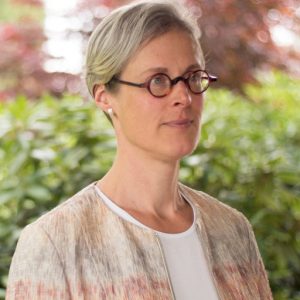


/prod01/channel_3/media/tcd/scss/headshots/Gaye-Stephens-BW.jpg)