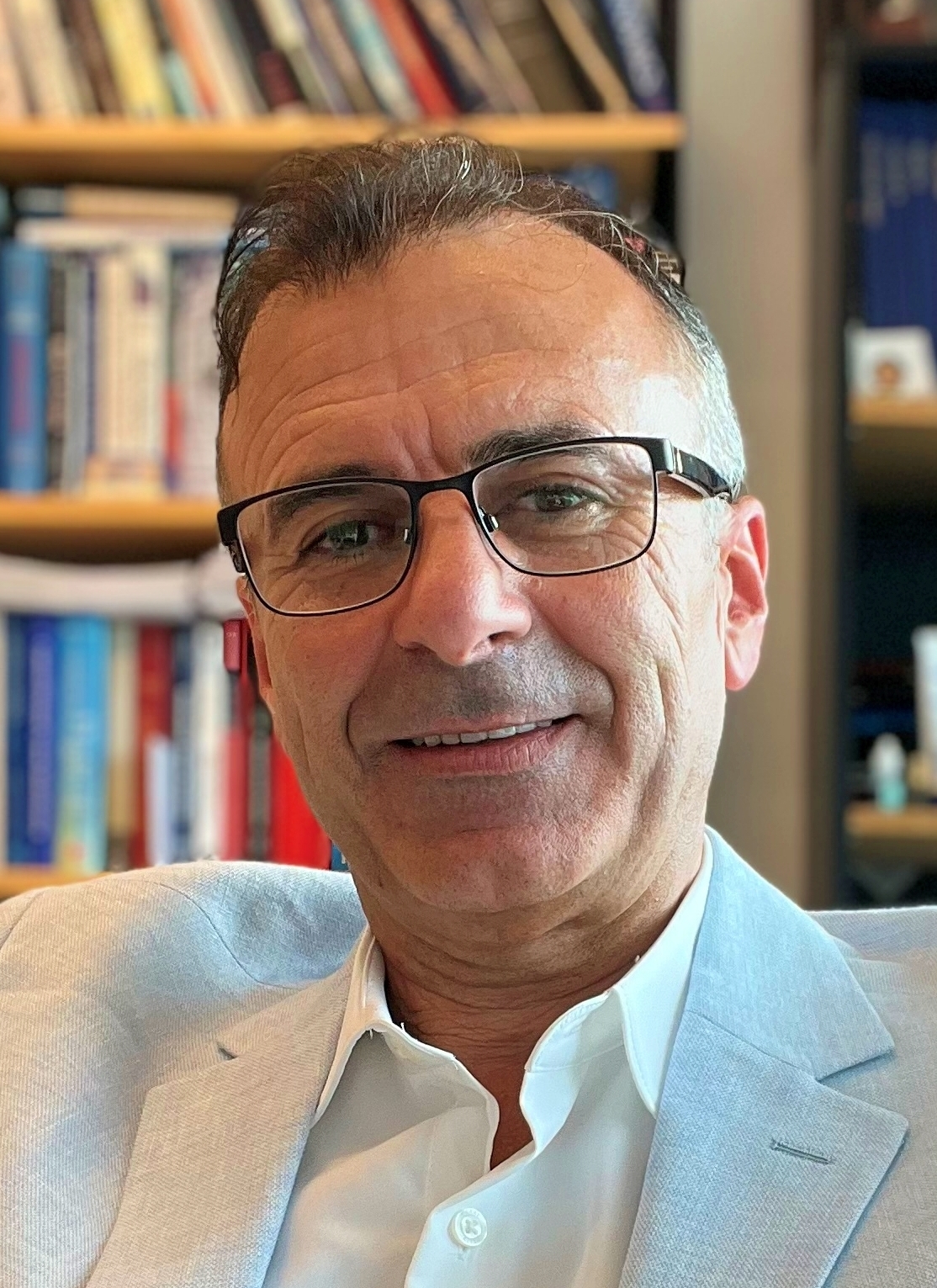
Dr. Yanhua Hong is a Reader in the School of Computing and Engineering at Bangor University. His research focuses on nonlinear dynamics of semiconductor lasers, chaos theory, and their applications in optical communications and microwave photonics. He leads projects such as 'Microwave Photonics Generation Using Low-Cost VCSELs' and has published extensively in journals like Optics Express and Photonics. Key areas of expertise include semiconductor laser dynamics under optical feedback, secure communication systems leveraging chaotic signals, and the design of photonic microwave generation systems. Hong collaborates internationally with institutions like Southwest University (China) and the Universitat Politècnica de Catalunya (Spain). He actively supervises PhD students and examines external theses. Recent work highlights include high-speed secure stream ciphers using synchronized chaos, optimization of multimode fiber imaging systems, and analysis of intermittent laser dynamics via reservoir computing. His contributions bridge fundamental research with applied photonics, contributing to advancements in optical security, signal processing, and next-generation communication networks.
Dr. Enrico Camporeale is a Senior Lecturer in Digital Environment at Queen Mary University of London's School of Physical and Chemical Sciences. He holds affiliations with the Centre for Experimental and Applied Physics and the Dutch National Center for Mathematics and Computer Science (CWI) as a part-time researcher. His work bridges machine learning, computational physics, and space physics, focusing on space weather forecasting, plasma turbulence, and radiation belt dynamics. Research interests include machine learning applications in geophysics, solar wind turbulence, and physics-informed neural networks. Leads projects like the VIDI grant 'Real-time forecasting of killer electrons on satellite orbits' and the CWI-INRIA collaboration on data-driven space weather predictions. His research employs advanced computational techniques to model space plasma phenomena, with a focus on developing predictive models for geomagnetic storms and radiation belt electron behavior. He has contributed to journals like Physical Review Letters , Space Weather , and Journal of Geophysical Research . Publications emphasize interdisciplinary approaches, combining machine learning with classical physics to address challenges in space environment prediction and understanding plasma dynamics at small scales.
Jonny Hisdal is a Professor in the Department of Vascular Diseases at the University of Oslo. His research focuses on vascular physiology, exercise physiology, and clinical interventions in cardiovascular health. He has conducted extensive studies on the physiological effects of extreme endurance sports, hemodynamics under various conditions, and the impact of anabolic steroids on vascular function. Key areas of investigation include thermal physiology in open-water swimming, bioimpedance applications for vascular assessment, and the management of abdominal aortic aneurysms. His work integrates clinical trials with biomedical engineering techniques, such as developing novel devices for blood flow monitoring (e.g., the Earlybird Doppler device). Recent studies highlight his contributions to understanding peripheral circulation dynamics, the effects of intermittent negative pressure therapies, and the long-term outcomes of vascular screening programs. Collaborations span disciplines from sports medicine to rheumatology, emphasizing translational research to improve patient care.
James R. Beattie is a Postdoctoral Research Fellow jointly appointed at Princeton University's Department of Astrophysical Sciences (Bhattacharjee group) and the Canadian Institute for Theoretical Astrophysics (Ripperda plasma-astro group). He completed his Ph.D. in theoretical astrophysics at the Australian National University in January 2024 under the supervision of Christoph Federrath. He maintains dual residences between Toronto, Canada and Princeton, United States to accommodate his joint appointments. His educational background includes: Ph.D. (theoretical astrophysics), Australian National University, Canberra, Australia (2024) Honours (Astrophysics), Australian National University (2019) B.Sc. (physics), Queensland University of Technology, Brisbane, Australia (2018) B.Math. (applied and computational), Queensland University of Technology, Brisbane, Australia (2018) B.Ed. (secondary education), Queensland University of Technology, Brisbane, Australia (2013) Dr. Beattie's research focuses on magnetized turbulence and dynamo processes across multiple scales in the Universe. His work spans from Earth's magnetosheath and the interstellar medium to the intracluster medium and plasma environments around compact objects. He employs theoretical frameworks of stochastic, fluctuating fluids and plasmas to investigate fundamental turbulence phenomena. His recent work includes the world's largest MHD turbulence simulation (10,080 3 cells), reaching Reynolds numbers over a million, which has provided new insights into the energy spectra of magnetized turbulence in the interstellar medium. Analysis of his recent publications reveals several key research trends. He has identified two coexisting kinetic energy cascades in magnetized interstellar medium turbulence, separating the plasma into scales that are non-locally interacting, supersonic and weakly magnetized (with spectrum n = 2.01) and locally interacting, subsonic and highly magnetized (n = 1.465). His work on supernova-driven turbulence has demonstrated fundamentally different energy cascades compared to classical Kolmogorov turbulence. He has also made significant contributions to understanding the supersonic turbulent dynamo, relativistic reconnection, and cosmic ray-plasma coupling mechanisms across diverse astrophysical environments. Dr. Beattie has received recognition for his work, including: Publication in Nature Astronomy for "The spectrum of magnetized turbulence in the interstellar medium" Feature in New Scientist for the world's largest MHD turbulence simulation Feature in the Leibniz Supercomputing Centre newsletter Commentary in CNN on the turbulence properties of Van Gogh's Starry Night Dr. Beattie actively mentors students and collaborators, including Matt Sampson at Princeton and Neco Kriel at ANU, who have led published studies under his guidance. His research is supported through his postdoctoral fellowships at CITA and Princeton, which have enabled him to conduct large-scale numerical simulations and theoretical investigations using advanced computational resources at institutions like the Leibniz Supercomputing Centre. He is a member of several collaborative research teams: The Bhattacharjee group at Princeton University The Ripperda plasma-astro group at CITA International collaborations with researchers from ANU, UC Santa Cruz, Imperial College, Caltech, and others French ISM astrophysicists consortium
Professor Barbara Błażejczyk-Okolewska is affiliated with the Department of Machine Dynamics at the Faculty of Mechanical Engineering , Technical University of Łódź , Poland. Her research focuses on nonlinear dynamics, vibro-impact systems, and chaos theory in mechanical engineering contexts. Her work examines the behavior of mechanical systems with impacts, including cantilever beams, oscillators, and moving base systems. Key areas include Lyapunov exponent calculations, hard/soft impact modeling, and synchronization phenomena in chaotic systems. Recent publications (1993–2025) analyze impact modeling, chaos control, and numerical simulations in mechanical systems. Topics span from Hertzian contact mechanics to multistability in oscillators, with applications in structural dynamics and nonlinear vibrations. Scientific awards : No explicit information provided. Advising : No student names listed in the provided text. Research collaborations include co-authors such as Andrzej Okolewski, Krzysztof Czołczyński, and Tomasz Kapitaniak.
Abdelhamid Tayebi is a Distinguished Professor and Research Chair in the Department of Electrical and Computer Engineering at Lakehead University. He also holds a courtesy professorship at Western University. His research focuses on control systems, autonomous navigation, and robotics, with applications to UAVs and multi-agent systems. Key roles include Graduate Coordinator and founder/director of the Robotics & Automatic Control Laboratory. Education: B.Sc. in Electrical Engineering, Ecole Nationale Polytechnique (1992) M.Sc. in Robotics, Université Pierre & Marie Curie (1993) Ph.D. in Robotics and Automatic Control, Université de Picardie Jules Verne (1997) Research Interests: Control systems theory, iterative learning control, autonomous vehicles, UAV navigation, hybrid feedback control, and nonlinear state estimation. His work emphasizes provable stability guarantees and real-world applications. Recent Articles Trends: Focus on hybrid control for obstacle avoidance, distributed estimation in multi-agent systems, and nonlinear observers for inertial navigation. Publications span IEEE Transactions on Automatic Control , Automatica , and robotics conferences like CDC and ACC. Awards: 2024 Distinguished Instructor Award (Lakehead University's top teaching honor) 2023 IEEE Fellow and EIC Fellow NSERC Discovery Accelerator Supplements (2013) Top 2% Highly Cited Scientist (Stanford, 2019–) Students & Labs: Advised over 20 PhD/MSc students and postdocs. Current research group includes postdocs Mayur Sawant (autonomous robotics) and Ishak Cheniouni (navigation algorithms). Notable former students include Miaomiao Wang (geometric observers) and Mouaad Boughellaba (multi-agent systems). Grants & Editorial Work: Holder of NSERC grants and Lakehead Research Chairs (2012–2027). Associate Editor for Automatica , IEEE Transactions on Control Systems Technology , and others. Active in reviewing for top journals/conferences.
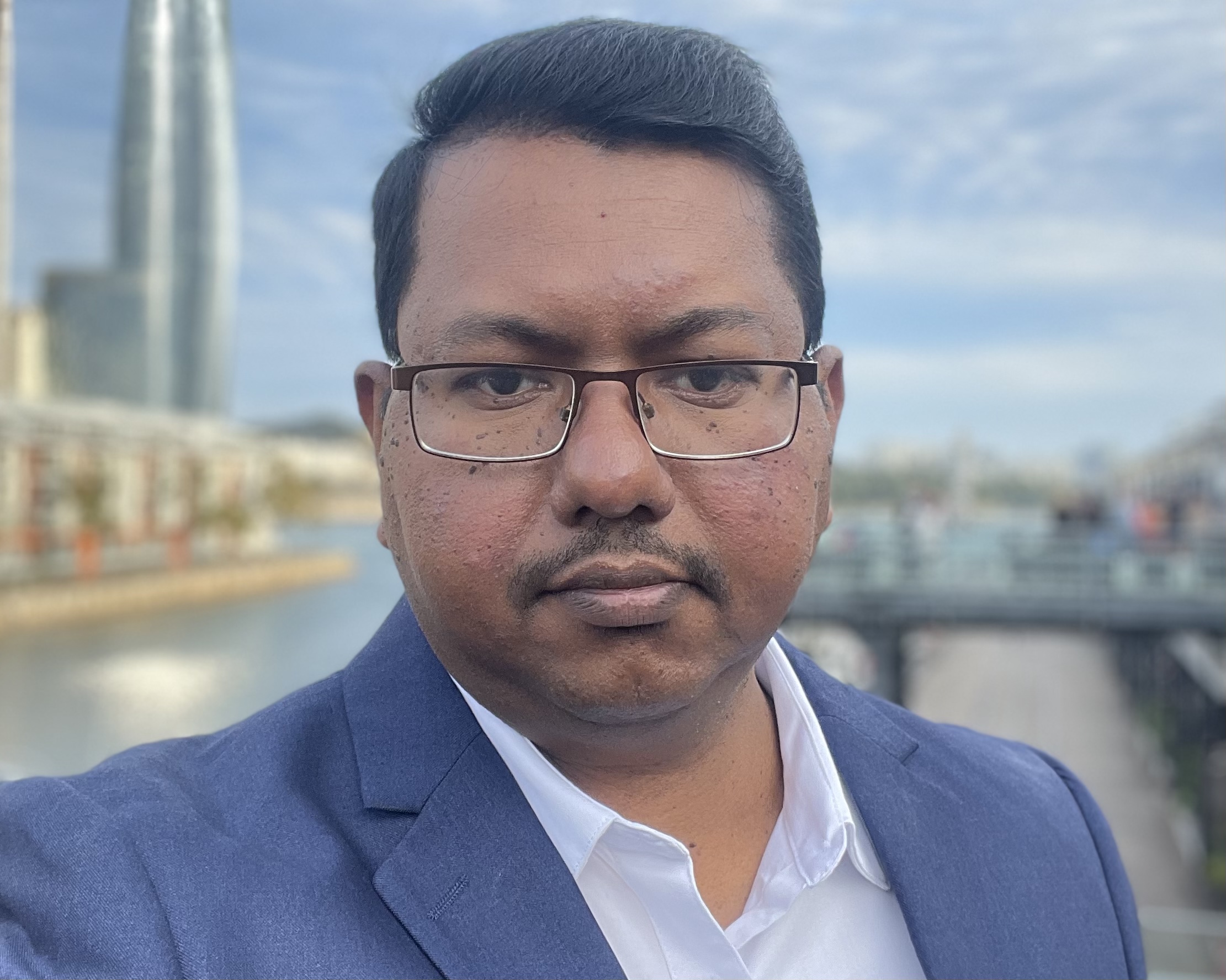
Dr. Abhnil Amtesh Prasad is a Research Fellow at the Climate Change Research Centre (CCRC), University of New South Wales (UNSW). He holds a PhD in Physics from the University of Auckland and has expertise in atmospheric science, climate modeling, and renewable energy systems. His current work focuses on satellite remote sensing of clouds, solar irradiance forecasting, and the climatic impacts of aerosols and cloud dynamics. He collaborates with Prof. Steven Sherwood’s Physical Meteorology and Atmospheric Climate Dynamics Group, developing algorithms for geostationary satellite data to improve short-term solar energy predictions. Key research interests include tropical cloud physics, climate change processes, and energy system resilience under future climate scenarios. Dr. Prasad’s research integrates remote sensing techniques with climate models, emphasizing high-resolution simulations and machine learning applications. His work bridges atmospheric science and renewable energy, addressing challenges such as cloud-induced solar intermittency and aerosol effects on energy production. Recent studies include analyzing the 2019–20 Australian bushfires’ impact on solar power and developing frameworks like TorchClim v1.0 for enhancing climate model physics through deep learning. His publications span climate science, renewable energy systems, and atmospheric dynamics, with a focus on practical applications for energy reliability and policy. Despite no listed academic awards or grants, his contributions to interdisciplinary climate-energy research are notable. He maintains active collaborations within the UNSW Clean Energy research network and utilizes advanced facilities for climate modeling and remote sensing analysis.
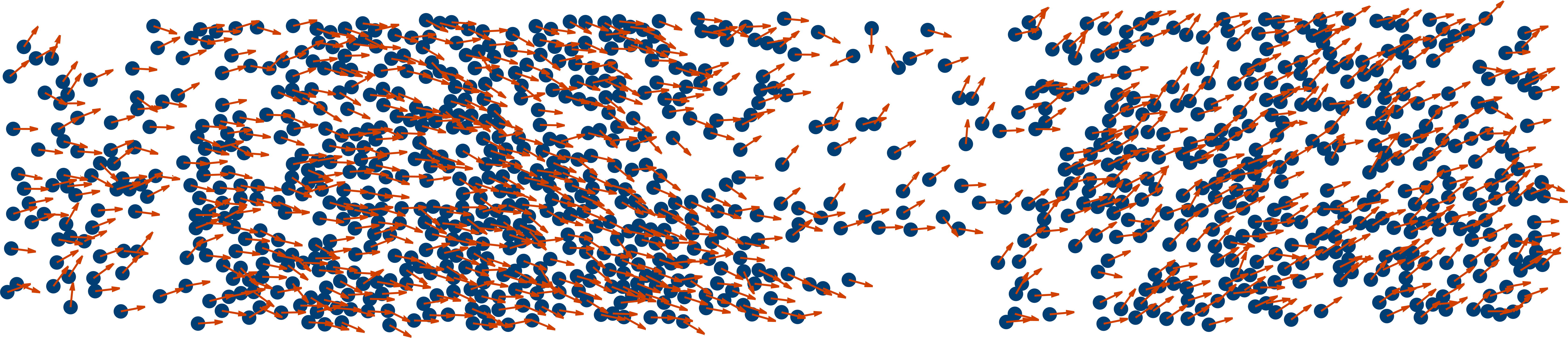
Thibault Bertrand is a Senior Lecturer in Applied Mathematics at Imperial College London's Department of Mathematics (Faculty of Natural Sciences). He holds affiliations with the Applied Mathematics and Mathematical Physics section, Biomathematics Group, and Physics of Life Network. His research focuses on non-equilibrium statistical mechanics, soft condensed matter physics, and stochastic processes, with applications in biological and social systems. Notable contributions include work on active matter, tissue dynamics, and jamming phenomena in disordered systems. He earned his BSc and MSc (with honors) from Ecole Normale Supérieure de Cachan (now Paris-Saclay) and a PhD from Yale University in 2016, studying jamming in disordered systems under Prof. Corey S. O'Hern. Prior to Imperial, he was a postdoc at Sorbonne Université. Teaching highlights include developing innovative courses at Yale’s Center for Engineering, Innovation, and Design (ENAS118 and ENAS344) and currently teaching MATH40001/40009 (Introduction to University Mathematics) and MATH50008 (PDEs in Action) at Imperial. In 2020, he received the President's Medal for Teaching Innovation with colleagues Dr. Marie-Amélie Lawn and Prof. Kevin Buzzard. His lab (Bertrand Lab) explores stochastic dynamics in living systems using analytical and computational methods, collaborating with experimentalists across disciplines. Recent projects include modeling tissue growth via lattice Boltzmann methods and machine learning for defect detection in confluent cell layers. Labs/Teams: Active member of Imperial's Physics of Life Network and co-organizer of the MathPhys seminar series. Current group members include Ross Monaghan (2024), Jane, Tamsin, Henry, Andy, and Luca Cocconi.
Dr. Matthew Stocks is a Research Fellow at the ANU College of Engineering and Computer Science and serves as Project Convenor for the ANU Grand Challenge: Zero-Carbon Energy for the Asia-Pacific. His research focuses on renewable energy systems, high-efficiency photovoltaics, and pumped hydro storage. He has over 20 years of experience in R&D and commercialization, including leading the development of the SLIVER solar cell technology. Education: PhD in Engineering from ANU (1994-1998) under Professors Andrew Blakers and Andres Cuevas, with a dissertation on High Efficiency Multicrystalline Silicon Solar Cells . Key technical contributions include quasi-steady state photoconductance measurement techniques and silicon surface passivation. Research Interests: High-penetration renewable energy integration Pumped hydro energy storage optimization High-efficiency solar cell technologies (IBC, tandem, GaAs) Renewable energy policy and decarbonization pathways Sustainable transport electrification Notable Achievements: Developed SLIVER solar technology, generating $7M royalties for ANU Co-led ARENA-funded projects on renewable energy systems Authored global pumped hydro storage atlases Advisory & Grants: CI on multiple ARENA grants examining renewable generation and storage. Active in policy engagement through ANU's Institute for Climate, Energy & Disaster Solutions. Labs/Teams: Researcher in Energy Storage, Solar Photovoltaics, and Hydrogen Economy initiatives. Collaborates on the Zero-Carbon Energy for Asia-Pacific Grand Challenge.
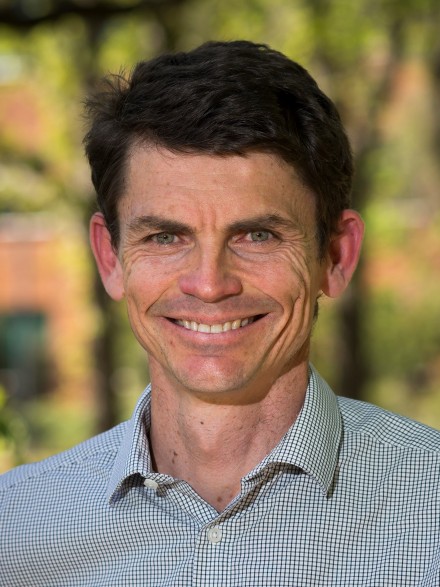
Patrick Yates-Jones is a Research Fellow in Physics (Astronomy) at the School of Natural Sciences, University of Tasmania, where he has been employed since 2021, first as a Research Associate (2021-2024) and currently as a Research Fellow (2025-present). His work focuses on astronomy, satellite tracking, and data acquisition and processing within the Physics department at the Sandy Bay Campus. Dr. Yates-Jones holds a PhD in Physics and Astronomy (2017-2021), a Bachelor of Science with Honours in Astrophysics (2016), and a Bachelor of Science in Mathematics and Physics (2013-2015), all from the University of Tasmania. He also completed a Diploma of Modern Languages in French from the University of New England (2012-2015). His primary research interests span multiple areas of astronomy and astrophysics: Cosmology and extragalactic astronomy - studying the large-scale structure of the universe and distant galaxies High energy astrophysics and galactic cosmic rays - investigating energetic phenomena in our galaxy and beyond Astronomical instrumentation - developing new techniques for radio telescopes Astrodynamics and space situational awareness - tracking satellites and space debris His research particularly focuses on numerical modelling of plasma jets launched from Active Galactic Nuclei at the centers of distant galaxies and developing innovative radio astronomy instrumentation techniques for Australia's nationwide network of radio telescopes. Analysis of Dr. Yates-Jones' publication record reveals a strong focus on radio astronomy and AGN jet simulations . His work consistently explores the dynamics and observable signatures of radio jets in various environments, with increasing sophistication in modeling techniques over time. The research spans theoretical simulations, observational analysis, and instrumentation development, showing an integrated approach to understanding active galactic nuclei and their impact on galaxy evolution. Recent work has expanded into space situational awareness and satellite tracking applications. Dr. Yates-Jones has secured significant research funding, including: Co-I on an ALCG computing grant titled 'Towards More Realistic Modeling Of Supermassive Black Hole Jets In Galaxy Formation' for 45 MSU of computing time on the NCI Gadi supercomputer Participation in the Long Baseline Array (LBA) Observation project with CSIRO Astronomy and Space Science ($300,000) Space Seed Funding for 'next generation of space craft tracking software' from the Department of State Growth (Tas) ($44,330) As an educator, Dr. Yates-Jones has lecturing experience in Computational Physics (KYA320) and Games Physics (KIT212) at the University of Tasmania. He has supervised multiple doctoral students with current projects including 'Hybrid tracking of space junk,' 'Simulations of black hole jets,' and 'Radio Rainbows: Modelling the birth and rebirth of black hole jets.' His completed doctoral supervision includes Larissa Adele Jerrim's work on 'Magnetic Fields and Polarisation Properties of Radio Galaxies in Numerical Simulations.' He also has experience running labs, tutorials, and marking undergraduate Maths and Physics units.
Dr. Wissam Fawaz is a professor-level academic with extensive contributions to optical networking, vehicular communication systems, and UAV-aided network solutions. His work spans over two decades, focusing on Quality of Service optimization , Free Space Optical (FSO) communications , and Mobile Edge Computing (MEC) . Key collaborations with Chadi Abou-Rjeily, Maurice Khabbaz, and Ken Chen Published in IEEE Transactions on Wireless Communications , IEEE Communications Magazine , and Computer Networks Research interests center on network reliability , resource allocation , and next-generation communication architectures . His work explores: UAV-based network repair mechanisms QoS differentiation in optical and vehicular networks Machine learning integration for MEC task offloading Buffer-aided cooperative FSO systems Recent publications (2022) demonstrate innovations in: Acoustic synchronization protocols D2D-enabled Het-MEC systems Lyapunov-optimized resource allocation
Nils Henrik Halberg is a Professor and NCMM Young Associate Investigator at the Department of Biomedicine, University of Bergen. His research focuses on the mechanistic links between obesity and cancer, particularly in breast and pancreatic cancers. Education: Graduate Studies: University of Copenhagen (completed 2009) Postdoctoral Training: UT Southwestern Medical Center (Dr. Philipp Scherer), Rockefeller University (Dr. Sohail Tavazoie) Halberg's research investigates how metabolic alterations in obesity promote cancer development and metastasis. His lab employs in vitro and in vivo cancer models, metabolic analysis, molecular biology, and clinical bioinformatics to study metastatic colonization and tumor microenvironment interactions. Key areas include hypoxia, fibrosis, and epigenetic regulation in obese adipose tissue and their impact on cancer progression. The 15 most recent publications reflect a consistent focus on obesity-cancer interactions, using advanced techniques like spatial transcriptomics, high-dimensional immune profiling, and metabolic pathway analysis. Themes include epigenetic memory of obesity, one-carbon metabolism, KRAS signaling, and immune modulation in cancer. The research spans breast, pancreatic, and lung cancers, emphasizing metabolic reprogramming and tumor-stroma crosstalk. Scientific Awards: No specific awards mentioned in the text. Advising and Grants: Halberg supervises multiple graduate students, as evidenced by numerous master’s theses and doctoral dissertations under his guidance. His lab is actively funded, enabling the operation of a research group conducting systemic studies on cancer metabolism and metastasis. He teaches BMED331 and BMED381 at the University of Bergen. Labs and Teams: He leads the Halberg Group, which is part of the 'Metabolism and Cancer' and 'Cellular Networks' research groups at the Department of Biomedicine. The lab maintains a website and is affiliated with the Centre for Cancer Biomarkers (CCBIO) or similar networks, indicated by the NCMM (Norwegian Centre for Molecular Medicine) Young Associate Investigator title.
Chris Fietkiewicz is an Associate Professor in the Department of Mathematics & Computer Science at Hobart and William Smith Colleges. He joined the faculty in 2019 and is based in Lansing Hall, with research interests in computational neuroscience and high-performance computing. Research Interests: His work focuses on Computational Neuroscience , particularly the development of neural simulators for educational and clinical applications. He leads the Applied Neural Control Toolkit (ANC Toolkit) , which enables simulation of neural and axonal responses for neuroprosthetic development. His research also spans High Performance Computing , including software optimization, parallel computing, and cluster management tools. Collaborations: He collaborates with Dr. Thomas Mortimer (Case Western Reserve University) on neural stimulation and with Dr. Chen Liu (Tianjin University) on Parkinson’s disease modeling and deep brain stimulation. His publications reflect a strong interdisciplinary focus on biomedical signal processing, control systems, and neuromorphic computing. Publication Trends: His recent work (2016–2022) centers on closed-loop control of pathological neural oscillations, computational models of Parkinson’s disease, and real-time neural simulation. These studies appear in top journals like IEEE Transactions and Biomedical Signal Processing and Control , emphasizing algorithmic innovation and clinical relevance. Scientific Contributions: Co-developer of the ANC Toolkit for neuroscience education. Researcher in neural control systems and HPC optimization. Active contributor to computational models of movement disorders. Advising and Grants: While no formal students are listed, his collaborative projects suggest mentorship of undergraduate and graduate researchers. Grant details are not provided, but his research cluster and web tools indicate funded infrastructure development. Labs and Teams: He is building a research computing cluster and developing web-based batch programming tools, indicating a focus on scalable, accessible computational neuroscience platforms.
Jorge Alcala Cabrelles is a Full Professor at the Polytechnic University of Catalonia (UPC), affiliated with the Department of Materials Science and Engineering at the Barcelona Higher Technical School of Industrial Engineering (ETSEIB). His research focuses on multiscale mechanics of materials, with emphasis on crystal plasticity, nanomechanics, and deformation mechanisms at the nanoscale. He holds a PhD in Industrial Engineering and has led numerous competitive research projects, including the InSup group investigating surface interactions in biomaterials and materials science. His work spans molecular dynamics simulations of dislocation avalanches, indentation mechanics in metallic crystals, and the interplay between mechanical deformation and ferroelectric properties. Key contributions include studies on size-dependent plasticity, contact mechanics in nanoindentation, and energy landscape analysis of deformation processes. Over 130 publications and 18 competitive grants highlight his expertise in bridging atomic-scale phenomena with continuum mechanics models. Research interests: Molecular Dynamics, Dislocation Dynamics, Finite Element Modeling, Contact Mechanics, Crystal Plasticity, Nanomechanics. Recent projects include analyzing plastic instabilities in FCC/BCC metals and exploring flexoelectric switching mechanisms. His team collaborates internationally on topics like indentation-induced ferroelectric polarization and lattice disorder in perovskites. Grants include Spanish National Research Program projects on micromechanical modeling and plasticity intermittency. Advises PhD candidates on topics like nanocontact plasticity and indentation crystal plasticity simulations.
Dr. Elisabet Mas de Les Valls Ortiz is a Researcher in the Department of Thermal Machines and Engines at the Universitat Politècnica de Catalunya (UPC) . Her work focuses on two major areas: Nuclear Fusion Technology (particularly Magnetohydrodynamics and Liquid Metal Breeding Blankets ) and Gender Studies in Engineering Education . She leads research projects like "Gestió térmica de electrolizadors per a la producció d'hidrogen" and contributes to educational initiatives such as "Viu, Experimenta i Comparteix l'Enginyeria Industrial" . Education : M.Sc. in Chemical Engineering, Ph.D. in Nuclear Engineering Research Groups : CREMIT (Thermal Machines) and CER-H2 (Hydrogen Research) Her nuclear fusion research involves CFD simulations of helium bubble dynamics , tritium permeation , and MHD thermofluid flows in ITER test blankets . She develops RELAP5-3D and OpenFOAM models for supercritical CO2 cycles and liquid metal cooling systems . In gender studies, she analyzes gender dimension in teaching guides , student absenteeism , and gender equality plans in European universities. She has presented 52 conference papers and authored 25 journal articles, with recent work on helium bubble transport (2024), gender metrics in education (2025), and thermal modeling of PEM electrolyzers (2024). Her research intersects Nuclear Engineering , Thermal Fluid Dynamics , and Gender Policy Analysis .