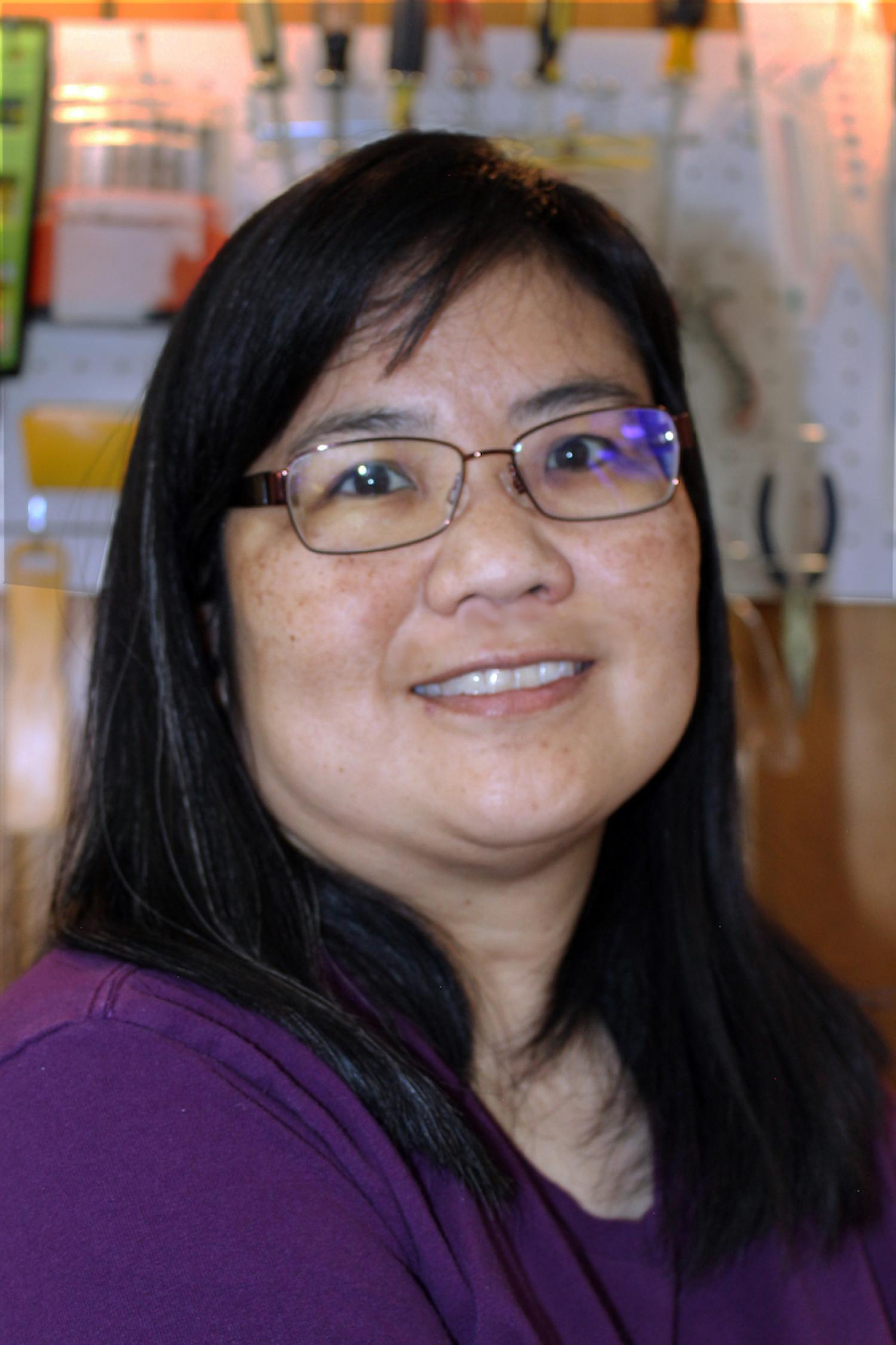
Sohum Sohoni is a Professor in the School of Computing and Augmented Intelligence within the Ira A. Fulton Schools of Engineering at Arizona State University. His research spans computer science education, programming pedagogy, computer architecture, and image quality assessment with GPU acceleration. He has developed innovative educational approaches for computer architecture courses using the PLP instruction set architecture and has contributed significantly to understanding programming education through analysis of error messages and embedded questions. His research interests focus on Computer Science Education , particularly programming education techniques, computer architecture pedagogy, and engineering education methods. He has made substantial contributions to understanding how students learn programming concepts, develop effective debugging skills, and comprehend computer architecture principles. His work bridges theoretical computer science concepts with practical educational applications, emphasizing hands-on learning experiences and innovative assessment methods. His publication trends reveal a strong focus on computer science education research with particular emphasis on programming education (2015-2018), computer architecture education using PLP (2014-2017), and image quality assessment with GPU acceleration (2012-2018). His work consistently combines theoretical computer science concepts with practical educational applications, demonstrating his commitment to improving how computing concepts are taught and learned. His advising work includes mentoring students like Christopher Mar, Harsha B. M. Kadekar, Shaowen Lu, Thien D. Phan, and Vignesh Kannan, who have co-authored publications with him across various computing education topics. His research has been supported through various educational technology projects focused on online learning environments, software engineering education, and computer architecture instruction. He has been actively involved in developing virtualized learning environments for IoT education, creating innovative approaches for software engineering education, and designing effective methods for teaching computer architecture concepts. His work demonstrates a consistent commitment to improving computing education through evidence-based pedagogical approaches and technological innovation.