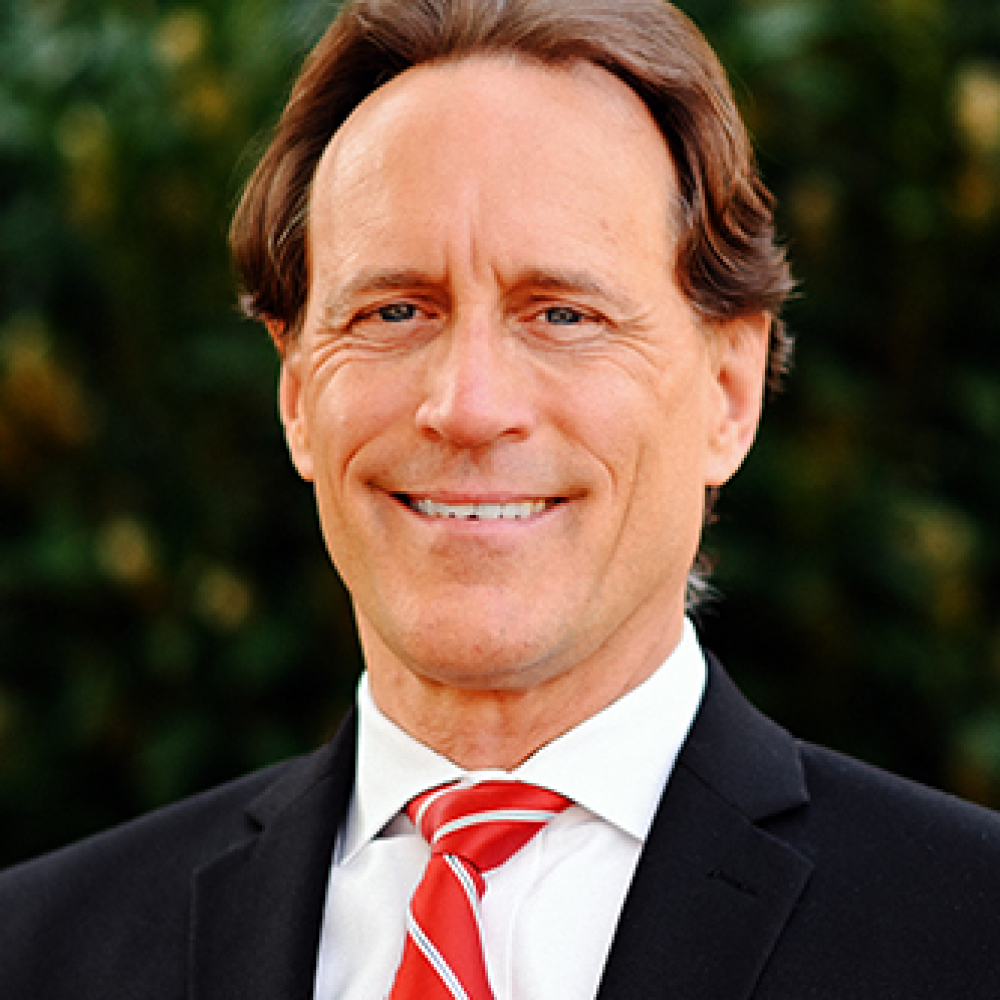
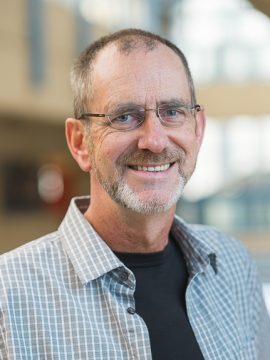
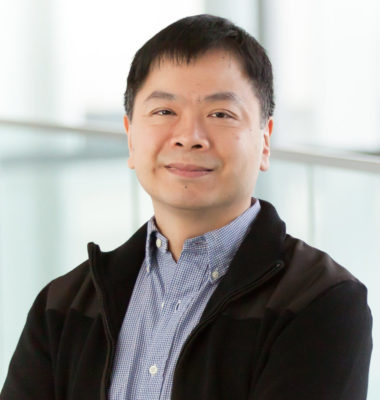
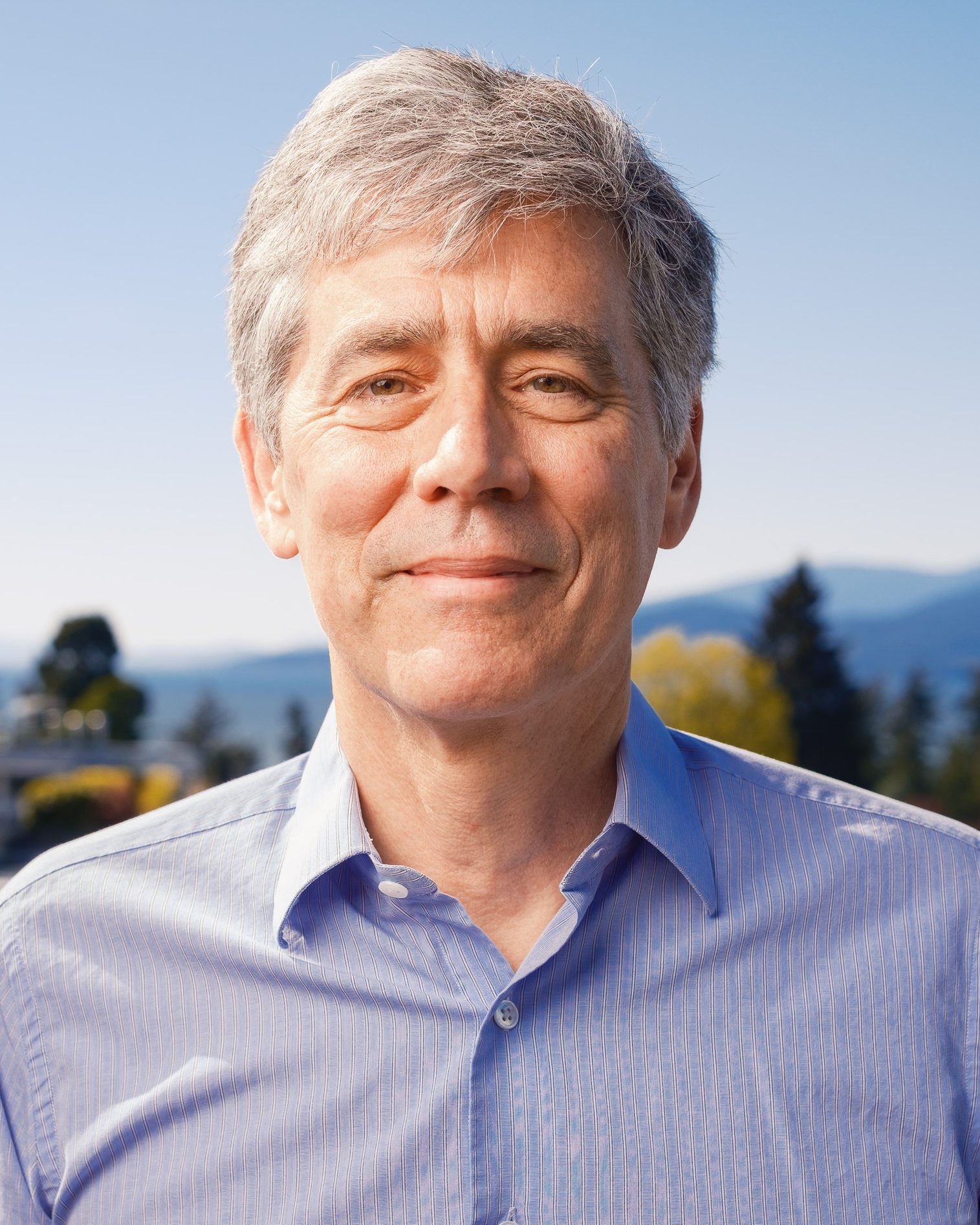
Jeffrey Schall is a Full Professor of Biology and Program Director of the Visual Neurophysiology Centre at York University. He holds the Canada Research Chair in Translating Neuroscience. His research focuses on neural mechanisms underlying behavior, integrating neurophysiological and computational approaches across multiple scales. Schall is a core member of the Centre for Vision Research and the Canada First Research Excellence Fund Connected Minds initiative. Education: PhD in Anatomy (University of Utah School of Medicine, 1986), postdoctoral training at MIT. Awards include the Troland Research Award, Sloan Foundation Fellowship, and AAAS Fellowship. He served as Vision Science Society President in 2019. Research interests include visual attention, executive control, error monitoring, and translational neuroscience applications in law. His work bridges basic science with applied studies in clinical populations like schizophrenia patients. Collaborative projects involve EEG/MEG analysis, cortical microcircuitry modeling, and neuromodulation techniques. Teaching: YU_NRSC 2100 Systems, Behavioral, and Cognitive Neuroscience. Active in interdisciplinary initiatives linking neuroscience with legal systems through scholarship and policy engagement.
Abigail Scholer is a Professor specializing in self-regulation and motivation. Her research explores how motivational orientations influence decision-making, self-control conflicts, and adaptive change. She holds a BA from Gettysburg College and a PhD from Columbia University. Her work bridges educational, social, and cognitive psychology, with a focus on understanding the mechanisms behind human triumphs and failures in facing life's demands. Key research themes include metamotivational processes, goal pursuit dynamics, and the interplay between motivation and emotional regulation. Her lab, the Self-Regulation and Motivation Lab , investigates practical applications of these theories in academic and organizational settings. Publications span topics like motivational affordance, risk preferences, and the impact of threat on stereotyping. While no awards are listed, her contributions to motivational science are reflected in high-impact journals such as Journal of Personality and Social Psychology and Psychological Science . No advising or grant details are provided, though her lab's activities suggest active research participation.
James T. Enns is a Professor and Distinguished University Scholar in the Department of Psychology within the Faculty of Arts at the University of British Columbia. His research primarily focuses on the role of attention in human vision, with secondary interests in developmental psychology and human-machine interaction. Dr. Enns' research interests span perception, attention, vision, cognition, development, and human-machine interaction. His work explores how the human mind selects information, with particular emphasis on visual attention mechanisms. His laboratory research investigates the fundamental processes of visual perception and how attention modulates these processes across different contexts and developmental stages. Analysis of Dr. Enns' publication record reveals consistent engagement with visual perception, attentional mechanisms, and cognitive processing. His research demonstrates expertise in both theoretical frameworks and experimental methodologies related to visual attention, with applications spanning basic cognitive science to potential implementations in human-computer interaction systems. His work often bridges theoretical cognitive psychology with practical applications. Canadian Society for Brain, Behaviour and Cognitive Science Donald O. Hebb Distinguished Contribution Award (2013) Distinguished University Scholar, UBC (2004) Robert E. Knox Master Teaching Award (2004) Royal Society of Canada Fellow (2002) Killam Faculty Research Prize (1994) Killam Faculty Research Fellowship (1993) Society of Experimental Psychology Fellow Dr. Enns has served as Editor for the Journal of Experimental Psychology: Human Perception and Performance, and as Associate Editor for Psychological Science, Consciousness and Cognition, and Visual Cognition. His research has been supported by grants from NSERC, the Canadian Foundation for Innovation, the Australian Research Council, BC Health, and Nissan. He has authored textbooks on perception, edited research volumes on the Development of Attention, and published numerous scientific articles on vision, attention, and cognitive science. Dr. Enns is currently accepting graduate students and continues to mentor the next generation of cognitive scientists. Dr. Enns leads the UBC Vision Lab, which focuses on how the human mind selects information. The lab conducts research on visual attention, perception, and cognitive processes using a variety of experimental methodologies.
Dr. Steven H. H. Ding is an Assistant Professor at McGill University's School of Information Studies, specializing in cybersecurity, machine learning, and data mining. His research focuses on AI-driven solutions for malware detection, software vulnerability analysis, and reverse engineering. He holds a PhD from McGill University and has been supported by BlackBerry Cylance and DRDC. His work bridges theoretical advancements with practical applications in military systems and avionics cybersecurity. Dr. Ding earned his PhD in 2019 with notable awards including the FRQNT Doctoral Research Scholarship and McGill's Dean’s Graduate Award. His educational background includes degrees from McGill, Concordia University, and the University of Shanghai for Science and Technology. His research interests span cybersecurity domains such as zero-day malware identification, code obfuscation countermeasures, authorship verification for digital forensics, and AI applications in avionics anomaly detection. He actively contributes to open-source tools like the Kam1n0 MapReduce-based assembly clone search system. Recent work emphasizes adversarial machine learning for evasive malware generation, transformer-based anomaly detection in avionics, and automated SBOM generation for firmware analysis. His publications reflect a focus on real-world cybersecurity challenges in both civilian and defense sectors. Dr. Ding leads the L1NNA Lab and collaborates with industry partners on cutting-edge projects. His contributions include novel techniques for phishing detection leveraging large language models and innovative approaches to reverse engineering software composition in JavaScript applications.
Anita Hubley is a Professor at the University of British Columbia's Faculty of Education, Department of Educational and Counselling Psychology, and Special Education (ECPS). She serves as MERM Program Coordinator and directs the Adult Development and Psychometrics Lab. Her work focuses on psychometric test development/validation and quality of life research across adult populations. Education: Ph.D. in Psychology (Human Assessment specialization), Carleton University (1995) M.A. in Psychology (Lifespan Development and Aging), University of Victoria (1991) Pre-doctoral training at Geriatric Assessment Unit (Ottawa) and Neuropsychological Assessment Unit (Ottawa) Her research integrates psychometric theory with practical applications in aging populations, homeless/vulnerably housed individuals, and neuropsychological assessment tools. Key contributions include developing the Memory Test for Older Adults (MTOA), Hubley Depression Scale for Older Adults (HDS-OA), Quality of Life in Homeless and Hard-to-House Individuals (QoLHHI), and Subjective Age Identity Scale (SAIS). Scientific Awards: Killam Teaching Prize (2017) Distinguished Reviewer, Buros Institute of Mental Measurements (2013) She has taught graduate courses in Psychological Assessment, Measurement Principles, Scale Development, and Applied Neuropsychology, emphasizing ethical testing practices and response process research. Her lab's work on test adaptation for marginalized populations has informed international measurement standards.
Shannon Johnson is an Associate Professor in the Department of Psychology and Neuroscience at Dalhousie University, concurrently affiliated with the Departments of Pediatrics and Psychiatry. She serves as Director of Clinical Training and Co-Director of the Dalhousie Centre for Psychological Health, which provides mental health services to underserved populations while training clinical psychology students. Dr. Johnson holds a BA from Kalamazoo College, MSc and PhD from the University of Victoria, and a Postdoctoral Fellowship from Indiana University. Her research focuses on enhancing well-being through nature connection interventions, understanding resilience mechanisms in pediatric populations, and improving diagnostic practices for neurodevelopmental disorders. She investigates the physical and cognitive benefits of nature exposure, barriers to nature connection, and behavioral change strategies. Her work bridges clinical and environmental psychology, with recent studies examining nature-based interventions for stress reduction, pain adaptation in youth with juvenile idiopathic arthritis, and moral foundations in autistic children. She has pioneered the concept of Indoor Nature Exposure (INE) as a health-promotion framework. Dr. Johnson’s lab collaborates with healthcare providers to develop scalable mental health interventions, particularly for underserved communities. Her training programs emphasize evidence-based practices and culturally responsive care. Key contributions include validating the role of nature in cognitive restoration and challenging clinical biases in autism assessment.
Mohammad Hamdaqa is an Associate Professor in the Department of Computer Engineering and Software Engineering at Polytechnique Montréal, where he leads the Laboratory of Software and Emerging Technologies. His academic journey includes a Ph.D. in Electrical and Computer Engineering from the University of Waterloo (2016), a Master's in Electrical and Computer Engineering from Concordia University, an MBA from the New York Institute of Technology, and a Bachelor's in Computer Engineering from Jordan University of Science and Technology. His research focuses on the intersection of software engineering and emerging technologies, particularly examining how software engineering approaches can be adapted for complex new platforms like cloud computing and blockchain. His work spans model-driven software engineering, cloud application architecture, smart contract development, and infrastructure as code. He investigates both how traditional software engineering practices can evolve to address the challenges of modern distributed systems and how emerging technologies can transform software development processes themselves. Analysis of his recent publications reveals a strong emphasis on blockchain technologies (particularly smart contracts), cloud-native applications, and the application of AI to software engineering tasks. His work shows a consistent thread of empirical research combined with practical tool development, with increasing focus on sustainability aspects of software systems in recent years. Much of his research bridges theoretical foundations with practical implementation concerns. Professor Hamdaqa serves as a thesis supervisor for multiple graduate students, with recent completed Master's theses focusing on smart contract auditing, prompt engineering for OCL generation, model-driven epidemiology, and security practices in infrastructure as code. He actively recruits students for research projects in his laboratory. He is a member of both the IEEE Computer Society and the Association for Computing Machinery (ACM), has served on program committees for major software engineering conferences, and is on the editorial board of Service Transaction on Internet of Thing. His laboratory, the Laboratory of Software and Emerging Technologies, serves as the hub for his research activities in blockchain, cloud computing, and model-driven engineering.
Dr. Nancy L. Sin is an Associate Professor in the Department of Psychology within the Faculty of Arts at the University of British Columbia. She teaches undergraduate and graduate courses in health psychology and supervises students at multiple levels. She is Co-Chair of the Antiracism Task Force for the Society for Biopsychosocial Science and Medicine and a member of the Steering Committee at the UBC Edwin S.H. Leong Centre for Healthy Aging. Previously, she served on the Executive Committee for the American Psychological Association's Division on Adult Development and Aging and established the Diversity Mentorship Program. PhD, University of California, Riverside, 2012 Dr. Sin's research focuses on biological and behavioural pathways linking daily well-being and stress to health. Her work demonstrates that emotional responses to daily stressors are associated with inflammatory, neuroendocrine, and autonomic mechanisms implicated in aging-related conditions like cardiovascular disease. She investigates daily positive events as protective factors for stress processes and health, with particular interest in emotional well-being and aging, stress-sleep cycles, and health equity. Her research spans multiple disciplines including health psychology, gerontology, and social psychology. Analysis of Dr. Sin's recent publications reveals consistent focus on daily stress processes, positive emotions, and health outcomes across the lifespan. Her work increasingly examines pandemic-related stressors, social determinants of health, and health disparities, with strong emphasis on methodological rigor through daily diary and longitudinal approaches. The publications demonstrate interdisciplinary collaboration across psychology, public health, and medicine, with growing attention to diversity, equity, and inclusion in health research. Distinguished Alumni Award, Department of Psychology, University of California, Riverside (2025) Fellow, Gerontological Society of America (2025) Innovative Research on Aging Award (Bronze Award) from the Mather Institute (2021) Michael Smith Foundation for Health Research Scholar (2020) Springer Early Career Achievement Award in Research on Adult Development and Aging (2019) Gerontological Society of America's Behavioral and Social Sciences Student Research Award Editor's Choice article at Annals of Behavioral Medicine Dr. Sin actively supervises undergraduate, MA, and PhD students, with a current focus on Health Psychology graduate students specializing in adult development and aging, stress, and health equity/disparities. Her research has been supported by significant grants as PI or Co-I from the U.S. National Institute on Aging, Social Sciences and Humanities Research Council of Canada, Canadian Institutes of Health Research, Canada Foundation for Innovation, and the Michael Smith Foundation for Health Research. She has established a strong research program examining daily experiences and their health implications across adulthood. Dr. Sin directs the UPLIFT Health Lab (Understanding Pathways Linking Inter- and Intraindividual Factors To Health), which explores psychosocial well-being and biobehavioural mechanisms underlying healthy aging. The lab investigates how daily positive events promote health through lower inflammation, adaptive cortisol profiles, and better health behaviors, with particular attention to how positive emotions buffer stress processes. The lab actively recruits community participants for studies on daily experiences and health, contributing to intervention development for promoting psychological and physical well-being across adulthood.
Ross Otto is an Associate Professor in the Department of Psychology at McGill University. He holds an office at 2001 McGill College, 711, and can be reached via email at ross.otto@mcgill.ca. His research focuses on understanding the mechanisms underlying reflective versus reflexive decision-making, particularly how cognitive resources, stress, and contextual factors influence effort-based choices. He employs computational modeling, behavioral experiments, and neuroimaging techniques. Notable contributions include studies on stress-induced cognitive avoidance and the neural correlates of effort evaluation. His work is affiliated with the Otto Lab, and he collaborates widely across disciplines such as neuroscience and behavioral economics.
Roger Tam is an Associate Professor in the School of Biomedical Engineering (SBME) at the University of British Columbia (UBC), with a joint appointment in the Department of Radiology. He is also the Associate Director of Graduate Studies. His research focuses on machine learning and computer vision applied to medical imaging, particularly in personalized medicine and quantitative image analysis. Tam earned his PhD in computer science from UBC in 2004, specializing in computational geometry and visualization. Education: PhD in Computer Science, UBC (2004) MSc in Computer Science BSc (Honors) Research Interests: Medical imaging biomarkers Machine learning applications in healthcare Quantitative image analysis Personalized medicine His work bridges computer science and clinical medicine, emphasizing translational approaches to improve diagnostic accuracy and patient outcomes. Recent Research Trends: Focus on myelin content analysis in neurological disorders (e.g., multiple sclerosis) Development of efficient machine learning models for medical image classification Impact of physical activity on white matter health Labs & Programs: Directs the Engineers in Scrubs program, which integrates engineering principles into biomedical education. Active in collaborative research initiatives like the Centre for Brain Health and the Canadian Prospective Cohort Study (CanProCo).
Desmond McEwan is an Assistant Professor in the School of Kinesiology at the University of British Columbia, Faculty of Education. His research focuses on sport and exercise psychology, particularly teamwork, group dynamics, and human thriving in high-performance teams. His research interests include Sport Psychology, Teamwork, Group Dynamics, High-Performance Teams, and Human Thriving. He examines how team cohesion, psychological safety, and resilience contribute to individual and team success in sport settings. His work often involves both elite and youth athletes, with applications in coaching and performance support. Recent publications (2023-2025) show a strong trend in exploring psychological safety, team resilience, and human thriving in sport. His work spans systematic reviews, longitudinal studies, and qualitative investigations, often focusing on interventions to improve teamwork and well-being. Key themes include the role of social support, leadership, and identity in team functioning. McEwan advises graduate students, including Stef Atkinson who completed a Master of Arts in Kinesiology on trust in the coach-athlete relationship. He is open to collaborations on clusters and grants. He directs the Sport and Performance Psychology Lab at UBC, which conducts research on team dynamics and thriving in sport.
Nick Koudas is a Professor in the Department of Computer Science at the University of Toronto. His research focuses on large-scale data management, integrating machine learning into data systems, and developing efficient query processing techniques for unstructured and streaming data. He holds a PhD from the University of Toronto, an MSc from the University of Maryland at College Park, and a Bachelor's from the University of Patras in Greece. Research interests include data systems, big data analysis, video query processing, and natural language interfaces for databases. He leads projects like ReDD (Relational Deep Dive), SVQ (Streaming Video Queries), and Reliable Text-to-SQL, aiming to bridge human-readable queries with database execution. His work emphasizes scalability, intelligence, and real-world applicability. Recipient of the University of Toronto's Inventor of the Year Award (2011), he translates research into startups like Sysomos, Aislelabs, and Workorb. His contributions span over 200 publications in top venues such as SIGMOD, VLDB, and ICDE. Courses taught include advanced data systems, database design, and system internals. Current projects explore schema extraction from unstructured data, video query optimization, and cost-effective machine learning pipelines. Collaborations with industry and academic partners drive innovations in both theory and practical applications.
Professor F. Handan Tezel is a Full Professor of Chemical and Biological Engineering at the University of Ottawa since 1988, with promotions to Associate Professor (1993) and Full Professor (2003). She holds a Ph.D. and M.Sc.E. from the University of New Brunswick (1986, 1981) and a B.Sc. from Worcester Polytechnic Institute (1979). Her research focuses on adsorption-based technologies for energy storage, CO₂ capture, membrane development, and sustainable materials. She has collaborated with industries like Air Products and Chemicals Inc., Axens, and international institutions. Her professional activities include roles such as Director of Conferences for the Canadian Society of Chemical Engineering and membership in the International Adsorption Society Executive Board. Awards include the John V. Marsh Teaching Award (2010), FCIC (2016), and FEIC (2017). She has also held part-time academic roles at institutions like Ecole des Mines de Nantes (France) and Tianjin University (China). Research interests span thermal energy storage, adsorption separations, and biofuel production. Current projects include landfill gas recovery, inorganic adsorbent membranes, and CO₂-to-fuel conversion. She supervises graduate students in these areas and actively engages with industry partnerships.
Patrick Bennett is a Professor in the Department of Psychology, Neuroscience & Behaviour at McMaster University , focusing on visual perception, aging, and cognitive neuroscience. His research explores how aging affects visual processing mechanisms, face identification, and perceptual learning. Key Research Areas : Aging effects on vision, Face processing, EEG dynamics, Biological motion perception, Perceptual learning Recent Publications : Analyzed visual crowding in older adults (2025), Investigated 3D target detection mechanisms (2024), Studied face mask impacts on emotion recognition (2023) Teaching : Instructs advanced statistics and research design courses for psychology students. His work combines computational methods with behavioral experiments to understand neural processing changes across the lifespan.
Thomas Lemieux is a Professor at the Vancouver School of Economics within the Faculty of Arts at the University of British Columbia , where he has been affiliated since 1999. Previously, he taught at MIT and the Université de Montréal. Born in Quebec City, he earned his Ph.D. from Princeton University. Research Interests: His work focuses on labor economics and econometric methods , particularly analyzing earnings inequality , unionization effects , regression discontinuity designs , and educational returns . He employs advanced decomposition techniques to study wage dynamics across gender, immigration status, and sectoral divides. Scientific Awards: Fellow, Royal Society of Canada Fellow, Society of Labor Economists Research Fellow, Institute for the Study of Labor (IZA) Research Associate, National Bureau of Economic Research (NBER) Publications: He has published extensively in top journals like the Quarterly Journal of Economics , Econometrica , and Journal of Labor Economics , with recent work examining: Union wage premiums using matched employer-employee data Spillover effects of minimum wage policies Changes in task prices and occupational wages Top income dynamics in Canada Immigrant wage gaps across education sources Regression discontinuity identification challenges Canadian labor market responses to the Great Recession