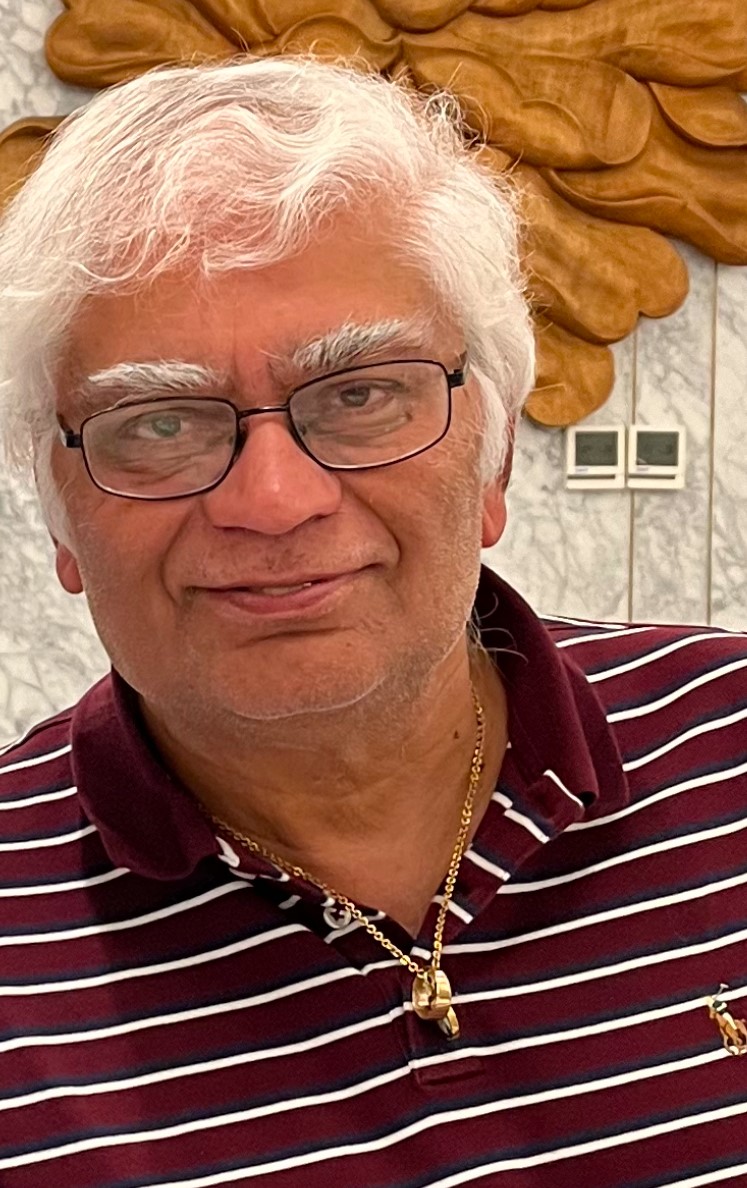
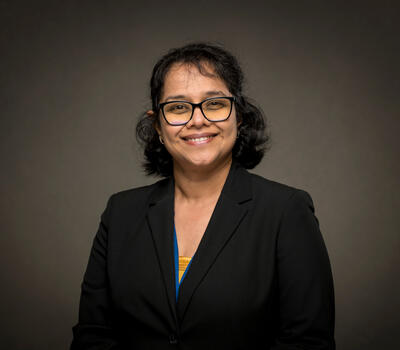
Tinne Smets is an Assistant Professor and senior researcher at the Vrije Universiteit Brussel (VUB) , affiliated with the End-of-Life Care Research Group and the Family Medicine and Chronic Care department. Holding a PhD in Social Health Sciences, her work focuses on improving care for older adults in palliative settings, particularly in nursing homes and community contexts. Current projects include Horizon Europe-funded EU NAVIGATE (2022–2027), Stand Up Against Cancer (2023–2027), and FWO-funded RATHER-NH (2022–2026). Past leadership roles in major initiatives like CAPACITY (FWO-SBO, 2019–2023) and PACE (EU FP7, 2011–2015) highlight her expertise in end-of-life care research. Her recent research emphasizes advance care planning , digital health interventions , and reducing avoidable hospital transitions . Key publications focus on dementia care , quality of life , and ethical frameworks in palliative settings. Smets contributes to projects involving social connection and public health innovations for seriously ill populations.
Matthew Schmidt is a Professor in the Department of Workforce Education and Instructional Technology at the University of Georgia. His research sits at the intersection of artificial intelligence, educational technology, and learning experience design (LXD), with a strong focus on health and inclusion. He designs and studies innovative technologies including AI-powered learning tools and immersive VR environments to support individuals with disabilities and chronic medical conditions such as autism, traumatic brain injury, and diabetes. Education: PhD in Information Science and Learning Technologies, University of Missouri, 2010 MA in German Language and Literature, University of Missouri, 1999 BA in German Language and Literature, University of Missouri, 1997 Undergraduate studies at Truman State University Research Interests: Dr. Schmidt pioneers human-centered design of educational technologies through his Sociotechnical-Pedagogical Systems Theory. His work emphasizes ethical integration of AI, XR, and eHealth platforms to create accessible learning experiences for neurodiverse populations. Key focus areas include participatory co-design methodologies, usability of immersive environments for autism spectrum disorders, and mHealth interventions for chronic conditions like diabetes and epilepsy. His research bridges education and health professions to address social determinants of health through technology. Publication Trends: Analysis of his 2022-2025 publications reveals consistent focus on health-integrated educational technologies. Major themes include telehealth interventions for pediatric TBI families, medication adherence systems for epilepsy/diabetes, and inclusive game-based STEM learning for neurodiverse youth. His work increasingly incorporates participatory design with end-users and examines social determinants of health. The research output demonstrates strong federal funding support (NSF, NIH, DoD) and interdisciplinary collaboration across medical and educational fields. Scientific Awards: Multiple prestigious awards for innovative online, multimedia-based, and distance learning solutions Recognition for cutting-edge applications of VR/AI in special education contexts Advising and Grants: Dr. Schmidt leads multiple federally funded projects including NSF, NIH, and DoD initiatives focused on accessible learning technologies. His work involves mentoring graduate students in educational technology design though specific advisee names aren't publicly listed. Current grants support development of platforms like Storiza (AI reading fluency tool) and interventions including Diabetes Journey and Epilepsy Journey. His research emphasizes team-based, transdisciplinary approaches to solving complex educational-health challenges. Labs and Teams: While specific lab names aren't documented, Dr. Schmidt's work involves interdisciplinary teams spanning educational technology, clinical psychology, and medical fields. His projects utilize advanced technologies including spherical VR, biometric sensors, and generative AI. The River's Crossing facility at UGA serves as his operational base for developing and testing inclusive learning platforms focused on real-world healthcare and educational challenges.
Dr. Alain Pinsonneault is a Distinguished James McGill Professor and IMASCO Chair in Information Systems at McGill University's Desautels Faculty of Management. He serves as Academic Director of the McGill-HEC EMBA program and co-founded this executive education initiative in 2005. His research examines the organizational impacts of information technologies across banking, manufacturing, and healthcare sectors. Dr. Pinsonneault's research focuses on ERP implementation, user adaptation to new technologies, social networks, and e-health systems. His work explores how digital transformation affects organizational performance through strategic alignment, electronic integration, and business agility. Recent studies investigate data scientists' occupational identity threats, digital strategic agility through weak signal detection, and distributed IT championing processes. His publication record demonstrates consistent leadership in top-tier journals including MIS Quarterly , Information Systems Research , and Management Science . Recent articles show increasing focus on digital transformation challenges, with strong representation in healthcare IT applications and social media contexts. His work bridges technical implementation issues with strategic business outcomes. Fellow of the Royal Society of Canada (2010) Fellow of the Association for Information Systems (2014) Chevalier, Ordre National du Québec (2016) King Charles III medal (2025) Multiple best paper awards across ICIS, AMCIS, and HICSS conferences Dr. Pinsonneault has secured major funding from SSHRC, FRQSC, and NSERC, including the $313,280 'Winning with IT in a Digital Economy' project (2015-2019). His research teams investigate IT slack resources, social network effects on managerial vision, and implementation challenges affecting IT value realization. Current work through the McGill HEC EMBA program focuses on executive education for digital leadership.
Christos Kozyrakis is a Professor in the Departments of Electrical Engineering and Computer Science at Stanford University. His research focuses on computer architecture, computer systems, and cloud computing, with contributions to energy-efficient systems, machine learning infrastructure, and database-oriented operating systems. He leads the MAST research group and directs the Stanford Platform Lab. Education: Bachelor's Degree in Computer Science, University of Crete PhD in Electrical Engineering and Computer Sciences, University of California, Berkeley Research Interests: Kozyrakis explores cloud management, machine learning systems, energy-efficient architectures, and hardware-software co-design. Notable projects include DBOS (a database-oriented OS), the MAST group's work on serverless computing and storage systems, and energy-proportional data center design. Awards: ACM SIGARCH Maurice Wilkes Award ISCA Influential Paper Award NSF Career Award Okawa Foundation Research Grant ACM and IEEE Fellowships Advising & Grants: Supervised over 20 PhD and master's students, with notable alumni contributing to academia and industry. Supported by NSF, DARPA, SRC, Google, Microsoft, and other industry collaborations. Labs & Teams: Leads the MAST research group and directs the Stanford Platform Lab, focusing on cutting-edge systems research and prototyping.
Ivan Radosavljević is a researcher affiliated with Singidunum University's Faculty of Informatics and Computing. His work focuses on interdisciplinary applications of artificial intelligence, machine learning, and software engineering. He has contributed to projects involving environmental monitoring frameworks, computer vision applications, and medical informatics solutions. Academic Affiliation: Faculty of Informatics and Computing, Singidunum University Research Themes: AI-driven systems, data generation techniques, software tools for research management His research portfolio includes innovations like the Microraptor GUI software for rendering process monitoring, generative models for synthetic datasets, and frameworks for panoramic image processing in GIS applications. Collaborations with colleagues have produced notable outputs such as breast cancer risk assessment systems and distance estimation algorithms trained on synthetic stereo images. Publications highlight his contributions to both theoretical advancements (e.g., fuzzy space theory applications) and practical implementations (e.g., dictation software development). His work often bridges academic research with real-world problem-solving in sectors like environmental science and healthcare.
Annikki Arola is a Senior Lecturer in Occupational Therapy at Arcada University of Applied Sciences. She holds a PhD from the Department of Health and Rehabilitation at the University of Gothenburg. Her primary affiliation is with the Arcada Health Tech Hub (AHTH), focusing on health and welfare initiatives. She has maintained active involvement with multidisciplinary research centers including Ageing and Health (AGECAP), the Centre for Person-Centred Care (GPCC), and the SWEAH National Graduate School on Ageing and Health at Lund University. Her research focuses on health promotion and well-being among aging populations, particularly older immigrants. Key areas include fall prevention, co-creative health technology development, and interventions addressing cultural competency in healthcare. She has conducted projects at Umeå University involving motor-cognitive programs for fall prevention in community-dwelling seniors over 65. Arola serves as a journal reviewer for occupational science, occupational therapy, and aging-related publications. Her work emphasizes user-centered approaches in health technology development through Arcada's Health Tech Hub, collaborating with stakeholders and end-users.
Sharon Greenwood is a Lecturer in Public Health and Deputy Director of Education in the School of Health and Wellbeing at the University of Glasgow. She holds a PhD in Sociology and has over a decade of academic experience, including roles in teaching, research, and leadership. Her work focuses on substance use, health inequalities, and pedagogical innovation. She currently leads the on-campus Master of Public Health (MPH) program and has pioneered initiatives like the annual MPH Student Conference to enhance graduate skills. Education: She is a Glasgow graduate with a MEd Academic Practice (Distinction), PhD in Sociology, MRes in Equality and Human Rights (Distinction), and MA (Hons) in Public Policy and Sociology (First Class). Research Interests: Her work explores substance use (illegal drugs, pharmaceuticals, alcohol), intersectionality in health, political determinants of health, and ethical dilemmas in research. Pedagogically, she focuses on emotions in teaching, feminist approaches, and inclusive education strategies. Grants & Awards: She leads projects funded by the MVLS College Equality Diversity and Inclusion Fund and Learning and Teaching Development Fund, addressing EDI challenges in public health research and supporting postgraduate dissertation success. Advising: Supervises three PhD students and has mentored numerous postgraduate and undergraduate projects on topics like menstrual health, substance use, and health policy. She also reviews five additional PGR students' work. Labs/Teams: Collaborates across disciplines, including with medical humanities and healthcare technology teams, as seen in her work on vascular access quality of life measures and electronic patient portals.
Daniel Barowy is an Associate Professor in the Department of Computer Science at Williams College. His academic journey includes a Ph.D. in Computer Science from the University of Massachusetts Amherst (2017), an M.S. in Computer Science from UMass Amherst (2013), a B.S. in Computer Science from Boston University (2010), and a B.A. in Legal Studies and Philosophy from UMass Amherst (2002). Education: Ph.D. Computer Science, University of Massachusetts Amherst, 2017 M.S. Computer Science, University of Massachusetts Amherst, 2013 B.S. Computer Science, Boston University, 2010 B.A. Legal Studies and Philosophy, University of Massachusetts Amherst, 2002 Daniel Barowy's research focuses on programming languages, particularly in the domain of end-user programming and human-computer interaction. His work centers on improving spreadsheet programs' reliability and enhancing human-in-the-loop algorithms. He explores how programming language technology can be applied to emerging domains such as crowdsourcing and data analysis. His research often blends traditional programming language techniques like program analysis with statistical methods to create tools that make programming more accessible and robust for non-experts. His publication record shows a consistent focus on improving spreadsheet reliability (ExceLint, CheckCell, FlashRelate) and integrating human computation with programming languages (AutoMan, VoxPL). His work spans multiple prestigious venues including PLDI, OOPSLA, CHI, and USENIX ATC, demonstrating both theoretical rigor and practical impact. The most recent work (Riker) focuses on build systems, showing an expansion of his research interests while maintaining the core theme of improving software reliability. Scientific Awards: Best Paper Award at USENIX ATC 2022 for "Riker: Always-Correct and Fast Incremental Builds from Simple Specifications" PLDI 2015 Distinguished Artifact Award for "FlashRelate: Extracting Relational Data from Semi-Structured Spreadsheets Using Examples" Research Highlight in Communications of the ACM for AutoMan Verified artifact badges for CheckCell, ExceLint, and FlashRelate Barowy actively mentors students, as evidenced by his detailed process for providing letters of recommendation. His teaching portfolio includes core computer science courses like Principles of Programming Languages (CSCI 334) and Introduction to Computer Security (CSCI 331). He has developed educational tools like SWELL for introductory programming education. His research is supported by grants from the National Science Foundation (CCF-1144520, CCF-0953754) and DARPA (N10AP2026), with additional support from Microsoft Research. Barowy leads research projects that often result in open-source software tools including ExceLint (an Excel plugin for finding formula errors), AutoMan/VoxPL (a DSL for crowdsourcing), and several related tools for spreadsheet analysis and crowdsourcing integration. His work bridges theoretical programming language concepts with practical applications that directly benefit end-users.
Alastair Macdonald is a Professor and Senior Researcher at the School of Design, The Glasgow School of Art. His work focuses on interdisciplinary research in healthcare, aging, and design innovation. With over 30 years of experience, he has led and contributed to numerous grants addressing healthcare-associated infections, antimicrobial resistance, and patient-centered care. Research Interests: Integrating design-led methods into healthcare research, co-design methodologies, and transdisciplinary collaboration. Notable projects include MOSAEC (UKRI), VIPVis (AHRC), and AMRSim (AHRC). He has also received the 2018 AHRC/Wellcome Health Humanities Award for Best Research. Education: Extensive academic leadership roles, including former Head of the Product Design Engineering program at GSA. Taught at multiple institutions and held external examiner posts at Dundee University, Royal College of Art, and others. Awards: Winner of 2018 AHRC/Wellcome Award, multiple UKRI grants, and international collaborations in Japan, Singapore, and Europe. Advising and Grants: Supervised over 10 PhD students focusing on aging, healthcare design, and inclusive technologies. Active in grant-funded projects totaling over £4 million, including SEED (NIHR), envisage (MRC), and mappmal (ESRC). Labs/Teams: Involved in initiatives like the HAIVAIRN network (AHRC) and the CREATE stroke rehabilitation study (NIHR). Collaborations span biomedical engineering, veterinary science, and nutrition.
Wolfgang Slany is Professor at Vienna University of Technology focusing on AI applications in scheduling systems. His research develops domain-specific languages and hybrid algorithms for workforce optimization in healthcare, call centers, and industrial settings. Key research areas: Fuzzy logic in AI systems Automated shift planning Break scheduling heuristics Test automation frameworks Publications demonstrate iterative development of the TEMPLE modeling language for staff scheduling. Recent work combines constraint programming with local search techniques to solve complex real-world scheduling problems across supervision systems and manufacturing environments.
Owen Doody is an Associate Professor in the Department of Nursing and Midwifery within the Faculty of Education and Health Sciences at the University of Limerick. With over two decades of academic and clinical experience, his work spans intellectual disability nursing, community integration, and healthcare policy development. His research directly informs national initiatives including Intellectual Disability Nursing Metrics and Older Person Nursing Metrics. His educational background includes a PhD from the University of Ulster (2013), BSc (2001), and Certificate from Waterford Institute of Technology (1998). Prior to academia, he held progressive clinical roles at Daughters of Charity including Clinical Nurse Manager and Staff Nurse. Doody's research portfolio demonstrates sustained focus on intellectual disability through over 280 publications. Recent work (2023-2025) shows a pronounced emphasis on scoping/integrative reviews addressing systemic healthcare challenges, with particular attention to end-of-life decision-making, educational inclusion, and advanced nursing practice. His publications consistently bridge clinical practice and policy development. Award highlights include: President’s Staff Excellence Award (Leadership) (2024) President's Research Excellence and Impact Award (2024) Consecutive Faculty Teaching Awards (2015-2016) He actively supervises graduate students while contributing to national healthcare projects. His leadership extends to Health Research Institute membership and committee roles including Post Graduate Course Board and Intellectual Disability Undergraduate Course Board. Current work focuses on digital advance care planning resources and expanding clinical placement capacity in midwifery education.
Pramod Khosla is a Professor in the Department of Nutrition and Food Science at Wayne State University's College of Liberal Arts and Sciences. He has held this position since 1996 and is actively involved in academic governance as the Faculty Grievance Coordinator for AAUP-AFT Local 6075. His research focuses on diet's impact on lipoprotein metabolism, particularly in chronic kidney disease (CKD) and end-stage renal disease (ESRD) patients undergoing hemodialysis. He has led multi-center clinical trials, including studies in Malaysia and Bangladesh, evaluating dietary supplements like tocotrienols and omega-3 fatty acids. Education: BSc (Honors) in Physiology from Newcastle University, MSc in Biochemistry from the University of Western Ontario, and a Ph.D. in Biochemistry from the same institution. Postdoctoral training at Brandeis University under Prof. KC Hayes specialized in non-human primate lipoprotein kinetics. Research emphasizes nutritional interventions to mitigate inflammation, oxidative stress, and lipid abnormalities in CKD patients. Collaborative projects include assessing dialysis capacity in Bangladesh, developing culturally adapted nutrition tools (e.g., the BDHD-FFQ), and evaluating mobile health apps for phosphate education. Over 36 graduate students have been mentored across PhD, M.S., and M.A. programs, along with numerous undergraduates. Notable contributions include pioneering studies on protein-energy wasting (PEW) and dietary patterns in hemodialysis populations. Current work focuses on translational research linking dietary fatty acid profiles to clinical outcomes, with a global health perspective across Asia and North America.
Anita Sarma is a Professor at Oregon State University's School of Electrical Engineering and Computer Science. She co-directs the GenderMag project and leads research integrating AI, cognitive science, and human-computer interaction to improve software development efficiency and inclusivity. Her work spans open-source software communities, gender-inclusive tools, and developer productivity. Her research leverages theories like Information Foraging Theory and Transactive Memory Systems to design AI-infused tools that reduce biases and improve collaboration. She focuses on end-user programmers (e.g., data scientists) and professional developers. PhD in Computer Science, University of California, Irvine Postdoctoral Fellow, Carnegie Mellon University Recent work analyzes generative AI's impact on open-source communities, inclusivity bugs in software, and diversity metrics. Her projects include gamified environments for student contributions and tools for socioeconomic-aware HCI. Scientific Awards: OSU Breaking Barriers Research Award (2021) NSF CAREER Award (2013) She has secured grants for gender-inclusive open-source tools and studies onboarding practices. Her research groups focus on software engineering and human-computer interaction, with a commitment to removing systemic barriers in technology.
Susan J. Loeb is a Professor in both the Ross and Carol Nese College of Nursing and the Department of Medicine at Penn State University, and Director of the PhD Program in Nursing. She holds dual appointments in nursing and medicine, reflecting her interdisciplinary research focus on incarcerated populations’ health needs. Her education includes a BSN, MSN, and PhD from Penn State University. Research interests center on enhancing healthcare in correctional settings, particularly geriatric and end-of-life care, as well as developing e-training programs for corrections staff and inmate peer caregivers. Current research includes NIH-funded projects like 'Computer-based Learning to Enhance ADRD Care in Prison' ($300K, 2022-2023) and 'E-training of Inmate Peer Caregivers' ($1.8M, 2020-2023). Past grants include work on prison geriatric care and dementia training. Awards include FAAN and FGSA fellowships, the ENRS President’s Award, and IAFN Achievement Award. She has served as a Visiting Professor at the University of Saskatchewan and was featured on the Johnson & Johnson/ANCC podcast. Her work emphasizes healthcare equity, end-of-life care policies, and training innovations. Projects like the ECAD-P initiative demonstrate her focus on scalable solutions for institutional healthcare challenges.
Said Dabia is an Associate Professor of Transport Optimization in the Department of Operations Analytics at the School of Business and Economics, VU Amsterdam. He joined the department as an Assistant Professor in 2014 and has established expertise in transportation modeling and optimization, with publications in leading journals including Transportation Science and European Journal of Operational Research. His educational background: PhD in Operations Research, Eindhoven University of Technology (2012) Master's in Industrial Engineering Bachelor's in Mathematics and Physics Dr. Dabia's research centers on developing exact solution methods for complex transportation problems, particularly variant Vehicle Routing Problems with real-world constraints. His work bridges academic theory and industry practice through extensive consulting experience and successful implementations with logistics partners. Key focus areas include robust optimization under uncertainty and integrating sensory data for dynamic decision-making in sustainable logistics. Analysis of his recent publications reveals a clear trajectory toward solving increasingly complex logistics challenges through advanced algorithmic techniques, with growing emphasis on sensor-driven data integration and sustainability applications in freight transport. Dr. Dabia has secured two major research grants: Sensing Logistics (SensLog): €600,000 (2018-2021) - developing sensor placement strategies and predictive models for logistics operations Sensors for Sustainable Logistics: €100,000 (2021-2022) - using sensory data to optimize temperature control and vehicle fleet mix for sustainable transport He has supervised at least one PhD thesis and coordinates multiple courses including Logistics Analysis and Mathematics. His industry engagement includes ongoing work as Algorithms Expert at Eyefreight BV since 2014, directly applying research to commercial logistics solutions.