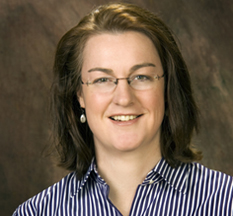
Margaret Daingerfield is an Assistant Professor at Felician University's School of Nursing. She holds an EdD from Rutgers University, MA from New York University, and BSN from Seton Hall University. Her expertise spans Nursing Education, Mental Health, and Adult Health. EdD, Rutgers, The State University, Graduate School of Education MA, New York University BSN, Seton Hall University College of Nursing Daingerfield has presented at conferences such as the NJSNA Annual Convention and contributed to textbook development as an expert chapter reviewer. She is certified as a Nurse Educator by the National League for Nursing and holds eLearning certifications.
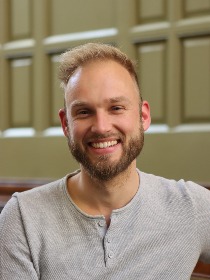
Catherine Jennings, DNP, RN, APN is an Associate Professor at Felician University's School of Nursing. She specializes in Family Practice and End-of-Life/Palliative Care, with expertise in evidence-based practice and adult-gerontology care guidelines. DNP, Chatham University MSN, State University of New York at Stony Brook BSN & AAS, Felician University Her professional activities include serving as an ELNEC Certified Trainer since 2006, participating in the McMaster Online Rating of Evidence System (MORE) as a Sentinel Evidence-Based Practice Article Reader & Reviewer, and contributing as a text reviewer for multiple nursing publications. Catherine holds certifications as a Family Nurse Practitioner (ANCC) and eLearning Certification at Felician University. She has received grants for End-of-Life Care Core initiatives and continues to shape nursing education through editorial contributions.
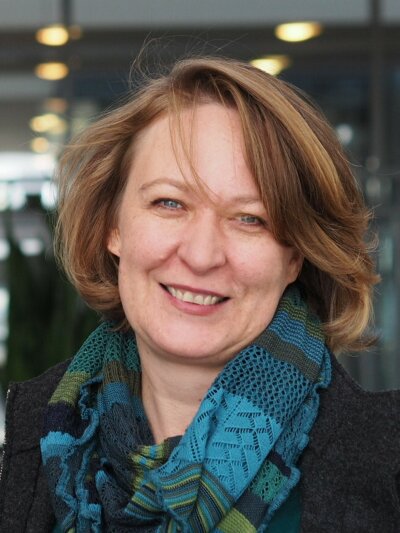
Erla Mariela Morales Morgado is a Research Professor at the Department of Didactics, Organization and Research Methods, School of Education and Tourism in Ávila, University of Salamanca. Her career spans roles as a PhD in Education (2008), coordinator of the Early Childhood Education Degree at Ávila campus, and director of the Recognized Research Group MITA (Multiculturalism, Innovation, and Applied Technologies). PhD in Education (2008, University of Salamanca) Master in Educational Technology (2001, University of Salamanca) Licenciada in Education and Educational Informatics (1999, Universidad de Antofagasta) Her research focuses on eLearning, Educational Technologies, Learning Objects, Knowledge Management, and Multicultural Education. She has published extensively on adaptive learning systems, metadata standards, and digital pedagogy in multicultural contexts. The 15 most recent articles highlight her expertise in leveraging Learning Objects for STEM education, improving metacognitive processes through ICT, and standardizing metadata for educational repositories like GREDOS. Themes span from Geometry Education with Geogebra to MOOCs for learning communities. Salamanca Degree Award Extraordinary Doctorate Prize (2009) Morales Morgado has advised 7 PhD students and contributed to projects like DIRED and HEODAR. She previously worked as an eLearning technician (2008-2010) and online tutor for multiple master's programs. Her affiliations include the Institute for Educational Research (IUCE), GRIAL research group, and CITIA research center.
Juan Manuel Dodero is a Professor at the University of Cádiz , affiliated with the College of Engineering . His research focuses on Educational Technology , particularly in Learning Ecosystems and Open Source eLearning Systems . 5 defended doctoral theses 3 sexenios (research periods) with latest in 2017 Active in international academic conferencing (TEEM, SIIE) His recent publications (2014-2017) demonstrate expertise in creating eLearning frameworks that combine Open Source technologies with multicultural educational environments . He has contributed to conference proceedings as both author and editor. Contact: ko0idyju@duck.com
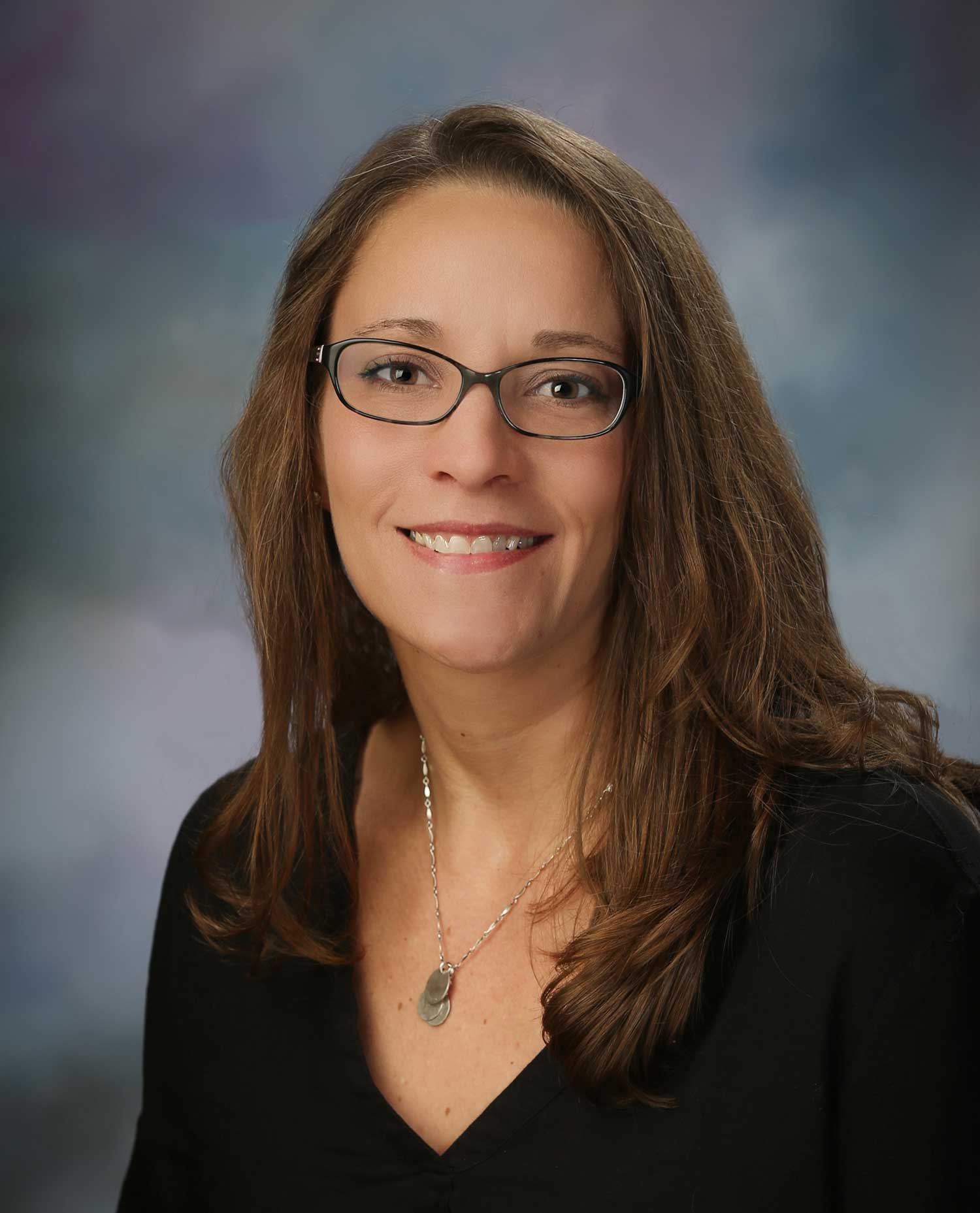
Hayley Mayall, Ph.D., is an Associate Professor in the Department of Educational Technology, Research and Assessment at Northern Illinois University’s College of Education. Her work bridges instructional design, online learning, and educational technology integration, with a strong focus on learner engagement and equity in digital environments. Education: Ph.D. in Educational Psychology, University of Connecticut; Dissertation: An Exploratory/Descriptive Look at Gender Differences in Technology Self-efficacy and Academic Self-efficacy in the GlobalEd Project M.S. in Instructional Technology, Utah State University B.S. in Information Systems and Computer Science, Brigham Young University–Hawaii Campus Dr. Mayall's research centers on distance education, online learning, mobile technologies, and instructional design . Her work explores how learners interact with digital tools, particularly focusing on self-efficacy, visual literacy, and the integration of multimedia in pedagogy. She investigates how technology can be used equitably and effectively across diverse educational contexts. Her recent publications span topics such as gender differences in technology self-efficacy, the role of visual tools in learning, and the design of online discussion forums. These works reflect a consistent interest in the cognitive and emotional dimensions of technology-mediated learning. Scientific Awards: Honors Faculty Fellow (2021–2022), where she taught a seminar on Learning in the Digital Age in the University Honors Program Dr. Mayall teaches a wide range of courses, including Computers in Education, Distance Education, Web-based Learning, Instructional Design, and Media Design. She advises graduate and undergraduate students through practicum and internship experiences, though specific advisees are not listed. Her leadership in curriculum development and faculty engagement underscores her commitment to advancing educational technology both in practice and research. She is affiliated with the University Honors Program and contributes to outreach initiatives such as the Learn-IT Conference. Her office is located in Gabel Hall, and she is actively involved in departmental and university-wide academic life.
David Smith is a learning technologist and researcher with a PhD in eLearning from Newcastle University, Australia. He is affiliated with Charles Sturt University, where he contributes to teacher education and online learning programs. His work spans Australia, the UK, and Europe, with active involvement in EU research initiatives such as FP7 and Lifelong Learning programs. He specializes in the integration of technology in higher education, focusing on pedagogy, learning design, and assessment innovation. PhD in eLearning – Newcastle University, Australia Researcher – Charles Sturt University Advisor – UK and Western European higher education sectors Course Designer – Teacher education and postgraduate online learning Supervisor – Higher education degree candidates David Smith's research is centered on online learning design and online assessment . He developed the Confluence of Learning (COL) framework, grounded in constructionist and behavioral principles, to help educators rationalize technology use. He also created the TfOIL (Technology for Online Interactive Learning) app to support lecturers in selecting appropriate digital tools. His work on online assessment uses eye-tracking software to study how students synthesize information when responding to assessment tasks. His research contributes to UN Sustainable Development Goals in education and lifelong learning. His recent publications span topics including AI literacy in education, compassion in online teaching during the pandemic, teacher professional development, and interprofessional collaboration in higher education. The articles reflect a consistent focus on technology-enhanced learning , educational innovation , and pedagogical effectiveness across global contexts. Key trends include the role of AI, emotional wellbeing in digital classrooms, and industry-university partnerships. David Smith has no listed scientific awards in the provided text. He serves as a registered supervisor for higher education degrees and has contributed to major research and engagement projects, including the Professional Experience Hub Project with James Fallon High School. His work bridges academia and practice, with active collaboration between universities, schools, and industry. He has also engaged in media commentary on public education issues in New South Wales. David Smith is involved in the Aspro STEM Education Research Group and has contributed to international EU research networks. His collaborations span Australia, Austria, the UK, and Finland, focusing on educational technology, teacher development, and digital pedagogy. He continues to publish and present on innovative learning strategies.
Deborah Miarkowska is a Senior Lecturer in Leadership & Service Improvement in Health & Social Care at the School of Sport & Health Sciences, University of Brighton. She holds an MSc in Health & Management from the same institution and is a Fellow of the Higher Education Academy. Deborah also serves as an Associate Lecturer at the Open University since 2016. Education: BSc Nursing and Human Science (2:1), City University and St Bartholomew’s Hospital (1994) Certificate in Health Education (1997) Community Practice Teacher Award (1999) Post Graduate Diploma in Health Promotion (Europe) (2001) Diploma in the Management of Diabetes (2002) Post Graduate Certificate in Health & Social Care Education (2013) Fellowship of the Higher Education Academy (2014) Masters Diploma in Public Relations with Merit (CIPR) (2015) MSc Health & Management (2019) Level 3 TAQA Award in Assessment and Quality Assurance (2019) Westminster Insights Training on Confident Leadership (2023) Deborah's research centers on leadership excellence, service improvement, and professional development in healthcare and higher education. She is passionate about mentoring students in clinical supervision, academic writing, and leadership. Her work emphasizes reflective practice, coaching, and the integration of digital technologies in education. She has developed innovative tools such as the K.U.P.P.B model for clinical practice and the S.O.U.P eLearning app to enhance academic writing skills. The recent publications and research outputs reflect a strong focus on leadership models, particularly boundary spanning leadership, within higher education and healthcare. Her scholarly work spans academic writing pedagogy, strategic leadership, change management, and ethical practices in both healthcare and fashion. The interdisciplinary nature of her work connects nursing, education, public relations, and sustainability. Scientific Awards and Recognitions: Fellow of the Higher Education Academy (2014) Runner-up, University of Brighton Innovation Awards (2007) EcoChic named among UK’s Top 10 Green Sites by The Guardian (2010) Deborah has a strong record in teaching and student mentorship, particularly through the Supporting Learners in Practice programmes. She has led multiple postgraduate leadership modules and is known for her dedication and student-centered approach. Her external role as Associate Lecturer at the Open University further demonstrates her commitment to education. She has not disclosed any grant funding in the provided text. She is actively involved in community engagement as a Trustee of the Mid-Sussex Charity Befriended and a member of Soroptomist International, focusing on women's empowerment. Her past initiative, EcoChic, reflects her long-standing interest in ethical and sustainable lifestyles.
Dr. Tabea Harnischmacher is a Researcher at Goethe University Frankfurt, focusing on writing didactics and eLearning innovations. She joined the university in 2022 as part of the Key Competencies in Studies team, contributing to initiatives like the Diversity-Oriented Writing Center. Her work bridges traditional writing instruction with modern AI-driven methodologies to enhance self-learning and academic writing skills. Professional Background: 2017–2023: Peer tutor and writing didactics trainer at Eberhard Karls University of Tübingen Education: Studies in German Studies, Educational Science, and Literary Theory across Bonn, Marburg, and Tübingen universities (2011–2022) Research Interests: She explores how AI tools can democratize access to writing education, optimize self-directed learning, and improve feedback frameworks in academic settings. Her approach emphasizes inclusivity and low-threshold learning opportunities. Publications include presentations at eTeach Annual Conference 2024 (Jena) and a workshop at the Writing Peer Tutor Conference 2018 (Nuremberg). She is a member of the Society for Writing Didactics and Writing Research (gefsus).
L.S. (Laurent) Krook, MSc, is a Coordinator for E-learning & Video and Lecturer in Psychology at the Faculty of Behavioural and Social Sciences, University of Groningen. He specializes in eLearning, assessment methodologies, and blended learning strategies, with a focus on leveraging video and learning management systems in higher education. His work includes coordinating courses on research methods and ethics, and he actively promotes accessible research tools through his co-founded startup Resultal.com. Education: Master of Science (MSc) in Psychology. Teaching Roles: Coordinator/lecturer for courses PSBA1-28, PSBE1-28 (Praktische introductie in onderzoeksmethoden), and PSBA2-08 (Onderzoeksmethoden: Theorie en Ethiek). Laurent's expertise extends to emergency remote teaching and mobile-first data collection technologies. His current address is Grote Rozenstraat 38, 9712 TJ Groningen, Netherlands, and he works in room 0254 (Nieuwenhuisgebouw). He is also affiliated with the Institute of Education and contributes to academic skill development initiatives at the University of Groningen.
Katja Serova is a Senior Lecturer in Higher Education and Head of the Department of Quantitative Research Methods at Ruhr University Bochum (RUB). She holds a background in social sciences with a minor in educational science from RUB. Her roles include membership in the University Commission for Teaching, the 17th Senate of RUB, and the Faculty's Equal Opportunities Team. She teaches compulsory modules AM6 (Statistics) and AM5 (Empirical Research Methods) in the BA Educational Science program, with courses recognized through awards like the 5x5000 eLearning competition. Education: Studied Social Sciences with a minor in Educational Science at RUB. Research focuses on quantitative methodologies applied to educational projects and digital teaching quality. Collaborations include the Faculty of Computer Science, WIR institutions, and non-university partners like the LWL Museum of Archaeology in Herne. Consultation hours are held via Zoom, requiring email预约 with 'Consultation Hour' in the subject line using a RUB or clearly identifiable email address. Awards: Courses funded by Research-Based Learning program received the 5x5000 eLearning award. Grants/Advising: No explicit grants detailed; however, her teaching is supported by institutional programs. Advising responsibilities are inferred through her teaching roles. Labs/Teams: Leads the Quantitative Research Methods department and collaborates across faculties and external institutions.
Tobias Haase, B.Sc., is a Lecturer at the Dr. Herbert Brause Media Competence Center and employee in the WueCAST project at the University of Würzburg. His roles include eLearning video production, content management, and teaching workshops like Introduction to Podcasting. He holds a B.Sc. in Media Communication (2018–2022) and is pursuing a Master's in Psychology of Digital Media (since 2022). Current positions: Lecturer (since 10/2023), WueCAST project staff (since 06/2024) Education: University of Würzburg and Zurich (B.Sc.), ongoing M.Sc. at University of Würzburg Research interests focus on leveraging technology for education, including AI applications, automated communication systems, and mindfulness practices in academia. He also specializes in media production and student welfare initiatives. Volunteering roles include organizing the Media Students' Conference, membership in the Student Representative Council, and leading the Montagsmail newsletter. No specific grants or labs are mentioned, though his involvement in WueCAST implies project-based collaborations.
Ashleigh Powell is a Lecturer in Marketing at Flinders University’s College of Business, Government and Law , with a dual affiliation as a Full Member of the Centre for Social Impact . Her work bridges marketing, consumer psychology, and social change. Educational Background PhD in Marketing , RMIT University Bachelor of Social Science (Psychology) with Honours , University of the Sunshine Coast Bachelor of Social Science (Psychology) , University of the Sunshine Coast Research Interests center on consumer health and wellbeing , social marketing , attitude and behavior change , and mixed-methods research . She specializes in quantitative tools for evaluating client outcomes and social prescribing models. Recent Research Trends include publications on loneliness interventions, social determinants of health, digital inclusion toolkits, and social marketing campaigns. Her work aligns with UN Sustainable Development Goals related to health and wellbeing. Grants and Projects Social Prescribing Initiative (2025–2028), funded by the Government of South Australia DIGIT-ALL Toolkit (2025–), addressing digital inclusion in active living Aboriginal Community Partner Services Evaluation (2024–2025), with Flinders University VicHealth Youth Sport Food Study (2019–2023), analyzing food consumption in community sports Teaching Responsibilities include Market Research , Branding & Advertising , and Research Methods at both undergraduate and postgraduate levels. She also serves as topic coordinator for multiple courses. Collaborations span government agencies (e.g., Department of Human Services South Australia), NGOs (AnglicareSA), and health organizations (Adelaide Primary Health Network).
Christine Valadez serves as an Adjunct Professor at Marymount University while concurrently holding the position of Senior Vice President of Instructional Services for a university-focused eLearning solutions company. With over twenty years of specialized leadership in online education, she has dedicated her career since 2009 to transforming traditional higher education courses into learner-centered, interactive digital experiences that prioritize engagement and meaningful outcomes. Her academic background includes a Doctor of Education from Marymount University, a Master of Education in Educational Technology from Northern Illinois University, and a Bachelor of Arts in English from Northwestern University. These qualifications underpin her expertise in educational innovation and technology integration. Valadez's professional focus centers on Online Education and Instructional Design , with specific emphasis on faculty development for digital course transformation. Her work bridges theoretical educational frameworks with practical eLearning implementation across disciplines, though no granular sub-fields beyond broad interest areas are documented in the source material. No scientific awards or honors are referenced in the provided text. While her corporate role involves extensive collaboration with university faculty on course redesign, the text does not specify formal student advising relationships or grant management activities. Her contributions primarily manifest through institutional partnerships rather than traditional research mentorship.
Dr. Heather Thompson-Bahm is an Instructor at the City College of Montana State University Billings, where she has been teaching since 2015. She holds leadership roles as Department Chair of Business, Construction, and Energy Technology, and as Faculty Co-Director of the MSUB Center for Teaching and Learning. Revitalized 2+2 pathways for Business Administration and Human Resources degrees Lead trainer for HyFlex modality delivery and advocate for diversity and inclusion Her research interests align with business administration, human resources, eLearning pedagogy, and diversity initiatives in education. She has received notable scientific awards, including: MUS Teaching Scholar Human Resource Leader of the Year eLearning Faculty Fellow Dr. Thompson-Bahm actively contributes to university governance via the Academic Senate and Provost’s Graduation and Retention Council, and serves as College Relations Chair on the Montana State Board of SHRM.
Daniel Strutt is a Lecturer at the Ontario Institute for Studies in Education (University of Toronto) and the Director of eLearning Consortium Canada , an organization enabling collaboration among independent schools to advance blended and eLearning initiatives. He also partners with Western University to provide alternative field experiences for teacher candidates in online learning. Research and Professional Focus: Advocating for equal access to education through eLearning technologies. Designing engaging online learning environments for underserved populations, including First Nations communities, children with cancer, and remote African schools. Developing frameworks for improving online learning quality via teacher training programs like the Teaching and Learning through eLearning AQ course .