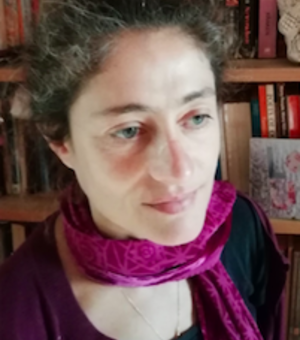
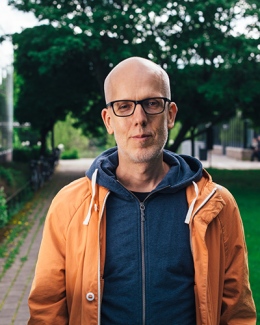
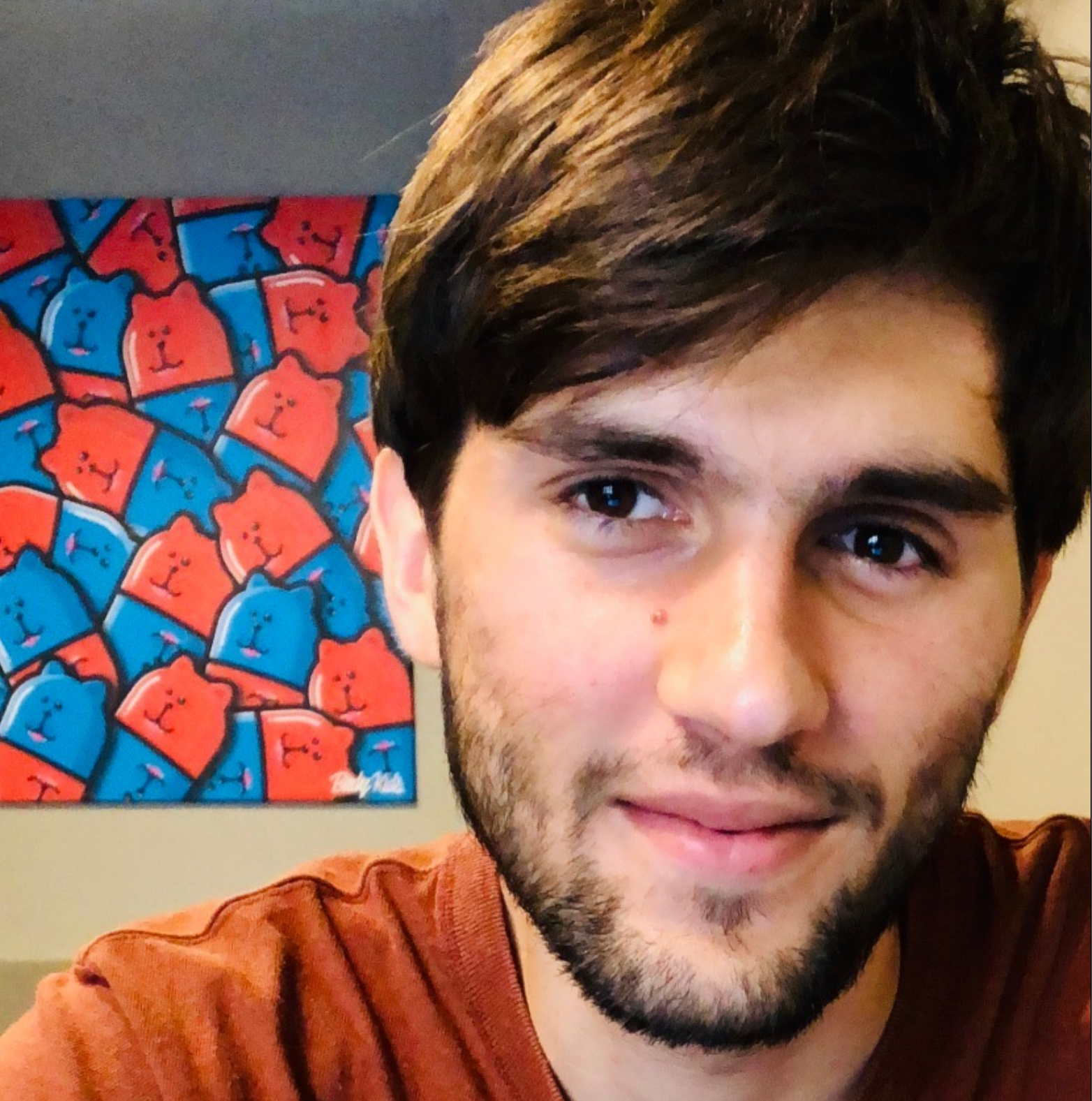
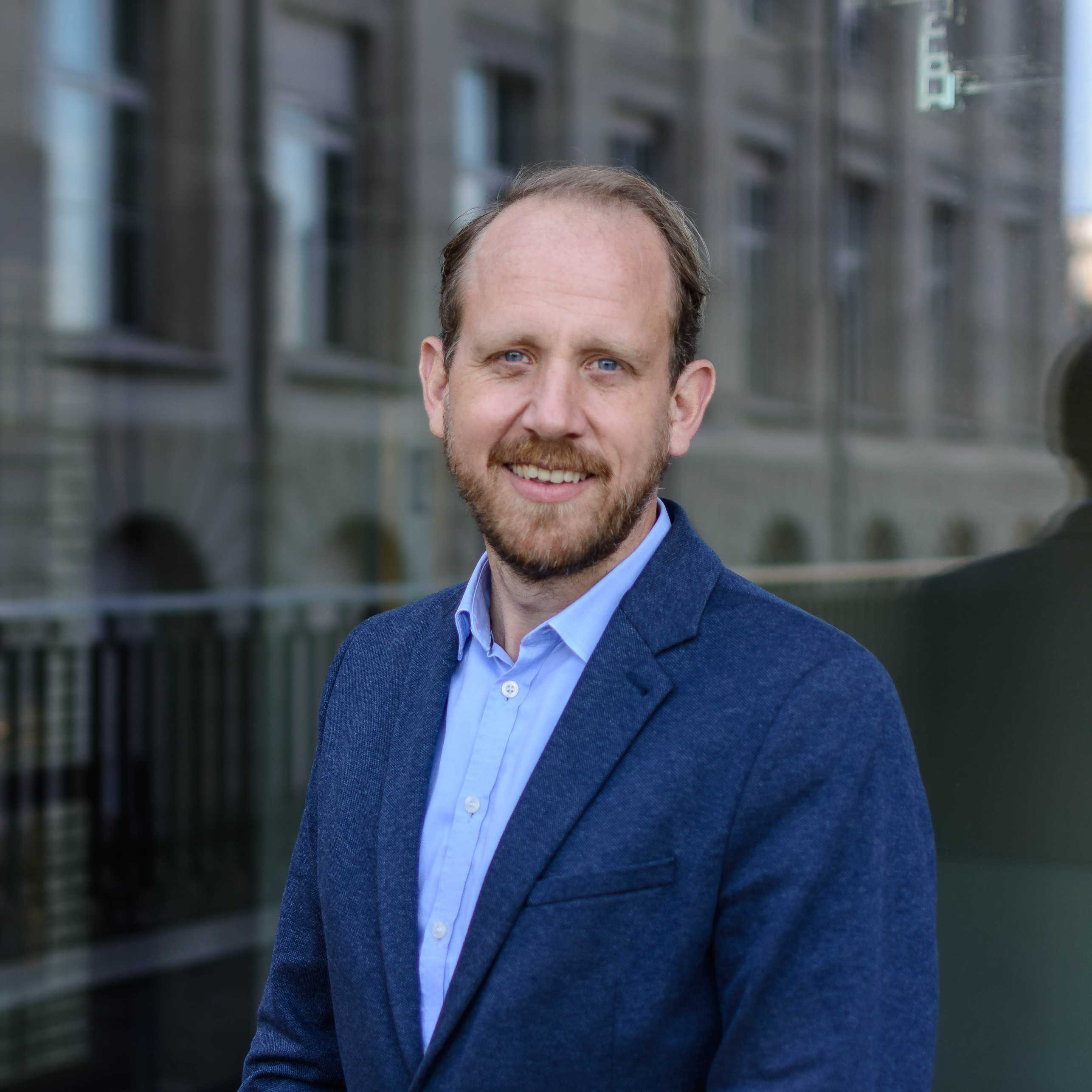
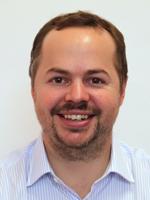
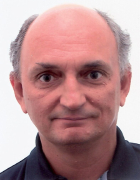
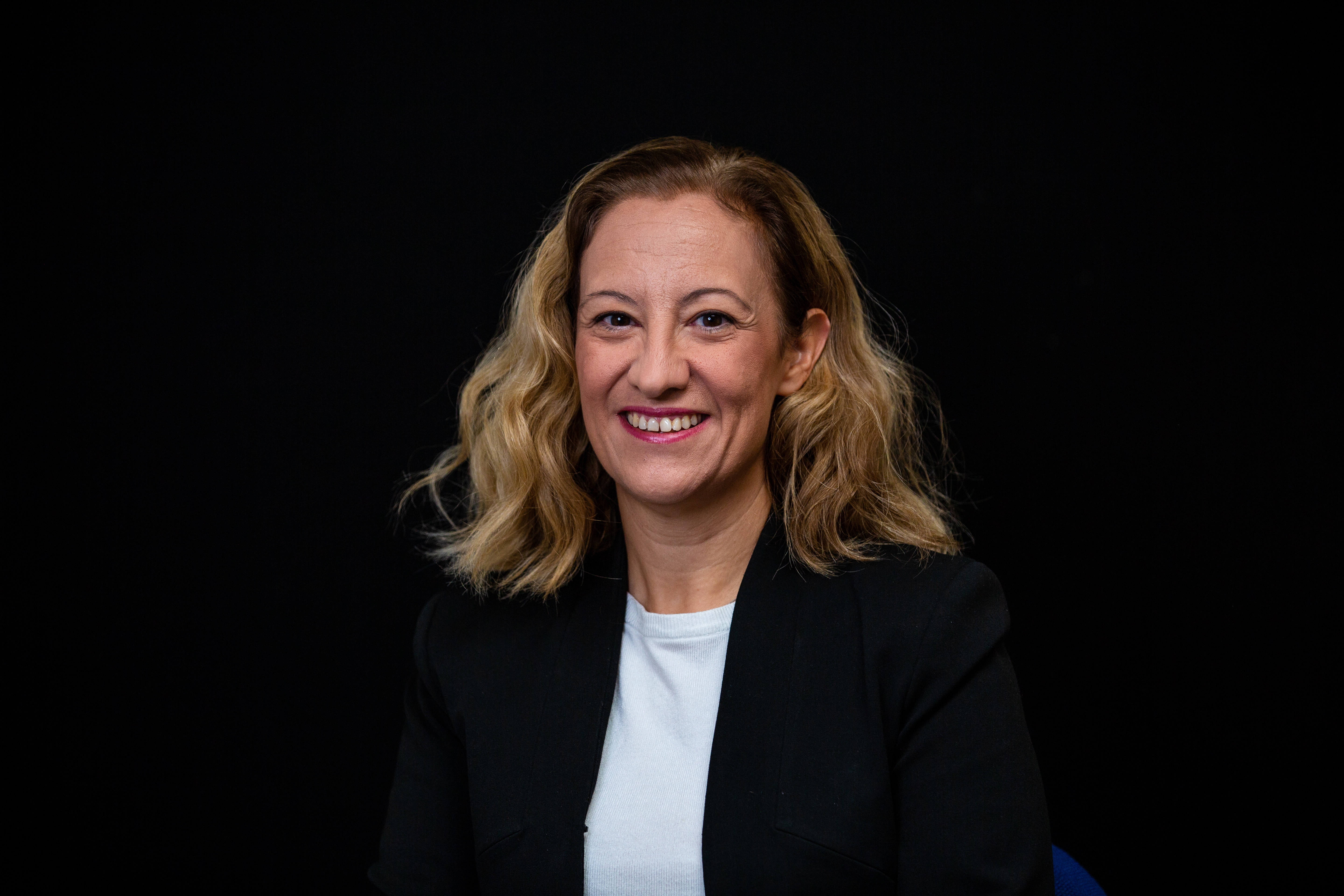
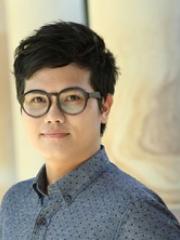
Prof. dr. Tessa Quax is an Associate Professor at the Faculty of Science and Engineering, University of Groningen, leading research in Molecular Microbiology . Her work focuses on archaeal virology and virus-host interactions, supported by prestigious grants including an ERC Starting Grant (2022) and NWO Vidi Grant (2023). Key Research Areas: Archaeal virus entry/egress mechanisms Cell surface dynamics and motility Extreme environment microbiology Genetic tool development for archaea Recent publications in Nature Reviews Microbiology (2025) and Current Opinion in Microbiology (2024) highlight her work on viral host recognition and structural diversity. Her lab's 44 research outputs span archaeal cell biology, viral evolution, and ecological impacts of virus-induced lysis. Scientific Recognition: KNAW Beijerinck Premium (2022) KNAW Early Career Award (2021) Hector Research Career Development Award (2021) ERC Starting Grant (2022) As Chair of the International Society for Viruses of Microbes SAB and Speaker of the German Microbiology Society's Microbial Viruses group, she coordinates global research networks including a HFSP grant (2023) with Japan/Australia/USA collaborators. Her lab currently includes PhD candidate Zaloa Aguirre Sourrouille and multiple postdoctoral researchers.
Tara Garnett serves as Director of TABLE, a global knowledge platform for food systems analysis hosted by the Environmental Change Institute within the School of Geography and the Environment at the University of Oxford. TABLE operates as a collaboration between the University of Oxford, Wageningen University & Research, and the Swedish University of Agricultural Sciences, facilitating evidence-based dialogue on sustainable food futures. Her research interrogates the complex intersections between food systems, climate change, public health, and sustainability, with particular focus on livestock as a critical nexus point. Garnett investigates how scientific knowledge is translated across policy, civil society, and industry contexts, emphasizing the diverse values stakeholders bring to food system challenges. Her work consistently advocates for systems-thinking approaches that recognize the interconnected nature of food-related problems. As a fellow of the Oxford Martin School and co-investigator on the Wellcome Trust-funded Livestock, Environment and People (LEAP) project, she contributes to high-impact research at the food-environment-health interface. Her publication portfolio reveals evolving research trajectories from early climate-food connections toward contemporary explorations of alternative proteins, regenerative agriculture, and the political economy of food system transformation. Recognition Oxford Martin School Fellowship Garnett's leadership through TABLE exemplifies her commitment to creating spaces for inclusive, evidence-informed dialogue about building food systems that are sustainable, resilient, and just. Her work consistently bridges academic research and practical application, emphasizing that context-specific solutions and multi-stakeholder engagement are essential for meaningful food system transformation.
Naomi Murakawa is an Associate Professor in the Department of African American Studies at Princeton University, School of Arts and Sciences. Her research focuses on the reproduction of racial inequality in American politics, particularly in the realms of crime policy and the carceral state. Her scholarly work bridges political science, critical race theory, and legal studies. Key areas of interest include mass incarceration, racial liberalism, the historical development of crime control, and the paradoxes of reform within the criminal justice system. Her research, reflected in publications such as The First Civil Right: How Liberals Built Prison America and numerous journal articles, reveals how ostensibly progressive policies have contributed to the expansion of the prison system. Themes across her work include the racialized foundations of state power, the limitations of liberal reform, and the structural persistence of racial inequality in law and governance. Scientific Awards and Fellowships: Fellowship from Columbia Law School’s Center for the Study of Law and Culture Fellowship from Robert Wood Johnson Foundation’s Health Policy Research Program Professor Murakawa has advised graduate students and contributed to major scholarly and public conversations on race and justice. Her work has been supported by significant research grants and fellowships, enabling deep historical and theoretical analysis of the American carceral state. She is a leading voice in interdisciplinary debates on decarceration, abolition, and transformative justice. She is affiliated with research initiatives focused on race, law, and inequality, contributing to collaborative teams examining the intersections of policy, history, and social movements. Her ongoing scholarship continues to challenge conventional narratives about crime, punishment, and racial progress in the United States.
Jens Rydgren is Professor of Sociology at Stockholm University, where he holds the Chair in Sociology since 2009. He is affiliated with the Department of Sociology within the Faculty of Social Sciences. Rydgren graduated from Stockholm University in 2002 and has been a visiting scholar at Columbia University, Cornell University, Harvard University, École des Hautes Études en Sciences Sociales in Paris, Copenhagen University, and Utrecht University. He is a fellow of the Royal Swedish Academy of Letters. Professor Rydgren's primary research interests lie in political sociology, particularly the study of radical right-wing parties and their voters, with a focus on explaining variation over time and across countries. He also has a longstanding interest in social networks and how relational and contextual factors influence individuals' beliefs, opportunities, and actions. His additional research interests include ethnic conflict, belief formation processes, collective memory, fanaticism, and sociology through literature. Much of his work combines theoretical insights with empirical analysis to understand complex social phenomena. His recent publications demonstrate a consistent focus on radical right-wing politics, xenophobia, nationalism, and social network analysis. Rydgren frequently employs comparative and multi-method approaches to examine political behavior and social phenomena. His work often intersects political sociology with social network theory to understand how contextual factors shape political attitudes and behaviors. He has made significant contributions to understanding how social networks influence various outcomes, from political attitudes to health behaviors. Fellow of the Royal Swedish Academy of Letters Rydgren is currently the Principal Investigator (PI) of the research project "Why do working class voters support the populist radical right?" funded by the Swedish Research Council. Previously, he was PI for the ERC Starting Grant project "Individual Life Chances in Social Context: A Longitudinal Multi-Methods Perspective on Social Constraints and Opportunities" (2011-2018), which combined survey data and register data to study the importance of egocentric networks for young adults' life chances. His research has important implications for understanding contemporary political challenges and developing evidence-based policy responses.
Édouard Bonnet is a CNRS researcher at the Laboratoire de l'Informatique du Parallélisme (LIP) in the MC2 team at École Normale Supérieure de Lyon. His research focuses on algorithmic and structural graph theory, representing significant contributions to theoretical computer science. Dr. Bonnet serves as principal investigator of the ANR JCJC grant TWIN-WIDTH (2021-2025), demonstrating recognition of his research excellence. He coordinates the ENS Lyon computer science master 2 internships, playing a key role in graduate education. His involvement in multiple thesis defense committees scheduled for July 2025 confirms his active mentorship role. Within the broader academic community, Bonnet serves on the board of GT CoA (Complexité et Algorithmes) and acts as local correspondent for both GT CoA and GT Graphes, highlighting his standing in the French theoretical computer science community. His habilitation thesis represents a significant scholarly achievement in the French academic system. While specific publications aren't detailed in the provided information, his research focus suggests contributions to graph algorithms, graph classes, parameterized complexity, and structural graph theory, with particular relevance to the twin-width parameter development that has gained prominence in recent years.
Olaf Steinbach is a University Professor (Univ.-Prof.) at the Institute of Applied Mathematics at Graz University of Technology. His academic career spans over three decades with continuous research activity from 1992 to the present, including publications scheduled for 2026. He serves as a project manager for several research initiatives including the Special Research Area (SFB) F90 Computational Electric Machine Laboratory, which runs from 2022 to 2026. Professor Steinbach's research interests primarily focus on Numerical Analysis and Computational Mathematics . His work centers around developing and analyzing advanced numerical methods, particularly Finite Element Methods (FEM) and Boundary Element Methods (BEM), for solving partial differential equations (PDEs) and optimal control problems. His research spans both theoretical aspects (such as error analysis, stability, and convergence) and practical applications (including electric machines, electromagnetics, and biomechanics). He has made significant contributions to space-time finite element methods, which treat time as an additional dimension in the discretization process, leading to more robust and efficient solvers for time-dependent problems. Analysis of his recent publications (2021-2026) reveals a strong focus on optimal control problems governed by partial differential equations, with particular emphasis on elliptic, parabolic, and hyperbolic PDEs. His work demonstrates a consistent pattern of developing robust numerical methods with rigorous error analysis, often incorporating regularization techniques to handle challenging constraints. The applications span computational electromagnetics (particularly electric machines), fluid dynamics, and wave propagation problems. His research increasingly incorporates advanced computational techniques including parallel computing and isogeometric analysis. Professor Steinbach has supervised numerous doctoral students and has been actively involved in organizing academic events, including summer schools on Boundary Element Methods. His collaborative network extends across multiple disciplines and institutions, reflecting the interdisciplinary nature of his work in computational mathematics. His research has been supported through multiple significant projects including DK-W1244 Doctoral Program on Partial Differential Equations, the EU CASOPT project on optimization of industrial devices, and the ongoing Special Research Area on Computational Electric Machine Laboratory. These projects demonstrate his leadership in establishing research frameworks that bridge theoretical mathematics with practical engineering applications. Professor Steinbach maintains an active research group within the Institute of Applied Mathematics, collaborating closely with researchers in computational engineering, electrical engineering, and biomechanics. His work on the Computational Electric Machine Laboratory represents a particularly strong interdisciplinary effort combining mathematical theory with electrical engineering applications.
Prof. Dr. Mirko Meboldt serves as a Full Professor at ETH Zurich's Department of Mechanical and Process Engineering, where he holds dual leadership roles as Head of Lecturers' Conference and Deputy Head of the Institute of Machine Tools and Manufacturing. His office is located at Leonhardstrasse 21 in Zürich, Switzerland. Professor Meboldt's research spans multiple engineering domains with particular emphasis on: User-oriented product innovations New production technologies Mechanical engineering applications Biomedical device development CAD/PDM systems standardization Engineering education methodologies His recent publication portfolio reveals a distinctive interdisciplinary approach that bridges traditional mechanical engineering with cutting-edge medical applications. Key research trends include human-robot collaboration systems, intelligent medical devices for neurosurgery, augmented reality training platforms for medical procedures, advanced manufacturing processes, and AI-assisted healthcare communication analysis. This diverse research portfolio demonstrates his commitment to solving complex real-world engineering challenges through cross-disciplinary innovation. Professor Meboldt places significant emphasis on the educational impact of his work, explicitly stating that he 'regards the impact on the education of young engineers and its relevance for industry as a key motivation and benchmark for his research.' His industrial background at Hilti AG informs his practical approach to academic research, ensuring strong industry relevance across all his projects.
Dr James Herbert-Read is an Associate Professor and Whitten Lecturer in Marine Biology at the Department of Zoology, University of Cambridge. He serves as Deputy Head of Department (Postgraduate Education) and leads the Marine Behavioural Ecology Group. His research focuses on understanding how animals, particularly marine organisms, collect and process information from their environments to make behavioral decisions, with emphasis on social interactions, adaptation mechanisms, and ecological constraints. His group employs theoretical frameworks, controlled experiments, and quantitative field studies to investigate behavioral diversity in marine species. Key themes include collective behavior, predator-prey dynamics, camouflage strategies, and the impacts of environmental stressors on animal decision-making. Recent publications highlight work on lionfish vocalization mechanisms, cuttlefish camouflage, citizen science applications in marine research, and behavioral responses to visual and acoustic noise. Scientific awards and affiliations include: Whitten Lecturer in Marine Biology Associate Professor, University of Cambridge He has supervised research projects on topics such as: Social attraction in invasive fish species Evolution of coordinated movement Neurophysiological basis for leadership in shoals Maternal effects on offspring exploration
Andreas Jentys is a Professor at the Department of Technical Chemistry within the TUM School of Natural Sciences at Technische Universität München (TUM). His research focuses on understanding surface reactions and transport phenomena in mesostructured, micro- and mesoporous oxides with acid/base or redox properties, as well as supported metal catalysts for gas and condensed phase reactions. He prepares materials with tailored functionality and studies their sorptive and catalytic properties using in situ electron and vibrational spectroscopy combined with microkinetic experiments. Education: PhD (Dr. techn.) in Chemistry from TU Wien (1991) Postdoctoral: Royal Institution of Great Britain (1992-1993) with Prof. Richard Catlow Academic Career: TU Wien (1998: Associate Professor), TUM (1999: Senior Scientist; 2011: Professor) Teaching: Active in TUM Asia since 2006 Research interests span catalysis, surface chemistry, material science, and chemical reaction engineering. He specializes in zeolites, bimetallic catalysts, and in situ spectroscopic methods. Recent work examines: Hydrogen evolution and carbon-carbon coupling on Cu Methane activation via Co²⁺ sites in ZSM-5 Photocatalytic systems using metal-organic frameworks Solvent effects in palladium-catalyzed hydrogenation CO₂ hydrogenation over bifunctional catalysts Publications trend toward heterogeneous catalysis, with emphasis on: Design of mesoporous and microporous materials Characterization of metal clusters and oxo species Microkinetic modeling of catalytic systems Environmental applications (NOx/CO₂ reduction) Hydrogen and hydrocarbon processing Teaching includes courses on: Reaction Engineering and Kinetics Industrial Chemical Processes I & II Fundamentals of Catalysis TC Praktikum (internship)
John C. Doyle is the Jean-Lou Chameau Professor of Control and Dynamical Systems, Electrical Engineering, and BioEngineering at the California Institute of Technology (Caltech), where he holds appointments in the Division of Engineering and Applied Science with primary affiliation in the Control and Dynamical Systems Department. His research bridges theoretical foundations with applications across biological, technological, medical, and ecological networks. He earned a BS and MS in Electrical Engineering from MIT (1977) and a PhD in Mathematics from UC Berkeley (1984), followed by consultancy at Honeywell Systems and Research Center (1976-1990). MIT: BS & MS in Electrical Engineering (1977) UC Berkeley: PhD in Mathematics (1984) Doyle's research centers on universal laws and architectures in complex systems, emphasizing robustness-efficiency tradeoffs, speed-accuracy tradeoffs (SATs), diversity-enabled sweet spots (DeSS), bowtie/hourglass structures, and evolvability. His work pioneers System Level Synthesis (SLS) for control systems with sparse, local, saturating, delayed, noisy, quantized, and distributed (SLSDNQD) components, integrating control theory, computation, communication, and machine learning to address challenges from neural networks to infrastructure resilience. Key concepts include virtualization, horizontal transfer, and virality in multiscale systems. Analysis of his publication trends reveals consistent interdisciplinary impact across neuroscience (brain connectivity modeling), systems biology (metabolic oscillations), network science (internet topology), and physics (turbulence, earthquakes), with recurring themes of robust-efficiency limits and architectural principles governing complex networks. His work demonstrates exceptional translation from abstract theory to practical tools like the Matlab Robust Control Toolbox and Systems Biology Markup Language (SBML). His scientific recognition includes: 1990 IEEE Baker Prize (ranked among top 10 most important mathematics papers 1981-1993) Three IEEE Automatic Control Transactions Awards (1998, 1999, 2021) ACM Sigcomm Paper Prize (2004) and Test of Time Award (2016) IEEE Control Systems Field Award (2004) Multiple early-career honors including IEEE Centennial Outstanding Young Engineer (1984) Doyle has mentored generations of students whose contributions include foundational software tools adopted globally. His research has secured sustained funding from NSF, NIH, and other agencies supporting theoretical advances in control frameworks and their applications to biomedical systems, network infrastructure, and environmental modeling. The SBML initiative exemplifies his group's impact in standardizing computational biology research. He leads a highly collaborative research ecosystem at Caltech that integrates engineers, biologists, neuroscientists, and computer scientists to develop universal principles for complex networks. Current efforts focus on translating theoretical insights into health technologies, resilient infrastructure, and climate-responsive systems through the application of robust-efficiency frameworks to emerging challenges in cyber-physical and biological domains.
Elette Boyle is an Associate Professor at Reichman University (IDC Herzliya) and a Senior Scientist at NTT Research . She holds a Ph.D. in Mathematics from MIT (advised by Shafi Goldwasser and Yael Tauman Kalai) and an undergraduate degree from Caltech . Education Ph.D. in Mathematics, MIT B.S. in Mathematics, Caltech Her research focuses on cryptographic solutions for secure data processing , particularly in secure multi-party computation , function/homomorphic secret sharing , and distributed point functions . Recent work explores topology-hiding communication , memory checking complexity , and sublinear-communication MPC . Key trends in her publications include: Advancements in Function Secret Sharing for branching programs and sparse vectors. Efficient Secure Multi-Party Computation protocols with preprocessing. Information-theoretic and computational Topology-Hiding Broadcast schemes. Optimized Oblivious Transfer with constant computational overhead. Scientific Awards European Research Council (ERC) Award Israeli Science Foundation (ISF) Grant United States Air Force Office of Scientific Research (AFOSR) Grant Google Research Scholar Award International Association for Cryptologic Research (IACR) Recognition As Director of the Foundations & Applications of Cryptography (FACT) Research Center , she leads collaborative work with institutions like Technion Israel , Cornell University , and NTT Research . Her students include Pierre Meyer (Ph.D.) , Matan Hamilis (Ph.D.) , and D'or Banon (MSc.) .
Professor Irem Dikmen is a leading academic in Construction Engineering and Management at the University of Reading, where she serves as School Director of Internationalisation in the Chancellor's Building. Her research integrates engineering, management, and information sciences to advance construction project risk management, particularly focusing on climate resilience, digital technologies, and social value in infrastructure systems. PhD, MSc, and BSc in Civil Engineering from Middle East Technical University Her work leverages systems thinking, artificial intelligence, and digital tools to develop decision-support frameworks for megaprojects and climate adaptation. Recent publications highlight innovations in NLP contract analysis, energy performance ontologies, and risk visualization techniques. She supervises students on topics spanning IoT lifecycle management, ESG risks, and NLP defect detection. Key collaborations include the Climate and Finance Research Cluster and Walker Institute , with contributions to digital construction technologies and sustainability risk assessment. Teaching modules include Construction Risk Management, Economics, and Business Organisation.
Dr. Mario Rebosura serves as a Postdoctoral Research Fellow at the Australian Centre for Water and Environmental Biotechnology (ACE), part of the Faculty of Engineering, Architecture and Information Technology at the University of Queensland. His work bridges fundamental research and practical engineering solutions for sustainable urban water systems. His academic credentials include: Bachelor of Science in Chemical Engineering (2009) from the University of the Philippines Los Banos Masters of Engineering in Environmental Engineering (2012) from the Catholic University of Korea PhD in Chemical Engineering (2020) from the University of Queensland Rebosura specializes in integrated urban water management with emphasis on anaerobic technologies and resource recovery. His research investigates iron salt applications throughout urban water cycles, contaminant fate analysis, and advanced wastewater treatment processes. He combines chemical engineering principles with environmental science to develop circular economy solutions that transform waste streams into valuable resources while improving infrastructure resilience. His publication record reveals consistent focus on optimizing iron-based interventions across the urban water system—from sewer networks to treatment plants—with recent expansion into micropollutant management and enhanced anaerobic digestion. This trajectory demonstrates increasing sophistication in addressing complex water-energy-resource nexus challenges through interdisciplinary experimentation. Rebosura actively contributes to scholarly discourse as Editor for the International Research Journal on Innovations in Engineering, Science and Technology and as a reviewer for leading water research journals. His conference presentations have generated international recognition through speaking invitations and workshop leadership. He has secured significant research funding including: Australian Research Council project 'An integrated approach to iron salt use in urban water systems' (2014–2019) Meat & Livestock Australia initiative 'Wastes to Profits: Advanced Anaerobic Digestion' (2018–2022) As a core member of ACE, Rebosura leverages world-class facilities for laboratory and pilot-scale water research, collaborating within multidisciplinary teams to advance sustainable water management solutions for global challenges.
Dr. Michael P. Lilly is a Professor in the Department of Surgery at the University of Maryland School of Medicine, serving as Chief of the Department of Surgery at University of Maryland Medical Center Midtown Campus and Director of the Maryland Vascular Center. His career spans over three decades at the institution since 1989. His educational background includes: Medical School: Georgetown University School of Medicine (1978) Internship: Rhode Island Hospital (1979) Residency: Rhode Island Hospital (1985) Fellowships: Northwestern Memorial Hospital - General Vascular Surgery (1987); Rhode Island Hospital - Research, Endocrinology (1982); Rhode Island Hospital - STC, Trauma (1986) Dr. Lilly's research and clinical expertise centers on vascular surgery with specialized focus in non-invasive vascular diagnostics, having directed the Non-Invasive Vascular Diagnostic Lab for ten years. His work integrates trauma surgery techniques and endocrinology research from his fellowship training, addressing complex vascular pathologies through multidisciplinary approaches. He maintains active clinical practice across University of Maryland Medical Center, UM St. Joseph Medical Center, and UM Shore Regional Health facilities. Dr. Lilly has held significant leadership positions including Chief of Vascular Surgery at Baltimore VA Medical Center (1999-2004) and Chief of Surgery at Maryland General Hospital (now UMMC Midtown). He is board certified by the American Board of Surgery in both Surgery (1986) and Vascular Surgery (1988), and has contributed to surgical scholarship through editorial roles for the Journal of Surgical Research and Journal of Vascular Surgery. His institutional impact includes establishing vascular diagnostic protocols and directing surgical departments across multiple University of Maryland health system campuses, with ongoing clinical leadership at the Maryland Vascular Center.
Michael Knap is an Associate Professor of Collective Quantum Dynamics at the Technical University of Munich (TUM), within the Department of Physics at the TUM School of Natural Sciences. His research group focuses on condensed matter theory, quantum many-body systems, and quantum simulation. Knap holds office in room 5101.01.037 at James-Franck-Str. 1, 85748 Garching b. München, and can be reached at michael.knap@ph.tum.de or +49 (89) 289 - 53777. Prof. Knap's research delves into the rich physics of quantum many-body systems, particularly exploring non-equilibrium dynamics and transport phenomena in ultracold quantum gases, interacting light-matter systems, and correlated quantum materials. His work spans multiple subfields including topological phases of matter, quantum simulation with trapped ions, fracton physics, and quantum computation. He develops novel numerical approaches based on quantum information theory and utilizes artificial intelligence and machine learning to tackle challenging problems in condensed matter physics. His group's research connects fundamental theoretical questions with experimental implementations in quantum simulators. The analysis of Prof. Knap's recent publications (2023-2025) reveals a strong focus on topological quantum matter, quantum simulation, and emergent phenomena in constrained quantum systems. His work frequently bridges condensed matter theory with quantum information science, as evidenced by publications on fracton hydrodynamics, higher-form symmetries, and quantum error correction. There's a clear progression toward increasingly complex quantum systems and connections to experimental implementations on quantum processors. His research shows significant interdisciplinary reach, connecting condensed matter physics with quantum computing and quantum information theory. ERC Consolidator Grant (2025) ERC Starting Grant (2019) Supervisory Award, TUM Department of Physics (2018) Promotio sub auspiciis Praesidentis rei publicae, Austria (2013) Prof. Knap has established a robust research program supported by prestigious European Research Council grants. His group actively collaborates with both theoretical and experimental groups worldwide, particularly in the quantum simulation community. He has supervised numerous students through Master's Seminars on Collective Quantum Dynamics covering topics like quantum simulation with trapped ions and theoretical quantum computation. His research has received significant attention, with several publications featured as Editors' suggestions and Research Highlights in leading journals. The Collective Quantum Dynamics group maintains strong connections with experimental quantum simulation efforts, particularly in the areas of ultracold atoms and trapped ion systems. Knap's theoretical work often provides frameworks for interpreting experimental results in quantum simulators, creating a productive feedback loop between theory and experiment. His group participates in collaborative research networks focused on advancing quantum simulation capabilities and understanding fundamental aspects of quantum many-body physics.