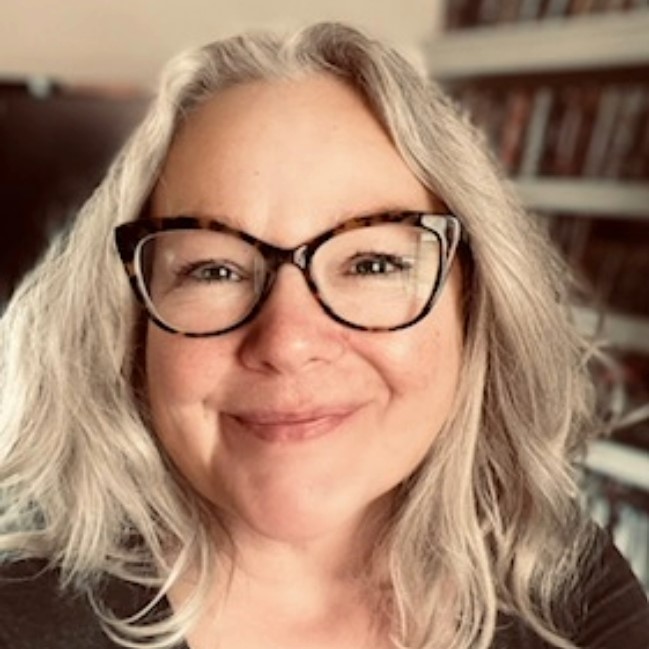
Melissa Landers-Potts is an Interim Assistant Dean for Academic Programs and Principal Lecturer at the University of Georgia's College of Family and Consumer Sciences (Department of Human Development and Family Science). She focuses on active and universal design for teaching and learning, emphasizing inclusive excellence. Her roles include overseeing undergraduate programs, aligning with the college's 2025 Strategic Plan, and fostering teaching excellence. She earned a Ph.D. (1998), M.A. (1994), and B.A. (1990) in Sociology/Anthropology from the University of Georgia and Carleton College. Her research explores socioeconomic status, race/ethnicity, and technology's impact on human development, with a focus on marginalized populations. She designs inclusive curricula and integrates service-learning, partnering with private-sector mental health companies for global adolescent mentorship programs. Recent studies include effects of economic stress on children, racism/classism, and technology's role in military youth well-being. Recipient of numerous awards, including the UGA Teaching Excellence Award (2022), she mentors faculty in active learning and service-learning initiatives. She chairs multiple committees (e.g., College Curriculum, Scholarships) and advises Phi Upsilon Omicron. Her outreach emphasizes experiential learning and inclusive educational practices.
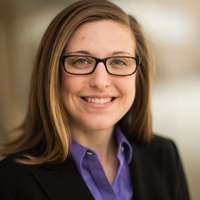
Dr. Nicholas A Smith is an Assistant Professor of Psychology at The University of Texas at Arlington, specializing in Industrial-Organizational Psychology and Workplace Diversity. He holds a PhD in Applied Psychology from Portland State University (2019), an MS in I/O Psychology from the University of Central Florida (2014), and a BS in Psychology from the same institution (2012). His research focuses on workplace diversity, mental health equity, and labor rights, with recent projects examining the impact of overtime legislation on Latinx agricultural workers and stigma reduction in service industries. He has secured grants totaling over $1.2 million, including a 2024 EPA grant for air quality advocacy in underserved communities and a Robert Wood Johnson Foundation-funded study on labor rights. Dr. Smith serves on editorial boards for Applied Psychology: An International Review and reviews for the Society for Industrial and Organizational Psychology. His teaching includes courses on Business Psychology and Research Methods. He actively engages in international collaborations, presenting at conferences in France, Spain, and Lithuania, and advocates for inclusive workplace policies through community-engaged research. His scholarly contributions span over 20 peer-reviewed articles, addressing topics from allyship strategies to stereotype content intersections. Despite no explicitly listed awards, his impactful grant-funded work reflects recognition of his research contributions.
Laura Smith is a Professor in the Department of Counseling and Clinical Psychology at Teachers College, Columbia University. She focuses on critical psychology, social inclusion, and emotional wellbeing, with a particular emphasis on poverty, classism, and racism. Her email is ls2396@tc.columbia.edu. Educational Background: Ph.D. in Counseling Psychology, Virginia Commonwealth University M.S. in Counseling Psychology, Virginia Commonwealth University B.A. in English and Psychology with High Distinction, University of Virginia Smith’s research examines how psychological practice and theory marginalize low-income and racially minoritized populations. She advocates for participatory action research (PAR) to democratize knowledge production and address systemic inequities. Her work spans topics like epistemic injustice, Arab American women’s identity, and therapeutic practice in poverty contexts. The 15 most recent articles reflect her expertise in race, class, and qualitative methodologies. Key trends include anti-racism in counseling, intersectional discrimination, and PAR as a tool for social change. She collaborates closely with graduate students and community partners through the Inclusive Inquiry Research Lab (IncLab). Key Contributions: Editorship of books on diversity and poverty Leadership in PAR projects with schools and marginalized communities Advocacy for psychology’s role in structural change
Katja Kauer is an active academic researcher specializing in Gender and Diversity Studies at the Center for Gender and Diversity Research (ZGD) at Eberhard Karls University of Tübingen. She has held her current position as Associate Scientist since 2022, with additional affiliation at the University of Fribourg (Switzerland). Her academic career spans multiple institutions including the University of Magdeburg, where she served as Privatdozentin since 2012, and numerous teaching appointments across Europe. Dr. Kauer's research focuses on Gender Studies, Queer Theory, and Literary Analysis, with particular expertise in 18th-19th century literature, contemporary literature, and pop culture. Her work critically examines love discourses, recognition politics, and the intersections of gender with literature and media. She has developed innovative approaches to feminist and queer reading practices, as evidenced by her monographs 'Feministisch lesen' (2024) and 'Queer lesen' (2019). Her recent publications reveal a consistent engagement with heteronormativity critique, emotional capitalism, and the representation of gender in contemporary culture. The 15 most recent articles demonstrate her interdisciplinary approach, bridging literary analysis with sociological and philosophical perspectives on gender construction. Her work frequently examines how literary texts reflect and challenge dominant gender norms across historical periods. Dr. Kauer has supervised numerous graduate theses focusing on gender representation in literature, with topics ranging from social media feminism to representations of motherhood and female friendship. Her teaching portfolio includes courses on queer theory, gender studies, and literary analysis across multiple institutions. She is actively involved in organizing international conferences on gender topics, with upcoming events scheduled through 2026. Her current teaching for Summer Semester 2025 includes courses on 'Queering Barbie,' 'Love, Classism and the Capitalist Production of Emotions,' and 'Bodies In-Between.'
Juan Ramos is a Lecturer of Spanish in the Department of Languages, Literatures & Cultures at the University of South Carolina, affiliated with the College of Arts and Sciences. He has taught Spanish for over two years and holds a TESOL degree. Currently pursuing a PhD in Spanish, his research examines race, racism, and anti-racism in Latin America, focusing on the intersection of racism with environmental, gendered, class-based, and ableist systems of oppression. Education: Associate Degree in Arts, Miami Dade College Bachelor’s in Business Administration, Florida International University TESOL Certification Current PhD Candidate, University of South Carolina Research Interests: Dr. Ramos explores historical and contemporary manifestations of racism in Latin America, emphasizing its structural impacts on society. His work integrates interdisciplinary approaches to analyze how race intersects with environmental justice, gender, class, and disability. He aims to contextualize these issues within broader systems of oppression. Additional Information: No specific grants or awards are noted. His doctoral dissertation is directed by Prof. Jorge Camacho. Beyond academia, he is a fan of the USC Gamecocks and enjoys learning languages, science fiction films, and travel.
Mindi Thompson is a Professor and Chair of the Department of Counseling Psychology at the University of Wisconsin-Madison. Her work bridges vocational development, mental health, and social class dynamics. She directs the Center for Research on College-Workforce Transitions (CCWT), funded by major organizations like the National Science Foundation and the Gates Foundation. Dr. Thompson holds a PhD in Psychology from the University of Akron (2008) and has authored over 45 peer-reviewed publications, including the textbook Research Design in Counseling . Her research focuses on two primary domains: 1) vocational and educational development, including internship impacts and workforce transitions; and 2) mental health interventions, particularly for marginalized populations. Notable projects include studying low-income students' social class concealment and developing guidelines for psychological practice with economically disadvantaged groups. Thompson has received prestigious awards such as the APA Society of Counseling Psychology's Kuder Early Career Award (2016) and the UW-Madison Excellence in Diversity Award (2016). Her work emphasizes social justice, equity in education, and the intersection of socioeconomic status with mental health outcomes. She also serves as Academic Director for the National Center for Faculty Development and Diversity. Grants & Funding: NSF, Strada Education Network, Bill & Melinda Gates Foundation Key Roles: Director of CCWT, Academic Director of Faculty Programs (NC-FDD), Department Chair since 2020 Labs/Teams: CCWT focuses on college-workforce transitions; her research group explores social class in psychotherapy and internship equity
Matthew Sparkes is an Assistant Professor in Sociology at the University of Cambridge and a Director of Studies and Fellow in Human, Social, and Political Sciences (HSPS) at Lucy Cavendish College. His work focuses on social inequalities, neoliberal political economy, and financialisation, with a strong emphasis on class, gender, and cultural dynamics. Joined Cambridge in 2014 Course organiser for Global Social Problems (SOC3) and Sociology Dissertations Organiser of the Social Class Reading Group Matthew's research explores the intersections of debt markets, social stratification, and policy responses during crises. His recent work examines mortgage prisoners, credit payment holidays during the pandemic, and the cultural narratives shaping economic policies. Key trends in his publications include: analyzing debt as a social stratification mechanism (2018–2024), critiquing neoliberal financialisation (2019–2024), and interdisciplinary approaches combining sociology, economics, and cultural studies. His articles frequently address UK-specific debt policies and their mental health impacts. Tier 2 Cambridge Humanities Research Grant (2024) Dame Anne Warburton Award (2024) Matthew's advocacy for equality, diversity, and inclusion is rooted in his working-class upbringing in Wakefield, England. He integrates his lived experiences into research on classism and initiatives promoting inclusivity at Lucy Cavendish College.
Michael Trujillo is an Assistant Professor of Psychology at Carnegie Mellon University's Department of Psychology, part of the Dietrich College of Humanities and Social Sciences. His research focuses on the intersection of stigma, health equity, and resilience, particularly among LGBTQ+ and minority populations. He holds a B.A. in Psychology from California State University, Long Beach, a Ph.D. in Health Psychology from Virginia Commonwealth University, and a postdoc in Psychology and Medicine from UCSF. Education: B.A. (CSULB), Ph.D. (VCU), Postdoc (UCSF) His work bridges social psychology and psychobiology to examine how stigma impacts health outcomes. Key themes include minority stress, intersectionality, and ecological models of health disparities. Methodologies include experimental designs, ecological momentary assessment, and longitudinal population health analyses. Publications focus on LGBTQ+ health, stigma reduction, and policy impacts. His SHER Lab explores health equity mechanisms. Teaching includes Social Psychology and Health Psychology courses.
Dr. Riccardo Altieri is a Lecturer in the Department of History at the University of Würzburg since 2023. He also leads the Johanna-Stahl-Zentrum für jüdische Geschichte und Kultur in Unterfranken since April 2022. Studied History and German Studies at Julius-Maximilians-University Würzburg (B.A. 2015, M.A. 2016) Ph.D. from University of Potsdam (2021) on the double biography of Rosi Wolfstein and Paul Frölich Research focuses on modern and contemporary history, Bavarian regional history, Jewish history in international left-wing movements, and classism in academia. His work examines interdependencies between war and technology, particularly in early modern Jewish communities and socialist networks. Recent publications emphasize Jewish cultural heritage in Franconia, comparative regional analysis, and historical memory. He co-edited volumes on workers' movements and gender issues in 20th-century warfare. BMBF Scholarship from Rosa-Luxemburg-Stiftung (2021) Contributed to projects on proletarian emancipation spaces, historical violence, and transnational radicalism. Organized international conferences on war-technology dynamics and advised on academic collections related to cultural heritage.
Dr. Bridgette Rickett is a Senior Lecturer and Head of Psychology, Sociology, and Politics at Sheffield Hallam University 's College of Social Sciences and Arts. She chairs POSCUPI, a UK collaboration examining social class psychology, and specializes in feminist-informed research at the intersection of gender and class inequalities. PhD in Social Psychology from University of Sheffield Former Head of Psychology at Leeds Beckett University Her research focuses on: Classed and gendered discourses in education, health, and organizations Body management and parenting narratives Digital media gender constructions Emotional labor in academia Recent publications analyze class-gender intersections in UK parliamentary discourse, academic belonging, and health policy. She has advised BBC, UK Parliament, and NHS on EDI strategies, and co-edited Critical Social Psychology of Social Class (Springer, 2020). She supervises PhD work on: Class and masculinities Gender diverse children's healthcare Construction industry femininities Classed belonging in higher education
Oswaldo Zavala is a Professor of Latin American Literature and Culture at the College of Staten Island, part of the City University of New York (CUNY). He is affiliated with the Department of Modern Languages and Literatures within the College of Arts and Sciences, where he teaches and conducts research on contemporary Latin American and Mexican literary and cultural production. His research interests include 20th and 21st-century Mexican and Latin American literature, US-Mexico border studies, narco culture and narconarratives, literary theory, journalism, neoliberalism, and the intersections of violence, geopolitics, and culture. His scholarship critically examines how literature reflects and shapes national and transnational identities, particularly in contexts of social conflict and political upheaval. Zavala's extensive publication record includes several authored and edited books, such as Los cárteles no existen and La modernidad insufrible , and numerous peer-reviewed articles in leading journals. His recent scholarly articles demonstrate a consistent focus on the representation of violence, the role of intellectuals in public discourse, and the re-politicization of narrative forms in contemporary Latin America. His work often engages with key figures such as Roberto Bolaño, Juan Villoro, Sergio González Rodríguez, and Alfonso Reyes. Selected Scientific Awards and Honors: No specific awards mentioned in the provided text. Zavala has made significant contributions to academic advising and editorial work, co-editing volumes on Horacio Castellanos Moya, Juan Villoro, and contemporary Mexican narrative. He has also contributed chapters to multiple academic books, further establishing his role as a leading scholar in the field. His research has been supported by institutional affiliations and academic publishing venues, though specific grant information is not detailed in the text. Labs, Teams, and Research Groups: No formal labs or research teams are mentioned in the provided text. His collaborative work is evident through co-edited volumes and academic dialogues with other scholars.
Khorshid Khodabakhshreshad serves as a Lecturer in Persian at the Institute of Iranian Studies, University of Göttingen, and has been a doctoral candidate at the Institute for Cultural Anthropology/European Ethnology since 2015. She was a core member of the interdisciplinary doctoral program 'Boundary Formations in Migration Societies' (2017-2020) involving the Universities of Oldenburg, Göttingen, and Osnabrück. Her academic qualifications include: PhD research at University of Göttingen (2015-present) M.A. in Iranology with minor in Arabic and Islamic Studies (2011-2014), focusing on gender representation in Iranian textbooks State Exam (B.A. equivalent) in Persian Language and Literature from Allameh Tabatabaei University, Tehran (2004-2008) Her research critically investigates Persian literary traditions alongside contemporary dynamics of racism, classism, and gender in European migration contexts. Through ethnographic engagement with refugee welcome initiatives, she examines how power structures manifest in volunteer networks while maintaining connections to her earlier work on educational materials in Iran. This interdisciplinary approach bridges cultural anthropology, postcolonial theory, and critical migration studies with attention to positionality in research practice. Her publications reveal a clear trajectory from textual analysis of Iranian educational systems to situated investigations of European migration politics. The 2021 peer-reviewed article demonstrates methodological innovation in studying entangled oppressions, while the 2015 monograph established her expertise in gender representation analysis – together illustrating her commitment to decolonial scholarship across geographical contexts. Her scholarly recognition includes: Georg-Christoph-Lichtenberg Scholarship (2017-2019) Sadegh Hedayat Literature Prize for Persian short fiction (2018) University of Göttingen Award for Gender Research (2014) Rosa-Luxemburg Foundation Study Scholarship (2013-2014) As both educator and researcher, Khodabakhshreshad actively contributes to academic discourse through conference presentations at major venues including SIEF Congress and ACGS Conference. Her doctoral work, supported by multiple research scholarships, critically examines positionality in ethnographic research within German refugee support networks while maintaining creative literary output in Persian. She operates at the intersection of Iranian Studies and migration research networks, fostering connections between Middle Eastern literary traditions and contemporary European social dynamics through institutional affiliations at the University of Göttingen.
Corin L. Bowen is an Assistant Professor of Engineering Education in the Department of Civil Engineering at California State University, Los Angeles, within the College of Engineering, Computer Science, and Technology. Her work bridges traditional engineering disciplines with critical perspectives on social justice and equity in education. Dr. Bowen's educational background includes: Ph.D. in Aerospace Engineering, University of Michigan, 2021 Graduate Certificate in Engineering Education Research, University of Michigan, 2020 Graduate Teacher Certificate, University of Michigan, 2019 Master of Science in Engineering in Aerospace Engineering, University of Michigan, 2015 Bachelor of Science in Engineering, Case Western Reserve University, 2013 Minor in Music, Case Western Reserve University, 2013 Dr. Bowen's research focuses on the intersection of engineering education and social justice, with particular attention to marginalized student experiences. Her work employs critical theories and research frameworks to examine structural oppression within engineering educational systems. She investigates how systems of racism, heteropatriarchy, colonialism, and classism inherent to capitalism impact engineering education and develops liberative pedagogical approaches to challenge these structures. Her research emphasizes critical quantitative methodologies and macroethics of engineering to promote institutional change toward more equitable and just educational environments. Dr. Bowen's scholarly work reveals a strong trend toward applying critical and liberative theories to engineering education. Her publications consistently examine how structural oppression affects marginalized students in engineering programs, with particular attention to the intersection of race, gender, and socioeconomic status. She develops practical frameworks like "Class Community Norms" to create more inclusive classroom environments and advocates for fundamental changes to engineering education systems rather than incremental interventions. Her work bridges theoretical analysis with practical applications, demonstrating how engineering educators can contribute to broader social justice movements. Dr. Bowen has received significant research funding for her work: As Principal Investigator for "Developing Critically-Conscious Aerospace Engineers Through Macro-Ethics Curricula" (NSF, 2023-2026) As Co-Investigator for "Transforming STEM Education Using An Asset-Based Ecosystem Model" (NSF, 2023-2024) Through her teaching and research, Dr. Bowen advises students on critical approaches to engineering education and social justice. Her grants support innovative curriculum development and institutional change initiatives aimed at creating more equitable engineering education systems. She actively mentors students interested in the intersection of engineering and social justice, encouraging them to examine the broader societal impacts of engineering practice and education. Dr. Bowen is actively involved with multiple professional organizations that support her work at the intersection of engineering and social justice, including the American Society of Civil Engineers, American Society of Engineering Education, California Faculty Association, Engineering, Social Justice, and Peace Network, European Society of Engineering Education, Society for the Social Studies of Science, and Women in Engineering Proactive Network. These affiliations provide platforms for her to collaborate with like-minded scholars and practitioners working toward more equitable engineering education systems.
Teah Brands is a Part-time Lecturer at the Parsons School of Design, part of The New School. Their academic background includes an MFA in Interior Design from Parsons and a BA in Economics from Northwestern University. Teaching focuses on critical social issues, including courses such as 'Racism and Classism' (PSCE 5060 and PSCE 3060) offered in Spring 2025. Research interests intersect design education with sociocultural analysis, exploring how economic systems and urban planning relate to social equity. No scientific awards or articles are explicitly listed in the provided materials. Advising and grant activities are not detailed here. Office located at L - 2 West 13th Street.
Elena Cecchetto is a Lecturer in the Department of Languages, Literatures and Cultures at Queen’s University, affiliated with the Faculty of Arts and Science. She holds an M.A. in Cultural Studies from Queen’s University (2015) and a Laurea Quadriennale Vecchio Ordinamento in Foreign Languages and Literatures from the University of Roma Tre, Italy. Her research applies semiotic and gender studies theories to analyze spatial and symbolic discourses related to racism, sexism, and classism. She specializes in innovative language teaching methodologies, emphasizing cultural integration in second language acquisition. Education: M.A. in Cultural Studies, Queen’s University (2015) Laurea Quadriennale Vecchio Ordinamento (B.A./M.A. equivalent), University of Roma Tre (Foreign Languages and Literatures) Research Interests: Semiotics, Gender Studies, Linguistics, and pedagogical approaches to language teaching. Her work explores how cultural context shapes language learning and how symbolic systems perpetuate societal hierarchies. Awards/Grants: None explicitly listed. Teaching Experience: Taught Italian language courses at Queen’s University since 2013, previously held roles as an Instructional Assistant, Tutor, and Instructor at Wilfrid Laurier University, St. Jerome’s University, and St. Louis School Adult Learning. Labs/Teams: Not specified in the provided text.