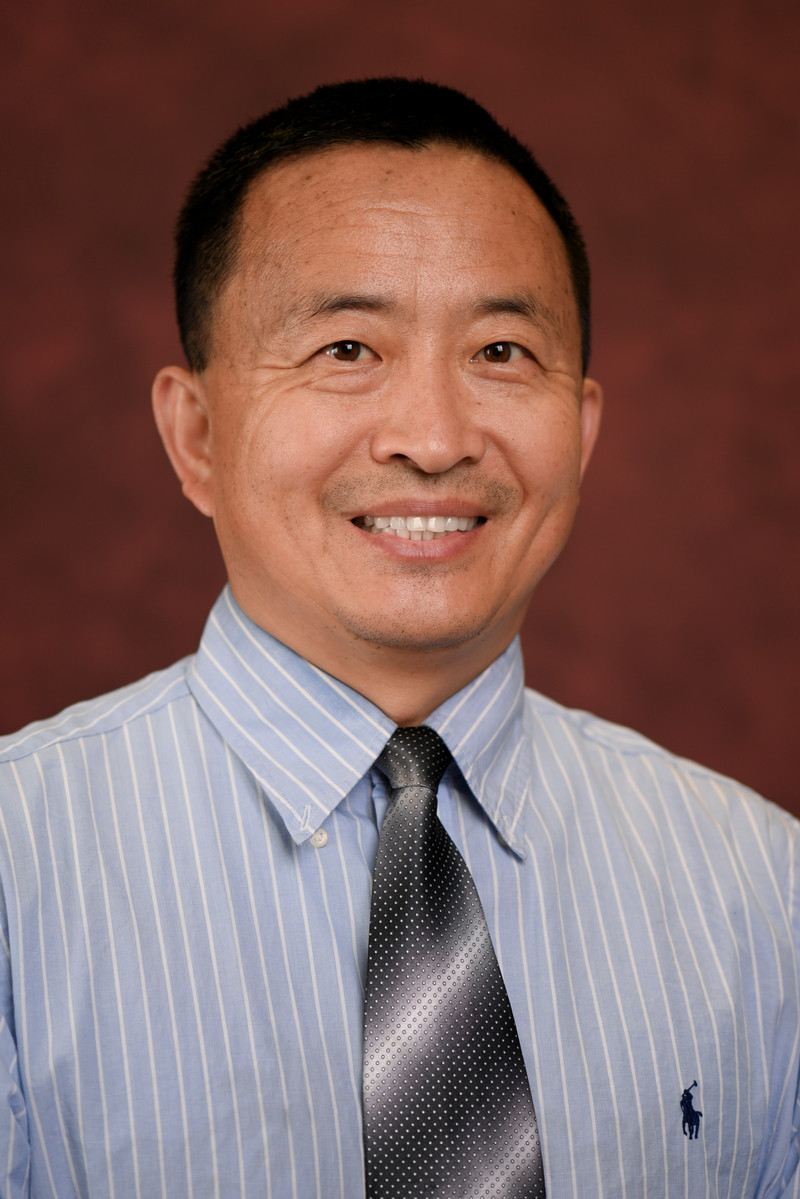
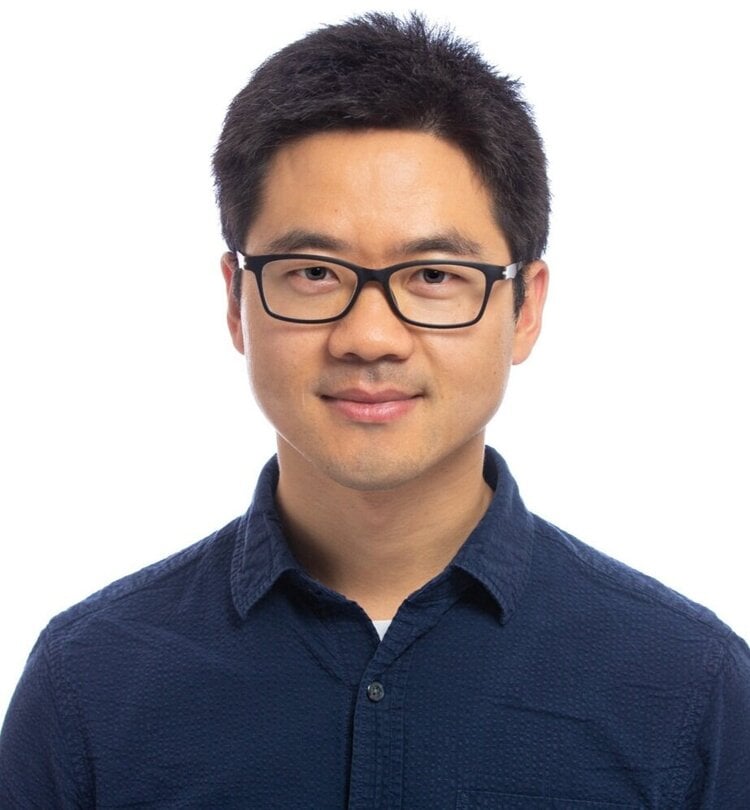
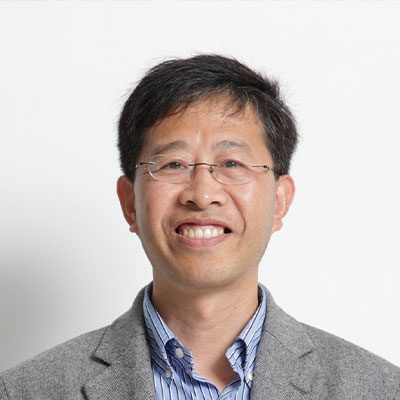
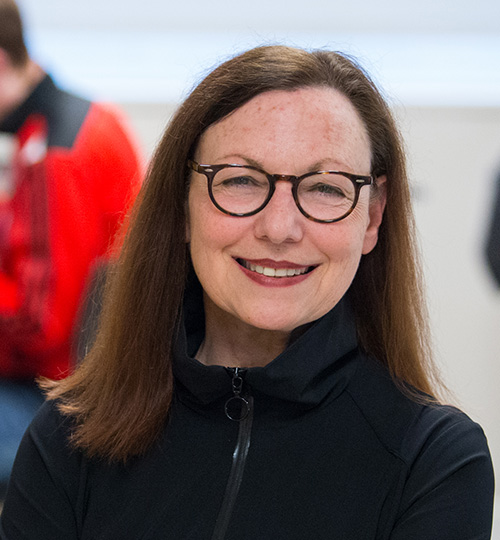
Wei Deng is an Associate Professor and Deputy Head of School (Research) in the School of Biomedical Engineering at the University of Technology Sydney (UTS). Her research focuses on cancer nanotechnology, nanobiotechnology, and gene engineering, with significant contributions to radiation-activated chemotherapy (RAC) via liposomes and CRISPR-based therapies. She has pioneered treatments for rectal and breast cancers, including the development of patented RAC systems that reduce chemotherapy toxicity. Her work has led to the founding of biotech startup EosGene Pty Ltd for diabetic retinopathy therapies. Deng holds a PhD from Macquarie University and has attracted over $3.7M in grants from ARC, NHMRC, and Cancer Institute NSW. She leads interdisciplinary teams and contributes to global collaborations, including partnerships with UNSW and HK Winhealth Pharma Group. Her research spans drug/gene delivery systems, CRISPR biosensors, and nanoparticle engineering, emphasizing translational medicine and industrial challenges. Education: PhD in Biomedical Engineering, Macquarie University (Sydney) Leadership Roles: Deputy Head of School, Research; Co-founder of EosGene Pty Ltd Awards: DECRA Fellowship (ARC), Cancer Institute NSW Career Development Fellowship Key Projects: RAC liposomes (Patents US 12036282, Europe 3720422), CRISPR-based pathogen sensors, X-ray triggered PDT platforms Her research bridges nanotechnology and clinical applications, with 62 refereed publications (h-index 26) and 87% in top-tier journals. She actively supervises postgraduate research in CRISPR therapies, CAR T cell engineering, and targeted drug delivery.
Professor Luke Lairson leads the Lairson Laboratory at The Scripps Research Institute (TSRI), focusing on chemical biology to study cell fate mechanisms in disease. His work spans small molecule discovery targeting cancer stem cells, tumor microenvironment modulation, and myelination enhancement using primary human and rodent cell models. Education: PhD in Chemistry (2007, University of British Columbia), BS in Biochemistry (2002, University of Guelph). Professional roles include Assistant Professor at TSRI (2010–present), Principal Investigator at the Genomics Institute of the Novartis Research Foundation (2010–2011), and Director of High Throughput Discovery at California Institute for Biomedical Research (2016–2017). Research Interests: Chemical approaches to cancer immunotherapy, drug discovery for neurodegenerative diseases, and modulation of immune checkpoint proteins. Key projects include STING agonist development, HSP90 inhibitors, and metabolite-driven oligodendrocyte maturation. Publications: Over 50 peer-reviewed articles, including high-impact work in PNAS , Nature Chemical Biology , and Cancer Research . Recent focus areas include microbiota-derived STING activators and JAK-inhibitor immunotherapy combinations. Awards: Canadian Society for Chemistry Boehringer Ingelheim Thesis Award (2010), Royal Society Short Visit Award (2007), and multiple scholarships for organic chemistry innovation. Lab Activities: Integrates high-content screening, medicinal chemistry, and proteomics to identify mechanism-based therapies. Current initiatives include repurposing drugs for remyelination and developing non-nucleotide STING agonists for systemic cancer immunotherapy.
Raul A. Urrutia, MD is a Professor in the Department of Surgery & Biochemistry and the Director of the Linda T. and John A. Mellowes Center for Genomic Sciences and Precision Medicine at the Medical College of Wisconsin. He holds the Warren P. Knowles Endowed Chair of Genomics and Precision Medicine and directs the Pancreas Cancer Program. His research focuses on genomics, epigenomics, and precision medicine, particularly in pancreatic diseases such as cancer and diabetes. He has discovered key tumor suppressor genes and epigenetic pathways operational in pancreatic cancer and other diseases. His lab employs a multidisciplinary team of biochemists, geneticists, and bioinformaticians to advance precision medicine. Education: MD, University of Cordoba Postdoctoral Fellowship, National Institute on Deafness and Other Communication Disorders, NIH Research Interests: Dr. Urrutia’s work integrates genomic and epigenomic approaches to uncover mechanisms underlying pancreatic cancer, diabetes, and other diseases. His lab has made seminal contributions to understanding KLF proteins, histone-modifying enzymes (HDACs, HATs, HMTs), and histone-protein subcodes. Recent studies focus on epigenetic regulators in cancer progression and therapy resistance, mitochondrial genomic variants in transplantation outcomes, and precision medicine simulation models. Publications Trends: Recent articles emphasize targeting epigenetic regulators (e.g., CBX5, EZH2), mitochondrial genomics in hematopoietic transplantation, and systems biology approaches combining germline/somatic mutations for tumor analysis. The work spans disciplines from molecular biology to clinical translation. Awards: Warren P. Knowles Endowed Chair Member, American Society of Clinical Investigation Advising & Grants: Dr. Urrutia has mentored over 50 investigators. His lab is funded by NCI grants, the CIBMTR Data Resource (U24), and philanthropic support like the Theodore W. Batterman Family Foundation. Research units include the Precision Medicine Simulation Unit and collaborations with global institutions. Labs & Teams: Leads the Urrutia Research Laboratory and the Mellowes Center, collaborating with experts in epigenetics, computational biology, and clinical genomics. Key lab members include Angela J. Mathison, PhD (Technology Director) and Gareth Pollin, PhD (Bioinformatics).
Dr. Wei Li is an Associate Professor of Urban Planning at Texas A&M University and founder of the ENDEAVR Institute, a 501c3 nonprofit focused on smart-city technologies for underserved communities. His research focuses on small-town mobility solutions using autonomous vehicles, sustainable transportation, and environmental economics. He holds 40+ peer-reviewed articles and $3.9M in grants from NSF, NIH, Google, and the U.S. Department of Transportation. Education: PhD in Planning, Policy & Design (University of California, Irvine) MA in Planning (University of Waterloo) BA in Business Administration (Renmin University of China) Research Interests: Smart and connected communities Autonomous vehicles for social equity Sustainable transportation systems Environmental economic policies His work bridges academic rigor with practical solutions, emphasizing community engagement and equity in urban planning. Awards: 2021 W.K. Kellogg Award for Community Engagement 2021 Smart 50 International Award 2019 Texas A&M Distinguished Achievement Award Teaching & Mentorship: Developed 3 smart-cities courses using ENDEAVR pedagogy Mentored 44 committees (7 PhD, 37 MS) and 66 additional students Trained 300+ students across 10+ majors in service-learning projects ENDEAVR Institute: A nonprofit advancing smart-city technologies for small towns and marginalized populations through partnerships with communities, governments, and private sectors.
Wenjie Luo is a researcher at the Brain and Mind Research Institute, Weill Cornell Medical College, focusing on neurodegenerative diseases and neuroimmunology. His role involves investigating molecular pathways linking tauopathy, microglial function, and genetic risk factors for Alzheimer's disease. Education: B.S. and M.S. from Peking University (China), Ph.D. from Albert Einstein College of Medicine (2001) His research explores the interplay between neuroinflammatory mechanisms, tau pathology, and genetic variants in Alzheimer's disease progression. Key areas include the cGAS-STING pathway, TREM2 agonism, and microglial interactions with oligodendrocytes. Recent publications highlight his work on tau propagation models, microglial signaling pathways (NF-κB, AKT), and sex-based differences in neurodegeneration. He collaborates on grants from the National Institute on Aging and BrightFocus Foundation, focusing on tau metabolism, TREM2 ligands, and APOE mutations in neurodegenerative diseases.
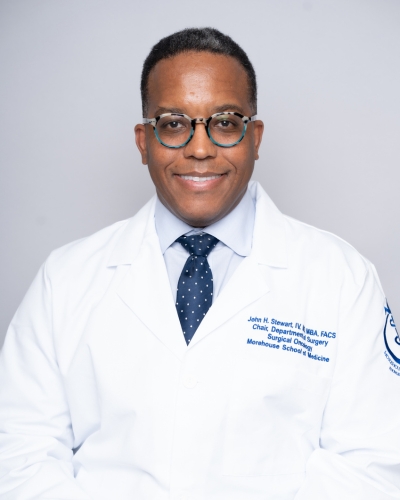
John H. Stewart, IV serves as Chair of the Department of Surgery and Associate Dean of Oncology Programs at Morehouse School of Medicine, where he is a board-certified surgeon by the American Board of Surgery specializing in Surgical Oncology. His educational trajectory includes: BS in Zoology (Honors) from Louisiana Tech University MD from Howard University College of Medicine MBA from Wake Forest University General Surgery residencies at Temple University and Vanderbilt University Fellowship in Tumor Immunotherapy & Surgical Oncology at the National Institutes of Health Dr. Stewart's research program bridges Surgical Oncology, Cancer Immunotherapy, and Healthcare Disparities through innovative work in developmental oncoimmunotherapeutics and AI-driven healthcare delivery systems. He critically examines healthcare finance, policy, and operations to optimize cancer therapy access for underserved populations, with emphasis on structural barriers in treatment delivery. His publication record shows evolving focus from cytoreductive surgery techniques (2009-2012) toward contemporary immunometabolic reprogramming (2022-2023), tumor microenvironment dynamics, and bias analysis in colorectal cancer management. Recent work explores obesity-leukemia connections and cervical cancer immunology. Accolades include the 2023 Howard University Distinguished Alumni Award, University of Illinois Presidential Scholar (2018-2022), NCI Cancer Clinical Investigator Leadership Award (2013-2015), and consistent recognition in Best Doctors in America and US News Top Doctors listings. As academic administrator, Dr. Stewart directs surgical oncology programs while advancing health equity initiatives. His NCI award reflects substantial clinical investigation leadership, though specific grant details and student mentorship aren't documented in source materials. Based at Grady Memorial Hospital in Atlanta, his work integrates clinical practice, administrative leadership, and health disparities research to transform cancer care in marginalized communities through surgical innovation and policy reform.
David Andes, MD, is a Professor at the University of Wisconsin–Madison, holding appointments in the Department of Medicine and the Department of Medical Microbiology & Immunology within the School of Medicine and Public Health. He holds the William A. Craig Endowed Professorship and serves as Chief of the Division of Infectious Diseases. Dr. Andes directs the NIH-funded Wisconsin Antimicrobial Drug Discovery and Development Center of Excellence and leads a multidisciplinary research team focused on antimicrobial resistance. University: University of Wisconsin–Madison School: School of Medicine and Public Health Department: Department of Medicine Secondary Appointment: Department of Medical Microbiology & Immunology Rank: Professor Endowment: William A. Craig Endowed Professor Leadership: Chief, Division of Infectious Diseases Dr. Andes’ research focuses on understanding and combating antimicrobial drug resistance, particularly in fungal pathogens. His work spans from molecular mechanisms of resistance in biofilms to clinical trials and epidemiology. He employs in vivo infection models, pharmacokinetic/pharmacodynamic modeling, and drug development strategies to define optimal antimicrobial dosing and identify new therapeutic targets. His research has directly informed clinical guidelines for managing resistant infections. The 15 most recent publications highlight a strong focus on antifungal resistance, fungal biofilms, pathogenesis of Candida species (including C. albicans and C. auris), extracellular vesicles, therapeutic drug monitoring, and the development of clinical guidelines. These works appear in top journals such as Science , Nature Microbiology , Clinical Infectious Diseases , and The Lancet Infectious Diseases , reflecting the high impact and translational nature of his research. Dr. Andes has received numerous honors, including: National Institutes of Health Mentored Clinical Scientist Development Award Top 1% Highly Cited Researcher (Web of Science) Billy Cooper Award, Medical Mycological Society of the Americas University of Wisconsin Puestow and Rankin Research Awards American Society of Health-System Pharmacy Innovation Award He is a Fellow of the Infectious Diseases Society of America, the American Academy of Microbiology, and the American Association for the Advancement of Science. He serves on the editorial boards of ten journals, including Journal of Infectious Diseases and Antimicrobial Agents and Chemotherapy , and has been a member of influential committees such as the Clinical Laboratory Standards Institute Antifungal Committee and the Mycoses Study Group Steering Committee. He has trained numerous students and postdoctoral researchers through his lab and educational programs like the Molecular Mycology Training Course at MBL. His research is continuously funded by the NIH and FDA, supporting multiple active projects in antimicrobial discovery and development. Dr. Andes leads the Andes Research Lab, which investigates fungal biofilm resistance, in vivo pathogenesis, and drug development. The lab utilizes animal models, molecular biology, and pharmacodynamic approaches to study resistance mechanisms and evaluate novel therapeutics. The team includes scientists, researchers, and clinical collaborators working on interdisciplinary projects aimed at addressing the global crisis of antimicrobial resistance.
James Barrett, PhD , is an Assistant Professor in the Department of Anesthesiology at the University of Maryland School of Medicine . His research focuses on neuroinflammation, traumatic brain injury (TBI), and immune responses in neurological disorders. Education : BA in Natural Science (Physiology) from Trinity College Dublin (2010); PhD in Neuroscience from Trinity College Dublin (2014). Training : Research Fellow (2014–2017) and Postdoctoral Fellow (2017–2019) at the Shock, Trauma, and Anesthesiology Research Center. Dr. Barrett’s research explores how aging, metabolic factors, and immune mechanisms influence neuroinflammatory responses post-TBI. He investigates: Type I interferon signaling in chronic neuroinflammation Epigenetic regulation via miRNAs in irradiation-induced neurodegeneration Microglial/macrophage polarization dynamics Exercise interventions and molecular pathways in TBI recovery His recent work highlights the role of systemic inflammation in exacerbating TBI outcomes and the therapeutic potential of HDAC inhibitors like romidepsin. Collaborations with institutions such as Trinity College Dublin and the University of Maryland underscore his interdisciplinary focus. Dr. Barrett’s lab also examines bidirectional brain-systemic interactions, leveraging single-nucleus transcriptomics and epigenomics to identify age-related vulnerabilities in TBI models.
Jianxun (Jim) Song, PhD, is the R.L. Bricker Endowed Professor in the Department of Microbial Pathogenesis & Immunology at the Texas A&M University Health Science Center School of Medicine. His research focuses on T-cell immunity, metabolic reprogramming, and immunomodulatory strategies for cancer and autoimmune diseases. He leads the Song Lab, which investigates how immune cells combat infections and tumors, with a particular emphasis on therapeutic applications like CAR-T cell therapy and engineered bacterial vaccines. Dr. Song's education includes a PhD from The Third Military Medical University (1998) and a postdoctoral fellowship at the La Jolla Institute for Allergy and Immunology (2004). His work spans four core research projects: T-cell metabolic regulation, eEF2K-driven immune modulation, Brucella-based cancer immunotherapy, and immune therapies for autoimmune disorders such as type 1 diabetes and rheumatoid arthritis. His research interests include understanding how proteins like NAC1 and eEF2K regulate immune cell function and metabolism. His lab develops strategies to enhance antitumor immunity and suppress autoimmune responses, using engineered live attenuated bacteria to modulate microenvironments. Dr. Song has been recognized with the AAI Careers in Immunology Fellowship. Key contributions include discoveries about NAC1's role in T-cell activity and tumor progression, eEF2K's impact on immune cell subsets, and the use of Brucella mutants to improve cancer immunotherapy outcomes. His lab also explores stem cell-derived regulatory T cells for treating autoimmune diseases.
Jianjun Chen, Ph.D. serves as Professor and Chair of the Department of Systems Biology and Director of the Center for RNA Biology and Therapeutics at City of Hope's Beckman Research Institute. Appointed Chair in August 2020, he previously served as Professor and Vice Chair from 2017-2020. He also holds the Simms/Mann Family Foundation Chair in Systems Biology since 2018. Dr. Chen's research focuses on RNA and DNA epigenetic mechanisms in cancer development and therapy resistance. His laboratory has made seminal contributions to understanding RNA modifications including N⁶-methyladenosine (m⁶A), 5-methylcytosine (m⁵C), and 7-methylguanosine (m⁷G), and their roles in cancer initiation, progression, drug resistance, and immune evasion. The lab also studies DNA epigenetic regulation through TET proteins and develops novel therapeutic strategies targeting epigenetic regulators. His recent publications reveal trends in RNA epigenetics, cancer metabolism, immune evasion mechanisms, and therapeutic targeting of epigenetic regulators. His work spans multiple cancer types including leukemia, lymphoma, and solid tumors, with emphasis on translating basic discoveries into clinical applications. Research Scholar of the American Cancer Society (2011) Scholar of The Leukemia & Lymphoma Society (2017) Researcher of the Year, The Pamela B. Katten Memorial Leukemia Research Foundation Award (2014) The Leukemia & Lymphoma Society Scholar CDP Achievement Award (2022) Fellow of the American Association for the Advancement of Science (AAAS) (2023) Dr. Chen's research program is supported by multiple R01 grants from the National Cancer Institute. His laboratory actively mentors researchers and has developed several small-molecule inhibitors with strong therapeutic potential in preclinical models. The Chen Laboratory is dedicated to translating fundamental discoveries in RNA and DNA epigenetics into effective clinical therapies for cancer patients. The laboratory operates within City of Hope's comprehensive cancer center, collaborating with clinical teams to bridge basic research and patient care. Current projects focus on developing prognostic systems for cancer risk stratification and creating targeted therapeutic strategies that inhibit aberrant epigenetic regulators such as FTO, IGF2BP2, YTHDF2, METTL16, and TET1.
Dinshaw Patel is a Professor at the Structural Biology Program of Memorial Sloan Kettering Cancer Center (MSKCC), holding the Abby Rockefeller Mauzé Chair in Experimental Therapeutics. He has affiliations with Columbia University, The Rockefeller University, and Weill Cornell Medicine through collaborative research projects. PhD in Photochemistry, New York University Postdoctoral training in Biochemistry and Biophysics 17 years at AT&T Bell Laboratories Professor at Columbia University-Health Sciences His research focuses on structural biology of macromolecular recognition systems, particularly CRISPR-Cas surveillance complexes, cGAS-STING pathways, Structure Maintenance of Chromosomes (Smc5/6, MRX) complexes, and epigenetic regulation via histone/DNA modifications. His work spans RNA-mediated processes (siRNA/piRNA pathways), molecular chaperones, and riboswitches/ribozymes. Recent projects include structural characterization of bacterial antiphage defense systems (Lamassu, Kiwa), small molecule inhibitors targeting SARS-CoV-2 RNA capping machinery, and complexes involved in leukemias/lymphomas. Publications highlight structural elucidation of CRISPR-Cas systems using cryo-EM and x-ray crystallography, DNA repair mechanisms, and RNA-protein interaction dynamics. Key collaborations include Luciano Marraffini (Rockefeller), Xiaolan Zhao (MSKCC), and Thomas Tuschl (Rockefeller). National Academy of Sciences member AAAS member AT&T Bell Labs Distinguished Technical Staff Award New York University Distinguished Alumnus Award FEZANA Excellence in Profession Award Lifetime Achievement, American Association of Indian Scientists in Cancer Research Students and trainees benefit from his expertise in structural biology techniques (NMR, crystallography, cryo-EM), biochemical assays, and biophysical approaches. His lab participates in the Tri-Institutional PhD Program in Chemical Biology and maintains affiliations with multiple institutions including Beijing Advanced Innovation Center for Structural Biology and ETH Zürich.
Guizhi Zhu (Julian) is an Associate Professor in the Department of Pharmaceutical Sciences at the University of Michigan — Ann Arbor . He is also a Center Member at the Rogel Cancer Center and Biointerfaces Institute . His research focuses on RNA-based therapeutics and vaccines at the intersection of immunology, nucleic acid engineering, and functional biomaterials. Dr. Zhu earned a B.S. from Nankai University (China), a Ph.D. from the University of Florida (USA), and completed postdoctoral training at the National Institutes of Health . His work has been continuously supported by federal grants from NIH , DoD , and ACS , including a $2.3M NIH/NCI R01 grant (2022-2027) and a DoD Breast Cancer Research Breakthrough Award (2022-2025). Developing circRNA and mRNA vaccines for cancer and infectious diseases Designing nucleic acid immunotherapeutics (circRNA, gene-editing gRNA, siRNA) Engineering cGAS-STING-targeted immunomodulators for cancer and autoimmune diseases Creating biomaterials delivery systems : lipid nanoparticles, polymeric microneedles, hydrogels His 15 most recent publications (2020-2025) demonstrate expertise in circular RNA vaccines , nucleic acid delivery , and combination immunotherapy . His 2022 review in Journal of Controlled Release has been cited 231 times, highlighting his leadership in RNA therapeutics. 2022 : Mary Ann Liebert Young Investigator Award, AAPS Emerging Leader Award 2021 : NIH MIRA R35 grant ($1.9M), METAvivor Early Career Award 2019 : KL2 Scholar (NCATS, NIH) The Zhu Research Group includes 15+ members working on projects like tumor therapeutic mRNA vaccines and RNA editing. They currently accept PhD students, postdocs, and visiting scholars.
Blossom A. Damania is the Boshamer Distinguished Professor at the University of North Carolina at Chapel Hill School of Medicine, where she serves as Vice Dean for Research. She is a member of the UNC Lineberger Comprehensive Cancer Center and Co-Leader of the Virology Research Program. Her research focuses on the molecular pathogenesis of oncogenic human tumor viruses, particularly Kaposi's sarcoma-associated herpesvirus (KSHV) and Epstein-Barr virus (EBV), which are associated with various cancers including Kaposi's sarcoma, lymphomas, and other malignancies. Education: PhD, University of Pennsylvania Dr. Damania's research spans virology, cancer biology, and immunology, investigating how oncogenic viruses cause cancer and evade host immunity. Her laboratory examines the molecular mechanisms by which viruses like KSHV and EBV transform cells and persist through latent and lytic infection phases. Key research areas include: Viral proteins involved in cellular transformation and cell signaling modulation Mechanisms of viral-induced angiogenesis in Kaposi's sarcoma Host-pathogen interactions, particularly viral evasion of innate immunity Development of therapeutics targeting viral replication and persistence Translational applications of viral cancer research to non-viral cancers Analysis of Dr. Damania's publication record shows a consistent focus on viral immune evasion mechanisms, with recent work emphasizing DNA sensing pathways like cGAS-STING and their subversion by viral proteins. Her research increasingly identifies potential therapeutic targets for virus-associated cancers, demonstrating strong translational potential. Scientific Awards and Honors: Hyman L. Battle Distinguished Cancer Research Award, 2021 Award for Excellence in Basic Science Mentoring, UNC-Chapel Hill, 2020 Fellow, American Academy of Arts and Sciences, 2020 Faculty Award for Excellence in Doctoral Mentoring, UNC-Chapel Hill, 2018 Fellow, American Association for the Advancement of Science (AAAS), 2017 Dr. Damania has secured substantial research funding from sources including the National Institutes of Health, Burroughs Wellcome Fund, and Leukemia & Lymphoma Society. She is recognized for excellence in mentoring, having received multiple awards for doctoral and basic science mentoring. Her collaborative research approach is exemplified by her long-standing partnership with Dirk Dittmer, with whom she has co-authored 57 publications and successfully navigated the 'two-body problem' in academia. Dr. Damania leads the Damania Lab at UNC Lineberger Comprehensive Cancer Center, which maintains weekly joint lab meetings with Dirk Dittmer's laboratory. During the COVID-19 pandemic, their labs collaborated on SARS-CoV-2 sequencing. She co-directs the Lineberger Comprehensive Cancer Center's Virology and Global Oncology programs, working to develop treatments for virus-associated cancers worldwide.
Genhong Cheng is a Professor in the Department of Microbiology, Immunology, and Molecular Genetics (MIMG) at the University of California Los Angeles (UCLA). His research focuses on understanding the molecular mechanisms of host-pathogen interactions, particularly in viral infections such as Zika virus, SARS-CoV-2, and influenza. Dr. Cheng has made significant contributions to the field of innate immunity, especially in interferon signaling pathways and NF-kappaB regulation. Dr. Cheng's research interests span across virology, immunology, and molecular biology. He has extensively studied how viruses interact with host immune responses, with a particular focus on interferon signaling pathways. His work has revealed critical mechanisms by which viruses evade host defenses and how host cells mount effective antiviral responses. Key areas of investigation include: NF-kappaB signaling in immune responses Interferon-stimulated gene functions Host metabolic changes during viral infection Mechanisms of viral replication and evasion Development of broad-spectrum antiviral strategies Analysis of Dr. Cheng's recent publications reveals a strong focus on emerging viral threats, including SARS-CoV-2 and monkeypox virus. His research consistently explores how host metabolic pathways intersect with immune responses to viral infection. A notable theme is the identification of host factors that can be targeted for broad-spectrum antiviral therapies, particularly those involving lipid metabolism and interferon-stimulated genes. Recent work has emphasized translational applications of basic discoveries in viral pathogenesis. Dr. Cheng's laboratory has been instrumental in advancing our understanding of host-pathogen interactions at the molecular level. His team employs a multidisciplinary approach combining virology, immunology, molecular biology, and systems biology to unravel complex host-virus relationships. Current research directions include exploring novel antiviral strategies targeting host factors that are essential for viral replication.
Shelley L. Berger is the Daniel S. Och University Professor at the University of Pennsylvania, holding a "Penn Integrates Knowledge" Presidential Appointment. She serves as Director of the Epigenetics Institute at the Perelman School of Medicine and is Co-Director of the Tumor Biology Program at the Abramson Cancer Center. Her academic appointments span multiple departments including Cell and Developmental Biology, Biology, and Genetics. Dr. Berger earned her B.S. in Biology from the University of Michigan, Ann Arbor in 1982, followed by a Ph.D. in Cell & Molecular Biology from the same institution in 1987. Her distinguished career has led to her current position as a University Professor, one of the highest academic honors at the University of Pennsylvania. Dr. Berger's research focuses on epigenetics and chromatin structure/function in genomic regulation, with particular interest in post-translational modifications of histones and transcription factors. Her laboratory investigates how DNA-packaging structures are manipulated during genomic processes, with applications to understanding cancer, neurodegeneration, and other diseases. Her work spans multiple biological contexts including: Chromatin regulation of transcription Neuroepigenetics and memory formation Behavioral epigenetics in social insects Chromatin regulation in aging and senescence Cancer epigenetics and tumor suppressor mechanisms Analysis of Dr. Berger's recent publications reveals a strong focus on the intersection of epigenetics with aging, cancer, and neurobiology. Her work demonstrates how histone modifications and chromatin remodeling influence cellular senescence, with implications for age-related diseases including Alzheimer's. She has also pioneered research on epigenetic mechanisms in social behavior using ant models, and in T cell exhaustion relevant to cancer immunotherapy. A unifying theme across her publications is the role of specific histone modifications and chromatin regulators in controlling gene expression programs in diverse biological contexts. Dr. Berger has received numerous honors including her appointment as a Daniel S. Och University Professor and a "Penn Integrates Knowledge" Presidential Appointment, recognizing her exceptional interdisciplinary contributions to science. These prestigious appointments reflect her significant impact on the fields of epigenetics and chromatin biology. Dr. Berger mentors a vibrant research team consisting of multiple postdoctoral researchers, graduate students, and research specialists. Her laboratory, part of the Epigenetics Institute at Penn, investigates fundamental mechanisms of chromatin regulation with implications for human health and disease. Current research directions include exploring how epigenetic mechanisms control aging processes, cancer development, and social behavior in model organisms. Dr. Berger collaborates extensively with other leading researchers, including Carl June (pioneer of CAR T cell therapy) and John Wherry (expert in T cell exhaustion), to translate basic epigenetic discoveries into potential therapeutic applications. The Berger Lab operates within the Smilow Center for Translational Research at the University of Pennsylvania. The lab employs a multidisciplinary approach combining molecular biology, genomics, bioinformatics, and model organism studies to investigate chromatin regulation. Current research foci include epigenetic mechanisms in aging and senescence, cancer epigenetics, neuroepigenetics, and behavioral epigenetics in social insects.