Thomas Marescaمشاهده پروفایل
دانشیار
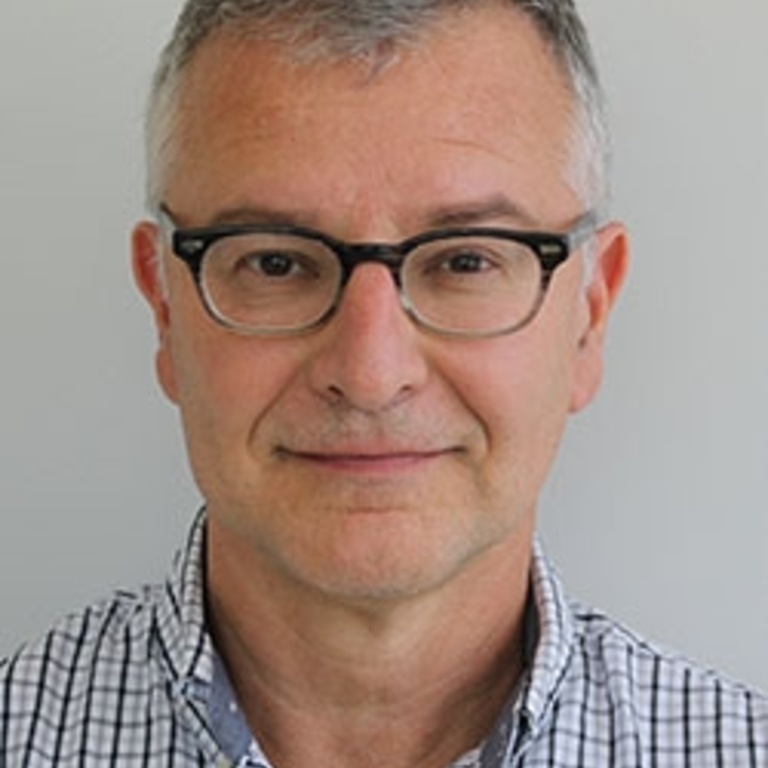
Thomas Maresca is an Associate Professor in the Biology Department at the University of Massachusetts Amherst, serving as Graduate Program Director for Molecular & Cellular Biology within the Interdisciplinary Doctoral Graduate Program (IDGP). His research laboratory investigates fundamental mechanisms of cell division with institutional affiliation to the university's life sciences division. His academic training includes: Ph.D. in Cell Biology from the University of California at Berkeley (2005) B.S. in Biology from the University of North Carolina at Chapel Hill (1999) Dr. Maresca's research centers on chromosome segregation mechanics during mitosis, employing Drosophila and Xenopus model systems with advanced live-cell imaging techniques. His laboratory specializes in quantifying kinetochore-microtubule interactions , error correction mechanisms , and force generation during cell division. Key approaches include FLIM-FRET biosensors, single-molecule tracking, and micromanipulation in egg extracts to dissect how intrinsically disordered proteins, motor complexes (particularly dynein), and kinase networks (Aurora A/B, MPS1) ensure mitotic fidelity. Current work focuses on spatiotemporal regulation of phosphorylation gradients and mechanical feedback at the kinetochore-microtubule interface. Analysis of his 15 most recent publications reveals a consistent trajectory in mitotic mechanics with increasing emphasis on intrinsically disordered proteins as mechanical regulators and subcellular signaling hubs . His work bridges molecular biophysics with cellular function, demonstrating how microtubule plus-ends act as physical signaling platforms and how kinase crosstalk establishes precise spatiotemporal control during anaphase. Recent methodological innovations include commercial FLIM-FRET adaptation and quantitative force measurements at kinetochores. As Graduate Program Director, Dr. Maresca oversees curriculum development and student mentorship for the Molecular & Cellular Biology track. His laboratory (located in Morrill Science Center IV, Room 436) maintains active research programs in kinetochore mechanics and mitotic regulation, supported by continuous publication output since 2000. Collaborative networks include structural biologists and biophysicists investigating mechanochemical transduction in division processes.