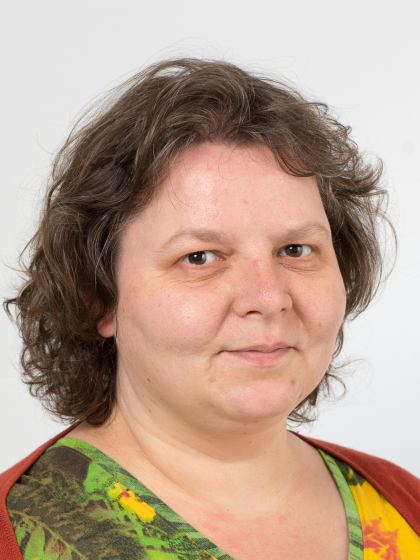
Professor Heejung Chung is Professor of Work and Employment at King’s College London and Director of the King's Global Institute for Women's Leadership. She is based in the HRM & Employment Relations department within King’s Business School. Her research focuses on flexible working, gender and racial inequalities, work-life balance, and comparative labour market policies. Institution: King’s College London School: King’s Business School Department: HRM & Employment Relations Role: Professor and Director Her research interests include human resource management, gender inequalities at work, remote and hybrid working, work-family conflict, division of domestic labour, and advanced quantitative and qualitative methods. She employs large-scale longitudinal datasets and digital diaries to examine how flexible working affects marginalized groups and shapes social policy. The most recent articles reflect a strong trend toward investigating the social implications of remote and hybrid work, particularly focusing on gender and racial equity, flexibility stigma, and policy impacts. Her work increasingly emphasizes intersectionality, national policy contexts, and organizational change. Short-listed for the Rosabeth Moss Kanter Awards for Excellence in Work-Family Research Long-listed for the Cambridge University Press Excellence in Social Policy Research Named in Onalytica’s Top Voices in Future of Work 2023 Named in HR Magazine's 'Most Influential' list Professor Chung has secured over £10 million in research funding as PI or Co-I from ESRC, ERC, Nuffield, NORFACE, and others. She actively supervises PhD students and contributes to editorial boards of journals such as Gender & Society and Work, Employment & Society. She is a member of the executive boards of the European Social Policy Analysis Network and the Work and Family Researchers Network. She leads the King's Global Institute for Women's Leadership, where she promotes research and policy initiatives on gender equality, including the Gender Equality Index UK. Her work has directly influenced the European Commission’s Work-Life Balance Directive and ongoing discussions about the 'Right to Disconnect'.