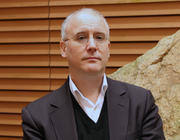
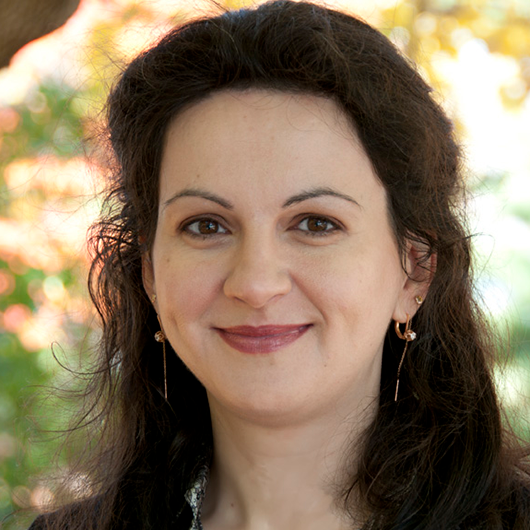
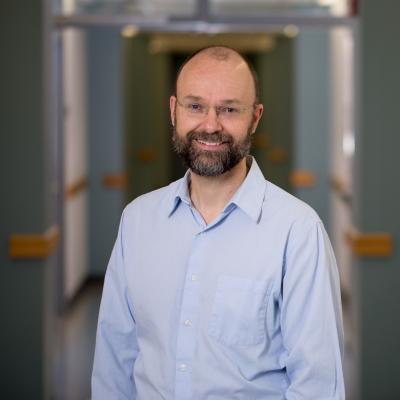
Zsolt Kira serves as an Assistant Professor in the School of Interactive Computing at Georgia Institute of Technology's College of Computing, with additional affiliations at the Georgia Tech Research Institute and as Associate Director of ML@GT. He leads the Robotics Perception and Learning (RIPL) Lab, driving research at the intersection of machine learning and robotics. Dr. Kira earned his Ph.D. in 2010 under Professor Ron Arkin, establishing foundational expertise in robotics and AI before transitioning to his current academic role after industry experience at SRI International Sarnoff. His research pioneers beyond supervised learning through unsupervised, semi-supervised, self-supervised, and continual/lifelong learning frameworks, while advancing distributed perception via multi-modal fusion and cross-robot information integration. This dual focus addresses core challenges in robotic autonomy and sensor processing. Analysis of his 15 most recent publications reveals dominant trends in embodied AI systems, robust foundation model adaptation, and multimodal learning architectures. Key themes include neural radiance field applications, reinforcement learning for locomotion, and novel benchmarks for memory evaluation in agents. While specific advisees and grants aren't documented in the source material, his RIPL Lab leadership implies active graduate mentorship and research funding acquisition. The lab's work directly enables next-generation robotic systems through algorithmic innovation in perception and learning. The RIPL Lab operates as a hub for developing machine learning techniques that solve difficult perception problems in robotics, with particular emphasis on unsupervised learning paradigms and distributed multi-robot systems that push the boundaries of autonomous operation.
Professor Gavan McNally is a distinguished behavioral neuroscientist at the University of New South Wales, where he serves as a Professor in the School of Psychology. He is actively engaged in research on the fundamental behavioral and brain mechanisms for learning and motivation, with applications to clinical conditions such as addictions, anxiety disorders, and mood disorders. McNally holds several prestigious editorial positions, including Editor-in-Chief of Neurobiology of Learning & Memory and Senior Editor of The Journal of Neuroscience. He also serves as President-Elect of the European Behavioral Pharmacology Society and is a Member of the Australian Research Council College of Experts. McNally's research interests span behavioral neuroscience, focusing on how fundamental brain mechanisms apply to clinical conditions. He employs a systems neuroscience approach, combining well-controlled behavioral approaches with optogenetics, chemogenetics, in vivo calcium imaging, and whole brain circuit mapping in both normal and transgenic animals. His work bridges basic science with clinical applications through collaborations with colleagues at University of Sydney, Sydney Local Health District, Monash University, and Turning Point. McNally's research particularly examines the cellular, circuit, and systems level mechanisms underlying learning, motivation, and their dysregulation in disorders like addiction. His laboratory investigates how these mechanisms translate to human conditions, with a strong emphasis on developing new treatments for psychological disorders. His extensive publication record demonstrates a clear trajectory in understanding punishment learning, addiction mechanisms, and the neural circuits underlying motivated behavior. Recent work has increasingly focused on the cognitive pathways to punishment insensitivity, the role of specific neural circuits in addiction, and translational approaches to understanding maladaptive behaviors. McNally's research bridges animal models with human studies, creating a comprehensive understanding of the neural mechanisms that govern learning and motivation, with particular attention to how these processes go awry in addiction and other psychological disorders. 2008 QEII Fellow, Australian Research Council 2009 Association for Psychological Science, International Rising Star 2010 Fellow, Association for Psychological Science 2010 UNSW Faculty of Science Staff Excellence Award for Research and Training 2011 Pavlovian Research Award, The Pavlovian Society 2012 Future Fellow (Level 3), Australian Research Council 2016 D.G. Marquis Behavioral Neuroscience Award, American Psychological Association 2017 Fellow, American Psychological Association 2019 Fellow of the Academy of Social Sciences in Australia 2021 D.G. Marquis Behavioral Neuroscience Award, American Psychological Association 2022 Ross Day Plenary Lecturer, Australasian Brain and Psychological Sciences 2023 European Behavioural Pharmacology Society Plenary Lecturer 2024 Elspeth McLachlan Plenary Lecturer, Australasian Neuroscience Society 2024 D.G. Marquis Behavioral Neuroscience Award, American Psychological Association Professor McNally actively supervises several students including Bixuan Lin, Si Yin Lui, Hannah Machet, Bart Cooley, Kelly Zhuang, and Alexandra Gregory. His current research is supported by significant funding including an Australian Research Council Discovery Project (2024-2026) on "Risky choices: From cells and circuits to computations and behaviour," another Discovery Project (2025-2028) on "Multimodal mapping of punishment learning," and NHMRC grants including a Synergy Grant on "Linking clinical and basic science discovery to find new treatments for alcohol-use disorder" and an Ideas Grant on "Novel pathways to abstinence from alcohol seeking." These projects reflect his commitment to both fundamental neuroscience and translational applications for treating psychological conditions. His teaching responsibilities include PSYC2081 Learning & Physiological Psychology and PSYC3051 Physiological Psychology. McNally's laboratory employs advanced techniques including optogenetics, chemogenetics, in vivo calcium imaging, and whole brain circuit mapping to investigate the neural mechanisms underlying learning, motivation, and their dysregulation in disorders. His team works at the intersection of basic neuroscience and clinical applications, with strong collaborations across multiple institutions to translate fundamental findings into potential treatments for addiction and other psychological disorders. The lab has made significant contributions to understanding the role of brain regions like the ventral pallidum, paraventricular thalamus, and nucleus accumbens in addiction, fear learning, and punishment sensitivity.
David Armitage is the Lloyd C. Blankfein Professor of History at Harvard University, where he serves as Chair of the Committee on Degrees in Social Studies and teaches intellectual history and international history. He also holds affiliations with the Harvard Department of Government, Harvard Law School, and is an Honorary Professor at the University of Sydney and Queen's University Belfast. Previously, he chaired Harvard's Department of History (2012-14, 2015-16) and taught at Columbia University for eleven years before joining Harvard in 2004. Armitage was born in Britain and educated at the University of Cambridge and Princeton University. His academic journey includes: Undergraduate studies at University of Cambridge PhD at Princeton University Teaching position at Columbia University (1993-2004) Professorship at Harvard University (2004-present) Honorary positions at University of Sydney, Queen's University Belfast, and St Catharine's College, Cambridge Professor Armitage specializes in intellectual history, international history, and global history, with particular expertise in the history of political thought, empires, and international law. His scholarly approach emphasizes the longue durée perspective, seeking to understand historical phenomena across extended time periods rather than narrow chronological frames. He has been a leading voice in advocating for historians to engage with "big history" that spans centuries, arguing that contemporary challenges like climate change and economic inequality require historical understanding that transcends the short-term thinking prevalent in modern politics and policy. His extensive publication record demonstrates consistent engagement with foundational texts and concepts in political theory, declarations of independence, civil wars, and oceanic history. Armitage's work shows a clear trajectory toward increasingly global and interdisciplinary approaches, connecting intellectual history with legal, political, and environmental frameworks. His scholarship bridges early modern and contemporary history, examining how historical concepts continue to shape modern international relations and political thought. Armitage's significant contributions to historical scholarship have been recognized with prestigious awards: Caird Medal from the National Maritime Museum (2006) for "conspicuously important work ... of a nature that involves communicating with the public" Walter Channing Cabot Fellow from Harvard (2008) for "achievements and scholarly eminence in the fields of literature, history or art" LittD from Cambridge University (2015), the university's highest degree, for "distinction by some original contribution to the advancement of science or of learning" As an advisor and mentor, Armitage has guided numerous graduate students through doctoral programs at Harvard and previously at Columbia. His scholarly leadership extends to co-editing two major book series with Cambridge University Press ( Ideas in Context and Cambridge Oceanic Histories ), serving on the Steering Committee of the Center for Early Modern Political Thought at the Folger Shakespeare Library, and contributing to various academic organizations. His work has attracted significant research funding supporting his global historical investigations. Professor Armitage is deeply involved in collaborative scholarly initiatives, particularly through his work with the Harvard Academy for International and Area Studies, where he serves as a Senior Scholar. His research often involves interdisciplinary teams examining oceanic histories, international law, and global political thought. He has been instrumental in developing the "Cambridge Oceanic Histories" series, which brings together scholars from multiple disciplines to explore the historical significance of oceans as connective spaces rather than barriers.
Azad J Naeemi is a Professor holding the Dean's Professorship in the School of Electrical and Computer Engineering at the Georgia Institute of Technology. He serves as Editor-in-Chief of the IEEE Journal on Exploratory Computational Devices and Circuits and Associate Director for Computation of the NSF-supported National Nanotechnology Coordinated Infrastructure (NNCI). His educational background includes a B.S. in Electrical Engineering from Sharif University (1994) and M.S./Ph.D. in Electrical and Computer Engineering from Georgia Tech (2001/2003). Prior to academia, he worked as a design engineer in Tehran (1994-1999) and as a research engineer at Georgia Tech's Microelectronics Research Center (2004-2008). Professor Naeemi's research spans nanotechnology with focus on emerging nanoelectronic devices, spintronics, ferroelectric devices, and design technology co-optimization for CMOS/beyond-CMOS technologies. His work bridges materials, devices, circuits, and systems, particularly investigating integrated circuits based on nanoscale devices and interconnects. Educational research includes experiential learning environments for engineering education. Recent publications (2024-2025) demonstrate strong emphasis on spin-orbit torque MRAM, ternary content addressable memories, ferroelectric/antiferroelectric devices, and plasmonic circuits. Key trends include energy-efficient hardware accelerators, neuromorphic computing applications, and compact modeling for advanced technology nodes. His scientific honors include: IEEE Solid-State Circuits Society James Meindl Innovators Award (2022) IEEE Electron Devices Society Paul Rappaport Award (2008) NSF CAREER Award (2013) SRC Inventor Recognition Award (2010) Multiple Georgia Tech teaching awards Professor Naeemi leads research supported by NSF (including NNCI infrastructure) and SRC. His editorial role with IEEE JXCDC positions him at the forefront of exploratory computational devices. He previously served as General Co-Chair for the IEEE International Interconnect Technology Conference (2013). His work connects with Georgia Tech's Microelectronics Research Center and national nanotechnology initiatives through the NNCI network, focusing on computational infrastructure for nanoscale device characterization and design.
Dr. Hilde Kuehne is a Professor at the University of Tuebingen and a key researcher at the Tuebingen AI Center. She holds affiliations with MIT-IBM Watson AI Lab and Goethe University Frankfurt, with a focus on computer vision, multimodal learning, and explainable AI. Her work bridges vision-language models, audio-visual alignment, and self-supervised methods. Co-organizer of the New Frontiers in Associative Memories workshop @ ICLR 2025 Member of the Scientific Advisory Board of the Carl-Zeiss-Foundation Contributor to CVPR 2025's UTD dataset for unbiased video benchmarks Her research addresses critical challenges in: Explainability for Vision Transformers (LeGrad) Fine-grained audio-visual alignment (CAV-MAE Sync) Zero-shot visual recognition automation (Meta-Prompting) Spatio-temporal grounding without annotations Recent collaborative work spans 15+ publications across CVPR, NeurIPS, ICCV, and ICLR, with emphasis on multimodal foundation models, dataset bias mitigation, and differentiable logic networks. She actively contributes to workshop organization and peer review as evidenced by her involvement in CVPR 2025 and ICLR 2025 program committees.
Tom McDonough is a Professor of Art History at Binghamton University, specializing in modern and contemporary art with a focus on avant-garde movements, particularly the Situationist International. His research explores intersections between art, politics, and social movements in postwar Europe. He holds degrees from Rutgers University (BA), New York University’s Institute of Fine Arts (MA, PhD), and has taught at Harvard University and UC Berkeley. Education: Bachelor’s Degree: Rutgers University MA and PhD: Institute of Fine Arts, New York University His research interests include postwar European avant-gardes, postwar French architectural history, and contemporary Black American art. Key publications include "The Beautiful Language of My Century" and edited volumes on the Situationist International and urban theory. McDonough received the SUNY Chancellor’s Award for Excellence in Scholarship (2024) and has held fellowships at institutions such as the Institute for Advanced Studies in the Humanities and the Académie de France à Rome/Villa Medici. Teaching focuses include 19th-century Parisian art, Black Monument sculptors, and film theory. His work bridges art criticism with broader socio-political analysis, emphasizing radical artistic movements’ societal impacts.
Viorica Marian is the Ralph and Jean Sundin Endowed Professor of Communication Sciences and Disorders at Northwestern University's School of Communication. Her research focuses on bilingualism/multilingualism, the neurocognitive mechanisms underlying language processing, and the interplay between language, memory, and cultural factors. She holds a PhD in Experimental Psychology from Cornell University, alongside multiple MA and BA degrees in psychology-related fields. Education: PhD (Cornell), MA (Cornell), MA (Emory), BA (University of Alaska). Research Interests: Bilingualism, cognitive neuroscience, language processing, memory, psycholinguistics, and cross-cultural communication. Labs: Bilingualism and Psycholinguistics Research Group. Marian's work bridges behavioral, cognitive, and neurological methodologies. Her studies reveal how bilingualism enhances executive control, influences memory retrieval, and shapes cross-modal perception. Recent research highlights cultural differences in mother-child communication and the cognitive benefits of multilingualism. Her awards include the 2019 JSLHR Editor’s Award and recognition for teaching excellence. She actively contributes to translational research through grants like the NIH-funded Cognitive Architecture of Bilingual Language Processing project. Courses taught include CSD 309: Culture, Language, and Learning, and CSD 551: Topics in Bilingualism. Key Grants: NIH RO1 HD059858 (2022-2027), NIH R21 DC018349 (2021-2023). Prominent Publications: The Power of Language (2023), LEAP-Q methodology (2007), and foundational bilingualism studies in Bilingualism: Language and Cognition .
Andrew McCallum is a Distinguished Professor and Director of the Center for Data Science at the University of Massachusetts Amherst. He holds a PhD in Computer Science from the University of Rochester (1995) and a BS from Dartmouth College (1989). His research focuses on machine learning, natural language processing, and information extraction, with applications to scientific literature and knowledge base construction. He has pioneered work on conditional random fields and probabilistic databases, and led the development of systems like Rexa, an advanced research paper search engine. Affiliations: Center for Data Science, Center for Intelligent Information Retrieval, Computational Social Science Institute Key Projects: OpenReview.net, Unified Information Extraction, Automated Knowledge Base Construction His work emphasizes extracting actionable knowledge from unstructured text, with contributions to social network analysis, entity resolution, and semi-supervised learning. McCallum has over 300 publications and has received awards including the NSF ITR Grant, IBM Faculty Partnership Awards, and ACM/AAAI Fellowships. He has advised numerous students and served as ICML General Chair (2012). Recent Research Trends: Probabilistic box embeddings, case-based reasoning for knowledge bases, scalable clustering algorithms, and applications in biomedical informatics.
Patrick Tomlin is a Professor of Philosophy at the University of Warwick and Director of the Politics, Philosophy, and Law (PPL) undergraduate degree. He holds affiliations with the Philosophy Department and the Centre for Ethics, Law, and Public Affairs (CELPA). His academic journey includes roles at the University of Oxford (Corpus Christi College) and University of Reading, where he was Associate Professor in Political Philosophy. Education: B.A. (Hons) European Politics (University of Nottingham, 2002), M.A. Legal and Political Theory (University College London, 2004), D.Phil. Political Theory (University of Oxford, 2010). Research interests span moral, political, and legal philosophy, with a focus on distributive ethics, equality, criminal law, children's wellbeing, and moral uncertainty. His recent work includes exploring transferred malice in criminal law, aggregation in normative ethics, and proportionality in warfare. Publications highlight contributions to journals like Philosophical Quarterly , Law and Philosophy , and Journal of Applied Philosophy . Notable works include critiques of punishment theory, analyses of parental rights, and ethical frameworks for warfare. Awards include the Berger Memorial Prize (APA, 2017) and a Leverhulme Trust Research Fellowship (2020-21). He co-founded Free & Equal: A Journal of Ethics and Public Affairs in 2024 after resigning from Philosophy & Public Affairs . Teaching includes modules on ethics, applied ethics, and political economy. He advises on the PPL degree, established in 2018, and contributes to academic governance at Warwick.
James Warwick Bisley is a Professor of Neurobiology in the School of Medicine at the University of California Los Angeles (UCLA). His research focuses on the neural mechanisms underlying visual attention, eye movement control, and spatial processing in the brain. Dr. Bisley has made significant contributions to understanding how the brain guides attention and eye movements during visual search tasks, particularly through his work on the lateral intraparietal area (LIP) and frontal eye field (FEF). Dr. Bisley earned his PhD in Neuroscience from the University of Melbourne in December 1997. His research has been consistently supported by NIH funding, including R01 grants R01EY027968 (2018-2022) and R01EY019273 (2008-2019), where he served as Principal Investigator investigating neural processing in covert attention and the neural mechanisms underlying the guidance of visual attention. His research interests span visual attention, neural remapping, eye movement control, and the neural basis of spatial cognition. Dr. Bisley's work has demonstrated how brain areas like LIP and FEF contribute to visual attention and eye movement planning through the creation of priority maps. His recent publications show an expansion into haptic feedback applications in robotic surgery, demonstrating the translational potential of basic neuroscience research to improve surgical technologies. Dr. Bisley's publication record from 2016-2022 reveals a dual research focus: approximately half of his work continues to explore fundamental mechanisms of visual attention and neural processing, while the other half applies these principles to enhance robotic surgical systems through improved haptic feedback and tactile sensing. This interdisciplinary approach bridges cognitive neuroscience with biomedical engineering to address practical challenges in medical technology. Neural processing in covert attention (NIH R01EY027968, 2018-2022) The Neural Mechanisms Underlying the Guidance of Visual Attention (NIH R01EY019273, 2008-2019) Dr. Bisley has established himself as a leading researcher in visual neuroscience, with numerous highly cited publications in top journals including Journal of Neuroscience, Cerebral Cortex, and Proceedings of the National Academy of Sciences. His collaborative work spans multiple disciplines, connecting basic neuroscience with engineering applications to create innovative solutions for medical challenges.
Chang Lou is an Assistant Professor in the Department of Computer Science at the University of Virginia. His research focuses on distributed systems, operating systems, and cloud computing, emphasizing runtime assurance and failure detection. He leads LiftLab, a reading group exploring cutting-edge system research. Education : Ph.D., Computer Science, Johns Hopkins University (2023); B.S., Computer Science, Shanghai Jiao Tong University (2016). Research : Develops techniques to improve system reliability, including silent failure detection, memory leak mitigation, and formal verification. His work has been deployed at Microsoft Azure and recognized with awards like NSDI Best Paper (2020). Teaching : Offers courses like CS4740 (Cloud Computing) and CS6501 (Cloud System Reliability). Awards : NSF CAREER Award (2024), ACM SIGOPS Dissertation Honorable Mention (2023), Google Cloud Grant (2023). Service : Serves on program committees for NSDI, EuroSys, and SOSP. Co-organizes workshops like SIGCOMM Formal Methods x Networks.
Yingjin Zhang is a Distinguished Professor of Modern Chinese Literature at the University of California San Diego (UCSD), affiliated with the School of Arts and Humanities. He holds a Ph.D. in Comparative Literature from Stanford University (1992). His research focuses on Chinese literature, comparative literature, cinema studies, visual culture, cultural history, and urban studies. Previously, he taught at Indiana University and served as President of the American Association of Chinese Comparative Literature. He has held prestigious fellowships including the Fulbright China Research Fellowship (2003-04) and has been a visiting professor at institutions like the University of Chicago and Nanjing University. Education: Ph.D. in Comparative Literature, Stanford University (1992) M.A., University of Iowa (1987) Research Interests: Zhang’s work interrogates intersections between literature, cinema, and urbanization in modern China. He analyzes how cultural forms like documentary film and urban narratives reflect societal transformations, translocal identities, and global cultural flows. Notable themes include post-disaster epistemologies in Chinese reportage, the politics of space in Jia Zhangke’s films, and the reconfiguration of Shanghai’s cinematic legacy. His scholarship bridges comparative literature methodologies with empirical film and literary analysis. Awards & Fellowships: Fulbright China Research Fellowship (2003-04) National Endowment for the Humanities Summer Fellowship (1999) Outstanding Junior Faculty Award (Indiana University, 1996) Advising & Editorial Roles: Doctoral advisor for scholars now at institutions like Peking University and Texas A&M Editorial board member for journals including Journal of Chinese Cinemas and Prism: Theory and Modern Chinese Literature His transnational research collaborations and editorial work position him as a key figure in global Sinophone studies and Chinese cinema scholarship.
Dr. Kathryn A. Burnett is a Senior Lecturer in the Division of Arts and Media at the University of the West of Scotland, based in the School of Business and Creative Industries. She is actively involved in supervising PhD students and contributes to research areas including rural sociology, cultural heritage, and climate adaptation. Her work aligns with UN Sustainable Development Goals related to sustainable communities and environmental stewardship. Education: (Details not explicitly provided in text, but her extensive academic output suggests a PhD in related fields.) Research Interests: Dr. Burnett’s expertise spans Scottish culture, remote rural communities, island studies, and the creative industries. Her work emphasizes cultural work, resilience in marginalized regions, and the intersection of media, narrative, and place. She explores themes such as Gaelic heritage, climate adaptation strategies, and the socio-economic dynamics of small island communities. Recent Research Trends: Her publications highlight interdisciplinary approaches to rural regeneration, climate adaptation through participatory methods, and the mediatization of island spaces. Recent work includes studies on Arctic art education, coastal community resilience, and sustainable enterprise in remote areas. Awards: SFHEA (2021) Best Paper Award, Rural Enterprise ISBE, Cardiff (2013) Winner of Best Paper Rural Enterprise ISBE (2014) Grants & Advisory Roles: She has held external examiner roles at institutions like the University of Highlands and Islands and has been a Board Member of The Reid Foundation. Her activities include organizing conferences, hosting academic visitors, and contributing to national and international research networks. Labs/Teams: Collaborations include projects with the University of Lapland (e.g., Nurture: Living in the Landscape) and cross-border initiatives on Arctic studies and climate adaptation. She frequently engages in interdisciplinary research with environmental scientists and sociologists.
Sebastian Conrad is a Professor of Modern History and Global History at the Friedrich Meinecke Institute, Freie Universität Berlin. He earned his academic credentials through training in German and Japanese history, later expanding into colonial/postcolonial and global history. His roles include directing the MA program 'Global History' and the graduate school 'Global Intellectual History,' alongside leading the Cluster of Excellence 'Temporal Communities.' Research focuses on global history frameworks, including colonialism, nationalism, and the Enlightenment's global dimensions. Notable works include What is Global History? (2016) and Die Königin: Nofretetes globale Karriere (2024), exploring cultural globalization and historical iconography. He has held fellowships at institutions like the Institute for Advanced Study in Berlin and has authored over 20 books and numerous articles. Advises PhD projects on topics like veterans' movements, waste moralities, and Ottoman political communities. Awards include membership in the Berlin-Brandenburg Academy and Academia Europaea. His work bridges historical scholarship with contemporary debates on memory, colonial restitution, and global interconnectedness.
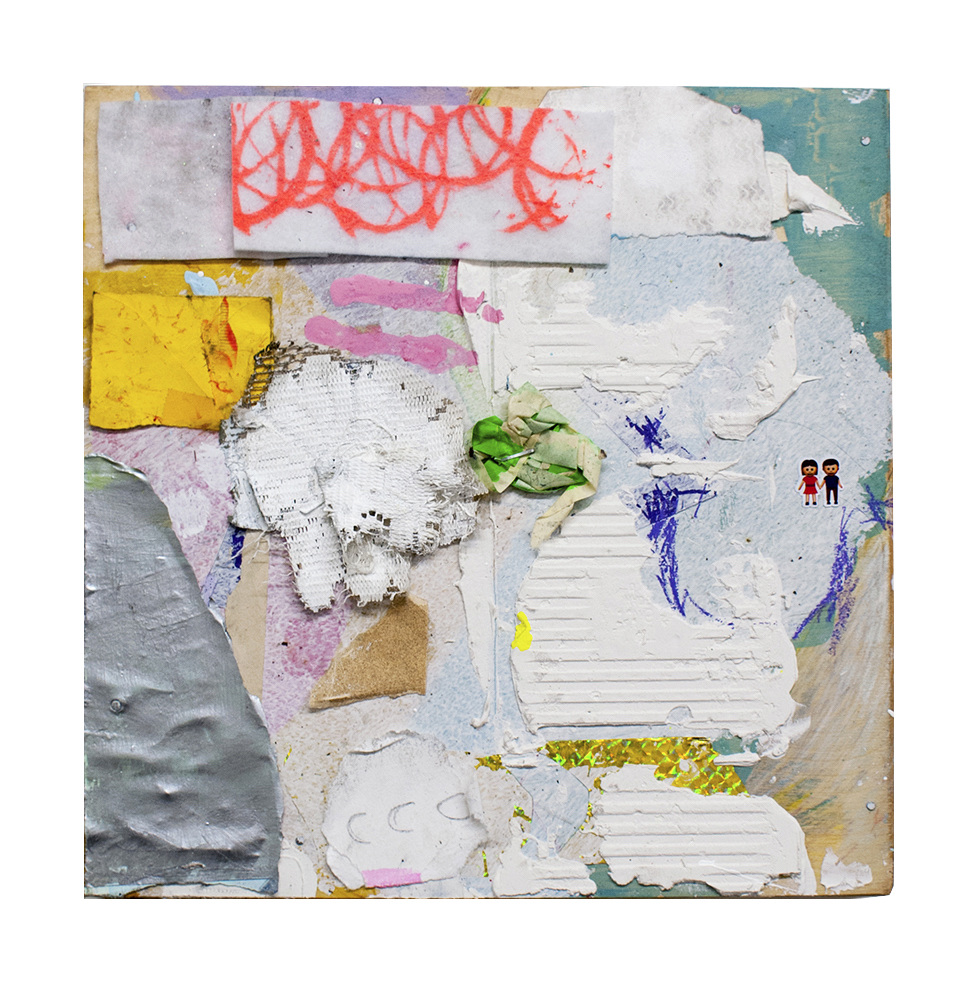
Laura M Denzer is an Adjunct Assistant Professor in the Drawing, Painting Department of the School of Art + Art History at the University of Florida. She holds a BFA from the School of the Art Institute of Chicago (2011) and an MFA from the University of Florida (2017). Her practice focuses on spatial and corporeal investigations through collage, painting, and mixed media, exploring themes of memory, identity, and transformation. Denzer’s research examines how physical and abstract spaces shape personal and collective narratives. Her work often incorporates fragmented forms, architectural references, and domestic patterns to reflect on liminal states and life transitions. Recent projects address motherhood and pandemic experiences as catalysts for reimagining selfhood and temporal continuity. Her artistic output includes over 100 works across decades, with notable series from 2023-2024 featuring screenprints that blend color theory and narrative imagery. Earlier works like Arms Folded (2016) and Party Favors (2011) demonstrate her evolving engagement with material experimentation and conceptual layering. Denzer’s practice also extends to curatorial roles, including her guest editorship of Number Magazine #96: Dependency . Her creative process integrates found materials, intuitive color choices, and formal investigations to create compositions that balance rootedness and transience. Current work explores spatial fragmentation as a metaphor for life transitions, reflecting on both personal and societal upheavals.