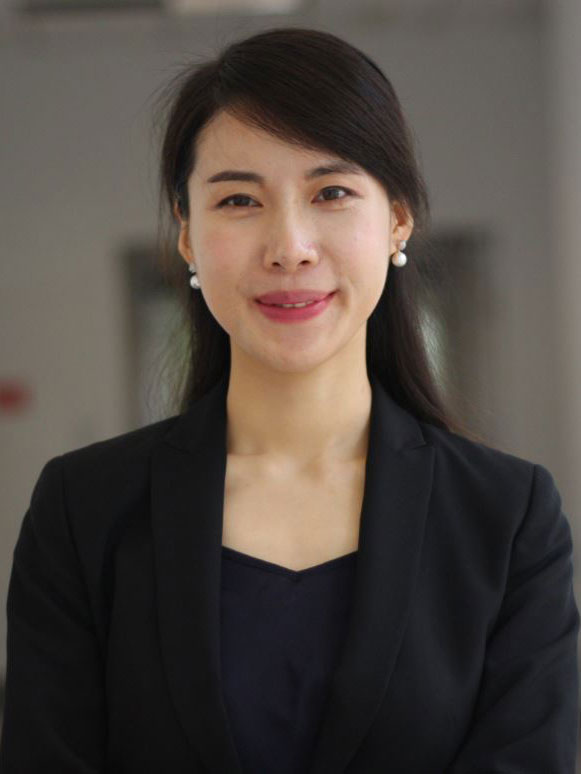
Prof. Tobias Plieninger holds dual appointments as Professor of Social-Ecological Interactions at the Universities of Kassel and Göttingen, Germany, and currently serves as Dean of Research at Kassel’s Faculty of Organic Agricultural Sciences. He specializes in sustainability science focusing on rural landscape dynamics, ecosystem services, and transformative change processes. His work examines intersections between agriculture, forestry, nature conservation, and natural resource management. Education: PhD in Forest and Environmental Sciences (2004, University of Freiburg), Habilitation in Landscape Ecology (Humboldt-Universität zu Berlin). Prior roles include Associate Professorships at the University of Copenhagen and leadership at the Berlin-Brandenburg Academy of Sciences. Research focuses on biocultural landscapes, agroforestry systems, and participatory methods. Notable projects include coordination of the EU’s HERCULES initiative and leadership in IPBES’ Transformative Change Assessment. Recognitions include Clarivate’s Highly Cited Researcher (2019–2022) and the Henriette Herz Fellowship (2022). Editorial roles: Lead Author for IPBES, Associate Editor at Landscape and Urban Planning and People and Nature . Over 200 publications span topics like ecosystem service synergies, high nature value farming, and rewilding strategies. Active in policy engagement through Germany’s Leopoldina Academy and the Joint Programming Initiative on Cultural Heritage. Research Themes: Landscape sustainability, participatory governance, biodiversity in agricultural systems Key Projects: SINCERE (forest ecosystem services), AGFORWARD (agroforestry innovation) Awards: Clarivate’s Highly Cited Researcher, Alexander von Humboldt Foundation fellowship Current initiatives emphasize transdisciplinary approaches, integrating local knowledge with scientific frameworks to address global sustainability challenges.
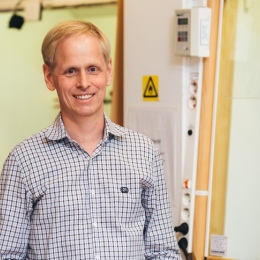
Dr. Imad El Haddad serves as Group Head of the Molecular Cluster and Particle Processes group at the Laboratory of Atmospheric Chemistry (LAC), part of the Center for Energy and Environmental Sciences at Paul Scherrer Institute (PSI), Switzerland, since 2018. Previously, he held positions as Tenured Scientist and Deputy Head (2018-2019), Senior Scientist in the Smog Chamber group (2015-2018), and Postdoctoral Fellow (2011-2015) at PSI. His research aims to quantify how anthropogenic emissions alter atmospheric pollutant composition and impact Earth's climate and public health through molecular-level analysis using advanced mass spectrometry techniques. His academic background includes: Ph.D. in Atmospheric Chemistry, University of Provence, Marseille (2007-2011) Master's in Environmental Sciences (with distinction, rank 1/9), University of Provence (2006-2007) Master's in General Chemistry (with distinction, rank 1/10), Saint-Joseph University of Beirut (2005-2006) Bachelor of Science in Chemistry (with distinction, rank 1/14), Saint-Joseph University of Beirut (2002-2005) El Haddad's work centers on molecular fingerprinting of atmospheric aerosols , utilizing mass spectrometry (GC/MS, HPLC/APCI-MS2, HPLC/ESI-MS2) to identify primary and secondary molecular markers. He conducts smog chamber experiments to characterize emissions from wood burning, traffic, and cooking processes, determining secondary organic aerosol potential and oxidation state evolution. His group also studies in-cloud aqueous-phase aging and collaborates with global modelers to link aerosol composition to climate forcing and health outcomes like oxidative stress. Recent publications (2025-2024) reveal three dominant trends: (1) rigorous molecular-scale analysis of secondary aerosol formation under varying humidity/temperature, (2) source apportionment breakthroughs in diverse regions (India, Europe, Arctic) using 14C and AMS data, and (3) quantification of health-relevant aerosol properties such as oxidative potential through DTT assays. High-resolution mass spectrometry is a consistent methodological thread across these studies. His scientific awards include: MENRT research fellowship from French ministry of research (2007-2010) Excellence Scholarship (top 1% student, University of Saint Joseph, 2005) Distinction Prize (best student, University of Saint Joseph, 2005) As Group Head, El Haddad oversees the Molecular Cluster and Particle Processes group's research direction and mentorship of junior scientists. While specific grant details are absent from the text, his leadership in multi-institutional publications (e.g., CERN CLOUD, iCUPE) implies active grant management and international collaboration. The group's work bridges laboratory simulations, field deployments, and health/climate modeling to address air pollution complexities. The Molecular Cluster and Particle Processes group develops cutting-edge online/offline mass spectrometers for 1 Hz-resolution atmospheric analysis. They deploy instruments in laboratory smog chamber experiments and global field studies, focusing on molecular marker identification, emission source characterization, and aging process quantification. Collaborations with biochemists and climate modelers extend their impact beyond pure aerosol physics into health risk assessment and policy-relevant climate science.
Friedrich Prinz is the Leonardo Professor in the School of Engineering at Stanford University, holding dual professorships in Mechanical Engineering and Materials Science and Engineering. He is also a Senior Fellow at the Precourt Institute for Energy and an affiliate of the Stanford Woods Institute for the Environment. Additionally, he directs the Nanoscale Prototyping Laboratory and co-directs the NPL-Affiliate Program. He earned a PhD in Physics from the University of Vienna (1975) and joined Stanford in 1994 after faculty roles at Carnegie Mellon University. His research focuses on nanoscale energy conversion and storage, employing advanced fabrication techniques like atomic layer deposition (ALD) to develop prototype fuel cells and capacitors. His lab investigates material structures using scanning tunneling microscopy, impedance spectroscopy, and atomic-scale modeling. Prinz has authored over 360 publications and advised numerous students. Notable awards include AAAS Fellowship (2007) and the AM Strickland Prize (2005). His work bridges solid-state physics, materials engineering, and renewable energy technologies. He teaches courses in manufacturing processes, quantum field theory applications, and advanced material science. Current roles include supervising doctoral and postdoctoral researchers in energy-related nanotechnologies.
Jouko Peltonen is a Professor in Chemistry at Åbo Akademi University's Faculty of Natural Sciences and Engineering. He leads the Laboratory of Molecular Science and Technology, focusing on sustainable material development and biomedical applications. His work aligns with UN Sustainable Development Goals through green chemistry innovations. Ph.D. in Chemistry (Åbo Akademi, 1994) Licentiate in Chemistry (Åbo Akademi, 1992) Master's in Chemistry (University of Helsinki, 1988) Peltonen's research spans materials science , polymer chemistry , and sustainable technology , with emphasis on nanocellulose composites , antibacterial materials , and bio-based packaging . Recent projects explore biofilm modeling and lignin valorization. His publications (216 total) demonstrate interdisciplinary impact across biomedical engineering , environmental science , and chemical manufacturing . Key collaborations include NordForsk-funded initiatives and EU projects like PACKER 2020. Research grants include: Printed Intelligence Infrastructure (Academy of Finland, 2024-2028) Nordic POP (NordForsk, 2018-2025) ABC-Health (Jane och Aatos Erkkos Foundation, 2021-2024)
Bert F. Sels is a Full Professor at KU Leuven (Catholic University Leuven) in the Faculty of Bioscience Engineering, Department of Molecular and Microbiological Sciences, where he founded and heads the Center for Sustainable Catalysis and Engineering (CSCE). He is also a Visiting Professor at the Chinese Academy of Sciences in Guangzhou and co-founder of the spin-off company Zeopore. Previously, he directed the Centre for Surface Chemistry and Catalysis (COK) from 2016-2019 and served as Head of the Division Bio-refinery and Sustainable Chemistry (2015). He obtained his Ph.D. in 2000 from KU Leuven under Professor Pierre Jacobs, specializing in heterogeneous oxidation catalysis. His research focuses on heterogeneous catalysis for sustainable industrial processes, with expertise spanning: Biorefinery and biofactory systems for chemical production Design of hierarchically structured zeolites and carbon materials Spectroscopic characterization of catalytic active sites Methane activation and small molecule kinetics Renewable chemistry and biomass valorization His group has published 350+ papers (h-index 88) and holds 30 patents. Publications demonstrate strong focus on catalytic biomass conversion, zeolite engineering, and sustainable fuel production, with recent work emphasizing lignin valorization, carbohydrate upgrading, and low-carbon chemical synthesis. Key trends include hierarchical catalyst design and integrated biorefinery processes. Awards and Honors: Green Chemistry Award (2015) INEOS Research Award (2019) European Academy of Sciences and Arts Membership (2018) DSM Chemistry Award (2001) TOTAL Research Award (2013) UMICORE Research Award (2012) First Clean Tech Challenge (2009) He leads the CSCE research group and co-founded the European Research Institute of Catalysis (ERIC). As former co-chair of the International Zeolite Association's Catalysis Commission and associate editor of ACS Sustainable Chemistry & Engineering, he maintains extensive collaborative networks.
Dr. Hongli (Julie) Zhu is an Associate Professor in the Department of Mechanical and Industrial Engineering at Northeastern University's College of Engineering. Her research focuses on sustainable energy storage, multifunctional materials, and advanced manufacturing, with emphasis on developing environmentally friendly biomass-derived materials, all solid-state batteries, and flow batteries. She leads the ZHU Lab at Northeastern University, which is dedicated to creating safer, cheaper, and higher performance energy storage solutions while exploring multifunctional materials derived from nature. Dr. Zhu received her PhD from South China University of Technology and Western Michigan University (2004-2009). She conducted postdoctoral research at KTH Royal Institute of Technology in Sweden (2009-2011), focusing on biodegradable and renewable biomaterials from natural wood, followed by additional postdoctoral work at the University of Maryland (2012-2015), where she researched nanocellulose and energy storage. Dr. Zhu's research spans multiple disciplines at the intersection of materials science, energy storage, and sustainable manufacturing. Her work addresses critical challenges in energy storage technology, including developing all solid-state batteries, flow batteries, and high energy density battery systems. She has pioneered research in sustainable biomass-derived materials, particularly investigating cellulose, hemicellulose, and lignin for applications in bendable, implantable, and biocompatible electronics. Her lab also focuses on advanced manufacturing techniques, including high-speed roll-to-roll processing for emerging advanced materials and devices. Analysis of Dr. Zhu's publication record reveals a strong focus on next-generation battery technologies, particularly solid-state systems. Her research demonstrates significant contributions to understanding and improving lithium dendrite suppression, electrode architecture optimization, and interface stabilization in solid-state batteries. She has also made substantial advances in sustainable materials derived from natural resources, developing applications for cellulose nanostructured fibers, paper, and aerogel/hydrogel systems. MRS Communications Early Career Distinguished Presenters and JMR Distinguished Invited Speakers (2024) Selected in Stanford University List of Top 2% Scientists Worldwide (2021-2024) College of Engineering Faculty Fellow (2023) Soren Buus Outstanding Research Award (2022) Women in Materials Science, Advanced Materials (2021 and 2022) Women Scientists at the Forefront of Energy Research, ACS Energy Letters (2020) Innovator of the Year 2013, Maryland Jakob Wallenberg Scholarship, Sweden Dr. Zhu has secured significant research funding from various sources, including the National Science Foundation and Department of Energy. Her current projects include "Uncovering the mechano-electro-chemo mechanism of fresh Li in sulfide based all solid-state batteries through operando studies" (NSF), "Enabling Advanced Electrode Architecture through Printing Technique" (DOE), and "Engineering the Metal Sulfide Interface in All Solid State Batteries through Operando Study" (NSF). She collaborates with industry partners including Rogers Corporation and has developed patented technologies related to sustainable materials and energy storage. Dr. Zhu serves as Codirector of Advanced & Intelligent Manufacturing, Editor of Progress in Materials Science, and on the Editorial Advisory Board of Chemical Society Reviews. The ZHU Lab at Northeastern University is a highly interdisciplinary research group that bridges scales from the nanoscopic to macroscopic and system level. The lab's work has led to numerous patents, including "Natural fiber composites as a low-cost plastic alternative" and "Fire-retardant Nanocellulose Aerogel, and Methods of Preparation and Uses Thereof." The group focuses on making energy storage safer, cheaper, and higher performing while exploring multifunctional materials derived from nature, with particular emphasis on applying high-speed roll-to-roll manufacturing to emerging advanced materials and devices.
Joshua D. Bard is an Associate Professor and Associate Head for Design Research at Carnegie Mellon University's School of Architecture. His work bridges traditional craft and cutting-edge robotics, focusing on human-machine collaboration in construction domains. He leads Archolab, an award-winning research group exploring digital fabrication methods like 'Morphfaux' (robotic plaster techniques) and 'Spring Back' (parametric steam bending). Education: M.Arch (Distinction) from University of Michigan; B.A. in Literature & Philosophy from Wheaton College. Professional affiliations include the Manufacturing Futures Institute and rob|arch. Research emphasizes reviving historical crafts through digital tools, such as augmented reality interfaces for architectural education and thermal-tuned concrete panels via robotic processes. His teaching includes generative modeling and architectural robotics labs. Awards: Architect Magazine R+D Award, Canadian Wood Council Merit Award Key Projects: Plaster ReCast AR app, Thermally Informed Robotic Concrete Panels Collaborators: Dana Cupkova, Garth Zeglin, Steven Mankouche Current courses include 62-225 Generative Modeling and 48-555 Introduction to Architectural Robotics. His work is featured in venues like the Carnegie Museum of Art and academic journals like International Journal of Architectural Computing .
Jenny Suckale is an Associate Professor of Geophysics at Stanford University and a Senior Fellow, by courtesy, at the Woods Institute for the Environment. Her research focuses on reducing disaster risk through interdisciplinary approaches that combine mathematical modeling with observational data and community-driven scientific co-production. Education : Ph.D. in Geophysics from MIT (2011), MPA from Harvard Kennedy School (2006), M.Sc. in Physics (with Distinction) from Freie Universität Berlin (2002). Her group investigates extreme events across multiple natural systems, including volcanic eruptions, ice-sheet instability, permafrost disintegration, induced seismicity, and flood-risk mitigation. This work aims to identify common physical processes and risk-reduction strategies applicable across diverse hazards. Scientific awards include: Presidential Early Career Awards for Scientists and Engineers CAREER award from the National Science Foundation Contact: jsuckale@stanford.edu | Research Group: SIGMA
Niklas Hedin is a Professor and Head of the Department of Chemistry at Stockholm University . His research group specializes in developing advanced materials for environmental and energy applications, with a particular focus on CO₂ capture technologies , green material synthesis , and biochar-based solutions for pollution mitigation and sustainable resource utilization. Professor at Department of Chemistry Head of Department Stockholm University affiliation The research spans from fundamental molecular spectroscopy studies to industrial-scale applications . Key projects include the use of activated limestone for Baltic Sea eutrophication control, colloidal porous liquids for energy-efficient carbon capture, and engineered biochars for dual environmental remediation and agricultural applications. Recent publications highlight 2025 breakthroughs in aminated cellulose aerogels , graphene oxide composites for direct air capture , and ultrasound-assisted hydrogen peroxide synthesis . These works demonstrate Hedin's commitment to multiscale material engineering combining experimental validation with computational modeling. The group includes several PhD students and postdoctoral researchers working on specialized aspects of material synthesis and environmental application. His team actively collaborates with industrial partners and government agencies to translate laboratory findings into real-world solutions for sustainable chemistry and climate change mitigation .
Vanessa Wood is a Professor at ETH Zürich in the Department of Mechanical and Process Engineering. She specializes in understanding structure-performance relationships in complex, heterogeneous systems, particularly lithium ion batteries, using advanced imaging techniques like electron and x-ray microscopy to address performance limitations and guide material improvements. Research Interests: Investigating nanoscale structure and surface chemistry in battery materials Studying electrolyte infilling and lithium transport dynamics Developing computational methods for multiscale material analysis Integrating machine learning to overcome experimental challenges Designing volumetric imaging approaches for energy storage systems Research Affiliations: Affiliated with the Microstructure Physics and Alloy Design group and Interdepartmental & Partner Research Groups at ETH Zürich. Her work bridges experimental and computational disciplines to improve energy technologies.
Markku Karjalainen is a Professor in the Department of Architecture at Tampere University's Faculty of Built Environment. With over 80 research publications spanning from 2016 to 2025, he has established himself as a leading expert in timber construction and wooden building systems in Finland. Professor Karjalainen's research primarily focuses on timber construction , particularly multi-story wooden buildings, dovetail wood construction techniques, and sustainable building practices. His work spans architectural design, structural engineering, fire safety, and environmental impact assessment of wooden structures. He has conducted extensive statistical analyses of Finnish timber residential buildings, examining construction practices from 1995 to the present. His research demonstrates a strong commitment to advancing wooden construction technologies while addressing practical challenges in fire safety, structural performance, and building physics. Analysis of his recent publications (2023-2025) reveals a consistent focus on dovetail construction techniques for mass timber elements, with numerous studies examining structural performance, fire properties, and air permeance. His work bridges theoretical research with practical applications in the construction industry, particularly in Finland where wooden multi-story construction has seen significant growth. Karjalainen's research often involves international collaboration, with studies comparing practices across different countries and examining global perspectives on timber construction. His scholarly output demonstrates a methodical progression from basic statistical analysis of building practices to increasingly sophisticated investigations of specific construction techniques and their performance characteristics. This evolution reflects both his growing expertise and the maturation of timber construction as a field of academic inquiry.
Eldrin F. Lewis, MD, MPH is the Simon H. Stertzer, MD, Professor of Medicine and Chief of the Division of Cardiovascular Medicine at Stanford University School of Medicine. He holds a University Medical Line Professorship within the Department of Medicine - Cardiovascular Medicine and is a member of the Cardiovascular Institute. Dr. Lewis earned his medical degree from the Perelman School of Medicine at the University of Pennsylvania (1995), completed his Internal Medicine Residency (1998), Cardiovascular Disease Fellowship (2001), and Heart Transplant Fellowship (2002), all at Brigham and Women's Hospital in Massachusetts. He maintains board certification in Cardiovascular Disease (2024) and Advanced Heart Failure and Transplant Cardiology (2025) through the American Board of Internal Medicine. As an internationally recognized expert in heart failure, heart transplant, and quality of life for heart failure patients, Dr. Lewis' research focuses on patient-reported outcomes, quality of life assessment, and the integration of digital health technologies into cardiovascular care. His fundamental principle is that "there is more to life than death," emphasizing that cardiovascular care should help patients not only survive but also enjoy the best possible quality of life. His extensive publication record includes nearly 200 peer-reviewed articles in top journals including the New England Journal of Medicine, Journal of the American College of Cardiology, Circulation, JAMA Cardiology, and JAMA Internal Medicine. His recent work (2024-2025) demonstrates strong focus on heart failure treatment optimization, diversity in clinical trials, pulmonary congestion assessment, and the implementation of quadruple medical therapy for heart failure patients. Joel Gordon Miller Award for community service and leadership from the University of Pennsylvania School of Medicine Minority Faculty Development Award recognizing research potential of young physicians Robert Wood Johnson Foundation grant for quality of life assessment research Fellow of the American College of Cardiology Member of the American Heart Association Research Committee Dr. Lewis serves as a Postdoctoral Faculty Sponsor for Phenesse Dunlap and has received significant research support from the National Heart, Lung and Blood Institute, National Institutes of Health, and the Robert Wood Johnson Foundation. He is deeply committed to expanding clinical research initiatives at Stanford, forming partnerships with community cardiologists, and leveraging Silicon Valley's digital technology expertise for patient monitoring and treatment optimization. His leadership includes serving on the AHA Founders Affiliate Board of Directors, chairing the Council on Clinical Cardiology, and participating in the FDA Task Force for Standardization of Definitions for Endpoint Events in Cardiovascular Trials.
Julian Adamek is a computational cosmologist and lead developer of gevolution , a general-relativistic N-body code for cosmological simulations. His work focuses on modeling relativistic effects in cosmic structure formation to better understand gravity’s role on large scales and dark energy. Research Interests: Computational Cosmology, Theoretical Cosmology, Large-scale structure of the Universe, Relativistic N-body simulations. Technical Leadership: Lead developer of gevolution , a public cosmological simulation code available via GitHub. Recent publications span diverse applications of deep learning in geospatial analytics, environmental monitoring, and computer vision, including phenology modeling, biomass mapping, conflict assessment, and 3D reconstruction from point clouds. Key Trends: Integration of AI/ML for environmental tasks, cross-domain applications (cosmology, ecology, forestry), and satellite data processing. Technical Focus: Transformer networks, diffusion models, super-resolution imaging, and ensemble learning for uncertainty quantification. Julian collaborates with researchers in cosmology and geospatial science, though specific students or awards are not mentioned in the provided texts.
Dr. Henry Streby is an Associate Professor of Ecology in the Department of Environmental Sciences at the University of Toledo, where he leads the Streby Lab. He also holds an appointment as Adjunct Assistant Professor and is recognized as a Fellow of the American Ornithological Society. Education: Ph.D. in Ecology from University of Minnesota Research Focus: Dr. Streby's research spans avian ecology , wildlife ecology , evolutionary biology , and quantitative science . His work particularly emphasizes organismal ecology with applications to conservation and management of migratory songbirds. Key research areas include: Migratory connectivity and seasonal interactions Conservation biology of declining songbird populations Behavioral ecology of breeding and migratory birds Quantitative methods in wildlife research Effects of environmental change on bird populations Research Impact: Dr. Streby's work has significantly advanced understanding of songbird migration, particularly in Vermivora warblers and golden-winged warblers. His 2015 Current Biology paper on tornado avoidance behavior in songbirds received extensive international media coverage and reached the 99th percentile of all articles tracked by Altmetric. His recent research continues to explore migratory connectivity, hybridization patterns, and conservation strategies for North American migratory birds. Awards and Recognition: 2021 President's Award for Excellence in Scholarly Activity (University of Toledo) Elected Fellow of the American Ornithological Society (2021) 2013 Cooper Ornithological Society Young Professional Award Multiple best presentation awards at professional conferences Student Mentorship and Lab: Dr. Streby has successfully mentored numerous graduate students who have gone on to prestigious positions. Notable former students include: Gunnar Kramer (PhD 2021) - now Assistant Professor at Iowa State University Silas Fischer - recipient of multiple awards and fellowships Sean Peterson - pursued PhD at UC Berkeley Kyle Pagel - Environmental Scientist with California Department of Fish and Wildlife Annie Lindsay - active in migration research The Streby Lab continues to be highly productive, with ongoing research on Gray Vireos, migration ecology, and conservation applications. The lab maintains active field sites and collaborates extensively with other institutions and agencies.
Professor Dan Balint is the Head of the Mechanics of Materials Division in the Department of Mechanical Engineering at Imperial College London. He holds a Ph.D. in Engineering Sciences from Harvard University (2003), an S.M. in Applied Mathematics from Harvard (2001), and a B.S. in Engineering Mechanics from Michigan State University (1998). Prior to joining Imperial in 2006, he was a Research Associate at the Cambridge Centre for Micromechanics. His research spans theoretical and computational solid mechanics, with focus areas including: Micromechanics of crystalline materials (metals/ceramics) Dislocation-defect interactions and failure mechanisms Discrete dislocation plasticity methods Nuclear cladding materials and zirconium hydrides Thin film failure and metal forming processes Fracture mechanics and material size effects Recent publications (2022-2025) predominantly explore dislocation dynamics, zirconium alloy behavior under nuclear conditions, computational modeling of microstructural stresses, and machine learning applications in materials science. Common themes include thermomechanical degradation, crack initiation mechanisms, and multi-scale modeling approaches. Professor Balint serves as Associate Editor of the European Journal of Mechanics - A/Solids and consults for industrial partners including Rolls Royce, BP, and the US Air Force.