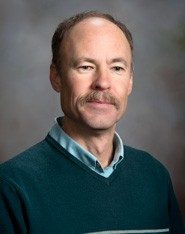
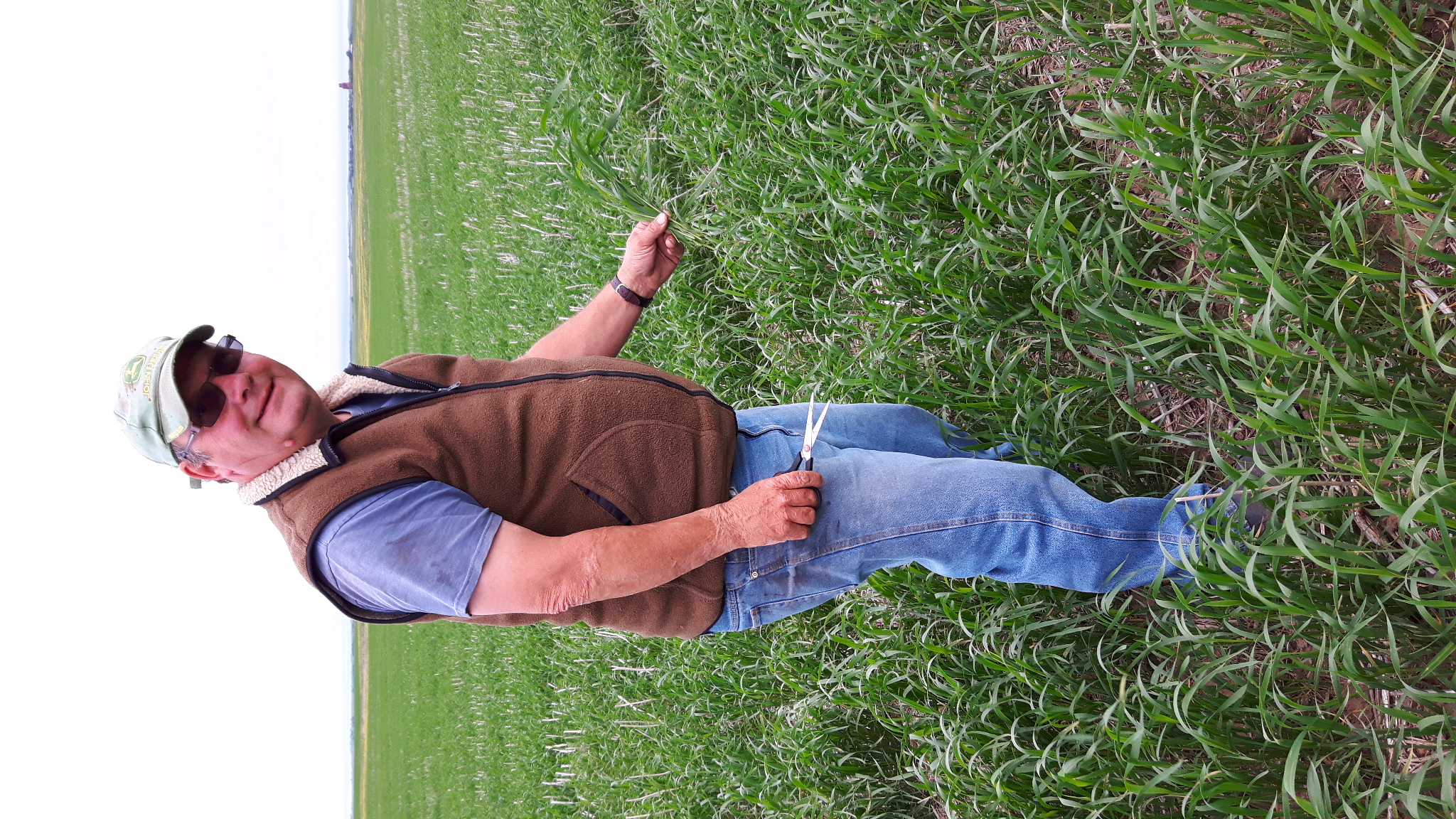
Arti Singh is an Assistant Professor in the Department of Agronomy at Iowa State University. Her research focuses on plant breeding, soybean diseases, genomics, and phenomics, with a strong emphasis on integrating artificial intelligence and high-throughput technologies into agricultural systems. She leads projects involving AI-driven disease identification, precision agriculture, and crop improvement strategies. Her expertise includes developing machine learning models for real-time weed and insect classification (e.g., WeedNet and InsectNet), deploying drones and ground robots for crop phenotyping, and leveraging genomic data to map traits like flowering time and disease resistance in legumes. Singh collaborates on initiatives like the AIIRA Institute for Resilient Agriculture and the BioTrove biodiversity dataset. Singh’s work spans plant stress phenotyping, digital twin technologies for plant sciences, and multi-sensor phenotyping for early disease detection. Her research bridges computational methods with traditional agronomy, aiming to enhance crop resilience and sustainability in the face of environmental challenges. Her recent projects include optimizing robotic navigation for precision agriculture, improving soybean yield estimation via video analysis, and dissecting genetic architectures of traits in mungbean and soybean using GWAS and genomic tools. She actively contributes to conferences and publishes in high-impact journals, advancing both foundational and applied aspects of agricultural science.
Rhenish Friedrich Wilhelm University of BonnGermany
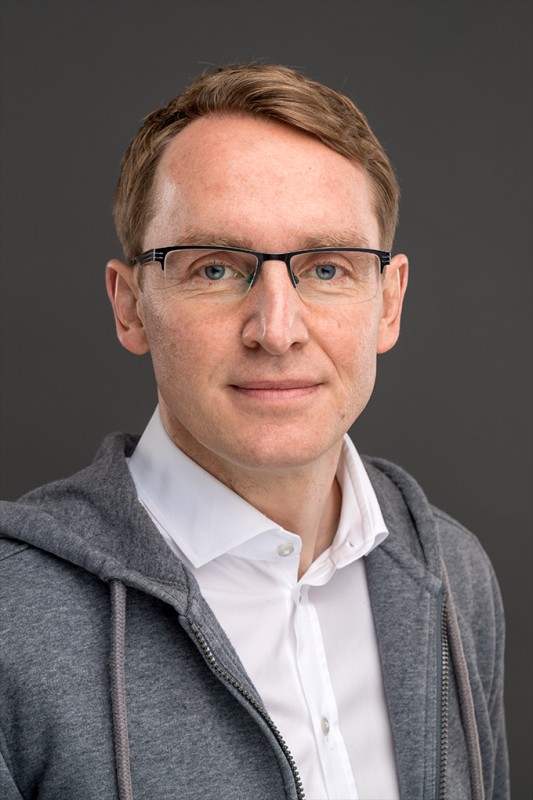
Cyrill Stachniss is a Full Professor at the University of Bonn , where he heads the Lab for Photogrammetry and Robotics and is affiliated with the Lamarr Institute for Machine Learning and Artificial Intelligence . He was previously a Visiting Professor in Engineering at the University of Oxford until 2025. His academic journey includes positions at the University of Freiburg, University of Zaragoza, and the Swiss Federal Institute of Technology. University: University of Bonn School: Faculty of Engineering Department: Department of Photogrammetry Academic Rank: Professor His research spans robotics, photogrammetry, SLAM, autonomous navigation, perception systems, agricultural robotics, and unmanned aerial vehicles . He emphasizes probabilistic techniques for mobile robots and has made significant contributions to visual and LiDAR-based localization, scene understanding, and 3D reconstruction. The recent publications highlight a strong trend toward neural implicit representations, agricultural phenotyping, radar-based perception, and active learning . His team develops robust systems for real-world deployment in dynamic and unstructured environments, particularly in precision farming and autonomous vehicles. Scientific Awards: IEEE RAS Early Career Award (2013) Microsoft Research Faculty Fellow (2010) 7th EURON Georges Giralt Award (2008) Multiple Best Paper Awards at ICRA, IROS, RSS, and RAL Faculty Teaching Award, University of Freiburg He has advised numerous students and leads the DFG Cluster of Excellence PhenoRob and Research Unit FOR 1505 Mapping on Demand . His lab has co-founded three startups, reflecting strong industry and societal impact. He also runs the educational video series 5 Minutes with Cyrill , explaining key robotics concepts.
Dr. Robert Huber serves as a Lecturer at the Department of Environmental Systems Science at ETH Zürich, specializing in Agricultural Economics and Policy. His research focuses on the integration of interdisciplinary knowledge to analyze and evaluate management and policy options that promote sustainable development in the agricultural sector. Institution: ETH Zürich Department: Agricultural Economics and Policy Research Focus: Sustainable Agriculture and Policy Methodologies: Bio-economic and agent-based modeling Dr. Huber's research explores how multifunctional agricultural sectors can provide essential non-market goods and services while maintaining their primary economic function of food production. His work applies bio-economic and agent-based modeling techniques to understand farmers' decision-making processes regarding ecosystem services provision, coupled with economic valuation techniques to analyze societal demand for these services. His research aims to identify effective and efficient policy measures that align supply and demand for ecosystem services at landscape scale. His recent publications demonstrate strong expertise in agricultural policy analysis, climate change mitigation strategies, sustainable farming practices, and innovative modeling approaches. His work spans topics from herbicide-free agriculture using remote sensing technologies to biodiversity enhancement in agricultural landscapes and the cost-effectiveness of different climate change mitigation policies at various scales. Remote sensing applications in sustainable agriculture Behavioral aspects of farmer decision-making Policy evaluation methodologies Climate change adaptation in farming systems Economic valuation of ecosystem services Digitalization impacts on agricultural policy Dr. Huber has published extensively in high-impact journals including Journal of Agricultural Economics, People and Nature, and Q Open. His collaborative research often involves interdisciplinary teams addressing complex agricultural sustainability challenges. His publications demonstrate a consistent focus on practical policy implications derived from rigorous empirical analysis.
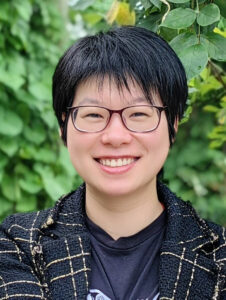
Dr. Yayun Du is an Assistant Professor in the Department of Electrical and Computer Engineering at Vanderbilt University School of Engineering. She holds a Ph.D. in Robotics and System Control (Minor: Solid Mechanics) from UCLA (2022) and was a postdoctoral scholar at Northwestern University's Rogers Group through 2024. Current faculty at Vanderbilt University Ph.D. from University of California, Los Angeles Postdoctoral experience at Northwestern University Her research integrates bioelectronics and robotics through three core directions: 1) Developing multimodal wearable/implantable sensors for health monitoring, 2) Creating human-in-the-loop interaction systems using brain-computer interfaces, and 3) Applying machine learning to medical environment robotics. She has deployed four sensor types across seven hospitals globally, serving users from neonates to elderly patients. Dr. Du's recent publications focus on wireless bioelectronic devices ( PNAS ), sustainable sensor materials ( ACS Sustainable Chemistry & Engineering ), and agricultural robotics ( ICRA , IROS ). She serves as Associate Editor for ICRA 2025 and has received two Best Paper Award final nominations at IROS 2021. Finalist - Best Paper Award in Agri-Robotics (IROS 2021) Finalist - Best Paper Award in Robot Mechanisms and Design (IROS 2021) As head of the Du Group, she leads interdisciplinary research with applications in both healthcare and agricultural contexts, collaborating with Vanderbilt Institute for Surgery and Engineering (VISE) and clinical partners. Her work emphasizes deployable systems that transition from academic research to real-world implementation in medical and industrial environments.
Dr. Anthony Filippi is an Associate Professor and Director of Graduate Programs at Texas A&M University. His research focuses on remote sensing, geographic information systems (GIS), and machine learning applied to aquatic and terrestrial environments. He leads the Fluvial-GEOS Lab, studying riverine/floodplain systems using remote sensing and GIS technologies. Educational Background: Ph.D. in Geography, University of South Carolina (2003) M.S. in Geography, University of South Carolina B.A. in Geography, Kansas State University Research Interests: Imaging spectroscopy, hyperspectral remote sensing of rivers and coastal oceans, GIS-based modeling, data fusion, aquatic optics, and machine learning. His work addresses coastal ocean bathymetry estimation, floodplain dynamics, and applications in environmental monitoring, including hazardous waste site tracking and agricultural studies. Recent Research Trends: Recent publications highlight advancements in UAS-based image analysis, LSTM networks for floodplain classification, and environmental policy impacts on forest resources. His work integrates machine learning with remote sensing to improve ecological and geomorphological understanding. Labs/Teams: Director of the Fluvial-GEOS Lab, focusing on remote sensing and GIS applications in riverine environments.
David L Jordan is the William Neal Reynolds Distinguished Professor in the Department of Crop and Soil Sciences within the College of Agriculture and Life Sciences at North Carolina State University. His appointment consists of 50% Extension, 25% Research, and 25% Academic responsibilities. He serves as a Crop Science Extension Specialist with a focus on peanut production and weed management, working closely with the North Carolina Peanut Growers Association, private consultants, industry representatives, and farmers. Dr. Jordan received his educational background from North Carolina State University and the University of Arkansas: PhD in Agronomy, University of Arkansas, 1993 MS in Crop Science, North Carolina State University, 1988 BS in Agronomy, North Carolina State University, 1985 AS, Chowan College, 1983 Dr. Jordan's research focuses primarily on peanut-based cropping systems, integrated pest management in peanut production, and the applied biology and management of weeds. His work addresses critical challenges in sustainable agriculture, including herbicide resistance management, crop rotation strategies, and aflatoxin mitigation in peanut production. He has developed significant expertise in developing risk tools to assist peanut growers and their advisors manage pests. His international work extends to Africa, where he collaborates with colleagues to develop more effective and sustainable pest management strategies for peanut (groundnut) and to improve food safety through aflatoxin mitigation. His recent publications reveal a strong focus on optimizing agricultural practices for peanut, cotton, and soybean production. Key themes include crop rotation effects on weed populations, nematode management in peanut systems, herbicide resistance evolution in agricultural weeds, and international peanut production practices. His research integrates field studies with practical extension applications to address real-world agricultural challenges across multiple continents. Dr. Jordan has received numerous prestigious awards throughout his career: Fellow of multiple professional societies including the American Society of Agronomy, Crop Science Society of America, Weed Science Society of America, and Southern Weed Science Society William Neal Reynolds Distinguished Professor (2015) Academy of Outstanding Faculty in Extension and Engagement, North Carolina State University (2022) Outstanding Extension and Engagement Award, North Carolina State University (2022) Dow AgroSciences Award for Excellence in Education from the American Peanut Research and Education Society (2010) Dr. Jordan has mentored numerous graduate students, serving as advisor or co-advisor for 3 MCS, 13 MS, and 12 PhD students, and has served on 40 MS, 45 PhD, and 7 MA graduate committees. His grant funding totals over $11.9 million from Louisiana State University Agricultural Center (1993-1996) and North Carolina State University (1996-present). He has led multiple USAID-funded international projects focused on peanut production and aflatoxin mitigation in countries like Ghana, Haiti, and Malawi. Dr. Jordan leads a comprehensive research and extension program focused on peanut production systems. His work involves close collaboration with multiple departments at NC State including Entomology and Plant Pathology and Biological and Agricultural Engineering. Internationally, he works with colleagues across Africa to develop sustainable pest management strategies. His program emphasizes interdisciplinary collaboration among many individuals, disciplines, and institutions with the common goal of improving the quality of life of people through agricultural improvements, education, and science.
Dr. Yunfei Jiang is an Assistant Professor in the Department of Plant, Food, and Environmental Sciences at Dalhousie University's Faculty of Agriculture. Her research focuses on improving crop resilience to climate change and sustainable agronomic practices in Atlantic Canada, with expertise in agronomy, crop physiology, and environmental stress responses. She holds a Ph.D. in Plant Science from the University of Saskatchewan (2017), an M.Sc. from Dalhousie University (2013), and a B.Sc. in Horticulture from Fujian Agriculture and Forestry University (2010). Her research includes evaluating enhanced efficiency fertilizers, biochar, and intercropping systems to enhance soil health and crop yields. She teaches courses such as AGRN2001 (Cereal-Based Cropping Systems) and PLSC2001 (Plant Propagation Techniques). Funding and awards details, along with her graduate students' projects, are available on her lab website at jiangdal.ca . Dr. Jiang is affiliated with professional organizations including the Nova Scotia Institute of Agrologists and the American Society of Agronomy. Her lab, the Agronomy and Crop Physiology (ACP) Lab, emphasizes sustainable agriculture and crop adaptation to environmental challenges. Contact her via email at yunfei.jiang@dal.ca or visit her lab's address: PO Box 550, Truro, NS B2N 5E3.
Virginia Polytechnic Institute and State UniversityUnited States
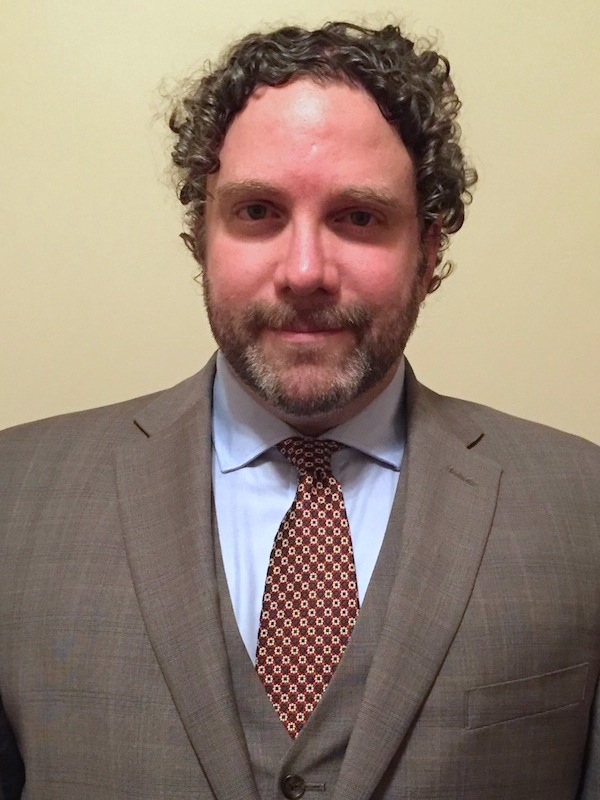
Dr. Kevin Kochersberger is an Associate Professor in the Department of Mechanical Engineering at Virginia Tech , with a career spanning academic research, technical innovation, and educational leadership. His work focuses on autonomous aerial systems , robotic control , and applied aerodynamics , particularly through the Uncrewed Systems Laboratory . Kochersberger's research has pioneered UAV-based radiation detection , 3D terrain mapping , and low-resource drone applications , including establishing the African Drone and Data Academy in Malawi . Education: Ph.D., Mechanical Engineering, Virginia Tech (1994) M.S., Mechanical Engineering, Virginia Tech (1984) B.S., Mechanical Engineering, Virginia Tech (1983) A.S., Engineering Science, Jamestown Community College (1981) Kochersberger's publications demonstrate expertise in UAV path planning , smart material actuation , and radiation source localization , with over $9M in research funding. His scientific awards include AIAA Associate Fellow (2009) and Aviation Week Aerospace Laureate (2003). Notable projects involve helicopter-deployable robotic systems and urban canyon navigation without GPS. Recent articles highlight BVLOS drone simulators , 2.5D terrain mapping , and autonomous negative obstacle traversal , reflecting his focus on real-time adaptive control and heterogeneous robotic systems . He teaches Drone Technology and Flight Operations and Advanced Design Projects , emphasizing student-driven innovation and industry collaboration .
Richard DUNCAN is a Professor in Conservation Biology at the University of Canberra's Science School and Department of Centre for Conservation and Ecology Genetics. His research focuses on the ecology of invasive species, particularly understanding how introduced species arrive, establish, and spread in new environments. Key areas include invasive weeds and pests, ecological community structure, and applying quantitative methods to address both fundamental and applied ecological questions. Education: PhD in Forest Ecology, University of Canterbury (1989, award date noted as 2024 in text) Research Interests: His work spans invasive species ecology, population dynamics, and restoration strategies. He employs diverse methods including field experiments, modeling, and genomics, with recent focus on grasslands and aquatic systems. Current projects address amphibian chytrid fungus, carp invasions, and rodent control. Articles Trends: Recent publications emphasize invasive species impacts on ecosystems, pathogen-driven niche contractions, and conservation tools like geospatial modeling and genomic simulations. Themes include species distribution modeling, pest management, and restoration ecology. Awards & Grants: Lead investigator on 35+ projects, including ARC Plant Biosecurity Training Centre and chytrid fungus mitigation efforts Associate Editor for Proceedings of the Royal Society B and Diversity and Distributions Advising: Accepting PhD students in invasive species ecology, with focus on using biological invasions to explore ecological theory and management applications. Labs/Teams: Collaborates widely on conservation genetics, aquatic invasions, and biosecurity, including work with the Biological Heritage Science Challenge and Indigenous Grasslands Trust.
Keith Edmisten is a Professor in the Department of Crop and Soil Sciences at NC State University, serving as Extension Cotton Specialist and Director of Undergraduate Programs. He holds a BS, MS from NC State University, and a PhD in Crop Physiology from Virginia Tech (1987). His career includes faculty roles at Mississippi State University and Auburn University before joining NCSU in 1992. His research focuses on cotton and industrial hemp agronomy, germplasm evaluation, and regulatory science in agriculture. Notable awards include Extension Cotton Specialist of the Year (1997) and Cotton Physiologist of the Year (2015). He teaches courses on biotechnology, seed science, and regulatory frameworks, and advises students in the Plant and Soil Science biotechnology concentration. Edmisten's program integrates applied research with extension efforts, emphasizing sustainable input management, variety trials, and on-farm experimentation. Collaborations span departments like Entomology, Plant Pathology, and Agricultural Economics. Publications highlight fertilizer management, weed science, and crop modeling in cotton and hemp systems.
Mehdi Savaghebi is a Professor in Power Electronics-Enabled Power Systems and Head of the Energy Technology and Computer Science Section at the Department of Engineering Technology, Technical University of Denmark (DTU), Ballerup, Denmark. He has previously held academic positions as Associate Professor at Aalborg University and the University of Southern Denmark, where he also served as a Research Team Leader. He is currently accepting PhD students and is actively involved in research, supervision, and editorial work. His research interests focus on modern power systems enabled by power electronics, particularly in the domains of renewable energy integration, microgrids, smart grids, and Power-to-X technologies. His expertise lies in control strategies for inverters, power quality improvement, harmonic mitigation, and protection of distributed energy systems. He is deeply engaged in advancing grid-forming and grid-following inverter technologies, energy islands, and sector coupling for sustainable development. The recent publications highlight a strong trend in advanced control methodologies for power electronic converters, particularly in microgrid applications. His work emphasizes active damping, capacitor voltage decoupling, disturbance rejection, and dynamic performance enhancement in both grid-following and grid-forming inverters. These efforts support broader goals in renewable integration, industrial energy efficiency, and resilient low-carbon grids. Mehdi Savaghebi serves as Editor for IET Smart Grid . He is a member of review committees at Tallinn University of Technology and Nanyang Technological University. He has delivered guest lectures at international institutions, including Tallinn University of Technology. As a main supervisor, he advises PhD student A. July on the project 'Coordinated control of energy storage units and grid-forming converters in energy islands'. He leads multiple research projects, including GRACE (Grid Capacity-Aware Investment Roadmap for Eco-Industrial Clusters) and Communication Technologies for Control of Microgrids. His lab and research team focus on power electronics, microgrid control, and energy system integration, working on real-world applications such as the CLA-µGrid for the Alcântara Launch Center in Brazil and electric weed control in agriculture.
Jenny Kao-Kniffin is a Professor in the Horticulture Section of the School of Integrative Plant Science at Cornell University. Her research focuses on the belowground ecology of horticultural landscapes, particularly the ecology and management of invasive plants and weeds in horticultural landscapes, wetlands, and urban ecosystems. She applies concepts from microbial ecology to understand how soil microorganisms impact plant populations both beneficially (aiding in plant growth and fitness) and negatively (keeping populations in check). Dr. Kao-Kniffin's research interests include: Weed science and ecological management of weeds Urban ecology and urban agriculture Rhizosphere biology and plant-microbe interactions Soil microbiome selection and manipulation Ecological approaches to sustainable agriculture Her work centers on three main research areas: selection of rhizosphere microbiomes that modulate plant traits, identifying functional roles of microbiomes that mediate plant growth, and assembly of plant-microbial communities that enhance ecosystem services. She has demonstrated that microbiomes can be manipulated to alter flowering time in plants and has developed ecological approaches for weed management through soil carbon amendments. Her recent publications reveal a strong focus on urban soil microbiomes, nitrogen cycling in agroecosystems, and the application of microbial ecology to sustainable agriculture. The research spans from fundamental plant-microbe interaction studies to practical applications in urban agriculture and weed management, with particular emphasis on how soil amendments and microbial communities can be leveraged for ecological management of plant systems. Notable scientific achievements include: The White House Presidential Early Career Award for Scientists and Engineers (PECASE), 2019 Weihenstephan Science Award, International Collaboration for Early Career Scientists 2017 Cornell University CALS Award for Excellence in Mentoring Undergraduate Students in Independent Research 2013 Dr. Kao-Kniffin actively mentors graduate students and has developed extension programs focused on assisting public and private audiences with methods to manage weedy and invasive plants in horticultural landscapes. Her lab has developed a web-based software program that allows users to select weed management methods based on conventional or organic preferences. She teaches PLSCI 4900: Reflection on Plant Sciences Experiential Learning and maintains an active research program with several ongoing projects in urban agriculture, particularly working with New York City farmers to construct clean soil from local materials.
Bryan Brown is an Adjunct Assistant Professor at the School of Integrative Plant Science , Horticulture Section , and an Integrated Weed Management Specialist with Cornell Integrated Pest Management . His work focuses on minimizing agricultural and environmental risks through innovative weed control strategies. Ph.D., University of Maine, 2017 B.A., Colby College, 2009 Dr. Brown’s research emphasizes integrated weed management informed by weed species biology, including weed seedbank dynamics and culturally appropriate extension . His projects explore ecologically-based solutions like stacked cultivation, electrical weed control, and cover cropping to address herbicide resistance and labor shortages. He also investigates the interplay between weed management and soil health or economic viability in organic and conventional systems. Dr. Brown’s extension efforts prioritize farmer collaboration through on-farm demonstrations , educational media , and slow-motion analysis of cultivation tools. His outreach includes addressing glyphosate-resistant waterhemp in New York State and clarifying public health risks through the Into the Weeds podcast.
Dr. Jeff Schoenau is a Professor of Soil Fertility and Saskatchewan Ministry of Agriculture Strategic Research Chair in Soil Nutrient Management at the University of Saskatchewan's Department of Soil Science within the College of Agriculture and Bioresources. His research focuses on soil management strategies to enhance fertility, productivity, and health in prairie agricultural soils, including nutrient cycling, organic amendments, and salinity management. Education: Ph.D. (Soil Science, 1988) and B.S.A. (Agronomy, 1984) from the University of Saskatchewan. Affiliations: Fellow of the Agricultural Institute of Canada, member of the Saskatchewan Agriculture Hall of Fame (2022). Research Interests His work emphasizes 4R fertilization practices, cropping systems for soil organic matter improvement, novel nutrient/water management strategies, problem soils (e.g., saline/sodic lands), and greenhouse gas emissions mitigation. Awards Recipient of multiple accolades, including the 2024 Teaching Excellence Award, 2023 Professor of the Year, and the 2004 NSERC Synergy Award for innovation in plant root simulator technology. Teaching & Outreach Teaches courses on soil fertility, field studies, and soil characterization. Actively involved in farming with his wife, balancing academic and agricultural pursuits.
Sultan Mia is an Adjunct Senior Lecturer at the Institute of Agriculture, The University of Western Australia. His research focuses on plant genetics and crop science, particularly in the area of drought tolerance in wheat and other crops. He is actively involved in genomic and proteomic studies to identify biomarkers and candidate genes associated with stress tolerance. Dr. Mia's research spans several key areas in agricultural science, including drought tolerance, plant breeding, and genomics. His work utilizes advanced techniques such as genome-wide association studies (GWAS), proteomic analysis, and genotyping to understand the molecular basis of stress responses in crops. Specific interests include the development of drought-tolerant wheat varieties through the identification of quantitative trait loci (QTL) and candidate genes. Recent publications by Dr. Mia demonstrate a strong focus on drought tolerance mechanisms in wheat and other crops. His work integrates genomics, proteomics, and metabolomics to identify key biomarkers and genetic markers. Notable contributions include the discovery of SNP markers for drought tolerance in wheat and the investigation of antioxidant responses in buckwheat under drought stress. These studies highlight a trend towards multi-omics approaches for crop improvement. Dr. Mia has supervised at least one doctoral thesis, as indicated by the "Supervised Work (1)" in his profile. While specific grant details are not provided, his research output suggests involvement in collaborative projects addressing agricultural challenges, particularly in the context of climate change and water scarcity.