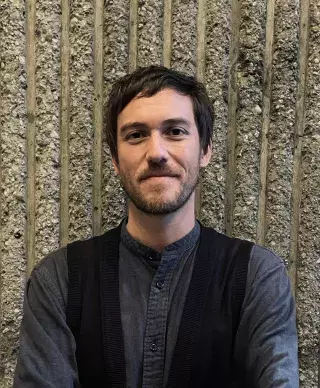
Seth Poulsen is an Assistant Professor in the Department of Computer Science at Utah State University. His research focuses on developing and evaluating software tools for computer science education, particularly in algorithms and computing theory. He created Proof Blocks, an interactive tool to teach mathematical proofs, and conducts educational data analysis projects. Previously, he completed a Ph.D. in Computer Science at the University of Illinois and worked as a Software Engineer at Amazon, contributing to Kindle-related projects. Education: Ph.D. in Computer Science, University of Illinois Software Engineering Experience at Amazon (Kindle Web Rendering & Kindle Lite Android App) Research Interests: Computing Education Tools (e.g., Proof Blocks) Algorithm and Theory Pedagogy Autograded Educational Assessments Educational Data Analysis His work emphasizes bridging theoretical computing concepts with practical learning tools, aiming to enhance student engagement and understanding in core computer science areas.
Byron Peters is a Lecturer at Kwantlen Polytechnic University in the Faculty of Arts, Department of Interdisciplinary Expressive Arts, and also teaches in the Department of Art History, Visual Art and Theory at the University of British Columbia. His educational background includes a B.F.A. from the University of British Columbia and an M.F.A. from California College of the Arts. As an artist and writer, Peters works across film, networked technologies, sculpture, text, drawing, and sound installation. His practice foregrounds student creativity, radical imagination, cultural memory, and decolonization processes. Through long-term collaborations, his research engages with collective labor practices, digitality within racial capitalism, and histories of science and mathematics. His exhibition history spans international venues including The Darling Foundry (Montreal), Para Site (Hong Kong), ICA Miami, The White Building (London), and The Asian Art Museum of San Francisco. Peters' creative output shows a consistent focus on mathematics as a political and cultural construct, with his "Anti-Racist Mathematics & Other Stories" series (2017-2019) examining imperialistic histories of numbers and their relationship to capital. His work often bridges technical precision with poetic and political imagination, exploring how mathematical concepts serve or could transform dominant power structures. Recent projects continue his collaboration with community archives, particularly those of the late activist Sid Chow Tan, weaving together racial justice, mathematics, and Vancouver's Chinatown history. Giverny Fellowship from the Terra Foundation for American Art Exhibitions at major international venues across North America, Europe, and Asia Presentations at The New School, UCL, LSE, and Victoria and Albert Museum Film screenings at Images Festival, True/False, DOXA, and International Film Festival Rotterdam As an educator and mentor, Peters has worked with The Prisoner Hunger Strike Solidarity Coalition, SFU School for Contemporary Arts, Emily Carr University, Cinelab, Out on Screen, and The Cinematheque. His courses at KPU include FINA 1135: Introduction to Digital Media I, IDEA 1100: Exploring Self and World, and IDEA 3301: Myth, Culture, and Creativity. His teaching philosophy emphasizes student creativity within the material and social conditions of communities toward decolonization. His collaborative practice extends to workshops, filmmaking intensives, and community-based projects that connect artistic practice with social justice movements, particularly focusing on racial capitalism and collective liberation.
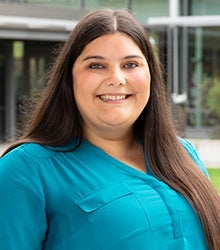
Laura Plantinga, PhD is an Associate Professor in the Department of Medicine at the University of California, San Francisco (UCSF) School of Medicine. She is an epidemiologist and health services researcher with expertise in improving quality of care for underserved patients with chronic diseases, particularly those with lupus and kidney disease. Dr. Plantinga received her BS in Zoology from the University of Maryland, College Park (1992), ScM in Biostatistics from Johns Hopkins University (2002), and PhD in Epidemiology from Emory University (2014). Her educational background has provided a strong foundation for her research in health services and epidemiology. Dr. Plantinga's research focuses on multidisciplinary, patient-centered approaches to improving the quality of care among underserved patients with chronic diseases. Her work examines the prevalence and correlates of functional impairment among individuals with lupus and the experiences of the dialysis workforce and their relationship with patient care. She has made significant contributions to understanding health disparities in kidney disease and transplantation, with numerous publications on racial and ethnic disparities in access to kidney transplantation. Her research program addresses critical gaps in understanding how to improve care coordination and patient outcomes for vulnerable populations. Her recent publications reveal a strong emphasis on functional outcomes in systemic lupus erythematosus, dialysis workforce issues, and health equity in kidney care. Dr. Plantinga has published extensively on topics including cognitive function in lupus patients, patient care technician roles in dialysis, and strategies to improve access to kidney transplantation for underserved populations. Her work bridges epidemiology, clinical care, and health policy to create more equitable healthcare systems. Dr. Plantinga has successfully secured multiple NIH and AHRQ grants as Principal Investigator, including studies on the role of patient care technicians in dialysis, functional impairment in lupus, and secure web-based platforms for hospital-dialysis communication. She has mentored trainees and peers from medicine, public health, and nursing fields, fostering the next generation of researchers in health services and epidemiology. She serves as a Senior Board Member for BMC Nephrology and on the Editorial Board of the American Journal of Kidney Diseases, contributing to the scholarly discourse in nephrology and health services research. Her work has significant implications for clinical practice and health policy, particularly in addressing health disparities and improving care coordination for patients with complex chronic conditions.
Anne Marie Schipani-McLaughlin is a Research Assistant Professor at Georgia State University School of Public Health, specializing in alcohol-related violence prevention and technology-based interventions within the Department of Health Policy and Behavioral Sciences. She is affiliated with the Center for Research on Interpersonal Violence and the Urban Drivers for Resilient Youth (ResY) Initiative. Ph.D. in Health Promotion and Behavior, University of Georgia (2018) MPH in Behavioral Sciences and Health Education, Emory University (2013) B.A. in Psychology, Manhattan College (2011) Her research focuses on eHealth interventions addressing alcohol use and interpersonal violence across socio-ecological levels, emphasizing bystander behavior and sexual consent education. Funded by NIH, NIAAA, and the Office of Population Affairs, she develops innovative digital tools for sexual violence prevention targeting college populations. Recent publications highlight multilevel strategies for bystander engagement, alcohol misuse reduction, and culturally tailored interventions for sexual/gender minorities. She explores barriers to integrating alcohol education into sexual assault prevention while addressing dating app risks and rural health disparities. Location: Urban Life Building, Room 613, Georgia State University (Atlanta, GA 30303).
Gillian Cameron is a PhD Researcher in the School of Computing at Ulster University, supported by the Royal Commission for the Exhibition of 1851. She holds the role of Digital Development Lead at Inspire. Her research focuses on leveraging technology for mental health, particularly in developing bespoke wellbeing platforms for employees, students, emergency services, and elite sports. Gillian's expertise spans web development, data analytics, and research design, with a strong emphasis on translating academic insights into industry applications. Education: BSc (Hons) Computing, Glasgow Caledonian University (2016) MSc Business Development and Innovation, Ulster University (2018) Knowledge Transfer Partnership (KTP) with Inspire and Ulster University (2018), graded Outstanding Research Interests: Gillian’s work intersects technology and mental health, aiming to enhance wellbeing through digital interventions. She explores chatbot applications, data clustering (e.g., k-means), association rule mining, and UN Sustainable Development Goals related to health and societal impact. Her projects often address workplace mental health, employee engagement, and scalable wellbeing solutions. Awards & Recognition: National Societal Impact Award (2020) for KTP with Inspire Best Early Career Researcher/PhD Presentation Award (2024) Inaugural Award for Industry-Academic Collaboration (2019) Grants & Leadership: Gillian is supported by the Royal Commission for the Exhibition of 1851 Industrial PhD Scholarship. She has completed leadership training (ILM Level 3) and participated in a Department for Education-funded program to advance women in leadership roles. Labs & Collaborations: Her KTP collaboration with Inspire and Ulster University exemplifies her commitment to industry-academia partnerships. She actively engages with global networks in health informatics and AI-driven mental health solutions.
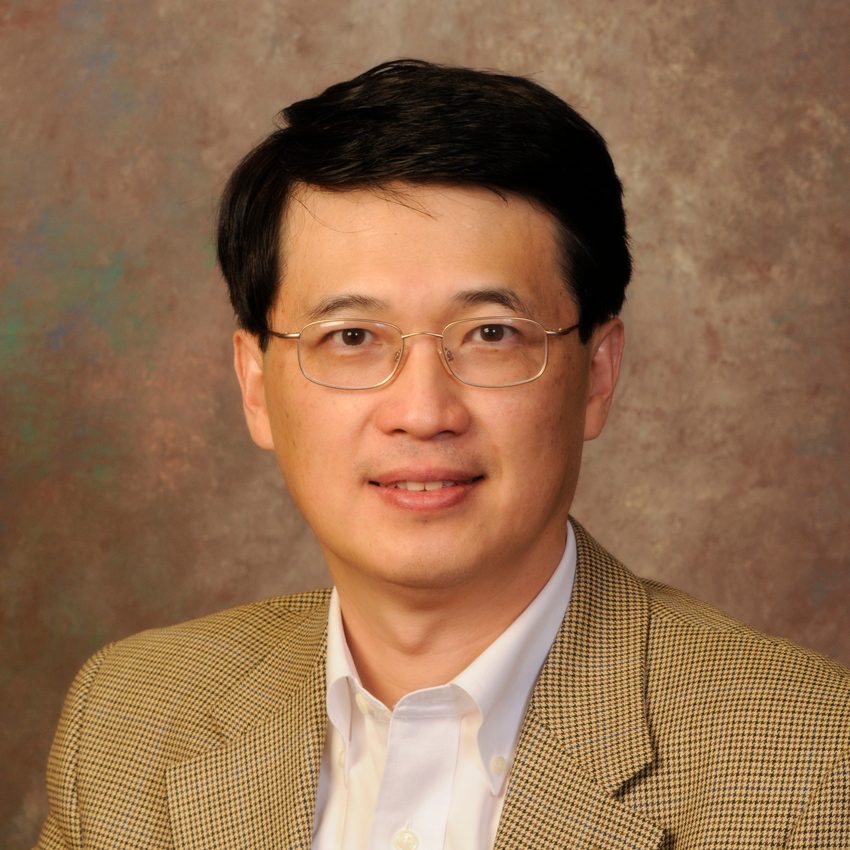
Cheng-Shun Richard Fang, PhD, RD, is an Associate Professor in the Department of Health Behavior & Nutrition Sciences at the University of Delaware's College of Health Sciences. His office is located in the Carpenter Sports Building, and he can be contacted via email or phone. Dr. Fang teaches multiple courses including NTDT200 (Nutrition Concepts), NTDT366 (Social Media and Nutrition), NTDT400 (Macronutrients), NTDT401 (Micronutrients), NTDT612 (Advanced Vitamin Metabolism), and NTDT631 (Advanced Micronutrient Metabolism). Dr. Fang's research focuses on leveraging technology to transform nutritional science. His primary interests include developing web-based dietary assessment tools, creating personalized digital nutrition education modules, and designing interventions for specific populations (e.g., college students, Asian Americans) to improve nutrient intakes. His work frequently addresses dietary fiber optimization and technology-mediated health behavior change. Dr. Fang's publications demonstrate a consistent focus on technology-driven nutrition solutions, population-specific interventions, and clinical nutrition applications. His research spans dietary assessment methodologies, educational effectiveness, micronutrient metabolism, and chronic disease prevention across diverse demographics including college students, elderly populations, and immigrant communities. Awards: Outstanding Delaware Dietitian Award (2008) He has led research projects funded by organizations including the College of Health Sciences and Produce for Better Health Foundation. His 2016 store tour training grant aimed to enhance community nutrition outreach. No information about supervised students or laboratory affiliations is provided.
John R. Seeley is a Professor and Associate Dean for Research at the University of Oregon's College of Education. He specializes in prevention science, special education, and school-based mental health interventions. His research focuses on emotional and behavioral disorders, suicide prevention, and substance abuse prevention. Dr. Seeley holds a PhD in Special Education (2001), an MS in Interdisciplinary Studies (1991), and a BS in Political Science (1985), all from the University of Oregon. His research interests emphasize school-based screening, prevention, and treatment for psychopathology. He leads a National Institute of Mental Health-funded study on adaptive treatments for suicidal college students and directs evaluations for Oregon's suicide prevention initiatives. He received the 2021-22 Fund for Faculty Excellence Award. Dr. Seeley is Principal Investigator (PI) or Co-PI on several grants, including studies on family-centered web programs for youth behavior and substance use prevention. His work bridges clinical research and policy, with a focus on scalable interventions. He advises the Ballmer Institute for Children’s Behavioral Health and collaborates with state agencies like the Oregon Health Authority. Grants: R01DA037628 (Family Check-Up Online), R01MH116050 (Suicide Intervention Trial), H79SM086285 (Oregon Project AWARE). Awards: 2021-22 Fund for Faculty Excellence Award. His publications span journals like Drug and Alcohol Dependence and Journal of School Psychology , reflecting contributions to prevention science and child mental health. He prioritizes equitable implementation of evidence-based practices in schools and communities.
Shaina Trevino, PhD, is a Researcher in the College of Education at the University of Oregon, affiliated with the HEDCO Institute for Evidence-Based Educational Practice and the Prevention Science Institute. She holds a PhD in Prevention Science with a specialization in educational data science and quantitative research methods. Her work focuses on data management, computational reproducibility, and privacy-preserving data publishing, particularly in studying intergenerational self-regulation, youth well-being, and violence prevention. Dr. Trevino’s education includes a PhD (2022) and MS (2018) in Prevention Science from the University of Oregon, and a BS in Psychology (2016) from Southern Oregon University. Her research integrates quantitative methodologies to address societal challenges, such as trauma assessment in families and evidence-based intervention design. Her research interests span prevention science, data science workflows, and bridging research-to-practice gaps. She develops dynamic research reports and interactive web apps to enhance accessibility of educational and preventive interventions. Key areas include early childhood emotion regulation, parent-child dynamics, and the impact of stress on developmental outcomes. Awards: 2022 Minority Travel Award (Society for Prevention Research) 2019 Doctoral Travel Award (University of Oregon) 2018-19 Promising Scholar Award (University of Oregon) Roles: Data science workflows for HEDCO Institute Statistical analysis and data management at the Prevention Science Institute Privacy-preserving data publishing methods Labs/Teams: Collaborates across interdisciplinary teams to advance prevention science and educational data applications.
Rachael Molitor is a Lecturer in Psychology at Coventry University, affiliated with the CAS School of Social Sciences & Humanities. Her research focuses on child development, behavioral sciences, and public health, with a particular emphasis on emotional eating in preschool children and home hazard prevention strategies for elderly populations. Her work explores the interplay between parental emotional regulation, feeding practices, and child emotional eating, as well as the development of technology-based interventions for falls prevention. She contributed as a Co-Investigator to the GP Alliance Phase 1 Pilot Study, which evaluated healthcare interventions. Key research interests include understanding mechanisms behind childhood obesity, parental influence on eating behaviors, and the design of effective home safety tools for at-risk groups. Her studies employ mixed-methods approaches, combining qualitative analysis with quantitative assessments. Molitor has published on topics ranging from systematic reviews of feeding practices to the implementation of web-based health apps. Her contributions bridge psychological theory with practical public health applications.
Birgitte Schoenmakers is a Professor at the KU Leuven Faculty of Medicine , affiliated with the Academic Center for General Practice within the Department of Public Health and Primary Care. Her work focuses on enhancing general practice training, improving healthcare accessibility, and addressing language barriers in unplanned care settings. Research interests include: Competency-based medical education (EPA implementation) Healthcare accessibility for diverse populations Mental health service barriers for migrants and refugees Impact of physician behavior on patient adherence Digital health equity and website usability Recent publications emphasize systems-level interventions in primary care, cross-cultural communication, and pandemic-related healthcare adaptations. Leadership roles include: Head of Support for General Practice Training Head of Academic Center for General Practice Program Director of POC General Practice
Susan Jean Carty is a Researcher at the University of Illinois, focusing on special education and individualized education programs (IEPs). Her work emphasizes teacher perspectives, professional development, and the application of web-based tools in decision-making processes. Research interests include improving IEP quality through standards alignment and technological interventions. Her studies explore how educators integrate professional development into practice and the efficacy of web-based tutorials for IEP decision-making. Publications highlight trends in special education policy, teacher training, and technology-assisted educational strategies. She has contributed to peer-reviewed journals such as the Journal of Special Education Leadership and Journal of Special Education .
Prof Pascale Guitera is a Professorial Research Fellow (0.5FTE) at the University of Sydney's Central Clinical School, Department of Dermatology. She leads the Sydney Melanoma Diagnostic Centre at Royal Prince Alfred Hospital and is a member of the Melanoma Institute Australia. Her work focuses on developing diagnostic tools for skin cancers, including tele-dermatology and AI applications, aiming to improve early detection and equity in specialist access. Education: PhD in 2010 from the Curie Institute in Paris. Key professional roles include leadership in the International Dermoscopy Society and Confocal Working Group. She has presented globally at Harvard, Sloan Kettering, and Oxford. Research Interests: Innovations in skin cancer imaging (e.g., confocal microscopy), melanoma clinical guidelines, and AI-driven dermatology. Her translational research has led to over 137 publications with 2,906 citations (H-index 27), including impactful studies on confocal microscopy reimbursement in the USA. Grants: Over $14M in funding since 2018, including a $600k Cancer Australia grant (2014 RADICAL trial) and $10M ACRF infrastructure grant (ACEMID). Awards include Premier’s Awards for Translational Cancer Research (2009, 2017) and a Wildfire Award (2013). Labs/Teams: Co-leads the Australian Centre of Excellence in Melanoma Imaging & Diagnosis (ACEMID). Active in national/international collaborations to advance diagnostic technologies.
Clinical Associate Professor Leena Gupta holds dual affiliations: she is part of the School of Public Health at the University of Sydney and serves as Clinical Director of Population Health and Director of Public Health within the Sydney Local Health District. Her work bridges academic research and applied public health practice, focusing on disease control, healthcare policy, and outbreak management. Her research interests emphasize infectious disease epidemiology , public health surveillance , and health disparities . She has conducted studies on rabies prophylaxis, influenza and pandemic preparedness in aged care facilities, and culturally sensitive outbreak responses. Her work frequently examines how socioeconomic factors and institutional practices influence healthcare outcomes. Recent articles highlight her exploration of technological solutions for outbreak detection (e.g., the FluCARE app) and pandemic response strategies. She also investigates vaccine effectiveness, foodborne illnesses, and health policy implementation. Her studies underscore the importance of integrating clinical practices with public health frameworks to address emerging threats. In grants, she led the Integrated Mental Health Atlas of Sydney Local Health District (2015), collaborating with experts to enhance mental health service coordination. Her advisory role includes leading interdisciplinary teams in public health interventions and outbreak investigations. Gupta’s contributions extend to managing public health units and directing interagency campaigns, such as those targeting culturally diverse communities during the COVID-19 pandemic. She is affiliated with the Sydney Local Health District Public Health Unit and actively involved in lab teams developing health applications and surveillance tools.
Deepa Sannidhi is an Associate Clinical Professor in the Department of Family Medicine and Public Health at the University of California San Diego (UCSD), affiliated with the School of Health Sciences. Her research focuses on lifestyle medicine, health promotion, and innovative healthcare delivery models. She has contributed to studies on virtual medical programs for obesity management, community-based interventions for aging populations, and the integration of positive psychology in healthcare systems. Her work emphasizes translational research, including pilot studies and curriculum development for web-based medical education. Notable research interests include food-as-medicine principles, walkable community design, and interdisciplinary approaches to preventive care. Collaborations with co-authors like Eduardo Grunvald, Gene Kallenberg, and James Sallis highlight her engagement with UCSD’s broader health sciences network. Dr. Sannidhi’s publications span nutrition, public health, and technology-driven healthcare solutions, reflecting her commitment to bridging clinical practice and population health.
Melissa Norberg is a Professor in the School of Psychological Sciences at Macquarie University , affiliated with the Lifespan Health and Wellbeing Research Centre. She is a registered psychologist with clinical endorsement and a board-approved supervisor. Her research focuses on anxiety, OCD, hoarding disorder, substance use, overconsumption, and exposure therapy. She has held leadership roles, including Director of the Centre for Emotional Health and National President of the Australian Association for Cognitive and Behaviour Therapy. Education: PhD in Clinical Psychology, University of Wisconsin-Milwaukee (2006) MS in Clinical Psychology, University of Wisconsin-Milwaukee (2002) BA in Psychology, University of Nebraska-Lincoln (1999) Research Interests: Dr. Norberg investigates hoarding disorder, object attachment, compulsive buying, and the psychological mechanisms underlying anxiety and substance use. She develops and evaluates interventions for these conditions, including digital tools and community programs. Recent Contributions: Recent work includes studies on cognitive restructuring in exposure therapy, brief hoarding assessment tools, and interventions to reduce overconsumption. Articles span behavioral addictions, clinical psychology, and digital health innovations. Awards: Highly Commended Finalist – Vice-Chancellor's Teaching Award (2022) NIDA International Program Travel Award (2013) UNSW Dean's Rising Star Award (2009) Advising & Grants: Supervises undergraduates and postgraduates, mentoring over 10 students in the last decade. Active in grant-funded projects, including digital interventions for mental health and hoarding disorder treatments. Labs & Teams: Leads research on object attachment and compulsive behaviors within the School of Psychological Sciences. Collaborates with Sydney Local Health District and other organizations on community mental health initiatives.