Ben Livshits is a Reader in Computing at Imperial College London's Department of Computing, part of the Faculty of Engineering. His research focuses on computation theory, computer software, and privacy-preserving technologies in blockchain systems. He holds a Ph.D. from Stanford University. Education: Ph.D. in Computer Science, Stanford University, 2007 Research Interests: Livshits specializes in cryptographic protocols for decentralized systems, ZK-Rollups optimization, MEV analysis, and privacy-enhancing technologies. His work bridges theoretical computer science with practical applications in blockchain scalability and security. Recent Research Trends: His 2024-2025 work emphasizes ZK-proof systems (e.g., zk-bench), MEV mitigation strategies, and formal foundations for rollups. He also explores community-driven verification (CrowdProve) and governance mechanisms for DeFi. Affiliations: He is affiliated with the Centre for Cryptocurrency Research and Engineering, contributing to interdisciplinary blockchain research. Grants & Labs: While specific grants are not listed, his work suggests involvement in Imperial's distributed systems and blockchain initiatives.
Geoffrey Ian Romeo is a former academic researcher affiliated with the Australian Catholic University (ACU), focusing on educational technology and teacher education. His work emphasizes integrating technology into teacher training programs, particularly in remote and rural settings. Key contributions include studies on TPACK (Technological Pedagogical Content Knowledge), web conferencing for pre-service teacher practicum, and the use of video technology for classroom observation and supervision. Research interests revolve around ICT applications in education, teacher professional development, and technology-mediated learning environments. Notable projects include the Teaching Teachers for the Future (TTF) initiative, exploring how technology enhances teacher education. Publications span journals like the Asia-Pacific Education Researcher and Australian Educational Computing , alongside conference proceedings and book chapters addressing challenges and innovations in educational technology. Romeo's articles highlight trends in leveraging technology to bridge geographic gaps in teacher training, evaluating interactive tools like web conferencing and video analysis, and rethinking educational practices through ICT integration. Despite no listed awards or grants, his work underscores practical and theoretical advancements in preparing educators for technology-rich classrooms.
Prof. Torsten Hiltmann is a Professor for Digital History at Humboldt University of Berlin (since 2020) and previously held roles such as Professor for Digital Humanities in History and Cultural Studies at the University of Münster (2013–2020). He specializes in Medieval History, Digital Humanities, and Heraldry, with a focus on the cultural and social dimensions of heraldic communication in medieval Europe. His research integrates digital methods, cultural history, and interdisciplinary collaboration. Education: PhD (cotutelle) in Medieval History from TU Dresden and EPHE Paris (2005), studies in Psychology and Philosophy. His research interests include the digital transformation of historical scholarship, medieval heraldic compendia, and the application of AI and semantic technologies to historical data. Key projects include the Digital Heraldry Ontology and contributions to the NFDI4Memory consortium. Publications span monographs like Spätmittelalterliche Heroldskompendien (2011) and numerous articles on digital methods, heraldry, and historical epistemology. Awards include the Dilthey Fellowship from Volkswagen Foundation (2013–2019). He leads initiatives such as the Interdisciplinary Center for Digitality at Humboldt University and serves on editorial boards like the Journal of Digital History . His work bridges traditional historical scholarship with cutting-edge digital methodologies.
Rense Corten is an Associate Professor of Sociology at Utrecht University's Faculty of Social and Behavioural Sciences. His work focuses on trust, cooperation, and social networks in contexts like the sharing economy, online criminal networks, and digital society. He holds a PhD in Social Sciences (2009) and MSc in Sociology (2004), both from Utrecht University. Key research areas include computational social sciences, experimental sociology, and the governance of digital systems. He has held academic positions since 2009, including a visiting scholar at Stanford University (2010–2011) and leadership roles in projects like the NWO Vidi grant-funded study on trust in the sharing economy. His research explores how social networks influence behavior in contexts such as peer-to-peer markets, social media, and citizen collectives. Notable contributions include studies on reputation systems in cryptomarkets and the role of social cohesion in care initiatives. Awards include the NWO Vidi grant (2016). He is affiliated with research groups like the Dynamics of Youth (DoY) and the Utrecht Platform for Applied Data Science.
Deborah Agostino is an Associate Professor of Management Accounting at Politecnico di Milano and a core faculty member at Polimi Graduate School of Management. She teaches financial and management accounting in executive and post-graduate courses and serves on the scientific committee of the EIASM Public Sector Conference. Her research focuses on performance measurement and digital innovation in public sector and cultural institutions. Education: PhD in Management Economics and Industrial Engineering, Politecnico di Milano Master of Science in Management Engineering, Politecnico di Milano Her research explores digital technologies' impact on management accounting, particularly social media integration into performance measurement systems of cultural institutions. She investigates challenges in digital transformation and data-driven decision-making in public organizations. Key trends in her publications include digital innovation in museums, crisis management during pandemics, and big data applications in cultural sectors. Her work emphasizes online engagement tools, hybrid organizational governance, and social media's role in public accountability. Scientific Awards: Highly cited research in Public Relations Review for 'Using social media to engage citizens: A study of Italian municipalities' Deborah contributes to academic courses in accounting, finance, and heritage management. She leads the REMAPS Research Group (www.remaps.polimi.it), focusing on digital transformation in public and cultural sectors.
Marianne Junger is a Full Professor in the Department of Industrial Engineering & Business Information Systems. Her research focuses on cybercrime, ransomware, phishing, and cybersecurity policy. She has published extensively on topics such as attacker behavior in dark web forums, ransomware economics, and fraud victimization factors. Her work bridges criminology and cybersecurity, analyzing crime scripts, victim profiles, and law enforcement strategies. Key research interests include: Cybercriminal communication platforms Ransomware negotiation tactics and profitability Phishing adaptation during crises Victim reporting behavior and fraud awareness Cybercrime coordination models Recent articles analyze ransomware attack economics, dark web forum user behavior, and victim deception dynamics. Over 140+ publications span conference proceedings, journals, and datasets like the ransomware attack analysis in Zenodo. Active collaborations include global cybercrime studies and law enforcement intervention evaluations. Media contributions include discussions on European cybercrime prevalence. Her work informs cybersecurity policy through empirical social science frameworks.
Professor Andrew Allen is affiliated with the Integrative Oceanography Division at Scripps Institution of Oceanography, UC San Diego. His research focuses on ecological and comparative genomics of marine phytoplankton, genome evolution, and systems biology of microalgae. He investigates carbon/nitrogen/micronutrient ecophysiology and biogeochemical cycles. Education: B.A. in Biology and English, Vassar College PhD in Ecology, University of Georgia Research Interests: Marine microbial genomics & metabolic evolution Phytoplankton biofuel potential Polar/polar ecology interactions Coastal ocean biogeochemistry Affiliations: Scripps Institution of Oceanography faculty member No scientific awards or grants were explicitly listed in the provided text. His work emphasizes marine microbiology's role in global biogeochemical cycles and algal bioenergy applications.
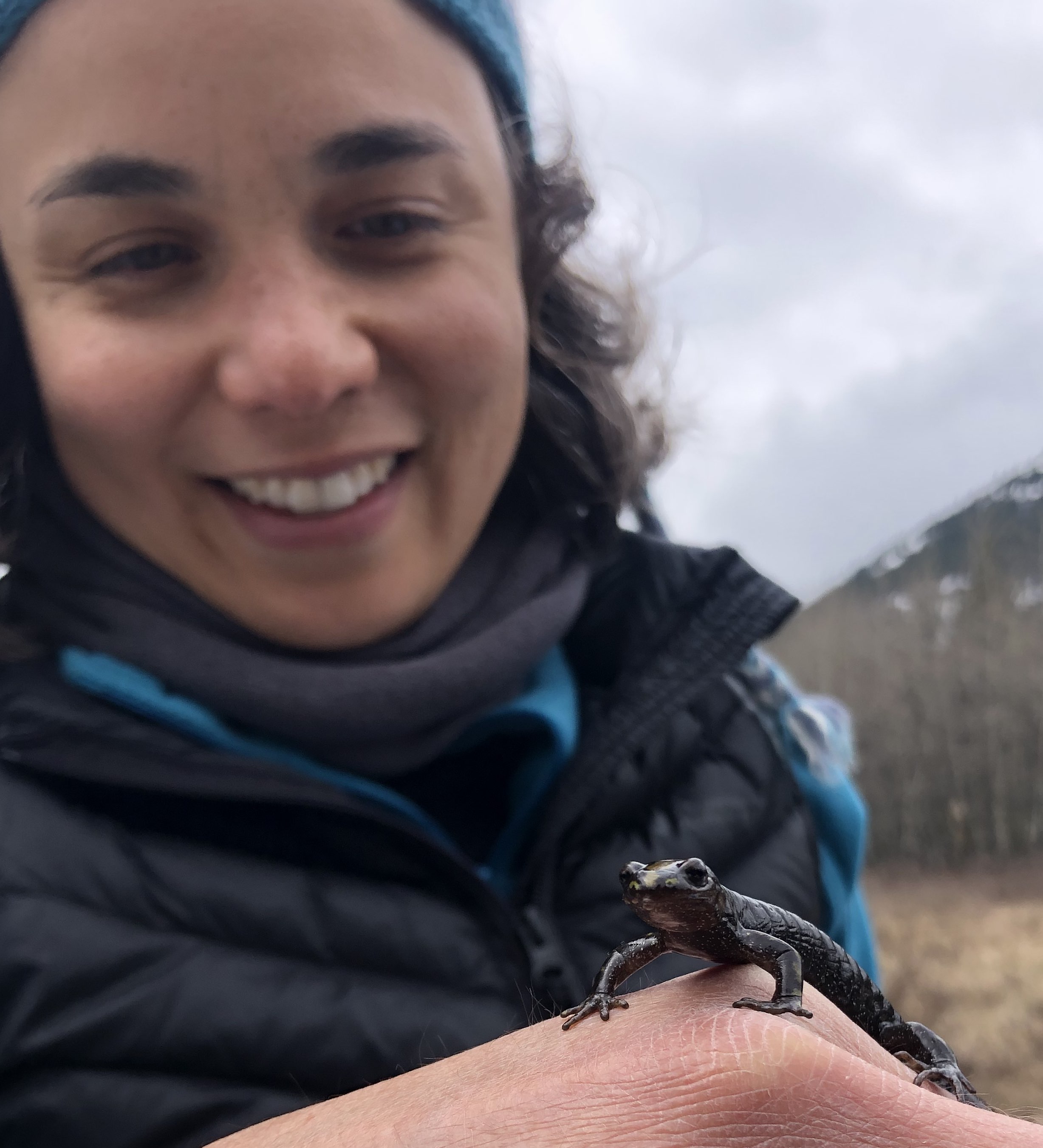
Julie Lee-Yaw is an Assistant Professor in the Department of Biology at the University of Ottawa's Faculty of Science. Her research focuses on evolutionary ecology, global change biology, and conservation, particularly examining eco-evolutionary dynamics of species ranges. She leads the Lee-Yaw Lab, which integrates field surveys, GIS modeling, population genomics, and synthesis methods to study species' adaptability in marginal environments. The lab emphasizes amphibians as key study organisms due to their sensitivity to environmental changes. Her work addresses critical questions about how species respond to climate change, habitat fragmentation, and human-induced pressures. Recent studies have explored species distribution models' reliability, translocation strategies for conservation, and latitudinal gradients in ecological interactions. Lee-Yaw collaborates across disciplines to bridge theoretical and applied conservation science, with a focus on informing policy and management decisions. Key research themes include understanding the genetic and ecological mechanisms underlying range limits, predicting species' responses to global change, and developing tools for conservation translocations. Her lab also investigates hybrid fitness in migratory divides and mitonuclear coevolution in avian species complexes, highlighting evolutionary processes shaping biodiversity. Education: Ph.D. in Evolutionary Biology (not specified), postdoctoral training in conservation ecology. Labs/Teams: Lee-Yaw Lab at University of Ottawa, affiliated with conservation networks and ecological modeling initiatives. Grants/Support: Not explicitly listed in provided texts, but implied through active research output.
Elissa A Hallem is a Professor in the Department of Microbiology, Immunology, and Molecular Genetics at the David Geffen School of Medicine, University of California, Los Angeles (UCLA) . Her research lies at the intersection of neurobiology and parasitology , focusing on the sensory neural circuits that drive host-seeking behavior in skin-penetrating nematodes like Strongyloides stercoralis , a human-parasitic worm. She also investigates chemosensation , host-pathogen interactions , and sensory plasticity using both parasitic nematodes and the free-living Caenorhabditis elegans as comparative models. Education BA in Biology and Chemistry from Williams College (1999) PhD in Neuroscience from Yale University (2005) Postdoctoral training in Biology at Caltech (2010) Research Focus Her work addresses fundamental questions about how sensory circuits enable parasitic worms to detect and infect hosts. Key findings reveal the neural basis of heat seeking , chemosensory valence , and experience-dependent plasticity in nematodes. She has developed genetic tools for Strongyloides and studies steroid hormone pathways in Pristionchus pacificus . Scientific Awards 2023: UCLA Life Sciences Excellence in Research Award 2020: UCLA Faculty Mentor Award 2016: HHMI Faculty Scholar Award 2015: Burroughs-Wellcome Fund Investigators in the Pathogenesis of Disease Award 2014: NIH Director's New Innovator Award 2012: MacArthur Fellowship 2011: Rita Allen Foundation Fellowship Lab Overview The Hallem Lab at UCLA emphasizes inclusive research and tool development for parasitic nematode studies, aiming to uncover novel strategies for preventing infections through understanding sensory-driven parasitic mechanisms.
Niamh Moore is a Senior Lecturer in Sociology at the School of Social and Political Science, University of Edinburgh. Her work spans multiple interdisciplinary fields including ecofeminism, feminist theory, research ethics, and sustainability studies. She is actively involved in community-based participatory research and has established herself as a leading scholar in more-than-human research approaches. Moore's research interests center on 're-visioning' an eco/feminist politics of sustainability through three interrelated foci: (i) sustaining a more-than-human world, (ii) sustaining research and research data, and (iii) sustaining communities and movements (feminism). Her holistic approach links environmental sustainability with human and non-human health and well-being, exploring how research practices might be reworked to sustain a more-than-human world. She has particular expertise in ecofeminism, feminist theory, ethics and research practices, sustainability, women's movements, archives, research methodology, oral history, community-based participatory research, queer theory, interdisciplinary research, transdisciplinary research, and narrative research. Moore has supervised numerous PhD students, both current and completed, reflecting her commitment to mentoring the next generation of scholars. Her current PhD students include Thalia Assan, Nyrema Baptiste, Lara Bochman, Ruth Griggs, Emma Grove, Nuria Lopez Vazquez, Andy Marks, Tara Peggram, and Claire Perier. Her completed PhD students include Katherine Baxter, Shelly Coyne, Martina Karels, Maggie Morrison, Nathalia Salamanca Sarmiento, and Laura Wright. She is keen to supervise students interested in ecofeminism, feminist histories, queer studies, community food growing, sustainability, activism, grassroots and community archives, as well as those with interests in methodologies including oral history, archival research, visual methods, community-based participatory research, and more-than-human approaches to research. Her recent publications show a clear trajectory toward innovative approaches to data ethics and archiving, particularly through her ESRC-funded project 'Reanimating Data: Experiments with people, places, archives' and the 'Clayoquot Lives: An Ecofeminist Story Web' open dataset. Moore's work increasingly focuses on DIY academic archiving, inventive ethics of care, and rematriating feminist research, reflecting her commitment to unsettling traditional research practices and creating more ethical, community-centered knowledge production. Clayoquot Lives: An Ecofeminist Story Web - an open access online archive including 30 oral history interviews Reanimating Data: Experiments with people, places, archives - ESRC-funded project The WRAP project - focusing on rematriating feminist research
Dr. Kevin Dillon is an Associate Professor at the University of Southern Mississippi (USM) in the Division of Coastal Sciences within the School of Ocean Science and Engineering. His primary affiliation is at the Gulf Coast Research Laboratory in Ocean Springs, Mississippi. He holds a PhD in Groundwater Hydrology from Florida State University (2003), an MS in Chemical Oceanography from the same institution (1998), and a BS from the University of West Florida (1991). Dr. Dillon's research focuses on marine biogeochemistry, food web dynamics, and groundwater hydrology. He specializes in using stable isotopes to investigate nutrient cycling, trophic interactions in coastal ecosystems, and the impact of human activities such as nutrient pollution and artificial reefs. His work includes studies on restored wetlands, Sargassum communities, and the effects of riverine inputs on coastal acidification and nutrient dynamics. He teaches courses such as Coastal Processes I, Stable Isotope Ecology, Water Quality, and Microbial Oceanography. His recent publications (2019–2025) emphasize trophic dynamics in Gulf of Mexico ecosystems, artificial reef impacts, and biogeochemical responses to altered freshwater flows. Notable studies include assessments of red snapper ecology, sargassum-associated juvenile fish trophic interactions, and the role of stable isotopes in quantifying ecosystem processes. No scientific awards are explicitly mentioned in the provided texts. His advising and grants are not detailed here, but his research has received support from institutions like the Mississippi Water Resources Research Institute and USGS. He is actively involved in coastal conservation and restoration projects, though specific lab affiliations are not listed.
Dr. Mohamed Aturban is an Assistant Professor at the Robert W. Plaster School of Business at Columbia College. He holds a B.S. in Computer Science from the University of Tripoli (Libya), an M.S. from New Mexico State University (2011), and a Ph.D. from Old Dominion University (2020). His research focuses on web archiving, cybersecurity, and digital preservation, with notable contributions to frameworks for verifying fixity of archived web resources and the development of ArchiveNow, which earned a Best Poster Award at JCDL 2018. He collaborates with institutions like Los Alamos National Lab and has expertise in web preservation and data integrity. Education: B.S., Computer Science, University of Tripoli M.S., Computer Science, New Mexico State University Ph.D., Computer Science, Old Dominion University Dr. Aturban's research emphasizes the challenges of maintaining data integrity in web archives, including hash function limitations, timestamping barriers, and scalability. His work bridges theoretical computer science with practical tools like ArchiveNow, which simplifies multi-archive preservation. He has also explored high-fidelity simulations of particle beam dynamics in colliders, leveraging GPU acceleration for long-term modeling. His awards include the Best Poster Award at JCDL 2018 for ArchiveNow. Courses taught at Columbia College include Python Programming, Java Programming, and Compiler Construction. He actively contributes to the academic community through publications in venues like JCDL and collaborations on projects with national labs and libraries.
Steve Thomas is a Professor in the Department of Biological Sciences at the University of Alabama. He is actively accepting graduate students and focuses on functional attributes of stream ecosystems, community composition effects, and interactions between ecosystem and evolutionary processes. His research spans nutrient dynamics, material transport, and management impacts in aquatic systems, with recent expansions into microbiome interactions and stoichiometry databases. Current funded projects include ecological impacts of urban/agricultural nutrient loading, microbiome functional roles, and large-scale ecological pattern analysis. Research interests emphasize both basic and applied questions in freshwater ecology, including: Longitudinal connectivity in stream networks Nutrient spiraling and bioactive layer processes Ecological consequences of land-use changes Hydropower impacts in tropical river systems Food web dynamics and methodological innovations Recent work highlights interdisciplinary approaches combining field experiments with advanced sensor technologies, particularly in tropical rainforest streams and agricultural-impacted systems. Collaborative projects involve global researchers addressing large-scale ecological patterns and conservation challenges. Current projects include: Stoichiometry database development for cross-scale ecological analysis Nutrient sensor networks quantifying urban/agricultural loading Trophic web reconstruction using isotope tracer experiments
Dr Naomi Wells is a Senior Lecturer in Italian and Spanish with Digital Humanities and Deputy Director of the Digital Humanities Research Hub at the School of Advanced Study, University of London. She holds a PhD in Modern Languages (Leeds 2013) and a PGCert in Learning and Teaching in Higher Education (University of London 2020). Her research focuses on digital humanities, multilingualism, and migration, with a focus on online communities and social media analysis. She has conducted fieldwork across Europe and South America, examining language policies and cultural practices in transnational contexts. Education: BA Spanish and Italian (Leeds, 2007) MA by Research (Leeds, 2009) PhD (Leeds, 2013) PGCert in Learning and Teaching in Higher Education (University of London, 2020) Research Interests: Digital Humanities, applied sociolinguistics, migration studies, online multilingualism, and cultural memory. Her work bridges digital ethnography, discourse analysis, and transcultural studies, with a particular focus on Spanish- and Italian-speaking communities. Recent projects include analyzing diasporic digital archives and social media practices among Middle Eastern and Latin American communities in London. Grants & Projects: Lead Investigator: "Digital Diasporic Belonging" (British Academy, £3,950) Co-Investigator: "Building a Transnational Community of Practice" (British Academy) Postdoctoral Research Associate: "Cross-Language Dynamics: Reshaping Community" (2017–2020) Supervision: Current PhD topics include Italian identity in the Eastern Adriatic, intangible cultural heritage translation, and language acquisition through artivism. She actively supervises projects at the intersection of digital humanities and modern languages. Affiliations: Member of the University of London's Academic Board, AHRC Peer Review College, and series editor for Transnational Modern Languages (Liverpool University Press). She co-edits the Digital Modern Languages section of Modern Languages Open .
Dr. Eike Schneiders is a Lecturer at the School of Electronics and Computer Science, University of Southampton. He holds a PhD in Computer Science from Aalborg University and is a recipient of the UKRI Trustworthy Autonomous Systems Hub Early Career Researcher Award. His research focuses on autonomous and AI-infused systems, investigating how to ensure their trustworthiness and responsible interaction with humans and other agents through interdisciplinary collaborations across art, law, and medicine. His recent work explores the societal impact of Generative AI, particularly examining its influence on legal services accessibility for non-experts through the REGALS project (Principal Investigator) and its effects on creative communities via the ART-I project (Co-Investigator). Dr. Schneiders emphasizes public engagement to enhance AI literacy and employs both qualitative and quantitative methods to study human-computer interaction and ethical implications. Dr. Schneiders teaches courses including COMP6251 (Web and Cloud Application Development), ELEC6259 (Research Methods and Project Preparation), and ELEC6200 (Group Design Project). His pedagogical approach integrates foundational technical skills with critical research methodologies. He has led several interdisciplinary projects including ARTificial Intelligence: Show Me a Story about AI (ART-I) and Responsible Employment of Generative AI for Legal Services (REGALS), and contributes to the Agents, Interaction and Complexity research group. His Cat Royale project received the 2024 Webby Award for Best Integrated Experience. Honors include the Best Paper Award at ACM CHI 2024, multiple Honourable Mentions at CHI and TAS Symposiums, and membership in the Foundation for Science and Technology's Future Leaders Programme.