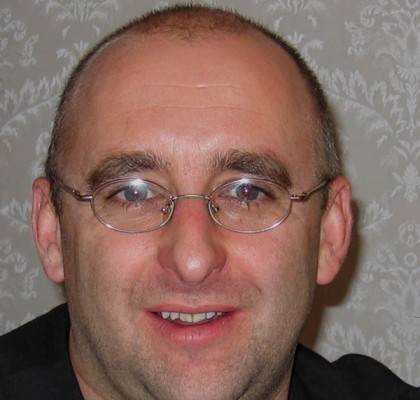
Dr. Avgoustis Avgousti is a Senior Research and Technical Scientist at The Cyprus Institute's Science and Technology in Archaeology and Culture Research Center (STARC). He specializes in Research Software Engineering for Digital Humanities and Digital Cultural Heritage Informatics. With over 13 years at STARC, he leads digital transformation initiatives, focusing on advanced computational tools and methodologies to bridge technology and cultural heritage. Originally based in New York City, Dr. Avgousti completed a Postdoctoral Fellowship at the National Center for Supercomputing Applications (NCSA) at the University of Illinois Urbana-Champaign, where he contributed to software engineering and cultural heritage research. His expertise spans Big Data applications, semantic web technologies, and digital accessibility for cultural heritage institutions. His research interests emphasize democratizing access to small museum collections through platforms like CyprusArk, semantic content models, and interoperable digital systems. He advocates for reusable frameworks that empower non-technical scholars and small institutions. As a former college lecturer, he prioritizes education and mentorship in digital heritage. Dr. Avgousti’s work addresses challenges in digitizing archaeological and historical datasets, integrating computational methods into heritage preservation, and fostering international collaboration in cultural informatics. His projects often involve building web-based systems for data aggregation and public dissemination.
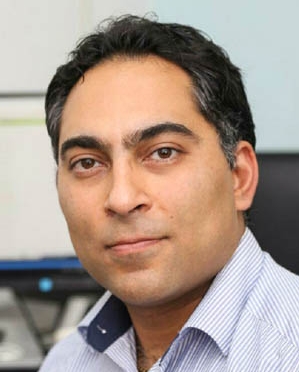
Assoc. Prof. Dr. Wayne FULLER is a faculty member at Near East University's Faculty of Veterinary Medicine, Department of Genetics. He earned his BSc in Zoology from the University of Oxford before pursuing doctoral research at Exeter Universities' Centre for Ecology and Conservation in North Cyprus. Specializing in Mediterranean marine turtle conservation and ecology, his work spans climate change impacts, plastic pollution, and stable isotope applications. Education: BSc in Zoology, PhD in Marine Ecology Current Roles: Head of Department of Genetics, Near East University Key Projects: IUCN Marine Turtle Specialist Group (2017-present), EU Nature 2000 implementation in Cyprus (2008) His recent research explores phenological shifts in sea turtle offspring under climate change, macroplastic ingestion patterns, and avian conservation in Mediterranean forests. Publications emphasize ecological monitoring, habitat connectivity, and conservation technology applications like GPS and stable isotopes. Scientific recognition includes: Member of IUCN Marine Turtle Specialist Group
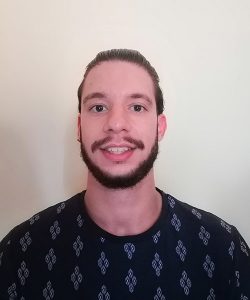
Prof. Nearchos Paspallis is the Head of the School of Sciences and Professor in Mobile and Distributed Systems at UCLan Cyprus. He holds a PhD in Computer Science from the University of Cyprus (2010) and has extensive academic leadership roles, including Deputy Head of School (2020–2022) and Chair of the Teaching and Learning Enhancement Committee (2018–2023). His teaching responsibilities include leading the BSc (Hons) Computing program and delivering modules on software development, mobile computing, and algorithms. Education: PhD Computer Science (University of Cyprus, 2010), MSc Computer Science (University of California, 2002), BEng/MEng Computer Engineering and Informatics (University of Patras, 2001). His research focuses on software engineering , distributed systems , and mobile computing , with recent work on machine learning applications, context-aware systems, and computer science education. He has pioneered initiatives like Code Cyprus to inspire youth in coding and co-led EU-funded projects such as WIDERa (€4.2M) and MentorME (€296K). Key Awards: Shortlisted for 2024 Outstanding Contribution award, Best Paper (2016), Fulbright Scholarship (2001). Prof. Paspallis has supervised multiple research projects, including a PhD on MMOG backend architectures. His outreach efforts extend to judging hackathons and robotics competitions, emphasizing STEM engagement.
Dr. Mohammed Ziad ALTOBEL is a Lecturer in Software Engineering at the College of Engineering, Near East University. His research and teaching focus on software development, programming, and systems design. He can be contacted via email at mohamadziad.altobel@neu.edu.tr.
Yrd. Doç. Dr. Shahin Mehdipour Ataee is an Assistant Professor in the Department of Computer Engineering at the Faculty of Engineering, Final University. His research focuses on semantic web services choreography, logic programming, and formal methods in computer engineering. He holds a PhD in Computer Engineering from Eastern Mediterranean University (2018), an MSc in Software Engineering from Qazvin Azad University (2010), and a BSc in Computer Engineering from Mazandaran University of Science and Technology (2006). His work emphasizes the application of abstract state machines (ASM) and F-Logic to solve complex problems in service-oriented architectures. Notable contributions include developing algorithms for semantic web service composition and applying logic-based frameworks like Flora-2 to AI challenges such as the Wumpus World. His research also extends to video analysis for periodic activity detection. No scientific awards or grants explicitly listed in the provided information. His academic profile includes a strong focus on both theoretical advancements and practical implementations in computer science domains. Currently affiliated with Final University’s Faculty of Engineering, his educational background spans multiple institutions across different countries, reflecting a global academic trajectory. No specific labs or teams are mentioned in the current data.
Assist. Prof. Polyvios Eleftheriou holds a position at the Department of Mechanical Engineering and Materials Science and Engineering at Cyprus University of Technology since 2008. Previously, he served as Assistant Professor at Tennessee Tech University (1987-88) and lecturer at HTI-Nicosia (1988-2005). His academic journey includes roles in the Ministry of Interior (2005-2008). He holds a PhD (1987), MS (1984), and BSME (1982) from Tennessee Tech University, alongside a Diploma from HTI (1979). His research focuses on renewable energy systems, particularly solar technology, materials science, and nanotechnology applications. He pioneered work on perovskite solar cells, surface engineering for energy devices, and energy-efficient building design. His work also extends to biomedical engineering, including stent material analysis and inflammatory response studies. Prof. Eleftheriou has extensively contributed to educational technology, developing remote solar energy laboratories for e-learning. Notable projects include the Solar E-Lab platform enabling real-world experimentation over the internet. His publications span over three decades, addressing topics from HVAC fan optimization (1987) to cutting-edge nanomaterials (2021). His work emphasizes interdisciplinary approaches, blending engineering with environmental and biomedical applications. Current research trends include improving solar cell efficiency through novel materials and advancing sustainable building design in Mediterranean climates.
Prof. Dr. SEVİNÇ TAŞTAN serves as Department Head of Nursing at Eastern Mediterranean University's Faculty of Health Sciences in Northern Cyprus. With over two decades of academic and clinical experience, she has established herself as a leading scholar in nursing education, surgical nursing, and patient care. Her leadership extends across multiple research domains and educational initiatives within the nursing discipline. PhD in Surgical Nursing from Gülhane Military Medical Academy (2005) MA in Nursing from Dokuz Eylül University (1999) BA in Nursing from Gülhane Military Medical Academy (1993) Professor Taştan's research spans multiple critical areas of contemporary nursing practice, with significant contributions to surgical nursing, geriatric care, disaster preparedness, and nursing education methodologies. Her work demonstrates particular expertise in developing and evaluating innovative educational approaches for nursing students and practitioners. She has pioneered research on the application of simulation techniques, flipped classroom models, and technology-enhanced learning in nursing education, while maintaining strong clinical connections through studies on patient outcomes in cardiac surgery, bariatric care, and chronic disease management. Her recent work increasingly focuses on mental health aspects of nursing practice and patient care. Analysis of Professor Taştan's publication record reveals a sustained trajectory of high-impact research across multiple nursing subdisciplines. Her work consistently appears in SCI and SSCI-indexed journals, demonstrating methodological rigor through numerous randomized controlled trials and cross-sectional studies. A notable pattern shows her evolving focus from foundational surgical nursing research toward broader applications in nursing education, geriatric care, and mental health integration. Her recent publications particularly emphasize innovative educational methodologies, disaster preparedness, and quality-of-life outcomes across diverse patient populations. 18. Nöroşirürji Hemşireliği Kongresi, Sözlü Bildiri Birincilik Ödülü (2024) Multiple EMU Research Incentive Awards (2018, 2020, 2021) 15. Cerrahi Hemşireliği Kongresi, Sözlü Bildiri İkincilik Ödülü (2016) Multiple GATA Askeri Sağlık Bilimleri Üçüncülük Ödülleri (2006-2015) Professor Taştan has supervised numerous graduate students through their thesis work, including PhD candidates like ÖZLEM AYDOĞDU (2023) and multiple master's students researching diverse aspects of nursing practice. Her mentorship extends to ongoing supervision of students examining professional commitment among surgical nurses, occupational error tendencies, and aromatherapy applications in medical procedures. Her research has attracted significant institutional support, evidenced by multiple EMU Research Incentive Awards recognizing the quality and impact of her scholarly contributions. She has also contributed to major collaborative research projects focused on surgical pathways, medication use, and standardized nursing terminologies. While specific laboratory affiliations aren't explicitly detailed in the available information, Professor Taştan's work is closely connected to clinical settings including cardiac surgery units, rehabilitation facilities, and community health contexts. Her research often involves collaboration with multidisciplinary teams across Eastern Mediterranean University's health science faculties and clinical partners in Northern Cyprus. She has been instrumental in developing educational simulation approaches that likely utilize campus-based simulation laboratories for nursing education.
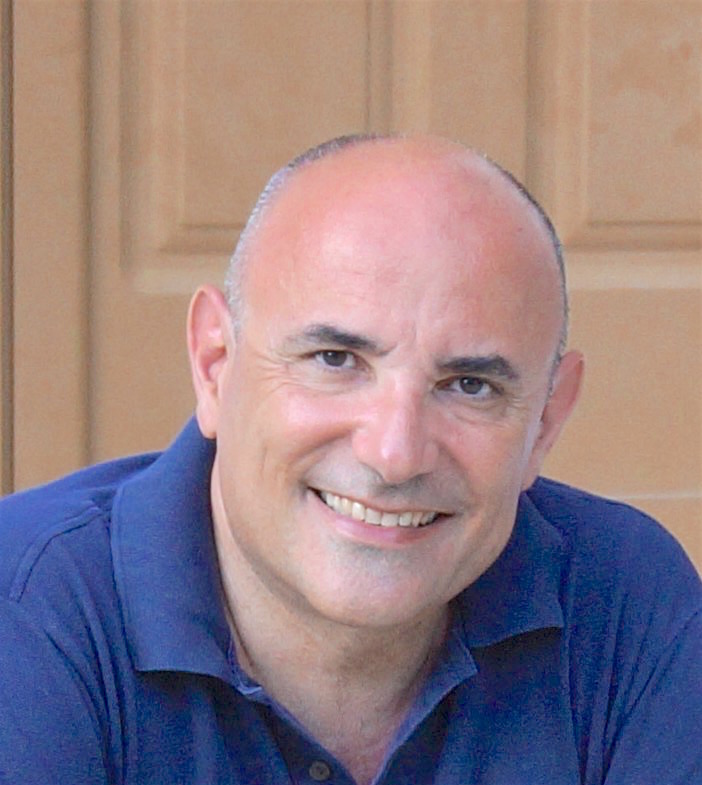
Georgios Papaioannou holds concurrent academic appointments as Adjunct Professor at European University Cyprus and Associate Professor in Museum Studies at Ionian University. He has extensive experience in cultural heritage management, including roles as Director of multiple museums such as the Museum at the Lowest Place on Earth and the New Museum of Leukas. With a PhD in Humanities & IT Applications from King's College London (2005), his expertise spans museum digitization, archaeological IT applications, and cultural policy innovation. Key projects include the Museum Big Data initiative funded by Qatar Foundation and the cross-border tourism information system under the INTERREG IV program. Education: PhD (Humanities & IT applications), King's College London (2005) Ptychion (BA) in History & Archaeology, University of Ioannina (1996) MA in Archaeology, UCL Institute of Archaeology (1998) His research focuses on leveraging technology to enhance museum accessibility and cultural heritage preservation. Notable achievements include co-directing major archaeological museum projects in Jordan and Qatar, and leading the translation of the GLAM Lab initiative into Greek. He actively contributes to academic councils such as the European Museum Academy and the Hellenic Society for Near Eastern Studies. Current roles include coordinating research projects like the Museology Research Laboratory at Ionian University and advising on cultural heritage digitization strategies. His exhibitions portfolio includes innovative installations exploring topics from ancient plant medicine to modern museum visitor psychology.
Antonis Savva is an Associate Lecturer in Computing at the University of Central Lancashire Cyprus (UCLan Cyprus), holding a BSc in Computing (Software Development) from Leeds Metropolitan University (2008) and multiple Microsoft certifications including MCSD and MCT. He concurrently serves as a Software Developer at Prevention at Sea since 2017 and has industry experience with firms like Axios Systems and Magneta Technologies. His teaching responsibilities include leading modules such as Web Application Development (MSc), Interactive Applications (BSc), Web Development, and Data Driven Applications in BSc programs. Qualifications: BSc Computing (2008), Microsoft Certifications (MCSD, MCT, MCPS, MCSA, MS) Professional Roles: Software Developer (Prevention at Sea), Associate Lecturer (UCLan Cyprus) Affiliations: Microsoft Certified Trainer, Member of Professional Bodies His expertise bridges academia and industry, focusing on practical software development and web technologies. No specific research awards or grants are listed, but his industry collaborations reflect applied technical proficiency.
Asst. Prof. Alper Doğanalp holds a Ph.D. in Electrical and Electronic Engineering from Eastern Mediterranean University (EMU) and has been affiliated with EMU since 1990. He currently serves as an Assistant Professor in the Electric and Electronic Technology Department within the School of Computing and Technology. His roles include teaching courses such as Architecture and Hardware (ITEC582), Industrial Electronics (ITEC424), and Circuit Analysis (EENG224). He previously served as Vice Director of the School of Computing and Technology for two years. Education: B.Sc. (Honors) in Electrical and Electronic Engineering, Higher Technological Institute (now EMU), 1985 M.Sc. in Electrical Engineering, Technical University of Istanbul, 1988 Ph.D. in Electrical Engineering, Eastern Mediterranean University, 2003 Research Interests: Supervisory control theory, linear/nonlinear systems control, power electronics, programmable logic controllers (PLCs), and computer architecture. He has developed laboratory instruments and manuals for electronics and industrial electronics courses at EMU, supervising over 50 industrial projects. Service Roles: Associate Editor (unspecified journal/conference) Session Chair and Reviewer for academic conferences Member of the Chamber of Electrical Engineers in Northern Cyprus Grants & Advising: Supervised numerous master's theses and contributes to academic governance through administrative duties and thesis committee memberships. Labs/Teams: Involved in laboratory development for electronics and industrial electronics coursework, emphasizing hands-on experimentation.
Nicos Papadouri is a Software Engineer and Researcher at the KIOS Research and Innovation Center of Excellence, affiliated with the University of Cyprus . He holds a B.Sc. in Computer Science and a minor in Biomedical Engineering from the University of Cyprus (2020). Education: B.Sc. in Computer Science, University of Cyprus (2020) Minor in Biomedical Engineering, University of Cyprus (2020) His research and engineering work focuses on biomedical engineering , machine learning , and the development of web and mobile applications . He has applied these interests in practical projects like his cognitive assistant Android application for elderly users. Professional Affiliation: KIOS Research and Innovation Center of Excellence, University of Cyprus
Elias Athanasopoulos is an Associate Professor in the Department of Computer Science at the University of Cyprus. His research focuses on systems security and privacy, with particular emphasis on web application security, hardware-based defenses, and privacy-preserving technologies. He holds a Ph.D. in Computer Science from the University of Crete (2011) and a BSc in Physics from the University of Athens (2005). Prior to joining the University of Cyprus, he served as an Assistant Professor at Vrije Universiteit Amsterdam. His work has been recognized with awards such as the Best Paper Award at IEEE European Symposium on Security and Privacy 2020 and the DCSR Best Paper Award at the 23rd USENIX Security Symposium. His research spans topics including fuzzing frameworks, adversarial machine learning, and network security. Elias has published extensively in top-tier conferences like IEEE Security & Privacy, ACM CCS, and Usenix Security. His contributions include practical solutions like Lethe for data breach detection and auth.js for advanced web authentication. He has also held fellowships at Columbia University (Marie Curie) and collaborated with organizations like Microsoft Research and FORTH. His teaching and research interests integrate theoretical and applied aspects of security, emphasizing real-world impact. Current projects explore vulnerabilities in modern systems and developing robust defenses against emerging threats.
Marios D. Dikaiakos is Professor of Computer Science at the University of Cyprus where he serves as the Founding Director of the Laboratory for Internet Computing. He previously served as founding Director of the Center for Entrepreneurship (2015-2021) and Head of the Computer Science Department (2010-2014). His academic journey includes a Ph.D. from Princeton University (1994) and a Dipl.-Ing. from the National Technical University of Athens (1988). Dr. Dikaiakos' educational background: Ph.D. in Computer Science from Princeton University (1994) M.A. degree from Princeton University (1991) Dipl.-Ing. degree from National Technical University of Athens (summa cum laude, 1988) His research spans Internet Computing with a focus on Cloud Computing, Online Social Networks, and Vehicular Computing. Recent work explores Edge Computing, Fog Computing, and AI applications in entrepreneurship and social media analysis. His interdisciplinary approach combines technical computing expertise with insights into human behavior and business applications, particularly examining how technology influences entrepreneurship, polarization, and misinformation detection. His recent publications reveal a strong trend toward energy-efficient computing, AI-driven social media analysis, and the intersection of computing with entrepreneurship. The work spans technical domains like Edge and Fog Computing while addressing societal challenges including misinformation detection, polarization analysis, and sustainable computing practices. Many publications demonstrate collaborative research across computer science subfields. Dr. Dikaiakos has received several prestigious awards: Best paper award of the 14th IEEE CloudCom conference (2023) Best student paper award for BenchPilot (2022) Best paper award for 5G-Slicer (2022) Best Demo Award at the ACM/IEEE Symposium on Edge Computing (2020) As an academic advisor, Dr. Dikaiakos has successfully guided PhD students including Demetris Paschalides (2024) and Moysis Symeonidis (2022). He has been principal or co-principal investigator for 25 projects funded by the European Union and the Research Promotion Foundation of Cyprus. His service includes editorial roles at ACM Computing Surveys and Computing journals, and leadership positions in major conferences like EuroPar 2023 and CCGrid 2019. Dr. Dikaiakos founded and directs the Laboratory for Internet Computing at the University of Cyprus, which focuses on cutting-edge research in distributed systems, cloud and edge computing, and social network analysis. The lab has developed multiple research software systems released internationally and maintains active collaborations with institutions across Europe. Current projects address challenges in energy-aware computing, misinformation detection, and AI applications in entrepreneurship.
Ravi Pandey is a PhD Student and Graduate Research Fellow at The Cyprus Institute's Energy, Environment and Water Research Center (EEWRC). His research focuses on advancing artificial intelligence, geoinformatics, and urban resilience, particularly in sustainable urban development. He is part of the Marie Skłodowska-Curie Programme, specifically the ESR 7 project, exploring human-building resilience in the face of climate change under the supervision of Professor Salvatore Carlucci. Ravi holds a Copernicus Master’s in Digital Earth, an Erasmus Mundus-funded program, focusing on technology-environment interactions and developing a web-based application for hiking activity planning. Prior to that, he earned a master’s degree from ITC, University of Twente, Netherlands, in collaboration with the Indian Institute of Remote Sensing (ISRO), India, which deepened his expertise in geoinformatics. His academic journey began with a Bachelor’s degree in Urban and Regional Planning from the School of Planning and Architecture, Bhopal. His research interests include geospatial technologies, sustainable urban development, spatial data quality, satellite image processing, and environmental planning. He applies these to address urban challenges through innovative solutions. Ravi has not been mentioned to have received any scientific awards to date. Ravi’s current research is supported by the Marie Skłodowska-Curie Actions under the ESR 7 project. Prior to his PhD, he worked as a Geospatial Scientist at ISRO, contributing to geospatial science applications. He is part of the Energy, Environment and Water Research Center (EEWRC) at CyI, collaborating within a global research environment.
Valentina Vassallo is a Researcher at the Science & Technology in Archaeology and Culture Research Center (STARC) of The Cyprus Institute, where she serves as a Research Assistant in Digital Heritage. She is also a PhD candidate at the same institution, focusing on 3D digital approaches for archaeological artifact analysis. Her academic background includes two Master's degrees: one in Conservation of Cultural Heritage (Archaeology) and another in Conservation and Management of Cultural Heritage with a specialization in digital methodologies. Her research interests span data documentation, 3D digital acquisition, and semantic web technologies. She has conducted extensive work on 3D documentation pipelines, GIS applications for archaeological spatial analysis, and the development of ontologies for integrating multidisciplinary archaeological datasets. Notable projects include contributions to the New Swedish Cyprus Expedition excavations at Hala Sultan Tekke and the digital refitting of fragmented artifacts like the Palaikastro Kouros statue. Valentina's work emphasizes the FAIR principles for data management and the practical implementation of semantic frameworks to enhance knowledge communication in cultural heritage. Her research bridges traditional archaeological methods with cutting-edge digital tools, aiming to improve data interoperability and accessibility for both academic and public audiences. Her publications reflect a focus on 3D modeling’s role in artifact analysis, virtual reconstructions, and the integration of analytical and digital data. She has also explored topics such as metadata standardization for inscriptions and decision-making support systems in archaeology using natural language processing.