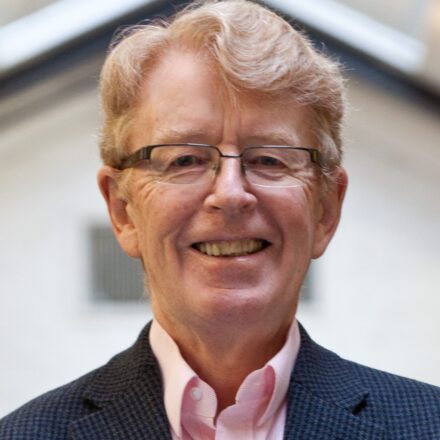
Associate Professor Fraser Russell is a faculty member in the School of Health at the University of the Sunshine Coast , Queensland, Australia. His primary research focus lies in cardiovascular pharmacology and natural product therapies , particularly examining the anti-inflammatory and anti-oxidant properties of Australian honeys and omega-3 fatty acids for treating inflammation-related conditions like abdominal aortic aneurysms and diabetic foot ulcers . PhD in Pharmacology, University of Melbourne (1994) BSc, Deakin University (Geelong) Senior Fellow of the Higher Education Academy (2022) His research involves studying vascular responses to exercise , bioactive compounds in bee products , and modulating immune responses through nutrition . His team developed a patent for tomentosenol A from Australian stingless bee propolis to prevent hypertrophic scarring. He serves as an Associate Editor for Frontiers in Nutrition - Nutritional Immunology and BMC Complementary Medicine and Therapies , and chairs the UniSC Student General Grievance Panel . Recipient of Senior Fellowship of the Higher Education Academy (2022) He has supervised 15 PhD candidates and 23 Honours students , and his leadership roles include Discipline Lead for Biomedical Science (2023-present), managing 22 staff across multiple health science programs.
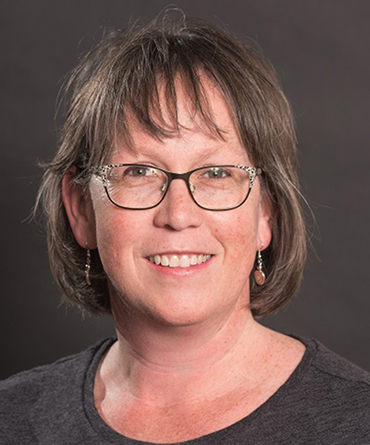
Holly Morgan is a researcher specializing in cardiovascular imaging and ischemic heart disease. Her work focuses on arrhythmic risk stratification, myocardial viability assessment, and diagnostic methodologies for coronary artery disease. She completed her Doctor of Philosophy (PhD) in 2024, with supervisors Prof. D. Perera and Dr. C.A. Rinaldi. Her research contributes to UN Sustainable Development Goals related to good health and well-being. Key areas: Cardiac MRI, LV dysfunction, revascularization outcomes Collaborations include studies on myocardial bridges and coronary jeopardy scores Recent publications (2022-2025) analyze mechanisms of ischemia, viability assessment, and clinical trial outcomes in cardiovascular patients.
Johannes Erdmann is a University Professor and leads the Research and Teaching Area of Big Data Analytics in Physics at RWTH Aachen University. He is affiliated with the Department of Physics within the Faculty of Mathematics, Computer Science and Natural Sciences. His research integrates advanced data science techniques with fundamental physics investigations. His research focuses on leveraging big data and machine learning methods to solve complex problems in particle and astroparticle physics. Key areas include the physics of the Higgs boson, data analysis at the CMS experiment at CERN, and the development of deep learning techniques for high energy physics. He also contributes to gravitational wave physics, particularly in noise suppression strategies for the future Einstein Telescope. The recent publications highlight a strong trend toward methodological innovation, especially in deep learning applications for particle physics simulations and data analysis. His team is actively developing novel neural network architectures, fast simulation tools, and automated quality assurance systems, all aimed at enhancing the precision and efficiency of large-scale physics experiments. Heisenberg-Professur funded by the Deutsche Forschungsgemeinschaft (DFG) Prof. Erdmann supervises research projects and leads a research group focused on data-intensive physics. He is actively involved in securing and managing research grants, particularly those supporting computational and methodological developments in experimental physics. His group collaborates with international teams at CERN and within the Einstein Telescope consortium. His research group, part of the Big Data Analytics in Physics unit, works on cutting-edge challenges in data processing for particle and gravitational wave physics. The team develops deep learning models, simulation frameworks, and data quality tools, contributing to major international collaborations such as CMS and the Einstein Telescope project.
Dr hab. Marcin Marciniak, affiliated with the University of Gdańsk, serves as an Associate Professor at the Faculty of Mathematics, Physics and Informatics, specifically within the Institute of Theoretical Physics and Astrophysics, Division of Mathematical Methods of Physics. His research primarily focuses on quantum mechanics, operator algebras, and quantum information theory. Academic Leadership: Currently Dean of the Faculty of Mathematics, Physics and Informatics. Research Interests: Quantum entanglement, positive maps, mathematical physics, and quantum information processing. He explores foundational aspects of quantum systems, including decoherence, non-Markovian dynamics, and operator algebraic structures. Key Article Trends: Recent publications emphasize quantum entanglement conditions, operator theory, and quantum-optical field nonseparability. His work bridges theoretical mathematics and quantum physics. Contact: Email: marcin.marciniak@ug.edu.pl
Dr. Julia Nicklas is a researcher at the University Medical Center Hamburg-Eppendorf , affiliated with the 2nd Medical Clinic and Polyclinic . Her work focuses on hemodynamic monitoring , noninvasive blood pressure measurement , and perioperative care , particularly in high-risk surgical and intensive care patients. Research Interests : Hemodynamic optimization, cardiovascular monitoring, critical care anesthesiology, and validation of medical devices for continuous noninvasive monitoring. Articles : Her publications (2013–2024) emphasize clinical trials , meta-analyses , and method comparison studies of technologies like the CNAP system and vascular unloading. Topics span obese patients , postoperative cardiothoracic care , and septic shock management . Collaborations : Frequent collaborations with Bernd Saugel and other clinicians at UKE, focusing on perioperative medicine and intensive care .
Richard Yves is a Professor at the University of Burgundy, affiliated with the CRC team. His research focuses on urban climate dynamics, climate change impacts on agriculture (particularly viticulture), and environmental monitoring. Key interests include urban heat islands, air quality, and regional climate modeling. He leads studies on Local Climate Zones (LCZ) and participatory data collection methods, such as using car-mounted thermometers to map urban heat patterns. His work addresses challenges like frost risks in vineyards and socioecological conflicts arising from climate adaptation measures in Burgundy. Research emphases include: Urban microclimate modeling and mitigation strategies Climatic projections for French wine regions Agroclimatic vulnerability and adaptation in temperate agriculture High-resolution climate simulations for extreme weather events Articles highlight advancements in: Co-designing geoprospective scenarios for urban greening Quantifying heat island intensity during heatwaves Evaluating hail suppression systems' socioecological impacts He collaborates with interdisciplinary teams on projects like HYCCARE, integrating hydrology and climatology to assess regional water resources under climate change. His contributions advance both theoretical climate science and practical applications for sustainable urban and agricultural systems.
Peter Weinberg is a Professor of Cardiovascular Mechanics in the Department of Bioengineering at Imperial College London, Faculty of Engineering. He is based at the Royal School of Mines on the South Kensington Campus and can be contacted at p.weinberg@imperial.ac.uk. His research is centered on the biomechanics of cardiovascular diseases, particularly atherosclerosis and heart failure. He leads a research group focused on fluid dynamics, endothelial function, and advanced ultrasound imaging techniques. Education: Natural Sciences, University of Cambridge (Scholarship recipient) DIC, MSc, PhD in Physiological Flow Studies, Imperial College London Lady Davis Postdoctoral Fellowship, Technion – Israel Institute of Technology His research interests lie at the intersection of biomedical engineering, cardiology, and biomechanics . He investigates how hemodynamic forces such as wall shear stress influence endothelial permeability and atherosclerosis development. A major focus is on transcytosis of LDL , disturbed blood flow patterns , and non-invasive detection of heart failure using B-mode ultrasound and wave intensity analysis. His lab develops novel ultrasound imaging methods, including super-resolution techniques using nanodroplets and microbubbles, and coherence-based beamforming for 3D vascular mapping. His recent publications (2021–2025) demonstrate a strong trend toward advanced ultrasound diagnostics and molecular mechanobiology . The articles span from computational beamforming improvements to in vivo validation of endothelial activation pathways. Key themes include ultrasound velocimetry , macromolecule transport , shear stress modeling , and early disease detection . The work combines engineering innovation with deep biological inquiry, aiming to translate biomechanical insights into clinical tools. Scientific Awards and Honors: Fellow, Royal Microscopical Society Ordinary Member, The Physiological Society Member, British Atherosclerosis Society Committee Member, London Microcirculation Group Committee Member, British Society for Cardiovascular Research Committee Member, British Atherosclerosis Society Lady Davis Fellow Peter Weinberg has held key leadership roles in the Department of Bioengineering, including Director of Postgraduate Studies (Research) , Director of Research , and Academic Line Manager . He led the department’s efforts in the Research Assessment Exercise 2008 and Research Excellence Framework 2014. He founded and served as president of the Bioengineering Society (now BioMedEng), and was Associate Editor of the journal Atherosclerosis . He has organized major conferences such as the joint British Society for Cardiovascular Research and British Atherosclerosis Society meeting, and chaired BioMedEng18, attracting over 500 delegates. He has secured research grants, though specific details are not listed in the text. He leads a research laboratory in the Department of Bioengineering at Imperial College London, focusing on cardiovascular mechanics . The lab website details ongoing projects in ultrasound imaging, endothelial mechanobiology, and atherosclerosis modeling. The team uses a combination of computational modeling, in vitro bioreactors, and in vivo imaging to study vascular function and disease progression.
Michael McElroy is the Gilbert Butler Professor of Environmental Studies at Harvard University's School of Engineering and Applied Sciences (SEAS). His research focuses on climate dynamics, atmospheric chemistry, and energy systems, with a strong emphasis on China's decarbonization strategies and renewable energy integration. He investigates interactions between climate, energy infrastructure, and air quality, particularly in high-emission regions like China and India. Key research themes include optimizing renewable energy deployment (wind, solar, hydrogen), mitigating coal phase-out impacts, and developing sustainable transportation infrastructure. His work also addresses global climate patterns, such as Arctic amplification effects on dust emissions and heat stress projections. Highlighted contributions: Offshore wind potential in China, EV charging infrastructure, and policy frameworks for carbon neutrality. Interdisciplinary collaborations span environmental science, engineering, and public policy. Publications frequently analyze trade-offs between energy security, emissions reduction, and socioeconomic factors. His findings inform global climate action through high-impact modeling and policy recommendations.
Colin SHEPPARD is a Professor of Bioengineering and Diagnostic Radiology at the National University of Singapore (NUS), holding a position in the Division of Bioengineering since 2003. Previously, he served as Professor of Physics (Physical Optics) at the University of Sydney and as University Lecturer in Engineering Science at Oxford University. His research focuses on advanced imaging techniques, optics, and photonics applications in biomedical contexts. During his 2012 Carl Zeiss Visiting Professorship at Friedrich Schiller University Jena, he delivered six lectures covering topics such as phase space theory in microscopy, pulsed beam dynamics, and phase contrast microscopy advancements. His work bridges theoretical optics with practical applications in fields like laser micromachining, optical data storage, and noninvasive medical imaging. His academic contributions include innovations in pupil filter design for superoscillations, tight focusing techniques, and scattering-based imaging models. No scientific awards or grants are explicitly mentioned in the provided text, though his prolific lecture series indicates active research engagement. Colin SHEPPARD’s career trajectory reflects deep expertise in interdisciplinary optics, with past affiliations at leading institutions and ongoing collaborations in photonics research.
Prof. Dr. Michael Plum is a faculty member at the Institute for Analysis , part of the Karlsruhe Institute of Technology (KIT) . His research focuses on nonlinear partial differential equations , spectral theory , and computer-assisted proofs in mathematical physics and applied mathematics. He has contributed to the analysis of solitons, metamaterials, and stability problems in fluid dynamics. His recent publications include work on the spectral analysis of Maxwell equations , black soliton dynamics , and homogenization of metamaterials . He has developed rigorous numerical methods for eigenvalue problems and nonlinear boundary value problems. His teaching encompasses advanced courses in analysis , partial differential equations , and numerical methods . His research trends span nonlinear PDEs , metamaterial modeling , and stability analysis . He leads the Workgroup Nonlinear Partial Differential Equations at KIT and has collaborated extensively on problems involving photonic crystals , electromagnetic wave propagation , and nonlocal constitutive relations . His full description includes over 90 publications in journals like SIAM Journal on Mathematical Analysis , Communications in Mathematical Physics , and Physical Review B . He has supervised numerous seminars and courses on analysis and applied mathematics since joining KIT. His work integrates numerical computation with theoretical analysis to address complex problems in mathematical physics and engineering applications .
Dr. Florentina Tone is a Professor in the Department of Mathematics and Statistics at the University of West Florida, part of the Hal Marcus College of Science and Engineering. She has been a faculty member since 2006, contributing to both undergraduate and graduate education through classroom and online instruction. Her academic background includes a Ph.D. in Mathematics from Indiana University and both a Master’s and Bachelor’s degree in Mathematics from the University of Bucharest, Romania. Dr. Tone's research is centered on numerical analysis of partial differential equations , with a focus on convergence, stability, and error estimation of numerical schemes. Her work applies to fluid dynamics, phase field models, and coupled physical systems. She has published in leading journals such as SIAM Journal on Numerical Analysis and Numerische Mathematik , and has presented at numerous national and international conferences. The analysis of her recent publications reveals a consistent focus on rigorous mathematical validation of numerical methods, particularly finite element and finite difference schemes for time-dependent PDEs. Her work spans applications in fluid mechanics, heat transfer, chemotaxis, and electromagnetics, demonstrating strong interdisciplinary reach within applied mathematics. She has been recognized for her contributions with the Distinguished Research and Creative Activities Award from UWF. This honor reflects her sustained excellence in scholarly output. Dr. Tone actively supervises student research projects and teaches courses such as Complex Analysis, Numerical Analysis, Linear Algebra, and Calculus. While specific grant details are not listed, her sustained publication record and award suggest active research funding. She has mentored students through research advising, contributing to academic development within the department. She is affiliated with the Department of Mathematics and Statistics, which supports research through seminars, colloquia, and student associations such as the Math Association. The department also hosts technical reports and research labs, including the CSDA Lab, which may support data-intensive computational work.
Dr. Sipei Zhao is a Senior Lecturer at the School of Mechanical and Mechatronic Engineering at the University of Technology Sydney (UTS), where he has been employed since January 2021. Prior to this, he worked as a Post-doctoral Research Fellow at the Centre for Audio, Acoustics and Vibration of UTS from July 2018 to December 2020. His educational background includes a PhD in Electrical Engineering from RMIT University (2018), a Master's degree in Acoustics from Nanjing University (2015), and a Bachelor's degree in Electronics Engineering from Nanjing University (2012). Dr. Zhao's research focuses on acoustics and noise control, dynamics and vibration control, and signal processing. His work spans theoretical development and practical applications in active noise control, architectural acoustics, and machine learning for acoustic analysis. He has made significant contributions to distributed acoustic systems, neural network applications in sound field reconstruction, and innovative approaches to sound zone control. His recent publications demonstrate a strong trajectory in distributed acoustic systems, neural network applications in acoustics, and innovative approaches to sound field control and reproduction. His work combines theoretical rigor with practical implementations, often resulting in significant reductions in computational complexity while maintaining or improving performance. Best Student Paper at the 22nd International Congress on Sound and Vibration (ICSV22) in 2015 Best Paper Prize at the 21st International Conference of the Association for Computer-Aided Architectural Design Research in Asia (CAADRA2016) in 2016 Best Paper Award at the 23rd International Congress on Acoustics (ICA2019) in 2019 Young Professionals Grant from the International Institute of Noise Control Engineering (I-INCE) Ford Publication Commendation Prize from RMIT University in 2017 ARC Early Career Industry Fellowship in 2024 Dr. Zhao has successfully secured multiple research grants and contracts from organizations including the Australian Research Council, NSW Environment Protection Authority, and industry partners like Noizend Pty Ltd. His research has practical applications in industrial settings, transportation, and building acoustics. He serves as a peer reviewer for prestigious journals including the Journal of Sound and Vibration and IEEE/ACM Transactions on Audio, Speech, and Language Processing.
Dr. Carolyn Orbann is a Teaching Professor and Faculty Fellow for Undergraduate Research at the University of Missouri's College of Health Sciences. She serves as Coordinator of International and Intercultural Initiatives and is actively involved in undergraduate research mentoring. Her work bridges anthropology, public health, and epidemiology with a focus on how cultural behaviors influence disease spread. Dr. Orbann earned her educational credentials in anthropology, completing her PhD at the University of Missouri in 2014, MA at California State University in 2006, and BA at The George Washington University in 1999. Her research interests center on the intersection of culture and infectious disease epidemiology, particularly examining how cultural behaviors influence the spread of infectious diseases in human populations. She employs agent-based computer simulation models and historical epidemiology using primary source records to investigate population contact and cultural change during epidemic disease events. Her work primarily focuses on two historical periods: the 1918 influenza pandemic and the colonization of Alta California by the Spanish in the 18th and 19th centuries. Her methodological approach combines anthropological insights with computational modeling to understand disease transmission patterns in historical contexts. Analysis of Dr. Orbann's recent publications reveals a consistent research trajectory examining pandemic dynamics across historical and contemporary contexts. Her work demonstrates a sophisticated comparative approach between the 1918 influenza pandemic and the recent COVID-19 pandemic, with particular attention to rural-urban disparities in Missouri. She has developed expertise in using historical records, particularly parish records from California missions, to reconstruct disease outbreaks among indigenous populations. Her methodological contributions include refining agent-based modeling techniques by incorporating cultural and historical data to improve simulation accuracy. 2014 Writing Intensive Excellence Award DHS Faculty of Year Award for 2020 Dr. Orbann has been actively mentoring undergraduate researchers, as evidenced by her appointment as Faculty Fellow for Undergraduate Research in February 2024. She has guided students like Devanshi Patel in research projects examining connections between historical and contemporary pandemics. Her teaching portfolio includes honors sections of Health Care in the United States and specialized tutorials on the 1918 influenza pandemic in Missouri. She serves on the Honors College Council and has contributed to the Honors Curriculum Committee, demonstrating commitment to undergraduate education and research development. Her work with international programs is reflected in her coordination of international and intercultural initiatives. While specific laboratory facilities aren't mentioned in the provided materials, Dr. Orbann's research appears to involve computational modeling work, historical archive analysis, and interdisciplinary collaboration across anthropology, public health, and epidemiology. Her recent work connecting the 1918 influenza pandemic with the COVID-19 pandemic suggests ongoing research examining pandemic responses across time, with particular focus on Missouri communities and institutions.
Gurinder S. Bains is a Professor at the School of Allied Health Professions , Loma Linda University , specializing in Allied Health Studies. He holds a PhD (2014) and MD (2006) and has been actively contributing to research since 2008. Education: PhD (Loma Linda University), MD (Ross University School of Medicine) His research spans Physical Therapy , Nutrition , Neuroscience , and Biomedical Engineering , focusing on: Exercise physiology and aging EEG brainwave modulation through diet and laughter Prosthetic device innovation Impact of digital technology on health Stress and inflammation biomarkers Recent publications (2020-2023) analyze: High-intensity interval training's effect on transcriptomic age Smartphone addiction's impact on pediatric lung function 3D-printed prosthetics versus traditional designs Cacao/nut effects on brainwave activity Thermal therapy for musculoskeletal recovery He serves as Principal Investigator (PI) for projects related to: Intermittent fasting (2025-2026) EEG modulation through humor Prosthetic socket design Online student engagement and has completed 20+ industry-funded research projects with pharmaceutical companies like Pfizer and Wyeth.
Dr. Wenbo Zheng is an Associate Professor in Geotechnical Engineering at the University of Northern British Columbia (UNBC), within the School of Engineering. He leads the Resource Geotechnics Research Group, focusing on the intersection of geo-resource development and geohazard mitigation. His research is supported by prestigious grants from NSERC, Mitacs, CFI, and industry partners like Gibraltar Mines Ltd. PhD: University of British Columbia, Kelowna MEng & BEng: Tongji University, China Professional: PEng (EGBC) Dr. Zheng's primary research interests are in geomechanics , applying advanced experimental, computational, and field monitoring techniques to solve complex problems. His work spans geo-energies (shale gas, geothermal) and geohazards (landslides, tunnelling). He specializes in integrating laboratory characterization (e.g., X-ray CT, instrumented indentation) with numerical modelling (e.g., DEM, CFD-DEM, LBM-DEM) to understand the fundamental behavior of geomaterials. His recent publications reveal a strong trend in using coupled computational methods to simulate complex geomechanical processes. A significant focus is on proppant behavior in hydraulic fracturing, examining crushing, embedment, and conductivity in formations like the Montney. Another major theme is the stability of slopes and underground structures , particularly in karst terrain and under reservoir fluctuations, often using advanced monitoring and simulation techniques. His work on internal erosion and suffusion using DEM-DFM coupling highlights his expertise in granular flow mechanics. NSERC Discovery Grant NSERC Research Tools and Instruments (RTI) Grant NSERC Alliance International Grant (2022, 2023) Outstanding Reviewer Award, Elsevier – International Journal of Mining Science and Technology UNBC Research Project Award Dr. Zheng actively supervises PhD and Master’s students in the NRES and Engineering programs, guiding research on topics like liquefaction flow slide simulations, tailings dam stability, and hydraulic fracturing. He has successfully mentored students who have published in high-impact journals and won presentation awards. His lab is equipped for advanced material characterization, supported by an NSERC RTI grant, and he collaborates extensively with researchers at UBC and internationally. Current and future work includes repurposing hydrocarbon formations for geothermal energy and advancing LBM-DEM coupling for soil erosion studies. Dr. Zheng leads the Resource Geotechnics Research Group, which conducts physical modelling of landslides and laboratory testing on rock mechanics. The group is actively involved in projects funded by NSERC, Mitacs, and industry, focusing on both fundamental science and practical engineering solutions for geo-resources and geohazards.