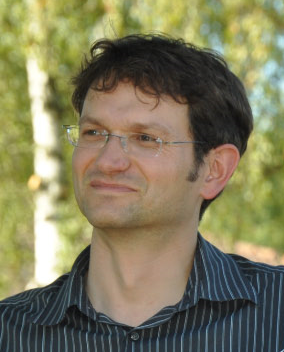
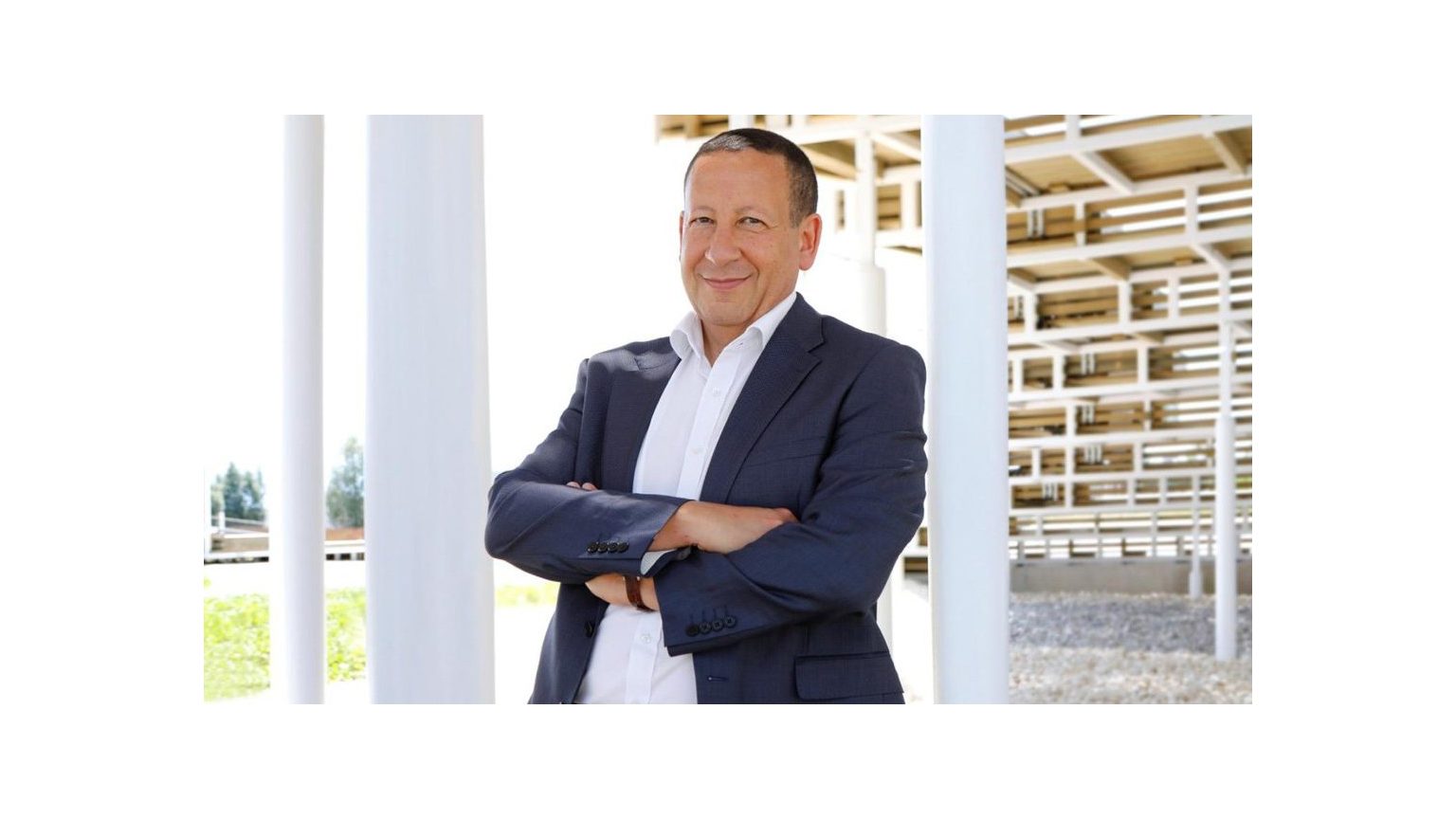
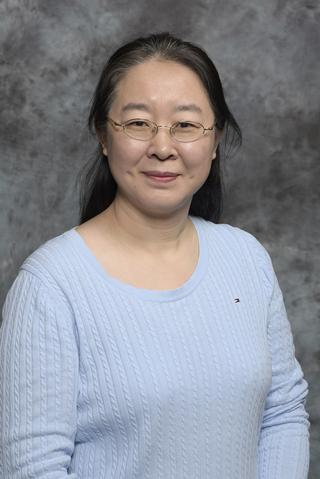
Robert M. Holt is a Professor in the Department of Geology and Geological Engineering at the University of Mississippi. His research focuses on geological CO2 sequestration, fluid transport in porous media, and hydrogeological characterization for nuclear waste disposal. Holt investigates how fluid behavior in heterogeneous geological formations impacts environmental processes ranging from carbon storage to groundwater contamination. His work examines the fundamental physics governing multiphase flow through porous and fractured geological media, with applications to contaminant transport, energy resources, and waste isolation. Holt has developed experimental methods for visualizing and modeling fluid behavior in heterogeneous subsurface environments, improving understanding of capillary processes and flow dynamics. Holt's research includes field studies of evaporite karst systems, geochemical assessments of aquifer systems, and investigations of hydraulic properties in low-permeability mudrocks. His work on CO2 injection monitoring has contributed to safer implementation of carbon sequestration technologies.
Dr. Sohrab Zendehboudi is an Equinor Chair Professor and research lead in the Department of Chemical and Process Engineering at Memorial University's Faculty of Engineering and Applied Science. His work focuses on energy and environmental challenges through experimental and modeling approaches. He has over 15 years of experience across academia and industry in Iran, Kuwait, the U.S., and Canada. He holds a PhD in Chemical Engineering (specializing in transport phenomena) from the University of Waterloo. Research interests include carbon capture, utilization, and sequestration (CCUS), renewable energy systems, process systems engineering, and advanced wastewater treatment. He leads a large research team addressing theoretical and practical challenges in energy sustainability and environmental protection. Key achievements include the 2023 Lectureship Award. His publications span topics like hydrogen production, CO2 storage, solar energy systems, and novel adsorbent materials. He actively seeks graduate students and researchers skilled in experimental work, numerical modeling, and machine learning for energy applications. Education: PhD in Chemical Engineering (University of Waterloo) Key Areas: CO2 Management, Bioenergy, Adsorption Technologies Labs/Teams: Large interdisciplinary research group Grants: Focus on renewable energy and sustainability projects
Liqiu Hu is a Doctoral Researcher at the Laboratory of Natural Materials Technology , affiliated with the Faculty of Science and Engineering at Åbo Akademi University. Their research focuses on bio-based materials , polymerization techniques , and nanocellulose applications , contributing to Sustainable Development Goals like responsible consumption and climate action. Key research areas: Lignin, Nanocellulose, Polymerization, Bio-based films, Green chemistry, Biocomposites Recent work trends: In-situ polymerization, Pickering emulsions, Drug delivery systems, Agricultural waste upcycling, Aqueous dispersion processing Collaborations include researchers from Åbo Akademi University and TAPPI Press. Publications span from 2017 to 2025, highlighting innovations in biopolymer interfaces and sustainable packaging . The laboratory's fingerprint indicates strong alignment with lignin (100%), nanocellulose (75%), and polymerization (66%) research.
LaShanda T. J. Korley is a Distinguished Professor of Engineering at the University of Delaware with joint appointments in Materials Science and Engineering and Chemical & Biomolecular Engineering. She directs the Department of Energy's Center for Plastics Innovation (CPI), co-directs the UD CHARM Materials Research Science and Engineering Center, leads the NSF PIRE project on Bio-inspired Materials and Systems, and serves as Associate Director of the Center for Research in Soft matter & Polymers (CRiSP). Her research program pioneers bio-inspired sustainable materials through a bioeconomy framework, focusing on molecular design of functional polymeric systems including thermoplastics, networks, composites, and gels. Core interests span plastics deconstruction/upgrading, sustainable materials development, and novel fiber/composite manufacturing, with emphasis on lignin-derivable polymers and peptide-polymer hybrids for circular polymer solutions. Recent publications (2024-2025) reveal intense focus on polymer upcycling through advanced depolymerization techniques for polyurethanes, polystyrene, and polyethylene. Her group innovates across catalytic conversion, enzymatic deconstruction, vitrimer chemistry, and bio-hybrid hydrogels, demonstrating interdisciplinary approaches to transform plastic waste into high-value materials while addressing performance-sustainability tradeoffs. Scientific Awards 2023 ACS Fellow 2023 RSC Fellow 2023 AIChE Fellow 2023 ACS POLY Fellow 2023 U.S. Science Envoy 2022 AIChE MAC William W. Grimes Award for Excellence in Chemical Engineering 2022 APS Fellow 2022 ACS PMSE Fellow 2021 AIChE MAC Gerry Lessells Award 2021 Chemical and Engineering News Black Trailblazer 2020 AIMBE Fellow 2019 NOBCChE Lloyd N. Ferguson Young Scientist Award Korley secures major federal funding to advance sustainable polymer science, including DOE support for catalytic plastic waste deconstruction and NSF backing for international bio-inspired materials research. Her grants portfolio drives interdisciplinary collaboration across chemistry, engineering, and environmental science to develop circular economy solutions. She mentors a dynamic research group training next-generation scientists in advanced materials characterization and sustainable design principles. Her laboratories at the University of Delaware integrate molecular synthesis, catalytic testing, and advanced characterization to develop next-generation polymer systems. The research environment emphasizes cross-disciplinary teamwork between chemists, materials scientists, and engineers to tackle plastics sustainability challenges through fundamental molecular design and scalable process innovation.
Marilena Cardu is an Associate Professor in the Department of Environmental, Land, and Infrastructure Engineering (DIATI) at the Polytechnic University of Turin. She is actively involved in teaching, research, and supervision within the fields of excavation engineering, rock blasting, tunneling, and sustainable mining. She serves as a course instructor for key programs including Civil and Environmental Engineering and Georesources and Geoenergy Engineering. Academic Rank: Associate Professor Institution: Polytechnic University of Turin Department: DIATI (Environmental, Land, and Infrastructure Engineering) Email: marilena.cardu@polito.it Her research interests center on excavation engineering and safety, with strong interdisciplinary engagement in geotechnics, environmental engineering, and mineral resource management. She specializes in rock blasting, demolition techniques, TBM (Tunnel Boring Machine) performance, and mining safety. Her work aligns with UN SDGs such as Industry and Innovation, Sustainable Cities, and Responsible Production. The recent publications reflect a strong trend in tunneling technology, rock fragmentation, blast safety, and sustainable resource development. Her work combines experimental, numerical, and field-based approaches, often applied to real-world industrial and infrastructure challenges. Scientific Projects and Responsibilities: Scientific Director for collaborative research in excavation engineering (2023–2026) Scientific Manager for gas network compliance testing (2022–2025) Lead on multiple commercial consultancy projects in rock characterization, blast design, and vibration monitoring She supervises PhD students such as Nestor David Mejia Almeida and Oveis Farzay, focusing on TBM modeling and geomechanics. She is a key member of the Geomechanics and Geotechnologies Laboratory at DIATI, contributing to both academic and applied research in underground construction and mining safety.
Abul Kalam Hossain is a Senior Lecturer in the Department of Mechanical, Biomedical & Design Engineering at Aston University's College of Engineering and Physical Sciences. His research focuses on sustainable low-carbon fuels, renewable energy systems, and solar-driven desalination technologies. He has extensive industry experience as a mechanical engineer and has led numerous interdisciplinary projects in biofuel development, waste-to-energy conversion, and energy storage. Dr. Hossain has secured funding from UK Energy Catalyst, Innovate UK, and international collaborations, including projects in Pakistan, India, and UAE. He serves as an Associate Editor for Frontiers in Fuels and on the Scientific Advisory Board of SDEWES conferences. His work bridges academic research with practical applications in cleaner energy and water solutions. Education: BSc from Bangladesh University of Engineering and Technology (BUET), MSc and PhD in Mechanical Engineering from Cranfield University. Professional credentials include Chartered Engineer (CEng), Fellow of the Higher Education Academy (FHEA), and membership in the Energy Institute. Research themes include biofuel characterization, engine emissions control, solar desalination for arid regions, and biomass-solar hybrid systems. Key achievements include pioneering waste-derived biodiesel blends and advancing low-temperature combustion techniques. He currently supervises MSc and final-year engineering projects and teaches modules in thermodynamics, engineering science, and alternative fuels. Funding highlights: Leading roles in projects like 'CoolRun Malawi' (UK Energy Catalyst 2024) and 'Upgraded Flexi Biodiesel Fuel' (Aston Seedcorn 2021). Awards include grants for off-grid desalination in Jordan Valley and filtered drinking water systems in Pakistan. Labs/Teams: Active member of Aston's Energy and Bioproducts Research Institute (EBRI) and collaborator with institutions like Anna University (India) and American University of Sharjah (UAE). Current projects address global challenges in sustainable energy access and water security.
Veysi Başhan serves as an Assistant Professor in the Department of Marine Engineering within the Faculty of Naval Architecture and Ocean Engineering at Istanbul Technical University (ITU). His academic profile demonstrates active engagement in maritime engineering research with current publications extending through 2025 and an active research project on hybrid renewable energy systems analysis. Professor Başhan's research spans critical maritime engineering domains with particular emphasis on renewable energy integration, risk assessment methodologies, and marine propulsion systems. His work innovatively combines fuzzy logic, Bayesian networks, and multi-criteria decision-making approaches to address complex challenges in maritime operations, energy systems, and safety protocols. This interdisciplinary approach bridges traditional marine engineering with modern computational techniques for risk analysis and system optimization. His publication portfolio reveals a clear trajectory toward sustainable maritime technologies, with increasing focus on wind-solar hybrid systems, alternative fuels like methanol, and autonomous navigation reliability. The research demonstrates consistent application of fuzzy-based analytical frameworks across diverse maritime contexts from engine performance to ballast water treatment systems. Current research activities include the 2024 project "Hibrit Yenilenebilir Enerji Sistemlerinde Arızaların Analizi ve Çözüm Önerileri" (Analysis of Failures in Hybrid Renewable Energy Systems and Solution Proposals), indicating ongoing commitment to solving practical engineering challenges in renewable energy integration for maritime applications. His scholarly impact is evidenced by 32 research outputs, 366 Scopus citations, and an h-index of 9.
Jochen A. Müller is a Senior Scientist at the Helmholtz Centre for Environmental Research - UFZ in Leipzig, Germany, within the Department of Molecular Environmental Biotechnology . His research focuses on microbial transformations of organic pollutants, particularly using molecular tools to quantify biocatalysts and analyze microbial roles in contaminated systems. He previously held academic positions at Morgan State University and conducted postdoctoral research at Stanford University and the University of Maryland. Education: Diploma in Microbiology (1996), University of Konstanz Ph.D. in Microbiology (2000), University of Konstanz His research interests span environmental biotechnology, microbial ecology, and genomics, with emphasis on anaerobic degradation of chlorinated ethenes, aromatic compounds, and sulfur-metabolizing microbes. His publications (2012–2023) explore antibiotic resistance gene dynamics, toluene degradation pathways, constructed wetland systems, and innovative single-cell genomics techniques like scMAR-Seq. Professional service includes editorial board membership for Applied and Environmental Microbiology and Saline Systems since 2009. He has contributed to funded projects such as Genomics of Beggiatoa alba (NSF, JGI/DOE) and participated in interdisciplinary collaborations across environmental engineering, biotechnology, and bioeconomy. For contact , he is affiliated with the UFZ in Leipzig. Detailed institutional affiliations and further information can be found in the full description below.
Lyesse Laloui is Full Professor and Director of the Soil Mechanics Laboratory at EPFL's School of Architecture, Civil and Environmental Engineering. A world-renowned expert in geomechanics and sustainability, his research develops nature-inspired solutions for climate change mitigation and renewable energy adoption. His distinguished career includes ERC Advanced and Proof of Concept Grants, two honoris causa doctorates, and leadership roles in Academia Europaea and International Society of Soil Mechanics. Research focuses on: Thermo-hydro-mechanical behavior of energy geostructures Bio-inspired geotechnical solutions for soil improvement Radioactive waste repository safety CO₂ sequestration caprock integrity Urban underground space utilization Recent publications demonstrate innovations in geothermal metro station design, shale behavior characterization for energy applications, and bio-mediated soil stabilization. His laboratory has supervised over 35 PhD graduates now advancing geotechnical engineering globally. Professor Laloui founded 5 EPFL spin-offs including Enerdrape (Swiss Top 100 startup) and serves as European Director of the International Associated Research Centers for Urban Underground Space. His awards include the ASCE Kersten Lecture and InterPore Kimberly-Clark Distinguished Lectureship.
Dr. Stephanie Kulesza is an Assistant Professor at North Carolina State University (NC State), specializing in nutrient management and animal waste research. She is affiliated with the Animal Waste Management Lab, focusing on optimizing the use of animal manures in North Carolina's diverse cropping systems. Her work emphasizes maximizing crop yield and quality while minimizing environmental impacts, particularly through nutrient management strategies. Dr. Kulesza serves on critical state committees: the Senate Bill 1217 Interagency Committee (regulatory guidance for animal waste) and the Interagency Nutrient Management Committee (technical guidance). She teaches the annual Nutrient Management Training, a five-day certification course required for technical specialists writing nutrient management plans in North Carolina. Her research spans manure utilization in crop rotations, optimal application rates, and environmental risk mitigation. Key areas include soil phosphorus dynamics, poultry litter effects on weed emergence, and ammonia volatilization from manure injection. Recent studies also address antibiotic fate in soils and swine/slurry waste management. Her publications highlight themes in sustainable agriculture, environmental chemistry, and precision farming. She collaborates on applied research to bridge agricultural practices and environmental stewardship in North Carolina's agroecosystems.
Ting Du, M.D., Ph.D., is an Assistant Professor in the Department of Neurology at the University of Rochester Medical Center's School of Medicine and Dentistry. She leads the Du Lab, focusing on brain fluid homeostasis and its role in neurological diseases. Faculty: Assistant Professor, Department of Neurology Institution: University of Rochester Medical Center Lab: Du Lab Collaborations: Nedergaard Lab, Center for Translational Neuromedicine Research Interests: The Du Lab investigates cerebrospinal fluid (CSF) dynamics, glymphatic system function, and cervical lymphatic vessels in Alzheimer's disease, hydrocephalus, and traumatic brain injury. Key projects include: Restoring cervical lymphatic function to improve CSF drainage in aging Characterizing the subarachnoid lymphatic-like membrane (SLYM) in trauma Probing choroid plexus regulation in hydrocephalus Publication Trends: Recent work spans Neuroscience , Neurodegeneration , and Biophysics , with emphasis on: Glymphatic dysfunction in Alzheimer's Arterial pulsation-driven CSF flow Aquaporin-4's role in interstitial fluid Machine learning-based flow quantification Lab Affiliations: The Du Lab is part of the Neuroscience Ph.D. Program and Pathology - Cell Biology of Disease program, collaborating with experts in neuroimaging , fluid dynamics , and neurotherapeutics .
Vuk Gajić is an Assistant Professor at the Faculty of Applied Ecology, Singidunum University, where he has held academic roles since 2016. His career progression includes positions as a teaching associate (2016), assistant (2019), and current role (2023). He earned a Ph.D. in Environment and Sustainable Development from Singidunum University (2019–2022), following prior studies in environmental protection and risk management at the same institution. Research interests span environmental science, sustainable development, GIS applications, and radiation technology for waste and food treatment. He has contributed to interdisciplinary studies, including soil contamination analysis in Libya, microbial decontamination via ionizing radiation, and machine learning applications for software defect prediction and agricultural weed detection. His work bridges environmental engineering with technological innovation, emphasizing sustainability and ecological conservation. Publications reflect a focus on environmental monitoring, pollution assessment, and eco-technologies. Key themes include GIS-based environmental databases, forest fire prevention through sensor networks, and agricultural waste reuse. His research often integrates quantitative methods with geospatial tools, addressing both local and global environmental challenges. Teaching responsibilities include courses on geodiversity, sustainable development, and natural hazards. He actively participates in academic conferences, contributing to peer-reviewed journals and presenting at events like Sinteza and SETI. Current projects likely explore emerging technologies in environmental management and sustainable practices.
Dr. Archibong Eso Archibong is an Associate Professor in Mechanical Engineering and serves as the Programme Director for Mechanical Engineering and Academic Lead for Engineering Labs & Workshops at the University of Birmingham Dubai Campus. He is affiliated with the School of Engineering and the Department of Mechanical Engineering, contributing to both academic leadership and research innovation. Education: PGCert in Higher Education, University of Birmingham (UK), 2021 PhD in Energy Engineering (Multiphase Flows), Cranfield University (UK), 2015 MSc in Process Systems Engineering, Cranfield University (UK), 2011 BEng (Hons) in Mechanical Engineering, Cross River University of Technology (Nigeria), 2008 Archibong's research focuses on multiphase flow systems with applications in low-carbon energy, carbon removal (including Direct Air and Ocean Capture), industrial processes, and biomedical engineering. His work integrates computational modeling, experimental analysis, and economic assessment to develop sustainable solutions. Key areas include hydrogen production, hybrid energy cycles, microbial fuel cells, and fluid-structure interaction in heart valves. He also contributes to STEAM pedagogy, digital education, and curriculum design for underserved communities. The recent publications reflect a strong trend in energy sustainability, with a focus on thermodynamic efficiency, multiphase flow modeling, and clean energy integration. Articles span biomedical applications of fluid dynamics, hydrogen safety in nuclear systems, and machine learning for energy prediction in buildings, showcasing a multidisciplinary approach to engineering challenges. Scientific Awards and Honors: Senior Fellow (SFHEA), Higher Education Academy (Advance HE), 2022 Fellow (FIMechE), Institution of Mechanical Engineers, 2022 Chartered Engineer, Engineering Council (UK), 2021 MIT ETT Fellowship supported by TotalEnergies, 2019 Cranfield University/HEFCE Doctoral Studentship (2012–2015) Archibong actively advises on energy policy and delivers workshops in lean-resource settings. He has served as a grant reviewer for the British Council and sits on the Topical Advisory Board for Fluids . He is involved in UAE national initiatives on hydrogen development and waste-to-energy projects. He mentors prospective MRes and PhD researchers and collaborates with industry partners such as BP, Schlumberger, and TotalEnergies. His leadership extends to curriculum development for non-profits and humanitarian agencies aligned with the UN Sustainable Development Goals. He leads research in fluids and multiphase systems, with active projects on electrochemical hydrogen production, hybrid energy cycles, and Direct Air Capture technologies. His team employs advanced modeling and experimental techniques to address global challenges in energy, environment, and healthcare.
Dr. Xiaoli Ma is a Senior Research Fellow at the University of Hull, affiliated with the Energy and Environment Institute and the Centre for Sustainable Energy Technologies under the Faculty of Science and Engineering. Her research focuses on sustainable building services, renewable/sustainable energy systems, energy efficiency technologies, and instrumentation technologies. She has secured over £2.7 million in research funding from bodies such as the EU, EPSRC, Innovate UK, and the National Science and Technology Committee of China, leading or co-leading 26 projects. Her research interests include innovative cooling systems for data centers (e.g., super-performance dew point cooling achieving 90% energy savings), solar-driven energy systems, waste heat recovery, and thermoelectric technologies. Notable projects include the development of a novel Loop-Heat-Pipe-based data center cooling system funded by the EU FP7 and a solar façade hot water heating system supported by the EU FP7 Programme. Dr. Ma has published over 90 journal articles, two books, and three book chapters, with recent works focusing on machine learning-driven energy optimization, solar cooking systems with energy storage, and advanced heat pump technologies. She holds two patents and actively supervises PhD students in renewable energy, energy efficiency, and built environment applications. Her lab and team are part of the Energy and Environment Institute, collaborating on projects like the pioneering near-zero-carbon air conditioning system using atmospheric latent heat and natural light energy (EPSRC-funded). Key grants include a £814k EPSRC project and a £692k IEEA initiative for data center cooling advancements.
Professor Siow Lee Fong is a faculty member at Monash University Malaysia, School of Science, where she serves as Director of Teaching and Learning. Joined in 2008 after completing her PhD at University of Otago, she maintains an active research program while teaching Food Chemistry (CHM2962) and Food Product Development (FST3850). Her career spans 16 years with significant contributions to food science education and innovation. Educational background: Bachelor of Technology (Food Technology) with First Class Honours, Universiti Sains Malaysia (2002) PhD in Food Science, University of Otago, New Zealand (2008) Her research focuses on microencapsulation and controlled release kinetics of bioactives, frozen food chemistry , and thermal behavior of macronutrients . She pioneers waste-to-value conversion for plant-based foods and investigates physical/thermal properties of fats/oils. Current work emphasizes sustainable food systems through by-product valorization and novel ingredient development, directly supporting UN Sustainable Development Goals. Recent publications (2024) reveal strong trends in plant-based alternatives, with 80+ total outputs. Key themes include dairy-free frozen desserts, bioactive encapsulation (e.g., apigenin), and moringa protein functionality. Her work bridges food chemistry fundamentals with industrial applications, particularly in tropical food systems and waste reduction technologies. Major recognitions: PVC’s Award for Excellence in Teaching (2008-2013) Career Coach Award (2022) ITEX Silver Medal for 'Beyond Juice' (2022) ITEX Gold Medal for 'PLANT B' (2023) Triple ITEX 2024 awards for 'Is AMilk' (Gold, Best Invention for Women, First Runner Up) Professor Siow has supervised 30+ honors/third-year students and 20+ postgraduates, currently mentoring PhD candidates. Her 9 active/completed projects include cyclodextrin-tocotrienol complexes for functional foods, water transport modeling in produce, and palm-based liquid coconut milk substitutes. Projects consistently address food sustainability, waste reduction, and nutritional enhancement through industry-academia collaborations. She leads a multidisciplinary research group focused on food preservation technologies and plant-based innovation, with strong industry partnerships for commercializing inventions like 'PLANT B' and 'Is AMilk'. Her team actively contributes to ASEAN food science networks through conferences like the 13th ASEAN Food Conference (2023).