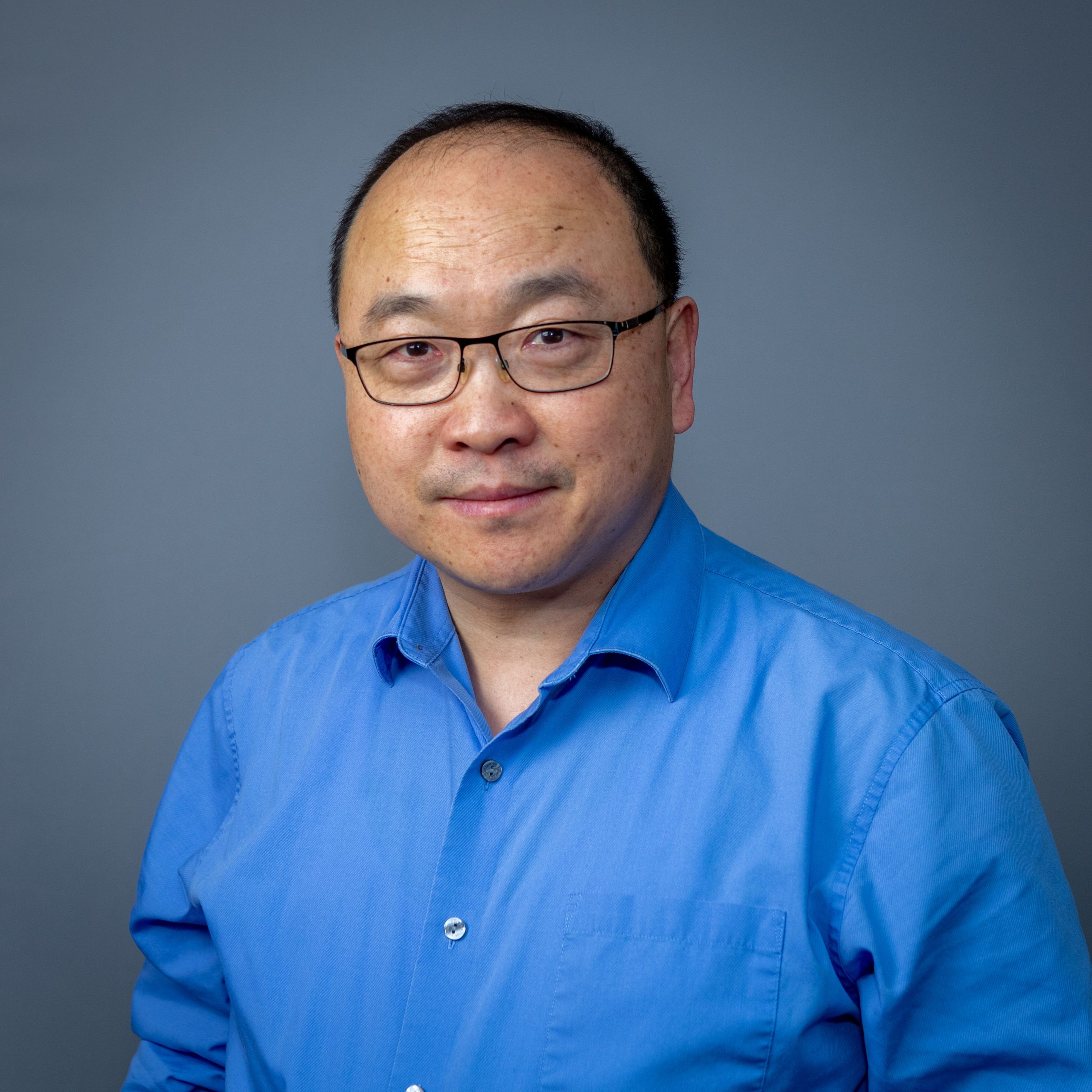
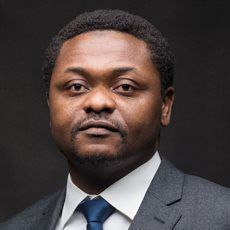
Dr. Lauren Somers is an Assistant Professor in the Department of Civil and Resource Engineering at Dalhousie University, specializing in hydrology and hydrogeology. Her research focuses on climate change impacts on sensitive hydrologic systems, particularly in mountainous and coastal environments. She employs field measurements and numerical modeling to study interactions between groundwater, surface water, soil carbon, glaciers, and climate. Education: BScE (Civil Engineering) from University of New Brunswick (2013), PhD in Earth and Planetary Sciences from McGill University (2019) Experience: NSERC Postdoctoral Fellow at MIT (2019–2021), Geotechnical Engineer-in-training at WSP (2013–2014) Her research interests include mountain water supply, wetland greenhouse gas emissions, and climate change adaptation strategies such as infiltration trenching and peatland restoration. She collaborates globally, with fieldwork in the Peruvian Andes, Southeast Asia, and Canada. Dr. Somers advocates for engineering interventions to enhance climate resilience and reduce carbon emissions. She actively recruits undergraduate, master’s, and PhD students with backgrounds in engineering, geosciences, or environmental science. Prospective students should contact her directly via email with their CV and research statement.
Oliver Warr is an Assistant Professor in the Department of Earth and Environmental Sciences at the University of Ottawa. He holds an MGeol from the University of Leicester (2008) and a PhD in Environmental Geochemistry and Geomicrobiology from the University of Manchester (2013). His research focuses on applying advanced analytical techniques—such as noble gas and stable isotope geochemistry—to investigate crustal fluid dynamics, subsurface habitability, and carbon capture mechanisms. Key themes include radiolytic processes in deep fluids, microbial ecology in ancient fracture systems, and noble gas tracers for groundwater dating. Education: MGeol, University of Leicester, UK (2008) PhD in Environmental Geochemistry and Geomicrobiology, University of Manchester, UK (2013) His work explores how geologic fluids interact with societal challenges like energy storage and climate mitigation. Notable projects include studies on hydrogen and helium production in Precambrian basins and microbial communities in billion-year-old fracture waters. The Warr Lab develops frameworks to model fluid migration and assess subsurface habitability, with implications for astrobiology and Earth's hydrogeological systems. Publications highlight advancements in noble gas modeling, clumped isotopologue analysis, and the role of radiolysis in organic synthesis. These contributions advance understanding of Earth's subsurface and potential Martian analogs. Advising focuses on graduate students interested in geochemical fieldwork and lab-based analyses. Collaborations include international projects on deep crustal fluids and planetary habitability. Lab: Warr Environmental Geochemistry Lab (UOttawa)
John Gardner is an Assistant Professor in the Department of Geology and Environmental Science at the University of North Carolina - Chapel Hill, affiliated with the Dietrich School of Arts & Sciences. He holds a Ph.D. from Duke University (2018) and an M.S. from the University of Maryland (2014). Prior to his current role, he was a National Science Foundation Postdoctoral Fellow at UNC (2018–2020). His research focuses on understanding how rivers, lakes, and landscapes move, store, and transform water, sediment, and elements, with an emphasis on human impacts. He employs hydrology, ecosystem ecology, and geomorphology, leveraging remote sensing, satellite data, and in-situ sensors. Current projects include monitoring sediment delivery from continents to coasts, deciphering ecosystem processes via spatial water quality patterns, and developing satellite-derived water quality databases. Key research contributions include studies on riverine phosphorus estimation, suspended sediment fluxes, and algal bloom dynamics. His work has been supported by NASA awards and the Hillman Family Foundation. The Gardner Lab collaborates widely, with recent projects involving citizen science, satellite analytics, and global river monitoring. Students and collaborators include Rajaram Prajapati (PhD), Claire Kemick (undergraduate researcher), Punwath Prum, and Elad Dente. Grants and funding highlight initiatives like NASA’s SWOT satellite project and Ohio River Basin algal bloom studies.
Joseph Webber is a Research Fellow at the Warwick Mathematics Institute, University of Warwick, where he works in Professor Tom Montenegro-Johnson's group on the Leverhulme-funded project "Shape Transforming Active Matter." Previously, he completed his PhD at the Department of Applied Mathematics and Theoretical Physics (DAMTP) at the University of Cambridge under the supervision of Professor Grae Worster. Dr. Webber is an applied mathematician specializing in the intersection of fluid mechanics and soft matter physics, with a particular focus on hydrogels. His research encompasses: Poroelasticity and the behavior of porous, deformable media Responsive hydrogels that change volume in response to environmental stimuli Theory development for hydrogel modeling, particularly the "linear-elastic-nonlinear-swelling" (LENS) approach Freezing dynamics of hydrogels and cryosuction phenomena Swelling and drying behavior of super-absorbent polymers Wrinkling instabilities in swelling hydrogels His recent publications demonstrate a strong focus on developing mathematical frameworks to understand hydrogel behavior across various conditions. The research shows progression from fundamental modeling approaches to applications in soft robotics, microfluidics, and bio-inspired devices. Key themes include the coupling between fluid flow, elastic deformation, and chemical reactions in responsive materials, with particular attention to time-dependent phenomena and pattern formation. Scientific achievements include: IMA Lighthill-Thwaites Prize finalist (2025) First prize for a 10-minute talk at DAMTP Friday Fluids (2022) Dr. Webber has supervised courses in applied mathematics as part of the Cambridge Mathematical Tripos and lectured portions of the Part IA Introduction to Mechanics course. His teaching resources include detailed notes on fluid dynamics, variational principles, and stress tensor analysis. He has also created a YouTube playlist introducing fluid mechanics and continuum mechanics basics. He is actively involved in the UK Hydrogels Network and maintains a mailing list for researchers working on hydrogels in the UK. His current research in the Montenegro-Johnson group focuses on developing theoretical models for responsive hydrogels and their applications in active matter systems.
Pablo Timoner is a Researcher at the Institute of Global Health, part of the Faculty of Medicine at the University of Geneva. He holds a PhD in Environmental Sciences (2021) and a Master’s in aquatic ecology (2017). His work focuses on climate change impacts on biodiversity, geospatial modeling for health accessibility, and river ecosystem dynamics. Currently, he collaborates with the WHO on geospatial models to enhance healthcare accessibility in emergencies and fragile contexts. Education : PhD in Environmental Sciences, University of Geneva (2021) Master’s thesis on aquatic macroinvertebrates in restored river channels, University of Geneva (2017) Research Interests : Climate change impacts on biodiversity, geospatial health service modeling, river ecosystem resilience, and freshwater invertebrate ecology. His work integrates GIS tools, biostatistical approaches, and environmental data to address global challenges in health and ecology. Articles Trends : Recent publications emphasize snow cover dynamics in Swiss alpine regions, healthcare accessibility modeling in Mali, and biodiversity shifts in freshwater ecosystems. Tools like the inAccessMod R package reflect his focus on open-source geospatial solutions. Scientific Awards : No awards explicitly listed. Advising & Grants : Collaborates on WHO-funded projects and contributes to initiatives like EUROPONDS. No formal advisees listed. Labs/Teams : Active member of the GeoHealth group, focusing on global health and environmental data integration.
Dr. Ziad Saghir is a Professor in the Department of Mechanical, Industrial, and Mechatronics Engineering at Toronto Metropolitan University, Faculty of Engineering and Architectural Science. His research focuses on thermofluid systems, heat and mass transfer, and fluid dynamics, with a unique emphasis on microgravity environments. He has conducted experiments aboard the International Space Station, space shuttles, and parabolic flights, contributing significantly to reduced-gravity fluid science. Education: PhD, University of Toronto, 1984 MASc, Université Laval, 1980 BSc, Université Laval, 1979 His research interests include heat and mass transfer in porous media, computational fluid mechanics, and nanofluid applications in cooling and energy systems. He investigates how gravity affects fluid behavior, particularly hydrocarbons in reservoirs, with implications for reducing drilling needs and improving environmental sustainability. His teaching includes core courses such as Fluid Mechanics I, Applied Thermodynamics, and Transport Phenomena in Porous Media. The recent publications reflect a strong trend in microgravity fluid physics, thermodiffusion in complex mixtures, and advanced modeling of nanofluids. His work bridges experimental and numerical approaches, often under space-based conditions, aiming to develop accurate predictive models for industrial and environmental applications. Professional Affiliations and Activities: Professional Engineers Ontario (PEO) Founder and Chair, International Conference on Thermal Engineering Dr. Saghir is actively involved in mentoring students and leads the Microgravity Science Lab. His former role as a program scientist at the Canadian Space Agency underscores his national and international contributions to thermal and fluid sciences. He continues to supervise graduate students and advance research in energy-efficient and sustainable thermal systems. Research Group: Microgravity Science Lab
Xuebin Zhang is an Assistant Professor in the Department of Geography at the University of Victoria and serves as the Director, President, and CEO of the Pacific Climate Impacts Consortium (PCIC). His role combines academic research with leadership in applied climate science, focusing on regional climate impacts in Canada and globally. Institution: University of Victoria School: Faculty of Social Sciences Department: Department of Geography Leadership: Director, President & CEO, PCIC Dr. Zhang holds a PhD from Lisbon, an M.Eng, and a B.Eng from Hohai University. His research centers on the detection and attribution of climate change, particularly focusing on weather and climate extremes at regional and global scales. He has made significant contributions to understanding how human activities influence extreme precipitation and temperature events. His recent publications demonstrate a strong trend in analyzing extreme climate events using advanced statistical methods such as optimal fingerprinting and Bayesian analysis. These studies often involve large international collaborations and utilize climate model simulations (e.g., CMIP6) to attribute observed changes to anthropogenic forcing. Key areas include extreme precipitation, temperature variability, drought, and flood events across North America and China. Dr. Zhang has been deeply involved in major scientific assessments: Coordinating Lead Author, IPCC 6th Assessment Report (Working Group I, Chapter on Extremes) Co-chair, Expert Team on Climate Change Detection and Indices (WCRP) Co-chair, Grand Challenge on Weather and Climate Extremes (WCRP) Fellow of the Royal Society of Canada He leads and mentors a broad team of scientists at PCIC, overseeing projects related to climate analysis, hydrologic impacts, and computational support. While specific student names are not listed, his leadership role implies extensive supervision of postdoctoral researchers and graduate students. He has secured significant research funding through PCIC and federal programs to support climate modeling, monitoring, and impact assessments. His work directly informs policy and adaptation planning in British Columbia and across Canada.
Jeffrey Ryan is a Professor in the School of Geosciences at the University of South Florida (USF), within the College of Arts and Sciences. He specializes in geochemical analysis of rocks to understand Earth's dynamic processes, particularly focusing on subduction zones and fluid-rock interactions. Ryan manages the USF Center for Geochemical Analysis and is a core user of the Florida Center for Analytical Electron Microscopy (FCAEM). His research involves studying metamorphic rocks and arc lavas in subduction settings, using isotopes like boron to trace fluid sources. He has led or co-PI'd multiple National Science Foundation (NSF) grants, including projects on remote microscopy education and the Noyce Scholarship Program. Ryan has been recognized with prestigious awards such as the Carnegie Foundation Professor of the Year (1999) and the USF Phi Kappa Phi Artist/Scholar Award (2000). Education: M.A., M.Phil., Ph.D. in Geochemistry, Columbia University (1983–1989) B.S. in Geology, Western Carolina University (1978–1983) Research Interests: Ryan’s work centers on tracing fluid-mobile elements (B, Cs, As) and isotopes in subduction zones to understand slab-derived water fluxes and their impact on magma generation. He investigates shallow forearc metamorphic rocks and arc lavas, with recent focus on the Mariana Trench and South China Sea via IODP Expeditions. His contributions include analyzing serpentinite mud volcanoes and seamounts to study fluid-rock exchange in subduction settings. Publications and Trends: Recent articles explore subduction dynamics, mantle wedge processes, and educational strategies. Key themes include tracking volatile cycling, slab dehydration, and the role of serpentinites in Earth’s deep carbon cycle. Ryan’s work bridges field, analytical, and educational research, emphasizing undergraduate involvement in IODP sample analysis. Awards and Recognition: USF Outstanding Undergraduate Teacher Award (1997) Carnegie Foundation/CASE Florida Professor of the Year (1999) USF Phi Kappa Phi Artist/Scholar Award (2000) USF President’s Award for Faculty Excellence (2003) Academic and Professional Achievement Award, Western Carolina University (2009) Advising and Grants: Ryan has advised students like Ray Johnston (Mariana forearc studies) and Antonio Luna (slow-spreading ocean crust comparisons). He secured NSF grants for educational innovation and geoscience workforce development, including projects on virtualizing undergraduate research and adapting geoscience curricula for diverse audiences. Labs and Collaborations: Ryan’s research leverages advanced facilities like the ICP-MS and SEM at FCAEM. He collaborates on international expeditions, such as IODP 366 (Mariana forearc) and 367-368 (South China Sea), to integrate fieldwork, lab analysis, and student mentorship.
Fayssal Benkhaldoun is a Professor at Université Paris 13, affiliated with the LAGA laboratory (UMR7539). He has held leadership roles including former Head of the MCS team (Modeling and Scientific Computing) at LAGA and former President of the Scientific Council at IUT Villetaneuse. He is also the Project Leader of the International Office at IUT Villetaneuse. His research focuses on numerical methods for partial differential equations, particularly finite volume schemes for hyperbolic and elliptic problems. Key areas include shallow water equations, flow in porous media, mesh adaptation, and combustion front propagation. He has organized major conferences such as the International Symposium on Finite Volumes for Complex Applications (FVCA), initiating its first edition in 1996. Recent work emphasizes advanced numerical techniques like stabilized meshless methods, GPU acceleration, and parallel computing for CFD applications. His contributions span environmental modeling (flood simulation, sediment transport) and industrial applications (phosphate slurry rheology). Students advised include Jan Karel (2014, streamer propagation) and Saida Sari (2013, multilayer shallow water equations). He co-organized conferences since 1996 and has been an invited speaker at numerous institutions globally.
Professor Tianfeng Lu is a faculty member in the School of Engineering at the University of Connecticut, where he joined as an Assistant Professor in 2008 and was appointed as the United Technologies Associate Professor of Engineering Innovation in 2016. His research focuses on computational fluid dynamics, combustion chemistry, and turbulent flow simulations. He earned his B.S. and M.S. in Engineering Mechanics from Tsinghua University and his Ph.D. in Mechanical and Aerospace Engineering from Princeton University. Dr. Lu's work emphasizes reducing complex chemical mechanisms for efficient simulations of multidimensional turbulent flows and engineering systems. His contributions include advancements in ignition dynamics, detonation modeling, and plasma-assisted combustion. Key projects involve exascale simulations through initiatives like PELE and collaborations on real-fuel combustion models for engines. His articles highlight breakthroughs in combustion diagnostics, engine efficiency, and pollutant reduction, with recent efforts addressing hydrogen-methane mixtures and low-temperature combustion strategies. Awards include his endowed chair position, reflecting recognition of his impactful contributions to combustion science.
Angel Pardo Tornero is a Professor in the Department of Financial Economics and Accounting at the Faculty of Economics, University of Valencia. He is a member of the EFEN (Financial Economics and Energy Finance) research group, where he focuses on carbon markets, energy finance, derivatives, and market microstructure. His research interests lie at the intersection of financial economics and environmental markets, particularly in understanding the dynamics of carbon pricing, speculative behavior, hedging strategies, and the integration of climate risk into financial decision-making. He has extensively studied the European Union Emissions Trading System (EU ETS), analyzing topics such as trader positions, price clustering, volatility, and the role of weather and institutional factors in asset pricing. His recent publications show a strong trend toward carbon finance and sustainable investing, with a focus on whether EUAs constitute a new asset class, the role of carbon in portfolio management, and the macroeconomic implications of carbon pricing. His work combines empirical financial econometrics with practical insights for market participants and policymakers. Scientific awards: No awards mentioned in the provided text. Advising and grants: While specific grants are not listed, Dr. Pardo has supervised PhD research, including his own thesis on financial market integration. There is no mention of current advisees or funded projects in the provided material. Labs and teams: He is actively involved in the EFEN research group, which specializes in financial economics and energy finance, supporting collaborative research in sustainable and energy-related financial markets.
Dr. Archibong Eso Archibong is an Associate Professor in Mechanical Engineering and serves as the Programme Director for Mechanical Engineering and Academic Lead for Engineering Labs & Workshops at the University of Birmingham Dubai Campus. He is affiliated with the School of Engineering and the Department of Mechanical Engineering, contributing to both academic leadership and research innovation. Education: PGCert in Higher Education, University of Birmingham (UK), 2021 PhD in Energy Engineering (Multiphase Flows), Cranfield University (UK), 2015 MSc in Process Systems Engineering, Cranfield University (UK), 2011 BEng (Hons) in Mechanical Engineering, Cross River University of Technology (Nigeria), 2008 Archibong's research focuses on multiphase flow systems with applications in low-carbon energy, carbon removal (including Direct Air and Ocean Capture), industrial processes, and biomedical engineering. His work integrates computational modeling, experimental analysis, and economic assessment to develop sustainable solutions. Key areas include hydrogen production, hybrid energy cycles, microbial fuel cells, and fluid-structure interaction in heart valves. He also contributes to STEAM pedagogy, digital education, and curriculum design for underserved communities. The recent publications reflect a strong trend in energy sustainability, with a focus on thermodynamic efficiency, multiphase flow modeling, and clean energy integration. Articles span biomedical applications of fluid dynamics, hydrogen safety in nuclear systems, and machine learning for energy prediction in buildings, showcasing a multidisciplinary approach to engineering challenges. Scientific Awards and Honors: Senior Fellow (SFHEA), Higher Education Academy (Advance HE), 2022 Fellow (FIMechE), Institution of Mechanical Engineers, 2022 Chartered Engineer, Engineering Council (UK), 2021 MIT ETT Fellowship supported by TotalEnergies, 2019 Cranfield University/HEFCE Doctoral Studentship (2012–2015) Archibong actively advises on energy policy and delivers workshops in lean-resource settings. He has served as a grant reviewer for the British Council and sits on the Topical Advisory Board for Fluids . He is involved in UAE national initiatives on hydrogen development and waste-to-energy projects. He mentors prospective MRes and PhD researchers and collaborates with industry partners such as BP, Schlumberger, and TotalEnergies. His leadership extends to curriculum development for non-profits and humanitarian agencies aligned with the UN Sustainable Development Goals. He leads research in fluids and multiphase systems, with active projects on electrochemical hydrogen production, hybrid energy cycles, and Direct Air Capture technologies. His team employs advanced modeling and experimental techniques to address global challenges in energy, environment, and healthcare.
Johannes Hübl is a Full Professor at the University of Natural Resources and Life Sciences, Vienna (BOKU), leading the Institute for Alpine Natural Hazards within the Department of Landscape, Water and Infrastructure. His research focuses on alpine mass movement dynamics—particularly debris flows, rockfalls, and floods—with emphasis on risk management, mitigation engineering, and climate change adaptation. He maintains an active project portfolio including EU-funded initiatives and Austrian federal collaborations. His primary research interests include the physical processes of debris flows (surge dynamics, run-up behavior, sediment transport), rockfall hazard assessment, flood protection engineering, and climate change impacts on alpine hazards. Recent work pioneers advanced monitoring techniques like pulse-Doppler radar and LiDAR for real-time measurement of flow velocity and height, directly informing protective dam design and early warning systems. He also develops GIS-integrated simulation models for granular flows and risk assessment. Hübl's publications trend toward high-resolution field studies of debris flow dynamics, with significant focus on spatial impact distribution, statistical discharge modeling, and wildfire-hazard linkages. This reflects growing priorities in climate-resilient infrastructure and quantifiable risk assessment methodologies across European alpine regions. Scientific awards: No awards, fellowships, or medals are documented in the provided materials. Advising and grants: Professor Hübl has supervised numerous university theses as indicated by his profile. His grant leadership spans over 30 projects since 1994, including: EU projects: Nature-Based Solutions for Climate-Resilient Infrastructure (2024-2028), THARMIT (2000-2003) Austrian federal funding: 20+ projects with BMLFUW/BMF (e.g., rockfall detection, sediment management) International commissions: Bhutan flood mitigation (2000), Melamchi River reviews (2023) Industry collaborations: Check dam failure analysis, Cougar Creek optimization Labs and teams: He directs field monitoring operations including the Illgraben (Switzerland) and Gadria Creek (Italy) test sites. His institute employs physical modeling (hydraulic experiments, laser scanning) and develops real-time warning systems for alpine catchments, working closely with Austrian watershed management agencies and European consortia on event documentation and structural countermeasures.
Stefan Schmutz is a full Professor at the Institute of Hydrobiology and Water Management within the Department of Ecosystem Management, Climate and Biodiversity at the University of Natural Resources and Life Sciences, Vienna (BOKU). He served as Institute Director during 2010-2018 and 2023, and Deputy Director from 2019-2022, maintaining active research leadership. His work addresses critical river management challenges at the intersection of energy production and ecological conservation. Education: Schmutz completed his PhD ("promotion") in 1995 followed by habilitation in 1997. Earlier career milestones include visiting professorships at Oregon State University (2005), Polytechnical University of Virginia (2002), and Cornell University (2000), establishing his international expertise in aquatic systems. Research Interests: His primary focus is on hydrobiological impacts of hydropeaking (rapid flow fluctuations from hydropower) on fish populations, particularly cyprinid species and endangered sturgeon. Key areas include larval stranding mechanisms , ecological flow requirements (e-flows), and sustainable river management . He develops decision support systems for hydropower mitigation and conducts historical reconstructions of river ecosystems to inform restoration. His work bridges field studies, experimental modeling, and policy implementation across European river basins. Publication Trends: Analysis of his 15 most recent articles reveals persistent emphasis on hydropeaking frequency effects on cyprinid larvae stranding, sustainable hydropower frameworks, and European river restoration challenges. He frequently collaborates on EU projects (LIFE, AQUACROSS) and publishes in high-impact journals like Environmental Management and Ecohydrology. Recent work combines experimental larval stranding studies global dam impact reviews species-specific conservation (Huchen/Danube salmon) policy analysis for the Nature Restoration Law Austrian freshwater biodiversity crisis documentation interdisciplinary doctoral program development to address energy-conservation conflicts. Scientific Awards: No specific awards, fellowships, or medals are documented in the provided text. Advising and Grants: Schmutz has supervised university theses though student names aren't listed. He leads or participates in extensive grant-funded projects totaling 82 at BOKU, secured from major sources including European Union (LIFE Boat, Hydropower For You, SHUI-ChE) Austrian Science Fund (FWF) national ministries international organizations (Mekong River Commission) His projects directly address fish stranding, sturgeon conservation, and hydropower mitigation with field applications across Austria, Europe, and the Lower Mekong. Labs and Teams: Based at BOKU's Institute of Hydrobiology and Water Management, Schmutz collaborates with hydrology, climate science, and engineering teams. His experimental work utilizes river flumes and monitoring sites along the Danube/Mur rivers, while the FWF Doctoral Program "Industrialisierte Flusslandschaften" represents his interdisciplinary academic leadership. Current projects like LIFE Boat involve transnational networks with European environmental agencies.
Roman Dibiase is an Associate Professor in the Department of Geosciences at Pennsylvania State University within the College of Earth and Mineral Sciences . His research focuses on Geomorphology , Erosion Processes , and Landscape Evolution , particularly examining how water, tectonics, and climate change shape mountainous and bedrock-dominated terrains. His recent work explores Debris Flow Dynamics , Bedrock Fractures , and Critical Zone Studies , with fieldwork in Pennsylvania, Taiwan, and permafrost regions. He utilizes cosmogenic nuclides like 10 Be to quantify erosion rates and investigates post-wildfire sediment transport, hillslope-channel coupling, and lithologic controls on landscape form. Scientific awards and student advising details are not explicitly mentioned in the provided texts. However, his publications highlight collaborations with researchers across institutions, focusing on Sediment Transport , Hydrological Modeling , and Climate-Landform Interactions .