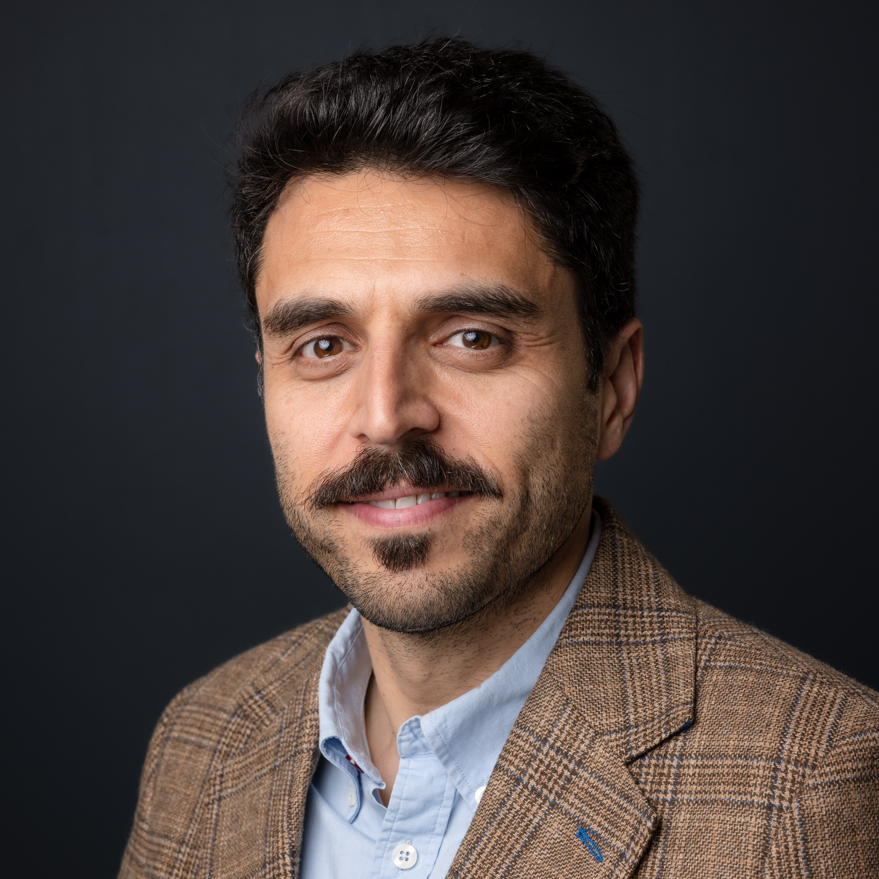
Associate Professor Mohsen Kalantari is a Geospatial Engineering academic at the University of New South Wales (UNSW) School of Civil and Environmental Engineering , with concurrent roles as co-founder of the startup Faramoon . His career spans roles at the University of Melbourne's Department of Infrastructure Engineering and Victorian government's land administration initiatives through DELWP. Education : PhD in Geomatics Engineering (2008, University of Melbourne), Master of GIS Engineering (2004), Bachelor of Surveying Engineering (2001) His research bridges geospatial engineering with construction automation , focusing on 3D cadastre , BIM-GIS integration , and smart cities . Recent publications show trends in underground land administration , digital twins , and LADM standard implementations . Scientific Awards : National educational recognition (2019), Victorian educational grants (2018), and prestigious fellowships (2012) As a supervisor , he guides PhD candidates in topics ranging from BIM for waste management to underground cadastral systems . His industry engagement includes partnerships with the United Nations , Open Geospatial Consortium , and Singapore Land Authority .
Paola Alejandra Saenz Cavazos is a Visiting Researcher and postdoctoral researcher in the Department of Chemical Engineering at Imperial College London, affiliated with the Hitachi-Imperial Centre for Decarbonisation and Natural Solutions. She collaborates with Prof. Nilay Shah's research group, focusing on Negative Emissions Technologies (NETs) and their regulatory/commercial drivers. Her work bridges nature-based and engineered Carbon Dioxide Removal (CDR) methods like blue carbon and Direct Air Capture (DAC), alongside CCUS techniques such as carbon mineralization and Sustainable Aviation Fuels (SAFs). Education: PhD in Chemical Engineering from Imperial College London (supervised by Prof. Daryl R. Williams), focusing on solid sorbents for CCUS under real-world conditions. Developed experimental frameworks and characterization techniques for scaling porous materials in gas adsorption applications. Research emphasizes technical performance, environmental impact, techno-economic analysis, and geo-social considerations of decarbonization technologies. Previously, she advised industries (energy, oil/gas, cement, mining, Waste-to-Energy) on net-zero strategies through her consultancy work, helping navigate decarbonisation complexities. Labs/Teams: Active in the Hitachi-Imperial Centre for Decarbonisation and Natural Solutions, contributing to interdisciplinary decarbonisation initiatives.
Kwanghee Jeong is a Research Fellow at the University of Western Australia , affiliated with the Fluid Science and Resources research group within the School of Engineering and Chemical Engineering Department . His work focuses on energy transport, decarbonisation technologies, and flow assurance. Education: PhD in Chemical Engineering (UWA, 2020), BSc in Mechanical Engineering (Dongguk University, 2014) Research Themes include: Flow Assurance for hydrogen, CO2, and natural gas pipelines Carbon Capture & Emissions Management (MOFs, Raman spectroscopy) Cryogenic Hydrogen Process Engineering (liquefaction, boil-off gas) Cold Energy Utilisation and Waste Heat Recovery Hydrate Formation Kinetics via Acoustic Levitation Article Trends reflect expertise in: Using Raman spectroscopy for real-time adsorption and phase transition analysis Developing Joule-Thomson loops to simulate pipeline conditions Optimizing Metal-Organic Frameworks for GHG separation Advancing hydrogen liquefaction efficiency through catalysis Addressing microplastics and hydrate nucleation via spectroscopic methods Scientific Awards : Best Poster Award (2023) - Natural Gas UWA Travel Award (2017) ARC PhD Scholarship (2016) He contributes to UN Sustainable Development Goals via decarbonisation research and has collaborated with Chevron, Woodside Energy, and Curtin University. His technical skills include Aspen HYSYS, OLGA simulations, HAZOP studies, and Differential Scanning Calorimetry (DSC).
Hiroshi Onoda is a Professor at the Faculty of Science and Engineering and Graduate School of Environment and Energy Engineering , Waseda University. His work focuses on environmentally friendly design , LCA , resource recycling , renewable energy systems , and smart communities . He holds a Doctor of Engineering from Waseda University and has held various leadership roles, including Dean of the Graduate School of Environment and Energy since 2022. Education : PhD in Mechanical Engineering (Waseda University, 2006) Professional Leadership : Environment Energy Advisor (Saitama Prefecture, 2010–2015), Director of Waseda Environmental Institute Co., Ltd. (2011–2017) Research Themes : Onoda’s research spans smart waste management , EV integration , CO2 reduction , and renewable energy deployment . He emphasizes AI and IoT applications in waste systems, decentralized energy solutions for developing nations, and decarbonization strategies for urban and industrial contexts. Publication Trends : His recent work addresses AI-driven recycling optimization , community-level GHG inventories , and DAC-based fertilizer systems , reflecting his commitment to circular economy and low-carbon mobility . Key sub-fields include robotic waste sorting , decentralized energy planning , and plastic recycling economics . Scientific Awards : Environment Minister’s Commendation (2024) Best Paper Award, ICET4SD (2021) JSME Environment Division Award (2014) JSME Research Encouragement Award (2018) Grants and Projects : Onoda has led nationwide evaluations of low-carbon industrial zones , hydrogen utilization , and plastic recycling policies . He contributes to Japan’s decarbonization roadmap through roles in NEDO and Ministry of the Environment committees. Labs and Initiatives : He founded the Waseda Environmental Research Institute, Inc. (2003) and drives innovation through the BRIDGE LIFE Platform for smart communities in Japan.
Alex Durkin is a Researcher and Research Associate at the Sargent Centre for Process Systems Engineering within the Department of Chemical Engineering at Imperial College London. His academic background includes both an MEng and PhD from Imperial College London's Department of Chemical Engineering. Alex specializes in applying machine learning and optimization techniques to design autonomous industrial systems, with a focus on sustainable resource recovery and emission reduction in wastewater and industrial processes. Education: MEng, Chemical Engineering, Imperial College London PhD, Chemical Engineering, Imperial College London His research interests span chemical engineering, environmental engineering, and sustainability, particularly in developing methodologies for circular economy frameworks, process system optimization, and resource recovery from organic waste. Alex also explores stochastic and bilevel optimization frameworks for industrial applications, alongside Gaussian processes and surrogate modeling for robust design. His publications highlight trends in wastewater valorization, carbon capture technologies, and closed-loop systems for sustainable resource management. Notable work includes frameworks for food processing waste sustainability and bio-based protein production solutions for food security challenges. Alex is affiliated with the Sargent Centre for Process Systems Engineering, focusing on interdisciplinary approaches to industrial sustainability challenges. His research bridges computational methods with practical engineering solutions to address global environmental and industrial needs.
Prof. Akshat Tanksale is a Professor in Chemical & Biological Engineering at Monash University, leading the Catalysis for Green Chemicals group. He specializes in heterogeneous catalysis for CO2 and biomass conversion into sustainable fuels/chemicals. His roles include Deputy Director of the ARC Research Hub for Carbon Utilisation and Recycling, and Carbon Theme Leader of the Woodside Monash Energy Partnership. Education: PhD (2008, University of Queensland) in nanomaterials/chemical reaction engineering, followed by postdoctoral research at UQ on biomass-to-fuels and hydrogen storage. Joined Monash in 2011. Research Focus: Innovating low/negative carbon emission technologies via catalyst design and CCU processes. Key areas include CO2 valorisation, biomass depolymerisation, and nanomaterials for energy storage (e.g., Zn-air batteries). His work aligns with UN SDGs addressing climate action and sustainable energy. Projects: Active in 11 projects (2021–2029), including leadership in carbon recycling via direct air capture and syngas conversion to acetic acid. Collaborates internationally on catalyst development and CO2 conversion. Awards: Multiple recognitions including Dean’s Award for Innovation (2020), Caltex Award (2018), and Australia-India Science & Tech Award (2010). Active in professional service, chairing IChemE Research Working Groups. Teaching: Offers courses CHE2162 (Mass/Energy Balances) and CHE3165 (Separation Processes).
Dr Leok Lee is a Lecturer in the School of Electrical and Mechanical Engineering at the University of Adelaide . He is also an active member of the Centre for Energy Technology , contributing to cutting-edge research in renewable energy systems. Research Interests: Renewable energy systems, with a focus on solar thermal energy and energy storage. System integration and optimisation of complex transient energy systems. Computational fluid dynamics (CFD) and experimental design for energy applications. Decarbonisation of heavy industry through clean energy technologies. His research spans from fundamental studies in heat transfer and fluid mechanics to applied engineering solutions for decarbonising industrial processes. He has led and contributed to projects funded by ARENA and HILT CRC, targeting the integration of concentrated solar thermal energy into industrial applications such as the Bayer Alumina process. Supervision & Mentorship: Dr Lee is eligible to supervise Masters and PhD students and actively mentors undergraduate, Masters, and PhD candidates. He encourages prospective students to contact him via email to discuss research opportunities. Contact: Email: leok.lee@adelaide.edu.au Location: Room 3, Engineering South, North Terrace Campus
Dr Smitha Gopinath is a Lecturer in the School of Chemical, Materials and Biological Engineering at the University of Sheffield , where she leads research in sustainable engineering systems within the Sustainable Design Laboratory (SDL) . Education & Career Path PhD in Chemical Engineering, Imperial College London Post-doctoral researcher, Applied Mathematics and Plasma Physics Group, Los Alamos National Laboratory Research Focus Dr Gopinath’s interdisciplinary work centres on the design, calibration and operation of sustainable engineering systems . She develops high-fidelity models and large-scale optimisation algorithms tailored to energy and materials challenges. Core interests include: Thermo-mechanical energy conversion devices (heat pumps, organic Rankine cycles) Carbon-capture utilisation and storage (CCUS) via novel solvents and separation systems Power-grid expansion and operation for renewable integration and decarbonisation Methodologically, she integrates Integrated Molecular and Process Synthesis (IMPS) with Optimisation Accelerated by domain Knowledge (OAK) to co-design molecules, materials and flowsheets that meet stringent energy and environmental targets. Publication Landscape Across 2015–2025 her publications reveal a clear trajectory from fundamental thermodynamic measurements and molecular design toward rigorous optimisation of large-scale energy systems. Early work concentrated on CO₂ solubility and carbonation kinetics of steel slag, providing essential data for carbon-sequestration schemes. Subsequent papers introduced advanced optimisation frameworks—outer-approximation algorithms, exact reformulations and feasibility-based methods—applied to solvent-based CO₂ capture, organic Rankine cycle working-fluid selection and AC optimal power flow (ACOPF). Recent contributions benchmark global optimality certificates for ACOPF problems, underscoring her drive to bridge chemical process systems engineering with electrical power systems optimisation. Teaching & Mentoring Dr Gopinath teaches undergraduate modules: CPE440 (Particle Technology) CPE170 (Particle Technology) She actively invites prospective PhD students to join the Sustainable Design Laboratory, offering supervision on projects spanning sustainable process design, renewable energy systems and algorithmic optimisation. Laboratory & Collaborative Networks She directs the Sustainable Design Laboratory (SDL), a multidisciplinary team leveraging systems engineering, multi-scale modelling, process simulation and optimisation to re-imagine a sustainable chemical and energy industry. The SDL collaborates with international partners, including Los Alamos National Laboratory and leading researchers in applied mathematics and power systems engineering.
Dr. Lin Yang is a Senior Lecturer in Marketing at the University of Tasmania’s Tasmanian School of Business and Economics (TSBE). She holds a PhD in Marketing from Victoria University of Wellington and has previously served as a Lecturer at Monash University Malaysia and a Teaching Fellow at Victoria University of Wellington. Her academic work spans teaching, research, and public engagement in consumer behavior, sustainable consumption, digital communication, and cross-cultural marketing. PhD in Marketing, Victoria University of Wellington, 2014 Postgraduate Diploma in Marketing Management, University of Otago, 2005 Graduate Diploma in Marketing, Nelson Marlborough Institute of Technology, 2004 Graduate Certificate in Higher Education, Monash University, 2017 Dr. Yang’s research focuses on understanding consumer behavior in the context of sustainability, digital engagement, and cross-cultural differences. Her work investigates green consumption in emerging markets, consumer trust in online reviews, and the impact of social media on brand perception. She applies theoretical frameworks such as cue utilisation theory and balance theory to explore how consumers evaluate products and respond to marketing stimuli. Her recent research outputs include studies on airline avoidance after accidents, green product purchase intentions, and public health communication via social media. These publications appear in journals like the Journal of Retailing and Consumer Services , International Journal of Consumer Studies , and Journal of Travel and Tourism Marketing . Her work often involves international collaborations, particularly with scholars in Asia and New Zealand. Teaching Merit Certificate, University of Tasmania, 2021 Member, British Academy of Management (2019) Member, Australian Marketing Institute (2019) Adjunct Research Fellow, 2018–2022 Member, Academy of Marketing (2015) Member, ANZMAC (2008) Member, Marketing in Asia Scholar Group (2008) Dr. Yang has supervised PhD and honours students on topics including social media for public health, zero-waste practices in hospitality, and consumer eWOM. She has secured internal funding from the University of Tasmania for her project on star ratings in online reviews and led an industry research project for the Federation of Malaysian Manufacturers on ICT adoption. She is actively involved in teaching undergraduate courses such as Consumer Decision Making and Marketing Management, and she mentors aspiring researchers interested in sustainable consumption and digital marketing. She is a member of the Industry Transformation and Sustainability research group within the ARC Hub for Sustainable Onshore Lobster Aquaculture, where she led a sub-project on consumer acceptance of tropical rock lobsters. Her public engagement includes media appearances on ABC News and SBS Chinese, where she discusses fast furniture, Chinese entrepreneurship in Tasmania, and sustainable consumer practices.
Professor Peta Ashworth is Director of the Curtin Institute for Energy Transition at Curtin University's Faculty of Science and Engineering. Her research focuses on energy transition, public perception of emerging technologies, and sustainable development strategies. Key areas include carbon capture utilization and storage (CCUS), hydrogen energy systems, and global South energy dynamics. Her work spans interdisciplinary collaborations addressing climate policy, renewable energy adoption, and stakeholder engagement in decarbonization efforts. Notable contributions include systematic reviews on biopesticide regulation, hydrogen social acceptance frameworks, and geopolitical implications of critical minerals. She leads initiatives in clean cooking finance reform and energy equity analysis, emphasizing practical solutions for sustainable transitions. Recent publications explore public engagement strategies for emerging technologies, with a focus on message framing effectiveness and gender dynamics in participatory processes. Her research bridges technical innovation with societal acceptance, contributing to policy frameworks that balance environmental goals with community needs.
Professor Ian O'Hara is Deputy Dean of the Faculty of Engineering at Queensland University of Technology (QUT), leading strategic initiatives in bioeconomy development. He holds roles as Queensland's Biofutures Industry Envoy and Senior Editor of the EFB Bioeconomy Journal. His research focuses on biofuels, biorefining, and sustainable biomass processing, with expertise in techno-economic analysis and industrial biotechnology. Education: PhD (QUT), MBA (Deakin University), BEng (University of Queensland). Professional memberships include MIEAust (CPEng) and Australian Society of Sugar Cane Technologists. Research interests include biofuel production systems, biomass valorization, and pilot-scale biorefinery development (e.g., Mackay Renewable Biocommodities Pilot Plant). He leads ARC-funded projects on synthetic biology and bioplastics, emphasizing bioeconomy policy and industrial innovation. Recent publications highlight advancements in hydrogen production, machine learning for biomass processing, and sustainable materials from agricultural waste. Awards recognize his editorial, advisory, and keynote contributions to global bioeconomy forums. Grants include ARC Centres of Excellence and industry partnerships. Supervision focuses on bio-based product development and resource optimization.
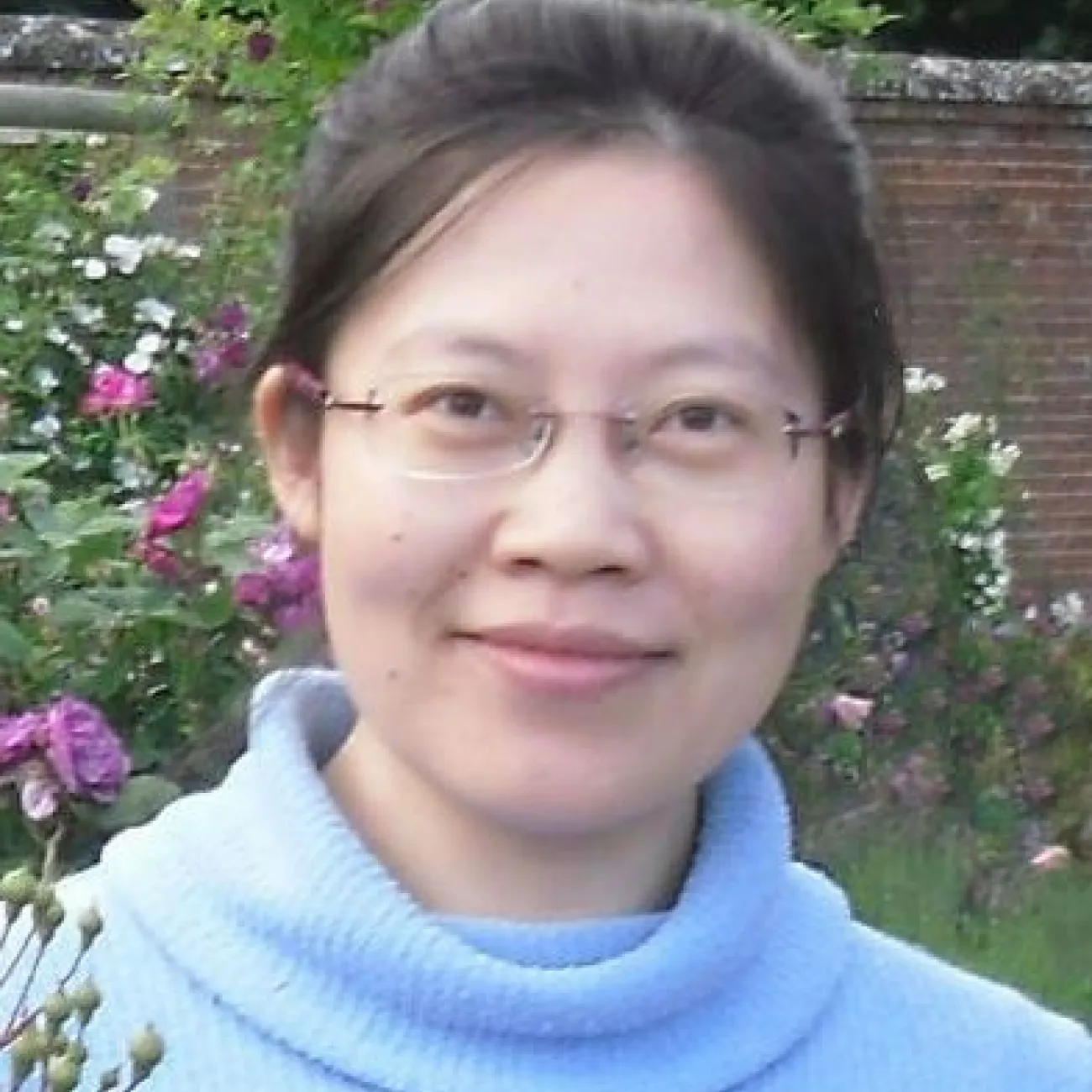
Dr. Yue Zhang is an Associate Professor in the Department of Civil, Maritime and Environmental Engineering at the University of Southampton, Faculty of Engineering and Physical Sciences. Her work bridges environmental sustainability, biotechnology, and engineering, with a focus on anaerobic digestion and bioresource recovery. She leads key research projects on bioenergy, CO₂ biomethanisation, and waste valorisation, and teaches core modules in civil and environmental engineering. Research Interests: Optimisation of anaerobic digestion via trace element supplementation and microbial pathway manipulation CO₂ biomethanisation and in-situ hydrogen addition Mixed-culture fermentation for selective carboxylic acid production from protein-rich wastes Nutrient recovery from wastewater and organic residues Microbial electrochemical systems for biofuel (methane, biobutanol) production Her recent publications reflect a strong trend in process optimization, microbial community dynamics, and sustainable resource recovery, particularly in the context of food waste, energy crops, and industrial effluents. A recurring theme is the integration of biological processes with engineering controls to enhance efficiency and environmental benefit. Scientific Awards: Fellow of the Higher Education Academy (FHEA), 2012 Dr. Zhang actively supervises multiple PhD students and has held leadership roles in teaching, including Module Lead for Bioenergy and Urban Water and Wastewater Engineering. She has received research funding from EPSRC, BBSRC, Innovate UK, the European Union, and the Royal Academy of Engineering. Her external roles include chairing committees at BBSRC and EPSRC, and membership in the EPSRC Peer Review College. She is also involved in international collaborations, such as the EU-China ECOFUEL project. Labs and Research Groups: Water and Environmental Engineering Group Southampton Marine and Maritime Institute Environmental Biotechnology Innovation Centre
Professor Chenggong (Brian) Sun is a Chair in Energy Engineering and Carbon Capture at the School of Chemical Engineering, University of Birmingham. His research focuses on Direct Air Capture (DAC), industrial decarbonisation, CO2 utilization, renewable energy technologies, and engineered porous materials. He leads major projects funded by UK Government agencies and international institutions, including the first-of-a-kind heat-driven DAC Demonstrator plant (funded by BEIS) and the UK’s largest Biochar Demonstrator initiative (funded by BBSRC). Education: PhD, MPhil, BSc (details unspecified) His research emphasizes net-zero solutions through innovations in carbon capture, utilization, and storage (CCUS), biomass/waste conversion, and sustainable fuel technologies. Over 100 referred publications advance state-of-the-art knowledge in industrial decarbonisation and energy systems. Active in interdisciplinary collaborations and large-scale demonstration projects. Grants and projects include UK Research Council, government, and industry partnerships. No specific awards listed but holds leadership roles in high-impact initiatives. Advises postgraduate students in energy engineering and carbon capture. Engaged in teaching and supervising research in chemical engineering and sustainability.
Dr Daphne Kaklamanou is a Senior Lecturer in the Psychology department at the University of Portsmouth , affiliated with the Centre for Integrated Health and Wellbeing and Food Cultures in Transition research cluster . She supervises PhD students and teaches modules in the MSc Health Psychology program, including Health Psychology Research Project, Psychobiological Aspects of Health, and Theories and Intervention Approaches in Health Psychology. Research Interests : Behaviour Change and Self-Regulation in Health User Experience of PROMs and New Technologies Health Attitudes and Behaviours Among Adolescents Compensatory Beliefs in Health and Environmental Behaviours Recent Publications : Focus on health psychology, compensatory beliefs, digital health technology, environmental behaviors, and school-based mindfulness interventions. Awards : No explicit scientific awards listed.
Professor Bernhard Hörning is a leading academic in ecological animal husbandry at Eberswalde University for Sustainable Development's College of Landscape Utilisation and Conservation. With a career spanning 1984–present, his work focuses on animal-friendly livestock systems, sustainable breeding alternatives, and endangered livestock breeds conservation. Chair of 'Ökologische Tierhaltung' since 2005 DFG-funded research at Wageningen University Privatdozent at University of Kassel Research highlights: Developing dual-purpose chicken systems to eliminate chick culling Assessing animal welfare in innovative housing systems Preserving genetic diversity through endangered livestock breeds Creating digital tools for ethical livestock evaluation Scientific contributions: Schweisfurth Research Prize (1994) Over 14 recent publications in animal ethics and sustainable systems Active participation in EU COST Action 846 (2000-2005) Professional engagements include: Beirat Neuland Verein für tiergerechte Tierhaltung Leadership roles in Tierschutzplan Brandenburg Active in international societies like ISOFAR and GEH Contributions to German poultry welfare standards