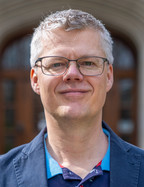
Prof. Dr. Murat Gül is a faculty member at the Faculty of Engineering , Department of Civil Engineering , Muğla Sıtkı Koçman University. His research focuses on geology, environmental science, coastal erosion, sedimentology, geotourism, and remote sensing. Education: He holds a bachelor's degree in Geological Engineering from Hacettepe University (1995), a master's in Geological Engineering from Mersin University (2001), and a Ph.D. in Geological Engineering from Çukurova University (2004). Research Interests: Prof. Gül investigates coastal sediment dynamics, geotourism potential, deep-sea sedimentation patterns, climate change impacts on coastal zones, and geotechnical properties of rock formations. His work often integrates field studies, geochemical analysis, and remote sensing tools. Scientific Trends: Recent publications highlight his expertise in microplastic pollution in coastal sediments, grus deposit formation mechanisms, eco-toxicological risk assessments, and natural hazard evaluations using InSAR techniques. Collaborative studies span Turkey, Nigeria, and Pakistan. Scientific Awards: No awards explicitly listed. Advising: Supervised 14 students on topics including microplastics, calciturbidites, mass wasting, and coastal geology. Grants: Participated in TÜBİTAK and international projects on environmental geology and remote sensing.
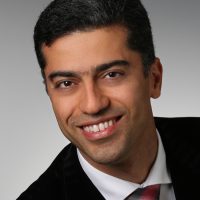
Michael Jørgen Hansen serves as a Senior Researcher in Environmental Engineering at Aarhus University's Department of Biological and Chemical Engineering. His research focuses on agricultural emissions reduction, particularly methane and odor control from pig production systems. His work bridges environmental science, agricultural engineering, and climate policy development. Research interests span Greenhouse Gas Emissions from livestock operations, Waste Management technologies, Odor Control systems using mass spectrometry and olfactometry, and Methane Reduction strategies through dietary interventions and housing innovations. His fingerprint analysis reveals strong specialization in pig production systems (100%), methane emissions (60%), and emissions measurement techniques (42%). Hansen leads multiple active research projects including STOREMIS (Greenhouse gas emissions from slurry storage), PIGMET (methane prediction modeling), and a 2024-2025 project on odor regulation in pig barns. His research outputs include 114 publications with significant activity in 2022-2025, featuring prominent work on fiber-type impacts on methane production and robotic slurry management systems. As primary investigator for the 2024 odor regulation project and co-investigator on multiple international collaborations, Hansen actively contributes to Danish climate technology policy through DCA - National Center for Food and Agriculture. His media presence includes coverage in Danish agricultural press regarding CO2 tax avoidance technologies and pig odor measurement systems.
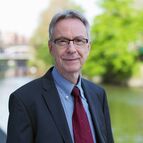
Aitor Goti Elordi is a Professor in the Department of Mechanics, Design and Industrial Management at the Faculty of Engineering, University of Deusto. His extensive research portfolio spans industrial engineering, maintenance optimization, Industry 4.0 implementation, and sustainable manufacturing practices. He leads multiple EU-funded and industry-collaborative research projects focused on digital transformation in manufacturing sectors. His research interests center around the intersection of industrial engineering and digital transformation, with particular focus on maintenance optimization using evolutionary algorithms, predictive maintenance systems, and the development of future skills requirements for evolving industrial sectors. His work bridges theoretical research with practical industrial applications, particularly in the Basque manufacturing ecosystem. Analysis of his recent publications reveals a strong trend toward interdisciplinary research addressing Industry 4.0 challenges across multiple sectors. His work consistently focuses on practical applications of data science and AI in industrial contexts, with growing emphasis on sustainability and circular economy principles. A distinctive pattern in his research is the development of competency frameworks to identify future skills requirements across various industrial sectors including steelmaking, renewable energy, and supply chain logistics. Professor Goti Elordi leads multiple significant research projects including SUSTASKILLS (2023-2025) focused on industrial symbiosis skills, REshaping Supply CHAins for Positive social impact (2022-2025), and Real-time acoustic sensorS and artificial Intelligence appLications (2023-2026). His work has secured funding from the European Commission, Basque Government, and major industrial partners including SIDENOR, NEMAK, and ETXE-TAR. He actively supervises student projects, particularly in the area of machinery redesign and additive manufacturing applications. His teaching and research integrate practical industrial experience with academic rigor, emphasizing the development of both technical and transversal skills needed for future industrial challenges.
Prof. Dr. Aleksandra Perić-Grujić is a Full Professor at the Department of Analytical Chemistry and Quality Control within the Faculty of Technology and Metallurgy at the University of Belgrade . She has been active in academia since 2013, with a focus on quality control systems and environmental chemistry. Her work spans pharmaceutical industry standards, instrumental analytical methods, and laboratory accreditation. Email: alexp@tmf.bg.ac.rs Office: TMF building, room 252b Research Interests include: Environmental Chemistry: Monitoring heavy metals in water, soil, and sediments Analytical Chemistry: Development of instrumental methods and chemometric models Quality Control: Pharmaceutical industry standards, accreditation of laboratories Adsorption Materials: Chitosan-based hydrogels for pollutant removal Chemometrics: Data analysis techniques for metal alloys and environmental studies Food Industry Applications: Quality management in food production and distribution Recent Publications address topics like metal alloy similarity modeling, heavy metal adsorption by hydrogels, and chemometrics in environmental analysis. Her work demonstrates interdisciplinary applications of analytical chemistry in pollution control and industrial quality assurance. Mentoring involves guiding students in doctoral and master's theses on themes such as: Heavy metal removal using waste materials Quality management in pharmaceutical and polymer industries Chemical analysis of consumer products and environmental samples Standardization of laboratory practices and industrial processes
Muhammad Hussain is a Professor at the Elmore Family School of Electrical and Computer Engineering, Purdue University. His research focuses on futuristic electronics spanning healthcare, environment, energy, robotics, and defense applications, utilizing state-of-the-art CMOS technology for mass production of IoT and IoE devices. These systems range from rigid to flexible/stretchable electronics, emphasizing manufacturability and sustainability. Campus: West Lafayette Office: BRK 2042 Email: mmhece@purdue.edu Labs: DREAM (Device Research Engineering Applications and Manufacturing) Research Interests: His work in microelectronics and nanotechnology drives innovations like: Flexible hybrid electronics for extreme environments and defense applications Brain organoid electrophysiology tools Dissolvable chip packaging for sustainable e-waste reduction 3D heterogeneous integration of CMOS systems Wearable sensors for marine environments and robotics
Lars Rehmann serves as a Professor in the Department of Chemical and Biochemical Engineering within the Faculty of Engineering at the University of Western Ontario. He also holds a Visiting Professor position at RWTH Aachen University in Germany. His academic journey includes a Ph.D. in Chemical Engineering from Queen's University (Canada), a Diplom in Biotechnology from Technical University of Braunschweig (Germany), and an NSERC Post-Doctoral Fellowship at the University of Manchester (2007-2009). Dr. Rehmann's research focuses on sustainable biochemical conversion processes for producing biofuels and value-added chemicals. His work spans multiple interconnected areas including anaerobic digestion, biorefinery design, biochar applications, wastewater treatment, and microbial metabolism in Clostridia species. He has made significant contributions to understanding acetone-butanol-ethanol (ABE) fermentation processes, pyrolysis byproduct valorization, and advanced extraction techniques using ionic liquids. Analysis of his recent publications reveals a strong emphasis on circular economy approaches, particularly in utilizing biochar to enhance biogas production from aqueous pyrolysis condensates. His work increasingly integrates sustainability metrics through exergetic and techno-economic analyses, with recent research expanding into metabolic oscillation phenomena in Clostridia and novel wastewater denitrification methods using solid-phase carbon sources. NSERC Post-Doctoral Fellow (University of Manchester, 2007-2009) Dr. Rehmann maintains an active research program with numerous graduate student opportunities in biochemical engineering. His laboratory infrastructure supports advanced fermentation studies, biomass conversion processes, and analytical characterization of biofuels and biochemicals. Current research directions include developing sustainable alternatives for wastewater treatment, optimizing biochemical conversion pathways for maximum resource recovery, and investigating metabolic engineering strategies for improved product yields in microbial systems.
Filipa Sofia Dinis Reis is a prominent researcher at the Instituto Politécnico de Bragança (IPB), specifically within the Department of Agricultural and Food Engineering at the School of Technology and Management. With over 114 publications in the last decade, she has established herself as a leading expert in food science, natural products chemistry, and sustainable food technologies. Her research spans multiple domains including functional foods, mushroom biochemistry, and food waste valorization. Dr. Dinis Reis completed her Master of Biotechnology at the Instituto Politécnico de Bragança, where she was recognized as the best student of her cohort (2008-2010). She later earned her PhD from the Universidad Complutense de Madrid, receiving the Extraordinary Doctoral Prize for her outstanding work. Her educational background provided the foundation for her current research in food science and natural product chemistry. Her research interests focus on identifying and characterizing bioactive compounds in natural sources, particularly mushrooms and plant byproducts. She investigates the antioxidant, antimicrobial, and antiproliferative properties of these compounds, with special emphasis on food waste valorization through circular economy approaches. Her work on apple pomace, walnut biostimulants, and mushroom extracts has significant implications for sustainable food production and health-promoting ingredients. Analysis of her recent publications reveals a clear trajectory toward sustainable food systems, with increasing focus on circular economy applications, food waste valorization, and natural alternatives to synthetic additives. Her research bridges fundamental chemistry with practical food industry applications, particularly in the areas of natural preservatives and functional ingredients derived from agricultural byproducts. Iacobus Program - Stays (2023) Erasmus+ Programme (STT Staff Mobility) (2023) Ideas with potential for innovative pilot projects (2023) Iacobus Program - Scientific papers (2022) CEECIND - Concurso Estímulo ao Emprego Científico Individual (2022) Extraordinary Doctoral Prize from Universidad Complutense de Madrid (2018) PhD Grant from FCT (2015) As Principal Investigator of the CYPonins project (2022-2028), funded by the Fundação para a Ciência e Tecnologia, Dr. Dinis Reis leads research on cypress saponins as bio-based alternatives for high-mortality rate tumors. Her work attracts significant research funding and has practical applications in both the food and pharmaceutical industries, demonstrating the translational potential of her research. She actively collaborates with international researchers, as evidenced by numerous co-authored publications with scientists from various countries. Her laboratory focuses on advanced analytical techniques for characterizing bioactive compounds in natural sources, with particular expertise in chromatographic methods, antioxidant assays, and antimicrobial testing. The research group works at the intersection of food science, pharmacology, and sustainable technology, developing innovative solutions for food waste reduction and natural product utilization.
Professor Nicholas Warren is a Chair in Sustainable Materials at the School of Chemical, Materials and Biological Engineering at the University of Sheffield. With a PhD from Sheffield and academic experience at Leeds University (2016-2024), his research integrates polymer chemistry with automation technologies. Education: University of Bristol (2005), University of Sheffield (PhD) Academic Positions: Postdoc at Sheffield (2005-2016), University Academic Fellow at Leeds (2016-2024), Associate Professor (2021-2024) Current Role: Chair in Sustainable Materials (2024-present) Research focuses on polymer science with flow chemistry , online monitoring , and artificial intelligence to advance sustainable materials. Key article trends include self-driving laboratories , multi-objective optimization , and nanostructured polymer systems . Scientific recognitions include: 2022 Macro Group UK Young Researchers Medal 2023 RSC Reaction Chemistry & Engineering Outstanding Early Career Paper Award Advisees span current and alumni PhD students like Dr Stephen Knox , Anna Morrell , and Dr Charlotte Pugsley . His team employs self-driving lab platforms that combine robotics, AI, and online analytics for accelerated materials discovery.
Rossana Bellopede is an Associate Professor at the Politecnico di Torino, affiliated with the Department of Environmental, Land and Infrastructure Engineering (DIATI) . She leads the Raw Materials (DIATI) laboratory and contributes to projects like CITERIA (critical raw material recovery) and SHOWCAVE (tourist cave impact mitigation). Her roles include coordinating PhD programs in Civil and Environmental Engineering and teaching courses on Circular Economy , Natural Stone Characterization , and Occupational Safety . Research focuses on solid waste recovery (tunnel muck, mining tailings) natural stone durability (weathering, bowing phenomena) microplastic pollution (karst systems, groundwater, caves) asbestos testing (industrial safety) Recent publications examine textile wastewater microfibers (2025), microplastic transport in karst environments (2025), and critical raw material recovery techniques (2025). Her work aligns with SDG 12 (Responsible Consumption) and SDG 11 (Sustainable Cities). Scientific participations include Advisor for ANIM (National Mining Engineers Association) Organizing committee of Heritage Stones Workshop (2021) Research network PROMETIA (2018-2025) She manages commercial projects like CE marking for Piasentina Stone , develops FAST4C circular textiles protocols (2024-2028), and supervises PhD candidates studying microplastic pollution in karst systems stone durability mechanisms sustainable construction materials
Manuela Reben serves as a Professor at AGH University of Science and Technology in Kraków, Poland, within the Faculty of Materials Science and Ceramics. Her primary appointment is in the Department of Glass Technology and Amorphous Coatings, with office space in building A-3, room 222. She holds the significant administrative role of Vice-Dean of the Faculty of Cooperation and participates in multiple governance bodies including the Chemical Engineering Discipline Council, Faculty College, University Senate, and Senate Committee on Science. Her research centers on advanced glass systems with specialization in optical materials , radiation shielding composites , and waste glass valorization . Key investigations include structural characterization of rare earth-doped tellurite and phosphate glasses, development of novel compositions for photonic applications, and utilization of industrial glass wastes in sustainable construction materials. Her work bridges fundamental materials science with practical engineering solutions for laser technology, nuclear shielding, and eco-friendly building products. Analysis of her recent publications (2022-2025) reveals dominant research trajectories in three interconnected domains: (1) Engineering phosphate/tellurite glass matrices doped with rare earth ions for broadband optical amplifiers and laser gain media; (2) Developing radiation-shielding glasses with optimized attenuation properties for medical and nuclear applications; (3) Transforming industrial glass wastes into functional construction materials through sintering process optimization. These efforts demonstrate consistent innovation in glass composition design and property tailoring. Scientific awards: No awards documented in available sources. Advising activities and research grants are not specified in current documentation, though her leadership roles suggest significant mentorship responsibilities. Her departmental affiliation indicates active participation in collaborative research teams focused on glass technology and amorphous materials development.
Dr. Mehdi Jafarian is a Senior Lecturer in the School of Chemical Engineering at the University of Adelaide . His work focuses on hydrogen production , CO2 capture , solar thermal energy , and chemical looping combustion . Key research areas include: Solar thermal integration in industrial processes Hydrogen generation via methane pyrolysis CO2 sequestration technologies Advanced water treatment systems Thermochemical energy storage Research Trends : Recent publications emphasize hydrogen production optimization , PFAS removal , and molten metal reactor systems . Sub-fields span flash reactor modeling , hydrodynamic cavitation , and membrane-free electrolysis . Contact : mehdi.jafarian@adelaide.edu.au
Dr. Jully Tan serves as an Associate Professor (Education Focused) at Monash University Malaysia's School of Engineering, leveraging over fifteen years of expertise in chemical engineering education and curriculum development. She plays pivotal roles in program accreditation through Malaysia's Engineering Accreditation Council and actively contributes to UN Sustainable Development Goals via educational and environmental research. Her academic credentials include: PhD in Chemical Engineering, Universiti Malaya (research: life cycle assessment for microalgae production) Master of Environmental Engineering, Universiti Teknologi Malaysia B.Eng. in Chemical Engineering, Universiti Teknologi Malaysia Dr. Tan's research centers on engineering education innovation —developing VR tools for process safety and gamified learning—and sustainable manufacturing , specializing in life cycle assessment of carbon/water footprints across palm oil, plastic waste, and biogas systems. Her work bridges theoretical knowledge with practical workplace readiness for multidisciplinary engineering students. Analysis of her 15 most recent publications (2022-2024) reveals dual thematic trajectories: educational technology (VR, gamification, digital equity) and circular economy solutions (plastic recycling, biowaste valorization, cellulose nanocrystals). These integrate environmental economics with industrial ecology, emphasizing scalable sustainability metrics for developing economies. Her accolades demonstrate excellence in both domains: IChemE Malaysia Highly Commended Award (2024) for educational innovation Engage & Educate Digital Learning Design Competition winner (2024) Faculty of Engineering Australia-Malaysia Travel Grant (2023) School of Engineering Certificate of Commendation for Early Career Education (2021) Institution of Engineers Malaysia Presidential Award (2022) As Primary Chief Investigator, Dr. Tan secures competitive grants including the 2025 Monash-Warwick project on ethical preparedness in engineering education and the ongoing VR-based process safety initiative (2022-2024). She mentors PhD candidates in teaching tool development and sustainable manufacturing while serving on national accreditation panels. Her leadership extends to organizing the Asia PSE Symposium and Malaysian Chemical Engineers Symposium, fostering industry-academia collaboration through the Institution of Engineers Malaysia.
Dr. M Reza Kholghy is an Associate Professor and Canada Research Chair in Particle Technology and Combustion Engineering at Carleton University's Department of Mechanical and Aerospace Engineering. He directs the Energy and Particle Technology Laboratory (EPTL) where he focuses on sustainable industrial solutions. His academic credentials include a BASc in Aerospace Engineering from Sharif University of Technology, and MASc/PhD degrees in Mechanical Engineering from the University of Toronto, followed by postdoctoral work at ETH Zurich. Research interests center on: Industrial decarbonization through metal fuel combustion (aluminum/iron) and carbon management Hydrogen production via methane pyrolysis and metal-water reactions Advanced material synthesis including flame spray pyrolysis for catalytic films and alumina production Nanoparticle engineering with focus on soot formation dynamics and optical properties His publications predominantly explore nanoparticle synthesis mechanisms, soot formation modeling, and sustainable fuel technologies, with recent emphasis on hydrogen cogeneration and metal combustion. Experimental and computational approaches are equally represented across combustion diagnostics, reactor design, and molecular dynamics simulations. Major scientific recognitions include: Canada Research Chair (Tier 2) Vanier Canada Graduate Scholarship NSERC Postdoctoral Fellowship He leads the Energy and Particle Technology Laboratory with industry partnerships focused on sustainable technology development. The lab specializes in flame spray pyrolysis reactors, nanoparticle characterization (surface area, porosity, composition), and high-pressure reaction systems. Dr. Kholghy actively mentors students through capstone projects and research positions, though specific PhD/Master's advisees aren't named in available sources.
Alberto Godio is a Full Professor at the Politecnico di Torino, affiliated with the Department of Environmental, Land and Infrastructure Engineering (DIATI). He coordinates Latin America relations under the University Strategic Plan and is a member of the Interdepartmental Center Photonext for Applied Photonics. His research focuses on Applied Geophysics, Geophysical Data Integration, and Glaciology. He graduated in Mining Engineering (1988) and earned a PhD in Underground Resources Engineering (1993). He has been an Associate Professor (2005-2024) and Full Professor (2024-present) at PoliTO, leading projects funded by EU (FP7, LIFE, Horizon), MIUR (PRIN, FIRB), and regional bodies. His recent publications explore geophysical methods for subsurface modeling, glacial systems, and environmental remediation, with keywords spanning Geophysics, Hydrology, and Climate Science. His work emphasizes ground-penetrating radar, seismic noise analysis, and hybrid modeling techniques. Scientific awards include the Best Paper Award at the Near Surface Geoscience Conference (2008). He has supervised PhD students on fiber optic sensors and GPR optimization, advised projects on digital twins, and led EU-funded research on biogas enhancement in landfills.
Prof. Dr. Johannes Wolf is a Professor of Business Administration (Dual Study Program) at the Hamburg Distance Learning University (since 2012) and previously served as Chancellor of the university (2013–2020). He also held roles as Professor of Logistics Management and (Founding) Dean of the Logistics Management Department at the European University of Applied Sciences (EUFH) in Brühl. His career includes over 30 years of academic and professional experience in logistics, supply chain management, and business systems. Education: Johannes Wolf holds a doctorate in Business Administration from Fernuniversität Hagen (1986) with a thesis on industrial energy use and production planning, following a degree in Business Administration from the University of Cologne. Research interests focus on logistics management, supply chain optimization, ERP system implementation, dual study programs, and educational frameworks for business and logistics disciplines. He has contributed to over 50 publications, including handbooks and peer-reviewed articles on topics like IT systems in logistics, risk management, and competency development. He is a member of the Federal Association of Logistics (BVL) and the German Informatics Society (GI), and has served as an external expert for institutional accreditation reviews by the German Science Council. Key professional roles include management consultancy work (1993–2003) and early career roles in organizational controlling and energy procurement in industry.