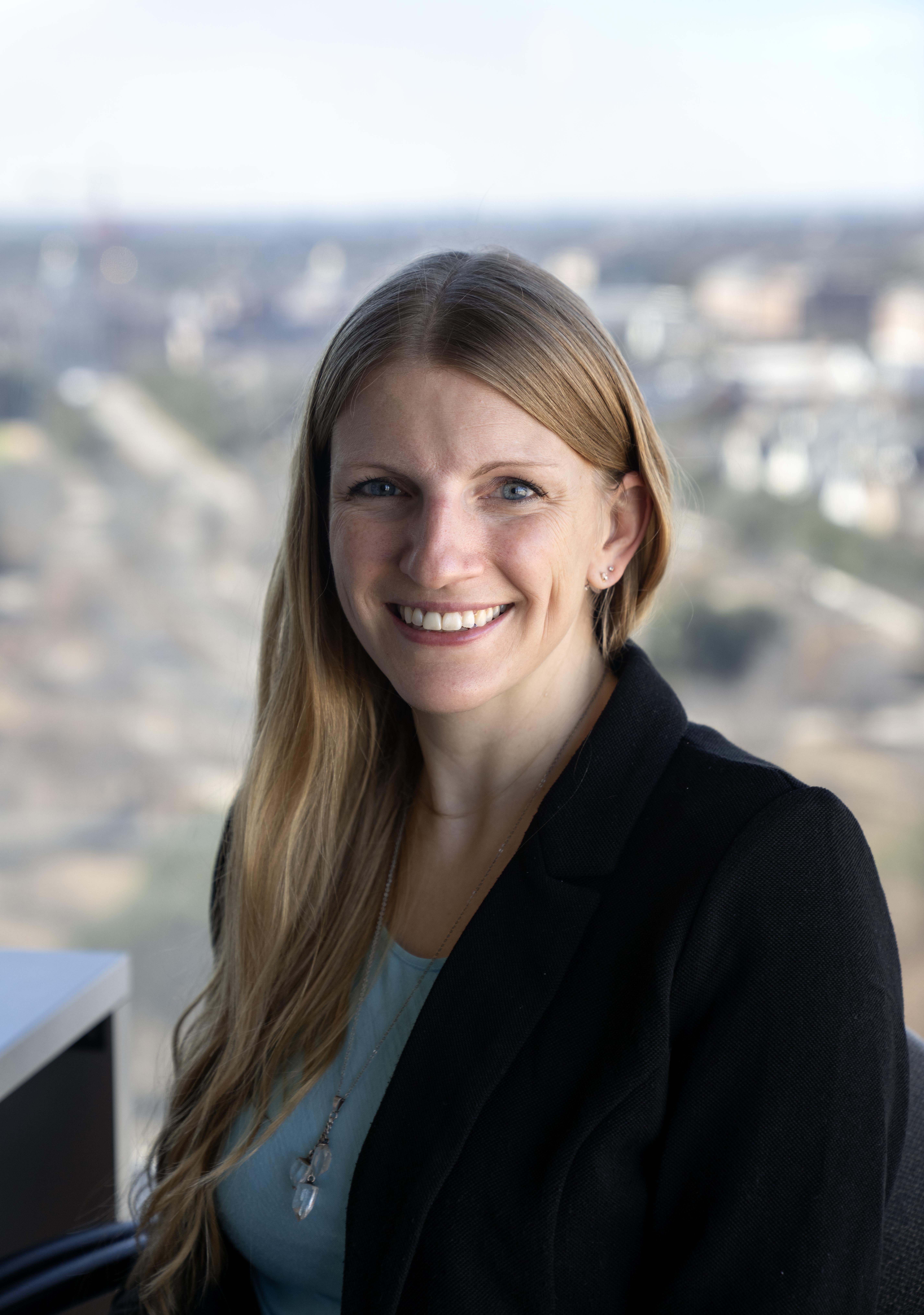
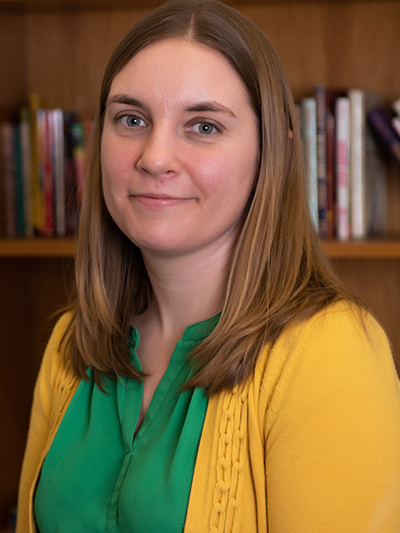
Marianne STARLANDER is a Professor at the University of Geneva, specializing in advanced computational linguistics with a focus on machine translation and speech processing. Her research emphasizes multilingual systems, particularly in medical and Swiss German language contexts. She leads projects like PASSAGE and MedSLT, developing tools for spoken language translation and real-time subtitling. Her work often integrates evaluation methodologies, standardization frameworks, and usability studies to improve translation technologies. Key contributions include advancing ISO-compliant evaluation techniques for CAT tools, creating metrics like TURKOISE for medical domain translation systems, and exploring the interplay between speech recognition and grammar-based approaches. She collaborates with organizations like SWISS TXT to enhance accessibility through respeaking technologies. Her academic supervision includes mentoring students such as Mathilde Bartoletti, focusing on evaluation methodologies and translation pedagogy. Research spans from foundational studies on medical speech translation architectures to applied systems for mobile devices (PDA-based multilingual systems).
Nadezhda M. Stojkovic is a Full Professor in the Department of English Language and Literature at the Faculty of Electronics, University of Niš, Serbia. She has been an integral part of the institution since 2002 and was promoted to Associate Professor in 2016 and Full Professor in 2021 in the field of Social Sciences and Humanities. Her work bridges language education and technological disciplines. Ph.D. (Master's level mentioned; Ph.D. implied by professorial rank) Master’s in English Language and Literature, Faculty of Philosophy, University of Niš (1999) Bachelor’s in English Language and Literature, Faculty of Philosophy, University of Niš (1992) Her research centers on English for Specific Purposes (ESP) , particularly in science and technology contexts. She investigates how language shapes and reflects identity , cultural awareness , and interdisciplinary communication . Her pedagogical focus includes oral and written communication skills for engineers and ICT students, emphasizing real-world application and cross-cultural competence. She has developed curricula and teaching materials tailored to technical education. Her publications reveal a consistent focus on the role of language in higher education, especially in non-linguistic disciplines. The articles highlight themes such as identity construction through language , translation as a cultural and personal act , and the integration of cultural content in technical language teaching . These works span international academic publishers and reflect a multidisciplinary approach combining linguistics, education, and cultural studies. While no formal awards are listed, her sustained scholarly output in reputable international publications demonstrates significant academic contribution. Author and co-author of multiple textbooks and book chapters Contributor to Cambridge Scholars Publishing and Peter Lang volumes Active participant in national research projects She has contributed to shaping language education policy and practice at the Faculty of Electronics, developing specialized courses like English for Electronics . Her work supports the internationalization of technical education in Serbia.
Kwangmin Lee is an Assistant Professor in the Department of Special Education and Literacy Studies at Western Michigan University, where he specializes in TESOL and language assessment. His research integrates quantitative methodologies with applied linguistics to advance understanding of second language reading and writing assessment. Research Interests: Dr. Lee's work centers on language testing and assessment, particularly using statistical and psychometric approaches to analyze second language learners’ performance. His expertise includes educational measurement, research methods in TESOL, and the validation of assessment tools. He investigates areas such as automated writing evaluation, rater reliability, test motivation, and the cognitive aspects of reading and writing in EFL contexts. The recent publications highlight a strong trend in psychometrics, validity, and the application of advanced quantitative techniques—including item response theory, confirmatory factor analysis, and machine learning—to problems in language assessment. His work frequently appears in top-tier journals such as Language Testing , Assessing Writing , and System . Scientific Contributions: Published in leading journals in applied linguistics and language assessment Focused on improving the validity and reliability of language tests Developed and validated assessment instruments for writing self-efficacy and critical thinking Explored technological and cognitive dimensions of language learning and testing Advising and Grants: While specific students or funded grants are not mentioned in the available text, Dr. Lee’s research profile suggests active mentorship potential in quantitative research methods and language assessment. His methodological rigor positions him to lead or contribute to large-scale research initiatives, particularly those involving data-driven evaluation of language programs. Labs and Research Teams: There is no explicit mention of a lab or research team in the provided information. However, his interdisciplinary focus on measurement, statistics, and language learning suggests potential collaboration with educational research centers or language technology initiatives.
Sarah Kucker is an Assistant Professor in the Department of Psychology at Southern Methodist University, joining in January 2023. Her research focuses on cognitive development, language acquisition, digital media effects, and word learning in infants and toddlers. She employs a dynamic systems approach to examine how environmental contexts interact with individual differences in developmental outcomes. Education: Postdoctoral Fellowship, Callier Center for Communication Disorders, University of Texas Dallas M.A. and Ph.D., University of Iowa B.A. and B.S., Drake University Dr. Kucker's work explores topics such as novelty biases in word learning, embodied cognition, temperament influences on vocabulary, language delays in children, and caregiver-child STEM communication in museums. She currently holds an R15 grant from NICHD to study word learning mechanisms in digital media contexts. Her Google Scholar publications reveal trends in digital media effects on language development, temperament analysis, and dynamic models of word learning. Key sub-fields include socioeconomic status impacts, orthographic processing, shape biases, and dyadic communication. Scientific Awards: NICHD R15 grant for digital media and word learning research Dr. Kucker leads the SMU Kids In Development (KID) Lab, which emphasizes inclusive research practices and investigates pathways to successful cognitive and language development. She previously held faculty positions at Oklahoma State University and the University of Wisconsin Oshkosh.
Liliana Paredes is a Teaching Professor at Duke University, holding joint appointments in Romance Studies, Linguistics, and International Comparative Studies. She serves as Director of the Center for Latin American and Caribbean Studies. Her research focuses on second language acquisition, intercultural competence development, and innovative pedagogical strategies in language education. Paredes has a Ph.D. from the University of Southern California (1996) and an M.A. from Stony Brook University (1990). Her work emphasizes curricular design for language proficiency, particularly addressing low, mid, and high-stakes writing activities in second languages. She also investigates sociolinguistic phenomena in Andean Spanish, including leísmo variation and genitive constructions. Paredes has published textbooks and scholarly articles on language pedagogy and sociolinguistics. In addition to her academic roles, Paredes has been featured in Duke news for initiatives such as 'Translanguaging Fridays' and discussions on language discrimination. She teaches courses exploring linguistic rights in the Americas, community health in the Andes, and heritage Spanish instruction.
Ivica Papa is an Associate Professor at the University of Zagreb's Faculty of Forestry and Wood Technology, specializing in Forest Road Planning, Maintenance Optimization, and Sustainable Forestry Infrastructure. He holds a PhD and has been affiliated with the university since 2008, progressing from Assistant to Senior Assistant before becoming Associate Professor in 2019. His research focuses on improving forest accessibility through advanced technologies like UAV surveys, GIS tools, and precision measurement techniques. Key interests include soil disturbance mitigation, machinery-induced environmental impacts, and multi-purpose infrastructure design for mountainous regions. He has contributed to over 50 publications since 2007, addressing challenges in forest road construction, bark beetle management, and post-disaster timber recovery. Professor Papa teaches courses in Forest Roads in Protected Areas and advises on forestry operations in steep terrains. His recent work emphasizes integrating modern data collection methods with traditional forestry practices to enhance sustainability and efficiency. He maintains active participation in international forestry networks like FORMEC and collaborates on strategic planning projects for Croatia's forest road networks. Professional experience includes roles in optimizing primary forest road networks, assessing soil conditions for harvesting operations, and evaluating the environmental impact of mechanized logging systems. His research bridges technical innovation with ecological preservation, particularly in sensitive landscapes.
Earl McKinney, Ph.D., is a **Professor** and holder of the **Dr. Timothy and Ruth Ann Ross Teaching Professorship** at Bowling Green State University (BGSU), within the **Schmidthorst College of Business** and the **Department of Accounting and Information Systems**. His academic career at BGSU spans from 2000 to present, with a focus on Management Information Systems (MIS), decision-making, and educational methodologies in technology-driven environments. Education: Ph.D. (1991), Management Information Systems, University of Texas M.A. (1981), Engineering in Operations Research, Cornell University B.S. (1980), Economics, U.S. Air Force Academy Research Interests: McKinney’s work centers on **information systems theory**, **crisis decision-making**, **team communication**, and **big data applications**. He emphasizes the intersection of technology, human factors, and pedagogy, particularly in ambiguous or high-stakes scenarios. His contributions include frameworks for improving collaboration in uncertain environments and integrating active learning in information systems education. Publications Trends: His articles frequently address **subjective information theory**, **decision support systems**, and **teaching methodologies**. Recent works explore ambiguity awareness in analytics, crisis IT design, and the role of big data in modern accounting practices. He also investigates how domain vocabulary and communication dynamics impact team performance in ambiguous settings. Grants & Curriculum Development: McKinney contributed to revising the Master of Accountancy curriculum using advisory board input (2019). His research has been published in journals like *Communications of the AIS*, *Journal of Information Technology Theory and Application*, and *Government Information Quarterly*. Professional Engagement: He coordinates the MIS 200 course and has advised on aviation crisis management, military team performance, and activity-based costing systems. His work bridges academic theory with practical applications in aviation safety, emergency response, and business analytics.
Kathryn L. Roberts is a Professor of Reading, Language, and Literature in the College of Education at Wayne State University. She is actively involved in teaching undergraduate and graduate literacy courses, advising students, conducting research, and serving on academic committees. Her work is centered in the Department of Reading, Language and Literature, with affiliations in Early Childhood Education and Bilingual-Bicultural Education. B.S., Elementary Education and Spanish, Butler University M.S., Teaching English as a Second Language, Indiana University Ph.D., Curriculum, Teaching, and Educational Policy (Literacy Specialization), Michigan State University Dr. Roberts' research focuses on literacy development across the early and elementary grades, with an emphasis on content-area literacy, comprehension, informational and visual literacy, and family literacy. She is particularly interested in how children interpret graphical devices such as maps, timelines, and tables, and how multilingual learners can be supported through culturally sustaining pedagogy. Her work bridges theory and practice, aiming to improve literacy instruction through research-based, equity-focused approaches. Her recent publications explore trends in multimodal literacy, including the use of graphic novels in social studies and language arts, partner reading dynamics, and the implementation of inquiry-based learning through the C3 Framework. She frequently collaborates with colleagues like Dr. Kathleen Brugar and Dr. Christine DeNicolo, emphasizing collaborative and community-engaged research. 2015: Article of the Year, The Geography Teacher 2018-2019: University Recognition for Program Assessment, Ph.D. in Educational Studies 2019: Faculty Service Award, Wayne State University 2020: Kathleen Reilly Koory Faculty Development Award 2022: Distinguished Alumni Award, Butler University Winner of the National Council for Geographic Education’s Best Content Article for 2015 award Dr. Roberts has been a Co-PI on multiple grants, including the 'A Unified Approach to Literacy Instruction' (2015–2018) and the SEED Pathway Project (2022–2027), a $2.4 million National Professional Development Grant focused on certifying bilingual and ESL teachers and improving outcomes for English learners. She mentors graduate students and collaborates with community initiatives like Read313 and 313Reads. She is a core member of research teams exploring literacy professional development, family engagement, and culturally responsive teaching, contributing to both scholarly and practitioner audiences. She is involved in the SEED Pathway Project, a large-scale, community-engaged initiative that supports culturally responsive educators for multilingual learners. Her work emphasizes partnerships beyond the university, including schools, families, and community organizations, to create equitable and sustainable literacy ecosystems.
Dr. Fabia Franco is an Associate Professor in Psychology at Middlesex University , specializing in developmental psychology, music therapy, and cross-modal communication. With over two decades of research, her work bridges music cognition, language acquisition, and social-emotional development across the lifespan. Key research themes include infant communication through pointing, musical predictors of language development, and therapeutic applications of music for cognitive disorders. Her interdisciplinary collaborations span neuroscience, music therapy, and autism studies. Recent publications (2021-2024) focus on neonatal intensive care soundscapes, music-based cognitive interventions for aging populations, and cross-cultural studies of infant-directed communication in hunter-gatherer societies. She also develops assessment tools like the Music@Home questionnaire to quantify early musical environments.
Kieran File is an Associate Professor and Reader in the Department of Applied Linguistics at the University of Warwick. His work bridges linguistic theory and practical application in high-performance sports contexts, with a focus on how language shapes team dynamics, leadership, media engagement, and identity. Research Interests: Kieran specializes in discourse analysis, interactional sociolinguistics, pragmatics, and professional communication, particularly in elite sports. His research explores team talk, media interviews, athlete-coach communication, and how language reflects and constructs power, identity, and inclusion. He has a strong interest in gendered communication in rugby and inclusive coaching practices. Publications and Research Trends: His recent publications reveal a consistent focus on identity construction, impression management, and linguistic strategies in sports media and team interactions. He frequently employs discourse analysis to examine real-world communication in rugby, football, and netball, with an emphasis on how language performs social functions under pressure. Impression management in sports media Leadership and identity in team discourse Racial and gendered language in sports Genre and register in professional communication Strategic use of humor and impoliteness Communication training for athletes and coaches Scientific Projects and Funding: KTP Project with the Rugby Football Union (2025–2027): Developing knowledge on how coaching language can create inclusive environments for women and girls in rugby. Funding from Innovate UK and RFU: Supporting research into language and social interaction in sport. Collaborations: Kieran has worked with top-tier organizations including Williams F1, Football Association of Wales, England Boxing, Warwickshire County Cricket Club, and professional rugby clubs in New Zealand. He also contributes to academic discourse through book chapters and editorial works on linguistic consultancy and language in the workplace. Education and Teaching: He delivers communication workshops and education programs for athletes, coaches, and performance staff, helping them develop strategic awareness of language use. His teaching integrates qualitative research methods and applied sociolinguistics.
Elisabeth Bjørnestad is a Professor in the Department of Kindergarten Teacher Education at the Faculty of Teacher Education and International Studies, Oslo Metropolitan University. Her research focuses on early childhood education, particularly kindergarten quality, classroom research, preschool pedagogy, and the transition from kindergarten to school. University: Oslo Metropolitan University School: Faculty of Teacher Education and International Studies Department: Department of Kindergarten Teacher Education Role: Professor and Study Leader Area 2 Her research interests span a wide range of topics in early childhood education, including qualitative and quantitative research methods, classroom conversations, learning and teaching, kindergarten employees, young children's development, and the physical environment of kindergartens. She is particularly interested in longitudinal studies and comparative kindergarten pedagogy. Her recent publications reflect a strong trend in evaluating educational quality, interaction dynamics, play, and policy impacts in Norwegian early childhood education. She frequently employs observational methods and standardized assessment tools such as the ECERS-R and ITERS-R. Her work often addresses practical and policy-relevant issues, such as the effects of educational reforms and the pandemic on early learning environments. Elisabeth Bjørnestad has been actively involved in multiple research projects, including the longitudinal 'Gode barnehager for barn i Norge' (GoBaN) project and the evaluation of the six-year reform in classrooms. She collaborates extensively with national and international researchers and contributes regularly to academic conferences and public outreach. Klasserommets praksisformer 20 år etter - en evaluering av seksårsreformen (2024) Koronapandemiens konsekvenser for overgang mellom barnehage og skole (2022) Informasjonswebinar - GoBaN studien (2021) She is a key member of research groups such as Beginner training, Classroom research, and Language and learning environment in kindergarten and school (SAMBA), which reflect her commitment to interdisciplinary and applied research in early education.
Christoph Lange-Bever (publishing as Christoph Lange) is a senior researcher in computer science, specializing in data science and artificial intelligence, affiliated with the Fraunhofer Institute for Applied Information Technology FIT and the Chair for Information Systems at RWTH Aachen University since 2019. He leads the Data Science and Artificial Intelligence department at Fraunhofer FIT and previously headed the Knowledge Pipelines department from 2019–2021. His career spans roles at the University of Bonn, Fraunhofer IAIS, University of Birmingham (as an honorary research fellow until 2017), and University of Bremen. PhD from Jacobs University Bremen (2011) on semiformal mathematical knowledge collaboration Focus areas include knowledge engineering, semantic web, data infrastructures , and FAIR principles Applications span enterprise data integration , research infrastructures , and cross-organization data spaces His recent publications (2023–2025) emphasize FAIR data spaces , LLM integration , semantic interoperability , and knowledge graph tools . While no specific scientific awards are listed, he has co-supervised 10 PhD students and contributed to international standards (OMG, W3C). He teaches courses like Knowledge Graph Lab and Sovereign Data Exchange , blending research with practical applications for global enterprises.
Prof. Dr. Elke Montanari is a Professor of German as a Second Language at the Institute for German Language and Literature, University of Hildesheim, where she also serves as Managing Director. She holds a PhD from Ludwig-Maximilians-Universität München and previously held academic positions at Heidelberg University of Education and Karlsruhe University of Education. Her research bridges multilingualism, language acquisition, and educational integration, with leadership roles in projects like TRANSLANG (international teacher education) and DAWID (German as an academic language). Montanari's research explores multilingual education systems, vocabulary development in bilingual children, and diagnostics for German language learners. She emphasizes practical applications in teacher training and policy development, particularly for migrant and refugee education. Her work spans early childhood to tertiary education contexts. Recent publications (2019–2025) demonstrate strong trends in lexical analysis of learner corpora, multilingual pedagogy in ECEC institutions, and information literacy’s role in democratic engagement. Methodologically, she combines empirical studies of bilingual development with applied educational research. As primary supervisor, she guides doctoral candidates in multilingual acquisition research. Key projects include SpraBiPiKs (language professionals in kindergartens) and collaborations with universities in Cairo and Rouen. She co-leads the Center for Educational Integration, advancing inclusive language policies across Niedersachsen.
Nadine Tramowsky is a Junior Professor for Biology and its Didactics at the Pädagogische Hochschule Freiburg (University of Education Freiburg), where she also serves as Head of the BioLab and is affiliated with the Research Center for Climate Change Education and Education for Sustainable Development (ReCCE). She has held this position since January 2020 and is actively engaged in research and teaching in the fields of biology education, climate change education, and sustainable development education. Currently, she is on parental leave but remains committed to her academic work. Dr. Tramowsky completed her PhD in Science Education at the University of Bamberg in November 2018. Her academic journey began with teacher training for middle schools at the University of Bamberg, where she also earned her first state examination in 2013. Prior to her academic career, she trained as a state-certified educator and childcare worker, giving her a strong foundation in practical educational settings. Dr. Tramowsky's research focuses on four main interconnected areas: empirical research on students' conceptions, climate change education and education for sustainable development (BNE), digital education, and diversity in science education. Her work particularly emphasizes the development of evaluation competencies, moral reasoning in biology education, and innovative teaching methods that integrate digital tools. She has made significant contributions to understanding how students form moral conceptions about human-animal relationships, meat consumption, and sustainable practices. Her research has led to the development of innovative teaching approaches such as 'MuxBooks' - multimedia learning tools that allow students to create digital stories about scientific phenomena. Dr. Tramowsky's recent scholarly output demonstrates a strong focus on systemic thinking related to sustainability issues, digital educational resources, and moral reasoning in science education. Her work bridges theoretical frameworks with practical classroom applications, particularly in elementary and secondary science education contexts. She has developed several educational apps and digital tools, including the Global Change App for climate change education, and has conducted extensive research on how students develop understanding of complex ecological systems. Megafon – Preis für Sprachbildung und Sprachförderung von Jugendlichen und jungen Erwachsenen, Joachim Herz Stiftung (JHS), 2023 Ideas Competition - Innovative Ideas for More Climate Protection at the Pädagogische Hochschule Freiburg, 2023 Teaching Award of the Pädagogische Hochschule Freiburg, 2021 Fellowship in the Didaktik:digital College, Joachim Herz Stiftung (JHS), 2020 Dr. Tramowsky has supervised numerous master's theses, bachelor's theses, and qualification papers across various aspects of biology education. Her current research projects include 'Lerntagebuch Schreiben Fördern durch KI-gestütztes Feedback' (Di.ge.LL 2-TP7), 'Sprache fördern im Schulgarten - Digitales Storytelling' (DiStory), and 'Adaptive Unterstützung in MINT-Lernumgebungen zur Förderung experimenteller Kompetenz und Selbstwirksamkeit' (AdUmint). These projects are funded by the Ministry of Science, Research and Art of Baden-Württemberg (MWK BW) and the Federal Ministry of Education and Research (BMBF), reflecting the significance of her work in educational research. As Head of the Freiburger BioLab DIGITAL at the Pädagogische Hochschule Freiburg, Dr. Tramowsky leads an innovative interdisciplinary team focused on developing and implementing cutting-edge teaching methods in biology education. She is also a founding member of the Research Center for Climate Change Education and Education for Sustainable Development (ReCCE), where she collaborates with researchers across disciplines to address pressing educational challenges related to sustainability and climate change. Her work on the 'Lehr- und Lerngarten' project demonstrates her commitment to creating practical learning environments that connect theoretical knowledge with real-world sustainability challenges.
Kristina Kovacs is an Associate Professor at the Department of Communication and Media Studies, Institute of Social and Communication Sciences, Faculty of Humanities and Social Sciences at Károli Gáspár Reformed University. She earned her PhD in Literary and Cultural Studies from Eötvös Loránd University in 2019 with a dissertation on French poets of presence and Paul Celan's legacy. Her educational background includes MA degrees in German Language and Literature and French Language and Literature from Eötvös Loránd University (2007, 2008), along with qualifications as a high school teacher in both German and French. She previously served as Head of Rector's Office at KRE before transitioning to her current academic position. Kovacs specializes in modern and contemporary French and German poetry, with a particular focus on Paul Celan's work and its influence on other poets. Her research extends to literary translation, translation studies, and intercultural communication, with additional expertise in international relations, diplomatic history, and international etiquette and protocol. She is fluent in German and French at native speaker level, with knowledge of Latin, Ancient Greek, and English. Her recent publications demonstrate a consistent focus on the intersections between French and German literary traditions, particularly examining Paul Celan's poetry and its relationship with French poets of presence. Her scholarly output also includes significant contributions to diplomatic history and EU terminology through digital curriculum development projects. Publication of the Year Award (2014) from Károli Gáspár Reformed University Kovacs serves as a founding member and deputy head of the Intercultural Research Group and Translation Workshop. She has held significant educational leadership roles including responsibility for the BA International Communication specialization since 2023 and management of French language training for advanced translation studies since 2022. She previously coordinated the French Lecturer Program at MFIA-KRE from 2012-2022. She has developed comprehensive digital curricula on diplomatic history, international protocol, etiquette, and EU vocabulary in French as part of a major multimedia curriculum development project, demonstrating her commitment to practical applications of her expertise in international communication contexts.