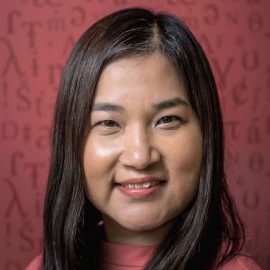
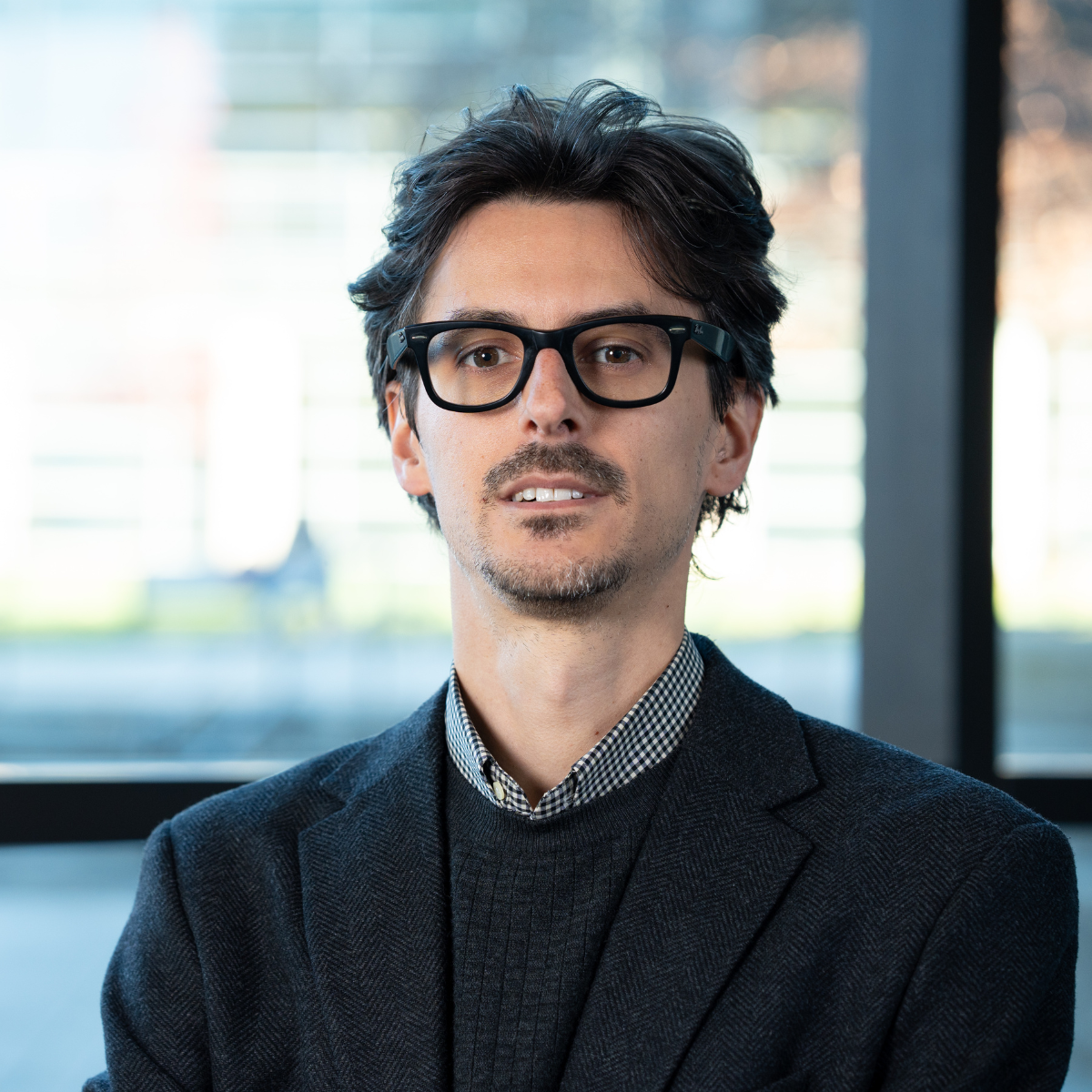
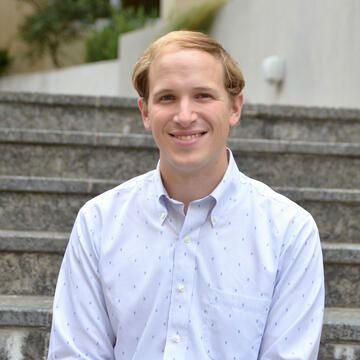
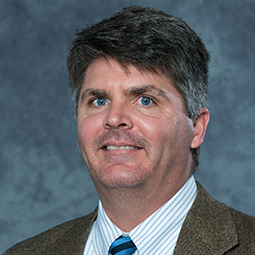
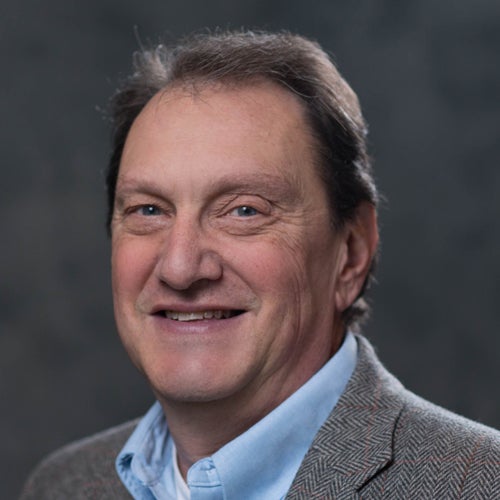
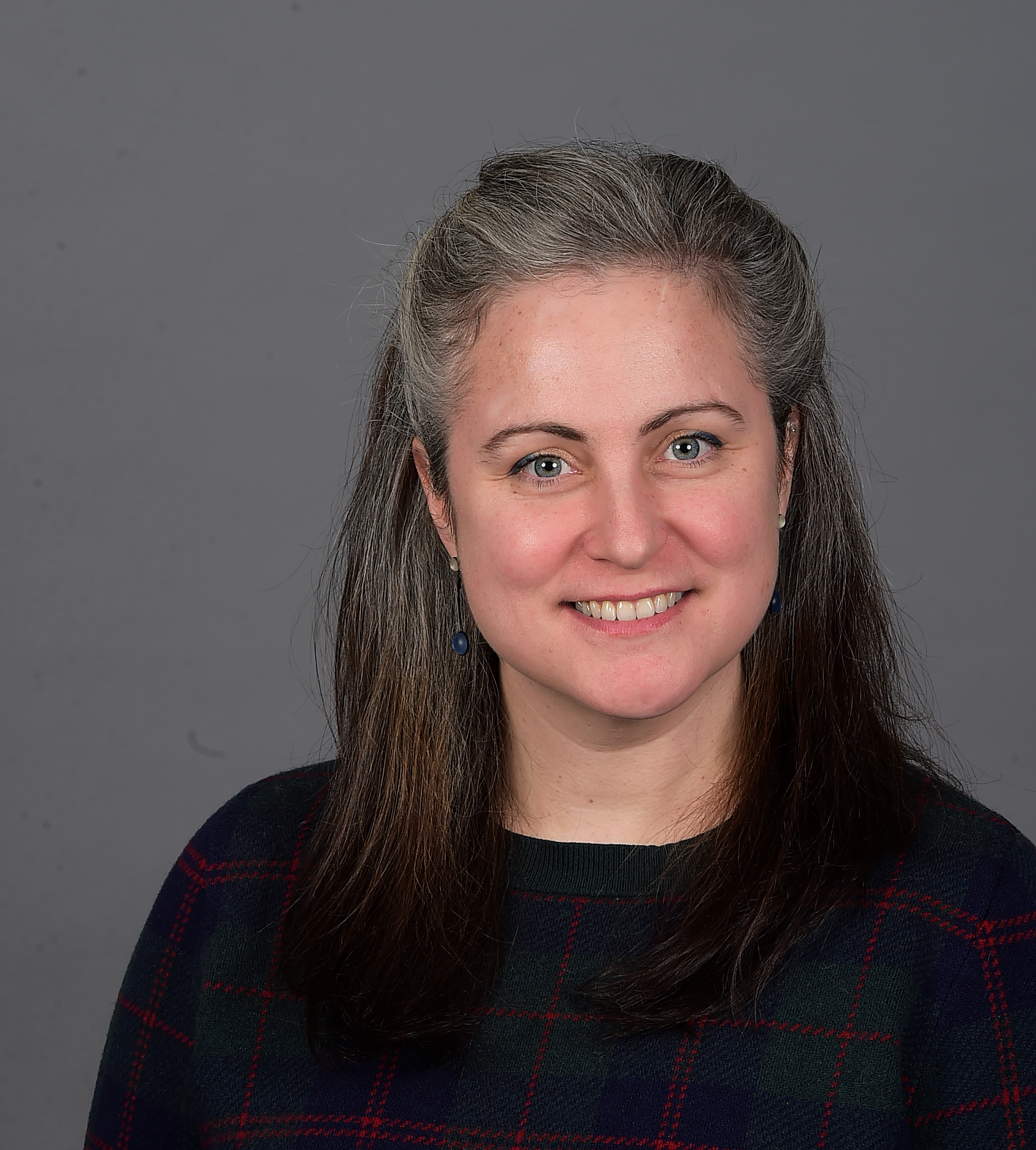
Zoe Lam is a Lecturer in Cantonese Language and Culture at the University of British Columbia 's Department of Asian Studies, Faculty of Arts. She holds a Ph.D. and M.Phil. from UBC and The Chinese University of Hong Kong respectively. Her research focuses on Cantonese language education , tone analysis , and language acquisition . She has published on topics including ultrasound technology in pronunciation teaching, discourse particles in Cantonese, and English loanword integration in Hong Kong Cantonese. Recent academic activities include participating in panels about heritage language education (2025), speaking at conferences on Hong Kong diaspora (2024), and presenting at UK workshops on Hong Kong languages (2024). She also authored a monograph (2022) related to Cantonese language studies. Her work intersects with multilingualism and cultural preservation, particularly through documenting endangered languages like Nata, and she contributes to sustainability initiatives within the Asian Studies department.
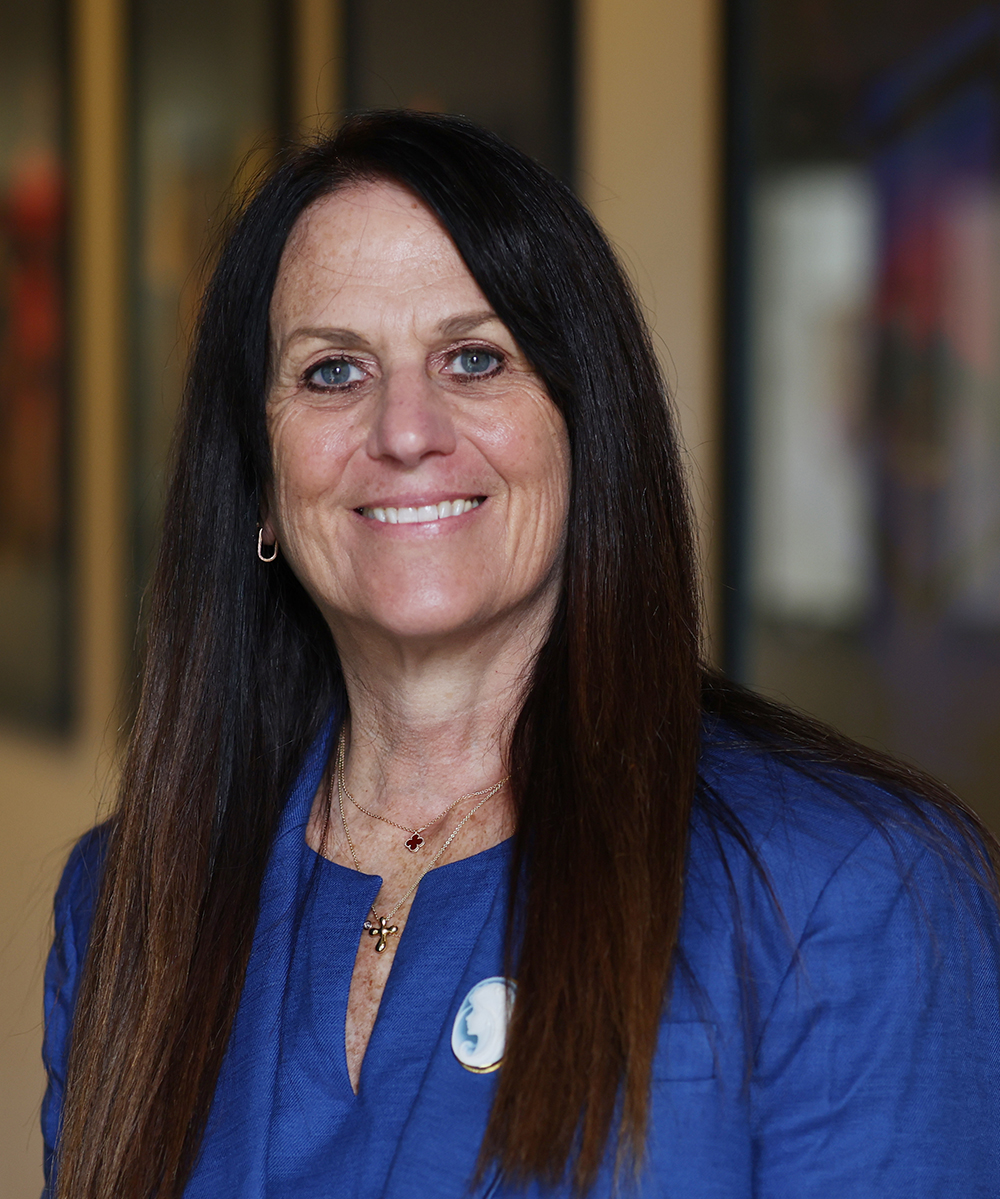
Shauna Concannon is an Assistant Professor in the Department of Computer Science at Durham University, specializing in Digital Humanities and Computational Linguistics. Her research focuses on the societal and ethical implications of emerging technologies, particularly in natural language processing (NLP), dialogue systems, and AI bias mitigation. She holds a PhD from Queen Mary University of London and has conducted postdoctoral research at the Universities of Cambridge, York, and Newcastle. Her work emphasizes participatory design, feminist approaches to data science, and equitable technology development. Shauna’s academic journey began with a master’s in modernist literature from the University of Oxford, followed by interdisciplinary training in computational linguistics. She explores how technologies mediate human interaction, including studies on harmful biases in AI systems and the linguistic encoding of societal values. Her recent projects address ethical AI in storytelling, empathy measurement in dialogue systems, and public engagement with open data through personalized narratives. Education: PhD in Computational Linguistics (Queen Mary University of London) Masters in Modernist Literature (University of Oxford) Key Research Themes: Ethical AI and algorithmic bias Social impact of conversational AI Feminist data science methodologies Public participation in technology governance Her publications span computational social science, digital humanities, and human-computer interaction, with notable contributions to frameworks for responsible AI in nonprofit contexts and analysis of pandemic-era science communication. Shauna currently advises four postgraduate students exploring topics like bias reduction in machine translation and ethical design for children’s conversational AI.
Dr. Nuno Serra is a Research Scientist at the Institute of Oceanography, University of Hamburg, within the Center for Earth System Research and Sustainability (CEN). He has been affiliated with the University since 2011, focusing on modeling the carbon cycle in the Earth system. His research explores physical processes in the North Atlantic and Arctic systems, dense water overflows, ocean current instabilities, and numerical ocean models. He holds a PhD in Physics (Physical Oceanography) from the University of Lisbon (2004) and a Diploma in Geophysical Sciences from the University of Lisbon (1997). His work emphasizes climate modeling, data assimilation using adjoint methods, and Arctic oceanography. Key contributions include studies on Arctic sea level variability, ocean kinetic energy dynamics, and barrier layers in the tropical Atlantic. He has authored over 45 publications in journals like Journal of Geophysical Research and Ocean Science . Dr. Serra collaborates on projects involving observing systems and climate change impacts, with a focus on sustainable development goals related to climate action (SDG 13). His research integrates advanced numerical simulations and visualization techniques, including VR tools for climate data.
Dr. Heidi J. Hornik is a Professor of Art History and Department Chair at Baylor University’s College of Arts & Sciences. She specializes in Italian Renaissance and Baroque art, with interdisciplinary interests in theology, digital humanities, and data visualization. Her academic journey includes B.A. from Cornell University and M.A./Ph.D. from Penn State University. She has held prestigious fellowships at Harvard University and Cambridge University. Dr. Hornik’s research focuses on artists like Michele Tosini and the Ghirlandaio Workshop, leveraging data visualization techniques for art historical analysis. She co-authored/co-edited influential works on art and theology, including Illuminating Luke series and Interpreting Christian Art . Her recent book The Art of Christian Reflection explores art’s role in spiritual practice. Her awards include the 2025 Cornelia Marschall Smith Professor of the Year, recognizing her teaching excellence, research impact, and service. She mentors undergraduate and graduate students, directing fifteen honors theses and chairing committees. Dr. Hornik founded the peer-reviewed digital journal VENUE for the Midwest Art History Society and serves on editorial boards for Oxford University Press and La Bibbia e Le Donne . She also chairs Baylor’s Tenure Committee and contributed to the Robert Foster Cherry Award for Great Teaching. Teaching includes advanced courses on Renaissance, Mannerism, Baroque art, and art theory. She integrates digital tools like data dashboards and global art mapping into curricula. Beyond academia, she participates in triathlons, officiates swimming meets, and engages with international art communities through lectures in Europe and the U.S.
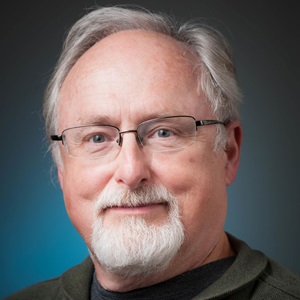
Robert Heckendorn, Ph.D., is an Associate Professor in the Department of Computer Science at the University of Idaho, part of the College of Engineering. His research interests span machine learning, evolutionary computation, robotics, optimization algorithms, computational biology, and transportation systems. He holds a Ph.D. and has contributed extensively to interdisciplinary areas such as autonomous systems, traffic simulation, and bio-inspired algorithms. His work often bridges theoretical foundations with practical applications, including developing high-fidelity traffic modeling tools, optimizing manufacturing processes, and advancing robotic control strategies. Notable contributions include neuroevolution techniques for crowd behavior prediction and fuzzy logic-based crowd management systems. He also explores evolutionary algorithms in biological fitness landscapes and disaster management scenarios. He has authored over 50 publications since 1997, focusing on algorithmic efficiency, population diversity in evolutionary systems, and multi-agent coordination. His research has implications for smart cities, healthcare, and autonomous vehicle technologies. Despite no listed awards here, his prolific output underscores his impactful contributions to computer science and engineering. As an educator, he contributes to curriculum development in computational thinking and web-based learning systems (e.g., vTutor platform). His lab likely focuses on real-world problem-solving through computational methods, though specific lab names aren’t mentioned. Collaborations with industry and interdisciplinary teams are implied through his research topics like connected-vehicle systems and cancer modeling via cellular automata.
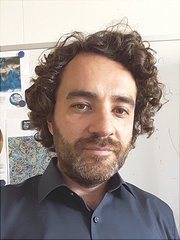
Andrea Alberto Dutto is an Assistant Professor of Architecture at the University of Idaho, affiliated with the College of Art and Architecture. He holds a Ph.D. in Architecture (co-tutelle) from RWTH Aachen University (Germany) and Politecnico di Torino (Italy), and dual master's degrees from Politecnico di Torino and ENSA Marseille. His research focuses on architectural design tools, historical treatises, and post-enlightenment theories. Previously, he served as a postdoctoral researcher and adjunct professor at Politecnico di Torino and held roles at RWTH Aachen University. Education: Ph.D. in Architecture (2017), RWTH Aachen University & Politecnico di Torino MSc in Architecture (2010), Politecnico di Torino & ENSA Marseille BSc in Architecture (2008), Politecnico di Torino Research Interests: Dutto explores the intersection of historical architectural methodologies and modern design practices. His work analyzes handbooks, catalogs, and diagrams as tools for architectural innovation. He investigates how pre-20th-century design frameworks influence contemporary sustainable and experimental building techniques. His research often bridges theory and practice, emphasizing interdisciplinary approaches. Publications & Awards: Dutto has authored/co-edited multiple monographs and journal articles, including contributions to Oase and Footprint . He received the Borchers Award (2018) and the CCA-WRI Fellowship (2023). His projects include leading the ENHANCE.R research initiative and contributing to studies on sustainable mobility networks. Grants & Outreach: Involved in EU-funded projects like the German Research Foundation's Architectures of Catalogs and DAAD's A New Passage to India . His work emphasizes expanding architectural toolboxes for innovative design solutions. Labs & Teams: Collaborates with international research groups, including RWTH Aachen University's Department of Architectural Theory and Politecnico di Torino's urban design initiatives.
Matthew Malensek is an Associate Professor in the Department of Computer Science at the University of San Francisco and Academic Director of the MSCS, MSCS Bridge, and MSCS 4+1 programs. He holds a PhD in Computer Science from Colorado State University. Education: PhD in Computer Science (Colorado State University) His research focuses on systems approaches to data science, including scalable analytics, geospatial data management, fog computing, and cloud-edge integration. Notable projects include Galileo (distributed geospatial storage), Minerva (cloud resource management), and Agami (visual analytics for data streams). He co-authored An Introduction to Parallel Programming , a textbook used at USF. Recent work explores computer science identity development among undergraduates and community-engaged learning initiatives addressing tech inequities. His awards include Best Paper recognitions at IEEE/ACM Symposia in 2014 and 2012. Teaching responsibilities include Operating Systems (CS 326) and the Senior Team Project (CS 490). He advises capstone projects in areas like distributed systems, cloud computing, and machine learning. Research labs and collaborations involve fog/cloud hybrid systems, high-throughput data streams, and geospatial analytics frameworks. He actively contributes to open-source projects like FogOS, emphasizing collaborative development and real-world applicability.
Lars Norqvist is a Senior Lecturer and Associate Professor at the Centre for Principal Development (CPD), Department of Political Science, Umeå University. He holds a PhD in Educational Work (2016) and has 13 years of experience as a primary school teacher. His roles include serving as a temporary substitute head of CPD, supervising principals in Sweden's national training program, and leading the course Educational Leadership and Digitalization of the School System . Norqvist's research integrates educational leadership, digital transformation, and policy development. Key areas include: AI's impact on school leadership autonomy and decision-making (via his AI Policy Lab fellowship) Digitalization's role in organizational change within schools Youth work and non-formal education through EU policy groups (e.g., European Training Strategy Advisory Group) Systems thinking in school improvement projects like STAR His publications (2013–2024) show strong trends in educational leadership dynamics during crises, digital pedagogy, and cross-cultural youth work. Dominant themes include principal competencies during pandemics, tablet-mediated learning cultures, and policy frameworks for digital transformation in European education systems. Norqvist leads multiple initiatives: Supervision in Collaboration for the Best School (SBS) to strengthen systematic quality work Research project: AI that really matters for the leaders examining AI in educational leadership National working group EGL Sweden promoting the European Charter on Local Youth Work He actively contributes to EU policy via the Pool of European Youth Researchers (PEYR) and European Training Strategy Advisory Group (ETS AG).
Jose M. Vidal is a Professor and Director of Undergraduate Studies in the Computer Science and Engineering department at the Molinaroli College of Engineering and Computing, University of South Carolina . He holds a Ph.D. in Computer Science and Engineering from the University of Michigan (1998), an M.S. in Computer Science from Rensselaer Polytechnic Institute (1991), and a B.S. in Computer Science and Engineering from MIT (1990). His research focuses on multiagent systems , spanning theoretical aspects like coordination mechanisms, algorithmic game theory, and distributed algorithms, as well as implementation in agent-based simulations, web services, and mobile applications. He has authored numerous publications in fields including healthcare process optimization, traffic engineering, and sociological theory construction. 2019: Ad Hoc Vehicle Platoon Formation (Traffic Engineering) 2019: Wikitheoria for Sociological Theory Construction 2018: Email Intent Classification using Deep Learning 2017: Intelligent Transportation Systems using Mobile Data 2016: Healthcare Workflow Simulation Models 2014: Behavioral Modeling from Observational Data He has received significant funding from the NSF, Darpa, and industry partners for projects like Wikitheoria (a collaborative theory-building platform), TargetShare (resource allocation), and mobile healthcare applications. His work bridges theoretical research with practical implementations in domains ranging from traffic systems to hospital operations.
David Isaacson holds the position of Professor in the Department of Mathematical Sciences at Rensselaer Polytechnic Institute (RPI), where he conducts cutting-edge research at the intersection of theoretical mathematics and clinical medicine. His primary institutional affiliation is with RPI, and he is also associated with the Center for Biotechnology and Interdisciplinary Studies, reflecting the multidisciplinary nature of his work. Professor Isaacson's long-term research goals center on improving diagnostic and therapeutic approaches for heart disease and cancer through innovative mathematical and engineering solutions. Professor Isaacson's research program is distinctly bifurcated into two major domains: mathematical physics and medical imaging. In mathematical physics, he develops advanced computational methods for approximating energy levels, particle masses, and critical exponents in quantum mechanics, quantum field theory, and statistical mechanics. His medical imaging research focuses on electrical impedance tomography (EIT), where he pioneers algorithms and hardware for non-invasively measuring and visualizing the electrical state of the body's interior from surface measurements. Specific applications include monitoring cardiac and pulmonary functions, diagnosing breast cancer through molecular impedance signatures, and optimizing chemotherapeutic interventions. His work in this area has significant clinical implications for conditions such as congenital heart defects, cystic fibrosis, and bronchopulmonary dysplasia. A review of Professor Isaacson's publication record from 2016 to 2025 demonstrates a sustained and evolving research trajectory in EIT technology. Early work concentrated on foundational reconstruction algorithms (e.g., D-bar and Calderón methods) and hardware development (ACT series systems), while recent publications emphasize clinical translation, particularly in pediatric cardiology and pulmonology. His team has produced innovative solutions for simultaneous EIT/ECG acquisition, 3D absolute imaging, and dynamic monitoring of ventilation-perfusion relationships. The consistent theme across these studies is the rigorous application of mathematical theory to solve practical biomedical imaging challenges, resulting in tools that are increasingly adopted in clinical settings for real-time physiological monitoring. No scientific awards or major honors were explicitly documented in the available sources. While detailed information about academic advisees, grant funding, or dedicated laboratory facilities was not provided in the current materials, Professor Isaacson's extensive collaborative network is evident from his numerous co-authored publications with clinicians and engineers. His work with the Center for Biotechnology and Interdisciplinary Studies suggests active participation in multidisciplinary research teams focused on translating engineering innovations into medical practice. Future research directions likely include further refinement of EIT for point-of-care diagnostics and expansion into new disease areas through continued cross-disciplinary partnerships.
Craig A. Calvert is an Assistant Professor-in-Residence in the Operations and Information Management Department at the University of Connecticut’s School of Business. He co-directs the Management and Engineering for Manufacturing (MEM) Program. His academic background includes a PhD in Inorganic Materials Chemistry from UConn, an MS in Business Analytics, and a BA in Chemistry from Alfred University. He holds a Certified Chemical Hygiene Officer (CHO) credential from the National Registry of Certified Chemists. Dr. Calvert’s teaching spans undergraduate and graduate courses in operations management, project management, data visualization, and supply chain management. His research focuses on supply chain dynamics in Africa (especially cobalt supply chains for lithium-ion batteries), sports analytics using fantasy baseball simulations, and STEM education effectiveness. He has co-authored over 20 peer-reviewed articles and secured grants including the UASCEND Grant (2025) and multiple OPIM Teaching Enhancement Grants. He has received prestigious awards such as the 2023 AAUP Teaching Excellence Award (Early Career), 2025 Undergraduate Career Mentor of the Year, and multiple UConn School of Business awards. His professional experience includes roles at Electric Boat (Virginia Class Submarine Program), food safety consulting, and analytics-driven business development. Dr. Calvert also consults on chemical safety compliance and has advised over 70 senior engineering design projects totaling $400k in funding. His career development initiatives include integrating career competencies into curricula and advancing structural educational equity through UConn’s CETL. He actively collaborates with institutions like Alfred University and Connecticut College, delivering guest lectures on data visualization, project management, and nanomaterials applications.
William Dunne is a Professor in the Department of Earth & Planetary Sciences at the University of Tennessee, Knoxville, and serves as the Associate Dean for Research & Facilities. He holds a B.Sc. and Ph.D. from Bristol University, UK. His research focuses on structural geology, planetary science, and fracture network analysis, with notable work on Europa's geology and tectonic processes in the Appalachians. Dunne has authored/co-authored over 65 publications, including the textbook Planetary Geoscience (2019). His recent studies explore fracture abundance predictions on icy satellites and spatial fault arrangements. Funded projects include NSF grants and collaborations with organizations like the Electric Power Research Institute. He has led sponsored projects since 2001, emphasizing geotechnical hazard assessment and energy-related geoscience. Education: B.Sc. and Ph.D. from Bristol University, UK Key Research Areas: Planetary geology, fracture mechanics, tectonic deformation, and geohazard analysis His articles highlight advanced fracture network characterization techniques and applications in planetary science. Sponsored projects span rockfall management systems, airborne magnetic surveys, and sustainable energy initiatives. Dunne’s work bridges geological theory and practical engineering solutions, with contributions to both academic and applied domains.
Rosario Hubert is an Associate Professor of Language and Culture Studies at Trinity College since 2014. Her work focuses on transnational literary analysis, cultural boundaries, and intersections between literature and visual arts. She holds a Ph.D. from Harvard University and a B.A. from Universidad de San Andrés (Argentina). Her research emphasizes world literature's edges and surfaces across cultural divides, exemplified by her award-winning 2023 book Disoriented Disciplines , supported by NEH and ACLS fellowships. Current projects explore 'poetics of the inhospitable' and polar modernity. Teaching specialties include literature, creative writing, and interdisciplinary approaches linking social, political, and linguistic dimensions. She has translated works by Brazilian and Chinese authors, advocating translation as a comparative tool. Previously taught at Harvard University and Universidad de San Andrés.
Heather Ball is an Associate Professor and Critical Pedagogy Librarian for Student Success at St. John's University, affiliated with the University Libraries. She also serves as Director of the Center for Faculty Success and Development. Her roles combine academic librarianship with instructional innovation and institutional leadership. Ball holds a PhD in Information Science from the University at Buffalo (2024), an MLS with dual certificates in Archives and Preservation from Queens College (2009), an MLitt in Medieval Studies from the University of Glasgow (2006), and a BA in Medieval Studies from New York University (2005). Her career includes diverse roles such as Global Network Research Manager at an advertising agency, Cataloger at the Morgan Library & Museum, and Project Manager for Livingstone Online. Ball's research focuses on inclusivity, decolonization of library practices, digital humanities, and information literacy. She emphasizes integrating critical race theory into educational frameworks and fostering anti-racist initiatives in academic libraries. Current projects include digital humanities archives and initiatives to enhance student success through holistic library services. She has presented widely on topics linking libraries, critical pedagogy, and equity. Education: PhD Information Science, University at Buffalo SUNY, New York (2024) MLS & Dual Certificate in Archives and Preservation, Queens College, New York (2009) MLitt Medieval Studies, University of Glasgow, Scotland (2006) BA Medieval Studies, New York University, New York (2005) Key Roles: Director, Center for Faculty Success and Development Critical Pedagogy Librarian for Student Success Her publications address topics such as anti-racist library policies, digital humanities projects, and the intersection of information literacy with critical race theory. Ball advocates for libraries as spaces of social justice and academic empowerment.
George Papagiannakis is a Professor of Computer Graphics at the University of Crete, Greece, and a Marie Sklodowska-Curie Fellow at FORTH's Institute of Computer Science. He holds visiting professorships at the University of Geneva and leads the Computer Graphics Group. His research focuses on mixed reality, GPU programming, and medical XR applications. He earned his PhD from the University of Geneva (2006), M.Sc. from Bristol, and B.Eng. from Manchester. His work includes pioneering projects like MAGES SDK (medical XR training platform) and pyGANDALF (educational framework). Key contributions span over 130 publications, 3400+ citations, and €8M in research funding. He actively participates in EU projects (HDRi, Hifi-PRINTER) and has been awarded the Marie-Curie Fellowship, Best Paper Awards, and NVIDIA grants. Teaching includes advanced courses on computer graphics and programming at the University of Crete. He advises students across 4 postdocs, 15 PhDs, and numerous MSc/BSc candidates. His lab develops cutting-edge tools for immersive technologies, including geometric algebra applications in 5G/6G XR environments.