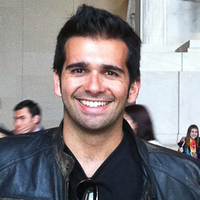
Dr. David Miranda-Barreiro is a Senior Lecturer in Hispanic Studies at Bangor University’s School of Language, Culture and the Arts. He serves as Undergraduate Course Director and Head of Hispanic Studies, teaching modules in Spanish language, literature, and cinema. His academic journey began with a BA in Hispanic Studies from the University of A Coruña, followed by an MA and PhD at Bangor University, where his thesis Spanish New York Narratives 1898–1936 won the 2012 AHGBI Publication Prize. Research Interests: Mobility (travel writing, migration, exile), Galician-US cultural connections, comics/graphic novels, national/transnational identities. Key Publications: Monograph on Spanish New York narratives (2014), co-editor of Galicia 21 journal, and articles on Galician migration, comics, and exile literature. Awards: AHGBI-Spanish Embassy Postgraduate Prize (2012), Santander Mobility Grant (2009-2010). Co-organizer of conferences on diaspora, comics, and Iberian mobility. Supervision: First supervisor for PhD projects on migrant literature, Galician diaspora, and transnational identities; second supervisor for completed theses on feminist TV series, translation, and women-authored narratives.
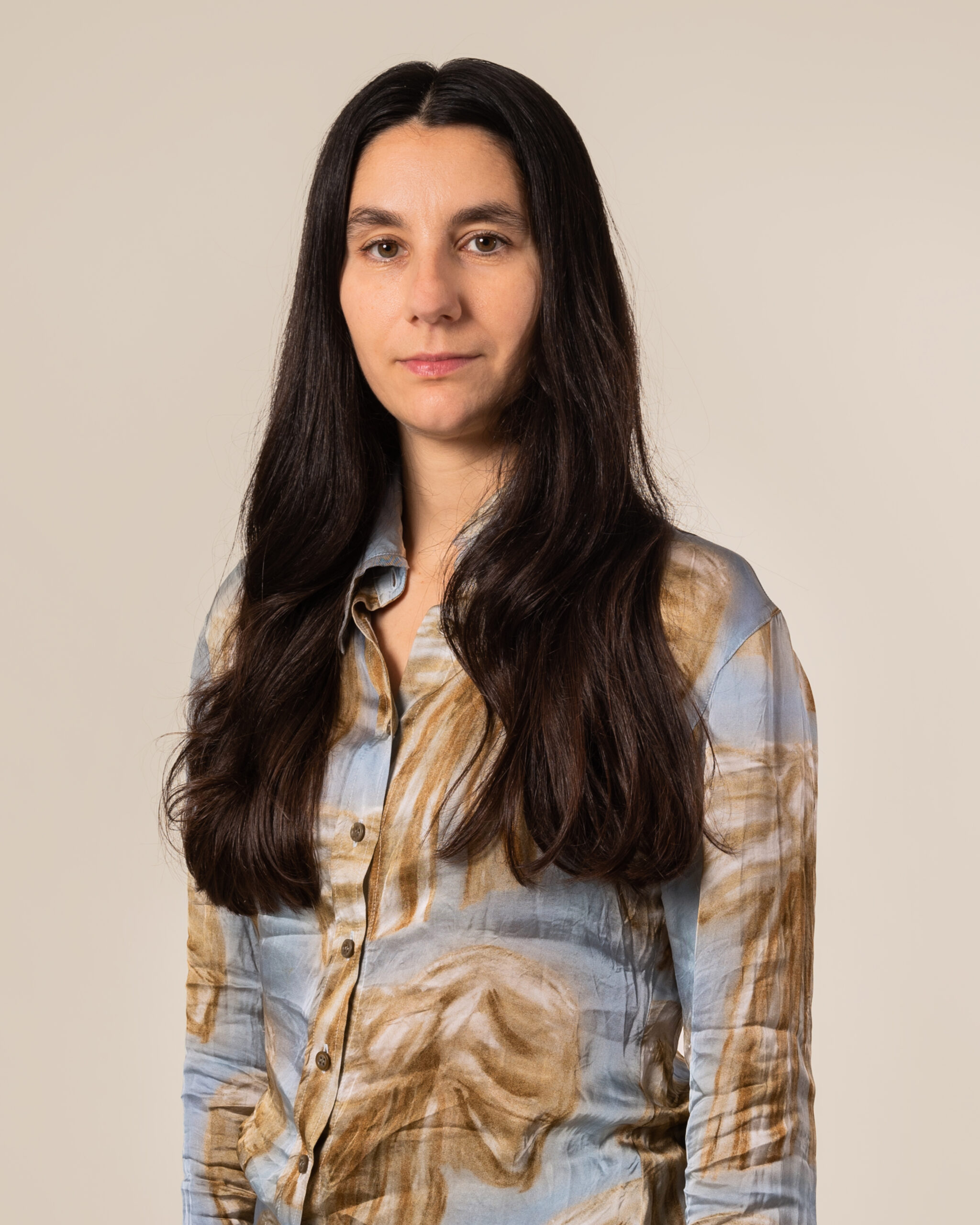
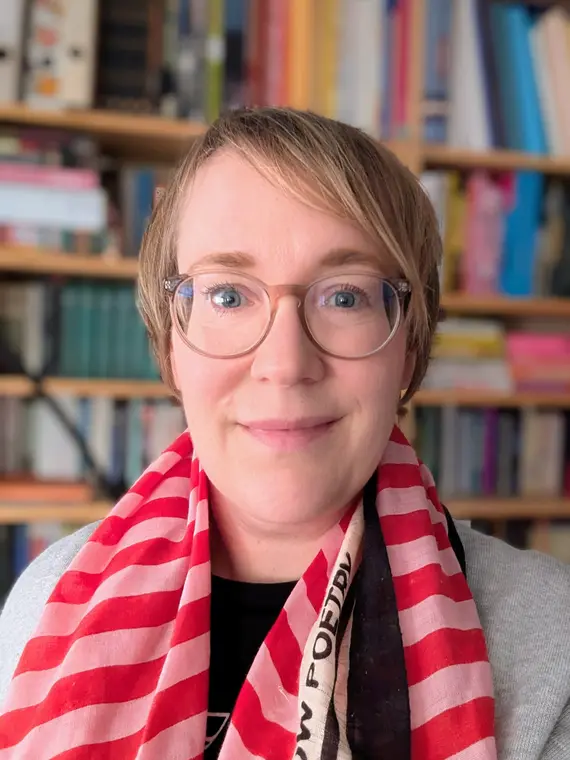
Cecilia Valenti is a Junior Professor for Film Studies at the Institute for Film, Theatre, Media and Cultural Studies, Johannes Gutenberg University Mainz. Her research spans feminist postcolonial theory, archival practices of world cinema, television history, and militant documentary traditions. She actively organizes the IMACS Master's program and participates in academic self-governance via the Georg Forster Forum. Valenti's publications focus on global film heritage, feminist media critique, and political film practices. Her work intersects with 1930s left-wing cinema, archival activism (e.g., Cinemien network), and feminist reworkings of militant film. She teaches seminars on anti-colonial film practice, including Sarah Maldoror's work. She is affiliated with the Zeughauskino Berlin's archival department and co-founded the curatorial collective 'The Canine Condition,' which organized film series in Berlin, Frankfurt, Vienna, and London (2009–2017). Her contact details: cevalent@uni-mainz.de, phone +49 (6131) 39-31750, office hours Wednesday 4-5 PM by appointment.
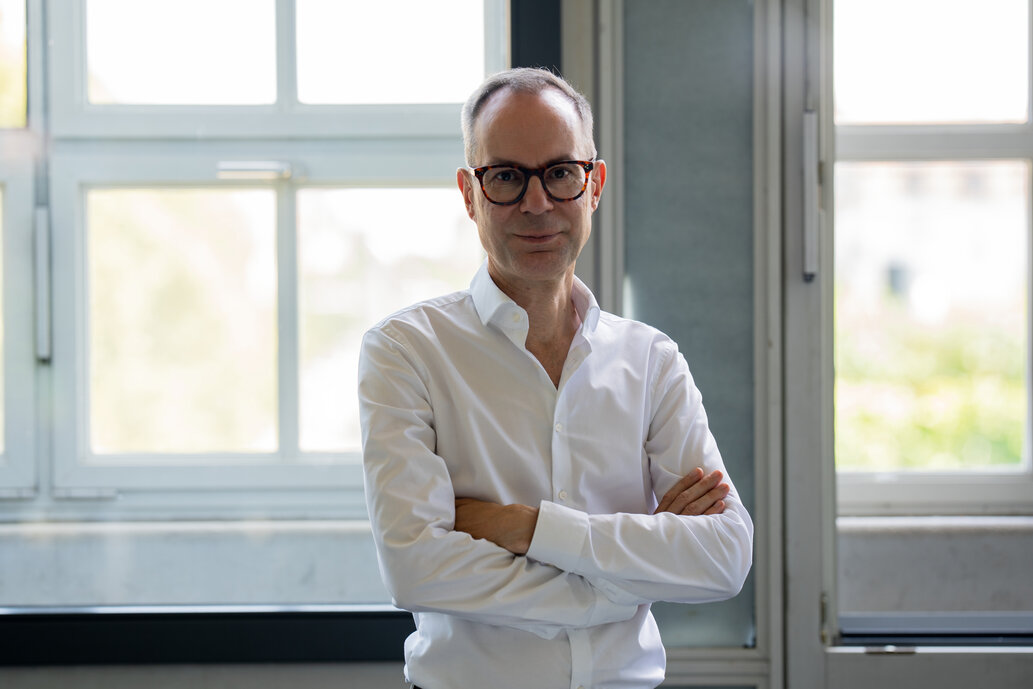
Prof. Dr. Elisabeth Timm holds the Chair of Cultural Anthropology at the Institute for Cultural Anthropology and European Ethnology , University of Münster. With a career spanning decades, her work bridges academic research with public engagement through projects like "Erzählen Deine Gene Dir Deine Geschichte?!" , which won the 2024 Citizen-Science-Preis der Universitätsstiftung Münster. She critiques political movements opposing gender and race theory while maintaining scientific rigor. Research Focus: Her scholarship examines genealogy as knowledge practice, single-family homes as social ontologies, and the intersections of culture, science, and politics. She leads interdisciplinary projects connecting archives, museums, and citizen science initiatives. Scientific Awards: Citizen-Science-Preis (2024) Dr. Fritz Landenberger-Preis (2009) Research Fellowship in Vienna (2009) Public Engagement: Regularly participates in exhibitions like "Familienmacher" (Österreichisches Museum für Volkskunde) and debates on topics such as genetic data ethics and urban development.
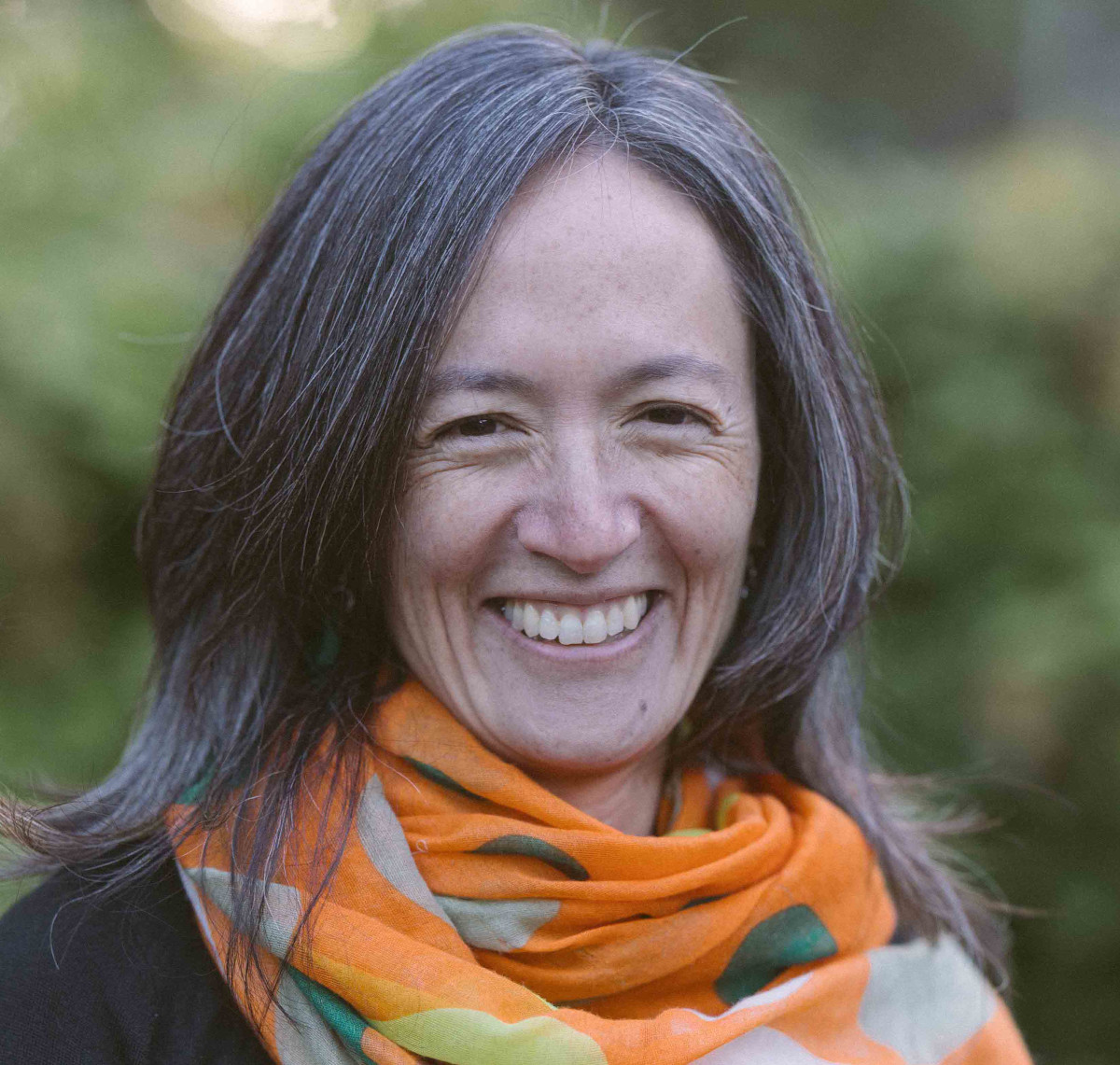
Laura Madokoro is an Associate Professor in the Department of History at Carleton University, Faculty of Arts and Social Sciences. Her research centers on migration, refugee history, and humanitarianism, with a focus on settler colonialism, race, and human rights. She leads key research initiatives including The Disaster Lab and Sites of Sanctuary , and is actively involved in public history and policy discourse. Education: PhD in History, University of British Columbia, 2012 MA in History, University of Toronto, 2000 Her research explores the intersections of migration, race, and state power, particularly in Canada and the broader Anglo settler world. She is deeply engaged with settler colonial studies, diaspora formation, and the historical role of humanitarianism. Her work often examines how archives and visual culture reveal emotional and embodied experiences of displacement. Her recent publications span topics such as Eurocentrism in refugee regimes, Japanese Canadian internment, medical exclusion of Chinese migrants, and the politics of sanctuary. Collectively, these works reflect a strong commitment to decolonizing migration history and centering marginalized voices. The articles demonstrate a consistent focus on transnational flows, state surveillance, and the moral dimensions of refuge. Scientific Awards: Association of Asian American Studies’ Best Book in the Social Sciences (2018) Chinese Canadian Historical Society’s Ed Wickberg Prize 2016 Mershon Center Furniss Book Award SSHRC Early Researcher Award (2021) Laura supervises multiple MA and PhD students on topics related to race, migration, and refugee history. She has received funding from SSHRC and the Trudeau Foundation. Her editorial roles include co-director of Histoire Sociale / Social History and membership in the ActiveHistory.ca editorial collective and the Critical Race and Migration Studies Collective . She is currently leading The Disaster Lab , which investigates diasporic disaster citizenship, and is working on a second book, Sanctuary in Pieces , to be published in 2024. Her public engagement includes contributions to The Conversation and advisory roles in community-based historical projects.
Laurier Turgeon is Professor of Ethnology and History and holds the Canada Research Chair in Ethnological Heritage at Université Laval, Quebec, Canada. He is a leading scholar in cultural and intangible heritage, with extensive international collaborations, including visiting positions at Harvard University and the MIT Media Lab. He directs the Laboratory for Ethnological and Multimedia Inquiry (LEEM) and has held leadership roles at the Institute of Cultural Heritage (2005–2012) and the interuniversity research center CELAT (1994–2000). Canada Research Chair in Ethnological Heritage Professor, Department of Ethnology and History, Université Laval Director, Laboratory for Ethnological and Multimedia Inquiry (LEEM) Editor-in-Chief, Ethnologies journal Co-director, Encyclopedia of the Cultural Heritage of French America His research focuses on the socio-political dimensions of cultural heritage, including transmedia narratives, food heritage, digital documentation, and the role of communities in heritage practices. He has pioneered innovative digital inventories of intangible heritage in partnership with Quebec’s Ministry of Culture and has led public exhibitions such as Manger Ensemble on Quebec’s food heritage. His work bridges academic research, public engagement, and policy development. The analysis of his recent articles reveals a strong thematic focus on critical heritage studies, with attention to borders, rights, ownership, and the political uses of heritage. His publications explore the tensions between formal heritage regimes and informal cultural practices, the role of art and media in heritage appropriation, and the spatial and territorial dimensions of cultural meaning-making. There is a consistent interdisciplinary approach, integrating anthropology, geography, law, and political theory. His scientific recognition includes: The Summit International Award for Creative Media—Visionnary Award (2014) Prix de l’Office de la langue française du Québec—Solutions mobiles (2014) Prix Marius Barbeau (2016) Laurier Turgeon actively mentors emerging scholars and collaborates with interdisciplinary teams. He has secured major grants for digital heritage projects and leads the development of mobile applications and online encyclopedias to democratize access to cultural knowledge. His future work continues to emphasize community-based heritage, digital innovation, and the global challenges of heritage preservation in a rapidly changing world. He leads the Laboratory for Ethnological and Multimedia Inquiry (LEEM), which specializes in multimedia documentation of intangible heritage, digital archiving, and public dissemination of research through exhibitions, mobile apps, and online platforms. The lab fosters collaboration between researchers, communities, and cultural institutions.
Jordan Theriault is an Assistant Professor at Northeastern University, affiliated with both the Biology and Psychology departments. His research focuses on understanding the brain as a self-regulating system, particularly exploring brain-based metabolic costs of information encoding and their implications for mental health and neuroimaging interpretation. He employs advanced neuroimaging technologies like 7 Tesla MRI and simultaneous PET/MR imaging to study brain metabolism and functional changes in critical regions like the brainstem and hypothalamus. Dr. Theriault’s theoretical work emphasizes the brain’s role in predicting sensory input and regulating bodily states, proposing that predictable environments enhance metabolic efficiency. This framework has implications for mental/physical health and social dynamics, such as conformity and social pressure. His lab, the Interdisciplinary Affective Sciences Laboratory, integrates neuroscience, psychology, and philosophy to address complex questions about emotion, morality, and interoceptive control. Key technical innovations include high-resolution imaging techniques and methodological critiques of brain-behavior relationships. His work bridges basic research with applied insights into human behavior, leveraging interdisciplinary approaches to advance understanding of neural systems and their societal relevance.
Dr. Rafael Schacter is an Associate Professor in Anthropology and Material Culture at University College London . His research bridges public art , global street art , and anthropological theory , with a focus on the Material, Visual, and Digital Culture subsection he leads in the Department of Anthropology. PhD in Anthropology (2011), MRes (2007), MA (2005) - all from UCL Bachelor of Arts from SOAS (2002) Schacter's work redefines graffiti and street art through the lenses of ornamentation , ritualized practice , and public sphere theory . His publications reveal trends in urban visual culture , curatorial anthropology , and political resistance through art , particularly in cities like London, Manila, and Heerlen. His scientific award for the World Atlas of Street Art and Graffiti (2013) highlights his contribution to global street art scholarship . Major projects include the Regrowth Degrowth public mural initiative (2016-2021) in Heerlen and curated exhibitions at Tate Modern, Somerset House, and SOAS's Brunei Gallery.
Prof. Dr. Anna Pawlak is a Full Professor of Modern Art History at the University of Zurich since September 2025. She previously held a W3 Professorship in Early Modern Art at the Institute of Art History, Eberhard Karls University of Tübingen (2020–2025) and was First Deputy Spokesperson of the Collaborative Research Center 1391 "Other Aesthetics" (2022–2025). Her research focuses on intermediality, visual rhetoric, and cultural hybridity in early modern Dutch art, canon formation, and the epistemic potential of printed works. University of Zurich (2025–present) Eberhard Karls University of Tübingen (2014–2025) Her projects, such as SFB 1391 Subproject C4 "Intermedialität und Repräsentation," explore Latin epigrams and Dutch prints as sites of aesthetic and political negotiation. She has published extensively on topics like Hendrick Goltzius' engravings, Juan de Valdés Leal's hieroglyphs, and the cultural dynamics of Antwerp's festivals. Recent awards include the 2012 Offermann-Hergarten Prize for her dissertation on Pieter Bruegel the Elder. Co-editor of "Plurale Autorschaft" (2023) Co-editor of "Andere Ästhetik meets Andere Ästhetik" (2024) Her articles analyze the intersection of Latin texts and visual art, emphasizing how intermediality shaped European cultural memory. She collaborates with institutions like the University of Zurich, Tübingen's Graphische Sammlung, and the Bibliotheca Hertziana, Rome. Active in organizing workshops and exhibitions, including "Heemskerck & Co. Welt/Bewegend" (2022), she continues to bridge art history with interdisciplinary aesthetics.
Juan Medina Contreras is a faculty member at the Faculty of Communication, University of Salamanca . He holds a Doctorate in Communication , a Degree in Journalism , an Expert in Gender and Communication , and a Master in Screenwriting and Political Image Consulting . His career spans academic research, teaching, and professional training in communication. His research focuses on film studies , political communication , gender representation , and visual rhetoric . Notable contributions include analyzing female archetypes in the [REC] saga, the portrayal of defense organizations in the Marvel Cinematic Universe, and the role of cinematic editing in shaping political and cultural narratives. His 15 most recent publications span 2014–2021 , with recurring themes in Spanish cinema , gender dynamics , political advertising , and historical memory . He has also explored digital photography ethics and citizen journalism challenges. While no scientific awards are explicitly mentioned, his work includes a research study on quality of life for disabled women in Palencia (2014). He has supervised theses and contributed to books like Género negro sin límites (2019) and La estética televisiva en las series contemporáneas (2018).
Prof. Dr. Susanne Gruß is Chair of English Literature at the Department of English and American Studies, Otto-Friedrich-University Bamberg since April 2024. Previously, she was Professor of English Literature and Culture with a focus on Gender and Queer Studies at the University of Cologne (2022-2024) and held visiting professorships at the universities of Bonn, Passau, and Frankfurt/Main. She serves as Head of Examination Board for MA English and American Studies and as representative of internationalisation at Bamberg University. Her academic background includes: M.A. in English literature, German literature, and Contemporary History from FAU Erlangen-Nürnberg (2001) Ph.D. in English literature with summa cum laude (2007), published as "The Pleasure of the Feminist Text: Reading Michèle Roberts and Angela Carter" (Rodopi/Brill 2009) Habilitation (2020) on "The Laws of Excess: Law, Literature, and the Laws of Genre in Early Modern Drama" Prof. Gruß's research spans two primary temporal domains: contemporary British literature and early modern English literature. Her specializations include gender studies and feminist theory, neo-Victorianism, Black British writing, film adaptation, and the cultural implications of the fungal world. In early modern studies, she focuses on revenge tragedy, tragicomedy, collaboration in theatre, early modern piracy, and law and literature. Across both fields, she examines popular culture, canonization, and genre formation with an interdisciplinary approach that often bridges legal studies and literary analysis. Her recent publications reveal a growing interest in fungal studies and posthumanism within literary contexts, alongside continued engagement with neo-Victorianism and early modern drama. There's a clear interdisciplinary trajectory connecting her work on law and literature with explorations of collaborative authorship across historical periods. Her scholarship demonstrates consistent attention to questions of gender, queerness, and marginalized perspectives within both contemporary and historical frameworks. Her scientific awards include: FAU-Lehrpreis für Nachwuchswissenschaftlerinnen und Nachwuchswissenschaftler (2020) Travel grant from FAU Erlangen-Nürnberg (2019) DAAD travel grant (2017) DAAD scholarship for academic year at Trinity College Dublin (1997-98) Stipendium nach dem Bayerischen Begabtenförderungsgesetz (1995-2001) Prof. Gruß actively mentors students and supervises final theses, with specific guidelines available on her Padlet page. She has served on numerous editorial boards including Zeitschrift für Anglistik und Amerikanistik and Journal for the Study of British Cultures. Her academic service extends to peer reviewing for multiple journals and participation in professional organizations such as the German Association for the Study of English and the European Society for the Study of English. At Bamberg University, she leads the Chair of English Literature, which participates in various extracurricular activities including the Book Club and the University English Drama Group. The department hosts events such as the Winter Workshop and Shakespeare productions, fostering a vibrant literary community beyond the classroom.
Prof. Dr. Matthias Bruhn is a Professor of Art History and Media Theory at the Karlsruhe University of Arts and Design (HfG Karlsruhe), where he leads the DFG priority program project "Designing Habits" (2023–2025) and its predecessor "Adaptive Images" . He is also a co-editor of the series Image Worlds of Knowledge: Art Historical Yearbook for Image Criticism and a member of the DFG Cluster of Excellence "Matters of Activity" . His academic journey began with studies in art history and philosophy in Hamburg, culminating in a 1997 doctorate on Nicolas Poussin's correspondence. Co-founded ArtHist network (2001) Directed Berlin's "The Technical Image" research unit (2005) His research spans art history, media theory, and digital humanities, focusing on the intersection of technology, visual culture, and critical theory. His recent work in The Digital Image DFG program explores adaptive images as social interfaces and their role in shaping digital interaction patterns. He also co-founded the KIM research group on AI and media philosophy (2018), addressing societal impacts of artificial intelligence. His publications include monographs like The Image: Theory - History - Practice (2008) and edited volumes such as Images of Precision: Practices of Refinement in Technology, Art, and Science (2018). He has participated in international conferences like After Memory – Recalling and Foretelling (2024) and Image Servitude: New Dependencies in the Digital Age (2019). Current affiliations include membership in the advisory board of the Stiftung Forum Recht and leadership roles in DFG-funded projects. His teaching emphasizes the relationship between traditional arts, media technology, and electronic production processes, aligning with HfG Karlsruhe's mission as a reform university.
Prof. Dr. Astrid M. Fellner is a full Professor of North American Literary and Cultural Studies at Saarland University since 2009 and serves as the Director of the UniGR-Center for Border Studies. She is also a member of the CEUS (Cluster for European Research) and has held significant administrative roles including Vice President for European and International Relations (2014–2017) and Dean of Studies of the Philosophical Faculty (2020–2024). Education: Habilitation (Venia Docendi for American Studies), University of Vienna (2006) Dr. Phil. (Ph.D.), University of Vienna (1999) Mag. Phil. (M.A.), University of Vienna (1992) Erasmus Student, University of Trieste (1992–1993) Fulbright Scholar, University of Texas at Austin (1990–1991) Her research spans Border Studies, Gender and Queer Studies, Popular Culture, and Cultural Studies , with a focus on transnational identities, border narratives, and cultural representations of gender and ethnicity. She has led or co-led numerous international projects, including the BMBF-funded "Linking Borderlands" and DAAD collaborations with Ukrainian scholars on border crises. Awards & Honors: Fellowship at the University of Illinois (2018) Erwin-Schrödinger-Fellowship (FWF) Theodor Körner Fonds Research Prize (2005) Siemens Prize for Best Dissertation in American Studies (1999) Fulbright Scholarship (1990) She has co-edited over a dozen scholarly volumes and special journal issues, and her work has appeared in leading academic journals and presses. Prof. Fellner also founded and co-edits the book series "American Studies in Austria" and has served as President of the Austrian Association for American Studies.
Susanne Marschall is a Professor of Media Studies (focus: audiovisual media, film and television) at the University of Tübingen , where she also serves as Director of the Center for Media Literacy and editor of the open journal "Colour Turn" . Her research bridges historical hermeneutics, media culture, and interdisciplinary studies of color and visual perception, with a strong empirical focus on film, television, and photography. Doctoral supervision across diverse topics (AI interaction, AR for environmental issues, Bollywood representations, health communication) Founded Tübingen Research Center for Animation and Emerging Media (2013) Interdisciplinary collaborations with neuroscience, cultural studies, and educational initiatives Recent publications explore cinematic color theory, animation aesthetics, and transcultural narratives. Her practical projects (e.g., Lotte Reiniger - Tanz der Schatten documentary, AR applications for social issues) demonstrate her commitment to connecting academic research with media practice. Awards include the 2003 Senate Teaching Prize and 2012 "Professor of the Year" (UNICUM BERUF).
Bettina Kümmerling-Meibauer is a Full Professor of German Literature and Literary Didactics at the Eberhard Karls University of Tübingen, specializing in children's literature, picturebook research, and intermedial studies. With a habilitation from Tübingen (2001) and a PhD from Cologne (1990), she has held guest professorships in Sweden and Austria, declined a chair at the Free University of Bolzano (2014), and led EU-funded projects like Canon Constitution and Canon Change in Children's Literature (2017) and The Digital Literacy and Multimodal Practices of Young Children (2015–2019). Her research spans avant-garde children's literature, Jewish children's books, and early literacy. Education : PhD in German Philology (University of Cologne, 1990); Habilitation in Children's Literature (Tübingen, 2001). Her research interests focus on intersections between children's and adult literature, avant-garde aesthetics in picturebooks, and the political dimensions of children's media. She has co-edited The Routledge Companion to Picturebooks (2018) and Canon Constitution and Canon Change in Children's Literature (2017). Recent publication trends highlight her work on cognitive challenges in picturebooks, the impact of digital media on young adult literature, and the legacy of classical myths in contemporary children's works. She has also explored topics like propaganda in GDR photographic books and multilingual children's literature. Scientific awards include the 2017 ChLA Edited Book Award for Children’s Literature and the Avant-Garde (co-edited with Elina Druker). She serves on editorial boards for journals like International Research in Children’s Literature and Libri & Liberi . Advising includes completed doctorates on topics like Swedish fantasy reception in Germany, initiation novels in 20th-century children's literature, and gender discourse in Erich Kästner adaptations. She has advised on international doctoral projects in the UK, Belgium, South Africa, Portugal, Sweden, and Spain.
Catherine D’Ignazio is an Associate Professor at the Department of Urban Studies and Planning , School of Architecture and Planning , Massachusetts Institute of Technology (MIT) . She serves as the director of the Data + Feminism Lab , which focuses on feminist technology, data literacy, and social justice. Her work spans AI bias , gender-based violence , and equitable urban planning , with a strong emphasis on intersectional approaches to data science. Education : She holds an MS from the MIT Media Lab , an MFA from the Maine College of Art , and a BA in International Relations from Tufts University (Summa Cum Laude, Phi Beta Kappa). D’Ignazio’s research explores the intersection of technology , design , and social justice , particularly through grassroots data activism and feminist AI. Her 2024 book , Counting Feminicide: Data Feminism in Action , analyzes how communities collect and use data to challenge gender-related violence. Earlier, her 2020 book Data Feminism (co-authored with Lauren Klein) outlines ethical data science practices. Scientific Awards include recognition from the Tanne Foundation , Turbulence.org , and the Knight Foundation . Her art projects have been exhibited at venues like the Venice Biennial and the ICA Boston . She teaches courses such as Interactive Data Visualization & Society and Urban Science for Public Good , emphasizing participatory design and critical data literacy . Her lab collaborates with global networks like the Design Justice Network and Data Against Feminicide .