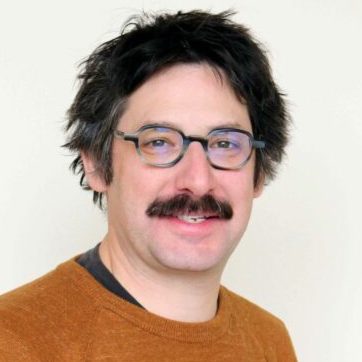
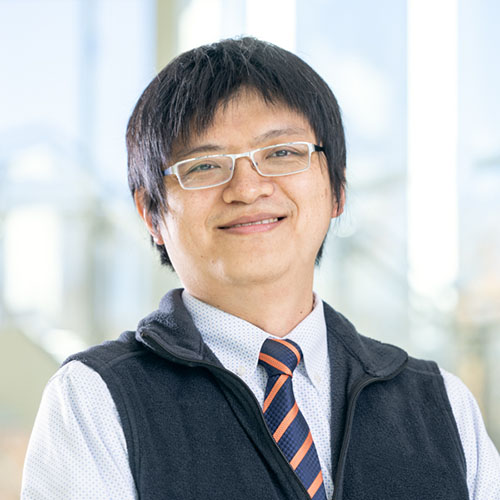
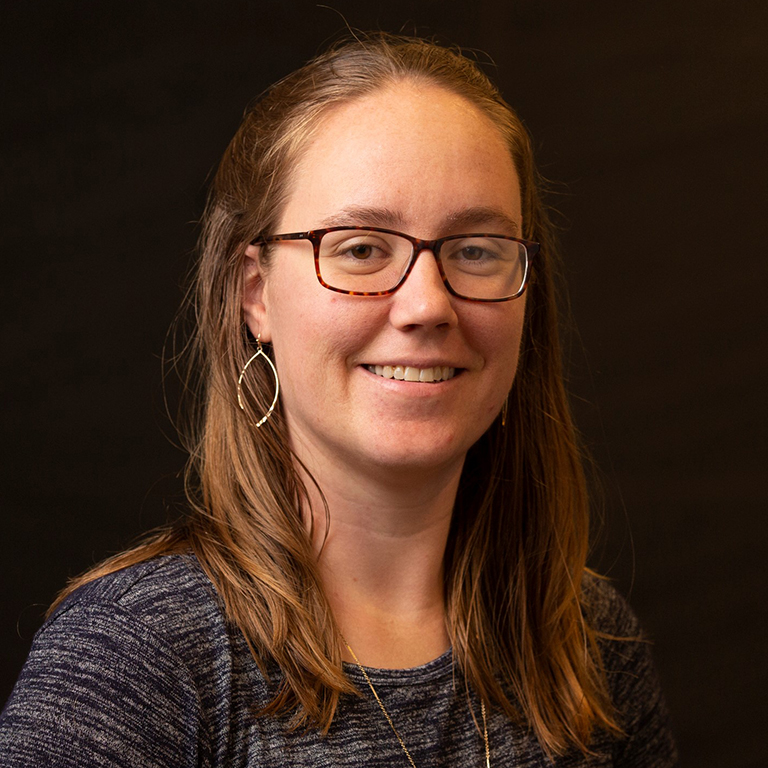
Kaisu Lankinen is a Visiting Professor at the Department of Neuroscience and Biomedical Engineering at Aalto University . Her research focuses on Magnetoencephalography (MEG) , neural synchrony , and social interaction , combining machine learning and neuroimaging techniques. Education Diplomi-insinööri (Master of Science in Technology), Aalto University, 2011 Tekniikan kandidaatti (Bachelor of Science in Technology), Elektroniikan ja sähkötekniikan koulutusohjelma, 2009 Research Trends : Her recent work explores social conflict resolution through neural alignment, letter processing in sensory cortices, and open-source software development for MEG/EEG analysis. Themes include ecological validity and neural dynamics . Labs & Collaborations : She collaborates with institutions like University of California, Berkeley (2017 visiting researcher) and contributes to tools like HNN-core .
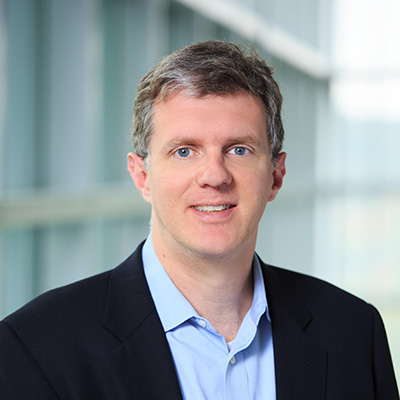
Professor Joel Pearson is a Cognitive Neuroscientist and Psychologist at the University of New South Wales, where he serves as Director of the Future Minds Lab. He holds a National Health and Medical Research Council fellowship and has established himself as an internationally recognized leader in human consciousness research. His research focuses on developing innovative methods to measure previously immeasurable dimensions of human experience, with particular emphasis on visual mental imagery, aphantasia (the absence of mental imagery), intuition, and hallucinations. Pearson employs a multidisciplinary agile approach, integrating perspectives from art, architecture, mathematics, computer science, psychology, and neuroscience. Analysis of Pearson's recent publications reveals a strong focus on aphantasia research, with numerous studies examining the neurological basis, cognitive implications, and sensory manifestations of this condition. His work demonstrates how objective neuroscientific methods can be applied to subjective experiences, bridging fundamental science with clinical applications. The research spans from basic cognitive mechanisms to practical applications in mental health, education, and human-AI interactions. 2009 William James award for the greatest scientific contribution to understanding consciousness 12 years of continuous NHMRC fellowship support Over $3 million in Category 1 research funding Pearson has successfully translated his research into practical applications through MindX, a boutique company spun out of his lab in 2016 that applies psychology and cognitive neuroscience to advertising and marketing. His lab takes a highly collaborative approach, working with companies, artists, and designers on brain science applications. Pearson is also a passionate advocate for high-risk discovery science and has developed the Agile Science methodology as a practical guide for scientific discovery. The Future Minds Lab represents a world-first, hands-on human-centered research environment exploring the Psychology and Neuroscience of innovation and entrepreneurship, the future of work, human and AI interactions, and mental health applications. The lab maintains a specialized database on extreme imagery conditions at https://www.futuremindslab.com/extremeimagery .
Colin Clifford is a Professor at the School of Psychology, University of New South Wales. His laboratory investigates vision, contextual effects on perception, and the neural basis of visual awareness. His academic credentials include a PhD from University College London (1994–1996), an MSc from Sussex University (1991–1992), and an MA from Pembroke College, Cambridge (1985–1989). Clifford's research explores visual perception, neural coding, gaze processing, and sensory adaptation. His work emphasizes how context modulates perception and how visual awareness links to underlying neural mechanisms, spanning topics like face perception, motion processing, and geometric illusions. His publications reveal a focus on gaze perception, facial processing, motion adaptation, and perceptual illusions. Trends include neural and behavioral studies of visual biases, contextual modulation, and ecological aspects of vision. Scientific Awards: Future Fellowship (2011–2015) for research on parallel and generative binding in human visual cortex Grants & Advising: National Health and Medical Research Council Project Grant (2012–2014): Functional anisotropies in orientation and motion processing Australian Research Council Discovery Grant (2012–2014): Gaze perception and adaptation He leads a vision research laboratory investigating neural and perceptual aspects of visual processing.
Christopher Summerfield is a Professor of Cognitive Neuroscience at the University of Oxford and Research Director at the UK AI Safety Institute. He is also a Fellow of Wadham College. His work spans cognitive science, neuroscience, AI research, and social science, with a focus on human learning and decision-making from behavioral, computational, and neural perspectives. PhD MSc BA His research explores computational models of cognition, using neural networks to understand and enhance human learning, cooperation, and agreement. Recent work examines zero-shot learning, distractor effects in perception, and normative principles of decision-making in natural environments. Key trends in his publications include applications of deep learning to cognitive neuroscience, computational modeling of reinforcement learning biases, and investigations into semantic disentanglement in neural circuits. This reflects his interdisciplinary approach at the intersection of AI and human cognition. Scientific awards include the Wellcome Trust Discovery Award. His research group, Human Information Processing, collaborates on advancing theories of cognition while developing practical tools for behavioral enhancement through AI.
Sylvain Argentieri serves as an Associate Professor at the Institute for Intelligent Systems and Robotics (ISIR) within Sorbonne University, where he has been a member of the ASIMOV research group ("Architectures and Models for Adaptation and Cognition") since 2008. His office is located at ISIR, Campus Pierre et Marie Curie, 4 place Jussieu, BC173, 75005 Paris. He maintains an active research presence with publications spanning from 2006 to 2024. His educational background includes obtaining the highest teaching diploma in France (Agrégation externe) in Electrical Engineering from the École Normale Supérieure in 2002, followed by a Ph.D. in Computer Science from Paul Sabatier University (Toulouse) in 2006, and his Habilitation à Diriger des Recherches (HDR) in 2018. Argentieri's research focuses on artificial perception in robotics with special emphasis on auditory perception, active multimodal perception approaches, and sensorimotor integration. His work demonstrates a consistent trajectory exploring how robots can develop perceptual capabilities through sensorimotor experiences, with particular attention to binaural sound localization, head movement control, and the emergence of spatial representations from uninterpreted sensory signals. His publications reveal a strong interest in how naive agents can structure their understanding of the world through active exploration and sensory prediction. His publication record shows a clear progression from foundational work on sound source localization to more complex investigations of sensorimotor contingencies and embodied cognition. The research spans multiple venues including IEEE conferences, Robotics and Autonomous Systems, and Frontiers journals, with recent work incorporating transformer architectures and neural network approaches to auditory processing. Argentieri maintains active collaborations with researchers including Nicolas Obin, Bruno Gas, and Valentin Marcel, as evidenced by his co-authored publications. His laboratory work takes place within the ASIMOV team at ISIR, which focuses on architectures and models for adaptation and cognition in robotic systems.
Frederick Kingdom is a Senior Scientist at the McGill Vision Research unit within the Research Institute of the McGill University Health Centre (RI-MUHC), Montreal General Hospital site. He holds the academic rank of Professor in the Department of Ophthalmology and Visual Sciences at McGill University 's Faculty of Medicine and Health Sciences. His research focuses on bridging local feature detection (edges, bars, surface markings) with intermediate visual processing that forms contours, textures, and surfaces. Key domains include spatial vision , color vision , stereopsis , binocular vision , and transparency perception , combining psychophysical methods with natural scene image analysis and mathematical modeling . Recent publications explore stereoscopic depth adaptation , color-enhanced edge classification , co-circularity in texture , and binocular contrast adaptation . His work appears in journals like Vision Research and PLoS Computational Biology . Kingdom's lab maintains the Palamedes Toolbox for psychophysical data analysis. He investigates perceptual mechanisms in contexts ranging from 2D visual illusions to 3D environmental interpretation , with ongoing projects examining visual biases (e.g., falling objects) and contextual modulation in neural coding.
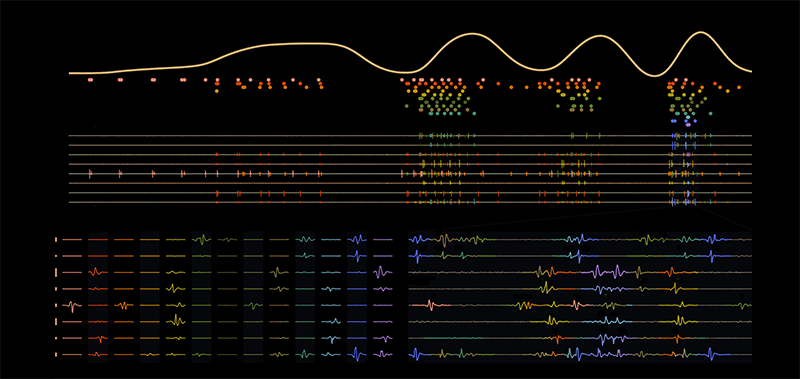
Brian DePasquale is an Assistant Professor in the Department of Biomedical Engineering at Boston University. He holds additional affiliations with the Neuroscience & Neuroengineering program as a Primary & Affiliated Faculty member. His research bridges computational neuroscience and machine learning, focusing on understanding neural computations through mathematical modeling of biological systems. Dr. DePasquale received his PhD from Columbia University followed by postdoctoral training at the Princeton Neuroscience Institute. His educational background has positioned him at the intersection of engineering, neuroscience, and computational methods, creating a unique approach to studying neural computation. DePasquale's research employs two complementary approaches: a data-driven method involving collaboration with experimental neuroscientists to develop machine learning models of neural activity, particularly for decision-making and movement behaviors; and a theoretical approach constructing artificial neural network models to understand how structure gives rise to functional features in biological circuits. Recent projects include applying graph neural networks to olfaction research, developing the StateSpaceDynamics.jl package for neuroscience time series analysis, and creating methods for training biophysically detailed spiking neural networks. His publication record reveals a consistent focus on neural dynamics across multiple scales, from single neuron properties to population-level computations underlying decision-making. The work spans theoretical models to practical applications, with growing emphasis on machine learning approaches to analyze complex neural datasets, particularly in understanding evidence accumulation processes and developing more biologically plausible artificial intelligence systems. Among his professional recognitions, DePasquale was awarded the prestigious NSF Graduate Research Fellowship (NSF-GRF). His research is supported by grants enabling his lab to pursue innovative projects at the intersection of neuroscience and machine learning. DePasquale leads the Artificial and Biological Intelligence Laboratory at Boston University, where his team develops open-source computational tools and fosters collaboration between computer scientists, neuroscientists, and engineers. The lab's emphasis on open science is exemplified by publicly available software implementations like StateSpaceDynamics.jl and full-FORCE demos on GitHub.
André Kaminiarz is a Researcher and Lecturer at the University of Marburg within the College of Physics and its Neurophysics Group . His work bridges computational neuroscience and neurobiology, focusing on self-motion processing, sensorimotor integration, and neural coding in primates. Research Interests: Neural networks, cortical processing of self-motion, and cross-species comparative neurology. Teaching: Courses include Complex Neural Networks Lecture and Advanced Seminar on Complex Neural Networks . Recent Publications: Three 2021 studies on parietal cortex mechanisms in macaques and humans.
Melissa Bauman, Ph.D., serves as Associate Professor in the Department of Psychiatry and Behavioral Sciences at UC Davis School of Medicine and is a faculty member of the UC Davis MIND Institute. Her research integrates neuroscience and autism studies to develop preclinical models of neurodevelopmental disorders, with particular focus on how prenatal immune environment alterations increase disorder risk. She also directs the UC Davis Health Women in Medicine and Health Sciences (WIMHS) program, advancing women's careers in academic medicine. Dr. Bauman's research centers on maternal-fetal immune interactions and their neurodevelopmental consequences, employing nonhuman primate and rodent models to investigate mechanisms linking maternal immune activation to autism spectrum disorder (ASD) and related conditions. Her work spans neuroimaging, metabolomics, and behavioral analysis to identify structural, metabolic, and functional alterations in offspring brains. Key interests include amygdala/prefrontal cortex development, synaptic changes, and immune-brain crosstalk during critical prenatal periods. Analysis of her 15 most recent publications reveals consistent emphasis on maternal immune activation (MIA) as a pathway to neurodevelopmental disorders, with growing integration of multi-omics approaches and longitudinal designs. Her primate models provide translational insights into ASD mechanisms, while recent work expands into maternal obesity and autoantibody effects. Publications consistently bridge basic neuroscience with clinical relevance through the MIND Institute's collaborative framework. Honors and awards include: UC Women's Initiative for Professional Development Fellow (2018) AAMC Mid-Career Women Faculty Professional Development Seminar Trainee (2016) NARSAD Young Investigator Award (2012) AAMC Early Career Women Faculty Professional Development Seminar Trainee (2012) UCDMC Women in Medical and Health Sciences Mentored Leadership Trainee (2011) As WIMHS director, Dr. Bauman implements structured mentorship and leadership development for female faculty, addressing systemic barriers in academic medicine. Her NARSAD award and Doris Duke Charitable Foundation involvement indicate significant research funding for MIA and clinical scientist retention initiatives. She contributes to national discourse on women in STEM through publications on negotiation and #MeTooSTEM issues. Dr. Bauman's laboratory operates within the UC Davis MIND Institute ecosystem, leveraging the California National Primate Research Center resources for translational studies. Her team collaborates across neuroscience, immunology, and obstetrics disciplines to investigate prenatal origins of neurodevelopmental disorders, with current work focusing on biomarker discovery and intervention strategies targeting maternal immune pathways.
Dr. Mareike Grotheer is a Junior Group Leader at the Educational Neuroscience Group within the Department of Child and Adolescent Psychology at Philipps University of Marburg , Germany. She earned her doctorate at Friedrich Schiller University Jena and completed a postdoctoral fellowship in the Vision and Perception Neuroscience Lab at Stanford University. Her research focuses on how schooling and learning interact with brain structure and function, particularly in white matter development for math and literacy acquisition. She leads projects combining fMRI , dMRI , and behavioral data to explore neural substrates of educational skills and developmental disorders. ERC Starting Grant (2024) : Recognizing her innovative work on early brain development. Her recent publications highlight trends in white matter tractography , myelination dynamics , and multimodal neuroimaging to address learning disabilities and cortical microstructure. Her team includes doctoral students like Alexia Dalski and Vicente Aguilera Gonzalez, who investigate reading and mathematical cognition in children. Mareike also collaborates with the Center for Mind, Brain and Behavior (CMBB) , integrating interdisciplinary approaches to educational neuroscience.
Stephen Van Hooser is an Associate Professor of Biology at Brandeis University, where he leads the Neural Circuits Lab. His research focuses on understanding how neural networks assemble during development and function in circuits to enable perception and behavior. He holds affiliations with multiple Brandeis programs including the Department of Biology, Neuroscience Graduate Program, Volen Center for Complex Systems, Sloan-Swartz Center for Theoretical Neurobiology, and Quantitative Biology Program. Dr. Van Hooser received his B.S. from the California Institute of Technology, his Ph.D. from Brandeis University, and completed postdoctoral training at Duke University Medical Center. His educational background bridges physics, biology, and neuroscience, providing a strong foundation for his interdisciplinary research approach. Dr. Van Hooser's research centers on two major themes: the role of experience in the development and maturation of neural circuits, and the operating principles of cortical circuits. His lab applies cutting-edge optical and optogenetic tools to observe both fine-scale circuit features and systems-level responses simultaneously in the living brain. By combining these approaches with advanced physiological and anatomical techniques, his team addresses previously inaccessible questions about neural circuitry in mammalian visual cortex. His work particularly investigates how motion selectivity develops in an experience-dependent manner, whether experience merely permits the completion of developmental programs or alters the trajectory of circuit construction, and which circuit elements are modified by experience. Analysis of his recent publications reveals a progression from basic circuit mechanisms to more complex behavioral correlates, with increasing use of mouse models alongside traditional ferret models, and growing interest in neurodevelopmental disorder models like Shank3 knockout mice. Beverly Patterson Bishop Award for Excellence in Neuroscience, Brandeis University, 2015 As a principal investigator, Dr. Van Hooser mentors graduate students and postdoctoral researchers in the Neural Circuits Lab. His research program has been consistently supported by major funding sources including the American Recovery and Reinvestment Act (ARRA), John Merck Foundation, Charles H. Hood Foundation, American Physiological Society, National Science Foundation, and National Institutes of Health. His lab has developed the Neuroscience Data Interface (NDI) to facilitate organization and sharing of neuroscience data, reflecting his commitment to open science and data transparency. The Neural Circuits Lab is equipped with advanced imaging and electrophysiology capabilities, including 2-photon microscopy for in vivo imaging of neural activity. The lab employs a multidisciplinary approach combining computational modeling, molecular techniques, and behavioral analysis to understand how neural circuits develop and function. Dr. Van Hooser's team collaborates with researchers across Brandeis and other institutions to advance our understanding of cortical circuit organization and plasticity, with a particular emphasis on the visual system as a model for understanding general principles of neural circuit function.
Mark M. Churchland is a Professor of Neuroscience at Columbia University's Vagelos College of Physicians and Surgeons. He serves as Codirector of the Grossman Center for the Statistics of Mind and Principal Investigator at the Zuckerman Institute, working at the intersection of neuroscience and computational modeling. Research Focus : Churchland investigates how the brain plans, triggers, and executes voluntary movements. His work combines primate neurophysiology with dynamical systems analysis to uncover unified neural mechanisms across different movement types, with applications for Parkinson's disease and neural prosthetics. Scientific Contributions : 2017 BRAIN Initiative Team-Research Circuit Program (U19) for Motor Control Pioneering tensor analysis methods for neural population structure Discovering brain activity compression scales in movement preparation Developing brain-machine interface algorithms from cortical dynamics Recent Publications (2024-2025) reveal his lab's focus on: Neural null-space dynamics in movement Interdisciplinary neurotechnology (DREDge motion correction) Preparation-execution timing mechanisms Motor unit flexibility and variability Cortical prosthetic control improvements
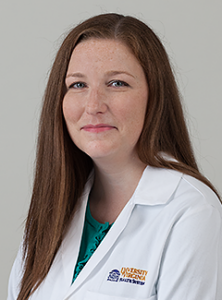
Jennifer C. Burnsed, MD, MS, is an Associate Professor at the University of Virginia School of Medicine, affiliated with the Department of Pediatrics and Division of Neonatology. Her research focuses on neonatal brain injury, particularly hypoxic-ischemic encephalopathy (HIE) and seizures, using mouse models to study their impact on brain development and long-term cognitive/behavioral deficits. Research Interests: Neonatal hypoxic-ischemic encephalopathy (HIE) Neonatal seizures Hippocampal circuitry disruption Neuronal activation mapping Tissue clearing techniques Techniques: Neonatal mouse electroencephalography, immunohistochemistry, confocal imaging, lipid-clearing protocols for brain visualization. Recent Publications Trends: Analyze synaptic transmission in motor cortex pyramidal neurons, map neuronal activity in novel environments, develop continuous EEG protocols for HIE models, and investigate hippocampal-parahippocampal circuit abnormalities linked to memory deficits. Contact: Email: jcw5b@virginia.edu | Phone: 434-924-5428
Dr. Chen-Che Huang is an Associate Professor in the Department of Anatomy, Physiology and Pharmacology at Auburn University College of Veterinary Medicine . His research focuses on developmental endocrinology , particularly the regulatory mechanisms of endocrine organ development using mouse models and genome-wide analyses . Education: DVM, National Taiwan University PhD, University of Illinois at Urbana Champaign Postdoctoral Training, UCSF (2011) and NIH (2017) Dr. Huang's work investigates adrenal gland development , hedgehog signaling pathways , and steroid hormone synthesis . His lab employs molecular biology , next-generation sequencing , and bioinformatics to uncover mechanisms in adrenocortical growth and thyroid hormone interaction within endocrine organs.
Kathryn Bonnen serves as Assistant Professor at Indiana University School of Optometry with concurrent appointments in Neuroscience and Cognitive Science programs. She joined the faculty in 2022 following her Simons Society Postdoctoral Fellowship at New York University, where her research examines visual perception and sensorimotor processing in ecologically valid contexts. Her academic credentials include: Ph.D. in Neuroscience, University of Texas at Austin (2018) B.S. in Psychology, Michigan State University (2011) B.S. in Computer Science, Michigan State University (2011) Dr. Bonnen's research program investigates how visual and sensorimotor systems operate during real-world activities like walking and object tracking. Her lab employs behavioral measurements (psychophysics, eye tracking, motion capture) and computational modeling to understand neural mechanisms, frequently utilizing virtual reality and naturalistic environments to maintain ecological validity in experimental design. Analysis of her publication record (2013-2021) reveals consistent focus on binocular vision mechanisms and their application to locomotion, particularly how 3D visual cues guide foot placement during natural walking. A significant strand of her work addresses computational neuroscience education through Neuromatch Academy, demonstrating commitment to global accessibility in scientific training alongside her empirical research. Her scholarly contributions have been recognized through competitive awards: ARVO/VSS Fellowship at University of California, Berkeley Simons Society Postdoctoral Fellowship in Neural Science As research mentor, Dr. Bonnen advises students across vision science, cognitive science, neuroscience, and informatics PhD programs plus optometry and undergraduate researchers. Her lab maintains interdisciplinary collaboration across fields including biomechanics and computer science, with research supported by faculty resources and likely external funding given project scope and publication record. The Vision in Action Lab operates within Indiana University School of Optometry as an interdisciplinary hub where members from diverse academic backgrounds collaborate on projects spanning visual development, aging, and neural computation using both laboratory and naturalistic methodologies.