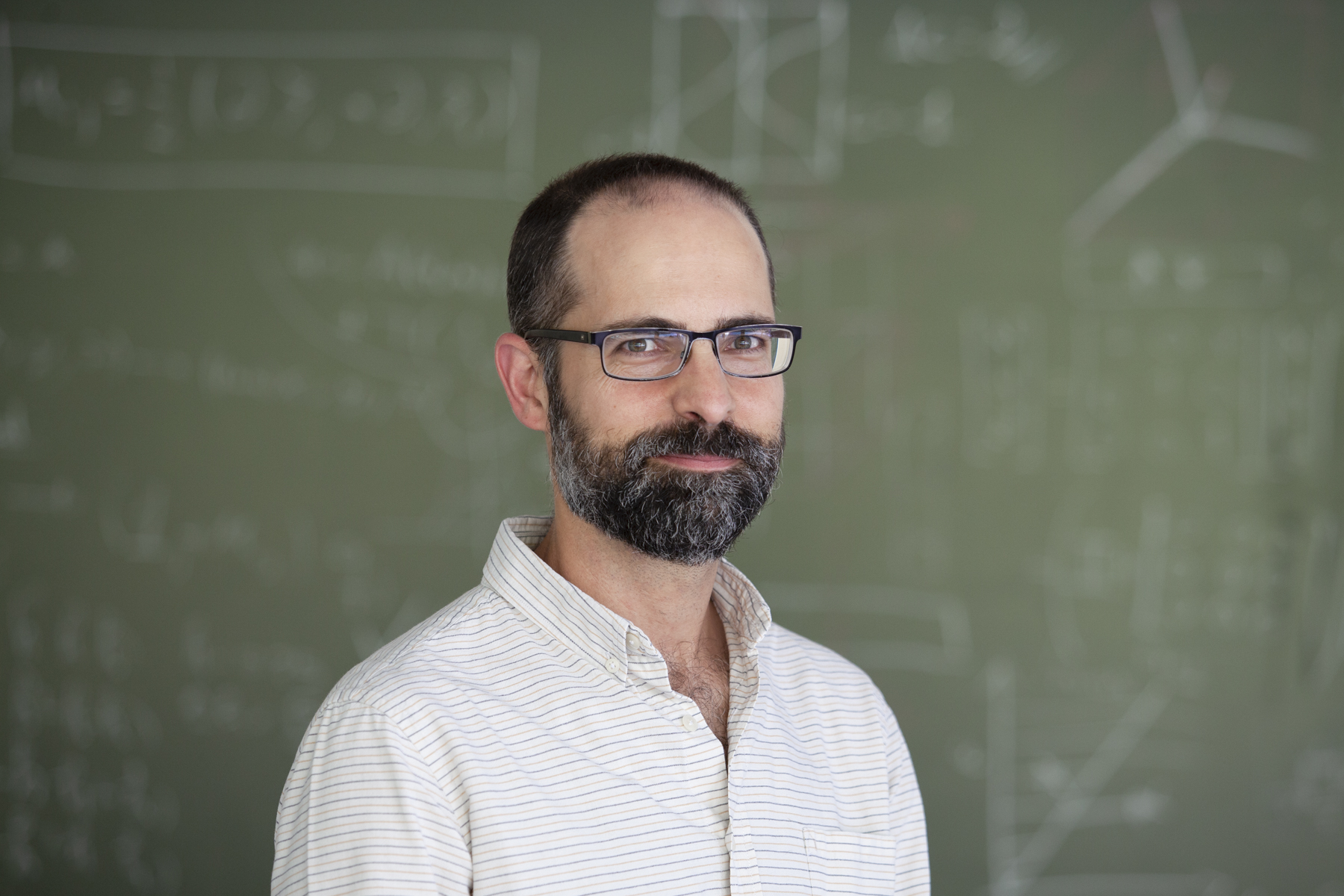
David de Sancho Sánchez is a Ramón y Cajal Research Fellow at the University of the Basque Country (UPV/EHU) and the Donostia International Physics Center (DIPC) in Spain. His research employs computational methods to study protein dynamics, folding mechanisms, and biomolecular interactions, with a focus on quantitative comparisons between theory, simulation, and experimental data. Education & Training: Biophysical Chemistry training at San Pablo CEU and Complutense Universities PhD under Antonio Rey at Complutense University Postdoctoral work with Victor Muñoz (Spanish Research Council) and Robert Best (University of Cambridge) Research Focus: David's work spans protein folding landscapes, metal-binding proteins, mechanical unfolding, and phase separation. Recent investigations include amyloid-beta aggregation, titin mechanics in cardiac disease, and computational drug design for cancer and neurodegeneration. His methodologies integrate molecular dynamics, Markov state models, and force spectroscopy simulations. Scientific Awards: Ramón y Cajal Fellowship (UPV/EHU) Ikerbasque Research Fellowship (CIC nanoGUNE) Affiliations: He leads computational research at UPV/EHU's Theoretical Chemistry Unit and collaborates extensively with experimental groups at DIPC, focusing on protein engineering and disease mechanisms.
Haakon Sundbø is a Senior Lecturer at the Department of Information and Communication Technology, University of Agder. He teaches courses such as Computer Science (DAT100), Multimedia Design (DAT104), Web Publishing (DAT110), Visual Design (DAT222), Sound Engineering (DAT228), ICT and E-learning in Vocational Subjects (PED978), and Didactic Use of Digital Tools (MM903). His academic responsibilities also include guest lecturing and supervision in ICT Project (DAT215), Photography (DAT227), Video (DAT229), Bachelor's Project (DAT303), Web and Online Knowledge (MM901), Remote Operated Vehicles (MM202), Interaction Design (MM403), and Technology for Teachers (TEKPED60). Materials, Energy and Nanotechnology (BSc, University of Oslo) Multimedia Technology and Design (BSc, University of Agder) Multimedia and Educational Technology (MSc, University of Agder) Haakon's research focuses on lifelong learning, e-learning platforms, interaction design, user experience, artificial intelligence in education, augmented reality, virtual reality, and digital competence development. He has contributed to projects like Decentralized Competence Development (DEKOMP), UiA Consense, and drone technology research at University of Agder. His recent publications analyze AI integration in teaching, digital frameworks for schools, screen usage guidelines, and collaborative learning networks. He also leads a research group on Multimedia and E-learning, emphasizing flexible digital resources and practical technology adoption in educational contexts.
Austin Bunn is an Associate Professor in the Department of Performing and Media Arts at Cornell University, where he also serves as Director of the Milstein Program in Technology and Humanity. His career bridges academia, filmmaking, and literary arts, with expertise in screenwriting, short film production, and creative nonfiction. Education B.A. in American Studies, Yale University M.F.A. in Fiction & Playwriting, University of Iowa Writers' Workshop Research and Creative Interests: Austin's work spans screenwriting pedagogy, LGBTQ+ narratives in film, and interdisciplinary storytelling. His recent focus includes audio drama development and rural queer representation in documentary media. Selected Scientific Awards: Carpenter Memorial Advising Award (2017) Audie Award for Best Fiction Collection (2017) Michener-Copernicus Fellowship International Days Prize, Venice Film Festival Advising and Professional Impact: He has mentored at the Screenwriters' Colony and Outfest Screenwriting Lab, and won the Carpenter Memorial Advising Award for connecting students with industry professionals. His Milstein Program leadership fosters collaborations between technology and humanities.
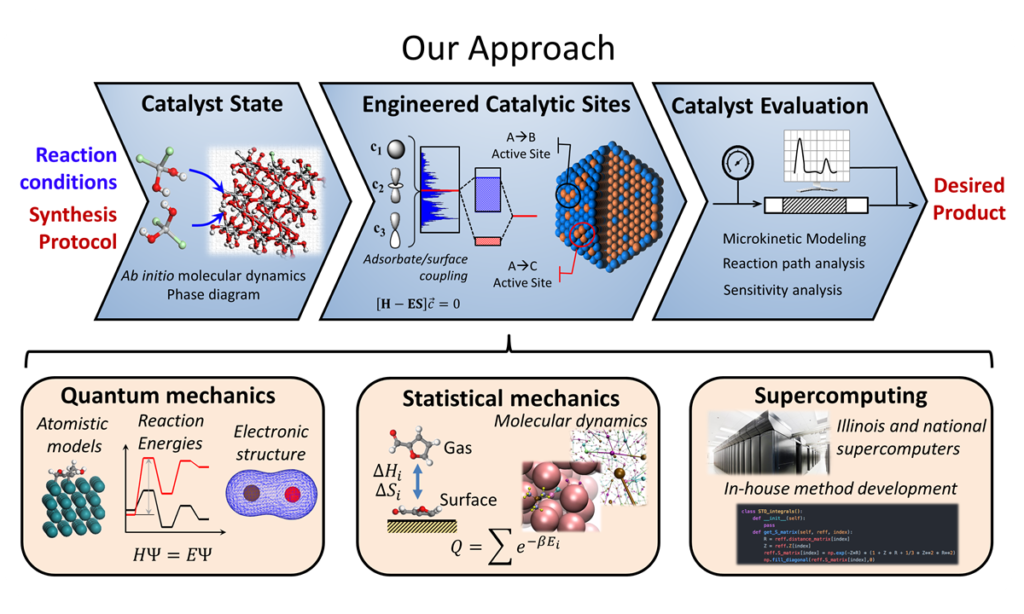
Dr. Alex Mironenko is an Assistant Professor in the Department of Chemical and Biomolecular Engineering at the University of Illinois at Urbana-Champaign. His research focuses on developing quantum mechanical methods to predict catalytic behaviors for renewable energy and chemical production. He leads the Mironenko Lab, which emphasizes computational models for heterogeneous catalysis, reactive force fields, and nanozyme design. Education: PhD in Chemical Engineering, University of Delaware (2018) Kadanoff-Rice Postdoctoral Scholar, University of Chicago (2018-2020) MS in Chemical Engineering, University of Kansas (2012) Diploma of Engineer, Omsk F.M. Dostoevsky State University, Russia (2009) Research Interests: Computational heterogeneous catalysis Reactive force fields derived from first principles Low-dimensional metal oxide catalysts Nanozymes and biomimetic catalysis Selective C-C coupling for CO₂ valorization Improving density functional theory accuracy Awards: ACS Petroleum Research Fund Doctoral Investigator Award (2021) Allan P. Colburn Outstanding Dissertation Prize (2019) Kadanoff-Rice Postdoctoral Fellowship (2018-2020) Advising and Grants: Advised PhD student Neil Tran (publication on methanol carbonylation mechanisms) Funded by NSF, ACS, and industry partnerships Labs/Teams: Mironenko Virtual Catalysis and Quantum Chemistry Lab Collaborations with institutions like University of Chicago and industry partners
Caroline Ketcham is a Professor of Exercise Science and the Associate Dean of Elon College, the College of Arts and Sciences at Elon University. Her research focuses on movement neuroscience, neurodiversity, concussions, and mental health, with expertise in neuromusculoskeletal control and rehabilitative strategies across diverse populations including children, elderly, neurological patients, and athletes. Education: PhD in Exercise Science/Motor Control, Arizona State University (2003) MS in Exercise Science/Motor Control, Arizona State University (1999) BA in Biology/Psychology, Colby College (1996) Her work spans motor control, concussion management, and mental wellness, with over 87 undergraduate mentees and 65+ publications. She co-edited Concussion in Athletics and Cultivating Capstones , and co-directs the Elon BrainCARE Research Institute, which advocates for concussion awareness and mental health. Recent research trends include concussion baseline testing as mental health screening, dual-task gait analysis, and global mentoring frameworks. Scientific awards highlight her contributions: Distinguished Scholar (2023), Ward Family Mentoring Award (2017), and multiple teaching distinctions. Scientific Awards: Distinguished Scholar Award (2023), Elon University Ward Family Excellence in Mentoring Award (2017), Elon University Elon College Service Award (2014), Elon University School of Education Excellence in Scholarship Award (2010), Elon University Teacher of the Year (2007), Texas A&M University She actively mentors students in concussion advocacy and neurodiverse movement research, with hundreds advised in health professions. Her labs focus on neuromuscular control and mental wellness initiatives.
Anna Weinstein is an Associate Professor of Screenwriting in the Department of English at Kennesaw State University, where she coordinates the Graduate Certificate in Screen & Television Writing. She is a core faculty member in the Master of Arts in Professional Writing program and an affiliated faculty member in the Gender and Women's Studies program. Her educational background includes an M.F.A. in Creative Writing & Writing for the Performing Arts from the University of California, Riverside, and a B.A. in Speech Communication from the University of North Carolina, Chapel Hill. Anna's research focuses on screenwriting, women's representation in film and television, and industry studies. Her creative work includes developing a limited series on Georgian author Lillian E. Smith and adapting 'The Jack Tales' for film. She frequently explores contributions of women both in front of and behind the camera, advancing critical discourse on gender in media. Analysis of her recent publications reveals a consistent emphasis on female-driven narratives and global women directors. Her work predominantly features interviews with filmmakers and critical analyses of women's roles in cinema history, highlighting diverse voices and underscoring her commitment to documenting underrepresented perspectives in screenwriting and media studies. Anna Weinstein serves as Secretary for the Screenwriting Research Network (2022-2024) and Co-chair of the Film Area for the Popular Culture Association (2021-present). As Coordinator of the Graduate Certificate program, she mentors students in screenwriting and professional writing, fostering next-generation media creators through curriculum development and personalized guidance.
Dr. Tony Tan serves as a Professor in the Department of Educational Psychology within the College of Education at the University of South Florida. His scholarly work focuses on longitudinal investigations of child development, particularly examining the social-behavioral adjustment and mental health outcomes of Chinese adoptees raised in North America, alongside broader research on immigrant children and early adversity. Dr. Tan completed his Ed.D. in Human Development and Psychology at Harvard Graduate School of Education in 2004, with doctoral training specializing in childhood trauma, risk, and resilience frameworks. His research program integrates developmental and cultural theories to explore how early experiences shape long-term adjustment. Utilizing multi-informant longitudinal designs, he has tracked adopted Chinese children from early childhood through adolescence, assessing academic competence, behavioral health, and identity development. Recent expansions address pandemic impacts on child development, immigrant mental health, and cross-cultural measurement issues in psychological assessment. Analysis of Dr. Tan's publication record since 2021 reveals sustained productivity with increasing focus on contemporary challenges including the COVID-19 pandemic's effects on school readiness and family dynamics, alongside continued investigation of adoption outcomes and ADHD manifestations in diverse populations. His work consistently employs rigorous longitudinal and cross-cultural methodologies. No specific scientific awards were documented in the provided materials. Dr. Tan actively mentors doctoral students, serving on dissertation committees and welcoming new Ph.D. candidates interested in adoption, immigration, mental health, trauma, and academic functioning. While explicit grant details are absent from the source text, his extensive longitudinal projects suggest successful acquisition of external research funding to support multi-phase data collection. The provided information does not specify dedicated research laboratories or formal research teams led by Dr. Tan, though his collaborative publication record indicates extensive interdisciplinary partnerships.
Robert Stock is an Associate Professor for Cultures of Knowledge at the Department of Cultural History and Theory at Humboldt University Berlin. He is also the Principal Investigator (PI) in the cluster of excellence "Matters of Activity. Image Space Material" . His research focuses on cultures of knowledge, digital media and disability, museum accessibility, Luso-African cultural decolonization processes, and environmental humanities. He completed his PhD in 2017 at Justus Liebig University Giessen, exploring cultural decolonization and documentaries between Mozambique and Portugal. As a postdoc, he worked at the University of Konstanz in the project "Media and Participation" . Robert Stock collaborates extensively with international institutions, including Jagiellonian University (Krakow) and the University of São Paulo, on projects like "Multi-species homemaking in toxic coastal zones" . He co-edited Techniques of Hearing (2022) and has published widely on disability activism, urban mobility, and material agency. He organizes interdisciplinary events such as the STS HUB 2025 conference and the Symbiotic Futures symposium, emphasizing collaborative and critical approaches to contemporary challenges. Education: PhD in Cultural Studies, Justus Liebig University Giessen, 2017 Postdoctoral Research at University of Konstanz Research Interests: His work bridges cultural theory, disability studies, and environmental humanities. Notable themes include: Accessibility in digital and physical spaces More-than-human material agency (e.g., symbiotic wood, paraffin pollution) Critical approaches to technology and decolonial methodologies Grants & Projects: Leads the "Matters of Activity" cluster and collaborates on EU-funded initiatives. Recent projects include: COIL (Collaborative Online International Learning) programs on mangroves and toxic zones Exhibitions like Symbiotic Wood and Vegetal Companions Public engagement through workshops and film screenings Labs/Teams: Coordinates the Network Dis/Ability and Digital Media and mentors researchers like Rahel Kesselring. His team includes collaborators such as Karola Dierichs and Claudia Mareis in interdisciplinary material studies.
Mikros Emmanuel is a Professor in the Section of Pharmaceutical Chemistry at the University of Athens , affiliated with the Faculty of Pharmacy and Department of Pharmaceutical Chemistry . His academic career spans decades, with significant contributions to pharmaceutical chemistry and metabolomics. Education : Ph.D. and M.Sc. in Organic Chemistry (1988, 1984), Université PARIS XI; Diploma in Chemistry (1983), University of Athens. His research focuses on NMR spectroscopy, molecular structure analysis of biologically active compounds, structure-based drug design, and metabolomics. He has pioneered methods integrating NMR with computational tools for drug discovery and biomarker identification. Recent publications highlight his work in NMR-MS heterocovariance for drug screening, metabolomics in diagnostics, virtual screening for kinase inhibitors, and computational approaches in understanding metabolic disorders. Scientific Awards : DAAD Fellowship (Germany, 1996), Marie Curie Fellowship (European, 1994), CIES Fellowship (France, 1993), National Foundation Scholarship (ΙΚΥ Greece, 1985-88). He has taught undergraduate and graduate courses such as Inorganic Pharmaceutical Chemistry, Organic Spectroscopy, and Drug Design, while leading research initiatives in pharmaceutical chemistry and related fields.
Bernadette Cochrane is a Senior Lecturer in Theatre and Performance at the University of Queensland (UQ), School of Communication and Arts. She holds affiliations with the Centre for Critical and Creative Writing and the Research Centre in Creative Arts and Human Flourishing. Her academic career began in 2014 after completing a dramaturgical PhD at UQ in 2013. She specializes in teaching European theatre of the 20th century, directing, dramaturgy, and Early Modern performance practice. Research interests include dramaturgy, liveness in performance, theatre and digital humanities, and contemporary representations of Otherness. She co-edited New Dramaturgy: International Perspectives on Theory and Practice (2014) and contributes to The Cambridge Encyclopedia of Stage Directors and Directing . As Board Member of the Migrant Dramaturgies Network, she explores theatrical responses to global migration. Award-winning educator, she received the 2018 UQ Award for Programs that Enhance Learning and a 2016 Teaching Excellence Commendation. Her research bridges live performance, cinema, and cultural production, with recent works addressing pandemic impacts on theatre and paratextual augmentation. Supervision focuses on directing, digital humanities applications in theatre, and liveness studies. Active in international networks, she has presented at conferences including the International Federation of Theatre Research and the Australasian Association for Drama, Theatre and Performance Studies.
Professor Adrian Hilton is a distinguished faculty member at the University of Surrey, serving as Director of the Centre for Vision, Speech and Signal Processing (CVSSP) and Director of the Surrey Institute for People-Centred AI. He is affiliated with the School of Computer Science and Electronic Engineering and leads the Visual Media Research Lab (V-Lab). His research focuses on pioneering next-generation 4D computer vision technologies that enable machines to understand and model dynamic real-world scenes. Key areas include 3D/4D shape capture, computer vision, machine learning, graphics, and animation for applications in sports analysis, film/TV production, virtual reality, and medical imaging. His work bridges the gap between real and computer-generated imagery, with notable contributions in volumetric capture, motion capture, and free-viewpoint video. Hilton's recent publications demonstrate a strong trend toward multimodal integration, particularly combining audio and visual processing for spatial audio applications, while advancing 4D reconstruction techniques for human performance capture. His work increasingly incorporates transformer architectures and neural rendering techniques for improved illumination estimation, shadow modeling, and multi-view consistency. Scientific Awards and Recognition Two EU IST Innovation Prizes Manufacturing Industry Achievement Award Royal Society Industry Fellowship (2008-2011) Royal Society Wolfson Research Merit Award in 4D Vision (2013-2018) Fellow of the Royal Academy of Engineering (FREng) Fellow of the International Association for Pattern Recognition (FIAPR) Fellow of the Institution of Engineering and Technology (FIET) Hilton actively mentors PhD and post-doctoral researchers through his leadership of CVSSP, which has a grant portfolio exceeding £31M and comprises 170 researchers. He has successfully commercialized several technologies, including systems used by the BBC for sports commentary visualization. His research collaborations span major industry partners including BBC, BT, Sony, Framestore, and The Foundry. He co-founded the G3 Games forum and the CVMP Conference on Visual Media Production, demonstrating strong engagement with the creative industries. Current research projects include the S3A Programme Grant in Future Spatial Audio and InnovateUK's ALIVE project for 360 video reconstruction.
Jim Pfaendtner is a Professor in the Department of Chemistry and serves as the Louis Martin-Vega Dean of Engineering at North Carolina State University. His research focuses on computational molecular science and engineering, with particular emphasis on biomimetic materials, nanoparticle self-assembly, and machine learning applications in chemistry. He leads interdisciplinary projects integrating molecular simulations, advanced materials design, and catalytic processes. Education details are not explicitly provided in the text, but his academic roles suggest advanced training in chemical engineering or chemistry. His work spans theoretical and experimental collaborations, including studies on peptoid-based materials, quantum dot superlattices, and enzyme engineering. Key research themes include: (1) biomimetic mineralization using sequence-defined polymers, (2) computational design of corrosion inhibitors and sustainable materials, (3) machine learning models for interatomic potentials and molecular design, and (4) electrochemical systems in energy storage. His team employs advanced simulation techniques like metadynamics and molecular dynamics to probe complex systems. Notable recent achievements include the FOMMS Medal Lecture (2024), leadership in developing predictive models for silica nanoparticle assembly, and contributions to chemical recycling of plastics via novel catalytic methods. His group actively publishes in high-impact journals like Journal of Physical Chemistry and Nano Letters . Current projects include: (1) hierarchical materials from high-information macromolecules, (2) AI-driven retrosynthetic pathway analysis, and (3) dynamic control of bioinspired nanomaterials. He collaborates with industry on sustainable chemical processes and biocatalyst development.
Xiang Wang is an Associate Professor in the Department of Pharmaceutical Sciences at Howard University College of Pharmacy, where he also directs the Artificial Intelligence and Drug Discovery Core Laboratory for the District of Columbia Center for AIDS Research (DC CFAR). With approximately 20 years of experience, his work bridges computational methods and pharmaceutical innovation. Dr. Wang's research focuses on advancing drug discovery through cutting-edge technologies. His expertise includes computer-aided drug design (CADD) , machine learning , structure-based drug design (SBDD) , high-throughput screening (HTS) , and biomolecular simulation . He has been actively integrating virtual reality (VR) , augmented reality (AR) , and artificial intelligence (AI) into both pharmacy education and research, reflecting a forward-looking interdisciplinary approach. He has secured over 20 grants from federal, state, university, and international funding bodies and has published around 50 peer-reviewed articles, reviews, book chapters, and patents, along with 190 conference abstracts and invited lectures. His scholarly impact is further amplified by his service as a reviewer for more than 45 major journals, including the Journal of Medicinal Chemistry and Journal of Chemical Information and Modeling . National Institutes of Health (NIH) National Aeronautics and Space Administration (NASA) American Association of Colleges of Pharmacy (AACP) Alzheimer’s Drug Discovery Foundation (ADDF) Dr. Wang has served on review panels for prominent funding agencies such as the NIH, NASA, AACP, and ADDF, contributing to the evaluation and advancement of scientific research in his fields. His leadership in the AI and Drug Discovery Core underscores his role in building research infrastructure and mentoring in a high-impact domain. While specific advisees are not listed, his extensive grant activity and lab direction suggest active student and postdoctoral involvement. His work in developing immersive technologies for professional pharmacy education highlights a commitment to innovation in teaching. The convergence of AI, VR, and AR in his research program points to a vision of next-generation drug discovery and pedagogy.
Dr. Franceli Cibrian is an Assistant Professor in the Department of Electrical Engineering and Computer Science at Chapman University's Fowler School of Engineering. Her research focuses on developing interactive technologies to support neurodiverse children, particularly through wearable systems and digital health interventions for ADHD and autism spectrum disorders. Education: Ph.D. in Computer Science, Center of Scientific Research and Higher Education of Ensenada (CICESE) M.S. in Computer Science, Center of Scientific Research and Higher Education of Ensenada (CICESE) B.S. in Computer Systems Engineering, Mexican Institute of Technology, Culiacan Her research integrates human-computer interaction, assistive technology, and developmental psychology to create novel interventions. Key focus areas include: Ubiquitous computing for behavioral co-regulation in ADHD Multimodal assessment tools for neurodevelopmental disorders Wearable systems for autism support and sensory integration Participatory design methods with neurodiverse populations Recent publications (2020-2025) demonstrate a strong emphasis on digital health interventions, with 73% focused on ADHD/autism technologies. Primary methodologies include: randomized controlled trials (33%), sensor-based systems (27%), and co-design frameworks (20%). Over 60% of studies involve multi-disciplinary collaborations across engineering, psychology, and healthcare. Dr. Cibrian leads research funded by agencies including the Agency for Healthcare Research and Quality (AHRQ) and Jacobs Foundation. Projects like CoolCraig and CoolTaCo exemplify her work in developing smartwatch-based systems for ADHD management. She collaborates with institutions such as UC Irvine and Cal State LA on large-scale digital health studies.
Alex Munt is an Associate Professor at the University of Technology Sydney (UTS), affiliated with the Faculty of Design and Society. He serves as a key member of the Creative Practice Research Group and previously held the position of Acting Dean for Strategic Higher Degree Research Development at the UTS Graduate Research School from January to December 2021. With a background spanning both creative industries and academia, Munt brings extensive practical experience to his academic role, having worked for a decade in design, architecture, and 3D digital media before transitioning to film and academic work. Munt's educational background includes a PhD in Communications from Macquarie University (2010), a Graduate Certificate in Media Arts and Production (Film & Video) from the University of Technology Sydney (2004), and a Bachelor of Architecture (Hons) from the University of Adelaide (1996). His academic journey reflects a deliberate movement from architecture to film and media studies, creating a unique interdisciplinary perspective that informs his research and teaching. Munt's research expertise focuses on microbudget screen development and production in Australian and international contexts, with particular interest in expanded screenwriting practices, innovative screen aesthetics, and alternative models of film production. He examines granular aspects of film style, particularly diverse approaches to mise-en-scène, and explores how non-industrial filmmaking environments produce distinctive cinematic results. His work extends to expanded modes of moving image production, including video art, artist's moving image installations, and Cinematic Virtual Reality (CVR). Munt's research has been incorporated into Screen Australia's Story Development documents to support Australian low-budget screenwriters and directors. An analysis of Munt's recent publications reveals a clear trajectory toward immersive media and virtual reality storytelling. His work increasingly focuses on the theoretical and practical challenges of screenwriting for virtual reality environments, exploring spatial narrative structures, user embodiment, and the relationship between traditional filmmaking techniques and emerging immersive technologies. The research demonstrates how cinematic virtual reality requires rethinking fundamental elements of screen storytelling, particularly in relation to spatiality, narrative emphasis, and structural elements that differ significantly from conventional film. Four feature films as writer/director: LBF (2010), Poor Little Rich Girls (2013), Collectors (2021), and Isaac's Dream (2023) International recognition with award-nominated films screened and distributed worldwide Contributions to Screen Australia's Story Development documents Editor of the significant anthology 'Screenwriting for Virtual Reality: Story, Space and Experience' (2024) Munt supervises Higher Degree Research students with a particular emphasis on working with industry-based creatives who seek to rethink, reshape, and sustain their creative screen practices. His teaching philosophy draws on the lineage and evolution of indie, alternative, DIY, and microbudget approaches to film conception, development, and production. He views these approaches as creatively sustainable methods that both stand apart from and inform industrial modes of screen production. His research, teaching, and engagement all focus on creativity, creative practice research, and professional practice in film and creative screen media. As a practicing filmmaker and academic, Munt bridges theory and practice through the Creative Practice Research Group at UTS. His work demonstrates how academic research can directly inform and enhance creative practice while simultaneously advancing scholarly understanding of emerging media forms. His current focus on cinematic virtual reality represents a natural evolution of his longstanding interest in innovative screen aesthetics and alternative production models.