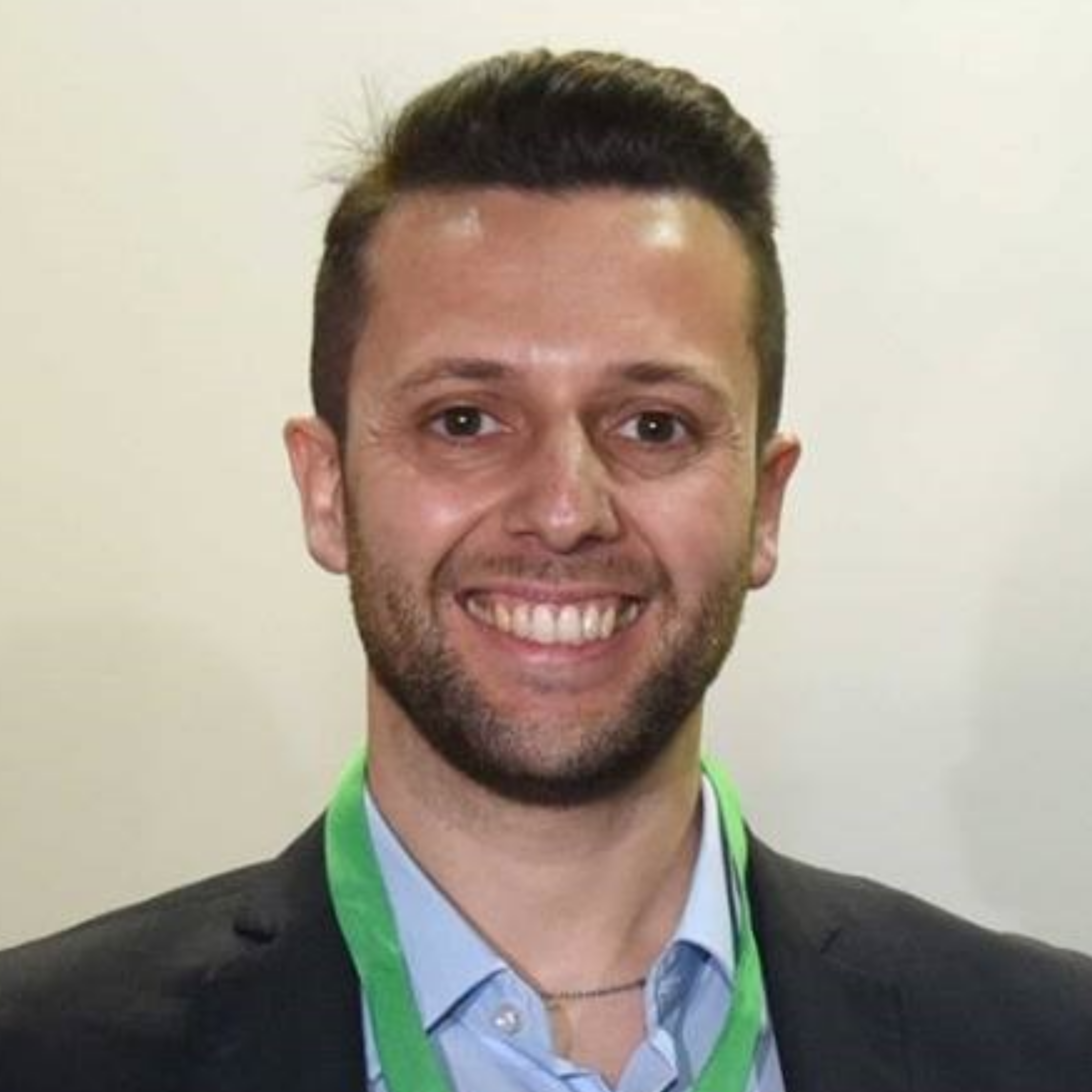
Stanislao Graziosoمشاهده پروفایل
استادیار
Stanislao Grazioso serves as Assistant Professor in the Department of Industrial Engineering at the University of Naples Federico II (UNINA), where he leads the BIOIC (Bioinspired soft robotic systems for cognitive production) project. His work focuses on transforming manufacturing through soft robotic technologies, with expertise spanning design, modeling, and control of compliant robotic systems for industrial and biomedical applications. Education: Bachelor of Science in Mechanical Engineering, University of Naples Federico II Master of Science in Mechanical Engineering, University of Naples Federico II Ph.D. in Industrial Engineering, University of Naples Federico II (2018), specializing in soft robotics Research Focus: Dr. Grazioso investigates the entire soft robot development lifecycle, emphasizing innovative design concepts for variable-stiffness actuators, advanced modeling using Cosserat rod theory and finite element methods, and human-robot interaction for safe collaboration. His research platforms include soft grippers for agrifood automation, continuum manipulators for confined spaces, and exoskeletons for industrial assistance. Key applications target nuclear remote handling (DTT fusion reactor), biomechanical analysis, and cognitive manufacturing systems. Publication Trends (2022-2024): Recent work demonstrates accelerating innovation in soft growing robots for remote sensing, bioinspired grippers with embedded adhesion mechanisms, and wearable biomechanics for athlete monitoring. His publications bridge theoretical modeling (e.g., screw theory for continuum robots) with industrial implementation, particularly in fusion reactor maintenance and agrifood automation, reflecting strong technology transfer orientation. Project Leadership: As BIOIC project lead, he drives integration of biological principles into manufacturing robotics. His involvement in DTT remote handling and NEFERTARI projects highlights expertise in nuclear robotics, while collaborations with clinicians demonstrate commitment to medical applications like soft exoskeletons for rehabilitation. Current efforts focus on virtual reality integration for ergonomic workplace assessment and EMG-based wearable systems.