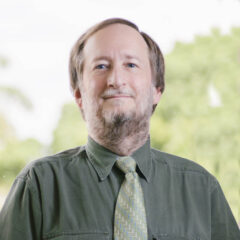
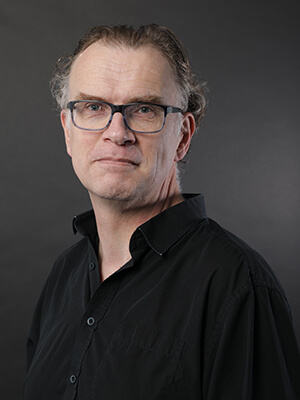
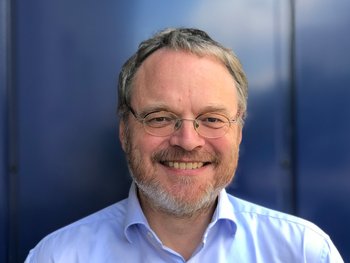
Jeff Huebner serves as a Professor at the Redekop School of Business, Canadian Mennonite University (CMU), where he actively engages in academic discourse on critical economic issues. His work prominently features community-oriented initiatives like the Face2Face conversation series, which bridges academic theory with real-world perspectives. His research focuses on high-impact economic phenomena, particularly: Financial crisis dynamics in the United States Eurozone debt crisis analysis International macroeconomic policy Value investing principles Citizen-level economic impacts Huebner's approach emphasizes interdisciplinary dialogue, as demonstrated in his 2013/14 Face2Face leadership where he curated discussions featuring diverse viewpoints from practitioners and international citizens. This methodology reveals his commitment to contextualizing economic theory within lived experiences. Through platforms like Faculty inConversation and RSB News & Program Highlights, he fosters academic-community partnerships that extend beyond traditional classroom boundaries. His work consistently connects CMU's institutional mission with pressing global economic challenges.
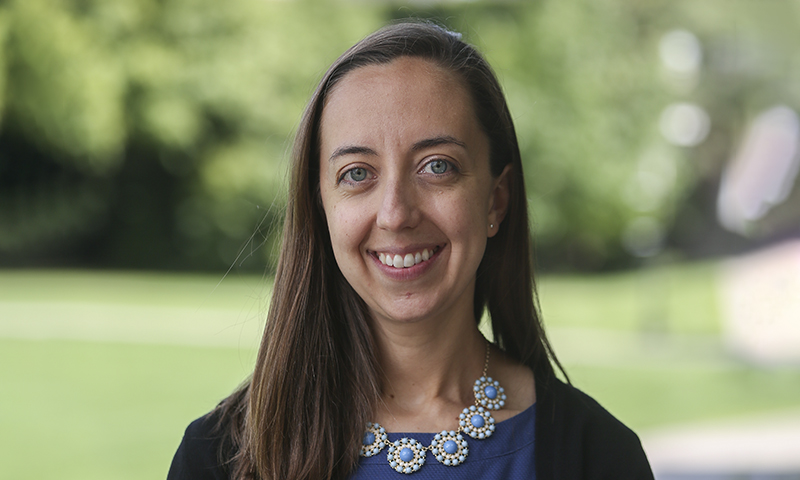
Anne Therese Frederiksen is an Assistant Professor in the Department of Communication, Arts, Sciences, and Disorders at Brooklyn College, City University of New York (CUNY) . Her work bridges psycholinguistics and sign-language linguistics, with a particular focus on how bilingualism in signed and spoken languages illuminates broader questions about language and cognition. Education: Ph.D. in Linguistics and Cognitive Science, University of California, San Diego (Mayberry Lab for Multimodal Language Development) Postdoctoral fellowships: UC Irvine Chancellor’s Postdoctoral Fellow (2019–2020) and NSF-funded postdoc under Dr. Judith Kroll (2020–2022) Research Interests: Frederiksen’s research centers on bimodal bilingualism —the simultaneous use of a signed and a spoken language—examining how this unique bilingual experience shapes cognitive control, referential cohesion, and discourse processing. She investigates American Sign Language (ASL) pronouns and spatial grammar, gesture–language interaction, and the developmental trajectories of both native and late learners of ASL. Publications at a glance: Since 2015 she has published nine peer-reviewed articles and numerous conference presentations. The corpus spans high-impact journals such as Language, Cognition and Neuroscience , Frontiers in Psychology , and Lingua . Collectively, the work traces a trajectory from foundational descriptions of reference tracking in novice ASL learners to sophisticated models of bilingual language control and the semantics-pragmatics interface in sign languages. Scientific Awards & Funding: National Science Foundation research grant (2020–2022) UC Irvine Chancellor’s Postdoctoral Fellowship (2019–2020) Advising & Collaborative Networks: While the supplied text does not list individual advisees, Frederiksen has collaborated closely with Prof. Judith Kroll (UC Irvine) and Prof. Rachel Mayberry (UC San Diego), indicating active mentoring of graduate students and postdocs within large, federally funded research teams. Labs & Research Groups: During her doctoral training she was a member of the Mayberry Lab for Multimodal Language Development at UC San Diego, and she maintains collaborative ties with language-science groups at UC Irvine and CUNY.
Thomas L. McKinley is a Professor at Lynn University's Conservatory of Music, serving as Department Head for Composition, Music Theory, and Music History, and as Undergraduate Adviser and curriculum coordinator. With over two decades of teaching experience at institutions including Tulane University and the New England Conservatory, he is an active composer and scholar. His educational background comprises: B.M. from the University of Cincinnati M.M. from the University of Cincinnati A.M. from Harvard University Ph.D. from Harvard University McKinley's research focuses on chromaticism in the common-practice period and tonality in twentieth-century music. He has also pursued interdisciplinary work connecting music and visual arts, collaborating with art historian Olivia Shelley on lectures across South Florida. His analytical study "Dominant-Related Chromatic Third Progressions" reappraises third relationships in common-practice period music. His scientific awards and commissions include: James Pappoutsakis Memorial Fund, Inc. Massachusetts Council on the Arts and Humanities (Extension Works) Harvard University grant ASCAP/Aspen Music School commission Georgia Woodwind Quintet commission Commission from Marc Reese (trumpet, Empire Brass) Wesley Weyman Fund (Boston, MA) University of Cincinnati grant Florida State Music Teachers Association (2014 Commissioned Composer) Composer-in-Residence at the 6th Annual New Music Festival at Lynn University (2011) As an undergraduate adviser and curriculum coordinator, McKinley tailors instruction to individual student needs, aiming to instill a lifelong desire for learning. He emphasizes exposing students to diverse analytical approaches and conflicting viewpoints to foster growth. McKinley co-founded the Boston-based performing group Extension Works, serving as its secretary/treasurer for five years. His compositions have been performed internationally in cities including Madrid and Rotterdam, and his "Six Bagatelles for Wind Quintet" was recorded by the Georgia Woodwind Quintet.
Professor Alun Williams is a leading expert in Sport and Exercise Genomics at Manchester Metropolitan University, with honorary positions at University College London and Swansea University. His research investigates genetic determinants of elite athletic performance, injury resistance, and sex category eligibility policies in sports, particularly focusing on rugby and endurance running. Current affiliations: Manchester Metropolitan University (Institute of Sport), University College London (Honorary Senior Research Associate), Swansea University (Honorary Research Fellow) Research focus: elite athlete genetics, concussion risk, testosterone's role in performance, DSD/transgender athlete eligibility His recent publications examine polygenic injury resistance profiles, concussion-associated gene variants, and ethical implications of genetic testing in sports. He has served as expert witness in the Caster Semenya sports arbitration case and frequently advises sports governing bodies on policy matters. Scientific awards: Fellow of British Association of Sport and Exercise Sciences, Fellow of The Physiological Society Available for PhD supervision in human performance, physiology, or genetics with sport/exercise components
Christine Woodworth is a Professor of Theatre and Chair of the Theatre Department at Hobart and William Smith Colleges (HWS), where she has been a core faculty member since 2013. She holds a Ph.D. in Theatre and a Graduate Certificate in Women’s Studies from Bowling Green State University, an M.A. in Theatre and Drama from Indiana University, and a B.A. in Speech & Theatre and English Literature from St. Lawrence University. Her academic home is the Department of Theatre within the School of Humanities and Sciences at HWS. Ph.D. in Theatre and Graduate Certificate in Women’s Studies, Bowling Green State University, 2005 M.A. in Theatre and Drama, Indiana University, 2001 B.A. (summa cum laude) in Speech & Theatre, English Literature, St. Lawrence University, 1999 Her research centers on feminist theatre historiography, particularly the intersections of first-wave feminism, suffrage, reproductive politics, and performance. She has published extensively on activist actress Kitty Marion and explores how theatre functions as a site of social justice and historical reckoning. Her work bridges traditional scholarship with embodied practice, including aerial arts, Viewpoints, Suzuki, and physical theatre training. The 15 most recent publications reflect a consistent focus on gender, labor, activism, and historical performance. Themes include suffrage theatre, theatrical labor, reproductive politics, class dynamics, and the representation of violence. Her scholarship appears in journals like Theatre History Studies , Theatre Symposium , and Journal of Dramatic Theory and Criticism , as well as in edited collections from university presses. Her scientific recognition includes: Safe Harbors Volunteer of the Year (2015) Christine Woodworth advises undergraduate honors students and has mentored several, including Gretty Hollister and Austin Jennings on a local theatre history project. She has secured institutional and community support for public-facing scholarship, including NEH-funded initiatives, public lectures, and historical tours. Her service includes leadership as President of the Mid-America Theatre Conference and editorial roles for scholarly journals. She is actively involved in community-based theatre and research, serving on the board of the Smith Opera House and creating public history projects such as the Finger Lakes Photo/Plays series. Her work exemplifies the integration of academic scholarship, artistic practice, and civic engagement.
Nava Tintarev is a Full Professor in Explainable AI at Maastricht University, Department of Advanced Computing Sciences (DACS), Faculty of Science and Engineering. She also holds a visiting professorship at TU Delft. As Director of Research in DACS since 2023, she leads a department of 100 researchers and mentors junior faculty and PhDs. Her educational background includes a Magister in Computer Science from Uppsala University and a PhD from the University of Aberdeen, with early studies in Psychology in Australia. Nava's research focuses on human-centered AI, particularly explainable artificial intelligence (XAI), transparency, fairness, and user control in AI systems. Her work bridges Human-Computer Interaction and AI, emphasizing interactive explanations in recommender systems, search, and decision support. She investigates how users understand and trust AI advice, with applications in media, HR, and public discourse. Her recent publications show a strong trend toward mitigating cognitive biases (e.g., confirmation bias, urban bias), evaluating explanation effectiveness, and designing multimodal, user-adaptive interfaces. She explores logic-style explanations, stance detection, and long-term human-AI collaboration. Best Paper Award at CHI Best Paper Award at CHIIR Best Paper Award at Hypertext Best Paper Award at UMAP Best Paper Award at HCOMP Senior Member of ACM (since 2020) Nava has supervised numerous PhD students and leads major grants including the ROBUST program (~87M), EU ITN on Natural Language for XAI, and industry collaborations with IBM and Twitter. She is co-director of the ICAI TAIM lab on trustworthy media. She serves on editorial boards (UMUAI, TORS), program committees (ECAI, UMAP, RecSys), and advisory bodies including NWO and the incoming IPN board (2026). Her lab brings together interdisciplinary researchers in XAI, computational social science, causal inference, and affective computing.
Eerke Boiten is Professor of Cyber Security and Head of the School of Computer Science and Informatics at De Montfort University (DMU), where he also leads the Cyber Technology Institute (CTI). He previously served as Director of the Research Centre in Cyber Security at the University of Kent from 2012 to 2017 and has been a senior academic since 1995. His work bridges formal methods, cybersecurity, and privacy, with significant contributions to refinement in Z and Object-Z, and current research in anonymisation, privacy impact assessment, and AI ethics. Full Name: Eerke Boiten Institution: De Montfort University School: School of Computer Science and Informatics Academic Rank: Professor Email: eerke.boiten@dmu.ac.uk Boiten's research interests are centered on ensuring software correctness and data privacy. He began his career in formal methods, publishing extensively on refinement, program transformation, and state-based systems. His later work shifted toward cybersecurity and privacy, with current projects including privacy-preserving unified communication, synthetic data trade-offs, and cyber intelligence sharing under GDPR. He is particularly interested in the societal implications of computing, especially in health data governance and AI policy. The recent publications highlight a strong trend in privacy and security, particularly in communication systems, data anonymisation, and regulatory compliance. His work increasingly focuses on real-world applications, such as smart toilets and NHS data sharing, reflecting a commitment to socially responsible computing. He also critically engages with emerging technologies like blockchain and large language models, emphasizing technical realism over hype. Boiten has received significant external funding from EPSRC, Alan Turing Institute, EU H2020, and InnovateUK for projects on ransomware, synthetic data, and railway cybersecurity. He has supervised PhD students and served as a principal investigator on multiple grants. His leadership roles include chairing the BCS-FACS Refinement Workshop and serving on EPSRC and NWO grant panels. He is actively involved in public discourse, having authored over 39 articles for The Conversation on topics like NHS data sharing, AI regulation, and online age verification. His media engagement underscores his role as a public intellectual in cybersecurity and data ethics. Boiten leads the Cyber Technology Institute, which held NCSC/EPSRC Academic Centre of Excellence in Cyber Security Research status (2019–2023) and NCSC Academic Centre of Excellence in Cyber Security Education (Gold) status since 2021. He also contributes to professional organizations including BCS and the Higher Education Academy.
Yao-Jen Chang is a researcher specializing in computer vision and machine learning, with significant contributions to 3D reconstruction, image registration, and biometric authentication systems. His work often involves collaboration with Tsuhan Chen at Cornell University and explores active learning frameworks, multi-view object recognition, and reinforcement learning applications. Key research areas: 3D modeling, multimedia security, and video processing Collaborations include National Tsing Hua University and Cornell University Research Trends Recent publications focus on: Deep reinforcement learning for image alignment User-interactive 3D reconstruction Biometric key generation for security Multi-view object recognition algorithms
Prof. Dr. Michael Goedicke is a faculty member at the University of Duisburg-Essen , holding the Professorship for Practical Informatics / Specification of Software Systems since 1994. His academic career spans over three decades with continuous contributions to software engineering and educational technology.
Fredrik Seistrup is an Associate Professor at IBA , specializing in management with a focus on the interplay between leadership and digitalization. His work emphasizes the critical role of the human perspective in organizational digitization and technological change. Education : Cand.merc. (Master of Science in Economics and Business Administration) Master's Degree in Digital Innovation (2022) Research Interests : Digital Transformation Management Strategy Organizational Transition Human-Centered Technology Design Awards : IBA Teacher of the Year 2021 Professional Philosophy : Advocates for diverse information sources to challenge algorithmic biases, including engaging with opposing viewpoints (e.g., Fox News). Literary Influence : Currently inspired by Daniel Kahneman's work on decision-making and organizational 'noise' in his book Noise .
Elzbieta Strzelecka serves as a Senior Lecturer in the Department of Humanities and Social Sciences at Mid Sweden University in Sundsvall, specializing in Swedish language didactics and linguistic research. Her academic career spans decades with significant contributions to cognitive linguistics and grammar pedagogy, particularly for Swedish as a second language. Her research centers on cognitive linguistics frameworks applied to Swedish grammar instruction, with emphasis on particle verb semantics, container metaphors, and cross-linguistic comparisons between Swedish and Polish. She pioneered phenomenographic analyses of students' grammar histories, revealing emotional and cognitive dimensions of language learning. Her work bridges theoretical linguistics with practical classroom applications, focusing on spatial language concepts and teacher strategy development. Analysis of her publication trajectory shows consistent evolution from foundational cognitive linguistic studies of particle verbs toward contemporary grammar pedagogy innovation. Recent work emphasizes teacher training methodologies and student-centered approaches, with strong collaboration patterns particularly with Lena Boström. Her publications demonstrate interdisciplinary reach spanning cognitive science, educational psychology, and contrastive linguistics while maintaining focus on practical Swedish language instruction.
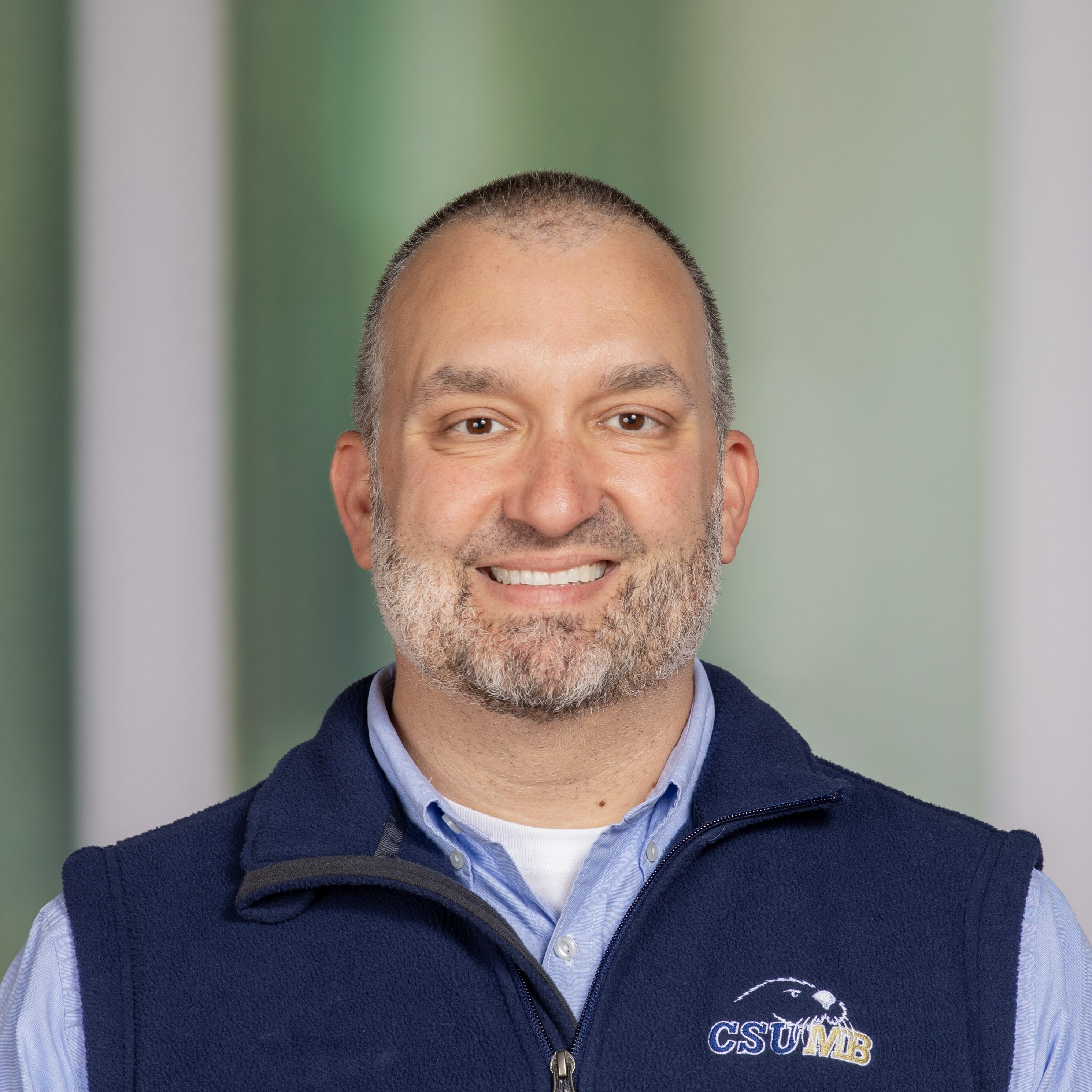
Justin L. Matthews is a Professor of Psychology at California State University, Monterey Bay (CSUMB) within the College of Arts, Humanities and Social Sciences. He specializes in experimental psychology with extensive expertise in social cognition, experimental design, research methods, and statistics, teaching courses including Introduction to Research Methods and Advanced Psychological Statistics. Dr. Matthews earned his PhD in Cognitive & Information Sciences from UC Merced (2011-2014), following an MS in Social & Cognitive Science from the same institution (2006-2011), and both MA and BA in Psychology from California State University, Fresno (2002-2005 and 2000-2002). As a first-generation college graduate from California's central San Joaquin Valley, he brings unique perspective to his academic work. His research consistently explores the intersection of spatial and social cognition, examining how concepts like friendship influence physical distance perception, how virtual experiences affect bodily descriptions of artifacts, and how media representations shape perceptions of gender and status. His work bridges theoretical cognitive psychology with practical applications in education, digital heritage preservation, and social justice issues. Dr. Matthews' scholarly output demonstrates sustained productivity across multiple domains, with recent publications focusing on forensic psychological assessment, writing skills in psychology education, and virtual reality applications in cognitive research. His methodological approach combines experimental design with innovative technological applications. CSUMB Faculty Senate Award for Outstanding Teaching - Immediate Impact (2024) Fresno State Psychology Department Alum of the Year Award (2024) CSUMB Faculty Senate Award for Excellence in Professional Application (2020) He has served on the Monterey County Equal Opportunity and Civil Rights Advisory Commission (2016-2021) and is an active advocate for LGBTQIA+ visibility in STEM as part of the @500QueerSci community. His commitment to science communication and inclusive education is evident throughout his professional activities and public engagement.
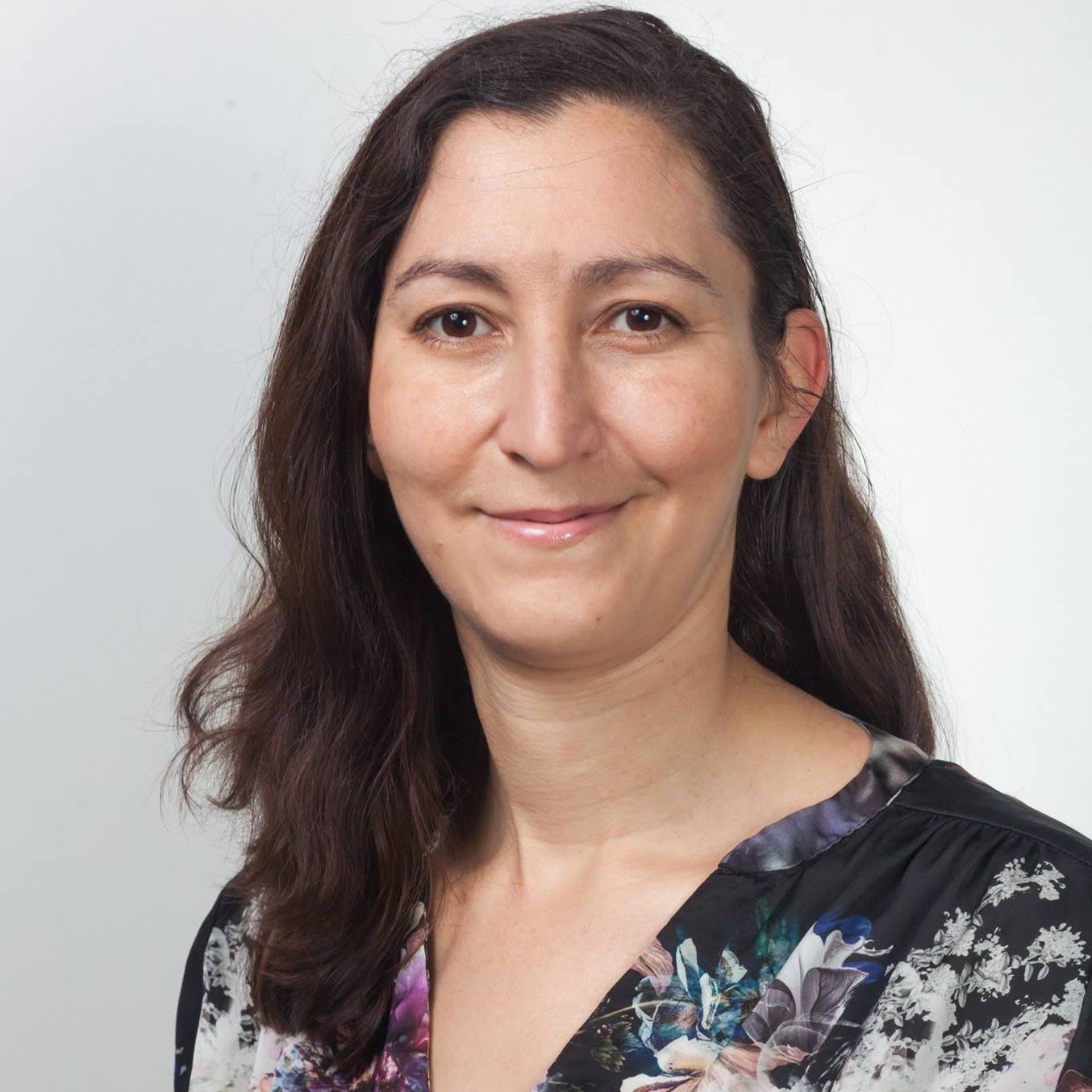
Shadi Rezapour is an Assistant Professor in the Department of Information Science at Drexel University's College of Computing & Informatics. She serves as Principal Investigator of the SocialNLP Lab and co-director of the DONUTS Lab at Drexel University, focusing on bridging computational methods with social science theories to analyze human language in social contexts. Dr. Rezapour received her educational training at the University of Illinois at Urbana-Champaign: PhD in Information Sciences, School of Information Sciences MSc in Information Management, School of Information Sciences Her research lies at the intersection of computational social science and natural language processing (NLP), with a focus on developing "socially-aware" NLP models that incorporate cultural and social contexts to better understand human behavior, attitudes, and cultures through language analysis. She investigates how language shapes public opinion and conveys complex social and cultural information, particularly in online communities and social media platforms. Her work addresses important societal issues including substance use disorder narratives, podcast analysis, controversial topics and polarized viewpoints, and the impact of information products on socio-cultural environments. Dr. Rezapour's recent publications demonstrate a strong focus on applying NLP techniques to social good, with particular emphasis on reducing stigma in substance use conversations, analyzing narratives in media coverage, and examining the societal impacts of AI technologies. Her research combines technical innovation with social relevance, often employing network analysis alongside linguistic approaches to gain deeper insights into human communication patterns. Among her professional recognitions: NCWIT/Bloomberg grant to attend the Grace Hopper Celebration (2020) Dr. Rezapour actively contributes to the academic community through service roles including ICWSM 2025 tutorial co-chair, IC2S2 2024 local co-chair, ACM FAccT proceeding co-chair, and CSCW area chair. She has successfully secured research funding for her work on computational social science and NLP applications, mentoring students and early-career researchers in her labs. As leader of the SocialNLP Lab and co-director of the DONUTS Lab, Dr. Rezapour fosters interdisciplinary research that brings together computer science, linguistics, and social sciences to address complex societal challenges through computational approaches.
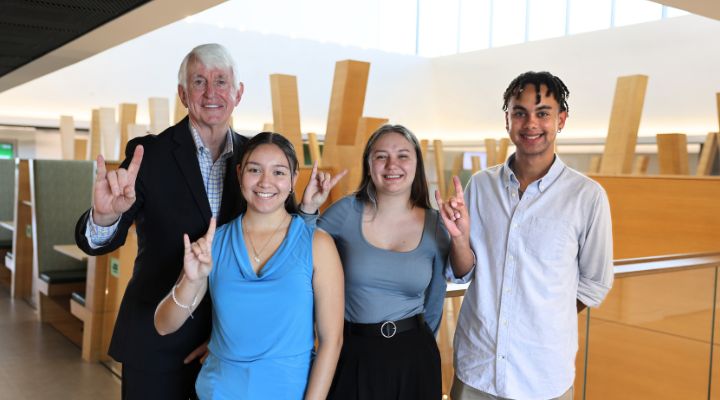
Dr. Ralph C. Wilcox is a Professor at the Judy Genshaft Honors College of the University of South Florida. Before joining the Honors College, he served as USF's Provost from 2008 to 2022, during which the university achieved significant milestones including designation as a Preeminent Research University by the Florida Board of Governors and membership in the Association of American Universities (AAU). Education: Bachelor's in Education, University of Exeter, England Master's, Washington State University Doctorate, University of Alberta, Canada Research Interests : Dr. Wilcox specializes in cultural studies and globalization, emphasizing interdisciplinary collaboration and global engagement. His work focuses on democratic governance, viewpoint diversity, and the historical dynamics of the U.S.-U.K. relationship. He has secured over $10 million in research grants and published two books alongside numerous peer-reviewed articles. Teaching & Programs : He teaches courses like Argument: Democracy’s Greatest Gift? and U.S. & U.K.: The Special Relationship, Myth or Reality? Dr. Wilcox founded the Honors Wilcox Scholars Program, which supports students in public policy through internships, scholarships, and leadership opportunities. Scientific Awards & Honors : Honorary Doctor of Laws, University of Exeter Fellow of the American Council on Education Fellow of the British Royal Society for Arts, Manufactures, and Commerce STEM Catalyst Award (ARCS) for Gulf Oil Spill First Responders Izaak Walton Killam Memorial Research Fellow
Lynn Eckert serves as an Associate Professor of Political Science in the School of Liberal Arts at Marist College, where her expertise spans constitutional law, American politics, and feminist theory. Her academic credentials include a BA from Gettysburg College, MA from Temple University, and PhD from Syracuse University. Professor Eckert's research critically examines the intersection of free speech doctrine and gender equality, with particular focus on First Amendment jurisprudence, pornography regulation, and feminist legal theory. She challenges traditional legal frameworks through gender-based analyses of power dynamics in constitutional law, while exploring how social movements shape political discourse and legal interpretation. Her publication history reveals a consistent scholarly trajectory examining free speech limitations through feminist lenses, evolving from foundational analyses of pornography regulation (2003-2006) to contemporary explorations of coded political language in gun control debates (2021). This progression demonstrates increasing engagement with real-time constitutional challenges while maintaining core theoretical commitments to gender equity. She has received significant institutional recognition: Special Recognition Award for Teaching (2007) Special Recognition Award for Scholarship (2006) While specific grant details remain undisclosed, her sustained publication record across law journals and university presses indicates substantial scholarly productivity. Her collaborative work with scholars like Joanne Myers and Dionne Bensonsmith highlights interdisciplinary engagement within political science and legal studies.