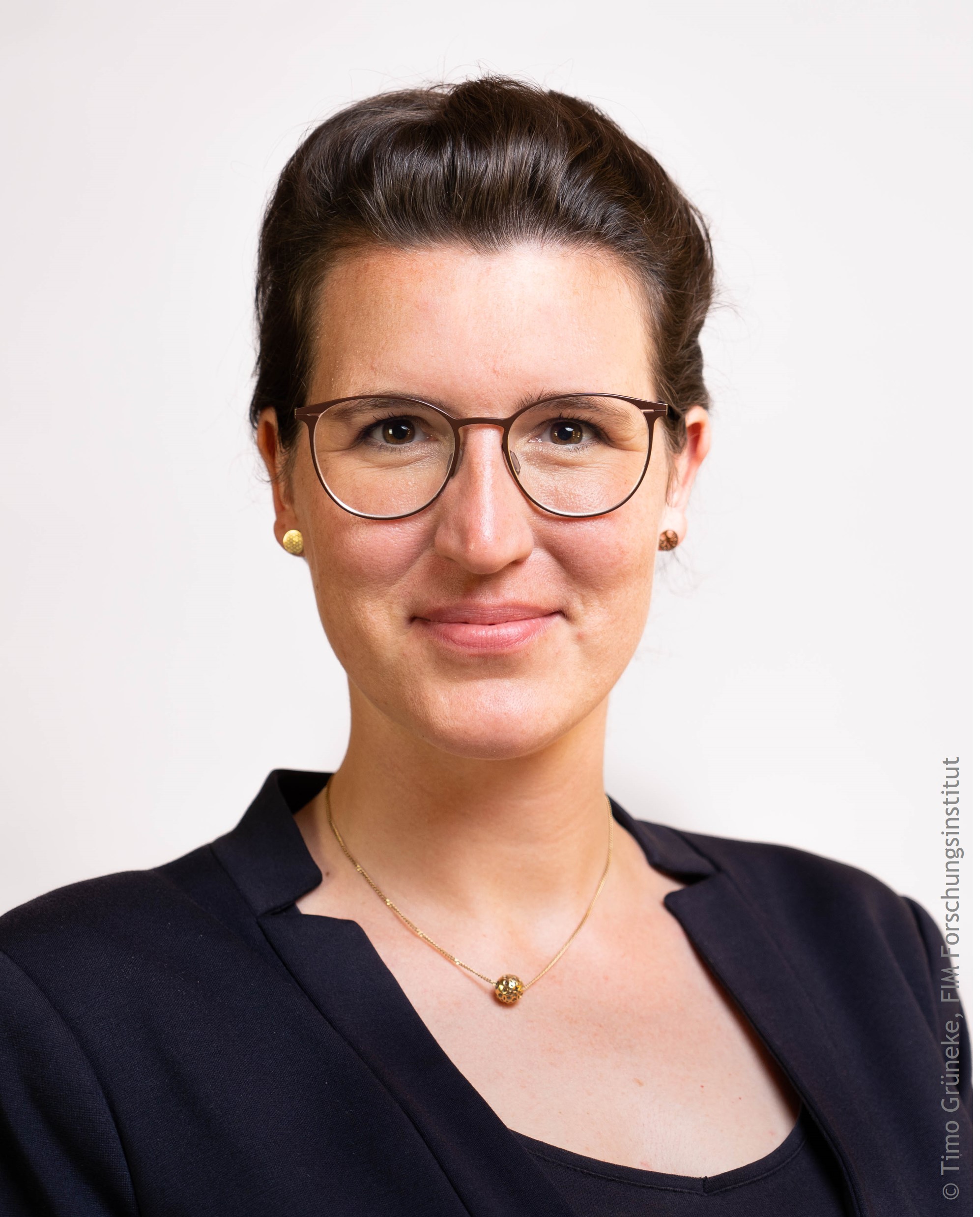
Kim van Oorschot is a Professor in the Department of Accounting and Operations Management at BI Norwegian Business School. Previously, she served as an Associate Professor at BI (2011-2016), Assistant Professor at Eindhoven University of Technology (2008-2011), Post-Doc at Tilburg University, and Research Fellow at INSEAD. She also worked as a consultant at Minase Consulting BV from 2002-2006, serving major clients like ASML, DSM, KPN, NXP, and Stork Fokker. Dr. van Oorschot holds a PhD (2001) and MSc (1996) from Eindhoven University of Technology. Her research focuses on decision-making, trade-offs, and tipping points in dynamically complex settings like supply chains and new product development projects. She specializes in identifying 'decision traps'—short-term beneficial decisions that have counterproductive long-term effects—using system dynamics modeling based on organizational data. Her work spans operations and supply chain management, project management, systems thinking, and product development. The analysis of her recent publications reveals a consistent focus on system dynamics approaches to complex organizational challenges. Her research demonstrates strong interdisciplinary connections between operations management, healthcare systems, sustainability reporting, and digital service delivery. A notable trend is her increasing focus on resilience in critical supply chains, particularly medicine supply systems during crises like Brexit and the COVID-19 pandemic. Her work often combines qualitative case studies with system dynamics modeling to reveal underlying patterns in complex systems. Dr. van Oorschot teaches system dynamics, operations and supply chain management, and project management to executive and master's students at BI Norwegian Business School. She has published in top-tier journals including Academy of Management Journal, Journal of Operations Management, Production and Operations Management, and Journal of Product Innovation Management. Her research has practical implications for organizations dealing with complex, dynamically evolving challenges where traditional analytical approaches fall short.