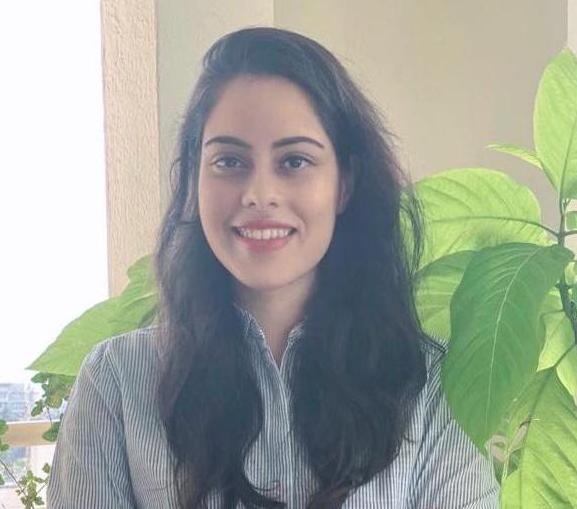
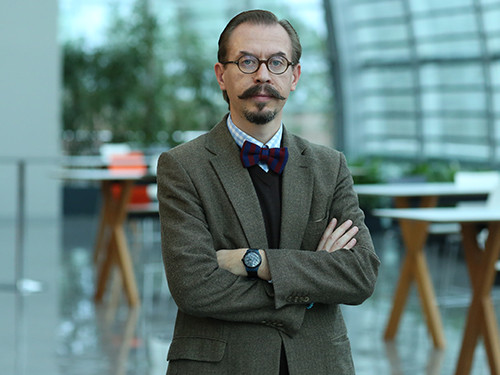
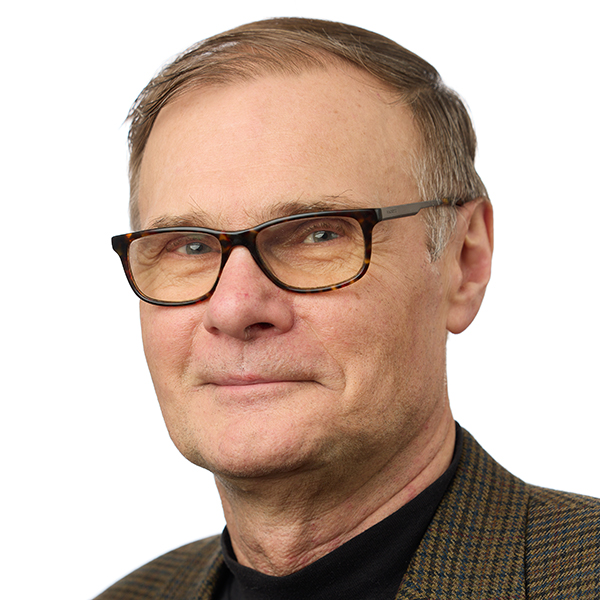
Hüseyin serves as a Lecturer in the Department of Graphics at Kırıkkale University's Vocational School, holding this position since 2018 while concurrently managing the university's Press, Broadcasting and Public Relations Unit from 2018-2022. His academic foundation stems from Gazi University, where he completed all degrees in Fine Arts Education with specialization in Painting. His educational credentials include: PhD in Fine Arts Education (Gazi University, 2017-2024) Master's in Painting Education (Gazi University, 2017) Bachelor's in Painting Education (Gazi University, 2013) Hüseyin's research bridges educational technology with science pedagogy, focusing on AI-driven learning analytics, augmented reality applications, and computational thinking development. His work investigates how digital interventions like game-based learning and flipped classrooms transform conceptual understanding in physics concepts such as pressure systems and Hooke's law, while simultaneously cultivating 21st-century skills including entrepreneurial thinking and creative problem solving through Arduino-based STEM activities. Analysis of his publication trajectory reveals three dominant research vectors: (1) AI-enhanced misconception detection using NLP techniques, (2) immersive laboratory environments combining AR with traditional POE strategies, and (3) physical computing integration for developing algorithmic thinking. His recent 2023-2025 publications demonstrate increasing emphasis on educational data mining for personalized instruction and entrepreneurship skill cultivation within STEM contexts. No scientific awards were documented in the provided materials. Hüseyin's project portfolio includes achievement test development for physics concepts and experimental activity design for teacher training. His work spans formal classroom settings, university laboratories, and out-of-school learning environments, with notable focus on adapting REACT strategy implementation and flipped classroom models for laboratory instruction. Current projects emphasize AI-supported differentiated instruction and computational thinking development through tangible interfaces. His laboratory research examines the comparative effectiveness of virtual, computer-based, and augmented reality environments on student skills acquisition, with particular attention to graphical interpretation competencies and attitude formation. Collaborative knowledge construction remains central to his approach, as evidenced by consistent application of learning cycle models across diverse experimental contexts.