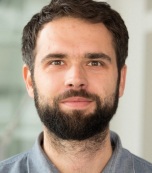
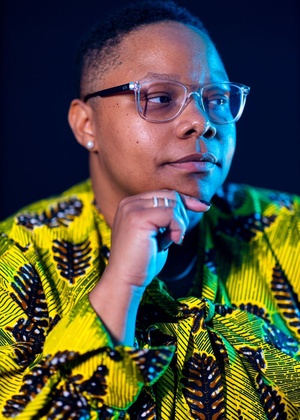
Patricia María Compañ Rosique is a full Professor in the Department of Computer Science and Artificial Intelligence at the University of Alicante , where she has served since 2008. She holds a PhD in Computer Science (University of Alicante, 2004) and a Computer Science Engineer degree (1994). Her career includes leadership roles such as Deputy Director of the Computer Science Degree Program (2009-2012) and Coordinating Deputy Director of the Higher Polytechnic School (2012-2013). Her research focuses on applying AI techniques across diverse domains: evolutionary algorithms for mathematical problems, neural networks in coastal engineering, and digital technologies in education. She leads the Research Group on Smart Learning Technologies and participates in the Santander-UA Chair of Digital Transformation. Recent publications highlight her work on: AI-driven concrete segregation analysis (2021) Evolutionary algorithms for matrix diagonalization (2019) Neural networks in coastal modeling (2018) Educational game development (2022) Impact of e-learning investments (2019) Scientific awards include: 3 triennial periods (sexenios) for research activity Member of AENUI (Spanish Association of University Computer Science Teachers) Contributions to educational innovation projects under EHEA She has directed 28 undergraduate/master's theses in the last 5 years and participated in 11 public research projects over the last 5 years, including grants from the Spanish Ministry of Economy and the Valencian Government.
Niels Seidel is a computer scientist and researcher at FernUniversität in Hagen, where he serves as the Lead of project APLE II at the CATALPA research center and as an alternate/deputy member of the CATALPA executive board. He works within the Faculty of Mathematics and Computer Science, focusing on the development of adaptive personalized learning environments for higher education. His work bridges computer science and educational technology, with particular emphasis on supporting self-regulated learning, reading comprehension, and assessment activities across diverse student populations. Seidel's research interests span multiple interconnected domains in educational technology. His primary focus is on Adaptive Learning Environments , where he designs, develops, and evaluates systems that support learners in self-regulated learning, reading, and assessment. His work in Learning Analytics involves analyzing and visualizing learning behavior at individual, group, and organizational levels while accounting for learner diversity. He has made significant contributions to Video-Based Learning , examining how video content can be structured and presented to optimize learning outcomes. His research increasingly incorporates Artificial Intelligence to create more responsive and personalized educational experiences, as evidenced by his recent work on generative AI applications for evaluating self-regulated learning skills. His publication record shows a clear trajectory toward increasingly sophisticated adaptive learning systems. Early work focused on foundational aspects of video-based learning and interaction design patterns, while recent publications demonstrate sophisticated integration of AI, learning analytics, and adaptive techniques. His research consistently addresses practical challenges in distance education while contributing to theoretical frameworks in educational technology. The 2024-2025 publications reveal particular emphasis on self-regulated learning assessment, reading comprehension support, and the application of generative AI in educational contexts. As an academic advisor, Seidel has supervised numerous bachelor's, master's, and diploma theses since 2018, mentoring students working on diverse projects related to educational technology. His current leadership roles include serving as spokesman for the Working Group Learning Analytics within the SIG Educational Technology of the German Informatics Society since 2021. He has secured funding for multiple projects, including the Google.org-funded Theresienstadt explained project and the BMBF-funded Life Long Learning Open Operating Platform (L³OOP). Seidel leads the APLE II project at CATALPA research center, which aims to develop domain-independent adaptive personalized learning environments for higher education. His work leverages the research infrastructure at FernUniversität in Hagen, particularly the Moodle-based learning management system, to implement and test innovative educational technologies with large student cohorts in real-world settings.
Eric Anderson serves as Associate Professor and Chair of the Media Communications & Technology department at the University of Cincinnati Blue Ash College, where he has received the Innovative Teaching Award and eLearning Champion recognition. His leadership spans Faculty Executive Committee chairmanship and university-level strategic planning panels. Anderson holds advanced credentials including an MA in Interactive Multimedia from Ohio University (2005) and a BFA in Applied Media Arts/Film from Edinboro University (1996), supplemented by a University of Cincinnati Post-Graduate Certificate in Marketing. His scholarly focus centers on active learning methodologies, media literacy frameworks, and study abroad preparedness assessment. Anderson bridges industry expertise with academic practice through courses spanning web development, video production, and multimedia design, while developing innovative programs like the online Web Content & Communication Technology bachelor's degree. Publication analysis reveals consistent exploration of technology-enhanced pedagogy, particularly virtual environments (Second Life) and study abroad program design, demonstrating longitudinal commitment to experiential learning innovation. Professional accolades include three regional Emmy Awards (2004-2007), four Ohio Associated Press Best Videographer honors (1998-2001), and university-level teaching awards. Additional distinctions comprise Telly Awards, a CHRIS Award, and the 2021 Innovative Teaching Award. Anderson's academic service encompasses NASAD accreditation leadership, BTAS degree development, and extensive committee work including Faculty Senate IT leadership. He co-founded Kitty Brew Cat Café, applying media expertise to community engagement initiatives while maintaining active roles in Broadcast Educators Association and Educause.
Christian Post is a research associate at the Institute of Animal Breeding and Animal Husbandry , part of the Christian-Albrechts-University of Kiel . His work focuses on applying machine learning and sensor systems to monitor and predict health disorders in dairy cows and swine, particularly through automated detection of diseases and precision livestock farming . He is also involved in environmental sustainability projects like pigNplay , which simulates nitrogen emission reduction strategies in swine farming. Doctorate in Agriculture from University of Bonn Master's and Bachelor's in Agriculture and Food Management from Osnabrück University of Applied Sciences His research interests span machine learning applications , sensor technology , and informatics in livestock systems . Recent work includes: Deep convolutional neural networks for calf disease detection Benchmark datasets for automated pig detection Comparative modeling of lameness and mastitis prediction
Evie Wang is an Assistant Professor of Game Design at the School of Art and Design, part of the College of Performing and Visual Arts at the University of Northern Colorado. Her work bridges game development, digital art, and cinematic storytelling. Education: Bachelor of Fine Arts in Fine Art Design of Theatre, Film & TV, China Academy of Art Master of Fine Arts in Game Design, New York University Research Interests: Evie specializes in 3D modeling, texturing, and video editing, utilizing tools like Blender, Maya, Photoshop, and Adobe Premiere. Her focus extends to game engines (Unity, Unreal) and team production workflows (GitHub, Trello, Jira). Creative Works Trends: Evie's recent projects include games like Monostrophe (2023) and Skadi Tower (2024), emphasizing narrative-driven design, VR integration, and cinematic visuals. Her films, such as Reasons for Reasoning (2020), highlight cultural and experimental storytelling techniques. Scientific Awards: Winner of Hollywood's Monthly Film Festival (2020) for Reasons for Reasoning New Era Youth Movie Festival (2019) for Laoyang Barbecue Advising & Collaborations: Evie has advised students including Dong Saul and Samuel Eisen, mentoring in game design and digital production. She collaborates with institutions like WinK Education and New York Film Academy.
José Ramón Calvo Ferrer is an Associate Professor in the Department of English Philology at the University of Alicante's Faculty of Philosophy and Letters. He serves as Secretary of the Interuniversity Institute of Applied Modern Languages (Alicante Headquarters) and as an English Specialist for PAU. His academic career spans over 15 years with extensive teaching experience across various undergraduate and graduate programs. Educational Background: PhD in Translation and Interpreting, University of Alicante (2013) Master in Translation Studies, Dublin City University (2003) Licenciatura in Translation and Interpreting, University of Alicante (2002) Calvo Ferrer's research focuses on the intersection of digital technologies and language learning, particularly video game-based approaches for second language acquisition and translator training. His work explores how digital games, multimodal environments, and AI technologies can enhance language learning outcomes, translator competence development, and assessment methodologies. He has pioneered the integration of game-based learning in translation and interpreting education, developing specialized tools like "The Conference Interpreter" and "Subtitle Legends" to address specific challenges in language training. His recent publications reveal a clear trajectory toward increasingly sophisticated applications of gaming technology in language education, with recent work exploring personality assessment through game-based testing, human vs. machine translation comparison, and the psychological factors affecting localization testing. The research demonstrates a progression from basic implementation of digital games to more nuanced investigations of cognitive processes, individual differences, and professional skill development in translator training contexts. Notable Scientific Contributions: Patent holder for "The Conference Interpreter" video game Awarded project by Valencian Conselleria to develop video game for subtitler training Coordinator of multiple research projects on game-based language learning As an educator, Calvo Ferrer has supervised 25 Master's and undergraduate final projects in the past five years and two PhD theses. He has taught over 30 different courses related to English language, translation, interpreting, and educational technology. His management roles include coordinating the Digital Language Learning (DL2) research group and serving as Secretary of the Interuniversity Institute of Applied Modern Languages. He has also acted as Visiting Lecturer at the University of Essex, delivering courses on video games, translation, and language learning. Research Infrastructure: Calvo Ferrer leads the Digital Language Learning (DL2) research group and is actively involved with the Interuniversity Institute of Applied Modern Languages. His work bridges theoretical research with practical applications through multiple transfer projects with industry partners developing video game localization tools and educational content.
Jasmina Pivar is an Assistant Professor in the Department of Informatics at the Faculty of Economics - Zagreb (University of Zagreb). Her research focuses on business informatics, big data, machine learning, and smart cities, with applications in fraud detection, human resource management, and urban planning. Research Interests: She explores intersections of technology and economics, including patent analysis of emerging technologies, cluster-based financial strategies, and digital literacy trends. Her work addresses challenges in smart city development, churn management, and data-driven policy for the EU video game industry. Publications Trends: Over the past decade, her articles highlight big data adoption frameworks, fraud profiling techniques, and generational shifts in digital behavior. She frequently employs machine learning and cluster analysis for predictive modeling. Contact: Reach her at jpivar@efzg.hr or Room A507, Faculty of Economics - Zagreb.
Nadège Rochat is a Lecturer in the Faculty of Sports and Physical Education (UFR STAPS) at University Clermont Auvergne (UCA), France. She is affiliated with the Activity, Knowledge, Transmission, Education (ACTé) research group and the Center for the Study of Transformations in Physical and Sports Activities (CETAPS). Her research focuses on activity analysis, enaction theory, and learning processes in sports contexts. Dr. Rochat earned her Doctorate in STAPS (Sciences and Techniques of Physical and Sports Activities) in 2017 from University of Lausanne and University of Rouen Normandy, under the supervision of D. Hauw and L. Seifert. Her dissertation was titled "Enactive analysis of activity in trail and ultra-trail: a multi-sourcing approach." Prior to her current position, she completed several post-doctoral fellowships including: 2021-2022: Post-doctorate, ANR-RIN OptiCog project, CETAPS and CRFDP Laboratories, University of Rouen Normandy; 2020-2021: Post-doctorate, ANR-DFG SALAMMBO project, GIPSA-Lab, Grenoble INP, CNRS, University of Grenoble Alpes; 2017-2019: Post-doctorate, ANR DynACEV project, CETAPS Laboratory, University of Rouen Normandy. Dr. Rochat's research interests center on the enactive and phenomenological approaches to understanding sports activity, particularly in trail running, climbing, and officiating contexts. Her work integrates mixed methods to analyze both behavioral data and lived experience. She investigates how athletes, referees, and coaches make sense of their activities through embodied cognition and environmental interactions. Her research has important implications for sports training, equipment design, and professional development in sports contexts. Her work often focuses on the relationship between physical activity and cognitive processes, examining how movement and environment shape perception and decision-making. She has made significant contributions to understanding emotional dynamics in sports coaching, the appropriation of sports equipment, and the development of skills frameworks for sports officials. Analysis of Dr. Rochat's publications reveals a consistent focus on enactive approaches to sports activity across diverse contexts including trail running, climbing, refereeing, and coaching. Her work demonstrates an evolving trajectory from analyzing individual athlete experiences toward examining professional transitions and skill development in sports officiating. A significant portion of her research examines the interplay between phenomenological experience and behavioral data, using innovative methodological approaches to bridge these typically separate domains of inquiry. Her recent work shows increasing emphasis on practical applications of enactive theory for sports training, equipment design, and professional development. Dr. Rochat has been involved in several significant research projects including: Learning Dynamics: Behavior and Lived Experience. What Place for Exploration Strategies?; Supporting Referees' Professional Transitions: using a skills framework to co-construct tools and methods; Optimizing the understanding of cognitive control abilities through Stroop interference: behavioral, electrophysiological and fMRI study of its different components. Dr. Rochat is an active researcher with numerous publications in high-impact journals including Frontiers in Psychology, Cognitive Processing, and PLoS ONE. Her work demonstrates strong collaborative networks with researchers across France and internationally.
Christopher Ryan Blake serves as a Visiting Instructor in the Department of Game Design and Development at Quinnipiac University. His current teaching responsibilities for Fall 2025 include GDD 201 (Professionalism Practice for Game Design), GDD 210 (Game Lab I: Team Projects), and GDD 310 (Game Lab III: Team Projects), emphasizing practical industry applications and collaborative development. Education background: BA, Quinnipiac University MS, Quinnipiac University His research and teaching focus centers on game design methodology, with specialized expertise in team-based project execution and professional development within the gaming industry. This includes curriculum development for technical proficiency and industry-standard workflow practices in game production environments. Mr. Blake is actively affiliated with Quinnipiac's Game Design & Development organization, contributing to the academic framework through hands-on studio courses that simulate real-world game development pipelines.
Kishonna L. Gray is a Professor of Information at the University of Michigan School of Information and Professor in the Digital Studies Institute within the College of Literature, Science, and the Arts. She also serves as a faculty associate at Harvard University's Berkman Klein Center, specializing in the critical intersections of race, gender, and technology with particular expertise in online gaming ecosystems and digital marginalization. Her educational foundation includes a Ph.D. in Justice Studies from the School of Social Transformation (2011), concentrating on Media, Technology, and Culture. Dr. Gray's research pioneers Black cyberfeminism and Black Game Studies , examining digital ethnography in gaming spaces, AI ethics through critical race lenses, and technology's role in social justice movements. Her work spans Science, Technology, and Society studies with emphases on misinformation, social media dynamics, diversity in tech, and critical design computing. Her distinguished recognition includes: Educator of the Year Award, Black in Gaming Foundation (2023) Xbox MVP Award, Microsoft Xbox Live (2021) Outstanding Academic Title for Woke Gaming, Choice Magazine (2019) Evelyn Gilbert Unsung Hero Award, Academy of Criminal Justice Sciences (2019) Faculty Achievement for Woke Gaming, Institute for Research on Race and Public Policy (2019) The Guardian's Best Books About Gaming List (2018) New Scholar Award, American Society of Criminology (2016) As a PhD faculty advisor at UMSI, Dr. Gray mentors emerging scholars in digital justice research while maintaining active industry collaborations. Her grant-funded work focuses on systemic equity in technology design and gaming culture. She contributes to interdisciplinary scholarship through the Digital Studies Institute and Berkman Klein Center, developing frameworks for inclusive digital spaces and advising major tech conferences including the Game Developers Conference.
Professor Lisbeth M. Brevik serves as Professor and PhD Coordinator at the Department of Teacher Education and School Research, Faculty of Educational Sciences, University of Oslo, Norway. She also holds the significant position of Academic Chair of the European University Alliance, Circle U. With 13 years of secondary school teaching experience in Norway, she joined the University of Oslo as a Full Professor in 2021. Her professional trajectory combines practical classroom experience with advanced academic research and leadership roles in multiple international collaborations. Professor Brevik's research centers on English education and language learning, with particular expertise in video-recorded classroom research examining reading comprehension, life skills development, and gaming-enhanced language acquisition among adolescents. She has pioneered the innovative 'students as co-researchers' methodology to bridge the gap between academic research and classroom practice. Methodologically, she specializes in mixed methods research, contributing significantly to the field through theoretical developments documented in publications such as 'The Emergent Multiphase Design' and 'A 'mixed methods way of thinking' in game-based research integrations.' Her research portfolio includes leadership of multiple externally funded projects, most notably LANGUAGES (funded by the Research Council of Norway for 2021-2025), a major international collaboration between universities in Norway, France, and England. She also leads the EDUCATE project examining curricular implementation of life skills, inquiry-based instruction, digital competence, and algorithmic thinking across Norwegian primary and secondary education. Additional significant projects include HeaLS and FRAME, where she serves as a project member. University of Oslo's Excellence in Teaching Award (2020) Recognized Lecturer designation (2020) Prize for Excellent Research Dissemination at the Faculty of Educational Sciences (2019) Professor Brevik actively supervises doctoral and master's students and has developed specialized doctoral courses in mixed methods and language ecology. She contributes to academic leadership as a founding member of the Pedagogical Academy at the University of Oslo and serves on editorial boards for the International Journal of Multiple Research Approaches (IJMRA) and Reading in a Foreign Language (RFL). Her international scholarly engagement includes visiting positions at the University of Gothenburg, Sweden, and Washington University in St. Louis, USA, reflecting her global impact in educational research.
Heikki Kauhanen is a researcher at Aalto University's Department of Built Environment. His work focuses on photogrammetry, remote sensing, and 3D modeling applications in urban environments. Collaborates on projects involving UAV photogrammetry and LiDAR Develops 3D visualization tools for environmental analysis Specializes in integrating geospatial datasets for urban vegetation monitoring Recent projects include biomass estimation for urban trees in Helsinki, multitemporal change detection in built environments, and cost-efficient survey drone development. His research bridges computational methods with practical urban planning challenges.
James Sanders is an Associate Professor in the Faculty of Health Sciences at the University of Lethbridge. A registered psychologist (RPsych) with a PhD, his work focuses on psychological assessment, diagnosis, and prevention of various conditions with particular expertise in fetal alcohol spectrum disorder (FASD), behavioral addictions, and developmental disorders. Dr. Sanders' research interests span several interconnected domains including fetal alcohol spectrum disorder (FASD) , behavioral addictions (particularly video game and gambling disorders), developmental disorders , and the Diagnostic and Statistical Manual of Mental Disorders (DSM) . His work examines both diagnostic criteria and prevention strategies, with recent publications focusing on early screening for prenatal alcohol exposure, the relationship between video gaming and gambling behaviors, and the impact of adverse childhood experiences on adult behaviors. Analysis of his recent publications reveals a strong focus on methodological approaches to understanding behavioral addictions and neurodevelopmental disorders. His research employs diverse methodologies including national surveys, validity studies of diagnostic criteria, and mixed-methods approaches to understanding workplace gambling behaviors. A recurring theme across his work is the examination of risk factors and early intervention opportunities, particularly regarding FASD prevention and behavioral addiction identification. Dr. Sanders maintains an active research program with numerous collaborators across Canadian institutions, particularly with colleagues at the University of Alberta and other researchers in the field of addiction and developmental psychology. His work bridges clinical practice with research, contributing to both theoretical understanding and practical applications in psychological assessment and diagnosis.
Cristina España i Bonet is a Professor in the Department of Computer Science at the Polytechnic University of Catalonia (UPC), working within the Natural Language Processing group (GPLN) of the Center for Technologies and Applications of Language and Speech (TALP). She holds a Physics degree and a PhD in Cosmology from the University of Barcelona, later transitioning to Natural Language Processing and Machine Translation. Her academic journey includes teaching at both the Faculty of Physics of the University of Barcelona and currently at the Barcelona School of Informatics of UPC. Her research spans multiple areas of computational linguistics with a strong focus on Machine Translation. She has extensive experience in statistical and hybrid translation systems, document-level translation, multilingual systems, and machine learning applications in NLP. Her work often addresses real-world challenges with diverse text genres including news, patents, Wikipedia articles, and social media content. She has made significant contributions to developing translation systems that leverage context beyond the sentence level to improve coherence and quality. Cristina has been actively involved in numerous European and national research projects including OPENMT, OPENMT2, MOLTO, and TACARDI, where she has contributed both research and project coordination. Her recent work shows a growing interest in sign language translation, low-resource language processing, and the intersection of large language models with traditional machine translation paradigms. She has supervised multiple PhD and Master's students in topics related to machine translation and multilingual systems. Member of the Natural Language Processing group (GPLN) at TALP Research Center Supervisor of doctoral and master's theses in NLP and Machine Translation Lead researcher in multiple EU-funded projects on multilingual translation Developer of resources and tools for Wikipedia-based multilingual corpora Her research has evolved from statistical machine translation to incorporate neural approaches while maintaining focus on document-level context and multilingual applications. She has made significant contributions to understanding translation artifacts, developing methods for low-resource language translation, and creating resources for sign language processing. Her work bridges theoretical advances with practical applications across diverse language pairs and domains.
Anne Adams is a Senior Lecturer in Practice Centred Research and Development at The Open University's Institute of Educational Technology. She serves as Principle Investigator on the EU JuxtaLearn project, coordinating input from academic and industrial partners across Europe to develop systems for science and technology learning performances. As a co-investigator in the Catalyst project, she utilized her extensive experience in public and industrial technology research to support digital engagement initiatives. Her educational background includes a degree in Psychology with computing, an MSc in Human-Computer Interaction (HCI) at the UCL Interaction Centre, and a PhD at UCL spanning Computer Science and Psychology departments. Prior to joining The Open University in 2006, she held research fellow posts and part-time lecturing positions at UCL and Middlesex University, followed by a full-time lecturing post at Nottingham University's Computer Science department. Dr. Adams' research focuses on innovative situated and ethical eLearning knowledge through developing cutting-edge pervasive and ubiquitous eLearning technologies. Her overarching research interests include: Situated e-learning and Social inclusion (technology to overcome barriers to understanding), Practice based systems and intermediaries (role of 'boundary objects' within learning contexts), E-learning Identity and Security (privacy and authentication issues), and E-learning Research methods (how research methods impact design cycles). Her extensive publication record demonstrates consistent contributions to threshold concepts, tricky topics, and situated learning, with particular emphasis on the JuxtaLearn project. Her work shows a clear trajectory from theoretical research to practical implementation in educational settings, especially in developing systems that address learning barriers and promote social inclusion. Dr. Adams has led several significant initiatives including an innovative mentoring program focused on action research for professional development, the 'get it' project developing AL-generated professional development videos, and currently leads the teaching and learning 'transition pathways project' supporting research transitioning benefits for teaching and learning. Her work extends beyond academia through industrial presentations at GOOGLE and MICROSOFT, research collaborations with BT, Microsoft, OOKL and Catchermedia, public lectures in the ESRC and UCL public lecture series, and demonstrations for school children. She has also engaged with public bodies including the Home Office and NHS.