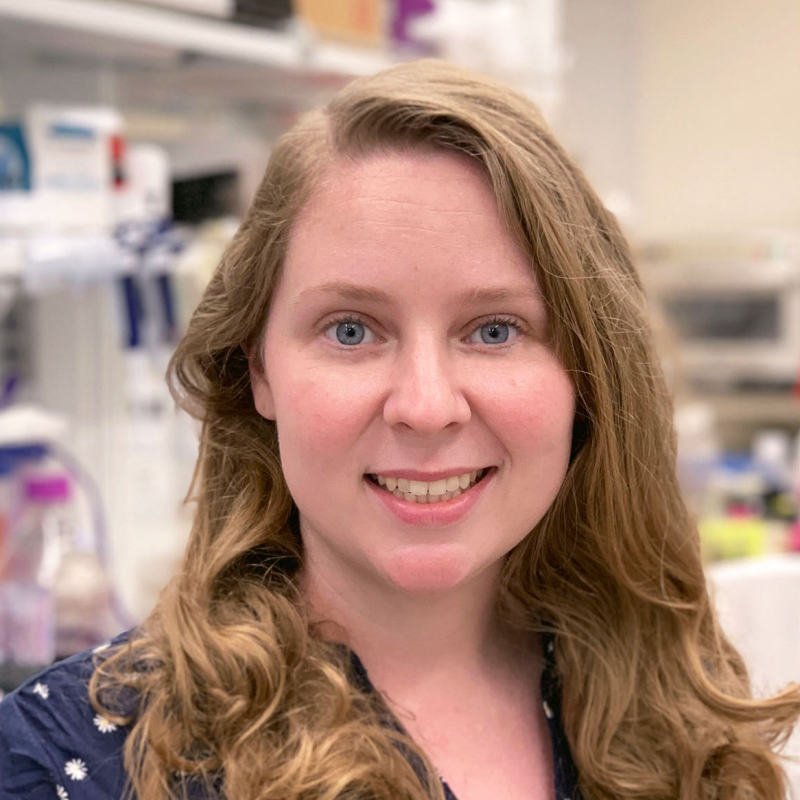
Aisha Ameen is a Researcher in the Department of Veterinary and Animal Sciences (Pathobiological Sciences) at the University of Copenhagen's Faculty of Health and Medical Sciences, holding dual appointments as Research Assistant and Guest Researcher. Her research centers on Alzheimer's disease mechanisms with emphasis on astrocyte metabolism, glucose/glutamate dynamics, and short/medium-chain fatty acid roles. She employs functional metabolic mapping, dMRI, immunohistochemistry, and hiPSC models to investigate neurodegenerative processes at cellular and systemic levels. Analysis of her 2022-2025 publications reveals consistent focus on metabolic dysregulation in Alzheimer's pathology, particularly astrocyte energy substrate competition and fatty acid interventions. Her work bridges neuroscience, metabolism, and translational disease modeling with significant citation impact and media attention.
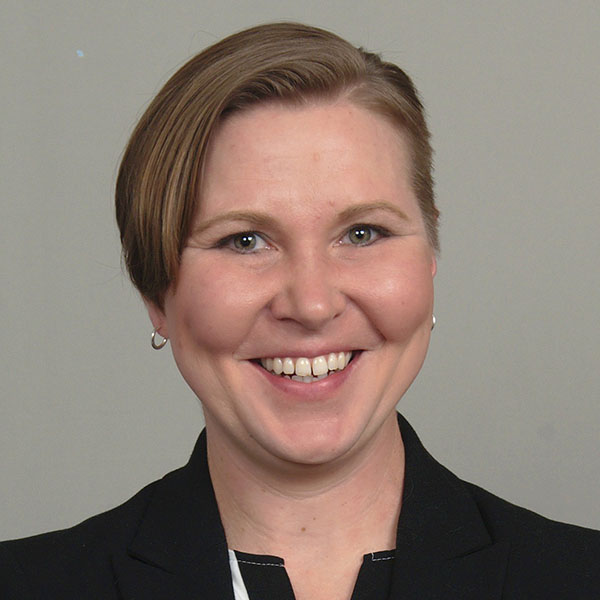
Patrick M. Tarwater is a Professor in the Department of Epidemiology & Biostatistics at Texas A&M University, with research spanning infectious disease epidemiology, traumatic brain injury rehabilitation, sleep science, biostatistical methods, and environmental health impacts on child development. His work integrates clinical, laboratory, and computational approaches to address complex public health challenges. His educational foundation includes: PhD in Biometry from University of Texas Health Science Center at Houston (1999) MS in Mathematics from Texas Tech University (1992) BA in Mathematics from Texas Tech University (1990) Tarwater's research in Infectious Disease Epidemiology features extensive work on HIV/SIV pathogenesis using non-human primate models, SARS-CoV-2 variant dynamics, and microbial risk assessment in environmental settings. His Traumatic Brain Injury and Sleep research includes innovative interventions like the OSABI sleep hygiene protocol and objective sleep monitoring methodologies for rehabilitation patients. The Environmental Health focus centers on the ECHO program's investigation of maternal nutrition and child health outcomes, alongside risk assessments for oil spill contaminants and recreational water safety. Analysis of his 2018-2024 publications reveals three dominant trajectories: (1) viral pathogenesis mechanisms using advanced animal models, (2) neuroimmunological consequences of infections and injuries, and (3) environmental exposure risk modeling. His work consistently employs sophisticated biostatistical techniques and translational approaches bridging laboratory findings to clinical applications. While no specific awards are documented in the source material, Tarwater's prolific publication record in high-impact journals demonstrates significant scholarly contributions. His teaching portfolio includes foundational courses in epidemiology and biostatistics, plus advanced instruction in cohort analysis and epidemiologic inference.
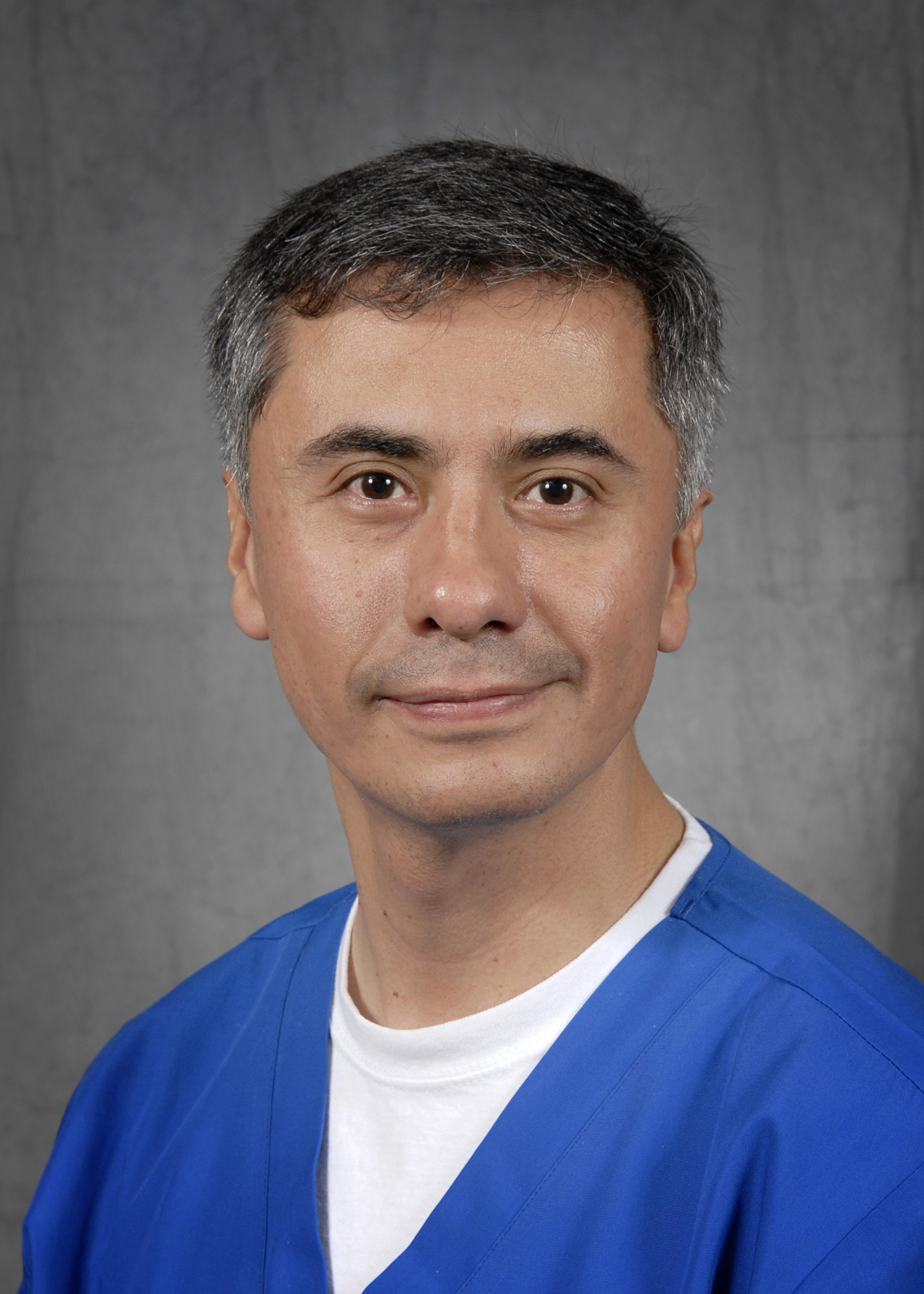
Craig Morrell is a Professor at the University of Rochester School of Medicine and Dentistry , with joint appointments in the Departments of Medicine , Microbiology and Immunology , and Pathology and Laboratory Medicine . He serves as Associate Director of the Aab Cardiovascular Research Institute . Education: Sc.B. in Biology, Brown University (1995) D.V.M. , Tufts University School of Veterinary Medicine (2000) Ph.D. in Pathobiology, Johns Hopkins University (2005) His research examines the interface between platelets, vascular biology, and immune cells , focusing on platelet roles in thrombosis, inflammation, and immune regulation. Using advanced mouse models , his lab investigates platelet-derived mediators like β2M and PF4 in diseases such as malaria, stroke, and myocardial infarction. Article trends highlight platelets' dual roles in thrombosis and immune modulation , with recurring themes in vascular inflammation , ERK5 signaling , and age-related immune dysfunction . Scientific Awards: Kenneth M. Brinkous Young Investigators Prize (2008) Deans Gift research award (2006) Multiple travel scholarships and fellowships (2003-2005) Pathology Award-Excellence in Pathology (2000) Mentoring and Teaching : He has mentored 8 doctoral students , 7 undergraduates , and 6 postdoctoral fellows , with a focus on diversity. He serves on thesis committees and the URMC MSTP (MD/PhD) admissions committee . Labs and Collaborations : Leads the Morrell Lab at the Aab Cardiovascular Research Institute, collaborating with institutions like Johns Hopkins and Medical College of Wisconsin.
Kathleen Mulvaney is an Assistant Professor at the Fralin Biomedical Research Institute at Virginia Tech and in the Department of Biomedical Sciences and Pathobiology at the Virginia-Maryland College of Veterinary Medicine. Her laboratory is located at the Children's National Research & Innovation Campus in Washington, D.C., where she leads research efforts focused on cancer biology and therapeutic development. Dr. Mulvaney's educational background includes: Ph.D. in Cell Biology from the University of North Carolina, Chapel Hill B.S. in Biology from the University of Rochester Dr. Mulvaney's research program centers on understanding and disrupting protein-protein interactions and protein modifications in cancer, with particular focus on pancreatic cancer and pediatric and adult brain cancers. Her laboratory investigates tumor dependencies - the specific enzymes and pathways that cancers rely on for survival - with the goal of translating these findings into meaningful clinical improvements for patient care. A significant portion of her recent work has focused on PRMT5, an enzyme found in approximately 15% of human cancers, exploring how to target this enzyme for therapeutic benefit. Her research employs CRISPR gene editing, molecular biology techniques, and biochemical approaches to identify vulnerabilities in cancer cells. Her laboratory has made significant contributions to understanding the molecular basis of substrate recruitment to the PRMT5 methylosome and has discovered first-in-class inhibitors of the PRMT5-substrate adaptor interaction. Recent work published in Cancer Research demonstrates a promising combination therapy approach for hard-to-treat cancers that lack specific tumor suppressor genes. These cancers, which include certain lung, brain, and pancreatic tumors, become dependent on PRMT5 for survival, making it a potential therapeutic target. Dr. Mulvaney has received numerous scientific awards and honors, including: National Institutes of Health F32 Ruth L. Kirschstein Postdoctoral Individual National Research Service Award (2018-2021) National Institutes of Health LRP Award (2019-2021) Sigma Xi Research Society Graduate Student Travel Award (2015) National Science Foundation Graduate Research Fellowship Honorable Mention (2011, 2012) Dr. Mulvaney actively mentors graduate students and postdoctoral researchers in her laboratory at the Children's National Research & Innovation Campus. Her research is supported by grants from the National Institutes of Health, including an R35 grant to examine cancer-related enzymes. She collaborates extensively with researchers across Virginia Tech and Children's National Hospital to advance cancer research and therapeutic development, participating in the Virginia Tech Cancer Research Alliance which brings together scientists and physicians to develop innovative approaches to cancer treatment. The Mulvaney Lab is part of the Cancer Research Center - D.C. at the Children's National Research & Innovation Campus, where they work alongside other researchers in the Children's Cancer and Immunobiology Center. This collaborative environment allows for interdisciplinary approaches to understanding cancer biology and developing novel therapeutic strategies, with particular emphasis on translating basic science discoveries into clinical applications for hard-to-treat cancers.
Kelly Searle, PhD, is an Associate Professor at the Division of Epidemiology & Community Health within the University of Minnesota . As an infectious disease epidemiologist, her research focuses on malaria transmission dynamics across endemic regions in central and southern Africa, integrating molecular biology, geographic information systems (GIS), spatial sciences, and ecological principles to inform control and elimination strategies. Education: PhD in Epidemiology, Johns Hopkins Bloomberg School of Public Health ScM in Epidemiology, Johns Hopkins Bloomberg School of Public Health BS in Pathobiology and Veterinary Science, University of Connecticut Postdoctorate, Johns Hopkins Bloomberg School of Public Health Research Interests span malaria transmission, vector-borne diseases, GIS, and global health. Her work aims to reduce malaria burden through efficient policy-driven interventions. Scientific Awards Louis I. and Thomas D. Dublin Award (2014) Contact: ksearle@umn.edu
Dr. Alejandro Banda serves as Clinical Professor in the Department of Pathobiology and Population Medicine at Mississippi State University's College of Veterinary Medicine, while concurrently holding the position of Executive Director for the MSU Veterinary Research and Diagnostic Laboratory (MVRDLS). He leads the poultry and mammalian virology laboratories and oversees the vivarium operations, directing critical diagnostic and research functions. His educational foundation includes: Ph.D. in Medical Microbiology from the University of Georgia (2002) D.V.M. from the National Autonomous University of Mexico (1998) M.S. in Veterinary Medicine from the National Autonomous University of Mexico (1996) Dr. Banda's research centers on veterinary virology with specialized expertise in poultry disease diagnostics and wildlife pathogen surveillance . His work bridges laboratory science with field applications, particularly in chronic wasting disease (CWD) ecology and avian influenza epidemiology. He employs advanced genomic techniques like iSeq100 and MinION sequencing for pathogen characterization, focusing on practical solutions for agricultural and wildlife health challenges. His investigations frequently address immunosuppressive diseases in poultry production systems and novel disease transmission pathways in wild species. Recent publications demonstrate a clear trajectory toward environmental disease surveillance methodologies, particularly leveraging natural animal behaviors for non-invasive CWD monitoring in deer populations. His work simultaneously addresses critical poultry health issues including neurologic diseases in commercial flocks and parasitic infections in exotic avian species, reflecting dual expertise in domestic animal medicine and wildlife disease ecology. Dr. Banda actively directs laboratory operations at MVRDLS, managing the poultry virology section, mammalian virology laboratory, and vivarium facilities. His leadership integrates diagnostic services with research initiatives focused on emerging pathogens affecting both agricultural and wildlife populations in Mississippi and beyond.
David A Williams holds the Campbell Endowed Chair position and serves as Professor of Veterinary Clinical Medicine at the University of Illinois College of Veterinary Medicine, with additional affiliation in Pathobiology. His academic career demonstrates deep expertise in companion animal medicine with a focus on canine and feline health conditions. Dr. Williams' research interests center on veterinary gastroenterology, particularly focusing on microbiome interactions , pancreatic disorders , and gastrointestinal diseases in companion animals. His work bridges clinical practice with fundamental research, investigating conditions such as exocrine pancreatic insufficiency, inflammatory bowel disease, and the role of gut microbiota in diabetes management. His fingerprint analysis reveals strong emphasis on canine medicine (100%), feline medicine (39%), and specific conditions like exocrine pancreatic insufficiency (35%) and pancreatitis (22%). Analysis of his recent publications shows a clear trajectory toward translational research connecting microbial ecology with clinical outcomes in companion animals. His work increasingly focuses on microbiome-based interventions , particularly fecal microbiota transplantation techniques and their impact on metabolic conditions in dogs. The research demonstrates methodological sophistication with growing use of metabolomics and advanced microbiome analysis techniques applied to veterinary clinical questions. Dr. Williams maintains active research collaborations across multiple institutions, as evidenced by the network visualization of his scholarly work. His research outputs have garnered attention across academic and professional platforms, with multiple publications referenced in Wikipedia, covered by news outlets, and discussed on social media. His laboratory work appears to focus on gastrointestinal physiology and microbiome research in companion animals, with particular emphasis on developing diagnostic and therapeutic approaches for pancreatic and metabolic conditions in dogs and cats. Current research directions include optimizing fecal microbiota transplantation protocols and understanding metabolic changes in various disease states.
Sian-Marie Frosini is a Lecturer in Veterinary Clinical Microbiology at the Royal Veterinary College (RVC), affiliated with the Department of Pathobiology & Population Sciences. Her role combines undergraduate teaching in Veterinary Medicine and Veterinary Nursing curricula with clinical liaison work between RVC's clinical services and the microbiology diagnostic laboratory. Research Interests: Antimicrobial Resistance (AMR) in companion animals Methicillin-resistant Staphylococcus pseudintermedius (MRSP) epidemiology ESKAPE pathogens in veterinary and human medicine Topical antimicrobial therapy optimization Antimicrobial stewardship One Health approaches to bacterial transmission Key Collaborations: Dr. Jodi Lindsay's molecular microbiology group (St. George's Medical School, London) Dr. Jo Larner's dermatotoxicology group (University of Hertfordshire) Global veterinary microbiology networks Current Projects: Improved Stewardship to Protect Veterinary Antimicrobial Usage in UK Cats and Dogs (funded by Petplan Charitable Trust) PACK-CXL study for infectious ulcerative keratitis in dogs
Professor Alain de Bruin (born 1968) is a distinguished academic at Utrecht University, serving as Professor in the Department of Biomolecular Health Sciences within the Faculty of Veterinary Medicine. Since January 1, 2020, he has been Head of the Department of Biomolecular Health Sciences. His academic journey began with veterinary medicine studies at the University of Hannover in Germany, followed by a PhD from the University of Bern in Switzerland in 1999. After specializing in veterinary pathology and completing a postdoctoral position at Ohio State University, he was appointed professor of pathobiology at Utrecht University in 2005. In 2010, he founded the Netherlands Molecular Pathology Center (UU/UMCG) and became an honorary professor of molecular pathology at the University of Groningen in 2014. Professor de Bruin's research primarily focuses on cancer biology, liver pathology, tumor suppression mechanisms, and aging processes. His expertise includes in vivo modeling, cell cycle analysis, generating transgenic mouse models, pathological analysis of animal disease models, and single-cell transcriptomics. His work centers on proteins that regulate cell proliferation, particularly E2F transcription factors, which he has discovered play critical roles in inhibiting cancer cell growth. His research themes span Life Sciences, Regenerative Medicine, and the Utrecht Platform for Organoid Technology. Analysis of his recent publications reveals a consistent research trajectory centered on cell cycle regulation, particularly the atypical E2F transcription factors (E2F7 and E2F8), and their roles in cancer development, polyploidization, and liver disease. His work demonstrates how these factors influence tumor suppression, angiogenesis, and cellular responses to DNA damage. The publications span multiple disciplines including cancer biology, molecular oncology, hepatology, and regenerative medicine, with applications in both human and veterinary medicine. Professor de Bruin has held significant leadership positions, including chairing the research council (2017-2019) and coordinating the 'Regenerative Medicine, Stem Cells, and Cancer' research program (2013-2019). He serves on the editorial board of 'Frontiers in Cell and Developmental Biology' and participates in review committees for NWO-Rubicon/Veni, the research alliance UTwente/UU/UMCU, and the Comprehensive Cancer Center at Ohio State University. His laboratory work has made significant contributions to understanding how E2F transcription factors regulate cell proliferation, with implications for developing novel cancer therapy strategies. His research on polyploidization mechanisms has provided insights into liver regeneration and tumor development, while his work on senescence has implications for aging-related diseases.
Kathryn E. Reif is an Associate Professor and inaugural holder of the Bailey-Goodwin Endowed Chair in Parasitology at the Department of Pathobiology in the College of Veterinary Medicine at Auburn University. She previously served as a tenure-track Assistant Professor at Kansas State University’s College of Veterinary Medicine and completed postdoctoral fellowships at Washington State University’s Department of Veterinary Medicine and Pathobiology and the USDA-ARS Animal Disease Research Unit. PhD, Louisiana State University, Pathobiology MSPH, Tulane University, Tropical Medicine Dr. Reif’s research focuses on vectors and vector-borne diseases of veterinary, medical, and agricultural significance, particularly ticks and tick-borne pathogens. Her ongoing projects include: Real-time monitoring of tick salivation and feeding behaviors Evaluating antimicrobial and ectoparasiticide efficacy Investigating transmission dynamics and control strategies for bovine anaplasmosis and theileriosis Tick-borne pathogen surveillance and vaccine development Her work bridges public health, veterinary medicine, and agricultural systems, with a strong emphasis on translational research and stakeholder engagement. NIH Ruth L. Kirschstein Postdoctoral Fellowship Bailey-Goodwin Endowed Chair in Parasitology Dr. Reif actively engages veterinarians, producers, and clinicians through collaborative research and outreach presentations on tick-borne pathogens. While specific grants are not detailed, her postdoctoral and faculty appointments suggest a history of securing competitive research funding.
David Brodbelt is a Professor of Evidence-Based Veterinary Medicine at the Royal Veterinary College (RVC), University of London. He leads the VetCompass program, a companion animal surveillance initiative, and chairs the VeNom Coding Group , which standardizes veterinary clinical terminology. His research focuses on epidemiology, antimicrobial stewardship, and veterinary practice data analytics. Education: Graduated from Cambridge Vet School (1993), completed a residency in Veterinary Anaesthesia, and earned an RCVS Diploma in Veterinary Anaesthesia (1998). His PhD (2006) investigated perioperative complications in veterinary anaesthesia. Teaching: Leads the Research Skills Module for RVC's MSc programs in Veterinary Epidemiology and contributes to undergraduate and postgraduate education in epidemiology, statistics, and evidence-based veterinary medicine. Key Research: Explores companion animal health using electronic health records, with a focus on diabetes mellitus, cardiovascular disorders, and breed-specific health risks. Collaborates on projects like antimicrobial usage analysis and disease burden assessments in dogs and cats. Awards: Fellow of the Higher Education Academy. Active in professional organizations, including the Society for Veterinary Epidemiology and Preventive Medicine (SVEPM). Administrative Roles: Deputy Principal of the RVC, overseeing clinical affairs. Previously Chair of Small Animal Studies and Head of the Department of Veterinary Clinical Sciences.
Justin J. Kastner is a Professor at Kansas State University (KSU) in the College of Veterinary Medicine's Diagnostic Medicine/Pathobiology Department. He serves as a past director of the University Honors Program (2013-2016) and is an ordained Anglican priest emphasizing life-purpose themes. His academic roles span teaching, research, and public service, with a focus on interdisciplinary education and global health policy. Education: PhD 2003, University of Guelph (Canada) PgDip 2000, University of Edinburgh (UK) MSc 2000, London South Bank University (UK) BS 1998, Kansas State University Research Interests: Dr. Kastner’s work bridges veterinary medicine, public health, and policy. His areas include global food systems, trade policy, economic history, and interdisciplinary scholarship. He pioneered the Frontier Field Trip model, integrating experiential learning through visits to trade ports, government offices, and museums to foster multidisciplinary thinking. Grants & Service: He led $2.5M in grants from USDA and DHS for international capacity-building programs, training professionals from 12+ countries in food safety and agricultural health. His work emphasizes global cooperation in addressing transnational health challenges. Awards: Truman Scholar (1997) Fulbright Scholar (1998-1999) Rotary Scholar (1999-2000) Labs/Teams: The Frontier Field Trip program engages students in real-world research, with 39+ excursions since its inception. Collaborations include Dr. Jason Ackleson (Virginia), focusing on food safety regulations and historical public health case studies.
Prof. Soner Doğan is a Professor at Yeditepe University's Faculty of Medicine, Department of Medical Biology. He holds a PhD in Medical Biology from the University of Minnesota and a Bachelor's in Veterinary Science from Ankara University. His research bridges oncology, epigenetics, and metabolic regulation, with a focus on breast cancer mechanisms and calorie restriction. Research interests span: Breast Cancer Pathobiology : Investigating leptin/adiponectin signaling and epigenetic modifications in tumor development. Calorie Restriction : Examining intermittent vs. chronic dietary interventions for cancer prevention and aging. Aging and Frailty : Identifying biomarkers and molecular pathways in age-related diseases using murine models. His publications emphasize molecular oncology, with recurring themes in adipokine signaling, DNA methylation, and transcriptomic profiling. Articles frequently utilize transgenic mouse models and RNA-seq to explore metabolic and immune interactions in cancer. Awards & Honors: Professional Development Grant, Education Minnesota Foundation AICR Scholarship for Cancer Research Conference Advising & Grants : Supervised 11+ Master's/PhD theses on topics like nanoparticle drug delivery and epigenetic regulation. Secured major grants including TÜBİTAK 1001 (€395K) for breast cancer epigenetics and COST Action CA17129 for cardiovascular transcriptomics. Affiliations : Leads projects at Yeditepe’s molecular biology labs and collaborates internationally (e.g., EU-CardioRNA COST Action). Holds administrative roles as Department Coordinator and Ethics Committee member.
Jürgen A. Richt serves as a Regents and University Distinguished Professor in the Department of Diagnostic Medicine/Pathobiology at Kansas State University's College of Veterinary Medicine. He holds dual leadership roles as Director of the Department of Homeland Security Center of Excellence for Emerging and Zoonotic Animal Diseases (CEEZAD) and Director of the NIH Center on Emerging and Zoonotic Infectious Diseases (CEZID). His career spans prestigious appointments including postdoctoral work at Johns Hopkins University and eight years as a Veterinary Medical Officer at the USDA-ARS National Animal Disease Center. Dr. Richt's research focuses on high-consequence pathogens with zoonotic potential, particularly in the 'One Health' framework. His work spans animal influenza viruses (swine, bat, and avian), prion diseases including BSE, Rift Valley Fever virus, African Swine fever virus, Mpox virus, SARS-CoV-2, and Borna Disease virus. He pioneered the first reverse genetics system for swine influenza virus and developed the Ingelvac Provenza™ vaccine. His current research includes CRISPR-Cas9 gene editing to develop knock-out pigs resistant to influenza and subunit vaccines for Rift Valley Fever and African Swine Fever. Dr. Richt has published over 330 peer-reviewed manuscripts and secured more than $65 million in research grants. His work demonstrates consistent innovation in developing animal models, vaccines, and diagnostics for emerging infectious diseases with significant implications for both animal and human health. Pfizer Animal Health Award for Research Excellence (2011) Fellow of the American Association for the Advancement of Science (2018) Excellence in Research Award from the American Academy of Veterinary Medical Colleges (2021) Dolph Simons Award for Biomedical Research by the University of Kansas (2021) Extraordinary professor at the University of Pretoria A rating from the National Research Foundation of South Africa As founding Director of CEEZAD and CEZID, Dr. Richt supports NIH, DHS, and USDA in protecting public health and U.S. agricultural systems from devastating animal and zoonotic diseases. He serves as editor-in-chief for Virus Genes and on editorial boards for multiple scientific journals including Advances in Virus Research and Emerging Microbes and Infections. His lab continues to advance innovative approaches to combat emerging infectious diseases through cutting-edge molecular techniques and translational research.
Hassan Hakimi is an Assistant Professor of Veterinary Parasitology in the Department of Diagnostic Medicine/Pathobiology at Kansas State University's College of Veterinary Medicine. His academic journey includes a DVM from University of Tehran, Iran, an MSc from Obihiro University of Agriculture and Veterinary Medicine in Japan, and a PhD from Gifu University United Graduate School of Veterinary Sciences, Japan, followed by post-doctoral trainings at Nagasaki University and Texas A&M University. He is also a Diplomate of the American College of Veterinary Microbiologists-Parasitology. Dr. Hakimi's research focuses on the functional genomics of important protozoan parasites, particularly Babesia and Theileria (tick-borne pathogens), with special emphasis on the molecular mechanisms that underpin parasite survival within host erythrocytes. He has pioneered the development of genetic tools for Babesia parasites, including establishing a CRISPR/Cas9 system and adapting glmS riboswitch system for conditional gene knockdown. A second major research line focuses on Guinea worm (Dracunculus medinensis), aiming to understand immune responses to develop diagnostic tools for this neglected tropical disease. His publication record shows consistent high-impact research output, with recent papers exploring ves1α genes in cytoadhesion, spherical body proteins in red blood cell modification, and genetic tools for parasite manipulation. The research spans molecular mechanisms, diagnostic development, and comparative genomics across various parasite species. Diplomate of American College of Veterinary Microbiologists-Parasitology Dr. Hakimi serves as co-instructor for the Clinical Veterinary Parasitology course (DMP834) for second-year veterinary students. His work bridges basic molecular parasitology with practical veterinary applications, contributing significantly to our understanding of parasite biology and developing tools for disease control. His research has implications for both veterinary and human medicine, particularly in understanding host-pathogen interactions and developing interventions for parasitic diseases.