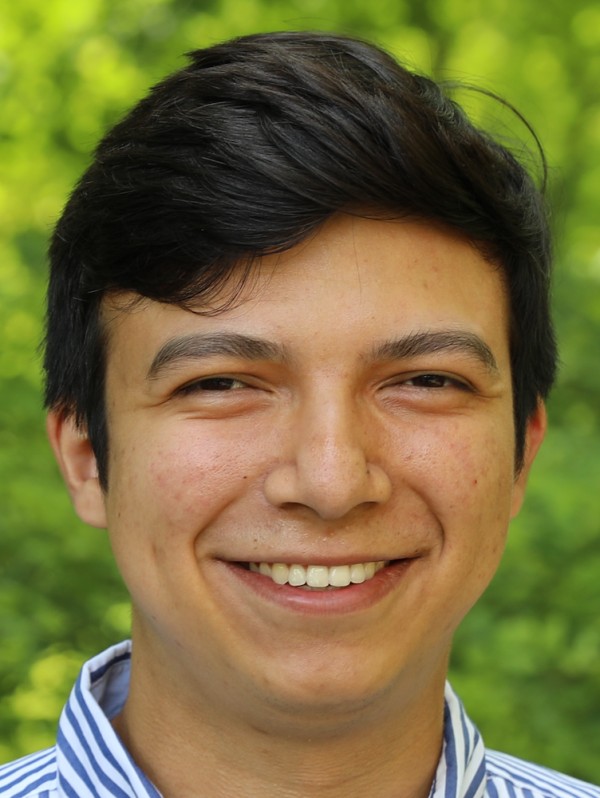
Franciszek Ostaszewski is a psychologist and doctoral candidate at SWPS University's Interdisciplinary Doctoral School, where he serves as a Lecturer in statistics. He holds dual affiliations with the Institute of Psychology (specifically DecisionLab: Center for Behavioral Decision Research) and the Faculty of Design in Warsaw's Department of Social Applications of New Technologies. His research explores behavioral economics through interdisciplinary lenses, focusing on: Human decision-making processes and cognitive mechanisms Psychological well-being's impact on economic choices Cross-cultural behavioral patterns Intertemporal discounting and risk assessment Quantitative analysis of social behavior Publication analysis reveals strong emphasis on large-scale cross-cultural studies (93–175 countries), integrating psychological frameworks with behavioral economics. Recurrent themes include happiness economics, mate selection, and cognitive dissonance in decision-making. Awards and honors: Rector's Scholarship for scientific achievements (2018) Minister of Science Scholarship (2019) Very Important Student distinction (2020) He conducts research at DecisionLab, specializing in experimental studies of human judgment under risk and uncertainty.
Professor Peter Quinn is a distinguished astrophysicist at the University of Western Australia , serving as Chairman of the Board at the International Space Centre and affiliated with the International Centre for Radio Astronomy Research (ICRAR) and the Office of DVC Research . He received his BSc(Hons) in Mathematics and Physics from the University of Wollongong in 1978 with the University Medal in Physics, and his PhD in astronomy and astrophysics from the Australian National University (ANU) in 1982. His research centers on galaxy formation and evolution , dark matter dynamics , and the Epoch of Reionization . He has pioneered computational astrophysics, particularly through the discovery of the Quinn-Goodman effect and contributions to the MACHO Dark Matter Search Project . He has led major initiatives in the European Southern Observatory (ESO) , including the Very Large Telescope (VLT) data flow system and the Astrophysical Virtual Observatory (AVO) project. His scholarly work spans radio astronomy , supercomputer simulations , and data-intensive science , with a strong focus on the Square Kilometre Array (SKA) and gravitational wave detection . His work has earned him several prestigious accolades including a NASA High Performance Computing Award and a Computerworld 21st Century Achievement Award . He is a Fellow of the Australian Academy of Science (FASA) and a Fellow of the Australian Institute of Physics (FTSE) . His research also extends to large-scale international infrastructure projects and planning for the Square Kilometre Array and gravitational wave observations . He has served as Division Head at ESO and as a Chief Investigator for numerous grants, including the Australian SKA Regional Centre and ICRAR core funding .
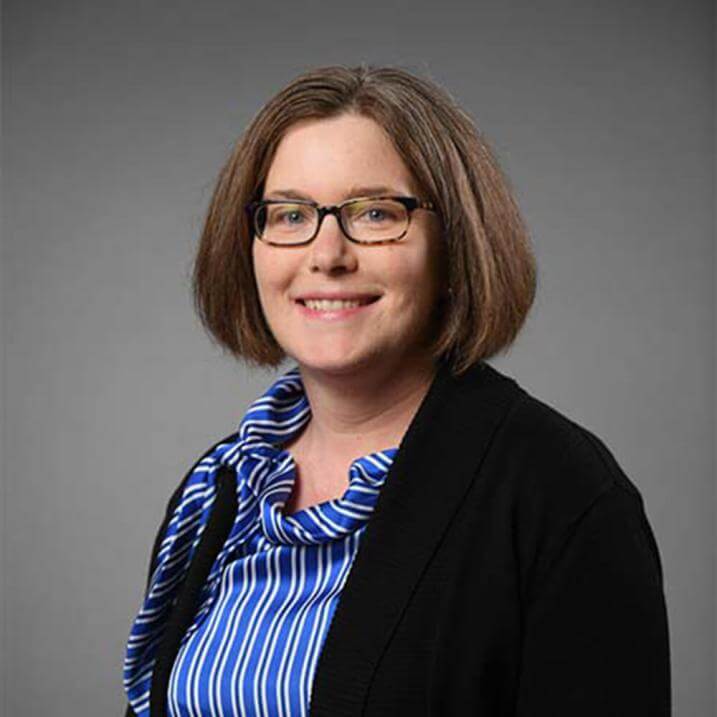
Toni Antonucci is the Elizabeth M. Douvan Collegiate Professor of Psychology at the University of Michigan, a Senior Research Scientist at the Institute for Social Research, and a 2025 elected member of the American Academy of Arts & Sciences. A life-span developmental psychologist, she has directed major longitudinal and cross-cultural studies of social relations and health in the United States, Europe, and Japan, and has served as president of both APA Division 20 and the Gerontological Society of America. Education: Ph.D. in Psychology, Wayne State University Research Interests: Antonucci’s scholarship centers on how social networks—what she terms “convoys of social relations”—shape health, cognition, and well-being from childhood through very old age. Her recent work integrates multilevel epidemiological methods to examine neighborhood, network, and individual predictors of cognitive aging and dementia disparities, with special attention to Arab-American, Black, and Latino families. She also investigates age-differential impacts of remote work, economic shocks such as the Great Recession, and pandemic-related stress on loneliness and psychological distress across gender and cultural contexts. Across more than 200 publications, her 2023-2025 output reveals a concentrated emphasis on: (1) social determinants of cognitive health and dementia disparities; (2) culturally adapted caregiver interventions for Arab-American and minority families; (3) longitudinal trajectories of social convoys and their protective effects on cognition; (4) cross-national analyses of work expectations and mental health in later life; and (5) neighborhood and migration influences on aging immigrants. These themes collectively advance a contextual, life-course understanding of how macro-social conditions interact with micro-level social ties to produce differential aging outcomes. Scientific Awards & Leadership: Past-President, Adult Development & Aging (APA Div 20) Past-President, Gerontological Society of America 2001 APA Division 20 Master Mentor Award President-Elect, Society for the Study of Human Development Council Member, International Association of Gerontology Elected Member, American Academy of Arts & Sciences (2025) Grants, Doctoral Training & Labs: Antonucci has been continuously funded by NIH and private foundations for large-scale longitudinal surveys and intervention trials, including the ongoing “Social Relations and Health across the Life Span” second-wave data collection. She mentors doctoral students in the Psychology of Aging Graduate Training Program and is affiliated with the Life Course Development Program and the ISR Survey Research Center; her research group applies advanced multilevel and structural-equation modeling to study how social factors compound or buffer cognitive and health disparities over decades.
Oscar Castañeda Fernández is a Lecturer at the Department of Information Technology and Electrical Engineering at ETH Zurich, affiliated with the Institute for Integrated Systems . He teaches advanced digital circuit design courses and contributes to research in VLSI systems. Research Interests Custom Digital Circuit Design Very Large Scale Integration (VLSI) Systems Electrical Engineering Computer Engineering Contact Information Email: caoscar@iis.ee.ethz.ch Office: ETZ J 71.2, Gloriastrasse 35, 8092 Zurich, Switzerland Personal Website: ofcastaneda.github.io ORCID: 0000-0001-5778-182X Teaching Fall Semester 2025: VLSI 3 - Full Custom Digital Circuit Design (Course No. 227-0147-10L)
Tania Barone is a Postdoctoral Research Associate at Swinburne University of Technology’s School of Science, Computing and Emerging Technologies, focusing on galaxy evolution and gravitational lensing. Her research explores quiescent galaxies, circumgalactic medium dynamics, and the application of lensing techniques to study high-redshift systems. She is available to supervise Doctorate (PhD) candidates. Education: - PhD in Astronomy, Australian National University, Canberra, Australia. Research Interests: Ms. Barone’s work centers on galaxy evolution mechanisms, particularly the interplay between galactic winds, outflows, and the circumgalactic medium. She uses gravitational lensing to study quiescent galaxies and their gas distribution, extending her research to cosmic noon (z=1) and beyond. Her studies integrate observational data from telescopes like Keck, Hubble, and the Very Large Telescope to probe galaxy structure and mass distribution. Professional Activities: - Organized the JWST MasterClass 2024 and ASTRO3D 2022 Science Meeting. - Committee member of Swinburne’s Keck Time Allocation and PhD Admissions Panels. - Referee for journals including The Astrophysical Journal , Monthly Notices of the Royal Astronomical Society , and Astronomy & Astrophysics . Advising & Grants: - Supervised two PhD candidates: “Using gravitational lenses to map the diffuse gas around galaxies” (2025) “Galaxies and Their Circumgalactic Medium” (2022) - Collaborates on the ASTRO3D Centre of Excellence and the AGEL (Galaxy Evolution with Lenses) survey. Labs/Teams: Active contributor to the AGEL survey team and ASTRO3D, leveraging large-scale lensing systems to study galaxy evolution at high redshifts.
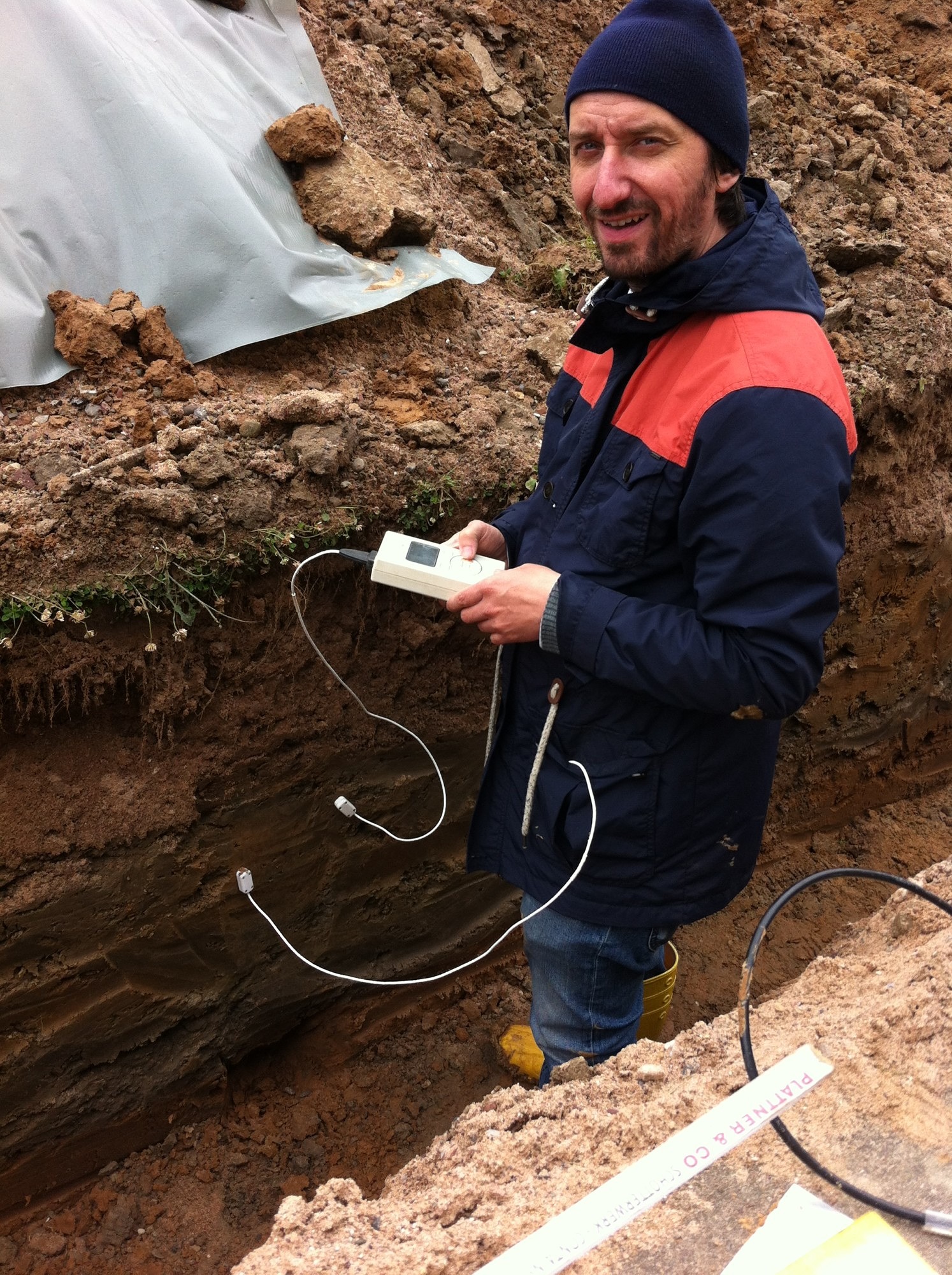
Dr. David Bertermann is a Researcher at the Chair of Geology within the GeoCenter Northern Bavaria at Friedrich-Alexander-Universität Erlangen-Nürnberg (FAU). His work focuses on shallow geothermal energy systems, applied soil science, and hydrological modeling, with an emphasis on sustainable energy solutions and environmental data analysis. University: Friedrich-Alexander-Universität Erlangen-Nürnberg Department: Chair of Geology Role: Research Group Leader, Shallow Geothermal Energy Dr. Bertermann's research integrates geospatial data, soil properties, and groundwater dynamics to optimize geothermal systems. His recent publications highlight topics such as groundwater-geothermal interactions, thermal conductivity modeling, and GIS-based potential mapping. He collaborates on European projects like Cheap-GSHPs, focusing on efficient ground source heat exchangers and large-scale geothermal collector systems. Key journals include Groundwater , Energies , Geosciences , and Sustainability . His work bridges geological data with practical energy solutions, emphasizing climate resilience and resource sustainability. Dr. Bertermann is based at FAU's GeoCenter Northern Bavaria in Erlangen, Germany, and actively contributes to geothermal research through field experiments, laboratory testing, and cross-institutional collaborations.
Sebastian Hoch is an Adjunct Associate Professor in Atmospheric Sciences at the University of Utah. His research focuses on boundary layer processes in complex terrain , particularly examining radiation and surface energy balance effects on boundary layer evolution and terrain-driven flows. Education: PhD in Natural Sciences (Earth Science) from ETH Zurich (2006) Languages: German His research integrates atmospheric sciences , climate change science , and geophysics , with specific emphasis on pollution monitoring , mountain meteorology , and fog dynamics . Recent publications analyze freezing fog microphysics, coastal fog formation mechanisms, and complex terrain wind energy potential using WRF-COAMPS modeling. Grant-funded projects include: COLD FOG AMONGST COMPLEX TERRAIN (CFACT) 2021-2025 RED BUTTE AIR EXCHANGE STUDY 2019-2020 OWENS LAKE LIDAR STUDY 2018 MODELING FOR FASMEE 2018-2021 MATERHORN program 2011-2017 As educator, he has taught Experiential Learning II and Mountain Weather & Climate courses (2023-2024). His work combines extensive field measurements with high-resolution modeling to address atmospheric boundary layer dynamics in complex environments.
Robert Harris is an Assistant Professor in the Department of Physics at Durham University, affiliated with the Centre for Advanced Instrumentation. His research bridges nanoscale photonics and large-scale astronomical instrumentation, with expertise in astrophotonics, telescope systems, and additive manufacturing techniques. Harris earned his PhD in Physics from Durham University, where he pioneered photonic component development using ultrafast laser inscription. His doctoral work led to telescope testing at the William Herschel Observatory during a postdoctoral appointment. His research program focuses on four interconnected domains: Astrophotonics : Developing photonic solutions like Two-Photon Polymerised microlens rings and the MCIFU integral field unit for exoplanet detection Astronomical Instrumentation : Contributing to flagship projects including MICADO for the Extremely Large Telescope and BlueMUSE for the Very Large Telescope Photonics Applications : Transferring astronomical photonics technologies to biological and movement science fields Two-Photon Polymerization : Creating nano-to-centimeter scale optical structures that bridge instrumentation scale gaps Publication analysis reveals a clear evolution from foundational astrophotonics work (2013-2017) toward cutting-edge exoplanet instrumentation (2023-2025), with consistent emphasis on photonic reformatting and precision manufacturing techniques across all periods. Harris's scientific recognition includes: STFC STEP award for early-career innovation Zeiss postdoctoral fellowship at Heidelberg University Gliese fellowship from the Zentrum für Astronomie der Universität Heidelberg He actively mentors postgraduate researchers including Craig Maclean, and has secured significant funding through mechanisms like the Deutsche Forschungs Gemeinschaft grant. His work involves international collaboration across European observatories and instrumentation consortia. Harris leads instrumentation development within Durham's Centre for Advanced Instrumentation while contributing to European Southern Observatory projects. Previously, he established an astrophotonics research group at Heidelberg's Landessternwarte and contributed to the Max Planck Institute for Astronomy's MICADO team.
Sina Samareh is a Tenure Track Researcher in the Department of Wind and Energy Systems at the Technical University of Denmark (DTU), specializing in structural design and testing of wind energy materials and components. Based at the Roskilde campus (Frederiksborgvej 399, Building 101, Room S04), his work focuses on the integrity and health monitoring of wind turbine structures through experimental and computational approaches. Dr. Samareh's research spans wind energy systems, composite materials, structural health monitoring, fatigue analysis, finite element modeling, and delamination mechanics. He investigates critical failure modes in wind turbine blades—including fatigue-induced delamination, crack propagation, and material degradation—using advanced techniques like thermography, acoustic emission, and element testing. His work addresses industry challenges in blade durability under cyclic loading and environmental stresses, with direct applications to improving turbine reliability and lifespan. Analysis of his publication trends (2020-2025) reveals consistent advancement in experimental methodologies for composite failure analysis, particularly in mixed-mode fracture, creep-fatigue interactions, and thermography-based damage detection. His research bridges computational modeling with physical validation, emphasizing scalable solutions for industrial wind energy applications. Key themes include fatigue delamination growth in thick laminates, rotor blade structural integrity, and novel test specimen designs for composite materials. Dr. Samareh actively contributes to academic discourse through peer review for journals including Engineering Fracture Mechanics and Measurement, and has presented at conferences such as the NAFEMs seminar on Modeling Dynamics, Fatigue and Fracture (2023) and the Risø International Symposium. His supervisor activities indicate involvement in mentoring students, though specific advisee details are not publicly documented. Within DTU, he operates in the Structural Design and Testing Wind Energy Materials and Components Division, which conducts cutting-edge research on material characterization, structural validation, and failure prediction for next-generation wind turbine systems. This division leverages DTU's wind energy testing facilities to address industry-critical challenges in large-scale composite structures.
Kishore Kumar Pakkirisami Churchill is an academic researcher focused on the design and optimization of RF energy harvesting systems, integrated circuits, and IoT applications. His work emphasizes high-efficiency energy conversion, CMOS technology integration, and reconfigurable circuit design for wireless sensor networks and IoT devices. Collaborating with experts like Harikrishnan Ramiah and Yong Chen, he has contributed to advancements in rectifier architectures, charge pump systems, and ambient RF energy harvesting front-ends. Research highlights include developing a reconfigurable CMOS stack rectifier achieving 47.91% peak power conversion efficiency for IoT/WSN applications (2023) and a dual-topology CMOS rectifier with 19.5-dB dynamic range (2023). His publications span IEEE Transactions on Very Large Scale Integration Systems and other top venues, showcasing innovations in low-voltage operation, dynamic range optimization, and hybrid energy harvesting solutions. Though affiliations are not explicitly stated in the provided texts, his research aligns with departments specializing in electrical engineering or microelectronics. He maintains an active collaboration network and consistently publishes on cutting-edge topics in energy harvesting and circuit design.
Mahdi Nikdast serves as Associate Professor and Endowed Rockwell-Anderson Professor in the Department of Electrical and Computer Engineering at Colorado State University (CSU), Fort Collins, directing the Electronic-PhotoniC System Design (ECSyD) Laboratory and acting as Associate Editor for IEEE Transactions on Very Large Scale Integration Systems (TVLSI). His educational qualifications include a B.S. in Computer Science and Engineering from Azad University, Iran (2009) and a Ph.D. in Electronic and Computer Engineering from The Hong Kong University of Science and Technology (HKUST) (2014), followed by postdoctoral research at McGill University and Polytechnique Montreal (2014-2017). Research focuses on integrated photonics and high-performance computing intersections, with specific expertise in Silicon Photonics, Photonics for AI, Interconnection Networks, and Design Automation. His work spans VLSI, EDA, Embedded Systems, SoCs, and Computer Architecture, addressing critical challenges in photonic-electronic system design for next-generation computing. Major recognitions include: NSF CAREER Award (2021) George T. Abell Awards for Early-Career Faculty (2022) and Teaching/Mentoring (2023) Rockwell-Anderson Professorship (2022) Multiple Best Paper Awards at DATE, ACP, and GLSVLSI conferences As a mentor, he guides students in award-winning research published in top venues. He co-founded the OPTICS and SPHPC workshops, edited two books on photonic computing, and serves on TPCs for DAC, OFC, and DATE. His ECSyD Laboratory pioneers electronic-photonic integration for AI acceleration and high-performance systems.
Marianne Vestergaard is a Professor at the Niels Bohr Institute, University of Copenhagen, specifically affiliated with the Dark Cosmology Centre (DARK). She has been a faculty member since returning to the University of Copenhagen in 2009 as a Freja Fellow. Her research focuses on distant, young galaxies called quasars, particularly studying the physics of supermassive black holes at their centers. Dr. Vestergaard earned her PhD in Astrophysics from the Niels Bohr Institute in 1999 with a dissertation titled "Are Radio-loud Quasars Rebellious or Are Radio-quiets Just Plain Untalented? A Study of the Ultraviolet Broad Emission Line Profiles in High-Redshift Radio-loud and Radio-quiet Quasars." Prior to her PhD, she completed her Master of Science at the University of Copenhagen in 1992. She conducted research at the Harvard-Smithsonian Center for Astrophysics during her PhD studies and subsequently worked at Ohio State University, University of Arizona, and Tufts University before returning to Copenhagen. Marianne Vestergaard's primary research interest is in the physics of distant, young galaxies called quasars. These objects emit powerful radiation due to material falling onto supermassive black holes at the centers of galaxies. She specializes in determining the mass of these black holes and investigating how the powerful energy emission from the central active nucleus affects their surroundings. Her work employs a wide array of telescopes both in space and on Earth, sensitive to X-ray, ultraviolet, visible, infrared, sub-millimeter and radio radiation. Recently, she has utilized data from the Very Large Telescope at the European Southern Observatory in Chile, Atacama Pathfinder Experiment (APEX), Atacama Large Millimeter Array (ALMA), Hubble Space Telescope, and Swift X-ray and UV-optical telescope. Analysis of Dr. Vestergaard's recent publications (2024-2025) reveals a strong focus on active galactic nuclei (AGN) physics, particularly through the AGN STORM 2 project. Her work examines accretion disk dynamics, black hole mass measurements, reverberation mapping techniques, and the relationship between central black holes and their host galaxies. She frequently collaborates on multi-wavelength observational campaigns, combining data from X-ray through radio wavelengths to build comprehensive models of AGN structure and behavior. A significant portion of her recent work involves studying specific AGN like Mrk 817 and NGC 7469 to understand accretion physics in detail. Året Harald (2016) KIF (Women in Physics) Honorary Award (2024) Jens Martin Prisen (2015) Dr. Vestergaard has been actively involved in numerous international collaborations and research projects throughout her career. Her work has generated significant interest in the scientific community, with her publications being referenced by multiple news outlets, blogged about, and shared across social media platforms. She has participated in public outreach activities, giving lectures at institutions like Folkeuniversitetet in Aarhus and Copenhagen on topics including "Giant black holes, quasars and baby galaxies." Her research has been featured in media outlets such as Videnskabernes Verden ("World of the Sciences"). As a member of the Dark Cosmology Centre at the Niels Bohr Institute, Dr. Vestergaard is part of a research environment dedicated to understanding the dark components of the universe - dark matter and dark energy. The center combines observational, theoretical, and computational approaches to cosmological research, with particular strengths in high-redshift astronomy, galaxy formation and evolution, and the physics of active galactic nuclei.
Min Yun is a Professor of Astronomy at the University of Massachusetts Amherst, where she serves as Honors Program Director, Graduate Program Director, and Project Scientist for the Large Millimeter Telescope (LMT)—a major international collaboration between UMass and Mexico's National Institute of Astrophysics, Optics and Electronics (INAOE). Her role bridges observational astronomy, instrumentation development, and academic leadership within the Department of Astronomy. Dr. Yun earned her PhD from Harvard University, establishing a foundation for her expertise in extragalactic astrophysics. Her research focuses on galaxy evolution through gas content and star formation across cosmic time, specializing in infrared and radio wavelength tracers to penetrate obscuring dust. Technical mastery in radio interferometry (VLA, ALMA) underpins her observational work, while her LMT leadership drives advancements in millimeter-wave capabilities including the TolTEC camera and FINER receiver. Analysis of her 2023-2025 publications reveals consistent emphasis on gravitational lensing, high-redshift galaxy studies, and multi-wavelength synergy (JWST, ALMA, VLA). Key themes include neutral hydrogen evolution via the CHILES survey, protocluster characterization in PASSAGES, and dusty starburst physics using Planck-selected lensed systems. Her work prioritizes gas dynamics, star formation efficiency, and environmental impacts in galaxy evolution, often leveraging cosmic web contexts. As LMT Project Scientist, Dr. Yun oversees scientific operations and instrumentation development for this 50-meter telescope, coordinating international teams for projects like the CHILES continuum survey and MeerKAT studies of Hickson Compact Groups. Her leadership extends to COSMOS field spectroscopy and JWST time-domain initiatives, demonstrating integration of large-scale data with cutting-edge facilities to probe cosmic evolution.
Erika Edwards is a Research Professor in the Department of Mathematics and Statistics and Pediatrics at the University of Vermont's College of Engineering and Mathematical Sciences. She is affiliated with the Robert Larner School of Medicine and serves as Director of Data Science for the Vermont Oxford Network (VON). Her work focuses on improving healthcare quality measurement, neonatal outcomes, and reducing disparities in care for preterm infants. Dr. Edwards oversees VON's data collection, regulatory compliance, and analytic strategies, contributing to quality improvement collaboratives and leadership roles within the organization. Her research interests include perinatal epidemiology, healthcare utilization patterns, and the evaluation of interventions to enhance long-term outcomes for preterm infants. Edwards' work emphasizes racial and ethnic disparities in neonatal care, discharge practices for very preterm infants, and the impact of antenatal interventions on survival rates. Publications highlight her contributions to understanding NICU quality variations, neonatal morbidities, and the epidemiology of conditions like necrotizing enterocolitis and intraventricular hemorrhage. Her work often integrates large-scale data analysis to inform clinical guidelines and policy changes.
Tassis Konstantinos is a Professor in the Department of Physics at the University of Crete. His research focuses on astrophysics, particularly star formation, interstellar matter dynamics, magnetohydrodynamics, and cosmic magnetic fields. He leads the PASIPHAE project (Polar-Areas Stellar-Imaging in Polarization High-Accuracy Experiment), funded by an ERC Consolidator Grant, and contributes to major international collaborations including LiteBIRD and SOFIA. Education: He holds a Ph.D. from the University of Illinois at Urbana-Champaign (2005) and a B.Sc. from Aristotle University of Thessaloniki (1999). Research Interests: His work integrates theoretical modeling, simulations, and observational instrumentation. Key areas include: Magnetic field evolution in star-forming regions Interstellar medium chemistry and turbulence Development of wide-field polarimeters (e.g., WALOP) Cosmic microwave background polarization Publication Trends: Recent articles (2023-2025) emphasize magnetic fields in interstellar clouds, blazar variability, and cosmic polarization experiments. Over 80% involve observational techniques or simulations of magnetized astrophysical systems. Infrastructure: Heads the PASIPHAE research group, developing instrumentation for optical polarimetry and collaborating on space missions like LiteBIRD to study cosmic inflation.