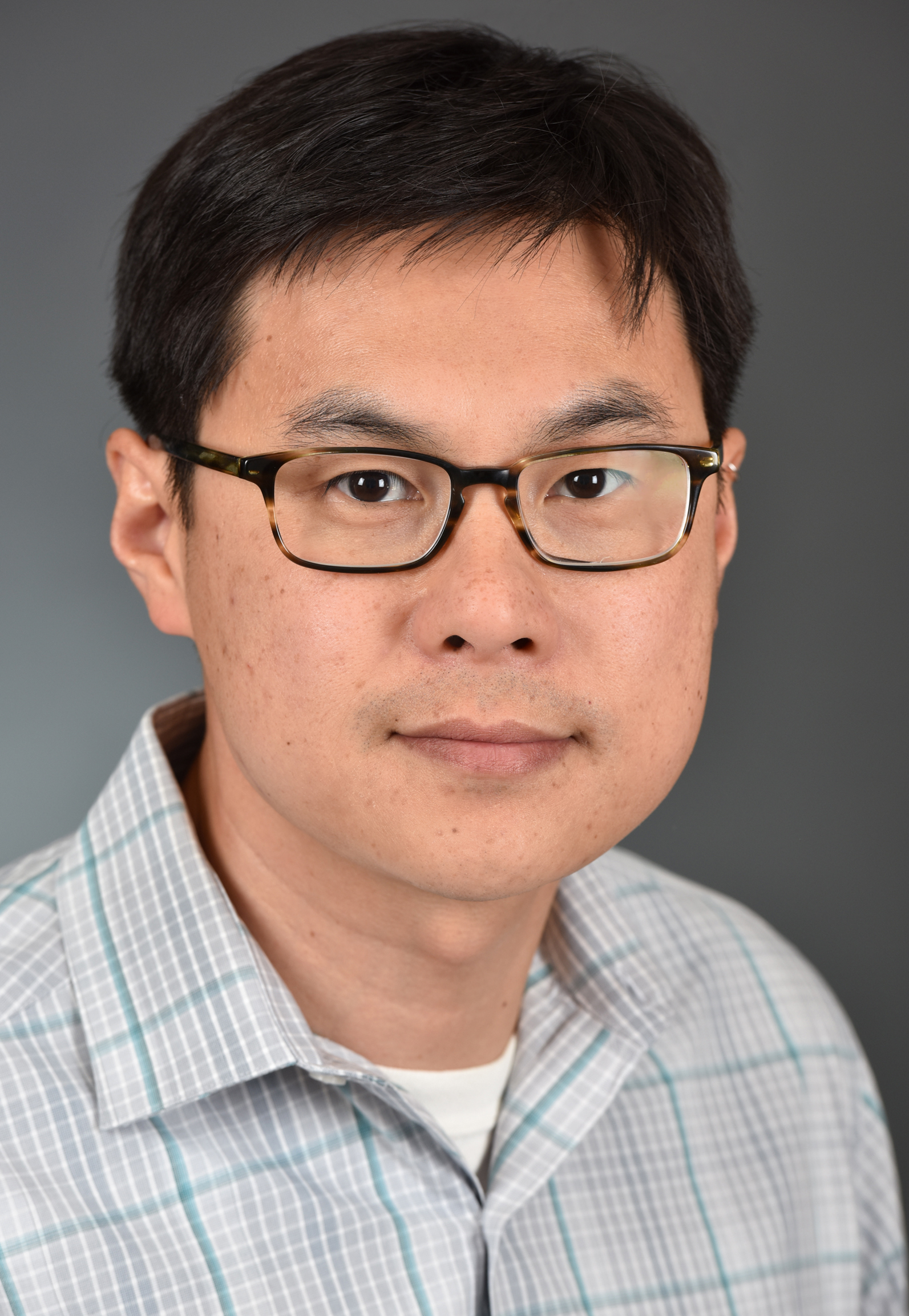
Wei-Chung Allen Lee, PhD, is an Associate Professor of Neurology and Neurobiology at Harvard Medical School. His research focuses on understanding how neural circuits enable behavior through functional connectomics, combining advanced imaging, machine learning, and computational modeling. The Lee Lab develops tools like X-ray holographic nanotomography and GridTape for high-resolution neural structure analysis. Key interests include circuit principles in Drosophila, cerebellar interneurons, and synaptic wiring in decision-making regions. His work explores structural-functional relationships in networks, conservation across species, and developmental constraints on neural architecture. Recent studies highlight connectomic reconstructions in Drosophila, cerebellar disinhibition mechanisms, and blood-brain barrier heterogeneity. Methodological innovations in microscopy and image restoration underscore his lab’s interdisciplinary approach. The Lee Lab is located at 220 Longwood Avenue, Boston, MA, and collaborates on large-scale neuroimaging pipelines like the Open Connectome Project.
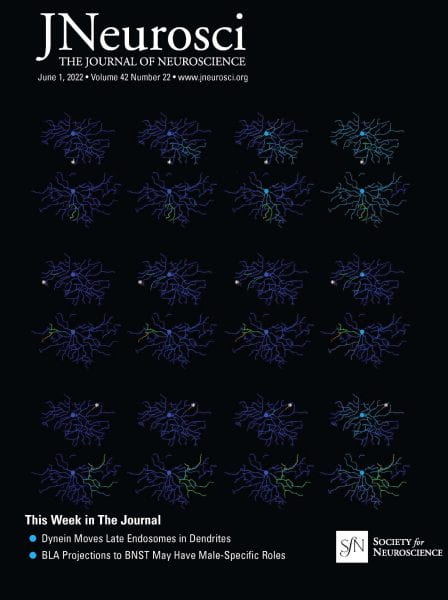
Professor Wei Wei is a distinguished researcher in the Department of Neurobiology at the University of Chicago, where he leads a lab focused on understanding the synaptic basis of neural computation in the retina. His work bridges cellular and systems neuroscience, with particular emphasis on how retinal circuits process visual information to detect motion and other visual features. Institution: University of Chicago Department: Neurobiology Research Focus: Retinal circuitry and visual processing Current Funding: Multiple NIH R01 grants Dr. Wei received his PhD in Neurobiology from Cold Spring Harbor Laboratory in 2008, followed by postdoctoral training at the University of California, Berkeley from 2008-2011. His educational background provided him with a strong foundation in both molecular/cellular neuroscience and systems-level approaches to neural circuit function. Wei's research primarily investigates how neural circuits in the retina are assembled to perform specific computations, with particular focus on motion detection. His lab leverages genetic tools that label specific retinal neuron types to target synapses of interest, using multiphoton microscopy, visual stimulation, electrophysiology, and molecular biology to characterize synaptic maturation and function. A key area of investigation involves starburst amacrine cells and their role in direction selectivity. His work has revealed how dendritic computations, synaptic plasticity, and circuit organization contribute to visual processing. Analysis of Wei's recent publications shows a clear progression from fundamental circuit mechanisms toward understanding more complex visual processing in naturalistic contexts. His work spans from cellular and synaptic physiology to systems-level circuit function, with a consistent focus on motion detection mechanisms. The research increasingly incorporates advanced imaging techniques and computational approaches to understand how retinal circuits transform visual inputs into neural representations. 2012 Whitehall Foundation Grant 2013 Sloan Research Fellowship 2013 E. Matilda Ziegler Foundation Grant 2014 Karl Kirchgessner Foundation Grant 2016 McKnight Scholar Award As Principal Investigator on multiple NIH R01 grants totaling millions of dollars, Wei directs a well-funded research program investigating the synaptic basis of motion detection in the retina. His current projects explore dynamic interactions between synaptic and intrinsic properties of starburst amacrine cells, circuit mechanisms for encoding naturalistic motion, and the developmental basis of motion detection circuits. The lab maintains strong collaborations with other researchers in visual neuroscience, as evidenced by co-authorship with scientists at multiple institutions. The Wei Lab operates within the University of Chicago's Department of Neurobiology, utilizing state-of-the-art facilities for retinal imaging and electrophysiology. The lab employs a multidisciplinary approach that combines genetic, optical, electrophysiological, and computational techniques to dissect retinal circuit function. Current research directions include investigating how short-term plasticity shapes circuit function, how dendritic computations contribute to visual processing, and how retinal circuits adapt to changing visual environments.
Paul Tiesinga is Professor of Neuroinformatics at Radboud University's Faculty of Science, where he directs the Neuroinformatics group at the Donders Centre for Neuroscience. His research focuses on understanding information processing in the brain, particularly the role of oscillations ('brain waves') in cognitive functions and disease mechanisms. He combines computational modeling with experimental approaches including optogenetics to investigate cortical dynamics. As Director of Education for the Institute for Mathematics, Physics and Astronomy, he oversees academic programs while maintaining active research in: Computational modeling of cortical circuits Oscillation mechanisms in neural coding Data sharing policies for neuroscience Information transfer between brain areas His recent publications reflect advances in neurotechnology development, thalamocortical connectivity analysis, and novel methodologies for neural data interpretation.
Michael A. Cohen is an Assistant Professor in the Department of Psychology and Program in Neuroscience at Amherst College, and a Research Scientist at MIT’s McGovern Institute for Brain Research and Department of Brain and Cognitive Sciences. His research explores the boundaries of perception, memory, and cognition using fMRI, EEG, psychophysics, and computational modeling. Cohen completed his PhD at Harvard University under Ken Nakayama and George Alvarez, following a postdoctoral fellowship at MIT with Nancy Kanwisher. His undergraduate work at Tufts University was under Daniel Dennett. Research interests focus on neural mechanisms of visual awareness, perceptual limits, and cognitive processes. Notable work challenges computational theories of consciousness and demonstrates early specialization in infant visual pathways. Methodologically, he combines empirical and theoretical approaches, including task-optimized neural networks to explain brain specialization. Recent studies highlight graded perceptual awareness and predictive simulations in the brain’s ‘physics engine’. His articles frequently address foundational questions in perception and consciousness, with contributions to debates over integrated information theory and the role of attention. Though no formal grants or awards are listed, his cross-institutional collaborations reflect active engagement in cognitive neuroscience research. Labs/Teams: Affiliated with Amherst College Psychology Department labs and MIT’s McGovern Institute, focusing on human brain imaging and developmental neuroscience studies.
Jeffrey M. Chung, MD, FAAN is an Associate Professor of Neurology at Cedars-Sinai Medical Center. He serves as Director of both the Epilepsy Program and the Neurophysiology Laboratory since 2013. His clinical practice focuses on epilepsy and neurophysiology, with 26 years of experience in neurology and clinical neurophysiology. Northwestern University Medical School (1999) - MD Evanston Hospital (2000) - Internship UCLA (2003) - Residency UCLA (2005) - Fellowship Dr. Chung's research explores epilepsy mechanisms, neural signal processing , multi-modal probabilistic mapping for surgical outcomes, and device-oriented therapies . His recent publications focus on theta phase precession in memory , single-neuron correlates of seizures , and neuroimaging in post-stroke conditions . He leads clinical trials on novel anti-seizure agents and neuromodulation techniques. Circle of Friends – Grateful Patient Donation Honoree (Cedars-Sinai) Southern California Super Doctors (Los Angeles Magazine) Falks Medical Scholar (Arthritis Foundation) Golden Apple Teaching Award (Cedars-Sinai) Dr. Chung directs the Epilepsy Program and Neurophysiology Laboratory at Cedars-Sinai, while also mentoring through journal clubs and clinical teaching. He has received multiple industry grants from companies like Marinus Pharmaceuticals and Vertex Pharmaceuticals for trials on treatment-resistant epilepsy. His work bridges clinical care with neurophysiological research and advanced neural signal processing .
Ilana Witten is Professor at the Princeton Neuroscience Institute, Princeton University. Her research investigates the neural mechanisms underlying reward learning, decision-making, and behavioral control using integrative approaches including optogenetics, rodent behavior, electrophysiology, and computational modeling. Research focuses on: Neural circuit mechanisms of reward seeking behaviors Striatal contributions to learning and decision-making Neurobiology of individual differences in behavior Integration of sensory information with reward outcomes Neural plasticity during learning processes Publications center on dopaminergic systems, striatal function, and neural circuit dynamics. Recent trends include work on prediction errors, neural representations of prior information, and circuit mechanisms of behavioral control. Lab: Leads the Witten Lab at Princeton Neuroscience Institute investigating neural circuits of reward and decision.
Chrystal Reed is an Associate Professor in Neurology at Cedars-Sinai Medical Center since 2024, specializing in seizure mechanisms , memory dysfunction in chronic epilepsy , and clinical neurophysiology . She directs the Clinical Neurophysiology Fellowship Program and has held multiple academic and committee roles since joining Cedars-Sinai in 2015. Education: Doctorate (2006) and Post-Doctorate (2007) in Neurology from University of Connecticut Health Center; Residency (2013) at Albany Medical Center; Fellowship (2015) at University of California, Los Angeles. Research: Focuses on hippocampal theta phase precession , working memory dynamics , and post-stroke sleep oscillations , utilizing single-unit analysis , LFP , and multimodal neuroimaging . Teaching: Conducts clinical courses on EEG basics , seizure management , and epilepsy case studies for residents, nurses, and fellows. Her recent publications explore cognitive networks in medial frontal cortex and memory formation in epilepsy patients. Awards include the AAMC Early Career Women Faculty Leadership Development Travel Award (2019) and American Epilepsy Society Fellow Travel Award (2013). She mentors PhD students, residents, and fellows including Natalia Kurilenko, Mahider Gessess, and Dr. Robert Kim.
Dr. Webster H. Pilcher is a Professor and Chair of Neurosurgery at the University of Rochester Medical Center (URMC), where he holds the Ernest & Thelma Del Monte Distinguished Professorship in Neuromedicine. He completed his MD/PhD in Neuroscience/Anatomy at URMC, trained in neurological surgery at Rochester, and pursued epilepsy/brain tumor research at the University of Washington. Education: MD/PhD, University of Rochester School of Medicine/Dentistry (Neuroscience/Anatomy) Undergraduate, Colgate University Dr. Pilcher specializes in epilepsy surgery, brain/spinal tumors, and neurodegenerative diseases. His research includes brain mapping , neurosurgical oncology , and cost-effective care models . Recent publications focus on single-cell genomics , mobile stroke units , and functional connectivity studies . Scientific Awards: Merit Award (2008) Upjohn Surgical Research Award (1987) Resident Research Award (1986) Alpha Omega Alpha (1983) As a clinician-scientist, Dr. Pilcher expanded URMC Neurosurgery to national prominence with $7.9M+ annual funding. He leads the Rochester Neurosurgery Partners initiative and resides in Honeoye Falls, NY, with his family.
Prof. Marzio Gerbella is an Associate Professor in the Department of Medicine and Surgery at the University of Parma. He specializes in neurophysiology with a focus on motor control, sensory integration, and emotional processing. His teaching spans multiple programs including Medicine and Surgery, Nursing, Midwifery, and Ophthalmic Assistance. Key research interests include mirror neuron systems, neuroanatomical networks (e.g., insular cortex, ventral visual stream), and the neural basis of emotional and motor resonance. He has published extensively on topics like cerebellar activation during action observation and functional organization of brain networks. Prof. Gerbella has held teaching appointments across various academic cycles from 2016/2017 to 2025/2026. His recent publications (2023-2025) highlight advanced studies on neural substrates of motor and emotional processes using comparative primate models and human neuroimaging techniques.
Ron Mangun is a Professor of Psychology and Neurology at the University of California, Davis, and co-director of the Center for Mind and Brain . His work bridges cognitive neuroscience, attentional mechanisms, and the interplay between free will and neural processes. Mangun has significantly shaped neuroscience education through his co-authored textbook, Cognitive Neuroscience: The Biology of the Mind , which has sold over 150,000 copies across five editions. 2024 Award for Education in Neuroscience Fulbright US Distinguished Scholar (2024-2025) Mangun's research focuses on visual attention , neural oscillations , and predictive cognitive processes , often integrating EEG-fMRI for high-resolution neural mapping. His recent work explores alpha oscillations, rhythmic environmental sampling, and the ventral attention network's role in reorienting attention. His scientific awards include: 2024 Award for Education in Neuroscience Fulbright US Distinguished Scholar (2024-2025) Mangun has mentored numerous trainees globally through the Summer Institute in Cognitive Neuroscience , a program funded by NIMH, NIDA, and the Kavli Foundation. His research is supported by the National Science Foundation , focusing on attention and free will.
Maya Yablonski is a Postdoctoral Scholar in Pediatrics at Stanford University, affiliated with the Maternal & Child Health Research Institute (MCHRI). Her research focuses on the neural mechanisms of reading development and disorders, particularly in pediatric populations. She employs advanced neuroimaging techniques like functional MRI and diffusion MRI to study how brain regions such as the inferior frontal cortex and visual word form area (VWFA) contribute to reading proficiency, dyslexia, and neuroplasticity. Her work integrates structural and functional neuroimaging to understand how specific brain regions interact during reading tasks. Notable projects include identifying anatomically distinct regions in the inferior frontal cortex modulated by reading skill and demonstrating that dyslexic individuals often exhibit smaller or absent VWFA regions despite interventions. She has also developed rapid online assessments for reading ability, enabling scalable research into literacy mechanisms. Key collaborations involve Jason Yeatman, contributing to studies on developmental reading circuits and functional connectivity patterns in the ventral temporal cortex. Her research addresses both basic science questions (e.g., neural pathways for morphological processing) and translational goals, such as improving diagnostic tools and interventions for reading disorders.
Steven K. Shevell is the Eliakam Hastings Moore Distinguished Service Professor of Psychology and Ophthalmology & Visual Science at the University of Chicago. He is affiliated with the graduate programs in Computational Neuroscience and Integrative Neuroscience, and has served as chair of the latter. His research focuses on visual perception, chromatic adaptation, and neural mechanisms underlying color and form processing. Education: B.A. in Psychology from Stanford University, M.S. in Engineering, M.A. in Statistics, and Ph.D. in Mathematical Psychology from the University of Michigan Shevell's work explores chromatic ambiguity in mid-level vision, neural mechanisms of color perception, and feature-binding errors in visual processing. His research has been funded by NIH grants (R01EY026618, R01EY004802) and spans topics like binocular rivalry, color motion integration, and perceptual grouping. Recent publications address divisive normalization in ambiguous neural representations, interocular similarity grouping, and chromatic adaptation's role in visual processing. His contributions to journals include founding associate editor of the Journal of Vision and editor of the Optical Society of America's The Science of Color .
Keri Martinowich is a Senior Investigator and Director of Translational Neuroscience at the Lieber Institute for Brain Development (LIBD) and an Associate Professor in the Departments of Psychiatry and Neuroscience at Johns Hopkins University School of Medicine. She leads an interdisciplinary research program focused on understanding molecular and genetic mechanisms underlying neuropsychiatric disorders such as schizophrenia, depression, PTSD, and autism. Her research integrates animal models with human postmortem brain studies, using advanced techniques including single-nucleus and spatially resolved transcriptomics, viral transgenesis, and circuit-level manipulation to identify cell-type-specific gene expression patterns and their functional roles in behavior. Her lab develops open-access tools for data exploration and emphasizes reproducibility and data sharing. Dr. Martinowich's recent publications reveal trends across cognitive and computational neuroscience, with a strong emphasis on neural circuits, gene regulation, and translational psychiatry. Her work spans molecular neuroscience, systems-level analysis, and behavior, often focusing on BDNF signaling, fear, social behavior, and cortical-subcortical circuitry. She actively mentors graduate students and postdoctoral researchers, many of whom have advanced to PhD programs and faculty positions. Electrophysiology and attention circuits (locus coeruleus–prefrontal cortex) Spatial transcriptomics in human brain regions (locus coeruleus, prefrontal cortex) BDNF mechanisms in maternal behavior, aggression, and fear memory Cell-type-specific signatures in reward and stress circuits She has no explicitly listed scientific awards in the provided text, but her leadership, high-impact publications, and NIH-level research program indicate significant recognition in the field. Dr. Martinowich advises a diverse team of graduate students, postdocs, and research associates affiliated with programs in Neuroscience, BCMB, CMM, and Human Genetics at Johns Hopkins. Her lab has secured substantial funding to support cross-species studies integrating molecular profiling with behavioral neuroscience. She collaborates extensively with experts in bioinformatics, genomics, and psychiatry. Her laboratory at the Lieber Institute for Brain Development in Baltimore is a hub for translational neuroscience, combining wet-lab experimentation with computational analysis. The team develops interactive dashboards for public data access and focuses on identifying novel therapeutic targets for psychiatric disorders. Current directions include refining spatial transcriptomic methods and reverse-translating human genetic findings into causal animal models.
Claudia Poch Pérez Botija is a researcher affiliated with the School of Language and Education at Universidad Nebrija. Her work focuses on Psychobiology , particularly in cognitive neuroscience and neurophysiological mechanisms of memory and attention. Doctorate: Universidad Autónoma de Madrid (2015) Thesis: Neural oscillatory activity associated with attention orientation in working memory Supervisors: Dr. Pablo Campo Martínez-Lage, Dr. Luis Carretié Arangüena Key research areas include working memory dynamics , emotional processing , neural oscillations (alpha/gamma), and language cognition . Her studies often employ EEG/ERP techniques to explore memory-perception interactions and bilingual cognitive control. Recent publications reveal trends in: Pattern separation mechanisms during memory encoding Cross-modal integration in illusory perception Emotional primacy effects in memory recognition Lesion studies of temporopolar regions in epilepsy patients Neurogenetic influences on fear conditioning (D2 receptor variants) Alpha/gamma oscillation modulation in attentional processes She contributes to understanding mnemonic discrimination , semantic memory impairment in neurological conditions, and neural correlates of bilingualism . Her work bridges basic cognitive mechanisms with clinical applications in temporal lobe epilepsy. Active in the CINC Nebrija Research Center on Cognition and CEDI Research Group , she investigates interrelations between cognition, education, and individual differences.
Lisa D Nickerson is an Associate Professor of Psychiatry at McLean Hospital where she serves as Director of the Applied Neuroimaging Statistics Research Lab. Her work bridges computational neuroscience, biostatistics, and clinical psychiatry with strong affiliations across Harvard University institutions including Harvard Medical School, Harvard Catalyst, and the Harvard Data Science Initiative. Dr. Nickerson's research focuses on developing and applying advanced machine learning and statistical methods for multimodal neuroimaging data analysis, particularly for Alzheimer's Disease, substance use disorders, and psychiatric conditions. She specializes in computational approaches including tensor and matrix decomposition methods, ICA and linked ICA for data fusion, and normative modeling techniques. Her work leverages large-scale datasets such as the Human Connectome Project (HCP), Connectomes Related to Human Disease (CRHD), and Alzheimer's Disease Neuroimaging Initiative (ADNI). Her recent publication portfolio demonstrates a consistent trajectory toward methodological innovation in neuroimaging analysis, with increasing emphasis on data harmonization across multi-site studies, computational approaches to understanding neuropsychiatric symptoms in Alzheimer's Disease, and sex differences in brain circuitry related to addiction. Key themes include brain network analysis, computational psychiatry, and the application of machine learning to clinical neuroscience questions. Dr. Nickerson has received numerous prestigious awards including the NIDA K25 Career Development Award, the O'Keefe Family Junior Investigator Award for Excellence in Imaging, and the Cataldo Award for Excellence in Mentoring. She serves as Associate Editor for Human Brain Mapping and has held leadership roles in the Organization for Human Brain Mapping (OHBM), including chairing workshops and serving on the Communications Committee. In terms of research leadership, she currently serves as Principal Investigator on multiple NIH-funded projects including a five-year R01 grant investigating neuropsychiatric symptoms in Alzheimer's Disease using the HCP Lifespan datasets and a Precision Functional Neuroimaging Core grant. She provides extensive statistical support, training, and mentoring for students and junior scientists, and teaches imaging statistics courses at Harvard and MIT. Her Applied Neuroimaging Statistics Research Lab at McLean Hospital serves as a hub for computational neuroimaging research, integrating expertise in biostatistics, machine learning, and clinical neuroscience. The lab actively collaborates with researchers across multiple institutions and is currently seeking post-doctoral fellows for projects focused on neuroimaging of substance use and multimodal computational neuroimaging related to Alzheimer's Disease.