Dr. Catherine Gayle Sutcliffe is a Research Professor at the Johns Hopkins Bloomberg School of Public Health , affiliated with the Department of Epidemiology and multiple global health centers including the Center for Global Health and International Vaccine Access Center . Her work focuses on infectious disease epidemiology in low-resource settings. PhD (2010) and ScM (2005) in Epidemiology from JHSPH BA in Molecular Biology (2001) from Princeton University HIV care for children remains a central theme, particularly pediatric antiretroviral treatment disparities between urban and rural Zambia. Recent research includes Community-based studies on COVID-19 impact among Indigenous populations and group A Streptococcus epidemiology in American Indian communities. Her work spans Vaccine effectiveness analysis in Bangladesh, respiratory infection surveillance in Africa, and molecular characterization of bacterial pathogens. Current projects involve convalescent plasma trials , vaccine serotype studies , and point-of-care diagnostic implementation . She collaborates across the Johns Hopkins Center for Influenza Research and multiple Indigenous health initiatives.
Thomas Hart is an Assistant Professor at the Department of Molecular Microbiology and Immunology , Bloomberg School of Public Health , Johns Hopkins University . His research focuses on the molecular mechanisms of Lyme disease caused by Borrelia burgdorferi , including host-pathogen interactions , protein-protein interactions , and systems biology approaches to identify vaccine targets. Education: PhD, University at Albany (2021) BS, Furman University (2016) His work spans infectious disease microbiology , vector-borne disease research, and vaccine development . Recent publications highlight mRNA vaccine technology and structural determinants of immune evasion in Cell , Molecular Therapy , and PNAS . Scientific awards and student advisement details are not explicitly mentioned in the provided text.
Jeff Foster is a Professor in the Department of Biological Sciences at Northern Arizona University and holds a dual appointment at the Pathogen & Microbiome Institute (PMI). His research integrates genomics, ecology, and disease dynamics to address critical wildlife health challenges. His primary research interests focus on Wildlife Disease Ecology , particularly white-nose syndrome in bats and brucellosis in wildlife systems. He employs Pathogen Genomics and Microbiome Research to investigate host-pathogen interactions, with significant work on vector-borne diseases, conservation genetics, and Hawaiian ecosystem health. His fingerprint analysis shows dominant specializations in White-nose Syndrome (100%), Infectious Agents (86%), Brucella (54%), and Pseudogymnoascus Destructans (51%). Recent publication trends (2023-2025) reveal strong emphasis on multi-scale disease modeling, bat-tick-pathogen systems, Hawaiian ecosystem dynamics, and genomic epidemiology. His work increasingly incorporates cross-sectoral conservation strategies and examines sex-biased disease impacts at population levels. He leads the research project Microbial ecology in the Chronic Rhinosinusitis Microbiome and has contributed to 69 datasets including genomic analyses of botulinum-toxin-producing Clostridia and Arctic bird immunological studies. His scholarly output includes 150+ works with significant Scopus citations.
F. Agustin Jimenez serves as an Associate Professor in the Department of Zoology at Southern Illinois University Carbondale, where he investigates historical relationships between nematodes and mammalian hosts across the Neotropics through biodiversity inventories, species descriptions, and phylogenetic reconstructions. His work identifies macroevolutionary processes driving faunistic diversification while monitoring infectious disease agents in understudied regions. Ph.D. from the University of Nebraska Dr. Jimenez's research centers on parasitology and nematode systematics, with emphasis on host-parasite coevolution during biotic interchanges. His fieldwork in Neotropical regions documents parasite distribution patterns, host associations, and novel species, contributing to zoonotic disease surveillance. The lab examines how proximal causes like species invasions trigger disease outbreaks and evolutionary consequences including host-switching and diversification. Analysis of his 15 most recent publications (2014-2022) reveals consistent focus on wildlife parasitology, particularly in bobcats, armadillos, and raccoons. Key trends include molecular phylogenetics of nematodes, geographic expansion of vectors like Amblyomma maculatum ticks, and host-switching dynamics in Onchocercidae. Recent work (2020-2022) increasingly addresses climate-driven range shifts and their implications for emerging infectious diseases in North American ecosystems. No scientific awards are documented in the provided materials. Dr. Jimenez actively mentors graduate students, currently seeking PhD candidates for nematode systematics research. His collaborative projects with institutions like the University of Nebraska and international partners involve field collections and biodiversity archives, though specific grant details remain unlisted. Teaching responsibilities include ZOOL 220 (Animal Diversity) and ZOOL 407 (Parasitology). The Jimenez Parasitology Lab operates from Southern Illinois University's Life Science II building, conducting hands-on research on parasite-host dynamics. The team investigates how ecological disruptions alter parasite communities, with ongoing studies of Cytauxzoon felis in bobcats and Trypanosoma cruzi in raccoons. Current initiatives emphasize Neotropical biodiversity documentation and training the next generation of parasitologists through field-based discovery.
Patrick Pearson is a Post Doctoral Research Associate in the Department of Microbiology at the University of Massachusetts Amherst (UMass). His research focuses on tick-borne pathogens, particularly Borrelia burgdorferi (Lyme disease), Anaplasma phagocytophilum , and Rickettsia genotypes. He investigates vector ecology, pathogen transmission dynamics, and potential therapeutic targets. Recent work includes Developing Luminex-based genotyping methods for Borrelia Studying the effects of metabolic inhibitors on Lyme disease spirochetes Analyzing tick populations across coastal Massachusetts islands Exploring the role of host serum resistance in pathogen infectivity His publications highlight expertise in molecular microbiology and epidemiology, with a focus on Vector-host-pathogen interactions Diagnostic assay development Computer vision applications in tick identification Geographic spread of tick-borne diseases
Dr. Herbert Tomaso is Deputy Director of the Institute for Bacterial Infections and Zoonoses (IBIZ) at the Friedrich Loeffler Institute and Head of the Campylobacter and Tularemia Working Group . As a specialist in Microbiology, Virology, and Infectious Disease Epidemiology, his research focuses on zoonotic bacterial diseases, biodefense, and advanced diagnostic techniques. Research Interests: Dr. Tomaso’s work spans genomic analysis of bacterial pathogens like Francisella tularensis and Bacillus anthracis , development of rapid detection methods (e.g., real-time PCR, MALDI-TOF MS), phylogenetic studies of zoonoses, and biodefense applications for biological threat agents. His expertise also includes forensic microbiology and vector ecology, particularly ticks and their role in disease transmission. Publications: His recent articles (2010–2019) emphasize genomic sequencing of Mycoplasma gallopavonis , epidemiological monitoring of tularemia, and innovative detection systems for bioterrorism agents. Key methodologies include phylogenetic analysis, metagenomic approaches, and bioinformatic pipelines for pathogen surveillance. Labs & Teams: Leads the Campylobacter and Tularemia Working Group at IBIZ, collaborating on zoonotic disease surveillance and biodefense research.
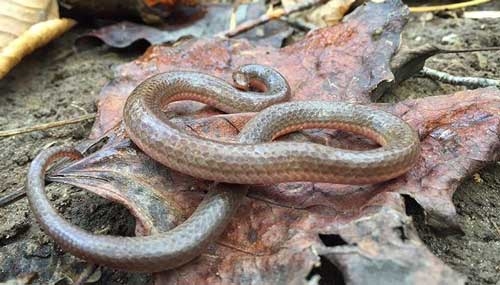
Christopher DePerno is a Professor in the Department of Applied Ecology at North Carolina State University . His work focuses on wildlife management, conservation biology, and disease ecology in wild mammals, particularly black bears, river otters, and urban wildlife. Recent publications highlight his expertise in: Snake identification and taxonomy in North Carolina Zoonotic disease surveillance (e.g., Trypanosoma cruzi , Toxoplasma gondii ) Population genetics of black bears using UrsaPlex v2.0 Human-wildlife conflict mitigation in urban environments His research intersects with: Fire ecology impacts on avian species Antimicrobial resistance patterns in wildlife Chemical restraint protocols for carnivores Genomic analysis of pathogens in wild populations DePerno's work appears in extension publications and peer-reviewed journals, often collaborating with wildlife veterinarians, ecologists, and conservation practitioners.
Javier Guitian serves as Professor of Veterinary Public Health within the Department of Pathobiology and Population Sciences at the Royal Veterinary College (RVC), where he leads the RVC Food Safety research group. He concurrently holds key roles as consultant epidemiologist to the UK Animal and Plant Health Agency, Head of the RVC’s FAO Reference Centre in Veterinary Epidemiology, and Institute Lead of the WOAH Collaborating Centre in Risk Analysis and Modelling. His educational background includes a veterinary degree and PhD in veterinary epidemiology from Universidad de Santiago de Compostela (Spain), complemented by an MSc in data analytics. Prior to joining RVC in 2002 as a lecturer in population medicine, he worked three years in Spain’s private diagnostics sector while concurrently lecturing part-time at Portugal’s University of Porto. Guitian conducts applied research spanning animal and human health with emphasis on zoonotic diseases and food safety. His work integrates epidemiological studies in livestock/human populations and analysis of animal/public health surveillance data across multiple continents. Key research themes include modelling biological hazards in food chains , brucellosis control in dairy systems , MERS-CoV risk assessment , and improving decision-making for Johne’s disease . His projects operate in the UK, India, Rwanda, Jordan, Peru, and Bolivia with strong One Health alignment. Analysis of his 15 most recent publications reveals dominant trends in zoonotic disease modeling (brucellosis, MERS-CoV, Q fever), food safety risk assessment (milk, pork, meat supply chains), and advanced epidemiological methods (machine learning applications, habitat suitability modeling). The work consistently bridges veterinary science, public health, and socioeconomic contexts in both high-income and resource-limited settings. His scientific recognition includes: Graduate Statistician of the Royal Statistical Society Fellow of the Institute of Food Science and Technology Guitian actively mentors through undergraduate/postgraduate teaching in epidemiology and food safety, plus international training programs. He co-led the OIE Veterinary Education Twinning Programme with Jordan University and contributed to China’s Field Epidemiology Training Program for Veterinarians since 2011. His outreach includes supporting the Indoamerican Refugee and Migrant Organization through the Royal Statistical Society’s Statisticians for Society program. He leads the RVC Food Safety research group within the Pathogen Flow in Ecosystems, Sustainable Food Systems, Food Safety, and Antimicrobial Resistance research clusters. Current projects include AMFORA (antimicrobial resistance in aquaculture), brucellosis control in dairy herds, avian influenza threat mitigation, and meat safety in Peruvian urban markets.
Dr. Anette Ella Boklund is an Associate Professor at the Department of Veterinary and Animal Sciences, Faculty of Health and Medical Sciences, University of Copenhagen. With over 20 years of specialized experience, she focuses on epidemiological modeling of contagious diseases in livestock systems. Her expertise spans disease simulation, risk analysis, and outbreak management, particularly for swine and avian pathogens. She maintains active collaborations with industry partners including Danish swine producers and Kopenhagen Fur, adhering to institutional conflict-of-interest protocols. Research Focus: Dr. Boklund's work centers on three primary domains: Development of computational models for disease spread in animal populations Risk assessment frameworks for emerging zoonotic threats Evidence-based biosecurity protocols for livestock industries She maintains particular expertise in African Swine Fever, avian influenza, and foot-and-mouth disease dynamics. Publication Trends: Her recent research (2025) demonstrates strong emphasis on: Transmission modeling across species interfaces (wildlife-livestock) Validation of spatial disease spread algorithms Comparative analysis of international disease mitigation policies Vector competence studies for viral diseases Professional Engagement: Dr. Boklund serves on multiple national and international committees including: Danish Expert Group for Foot-and-Mouth Disease (current) EFSA ASF Working Group (2018-2019) ICAHS 2020 Scientific Committee She regularly presents at veterinary epidemiology conferences and contributes to One Health initiatives.
Jennifer Mendell is an Associate Professor of Biological Sciences at Bridgewater State University, where she has been a faculty member since 2009. She teaches General Biology I, General Microbiology, and Medical Microbiology courses. Education: BA, Wheaton College PhD, Cornell University Dr. Mendell's research spans multiple areas of microbiology and public health. Her primary research focuses on the analysis of microbial communities present in drinking water sources from Cambodia and their impact on human health. She combines microbial ecology with medical microbiology in her community service work, regularly bringing students to Cambodia to address clean water issues. Additionally, she researches the epidemiology of pathogens including Borrelia burgdorferi (the causative agent of Lyme disease) and Anaplasma spp (causing Anaplasmosis) in the tick vector Ixodes scapularis, with particular attention to their prevalence in Plymouth County. Dr. Mendell is actively involved in mentoring and advising undergraduates. She serves as the Honors Chair for the Department of Biological Sciences and is the Faculty Advisor for both the Biology Club and Beta Beta Beta, the National Biological Honor Society.
Christopher J. Pappas serves as Associate Professor and Director of Laboratory Safety in the Department of Biology within Manhattanville University's School of Arts and Sciences. His molecular microbiology expertise drives research and teaching across general biology, parasitology, genetics, and biochemistry disciplines. His educational background includes a Ph.D. (2011) and M.S. (2006) in Microbiology & Immunology from New York Medical College, and a B.S. (2002) in Psychology, Biology and Neuroscience from Syracuse University. Dr. Pappas focuses on vector-borne and zoonotic disease mechanisms, particularly Lyme disease pathogenesis in ticks and genetic survival strategies of saprophytic Leptospira . His work bridges environmental adaptation, bacterial gene regulation, and public health implications of emerging pathogens. His publication record demonstrates consistent contributions to understanding spirochete biology, with recent work advancing genetic tools for Leptospira research and elucidating regulatory pathways critical for environmental persistence. Faculty Member of the Year Award (2013) Martha Lucas Pate, Ph.D. Memorial Award (2011) Multiple 1st/2nd Place awards at NY Medical College research forums (2008-2010) As Director of Laboratory Safety, he founded Manhattanville's Laboratory Safety Committee and chairs the Faculty Budget Committee. His community engagement includes science fair judging and managing the university's Organic Community Garden. Professional affiliations span the American Society for Microbiology, New York Academy of Sciences, and Sigma Xi Scientific Research Society.
Lene Sigsgaard is an Associate Professor in the Department of Plant and Environmental Sciences at the University of Copenhagen's Faculty of Science, where she leads the Section for Organismal Biology. Her research focuses on developing sustainable agricultural systems through ecological understanding of pest regulation and biological control. Education: PhD in Agricultural Entomology from Royal Veterinary and Agricultural University (KVL), 1992-1996 MSc in Agricultural Sciences from KVL, focusing on insect-plant interactions, 1982-1989 Dr. Sigsgaard's research program examines ecological studies of predation across scales from individual to community levels, aiming to develop sustainable production systems that promote natural regulation of insect pests. Her work spans biological control strategies in outdoor food production, plant-herbivore-predator interactions, and integration of functional biodiversity with other management practices in temperate cropping systems. She has extensive expertise in biodiversity in and around cultivated lands as a source of functional biodiversity, and biological control integrated with other methods in Integrated Pest Management frameworks. Analysis of her recent publications reveals a strong focus on applying ecological principles to practical agricultural challenges, particularly in organic apple orchards and strawberry production. Her research examines how floral resources, perennial flower strips, and biodiversity management can enhance pest control while supporting pollinator populations. Several studies investigate specific pest management solutions, including pheromone-based monitoring and biological control agents, with attention to non-target effects and climate change impacts. Professional Leadership: Head of Section for Organismal Biology, University of Copenhagen (2013-2019) Vice-President of IOBC-WPRS (2009-2017) Member of the Pesticide Advisory Council of the Danish EPA (2006-2011) Coordinator of EU CORE Organic+/GUDP EcoOrchard project (2015-2018) Dr. Sigsgaard has supervised 8 BSc, 19 MSc, and 13 PhD students throughout her career, and currently supervises 3 MSc and 3 PhD students as main supervisor with 2 additional PhD students as co-supervisor. She has headed 19 research projects and secured funding from the Danish Council for Independent Research, EU programs, and GUDP. Her research group develops sustainable pest management solutions that integrate ecological principles with practical farming needs, with particular focus on temperate cropping systems in Europe and applications in developing countries.
Nicholas J Haley is an Associate Professor in the Department of Microbiology & Immunology at Midwestern University's College of Veterinary Medicine in Glendale, Arizona. His expertise spans prion diseases, particularly chronic wasting disease (CWD) in cervids, as well as zoonotic and emerging infectious diseases. Dr. Haley teaches courses in veterinary bacteriology, virology, and foreign animal diseases across multiple programs including the Doctor of Veterinary Medicine, Doctor of Osteopathic Medicine, and Integrated Basic Sciences programs. Dr. Haley's academic background includes: Ph.D. in Microbiology from Colorado State University (2010) Doctorate of Veterinary Medicine (D.V.M.) from Cornell University (2004) Dr. Haley's research primarily focuses on chronic wasting disease (CWD), a prion disease affecting deer, elk, and other cervid species. His work centers on developing sensitive diagnostic methods using RT-QuIC (Real-Time Quaking-Induced Conversion) for antemortem detection of CWD. He investigates genetic resistance to CWD through PRNP gene variants in farmed deer populations across North America, exploring how these variants affect disease susceptibility, progression, and diagnosis. His research also extends to hemoparasite surveillance in birds, respiratory and gastrointestinal pathogens in shelter animals, and Marek's disease in backyard poultry in the Phoenix area. Analysis of Dr. Haley's publication record reveals a strong focus on prion diseases, particularly chronic wasting disease. His research spans diagnostic development, genetic resistance studies, transmission mechanisms, and disease management strategies. The publications demonstrate expertise in RT-QuIC technology, PRNP gene variants, and cervid disease ecology, with significant contributions to understanding CWD transmission through bodily fluids and environmental contamination. His work bridges laboratory research with practical applications for wildlife management and farmed cervid operations. Dr. Haley has received significant research funding through: NIH T32 grant during his PhD training at Colorado State University NIH K01 award for post-doctoral research at Kansas State University's Center of Excellence for Emerging and Zoonotic Diseases (CEEZAD) Dr. Haley has been actively involved in collaborative research with state and federal agencies in the US and Canada, as well as with deer and elk farmers. His work on African Swine Fever vaccine development was conducted in collaboration with researchers at Kansas State University's CEEZAD. He has mentored numerous students and researchers in prion disease diagnostics and management, though specific student names are not mentioned in the available materials. His laboratory work focuses on prion detection techniques and genetic studies of cervid populations.
Daisy Ahumada serves as Assistant Professor and Extension Field Crop Pathology Specialist within the Department of Entomology and Plant Pathology at North Carolina State University's College of Agriculture and Life Sciences. Her work focuses on practical disease management solutions for field crops across North Carolina. Her research interests center on Field Crop Pathology with specialized expertise in tobacco diseases, corn pathology, and integrated pest management. Dr. Ahumada develops field-applicable diagnostic tools including dichotomous keys for corn leaf disorders and comprehensive management guides for barn rots and viral infections. Her work bridges laboratory research with on-farm implementation through the Extension service. Analysis of her recent publications reveals strong emphasis on climate-responsive disease management, particularly regarding wet-weather fungal outbreaks in corn and drought-impacted yield scenarios. Her work consistently addresses region-specific challenges in North Carolina's agricultural landscape across tobacco, corn, and cotton production systems. Dr. Ahumada leads the innovative Root Cause Reports initiative which transforms localized field problems into statewide solutions through real-time diagnostic reporting. This program addresses diverse issues from seedling diseases to pest damage, creating a dynamic knowledge-sharing platform for growers.
Natalie Bowman, MD, MPH, MPhil is an Associate Professor of Medicine in the Department of Medicine, Division of Infectious Diseases at the University of North Carolina at Chapel Hill School of Medicine. She maintains her clinical practice at UNC Health and conducts research with primary study sites in Bolivia, Peru, and Nicaragua. Dr. Bowman's educational background includes undergraduate training at Harvard College, medical school at Columbia College of Physicians and Surgeons, residency at Johns Hopkins Hospital, and fellowship at the University of North Carolina at Chapel Hill. She also holds an MPhil from Cambridge University and an MPH from UNC's Gillings School of Global Public Health. Her research program focuses on two main areas: tropical medicine, particularly vector-borne and zoonotic parasitic diseases including Trypanosoma cruzi (the agent of Chagas disease), Zika virus , and toxoplasmosis ; and emerging infections such as Zika virus and SARS-CoV-2/COVID-19 . Dr. Bowman's clinical interests include HIV and chronic parasitic infections such as Chagas disease and neurocysticercosis. She is fluent in Spanish, which supports her work with North Carolina's immigrant population and her international research collaborations. Analysis of Dr. Bowman's recent publications reveals a strong focus on neglected tropical diseases, particularly Chagas disease, with numerous systematic reviews and meta-analyses examining risk factors for disease progression and transmission. Her work increasingly incorporates molecular approaches to understand viral infections like SARS-CoV-2, with particular attention to oral cavity involvement and host responses. Geographically, her research spans the Americas, with significant field work in Bolivia, Peru, and Nicaragua. Dr. Bowman has been actively involved in multiple significant research initiatives including the UNC COVID-19 Pathobiology Consortium, the Respiratory Virus Transmission Network studying household transmission and vaccine effectiveness, and various projects examining the impact of the pandemic in Latin America. Her work demonstrates a consistent commitment to addressing health disparities through research on diseases that disproportionately affect vulnerable populations, both domestically in North Carolina and internationally in Latin America. Dr. Bowman's research bridges clinical practice, epidemiology, and laboratory science to address complex infectious disease challenges.