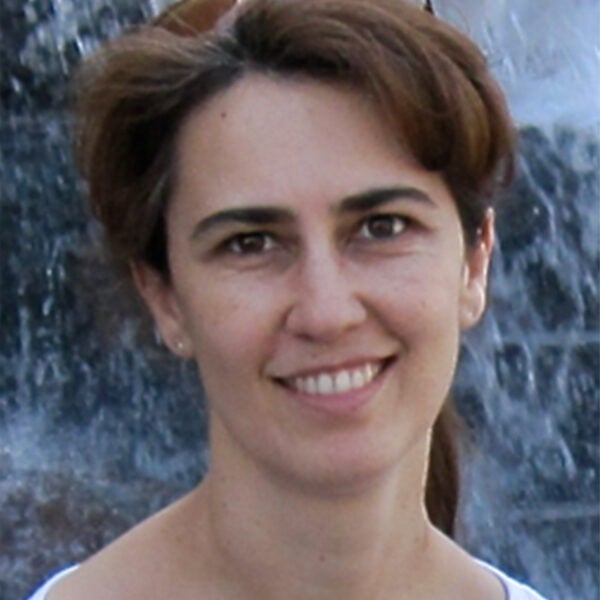
Jaquelin Dudley is Professor in Molecular Biosciences and Associate Director of the LaMontagne Center for Infectious Disease at UT Austin. Her lab studies mouse mammary tumor virus (MMTV) as a model for breast cancer and retroviral pathogenesis. Research Focus: MMTV-induced tumor mechanisms through insertional mutagenesis Viral Rem protein processing via ERAD pathways APOBEC-mediated antiviral innate immunity Publication analysis shows 45% focus on viral replication, 30% on cancer links, 15% on immunity, and 10% on gene therapy vectors. Recent studies examine VCP/p97-mediated viral protein trafficking. Honors & Education: American Academy of Microbiology Fellow (2009) PhD from Baylor College of Medicine Postdoctoral training with Harold Varmus (UCSF)
Roger Jones is an Adjunct Professor at the Institute of Agriculture, University of Western Australia. He holds a PhD from St Andrews University (1972) and has held senior roles at institutions including the International Potato Center, UK MAFF laboratories, and the Cooperative Research Centre for Legumes in Mediterranean Agriculture. His expertise spans plant virology, virus ecology, epidemiology, and integrated disease management. Research Interests: Dr Jones focuses on plant virus ecology, epidemiology, and control, particularly under Mediterranean climates. His work emphasizes seed transmission, vector dynamics, and the impact of climate change on plant viruses. He has pioneered studies on viruses affecting cereals, legumes, root crops, and native flora, with a focus on integrated management strategies. Grants & Awards: He has secured >$3M in research funding from ARC, GRDC, and industry partners. Awards include Fellowships from the American Phytopathological Society (2014), Australasian Plant Pathology Society (2003), and Australian Institute of Agricultural Science and Technology (2002). Advising & Mentorship: Supervised 14 PhD, 8 MSc, and numerous Honours students globally. Current projects include virus-climate change interactions, native plant virology, and deep sequencing of viral genomes. Labs & Collaborations: Collaborates with CSIRO, Murdoch University, and international partners on projects like windborne virus spread and cucurbit disease management. His work bridges agricultural and ecological systems to address global crop challenges.
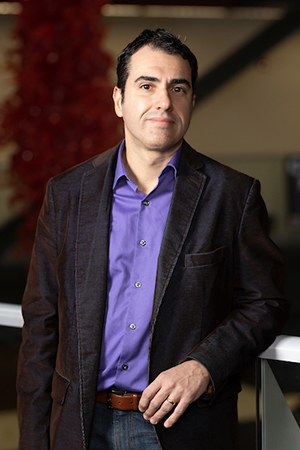
Jarek Nabrzyski is the founding and current director of the Center for Research Computing (CRC) at the University of Notre Dame and a concurrent Professor in the Department of Computer Science and Engineering. He co-directs the Blockchain Research Lab with Ian Taylor and leads the Quantum Computing Lab. His research focuses on distributed ledger technologies, quantum computing, and resource management in distributed, cloud, and exascale systems. He has overseen over 50 national and international research projects developing cyberinfrastructure for science and industry, emphasizing collaboration and team-building in complex projects. Key areas of research include blockchain applications in decentralized systems, quantum algorithm optimization for near-term hardware, and cybersecurity protocols for data integrity. He actively engages in interdisciplinary initiatives like the Center for Social Science Research and has pioneered frameworks for verifiable credentials and reproducible scientific data. His work bridges theoretical advancements with practical industry partnerships. Notable contributions include hybrid cross-chain protocols, quantum Poisson solvers, and frameworks for blockchain trust analytics. His recent publications highlight advancements in AI-driven blockchain stabilization, suspicious transaction detection, and scalable quantum computing solutions. Despite no explicit mentions of awards, his leadership roles and project count underscore significant contributions to computational science and infrastructure. As a mentor, he fosters student engagement in cyberinfrastructure through initiatives like the Cyberinfrastructure Center of Excellence. His labs and collaborations drive innovation in quantum computing, blockchain interoperability, and high-performance computing systems. Current efforts include transparent data tracking for aerospace supply chains and secure scientific data reproducibility.
Prof. Cormac Gahan is a Professor at the School of Microbiology, University College Cork (UCC), and a Principal Investigator at the APC Microbiome Institute. He holds editorial roles in journals like Journal of Pathogens and Microbiome . His research focuses on host-microbe interactions, microbial pathogenesis, and bacterial vaccine development. Prof. Gahan has published 167 peer-reviewed articles, with an h-index of 75 and over 19,000 citations. Education: PhD in Immunology and Microbiology from UCC (1996). Affiliations: APC Microbiome Institute, School of Pharmacy (UCC). Research Interests: Bile acid metabolism, bacterial pathogenesis (e.g., Listeria monocytogenes), live bacterial vaccine vectors, gut microbiota dynamics. His work bridges microbiology, immunology, and clinical therapeutics. Grants & Funding: Over €13.5M from SFI, EU, Health Research Board, and industry partnerships. Current grants include EU Horizon 2020 projects and APC Microbiome initiatives. Labs & Collaborations: Leads the Bile Research Group and collaborates with institutions like Cork Cancer Research Centre and Teagasc. Directs the UREKA summer school program for microbiology training.
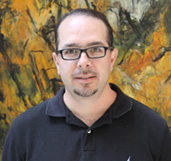
Kevin Myles is a Professor in the Department of Entomology at Texas A&M University's College of Agriculture & Life Sciences. His research investigates mosquito antiviral immunity and genetic control strategies for arbovirus vectors. With a Ph.D. in Microbiology from Colorado State University, his work integrates molecular virology, genomics, and bioinformatics to develop novel vector control methods. Research focuses on RNA interference pathways in mosquito defense, CRISPR-based gene drives for population control, and temperature effects on vector competence. Current projects engineer self-eliminating transgenes and characterize tissue-specific antiviral responses. Analysis of 15 publications reveals emphasis on genetic control technologies (53% of articles), mosquito immunity (27%), and climate-vector interactions (13%). Recent work increasingly addresses safety mechanisms for field applications. Leads development of computational tools like MGDrivE for simulating gene drive efficacy. Research has produced multiple genetic systems for precise modification of mosquito populations, with applications in dengue, Zika, and chikungunya control.
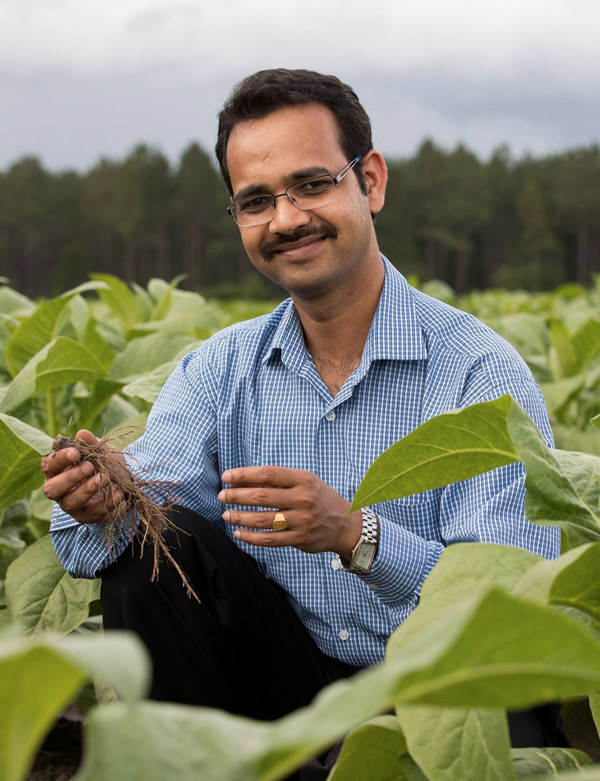
Dr. Sudeep Bag is an Associate Professor in the Department of Plant Pathology at the University of Georgia, part of the College of Agricultural and Environmental Sciences. His primary research focuses on developing management strategies for virus diseases in economically important crops, particularly through interdisciplinary approaches involving genomics and molecular biology. He holds a Ph.D. in Plant Pathology from Washington State University and completed postdoctoral training at the University of California, Davis, and Oregon State University. Dr. Bag's research emphasizes the etiology, epidemiology, and genomics of emerging viral pathogens in vegetable crops, with a focus on understanding host-virus-vector interactions to mitigate disease. His work includes developing genomic tools for managing diseases like spotted wilt virus in peanut and cotton leafroll dwarf virus in cotton. He has secured significant grants from organizations such as the USDA, Georgia Commodity Commissions, and the National Peanut Board to support his research. Key areas of investigation include: Genomic diversity of tospoviruses and other plant viruses Molecular diagnostics for quarantine pathogens Host resistance breeding and gene silencing technologies Ecology of whitefly and aphid vectors Dr. Bag has authored over 90 peer-reviewed publications, including studies in Plant Disease , Viruses , and Journal of General Virology . His work has been recognized with the 2023 Student Career Success Influencer Award for his mentorship of students. Professional roles include: Adjunct Professor at the University of Kelaniya, Sri Lanka Member of the UGA Graduate Program Faculty in Plant Pathology His lab (UGA-Plant Virology Lab) collaborates actively with industry and governmental agencies to address viral threats to Georgia’s agricultural crops.
Kelly Nash is a Professor in the Department of Physics and Astronomy at the University of Texas at San Antonio (UTSA), within the College of Sciences. She also serves as the Vice Provost for Faculty Success, a leadership role reflecting her commitment to academic excellence and faculty development. Previously, she was Associate Dean for Faculty Success (2019–2023) and Director of the Kleberg Advanced Microscopy Center (2018–2020). Education: Ph.D. in Physics, University of Texas at San Antonio M.S. in Applied Physics, University of Michigan B.S. in Physics, Dillard University Prof. Nash's research lies at the intersection of physics, materials science, and biology. Her work focuses on functional nanomaterials , particularly their synthesis, optical properties, and interactions with biological systems. Key areas include biophotonics , nanoparticle synthesis via laser ablation , photoacoustic sensing , and nanotransducers for biomedical applications . Her lab develops nanoparticles for photodynamic therapy, on-demand drug release, antimicrobial treatments, and environmental sensing. Her recent publications reveal a strong trend in leveraging light-matter interactions for biomedical diagnostics and therapy. She pioneers all-optical photoacoustic techniques that eliminate bulky transducers, enabling high-resolution, high-frequency detection. Her work spans fundamental biophysics to translational applications, with materials including gold, selenium, and dichalcogenide nanoparticles. Scientific Awards and Recognition: Air Force Office of Scientific Research Young Investigator Program Award APS Women Physicist of the Month (July 2016) Dillard University Alumni 40–Under-40 San Antonio Business Journal 40-Under-40 UTSA President’s Distinguished Diversity Award UTSA COS Excellence in Community Service Award Prof. Nash is a dedicated mentor and advocate for diversity in STEM. She has served as UTSA-APS Bridge Program Coordinator and chair of the APS Conferences for Undergraduate Women in Physics National Organizing Committee. Her lab, the Functional Nanomaterials Laboratory , receives funding from AFOSR, NIH, NSF, DOE, and NNSA. She is actively involved in grants focused on biophysics, antimicrobial nanomaterials, and STEM education. She welcomes graduate and undergraduate students interested in nano-bio interfaces and translational research. The lab collaborates extensively with institutions such as the University of Texas Health Science Center, Southwest Research Institute, AFRL, and international partners, forming a robust interdisciplinary research network.
Dr. Darko Davitkov is a researcher at the Department of Diseases of Ruminants, Carnivores, Poultry and Game within the Faculty of Veterinary Medicine, University of Belgrade. His academic career spans various clinical and molecular research areas in veterinary medicine, with a focus on parasitic, infectious, and systemic diseases in domestic and wild animals. Veterinary Internal Medicine Molecular Pathology Clinical Parasitology Equine Infectious Diseases Canine Hematology Wildlife Forensic Genetics His research has produced significant publications in journals like Parasites & Vectors and Veterinary Journal , covering topics from DNA-based species identification to oxidative stress in infected animals. While no explicit awards are listed, his work includes book authorship and collaborations on complex clinical cases involving rare diseases and parasitic interactions. Dr. Davitkov's recent work emphasizes parasitology, oxidative stress, and forensic applications in veterinary contexts.
Hana Kammoun is a postdoctoral fellow at the Institut Pasteur in the Biology of Infection Unit since 2018. Her research focuses on Vaccinology Immunology Infectious disease mechanisms Mucosal immunity Her work emphasizes live attenuated vaccine strategies using Bordetella pertussis (BPZE1) to combat respiratory pathogens like influenza and pertussis. She obtained a PhD in Biotechnology (2009-2012) from Lille2 University Master 2 in Genetics and Microbiology (2008-2009) from Lille2 University Engineering degree in Industrial Biology (2003-2008) from INSAT Her postdoctoral experience includes positions at Karolinska Institute's Center for Infectious Medicine (2015-2017) INSERM U1019-CNRS UMR8204's Center for Infection and Immunity of Lille (2013) Lille2 University's CIIL unit during her PhD (2008-2012) Her publications reveal a focus on Live attenuated vaccine development Immune response modulation Cross-protective immunity against Bordetella species Th1/Th17 vs. Th2 immune polarization Long-term mucosal immunization strategies Role of innate lymphoid cells in intestinal homeostasis She has mentored Ranabir Chakraborty (PhD candidate) Paul Courrieu (Master's student) in academic teams at Institut Pasteur and affiliated institutions.
Jürgen A. Richt serves as a Regents and University Distinguished Professor in the Department of Diagnostic Medicine/Pathobiology at Kansas State University's College of Veterinary Medicine. He holds dual leadership roles as Director of the Department of Homeland Security Center of Excellence for Emerging and Zoonotic Animal Diseases (CEEZAD) and Director of the NIH Center on Emerging and Zoonotic Infectious Diseases (CEZID). His career spans prestigious appointments including postdoctoral work at Johns Hopkins University and eight years as a Veterinary Medical Officer at the USDA-ARS National Animal Disease Center. Dr. Richt's research focuses on high-consequence pathogens with zoonotic potential, particularly in the 'One Health' framework. His work spans animal influenza viruses (swine, bat, and avian), prion diseases including BSE, Rift Valley Fever virus, African Swine fever virus, Mpox virus, SARS-CoV-2, and Borna Disease virus. He pioneered the first reverse genetics system for swine influenza virus and developed the Ingelvac Provenza™ vaccine. His current research includes CRISPR-Cas9 gene editing to develop knock-out pigs resistant to influenza and subunit vaccines for Rift Valley Fever and African Swine Fever. Dr. Richt has published over 330 peer-reviewed manuscripts and secured more than $65 million in research grants. His work demonstrates consistent innovation in developing animal models, vaccines, and diagnostics for emerging infectious diseases with significant implications for both animal and human health. Pfizer Animal Health Award for Research Excellence (2011) Fellow of the American Association for the Advancement of Science (2018) Excellence in Research Award from the American Academy of Veterinary Medical Colleges (2021) Dolph Simons Award for Biomedical Research by the University of Kansas (2021) Extraordinary professor at the University of Pretoria A rating from the National Research Foundation of South Africa As founding Director of CEEZAD and CEZID, Dr. Richt supports NIH, DHS, and USDA in protecting public health and U.S. agricultural systems from devastating animal and zoonotic diseases. He serves as editor-in-chief for Virus Genes and on editorial boards for multiple scientific journals including Advances in Virus Research and Emerging Microbes and Infections. His lab continues to advance innovative approaches to combat emerging infectious diseases through cutting-edge molecular techniques and translational research.
Prof. Eleftherios H. Drosinos is a Professor at the Agricultural University of Athens , specializing in Food Safety and Quality Management Systems . He teaches undergraduate and postgraduate courses in these areas and leads research initiatives focused on microbial quality control, HACCP systems, and ISO 9000 series standards. Education: Graduated from the Agricultural University of Athens; Ph.D. from Bath University (UK). His research explores microbial interactions in food systems, particularly pathogenic and spoilage microorganisms, with a strong emphasis on Lactiplantibacillus plantarum and Listeria monocytogenes dynamics across various substrates. He has published extensively on topics like sourdough microbiota, cheese safety, and antimicrobial strategies under the One Health framework. Recent publications (2024) highlight advancements in food spoilage detection, GMO monitoring, and microbial ecology. His work spans both experimental studies and reviews, addressing food safety in retail, fermented products, and fresh-cut vegetables. He directs the Laboratory of Food Quality Control and Hygiene , contributing to standardization and regulatory compliance in the food sector.
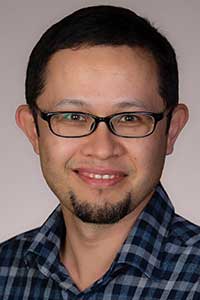
Hassan Hakimi is an Assistant Professor of Veterinary Parasitology in the Department of Diagnostic Medicine/Pathobiology at Kansas State University's College of Veterinary Medicine. His academic journey includes a DVM from University of Tehran, Iran, an MSc from Obihiro University of Agriculture and Veterinary Medicine in Japan, and a PhD from Gifu University United Graduate School of Veterinary Sciences, Japan, followed by post-doctoral trainings at Nagasaki University and Texas A&M University. He is also a Diplomate of the American College of Veterinary Microbiologists-Parasitology. Dr. Hakimi's research focuses on the functional genomics of important protozoan parasites, particularly Babesia and Theileria (tick-borne pathogens), with special emphasis on the molecular mechanisms that underpin parasite survival within host erythrocytes. He has pioneered the development of genetic tools for Babesia parasites, including establishing a CRISPR/Cas9 system and adapting glmS riboswitch system for conditional gene knockdown. A second major research line focuses on Guinea worm (Dracunculus medinensis), aiming to understand immune responses to develop diagnostic tools for this neglected tropical disease. His publication record shows consistent high-impact research output, with recent papers exploring ves1α genes in cytoadhesion, spherical body proteins in red blood cell modification, and genetic tools for parasite manipulation. The research spans molecular mechanisms, diagnostic development, and comparative genomics across various parasite species. Diplomate of American College of Veterinary Microbiologists-Parasitology Dr. Hakimi serves as co-instructor for the Clinical Veterinary Parasitology course (DMP834) for second-year veterinary students. His work bridges basic molecular parasitology with practical veterinary applications, contributing significantly to our understanding of parasite biology and developing tools for disease control. His research has implications for both veterinary and human medicine, particularly in understanding host-pathogen interactions and developing interventions for parasitic diseases.
Dario Ghersi is Associate Professor and Graduate Program Chair for Biomedical Informatics, Cybersecurity, and IT Innovation at UNO's College of Information Science & Technology. He holds an MD from the University of Genoa and a PhD in Structural Bioinformatics from Mount Sinai School of Medicine. Research focuses on cancer genomics, structural bioinformatics, immunoinformatics, and biologically-inspired computing. His lab develops computational methods for understanding protein interactions, T-cell immunity, and therapeutic design. Recent publications demonstrate advancements in viral inhibition strategies, equitable algorithm design, and cancer biomarker discovery. Awards include a 2011 American-Italian Cancer Foundation fellowship. Service includes co-directing the BISB track in the IGPBS PhD program and multiple committee roles.
Mihaela Pertea, PhD, is an Associate Professor in the Department of Biomedical Engineering at Johns Hopkins University, with affiliations in Genetic Medicine and the Computer Science department. She leads the Pertea Lab, focusing on computational methods for analyzing genomic and transcriptomic data to understand cellular function, particularly in gene finding, alternative splicing, and RNA-seq analysis. Her work integrates machine learning and statistical techniques to improve gene annotation and maintain genomic catalogues. Education: PhD in Computer Science (Johns Hopkins University, 2001); multiple degrees from University of Bucharest (BS in Psychology, BS and MS in Computer Science). Affiliations: Center for Computational Biology at Johns Hopkins. Research interests include developing algorithms for transcriptome assembly, splice site prediction (e.g., Splam tool), and tools like StringTie for RNA-seq analysis. Her lab’s work has contributed to genome projects of malaria parasites, nematodes, and other pathogens. Recent achievements include an AIMBE College of Fellows recognition (2025) and innovations in AI-driven gene splicing analysis. Publications span over 70 peer-reviewed articles, emphasizing computational biology tools and genomic studies. Notable collaborations include work on the ENCODE project and genome sequencing of Plasmodium falciparum. Her lab’s tools (e.g., CHESS, GFF Utilities) are widely used in genomic research.
Helen J. Wearing is a Professor in the Department of Biology at the University of New Mexico. She specializes in mathematical biology, focusing on disease ecology and theoretical frameworks to understand host-parasite interactions. Her research integrates mathematical and statistical methods with empirical data to address questions in population dynamics and public health. Dr. Wearing holds a Ph.D. in Mathematics from Heriot-Watt University (2002). Her work emphasizes interdisciplinary collaboration, particularly in virology and public health, to bridge theoretical insights with real-world applications. Key research areas include modeling dengue, schistosomiasis, and hantavirus transmission, with a focus on vector competence, climate impacts, and control strategies. Her publications span topics like mosquito biting behavior, schistosomiasis snail dynamics, and the role of non-model biorepositories in emerging pathogens. These studies highlight the importance of age-structured models and environmental stochasticity in disease systems. While no scientific awards are explicitly listed, her contributions reflect significant academic impact in epidemiological modeling. Her advising and grants focus on training students in mathematical approaches to ecology and epidemiology, though specific grant details are not provided. Dr. Wearing’s lab operates at the interface of mathematics, ecology, and epidemiology, emphasizing practical solutions for public health challenges through rigorous quantitative methods.