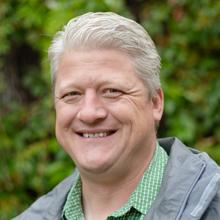
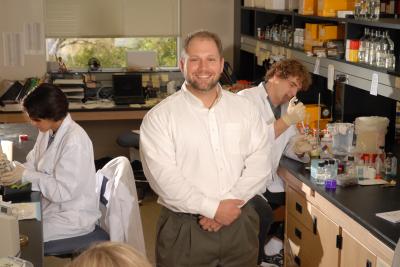
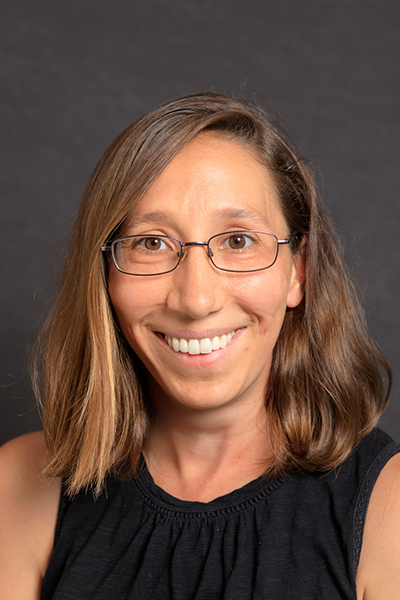
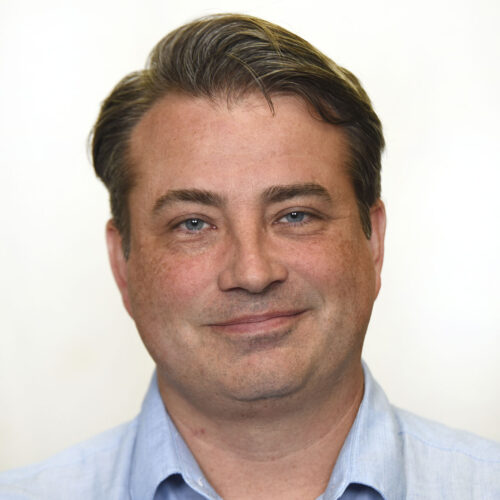
Derek D. Houston is an Assistant Professor of Biology at Western Colorado University, affiliated with the Natural & Environmental Sciences Department and the Clark Family School of Environment & Sustainability. He holds a PhD in Biology from the University of Nevada, Las Vegas (2009), an MS in Zoology from Brigham Young University (2002), and a BS in Zoology from Brigham Young University (1999). His research focuses on phylogeography , molecular ecology , and conservation of desert fishes , with fieldwork spanning western North America, British Columbia, and Baja California. Key interests include: Evolutionary adaptations of aquatic organisms using DNA sequencing Population genetics of western North American fishes Ecological impacts of parasites on mutualistic systems Climate change effects on alpine and desert species Houston teaches courses including Biogeography, Cell Biology, Conservation Genetics, Ecology, and Fisheries Biology. His publications emphasize evolutionary patterns in aquatic insects and fishes , nematode-fig wasp interactions , and conservation genetics , frequently leveraging genomic tools to explore ecological relationships. He conducts fieldwork in diverse western ecosystems and values interdisciplinary collaboration to address conservation challenges.
Niko Rainer Johansson is a Postdoctoral Researcher and Grant-funded researcher at the Botany and Mycology Unit of the Finnish Museum of Natural History, University of Helsinki. His work centers on biodiversity mechanisms and organismal dispersal, with institutional affiliation under Finland's national natural history infrastructure. His research expertise spans: Biodiversity conservation frameworks Evolutionary ecology of cryptogams Lichen symbiosis systems Algal and fungal biogeography Avian-mediated dispersal processes Environmental DNA methodology Current publication trends reveal intensive focus on molecular analysis of bird-transported propagules, particularly examining how avian migration vectors shape fungal, algal, and bryophyte distributions. His work integrates DNA metabarcoding with microscopy to address biogeographical patterns in cryptogamic organisms under changing migration dynamics. Scientific awards: No awards documented in source materials. Research funding includes: Principal Investigator role in "Evolutionary innovations of Fungi in modern and fossil resins" (2021-2025) Ministry-funded DNA barcoding projects for algae classification (2024-2025) EU-supported research on pathogen dispersal resilience (2025-2028) Collaborations extend across Finnish institutions and international networks in mycology and phycology. Active community engagement includes conference presentations at the International Botanical Congress (2024), International Mycological Congress (2024), and specialized workshops on lichen photobionts, demonstrating leadership in contemporary biodiversity research forums.
Professor James Cook is a Theme Leader for Plants, Animals and Interactions at the Hawkesbury Institute for the Environment (HIE) at Western Sydney University. He holds the academic rank of Professor and leads research focused on ecology, evolution, and symbiosis, with particular emphasis on pollination systems and insect ecology. Professor Cook received his BA in Zoology from Oxford University and his PhD in Evolutionary Biology from Imperial College London. His previous academic appointments include positions at La Trobe University, Imperial College London, and the University of Reading. Professor Cook's research interests lie at the intersection of ecology, evolution, and symbiosis , with particular emphasis on pollination systems and insect-microbe interactions . His work spans multiple scales from molecular to ecosystem levels, investigating how species interactions shape biological communities. He is particularly renowned for his expertise in fig-pollinator mutualisms and stingless bee biology . His research integrates field studies, laboratory experiments, and molecular approaches to address fundamental questions in evolutionary ecology while also addressing applied challenges in agricultural pollination and conservation biology . Analysis of Professor Cook's recent publications reveals a strong focus on pollination ecology and insect-microbe symbioses . His work spans both fundamental research on evolutionary processes and applied studies addressing agricultural challenges. A significant portion of his recent work examines stingless bees as potential managed pollinators for Australian horticulture, alongside investigations into alternative pollinators beyond honey bees. His research increasingly incorporates molecular methods to understand microbial communities and their impacts on host biology. There's also a growing emphasis on climate change impacts on pollination systems and the development of resilient pollination strategies for future agricultural systems. Natural Environment Research Council (NERC, UK) College Member (2007-2010) Royal Entomological Society Symbiosis Special Interest Group Convenor (2005-2012) Editorial Board Member, Journal of Evolutionary Biology (2005-2008) NERC Advanced Research Fellow (1998-2003) SERC Research Fellow (1993-1995) Royal 1851 Commission Research Fellow (1991-1993) Australian Entomological Society Conservation Committee Member (2017-present) Invited collaboration with Professor Wan-Jin Liao's group at Beijing Normal University Professor Cook currently leads multiple significant research projects focused on pollination services for Australian horticulture. His grant portfolio includes projects on stingless bee husbandry , alternative pollinators including flies, and pollinator health . He collaborates extensively with researchers across Australia and internationally, with projects spanning from basic research on fig-wasp mutualisms to applied studies on crop pollination. Professor Cook has authored over 70 research articles and six book chapters, demonstrating sustained research productivity throughout his career. Professor Cook's research involves extensive field, laboratory, and glasshouse work, with a strong emphasis on molecular methods. His work connects with collaborators across Australia, India, China, France, the UK, and the USA, creating a robust international research network focused on pollination ecology and insect symbioses. His leadership in the Plants, Animals and Interactions research theme at HIE provides a framework for integrating fundamental ecological research with practical applications for sustainable agriculture and conservation.
Dr. Scott Napper is a Professor in the Department of Biochemistry, Microbiology & Immunology at the University of Saskatchewan, with a concurrent appointment as Senior Scientist at VIDO-Intervac. His work bridges structural biochemistry and immunology to address challenges in protein misfolding diseases, vaccine development, and host-pathogen signaling. Ph.D., Department of Biochemistry, 1999, University of Saskatchewan B.Sc. Honours, Department of Biochemistry, 1994, University of Saskatchewan Dr. Napper's research focuses on: Vaccine development for prion diseases and proteinopathies Kinome analysis for infectious disease mechanisms Peptide array technology for high-throughput signaling studies Science education outreach to secondary and undergraduate students Recent publications highlight his work in: Prion disease immunization strategies Host kinome responses to prebiotics Epitope immunogenicity prediction Comparative stress response analysis in livestock Scientific recognition includes: Three-time recipient of University of Saskatchewan Teaching Excellence Award His research program integrates computational approaches with experimental validation to identify therapeutic targets in: Infectious diseases of humans and animals Cancer signaling pathways Protein misfolding disorders Food contaminant toxicity
Dr. Laura Russo is an Assistant Professor in the Department of Ecology and Evolutionary Biology at the University of Tennessee, Knoxville. She joined in 2020 after completing a Marie Curie Sklodowska Fellowship at Trinity College Dublin, Ireland, and prior postdoctoral research at Cornell University, Penn State University, and the University of Queensland. Her academic journey includes a B.A. in Biology from Oberlin College and a Ph.D. in Ecology from Pennsylvania State University. Dr. Russo’s research focuses on pollination ecology, network theory, and invasion biology. Key questions in her lab explore win-win scenarios for conservation and agriculture, plant-pollinator interaction networks, and managing species interactions in complex ecosystems. She investigates how environmental factors like fertilizers, herbicides, and climate change affect pollinator behavior and community dynamics. Her work bridges theoretical and applied ecology, with studies on floral resource quality, pollinator preference, and the ecological impacts of invasive species. Notable projects include optimizing powerline vegetation management for pollinator diversity and assessing agricultural practices’ effects on pollinator health. She has published extensively in high-impact journals like PLoS ONE , Oecologia , and Agriculture, Ecosystems and Environment . Dr. Russo teaches ecological modeling and field courses, emphasizing hands-on research. Her lab collaborates internationally, with fieldwork in diverse ecosystems from Kenya to Ireland. Current opportunities are available for students and postdocs interested in pollination networks, invasion ecology, or agroecology. Her research has been supported by grants from USDA NIFA, NSF DMS, and the Marie Curie program. She advises on pollinator-friendly agricultural policies and collaborates with conservation organizations to translate ecological findings into practical solutions.
Louis Lambrechts is a Researcher and Head of the Insect Infection & Immunity Group at the Institut Pasteur in Paris, France, within the Department of Virology. His research focuses on the ecology, evolution, and genetics of mosquito-virus interactions, particularly involving Aedes aegypti and arboviruses such as dengue and Zika. He leads a dynamic research team and multiple national and international projects funded by agencies including ANR and EU consortia. His research interests include arbovirus transmission dynamics, vectorial capacity, mosquito genetics, evolutionary ecology, host-pathogen interactions, and the role of microbiota in vector competence. He employs genomics, quantitative genetics, and experimental evolution to understand the mechanisms underlying variation in mosquito susceptibility to viral infection. His work has important implications for predicting and controlling arboviral disease outbreaks. Lambrecht’s recent publications reveal key insights into the genetic and environmental factors influencing arbovirus transmission, including the role of mosquito population variation in Zika transmission in Africa, the impact of endogenous viral elements, and the discovery of antiviral roles for cytochrome P450 enzymes. His research integrates molecular biology, field studies, and computational modelling, contributing to a comprehensive understanding of vector-borne disease systems. He has mentored numerous PhD students, postdoctoral researchers, and visiting scientists, fostering a collaborative and interdisciplinary research environment. His lab collaborates widely with institutions across Europe, Africa, and the Americas. Lambrecht’s work is supported by multiple ongoing projects such as CAZIKANO, INTRANZIGEANT, ANR PILGRIM, and LIPOARBO-IVI, focusing on Zika virus transmission, genetic drivers of vectorial capacity, and mosquito-virus specificity. His lab is also involved in broader initiatives like the LabEx IBEID and the Emerging Infectious Diseases program at Institut Pasteur.
Dr Andrew Grierson is a Senior Lecturer in Neuroscience at the School of Medicine and Population Health, University of Sheffield, based at the Sheffield Institute for Translational Neuroscience (SITraN). His research focuses on molecular mechanisms of neurodegenerative diseases with translational applications. His educational background includes: PhD in Molecular Genetics from the University of Sheffield (1991-1994) BSc in Genetics from the University of Sheffield (1988-1991) Dr Grierson's work centers on axonal transport regulation in motor neurone disease (MND) and hereditary spastic paraplegia (HSP) , utilizing zebrafish and mouse models to investigate disease mechanisms and therapeutic interventions. Current projects include HDAC6 inhibition studies for CMT2A and HSP, C9ORF72 protein function analysis in ALS, and spastin gene replacement therapy development. His laboratory emphasizes preclinical translation with strong industry and charity partnerships. Analysis of his 15 most recent publications (2013-2022) reveals consistent focus on ALS/MND pathophysiology, with increasing emphasis on C9ORF72-related mechanisms , mitochondrial dysfunction , and therapeutic target validation . The work bridges basic molecular neuroscience and clinical applications, predominantly using in vivo models and translational biomarkers . Dr Grierson supervises multiple PhD students and collaborates with Pamela Shaw and Bob Johnston at Sheffield. His research group includes technicians Katie Adamson and Gary Shaw, operating within SITraN's specialized facilities for neurodegenerative disease research.
Elissa A Hallem is a Professor in the Department of Microbiology, Immunology, and Molecular Genetics at the David Geffen School of Medicine, University of California, Los Angeles (UCLA) . Her research lies at the intersection of neurobiology and parasitology , focusing on the sensory neural circuits that drive host-seeking behavior in skin-penetrating nematodes like Strongyloides stercoralis , a human-parasitic worm. She also investigates chemosensation , host-pathogen interactions , and sensory plasticity using both parasitic nematodes and the free-living Caenorhabditis elegans as comparative models. Education BA in Biology and Chemistry from Williams College (1999) PhD in Neuroscience from Yale University (2005) Postdoctoral training in Biology at Caltech (2010) Research Focus Her work addresses fundamental questions about how sensory circuits enable parasitic worms to detect and infect hosts. Key findings reveal the neural basis of heat seeking , chemosensory valence , and experience-dependent plasticity in nematodes. She has developed genetic tools for Strongyloides and studies steroid hormone pathways in Pristionchus pacificus . Scientific Awards 2023: UCLA Life Sciences Excellence in Research Award 2020: UCLA Faculty Mentor Award 2016: HHMI Faculty Scholar Award 2015: Burroughs-Wellcome Fund Investigators in the Pathogenesis of Disease Award 2014: NIH Director's New Innovator Award 2012: MacArthur Fellowship 2011: Rita Allen Foundation Fellowship Lab Overview The Hallem Lab at UCLA emphasizes inclusive research and tool development for parasitic nematode studies, aiming to uncover novel strategies for preventing infections through understanding sensory-driven parasitic mechanisms.
Anastasia Levitin is a Professor of Practice in Translational Medicine at the Keck Graduate Institute (KGI), affiliated with the Riggs School. She joined KGI in 2013 and serves as Program Director for the MS in Applied Life Sciences, MCHA in Community Health Administration, and the Advanced Skills Training in Medical Assistance workshop. Her academic background includes a BSc and PhD in Biology/Biochemistry from Concordia University, Canada, with postdoctoral training at McGill University, Stanford University School of Medicine, and the National Research Council of Canada. Dr. Levitin’s research focuses on host-pathogen interactions and microbial toxin mechanisms, emphasizing drug repurposing for infectious diseases. Key projects include anthrax toxin inhibition, bacterial pathogen drug screening, and Drosophila models for infection studies. She explores adaptive antibiotic resistance mechanisms and develops host-targeted therapies to combat antimicrobial resistance. Her work bridges basic research with translational applications, offering novel solutions for infectious disease treatment. Publications highlight her contributions to anthrax therapy, Drosophila infection models, and broad-spectrum antibacterial agents. Her research demonstrates cross-disciplinary innovation, addressing urgent global health challenges in microbiology and clinical therapeutics.
Dr. Paulina Flannery is a Lecturer in Molecular Biology/Biotechnology at Bangor University's Faculty of Science and Health, within the Department of Bioveterinary and Microbial Sciences. She obtained her PhD in Microbiology from the National University of Ireland, Galway, focusing on norovirus contamination in shellfish and public health implications. Her expertise includes virology, molecular diagnostics, and veterinary medicine, with a current focus on microbial pathogens and bacteriophage therapy to combat antibiotic resistance. She has authored over 35 peer-reviewed articles and collaborates internationally on viral diagnostics and biosafety training. Her research spans veterinary virology, including work at the Pirbright Institute on high-consequence animal viruses and development of molecular diagnostics. She actively contributes to the UN Sustainable Development Goals, particularly in addressing health and environmental challenges. Notable collaborations include developing high-throughput sequencing methods and training programs for exotic virus identification. Recent press coverage highlights her work on estuarine microbial dynamics and pathogen management. While currently accepting PhD students, no formal advisees are listed. Her contributions to rapid diagnostic tools for viral pathogens underscore her commitment to advancing veterinary and public health solutions.
Amy Gillgrass is an Assistant Professor in the Department of Microbiology & Immunology at Dalhousie University, Faculty of Medicine. Her research focuses on virology, immunology, and infectious diseases, particularly HIV cure strategies, HIV/TB co-infection pathogenesis, and mucosal immunology using humanized mouse models. She holds a BSc/MSc/PhD from McMaster University and has held positions at Turnstone Biologics (2017-2019) and McMaster University (2019-2024) before joining Dalhousie. Education/Work: BSc/MSc/PhD in Microbiology & Immunology from McMaster University 2017-2019: Scientist at Turnstone Biologics 2019-2024: Assistant Professor at McMaster University Her laboratory investigates host-pathogen interactions, with a focus on developing humanized mouse models to study HIV cure pathways and TB co-infection dynamics. Recent work includes vaccine development against SARS-CoV-2 variants and cancer immunotherapy leveraging NK cells. Awards & Recognition: 2023-2026 E.J. Moran Campbell Internal Career Research Award (McMaster University) 2014 McMaster University Outstanding Thesis Award CIHR Frederick Banting & Charles Best Scholarship (2009-2011) Current activities include recruiting graduate/honours students and advancing translational research in immunomodulatory therapies and vaccine design. The Gillgrass Lab collaborates extensively across disciplines to address global health challenges posed by infectious diseases and cancer.
Dr. Michael J. Yabsley is a Professor with a joint faculty position at the University of Georgia's College of Veterinary Medicine and the Warnell School of Forestry and Natural Resources. His expertise lies in wildlife diseases, parasitology, and One Health approaches. He investigates zoonotic pathogens and their roles in wildlife, domestic animals, and human health. Education: BS, Clemson University (1997) MS, Clemson University (2000) PhD, University of Georgia (2004) Fellow of the Royal Entomological Society (2010) Research Interests: Dr. Yabsley focuses on wildlife diseases, particularly ticks and tick-borne pathogens, guinea worm ecology, raccoon roundworm, and bird parasites. He emphasizes One Health strategies to understand disease dynamics across species and ecosystems. Recent Research Trends: His articles highlight emerging pathogens in wildlife, including zoonotic parasites like Baylisascaris and Sarcoptes, as well as the spread of invasive ticks like Haemaphysalis longicornis. He also explores the impact of environmental factors on disease transmission. Diagnostic and Professional Involvement: He provides diagnostic support for wildlife cases via the SCWDS and is active in professional organizations. His work bridges veterinary, ecological, and public health domains. Labs/Teams: Collaborates with the Southeastern Cooperative Wildlife Disease Study (SCWDS) and the Warnell School, focusing on wildlife disease surveillance and One Health initiatives.
Pallavi Singh is an Associate Research Scientist at Yale School of Medicine's Department of Internal Medicine, specializing in infectious diseases including malaria and babesiosis. Her research focuses on understanding host-parasite interactions, vector-borne disease transmission mechanisms, and developing diagnostic tools and therapies. She holds a PhD in Parasite and Insect Vectors from Institut Pasteur (2017) and an MSc in Genetics from University of Delhi (2012). Key research areas include Babesia species pathogenesis, polyamine metabolism in parasites, and multi-omics approaches to identify drug targets. Collaborates extensively with teams studying malaria and tick-borne diseases. Has developed novel culture systems for Babesia parasites and fluorescent assays for enzyme activity measurements. Her work bridges basic science and translational medicine, addressing critical gaps in understanding and combating vector-borne infections.
Dr. Michael Walsh is a Senior Lecturer in the Sydney School of Public Health at the University of Sydney and Co-Lead of the One Health Node. He is affiliated with the Sydney Institute for Infectious Diseases, Sydney Institute of Agriculture, and Sydney Southeast Asia Centre. His work focuses on landscape epidemiology and One Health approaches to zoonotic diseases, particularly at wildlife-livestock-human interfaces. Research interests include zoonotic pathogen ecology, disease spillover mechanisms, and interventions at anthropogenic landscape interfaces. Current projects involve biosurveillance of zoonoses in India and Australia, climate-driven arbovirus dynamics, and urban ecology impacts on disease. Teaching includes PUBH5400 One Health and PUBH5300 Infectious Disease Epidemiology. He has taught for 21 years at institutions including NYU and the University of Sydney. Publications emphasize JE virus epidemiology, Kyasanur Forest disease, and Rift Valley fever. Key grants include a biosurveillance collaboration in India (2018) and a food safety initiative (2017). His lab (EpiBio) explores transdisciplinary solutions to emerging zoonoses, with fieldwork in deforested regions and high-risk agricultural zones.
Nolwenn Dheilly is a researcher at the Pasteur Institute in Paris, France, contributing to studies on emerging infectious diseases, particularly in the areas of virology, parasitology, and microbiome science. She is actively involved in pathogen discovery and molecular characterization of viruses and parasites, with a focus on zoonotic agents and host-pathogen interactions. Her research interests span Virology , Parasitology , Microbiome , Emerging Infectious Diseases , Zoonoses , Metagenomics , Molecular Virology , and Host-Pathogen Interactions . Her work integrates molecular biology, genomics, and ecological perspectives to understand how microbial communities influence parasitic life cycles and disease transmission. The recent publications highlight a strong trend in viral discovery and classification, including work on Jingchuvirales, circoviruses, and flaviviruses like West Nile and tick-borne encephalitis virus. Her research also explores the virome of parasites and the role of symbiotic microbes in helminth evolution. These studies are critical for advancing diagnostics, understanding disease emergence, and informing public and veterinary health strategies. Scientific Awards: No awards listed in the provided text. Advising and Grants: No formal students or grants are mentioned in the available information. However, her collaborative work across multiple institutions and projects, including Labex IBEID and ANR PREZODE AMAZED, suggests active participation in funded research initiatives and interdisciplinary teams. Labs and Teams: She is part of a research group at the Pasteur Institute led by Marc Eloit, focusing on pathogen discovery and metagenomics. Her collaborations extend to teams working on veterinary virology, arboviruses, and parasitic microbiomes, indicating integration within a broad network of infectious disease research.