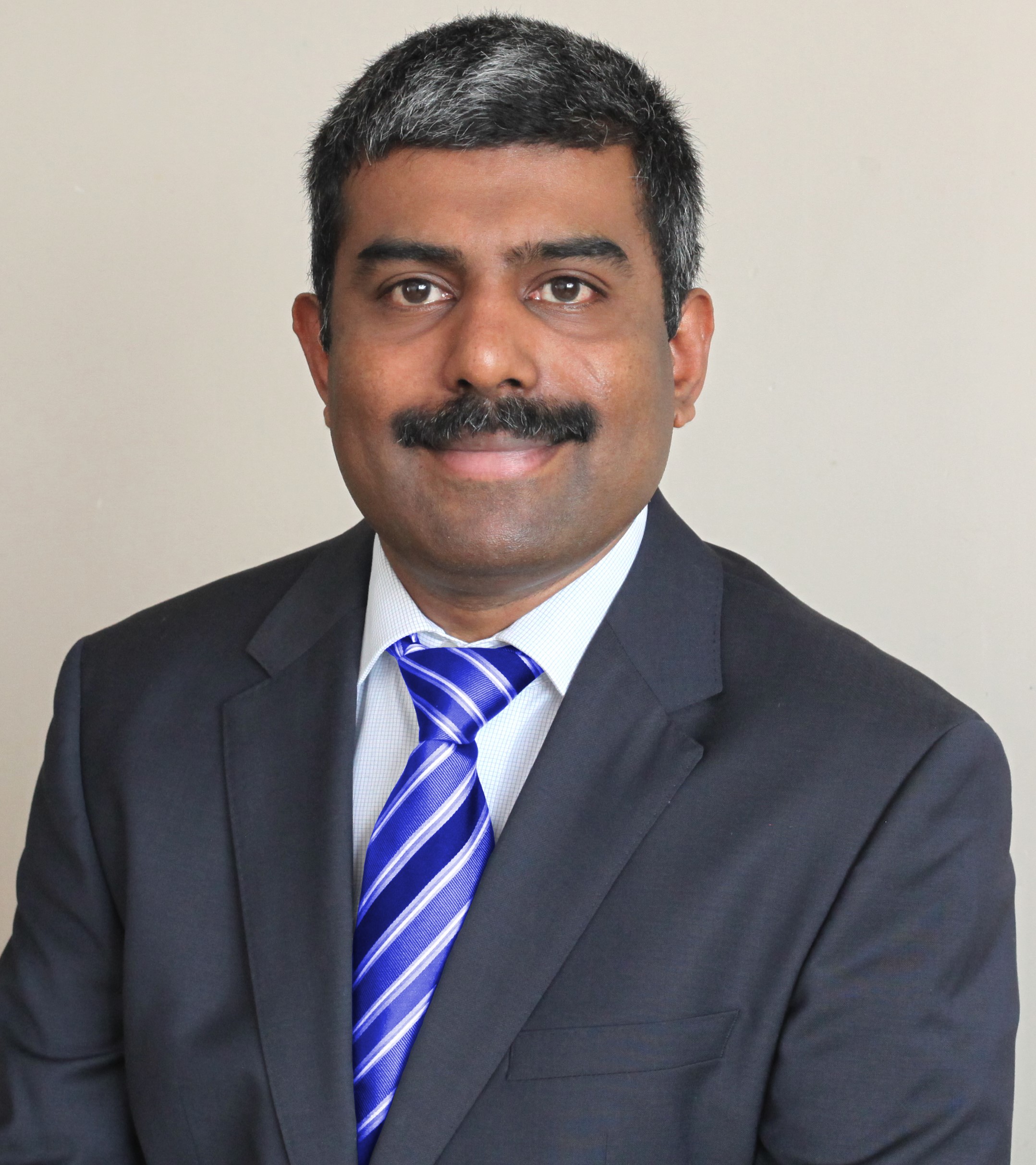
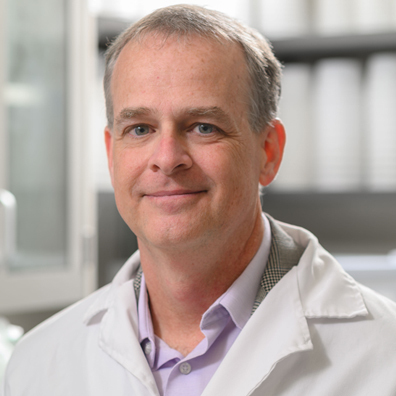
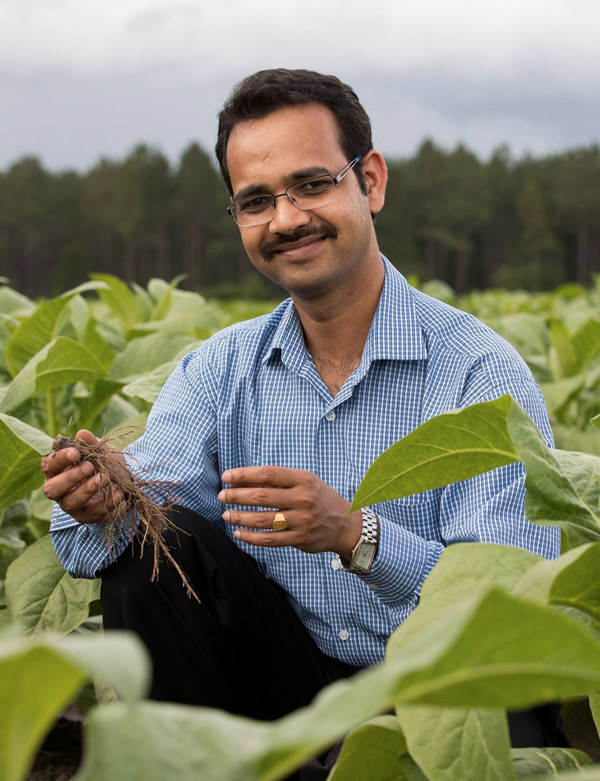
Dr. Anil Kumar is an Assistant Professor in the Department of Biochemistry, Microbiology & Immunology at the University of Saskatchewan's College of Medicine. He specializes in molecular virology, focusing on positive-stranded RNA viruses and their interactions with host immune systems. His research employs high-throughput genetic screens and reverse genetics systems to identify host factors critical for viral infection. Education includes a BSc in Agricultural Sciences (1999, Kerala Agricultural University), MSc in Plant Pathology (2001, Indian Agricultural Research Institute), and PhD in Molecular Virology (2010, University of Heidelberg). Postdoctoral training included stints at the University of Heidelberg (2010–2013) and the University of Alberta (2014–2020). Research interests center on Eastern Equine Encephalitis virus (EEEV) and Enterovirus D68 (EV-D68). For EEEV, his lab investigates immune evasion mechanisms and host-virus protein interactions to identify therapeutic targets. For EV-D68, they study CNS invasion mechanisms and novel host dependency factors linked to acute flaccid myelitis (AFM). Recent work includes studies on SARS-CoV-2, uncovering roles for host proteins like Argonaute 2 in viral restriction. His lab integrates molecular biology, virology, and systems biology approaches, with a focus on translational research for antiviral drug development. Collaborations include work on respiratory syncytial virus (RSV) entry mechanisms and dengue virus replication regulation.
Dr. Gary Brewer is a Professor in the Department of Entomology at the University of Nebraska-Lincoln, with a 60% research and 40% teaching appointment. He has served as department head at NDSU (1997-2006) and UNL (2006-2018). His research focuses on field crops entomology, IPM of pasture cattle flies, salt creek tiger beetle conservation, and pollinator health. He has pioneered a push-pull strategy using coconut oil-derived repellents and led curriculum design for Rwanda’s Conservation Agriculture program. Education: B.S. in Zoology, University of Nebraska-Lincoln (1974) M.S. in Entomology, University of Nebraska-Lincoln (1978) Ph.D. in Entomology, Kansas State University (1984) Research Interests: Brewer’s work spans insect ecology, pest management, and conservation. Key areas include stable fly and horn fly control, pollinator protection, and endangered species recovery (e.g., Salt Creek tiger beetle). His lab develops natural product-based pest repellents and evaluates biopesticides for sustainable agriculture. Grants & Contributions: $362,150 USDA grant for undergraduate research in beneficial insect protection (2018) $325,000 USDA grant for multi-tactic stable fly control (2017) NE Game and Parks funded salt creek tiger beetle reintroduction programs Labs & Teams: Brewer’s team collaborates with industry (e.g., Vestergaard Frandsen) and international partners to advance IPM strategies. His work bridges field research with applied solutions for farmers and conservationists.
Professor Dieter Hochuli leads the Integrative Ecology research group in the School of Life and Environmental Sciences at the University of Sydney. His research focuses on biodiversity conservation in urban environments, with particular emphasis on arthropod ecology, habitat management, and the ecological dynamics of human-dominated landscapes. His work bridges community ecology and landscape-scale conservation strategies. Research interests center on urban biodiversity conservation, insect-plant interactions, ecosystem function in modified environments, and the ecological impacts of invasive species. Current projects examine how urban planning decisions affect biodiversity, the role of green infrastructure in supporting ecosystem services, and human-wildlife interactions in urban fringes. Analysis of recent publications reveals consistent themes: urban pollinator ecology, wildlife disease ecology at the urban interface, experimental approaches to urban green space management, and biodiversity responses to urbanization. His work integrates ecological theory with practical conservation applications. Professor Hochuli leads field-based ecology projects across Sydney's urban environments and collaborates with local councils on biodiversity mapping initiatives. He currently supervises graduate students researching urban arthropod communities, wildlife conservation, and ecosystem restoration.
Vera D'Urso is an Associate Professor of Zoology at the Department of Biological, Geological and Environmental Sciences, University of Catania, where she has been employed since 1994. Her academic career began with a CNR scholarship from 1977-1980, followed by work as a Confirmed Researcher at the Faculty of Natural and Mathematical Sciences, University of Catania from 1980-1994. She has received DAAD scholarships for research at the University of Marburg in Germany in 1984 and 1987. Dr. D'Urso earned her Degree in Biological Sciences from the University of Catania with a grade of 110 cum laude. She furthered her expertise with postgraduate courses in "Quantitative Methods in Ecology" at the International Center of Theoric Physics in Miramare, Trieste in 1980. Dr. D'Urso is a leading expert in several entomological fields, with primary research interests in: Insecta Homoptera Auchenorrhyncha (leafhoppers and related insects) Insecta Diptera Phlebotominae (sand flies) Systematics and biodiversity of Mediterranean insects Insect vectors of phytoplasmas affecting economically important plants Alien species and their ecological impact Tardigrades and their taxonomy Her extensive publication record spanning over 95 scientific papers demonstrates her expertise in insect systematics, morphology, and ecology. Recent research has focused on Mediterranean biodiversity, particularly examining alien species like Balclutha brevis and their impact on local ecosystems. She has also made significant contributions to understanding phytoplasma transmission in grapevines, sandfly vectors of leishmaniasis in Sicily, and tardigrade taxonomy in extreme environments including Antarctica. Dr. D'Urso has served on numerous scientific committees including the editorial board of Biodiversity Journal, and has been a referee for multiple prestigious journals. She has participated in research projects including "Morphology, Systematics, Biology and Biogeography of Rhynchota Insects" (1994-99) and studies on sandflies in areas with high canine leishmaniasis endemicity (2004-06). Her academic service includes membership on doctoral committees at the University of Catania, participation in national evaluation committees for associate professor positions in Zoology, and serving on the Department Board of the Department of Biological, Geological and Environmental Sciences (2018-2020). She has also conducted numerous entomological collection missions in Italy and abroad including Greece, Bulgaria, Macedonia, former Yugoslavia, Germany, Tunisia, Libya, and Malta.
Saumik Basu is an Assistant Professor in the Department of Entomology at the University of Georgia (UGA), based at the Tifton Campus within the College of Agricultural & Environmental Sciences. His research focuses on developing sustainable integrated pest management (IPM) strategies for vegetable crops in South Georgia. He leads the Vegetable Entomology Lab, which investigates pest complexes like whiteflies, diamondback moths, and pepper weevils, along with their interactions with plant pathogens. His work emphasizes molecular ecology, plant defense mechanisms, and the role of abiotic factors (e.g., climate, soil microbiota) in pest management. Education: B.S. in Human Physiology, University of Calcutta M.S. in Biotechnology, Visva-Bharati University Ph.D. in Molecular Plant Virology, Jawaharlal Nehru University Postdoctoral Research: University of Nebraska-Lincoln (UNL) and Washington State University (WSU) Research Interests: Molecular mechanisms of plant-insect interactions Sustainable IPM for vegetable pests Plant defense signaling and phytohormonal crosstalk Impact of soil microbiota on pest-pathogen dynamics Climate change effects on agroecosystems Lab & Collaborations: The lab collaborates with county extension agents, growers, and other research groups to translate findings into practical solutions. Current projects address pest attack order effects on plant defenses and the role of biopesticides like Metarhizium fungus. Graduate students and postdocs work on topics such as soil amendments for pest resistance and vector-borne disease transmission. Advising & Grants: Advises Ph.D. candidate Sourav Pal and M.S. student Rajesh Udavant. Technical staff includes Charles Laney Gruver, an expert in field trials and insect rearing. Undergraduate Alexis Crossgrove supports lab activities. Labs/Teams: Vegetable Entomology Lab (UGA), previously affiliated with Molecular Plant Sciences at WSU.
Silvia Rondon is a Professor and Director of the Integrated Pest Management Center at Oregon State University (OSU), affiliated with the College of Agriculture and Department of Crop & Soil Science. She moved to OSU's Corvallis campus in September 2022 after extensive work in eastern Oregon. Education: PhD in Crop Sciences (2002), MS in Entomology (1999), BA in Biology/Zoology (1993) from Universidad Nacional Agraria La Molina (Peru) and University of Illinois. Research Focus: Ecological-based Integrated Pest Management for irrigated crops (potatoes, onions, corn, wheat) emphasizing insect ecology, biological/chemical control, and pest population dynamics. Her publications span potato psyllid management, zebra chip disease, wireworm genomics, and landscape-driven pest movement. Key awards include the Erasmus Teaching Award, Pacific Branch ESA Excellence in Extension, and multiple NACAA/OSU honors. She leads extension programs through on-farm demonstrations and train-the-trainer workshops, while mentoring graduate students in IPM research.
John Grieco is a Research Professor in the Department of Biological Sciences and a joint faculty member at the Eck Institute for Global Health at the University of Notre Dame. He serves as Associate Director of the Eck Institute and co-director of the Belize Vector and Ecology Center (BVEC), where he leads a multidisciplinary research program focused on the ecology, behavior, and control of vectors of diseases such as malaria, dengue, Chagas, and Japanese encephalitis. University: University of Notre Dame School: College of Science Department: Department of Biological Sciences Position: Research Professor Joint Appointment: Eck Institute for Global Health Leadership Role: Associate Director, Eck Institute for Global Health; Co-Director, BVEC Dr. Grieco completed his Ph.D. at the Uniformed Services University, an M.S. at Texas A&M University, and earned his B.S. from the University of Notre Dame. His research spans vector behavior, spatial repellency, insecticide resistance, and disease risk modeling using GIS and remote sensing. He has led and collaborated on field studies in Belize, Thailand, Nepal, Peru, Mexico, and South Korea, and maintains partnerships with industry leaders such as BASF, SC Johnson, and Olfactor Laboratories. His recent publications highlight innovations in spatial repellent deployment, mosquito trap efficacy, and novel vector control strategies. The research consistently emphasizes translational outcomes for public health, particularly in low-resource settings. His work is supported by major initiatives including the Spatial Repellents Program, IMPACTS, AEGIS, and BRICC, often in collaboration with WHO, PAHO, and the Mayo Clinic. Dr. Grieco actively mentors undergraduate and Master of Science in Global Health students, supervising numerous capstone projects on vector-borne disease interventions. His lab, the Achee/Grieco Lab, is known for its field-based, interdisciplinary approach and commitment to training the next generation of global health scientists. Medical Entomology Vector Ecology and Behavior Vector Control Strategies Spatial Repellents and Irritants Infectious Disease Dynamics Disease Risk Mapping (GIS/Remote Sensing) Arbovirus and Malaria Transmission Scientific awards and honors are not explicitly mentioned in the provided texts. Dr. Grieco advises numerous students at both undergraduate and graduate levels, particularly through the Master of Science in Global Health program. His lab supports student research on topics including insecticide resistance, community perceptions of vector control, disease surveillance, and behavioral effects of repellents. He also leads the High-Throughput Screening System (HITSS) for evaluating vector behavioral responses. The Achee/Grieco Lab operates the Belize Vector and Ecology Center (BVEC), which conducts extensive field research, community outreach, and surveillance in Belize. BVEC collaborates with the Ministry of Health, University of Belize, and international partners. The lab also participates in global networks such as the Worldwide Insecticide Resistance Network (WIN) and the Remote Emerging Disease Intelligence NETwork (REDI-NET).
Dr. Mostafa Elfawal is an Assistant Professor at UMass Chan Medical School in the Program in Molecular Medicine, affiliated with the T.H. Chan School of Medicine. His research focuses on developing novel therapeutics against parasitic infections, particularly targeting soil-transmitted helminths and malaria. He completed his PhD in Medical Entomology/Microbiology at the University of Massachusetts Amherst, following a BA and MS in Animal Science from Ain Shams University in Egypt. His work emphasizes high-throughput drug screening and repurposing existing compounds for anthelmintic use, with recent breakthroughs in PIM kinase inhibitors and broad-spectrum antiparasitic agents. He has extensively studied Artemisia annua's antimalarial properties and its role in overcoming drug resistance. Collaborations with institutions like the NIH and international networks highlight his global impact in parasitology and tropical medicine. Key contributions include identifying metabolic enzyme inhibitors as anthelmintics, elucidating hookworm's cognitive and microbiome effects, and advancing yeast particle encapsulation for controlled drug release. His research bridges basic science with clinical application, addressing critical gaps in treating neglected tropical diseases.
Lucia Zappalà is a Full Professor of General and Applied Entomology at the University of Catania's Department of Agriculture, Food and Environment (Di3A) since 2020. She serves as University Delegate for International Relations since 2019 and President of the European University Alliance EUNICE since 2024. Her research focuses on Hymenoptera parasitoids, integrated pest management (IPM), and pesticide effects on natural enemies. She is a member of the Italian Entomological Society's Agricultural Entomology section and the Italian National Academy of Entomology. PhD in Agricultural Entomology (University of Naples Federico II, 2001) Postdoctoral fellowship at University of Florida (2003) University of Catania faculty since 2006 Visiting professor at UC Berkeley (2015) Her research spans biological control agent discovery, pesticide risk assessment, and invasive pest management across Mediterranean agroecosystems. She has published over 300 indexed articles (h-index 37) on parasitoid-pest interactions and sustainable control strategies. Recent work examines botanical extract compatibility with natural enemies and essential oil-based plant defenses . She contributes to Phytoparasitica and European Journal of Entomology editorial boards. Scientific awards include a 2003 postdoctoral fellowship. She has served as Principal Investigator for national (FIR, PRIN) and international (FP7, ARIMNET 2) projects, and contributes to EFSA's Plant Health Panel. Her laboratory (Biocontrol Lab, Di3A) conducts applied entomology research on invasive Hemiptera and quarantine pest evaluations .
Professor James Cook is a Theme Leader for Plants, Animals and Interactions at the Hawkesbury Institute for the Environment (HIE) at Western Sydney University. He holds the academic rank of Professor and leads research focused on ecology, evolution, and symbiosis, with particular emphasis on pollination systems and insect ecology. Professor Cook received his BA in Zoology from Oxford University and his PhD in Evolutionary Biology from Imperial College London. His previous academic appointments include positions at La Trobe University, Imperial College London, and the University of Reading. Professor Cook's research interests lie at the intersection of ecology, evolution, and symbiosis , with particular emphasis on pollination systems and insect-microbe interactions . His work spans multiple scales from molecular to ecosystem levels, investigating how species interactions shape biological communities. He is particularly renowned for his expertise in fig-pollinator mutualisms and stingless bee biology . His research integrates field studies, laboratory experiments, and molecular approaches to address fundamental questions in evolutionary ecology while also addressing applied challenges in agricultural pollination and conservation biology . Analysis of Professor Cook's recent publications reveals a strong focus on pollination ecology and insect-microbe symbioses . His work spans both fundamental research on evolutionary processes and applied studies addressing agricultural challenges. A significant portion of his recent work examines stingless bees as potential managed pollinators for Australian horticulture, alongside investigations into alternative pollinators beyond honey bees. His research increasingly incorporates molecular methods to understand microbial communities and their impacts on host biology. There's also a growing emphasis on climate change impacts on pollination systems and the development of resilient pollination strategies for future agricultural systems. Natural Environment Research Council (NERC, UK) College Member (2007-2010) Royal Entomological Society Symbiosis Special Interest Group Convenor (2005-2012) Editorial Board Member, Journal of Evolutionary Biology (2005-2008) NERC Advanced Research Fellow (1998-2003) SERC Research Fellow (1993-1995) Royal 1851 Commission Research Fellow (1991-1993) Australian Entomological Society Conservation Committee Member (2017-present) Invited collaboration with Professor Wan-Jin Liao's group at Beijing Normal University Professor Cook currently leads multiple significant research projects focused on pollination services for Australian horticulture. His grant portfolio includes projects on stingless bee husbandry , alternative pollinators including flies, and pollinator health . He collaborates extensively with researchers across Australia and internationally, with projects spanning from basic research on fig-wasp mutualisms to applied studies on crop pollination. Professor Cook has authored over 70 research articles and six book chapters, demonstrating sustained research productivity throughout his career. Professor Cook's research involves extensive field, laboratory, and glasshouse work, with a strong emphasis on molecular methods. His work connects with collaborators across Australia, India, China, France, the UK, and the USA, creating a robust international research network focused on pollination ecology and insect symbioses. His leadership in the Plants, Animals and Interactions research theme at HIE provides a framework for integrating fundamental ecological research with practical applications for sustainable agriculture and conservation.
Dr. Laura Russo is an Assistant Professor in the Department of Ecology and Evolutionary Biology at the University of Tennessee, Knoxville. She joined in 2020 after completing a Marie Curie Sklodowska Fellowship at Trinity College Dublin, Ireland, and prior postdoctoral research at Cornell University, Penn State University, and the University of Queensland. Her academic journey includes a B.A. in Biology from Oberlin College and a Ph.D. in Ecology from Pennsylvania State University. Dr. Russo’s research focuses on pollination ecology, network theory, and invasion biology. Key questions in her lab explore win-win scenarios for conservation and agriculture, plant-pollinator interaction networks, and managing species interactions in complex ecosystems. She investigates how environmental factors like fertilizers, herbicides, and climate change affect pollinator behavior and community dynamics. Her work bridges theoretical and applied ecology, with studies on floral resource quality, pollinator preference, and the ecological impacts of invasive species. Notable projects include optimizing powerline vegetation management for pollinator diversity and assessing agricultural practices’ effects on pollinator health. She has published extensively in high-impact journals like PLoS ONE , Oecologia , and Agriculture, Ecosystems and Environment . Dr. Russo teaches ecological modeling and field courses, emphasizing hands-on research. Her lab collaborates internationally, with fieldwork in diverse ecosystems from Kenya to Ireland. Current opportunities are available for students and postdocs interested in pollination networks, invasion ecology, or agroecology. Her research has been supported by grants from USDA NIFA, NSF DMS, and the Marie Curie program. She advises on pollinator-friendly agricultural policies and collaborates with conservation organizations to translate ecological findings into practical solutions.
Roger Jones is an Adjunct Professor at the Institute of Agriculture, University of Western Australia. He holds a PhD from St Andrews University (1972) and has held senior roles at institutions including the International Potato Center, UK MAFF laboratories, and the Cooperative Research Centre for Legumes in Mediterranean Agriculture. His expertise spans plant virology, virus ecology, epidemiology, and integrated disease management. Research Interests: Dr Jones focuses on plant virus ecology, epidemiology, and control, particularly under Mediterranean climates. His work emphasizes seed transmission, vector dynamics, and the impact of climate change on plant viruses. He has pioneered studies on viruses affecting cereals, legumes, root crops, and native flora, with a focus on integrated management strategies. Grants & Awards: He has secured >$3M in research funding from ARC, GRDC, and industry partners. Awards include Fellowships from the American Phytopathological Society (2014), Australasian Plant Pathology Society (2003), and Australian Institute of Agricultural Science and Technology (2002). Advising & Mentorship: Supervised 14 PhD, 8 MSc, and numerous Honours students globally. Current projects include virus-climate change interactions, native plant virology, and deep sequencing of viral genomes. Labs & Collaborations: Collaborates with CSIRO, Murdoch University, and international partners on projects like windborne virus spread and cucurbit disease management. His work bridges agricultural and ecological systems to address global crop challenges.
Dr. Sudeep Bag is an Associate Professor in the Department of Plant Pathology at the University of Georgia, part of the College of Agricultural and Environmental Sciences. His primary research focuses on developing management strategies for virus diseases in economically important crops, particularly through interdisciplinary approaches involving genomics and molecular biology. He holds a Ph.D. in Plant Pathology from Washington State University and completed postdoctoral training at the University of California, Davis, and Oregon State University. Dr. Bag's research emphasizes the etiology, epidemiology, and genomics of emerging viral pathogens in vegetable crops, with a focus on understanding host-virus-vector interactions to mitigate disease. His work includes developing genomic tools for managing diseases like spotted wilt virus in peanut and cotton leafroll dwarf virus in cotton. He has secured significant grants from organizations such as the USDA, Georgia Commodity Commissions, and the National Peanut Board to support his research. Key areas of investigation include: Genomic diversity of tospoviruses and other plant viruses Molecular diagnostics for quarantine pathogens Host resistance breeding and gene silencing technologies Ecology of whitefly and aphid vectors Dr. Bag has authored over 90 peer-reviewed publications, including studies in Plant Disease , Viruses , and Journal of General Virology . His work has been recognized with the 2023 Student Career Success Influencer Award for his mentorship of students. Professional roles include: Adjunct Professor at the University of Kelaniya, Sri Lanka Member of the UGA Graduate Program Faculty in Plant Pathology His lab (UGA-Plant Virology Lab) collaborates actively with industry and governmental agencies to address viral threats to Georgia’s agricultural crops.
Dr. Robert Colautti is an Assistant Professor in the Department of Biology at Queen’s University, affiliated with the Faculty of Arts and Science. He holds a former position as the Tier 2 Canada Research Chair in Rapid Evolution. His research focuses on evolutionary and ecological responses to climate change, particularly in invasive species. Colautti earned his PhD in Botany from the University of Toronto (2010), with previous degrees from the University of Windsor (BSc 2001, MSc 2003). Postdoctoral work included roles at Duke University, the University of British Columbia, and the University of Tübingen. His research integrates genomic, computational, and field-based methods to study rapid evolutionary changes in species under global change pressures. Key interests include the genetic and environmental bases of ecological success in novel environments, with applications to invasive species management and conservation biology. His team collaborates globally while conducting field studies at Queen’s University Biological Station (QUBS). Education: PhD in Botany (2010) – University of Toronto MSc in Biology (2003) – University of Windsor BSc (Honours) in Biology (2001) – University of Windsor Scientific awards include the prestigious Canada Research Chair (Tier 2), recognizing his contributions to understanding rapid evolutionary processes. His work bridges fundamental research with applied solutions to ecological challenges. Lab activities and collaborations emphasize field-based experimentation and genomic analysis, with projects such as the Global Garlic Mustard Field Survey. Recent studies explore climate-driven adaptation in plants and pathogens, including tick-borne diseases and SARS-CoV-2 dynamics.
Ayşe ÇANDAR serves as a Lecturer in the Department of Plant Protection, Faculty of Agriculture at Ahi Evran University, Turkey. She holds a PhD in Phytopathology from Ege University, which she completed in 2020. Her academic career includes multiple teaching and research positions at Kırşehir Ahi Evran University, where she currently teaches undergraduate courses in Plant Protection, Plant Bacteriology, Plant Virus and Viroid Diseases, and General Microbiology. Dr. ÇANDAR earned her BSc (2011), MSc (2014), and PhD (2020) in Plant Protection from Ege University, with her doctoral research focusing on race determination and characterization of Potato Virus Y (PVY) in Solanaceae family crops. Her foreign language proficiency includes English (YÖKDİL 58, 2021; ÜDS 65, 2011). Her research specializes in phytopathology and virology, particularly examining viral and viroid diseases in agricultural crops. She investigates molecular detection methods, seed-borne pathogens, and disease management strategies. Recent work explores the application of chitosan in mitigating salt stress effects on seed germination and the impact of artificial lighting on plant diseases. Her research connects plant pathology with sustainable agricultural practices, focusing on biocontrol methods and greenhouse cultivation systems. Analysis of her publication trends shows increasing scholarly output since 2020, with a concentration on practical applications of plant pathology research. Her work spans molecular diagnostics of plant pathogens, seed pathology, greenhouse disease management, and sustainable agricultural approaches. She frequently collaborates with researchers from Ege University and other Turkish institutions, demonstrating strong interdisciplinary connections within the agricultural sciences community. Dr. ÇANDAR actively contributes to academic service through editorial roles for journals including Turkish Journal of Agriculture-Food Science and Technology, Journal of Plant Diseases and Protection, and several university publications. She serves on quality assurance committees at Ahi Evran University, including as a Quality Coordinator for the Geothermal Advanced Greenhouse Technologies and Production Techniques Application and Research Center. She has participated in numerous research projects, including studies on virus diseases in vegetables grown in Kırşehir, development of tomato rootstock lines resistant to soil-borne diseases using MAS techniques, and the Geothermal Cluster Project in Greenhouses. Her laboratory work focuses on molecular diagnostics of plant pathogens, particularly viroids and viruses affecting grapevines, potatoes, and vegetable crops.