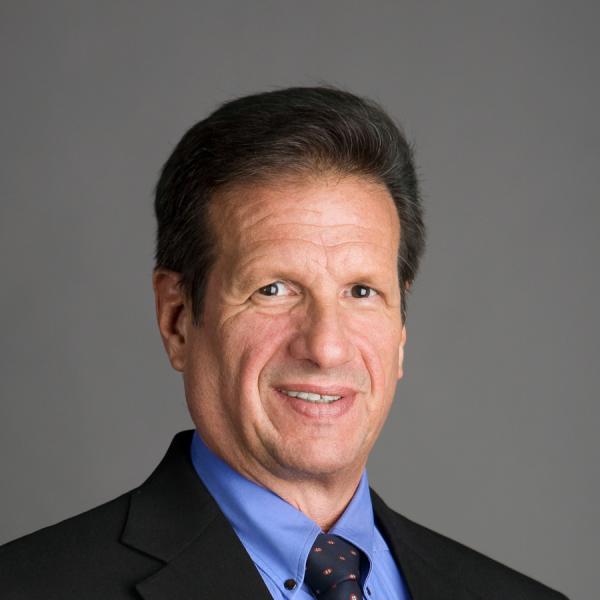
Dr. Richard W. Gross is Professor of Medicine and Developmental Biology at Washington University School of Medicine and Professor of Chemistry. He holds a PhD from Washington University, MD from New York University Medical School, and BA from Columbia College. His research focuses on the chemical biology of membranes in health and disease, specializing in lipidomics, metabolomics, and membrane signaling. He pioneered shotgun lipidomics technology for direct identification and quantification of lipid molecular species in biological systems. Developed novel shotgun lipidomics technology combining intrasource separation, multidimensional MS, and array analysis Investigates phospholipase regulation and membrane signaling complexes Studies altered lipid metabolism in obesity, diabetes and cardiovascular disease
Associate Professor Freda Passam is a Clinical Academic Haematologist at Royal Prince Alfred Hospital, University of Sydney, specializing in thrombosis and haemostasis. She leads the Haematology Research Group at the Charles Perkins Centre, focusing on platelet biology, endothelial cell dysfunction, and translational research in cardiovascular diseases. Her work integrates basic science with clinical applications, including developing microfluidic technologies like the Endo-chip for thrombosis diagnosis and therapy screening. Education: MD and PhD in Greece (angiogenesis in Hodgkin’s lymphoma), postdoctoral training at UNSW and Harvard University. Research spans platelet hyperactivity in diabetes, immune thrombosis (e.g., HIT), and thiol isomerase inhibitors as antithrombotics. Collaborates globally with institutions like Harvard and the University of Utah. Research Interests: 1) Platelet biomarkers in diabetes-related cardiovascular risk; 2) Immune thrombosis diagnostics/therapies (e.g., Endo-chip); 3) Bone marrow-on-chip models for thrombopoiesis. Current projects include SEC61B regulation of calcium flux, endothelial thromboinflammation, and ERp5/ERp57 roles in platelet production. Grants: Over $6M in funding from NHMRC, MRFF, NSW Health, and industry partnerships. Notable awards include Sydney Nano Grand Challenge Award (2022) and SLHD VTE Stewardship Award (2020). Advising: Mentors over 6 PhD/master’s students in thrombosis research, emphasizing clinical/research integration. Teaching includes Sydney Medicine curriculum, bedside tutorials, and student engagement in lab activities. Labs/Teams: Haematology Research Group (Charles Perkins Centre), collaborations with Sydney Health Partners, Harvard, and international haematology groups. Develops technologies like the Endo-chip and bone marrow-on-chip models.
Dr. Gary K. Owens is a Professor in the Department of Molecular Physiology and Biological Physics at the University of Virginia , with a secondary appointment in the Department of Medicine, Division of Cardiology. He serves as Director of the Robert M. Berne Cardiovascular Research Center and leads groundbreaking research on vascular smooth muscle cell (SMC) dynamics in atherosclerosis. His work challenges conventional paradigms about SMC roles in plaque stability and thromboembolic events. Primary Affiliation: University of Virginia Key Titles: Robert M. Beirne Professor of Cardiovascular Research, Professor, Director of CVRC Research Themes include: Cardiovascular Biology Atherosclerosis Pathogenesis Smooth Muscle Cell Plasticity Epigenetic Regulation Inflammatory Signaling Tumor Metastasis Mechanisms Publication Trends (2015–2024) reveal expertise in Nature Medicine and Circulation studies, focusing on SMC gene regulation (Klf4/Oct4), plaque stability, and cross-talk between vascular cells and tumors. His work demonstrates that SMCs account for >80% of advanced lesion cells and that Klf4 inhibition reduces metastasis by >70%. Lab Leadership includes mentoring PhD students Anita Salamon and Victoria Milosek , alongside senior scientists and postdocs. Collaborations span with Dr. Gwen Randolph (Washington University) and Dr. Rosey Kaplan (NIH) on IL1β signaling and metastasis.
Andrew C. Shin is an Assistant Professor at Texas Tech University within the Department of Nutritional Sciences . His work bridges metabolic health , neuroendocrinology , and neurodegenerative diseases , with a focus on how the brain regulates glucose homeostasis , BCAA metabolism , and bariatric surgery mechanisms . Ph.D. in Neuroscience, Michigan State University (2008) Postdoctoral Fellow, Pennington Biomedical Research Center and Icahn School of Medicine at Mount Sinai Dr. Shin’s research explores the neural pathways involved in appetite regulation , nutrient partitioning , and metabolic resistance . His NIH-funded projects investigate insulin signaling in POMC neurons , BCAA dynamics , and nicotine’s metabolic effects . Recent work highlights the role of the autonomic nervous system in BCAA regulation and its implications for obesity and diabetes . His 15 most recent publications reflect a focus on AI applications in nutrition , BCAA-related pathologies , Alzheimer’s disease , and metabolic surgery outcomes . Key themes include neuroendocrine control , nutritional interventions , and environmental impacts on metabolism . Scientific Awards NIH K01 Award Dr. Shin directs the Mouse Metabolic Phenotyping Facility and collaborates on synbiotic trials for cognitive aging . His work spans basic science and translational research , addressing metabolic disorders and their neurological consequences .
Dr Victoria Reay is an Honorary Researcher and PBL Tutor at Lancaster Medical School, Lancaster University. Qualified as a doctor in 2004, she previously held NIHR academic foundation and clinical fellow posts at Guy's and St Thomas' Hospital in London. After a hiatus from research, she returned to academia to investigate how electronic patient records reshape medical work practices in hospital settings. Her educational background includes: MBChB (medical degree) MRCP (Membership of the Royal College of Physicians) PGDip in Palliative Medicine PhD from Lancaster University (2023) titled 'Materialising the electronic patient record: Reshaping medical practices on NHS wards' Dr Reay's research spans two distinct domains. Her current work focuses on health informatics, examining how electronic patient records transform clinical workflows, documentation practices, and professional roles within NHS hospitals. Previously, she conducted significant research in respiratory immunology, particularly investigating molecular mechanisms in aspirin-sensitive asthma including prostaglandin receptor expression and IL-25 mediated angiogenesis. This interdisciplinary approach bridges clinical medicine, health services research, and sociotechnical studies of healthcare systems. Her publication record reveals a clear evolution from clinical immunology (2009-2012) to health informatics (2023). Early work centered on asthma pathophysiology, vocal cord dysfunction diagnostics, and fungal exposure assessment, while her doctoral thesis marks a decisive shift toward analyzing digital healthcare transformation. This transition reflects her firsthand experience with electronic record implementation and its profound impact on medical practice. As a PBL Tutor, Dr Reay contributes to medical education through problem-based learning. Her NIHR academic foundation and clinical fellow posts indicate prior research support, though specific current grants aren't detailed. She participates in an interdisciplinary network focused on culture, health, ethics, and society, facilitating collaborative research across these domains.
Sophia Lunt is a Professor in the Department of Biochemistry & Molecular Biology and Chemical Engineering & Materials Science at Michigan State University , where she has been since 2015 (Assistant Professor 2015-2021, Associate Professor 2021-2025, Professor 2025-present). She leads the Lunt Lab , focusing on cancer metabolism , particularly metabolic reprogramming in tumor proliferation, heterogeneity, and metastasis . Her work combines mass spectrometry , genetic cancer models , cell biology , and fluorescent agents to develop targeted cancer therapies . Ph.D. (2010) & B.S. (2005) in Chemistry Postdoctoral Fellow at MIT (2010-2015) NSF CAREER awardee (2019) 20+ peer-reviewed publications since 2007 Research Focus : Cancer metabolism (Warburg effect, PHGDH heterogeneity, TIGAR regulation) Photodynamic therapy (counterion-tuned agents, metal halide nanoclusters) Metabolomics (tumor-immune interactions, microbiome effects) Selected Scientific Awards : 2022 MSU College of Natural Science Teacher-Scholar Award 2022 MSU BMB Teaching Award 2020 MANA Young Investigator Award 2019 NSF CAREER & METAvivor Early Career Investigator Awards Her teaching includes BMB 101: Frontiers in Biochemistry (curriculum overhaul for freshman success) and BMB 461: Advanced Biochemistry I , covering metabolic regulation and pathways.
Robert G. Salomon is the Charles Fredrick Mabery Professor of Research in Chemistry at Case Western Reserve University and holds a secondary appointment as Professor of Ophthalmology in the Department of Ophthalmology & Visual Sciences. With a career spanning over four decades at Case Western since 1973, Dr. Salomon leads the Lipid Research Group focused on understanding the role of lipid oxidation in disease processes and developing new diagnostic tools and therapeutic strategies. Dr. Salomon received his B.S. in Chemistry from the University of Chicago in 1966, followed by a Ph.D. in Organic Chemistry from the University of Wisconsin in 1971. He completed postdoctoral studies at both the University of Wisconsin and Indiana University before joining Case Western Reserve University, where he progressed from Assistant Professor to his current named professorship. Dr. Salomon's research bridges chemistry, biology, and medicine with groundbreaking work on lipid oxidation products. His laboratory discovered critically important compounds including levuglandins and isolevuglandins - highly reactive oxidized lipids that contribute to disease through reactions with proteins and DNA. His work has established connections between lipid oxidation and conditions such as age-related macular degeneration, atherosclerosis, and cancer. The research employs a multidisciplinary approach combining organic synthesis, analytical chemistry, immunology, and cell biology to investigate disease mechanisms and develop potential interventions. Analysis of Dr. Salomon's recent publications reveals a continued focus on the biochemical and pathological effects of lipid oxidation products, particularly their role in retinal diseases and cancer. His work demonstrates how compounds like HOHA lactone and carboxyethylpyrroles contribute to disease mechanisms through protein modification, inflammation, and cellular dysfunction, with significant implications for understanding disease progression and developing targeted therapies. Mortar Board 'Top Prof' Award (2003) Cleveland Clinic Innovator Award (2006) Editorial Advisory Board, Chemical Research in Toxicology (2009-) Editorial Advisory Board, Journal of Lipids (2009-) Editorial Advisory Board, Organic Chemistry International (2009-) NIH Synthetic and Biological Chemistry A Study Section (2012-16) Director, Visual Sciences Research Center Tissue Culture & Hybridoma Core (2015-) Associate Editor, Free Radical Research (2019-) Dr. Salomon's Lipid Research Group operates from the Millis Science Center at Case Western Reserve University, working in a laboratory previously occupied by Nobel Laureate George A. Olah. His laboratory features extensive capabilities for HPLC analysis, radiochemical experiments, cell culture (bacterial and mammalian), immunological studies, organic synthesis, and tissue fractionation. Through strong collaborative interactions with biomedical researchers at the CWRU School of Medicine and the Cleveland Clinic Foundation, Dr. Salomon's research extends into sophisticated mass spectroscopic analyses, animal studies, and clinical investigations on human subjects.
Dr. Noriko Daneshtalab is an Associate Professor and Associate Dean of Graduate Studies and Research at Memorial University of Newfoundland, with a cross-appointment in the Faculty of Medicine. She is affiliated with the Department of Pharmacy and leads research in cerebrovascular dysfunction, stroke, and pharmacokinetics in inflammatory diseases. Education: B.Sc. in Pharmacology, University of Alberta (1998) Ph.D. in Pharmaceutical Sciences, University of Alberta (2005) Post-doctoral Fellowship, John P. Robarts Research Institute, London, Ontario (2004–2006) – Cell Biology Post-doctoral Fellowship, Memorial University of Newfoundland (2007–2010) – Cardiovascular Research Her research focuses on the mechanisms of cerebrovascular dysfunction associated with chronic inflammation, particularly in autoimmune diseases, and how this predisposes individuals to stroke. She investigates the pharmacokinetic and pharmacodynamic alterations of cardiovascular and immunomodulatory drugs in stroke development, especially in the context of arthritis models. Her work also explores the role of pro-inflammatory mediators like IL-17a in therapeutic failure of cardiovascular treatments and how disease severity and antihypertensive therapy affect cardiovascular outcomes in rheumatoid arthritis (RA) patients. The recent publications highlight her focus on cerebrovascular regulation in stroke-prone models, antihypertensive drug effects on cerebral blood flow, and novel biomaterials for drug delivery. These works span neuroscience, cardiovascular pharmacology, and pharmaceutical technology, emphasizing translational research from molecular mechanisms to therapeutic applications. Scientific Awards: Ignite Research Development Corporation (RDC) Fund Dr. Daneshtalab supervises graduate students and leads several research projects, including the development of a hypertensive-arthritic animal model and investigations into IL-17a signaling in cerebrovascular impairment. She has secured research funding, including the Ignite RDC grant, supporting innovation in her field. As Associate Dean, she plays a key role in advancing graduate research and scholarly development within the university. Her current projects are centered in experimental pharmacology and involve molecular signaling, animal modeling, and drug therapy evaluation, contributing significantly to understanding stroke in complex disease states.
Gregory Dick, PhD, is a Research Professor in the Department of Physiology & Anatomy at the University of North Texas Health Science Center's College of Biomedical and Translational Sciences. His research focuses on ion channel regulation in coronary arteries, particularly how potassium channels control vascular tone under normal and pathological conditions (e.g., obesity, diabetes). He has led multiple NIH-funded projects exploring coronary vascular dysfunction and metabolic signaling. Education: Bachelor of Science in Physiology, Oklahoma State University Doctor of Philosophy in Physiology, University of Missouri Research Interests: Electro-metabolic signaling in coronary vasodilation Role of K+ channels in coronary blood flow regulation Impact of metabolic syndrome and obesity on cardiovascular health Vascular smooth muscle plasticity in disease states Key Projects (2024–2026): Role of potassium as a coronary metabolic vasodilator (Principal Investigator) Disentangling the Mechanisms of Coronary Dysfunction (Co-Investigator) Grants & Funding: NIH R01 Grant: Mineralocorticoid Receptor-Dependent Coronary Vascular Dysfunction in Obesity Multiple collaborative grants with University of Michigan and University of Missouri Collaborations: Active partnerships with institutions studying coronary autoregulation, metabolic syndrome, and swine models of cardiovascular disease.
Dr. Elizabeth Lipke is the Mary and John H. Sanders Professor of Chemical Engineering at Auburn University’s Samuel Ginn College of Engineering. Her lab focuses on tissue engineering, particularly in cancer and cardiovascular systems, with a focus on 3D in vitro models for drug screening and disease mechanisms. She leads interdisciplinary research combining biomaterials, microfluidics, and stem cell technologies to model complex biological systems. Education & Affiliations: PhD in Chemical Engineering (assumed based on role) Director of the Lipke Lab at Auburn University Collaborator with Dr. Arnold (cancer biology) and Dr. Mistriotis (biomedical engineering) Research Interests: Engineered cancer models to study obesity-related colorectal cancer progression Cardiac tissue engineering using pluripotent stem cells Microfluidic platforms for scalable production of hydrogel microspheres Drug efficacy testing in vascularized tumor models Awards & Recognition: 2024 AIMBE College of Fellows Inductee (top 2% in medical/biological engineering) NSF Grant ($621,934) for cardiac tissue manufacturing research (2018) Alabama Launchpad $25,000 award for Vivosphere technology (2023) Lab Highlights: Developed tumor-mimetic microvascular platforms for anti-cancer drug screening Engineered insulin-sensitive/insulin-resistant colorectal cancer models Pioneered scalable production of cardiac tissue microspheres from hiPSCs Grants & Funding: NSF RECODE Grant (2021) LAUNCH Innovation Grant (2023) Labs/Teams: Lipke Lab at Auburn University Collaborations with Arnold Lab (cancer biology) and Mistriotis Lab (biomedical engineering)
Andrew Braun is a Professor at the University of Calgary, affiliated with the Libin, Hotchkiss Brain Institute, and Snyder Institute. His research focuses on vascular physiology, particularly the role of potassium channels in regulating blood flow and pressure, with applications in diabetes and neurodegenerative diseases. He utilizes advanced techniques like patch clamping and arterial pressure myography. His work explores KCa channels , nitric oxide signaling , and calcium dynamics in vascular cells, aiming to develop novel therapies for endothelial dysfunction. He investigates how these channels affect myogenic tone , vasodilation , and coronary circulation in diseased states such as Type 2 Diabetes and Alzheimer's. The 15 most recent publications highlight his focus on pharmacological targeting of KCa channels to treat vascular complications in diabetes, aging, and atherosclerosis. Key subfields include platelet aggregation , genetic mutations in IP3 receptors , glycation effects on vascular function , and sex-dependent cerebrovascular defects . Contact information: Email abraun@ucalgary.ca. Administrative Assistant: Theresea Connolly (tconnoll@ucalgary.ca, 403-220-3018).
Xi-Long Zheng is a tenured Professor in the Department of Biochemistry and Molecular Biology and Department of Physiology and Pharmacology at the Cumming School of Medicine, University of Calgary. He holds additional appointments as a Member of the Libin Cardiovascular Institute and Associate Member of both the Snyder Institute for Chronic Diseases and Arnie Charbonneau Cancer Institute. His research focuses on vascular smooth muscle biology and its role in cardiovascular diseases. Doctor of Medicine, Hunan Medical University (1986) M.S. in Pharmacology, Hunan Medical University (1989) Doctor of Philosophy in Pharmacology, University of Calgary (1997) Dr. Zheng's research centers on vascular smooth muscle cell differentiation, proliferation, and phenotypic switching in vascular diseases. His laboratory investigates mechanisms of vascular smooth muscle dedifferentiation in atherosclerosis, abdominal aortic aneurysms, and vascular stiffness. Current work explores ferroptosis, epigenetic regulation (particularly BRD4), and PCSK9 functions in vascular pathologies. His studies integrate molecular, cellular, and in vivo approaches to identify novel therapeutic targets for cardiovascular diseases. Analysis of his recent publications reveals strong emphasis on cell death mechanisms (ferroptosis, cuproptosis), epigenetic regulation, lipid metabolism, and immune-vascular interactions in atherosclerosis. His work demonstrates increasing focus on translational applications targeting vascular smooth muscle phenotypic switching and plaque stability. Alberta Innovates ‒ Health Solutions Senior Scholar Award (2008-2015) Heart & Stroke Foundation New Investigator Award (2001-2006) CIHR/Hypertension Society Scholarship Award (2001-2004) Heart & Stroke Foundation Fellowship Award (1999-2001) AHFMR Independent Investigator Award (2008) Dr. Zheng serves on grant panels for Canadian Institutes of Health Research and Heart and Stroke Foundation of Canada. He is an editorial board member for Biochemical Journal and other scholarly publications. His laboratory receives funding from CIHR and NSERC for projects including smooth muscle PCSK9 in abdominal aortic aneurysm pathogenesis, smooth muscle autophagy in vascular aging, and epigenetic regulation of smooth muscle plasticity. The Zheng Lab investigates vascular smooth muscle functions across multiple organ systems including blood vessels, gastrointestinal tract, bladder, and uterus. His research has established critical mechanisms in vascular smooth muscle differentiation and cell cycle regulation, contributing over 100 peer-reviewed publications in high-impact journals including PNAS, ATVB, Diabetologia, JBC, and Hypertension.
John J. Ryan is a Professor of Medicine in the Division of Cardiovascular Medicine at the University of Utah School of Medicine , specializing in General Cardiology and Pulmonary Hypertension . He holds adjunct associate professorships in Family & Preventive Medicine, Orthopaedics, and Radiology & Imaging Sciences. Dr. Ryan’s research focuses on heart failure with preserved ejection fraction , pulmonary vascular disease , and right ventricular function . His work explores statin therapy , microvascular dysfunction , and novel treatments for pulmonary hypertension . His publications emphasize cardiovascular outcomes in pulmonary hypertension, exercise physiology in heart failure, and digital health tools. He is board-certified in Advanced Heart Failure & Transplant Cardiology , Cardiovascular Disease , and Echocardiography . Clinically, he practices at the University of Utah Hospital , with consistently high patient satisfaction scores ( 4.9/5 ). His academic training includes M.D. from University College Cork , followed by residency at Boston Medical Center and fellowships at the University of Chicago Medical Center .
Professor Reinhold J. Medina serves as Chair Professor of Vision and Vascular Science and Head of the Department of Eye and Vision Science at the University of Liverpool's Institute of Life Course and Medical Sciences, leading research in vascular biology with emphasis on vascular ageing, diabetes complications, and regenerative mechanisms. Educational milestones include an MD from San Agustin University-Arequipa (2000) and a PhD in Stem Cell Biology from Okayama University Medical School (2006), followed by clinical training in Peru and postdoctoral work in Japan before joining Queen's University Belfast. His research program integrates cell and molecular biology to investigate endothelial progenitor cell function in diabetic retinopathy, vascular repair mechanisms, and ageing-related pathologies, with international recognition for advancing understanding of vascular dysfunction in ocular diseases. Current work focuses on metabolic regulation in endothelial cells and senescence pathways in age-related macular degeneration. Recent publications demonstrate strong interdisciplinary convergence across ophthalmology, vascular biology, and gerontology, with recurring themes in metabolic dysregulation (glycolysis), oxidative stress (NOX4), cellular senescence, and translational applications for diabetic complications and retinal diseases. Key scientific awards include: Juvenile Diabetes Research Foundation International Postdoctoral Fellowship (2008) Fight for Sight Postdoctoral Fellowship (2010) Active research grants drive innovation in dry AMD treatment through choriocapillaris senescence targeting (Macular Disease Society), RNA sensing in endothelial ageing (Leverhulme Trust), and stem cell-microengineering approaches for perfused organoids (BBSRC), reflecting strategic collaborations across vascular science, engineering, and clinical ophthalmology. He directs a multidisciplinary research team advancing vascular repair strategies through stem cell biology and molecular pathway analysis, with particular focus on translating basic discoveries into therapeutic interventions for diabetic vascular complications and age-related eye diseases.
Dr. John F. Eberth is an Associate Professor at Drexel University's School of Biomedical Engineering, Science and Health Systems. As a cardiovascular engineer with expertise in mechanical controls, continuum biomechanics, and hydrogel-based extracellular matrix mimetics, he leads the Applied Biomechanics and Mechanobiology Lab (ABML) to investigate vascular behavior under mechanical stimuli. PhD in Biomedical Engineering from Texas A&M University (2008) MS in Mechanical Engineering from Clemson University (2004) BS in Mechanical Engineering from Clarkson University (2001) His research focuses on vascular pathology and mechanobiology, including: Aortopathy and aneurysm mechanics Endothelial dysfunction and arterial stiffening Hydrogel-based vascular grafts Calcification chelation therapy Coronary artery disease Perfusion tissue culture Recent publications demonstrate expertise in vascular imaging techniques, mechanical modeling, and therapeutic interventions. Key themes include drug-coated balloon development, collagen fiber mechanics, and bioreactor systems for vascular conditioning.