Carina Mallard is Professor of Experimental Perinatal Brain Injury Research and Pro-Vice-Chancellor at the University of Gothenburg since July 2023, where she oversees research infrastructure and chairs the Research Board. She previously served as Deputy Vice-Chancellor (2021–2023) and Head of Core Facilities (2018–2021). Her academic career began with a Physiology degree from Lund University and a PhD in Pediatrics at the University of Auckland (1995), followed by a professorship appointment in 2006. Her research focuses on perinatal brain injury , particularly in premature infants , investigating neuroinflammatory mechanisms maternal dietary interventions neurovascular unit dynamics microglia activation long-term consequences of maternal obesity . Recent publications highlight her work on neonatal rodent models , transcriptomic profiling , and anti-inflammatory therapies . Key themes include RNA degradation , mitochondrial protection , and immune-neurovascular interactions . She has supervised 20 doctoral students since 2004 and collaborates internationally with institutions like King's College London. Contact details include two institutional emails and physical addresses across Gothenburg's biomedical campuses. Her leadership roles span research strategy, doctoral education, and EU-level scientific initiatives.
Christopher M. Overall is a Full Professor at the University of British Columbia in the Faculty of Dentistry, Department of Oral Biological and Medical Sciences . He is also a Principal Scientist at the Centre for Blood Research and holds associate memberships in UBC's Biochemistry & Molecular Biology , Obstetrics and Gynecology , and Bioinformatics Graduate Program departments. As a Canada Research Chair Laureate , he pioneered the field of degradomics to study proteases in vivo. B.D.S., University of Adelaide Ph.D., University of Toronto Postdoctoral Fellowship, UBC (with Nobel Laureate Michael Smith) Dr. Overall’s research focuses on protease proteomics and systems biology , particularly degradomics to analyze protease substrates in diseases like COVID-19 and immunodeficiency . His work on matrix metalloproteinases has revealed new therapeutic strategies for inflammatory diseases and cancer . His 15 most recent articles (2015–2008) demonstrate expertise in TAILS proteomics , protein terminomics , and protease network analysis with applications in arthritis , antiviral immunity , and precision medicine . Scientific Awards 2022 Helmut Holzer Award 2018 Royal Society of Canada Fellow 2014 Tony Pawson Canadian Proteomics Award 2013 IADR Distinguished Scientist Award Dr. Overall has mentored 61 trainees , including 9 full professors with department chairs, and received the UBC John McNeill Mentorship Award (2023). He leads the HUPO Chromosome-centric Human Proteome Project and consults for Genentech and Novartis .
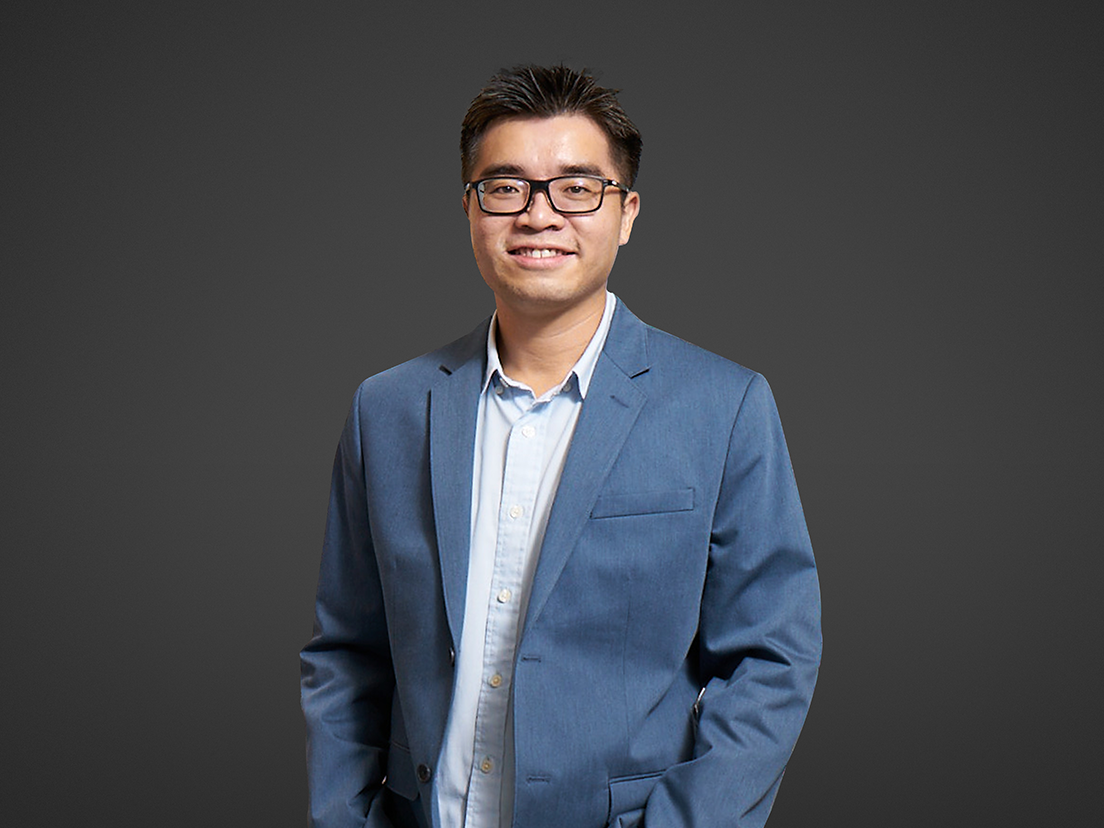
Huining Li is an Assistant Professor in the Department of Computer Science at North Carolina State University . Her research focuses on Internet of Things (IoT) , cybersecurity , and mobile computing , with a specialized emphasis on mobile health (mHealth) technologies. Education: Ph.D. in Computer Science and Engineering from University at Buffalo (2024). Her work addresses privacy-preserving sensing mechanisms , biomarker measurement , and fairness in dynamic mobile environments , developing systems for chronic wound care, Parkinson’s disease management, and mental health therapy. Recent publications highlight innovations in mmWave biometrics , machine learning for health diagnostics , and non-contact monitoring . Scientific Awards: Best Paper Awards (SenSys 2019, BodyNet 2021, ICHI 2022) Best Paper Candidate (SenSys 2022) Harold O. Wolf Achievement Award (2024) EECS Rising Star (2023) NIH mHealth Training Institute Scholar (2025) She teaches courses in Mobile Health Systems and Applications and Computer Networks , and actively serves on NSF panels , TPC committees (ACM MobiSys, IEEE-EMBS BSN), and as Associate Editor for journals like Elsevier Smart Health.
Changhuei Yang is the Thomas G. Myers Professor of Electrical Engineering, Bioengineering, and Medical Engineering at California Institute of Technology, serving as Executive Officer for Electrical Engineering and Investigator at Heritage Medical Research Institute. He holds a Ph.D. and three master's degrees from MIT, with appointments at Caltech since 2003. Research focuses on: Advanced microscopy techniques including Fourier Ptychography Wavefront shaping for biological tissue imaging Optical phase conjugation for deep-tissue applications Compact medical devices for cerebral monitoring Publications demonstrate leadership in computational imaging, with recent advances in stain-free embryo analysis, portable cerebral blood flow monitors, and high-resolution volumetric imaging techniques using neural representations. Honored as National Academy of Inventors member. Research applications span deep-tissue biochemical imaging, incisionless surgery, and optogenetic activation systems.
Prof. Vasilis Ntziachristos is a Professor and Chair of Biological Imaging at the Technical University of Munich (TUM), leading the Institute of Biological and Medical Imaging at the Helmholtz Centre Munich. His research focuses on developing novel optical and optoacoustic imaging techniques for early disease detection, diagnostics, and theranostics. He holds a PhD in Bioengineering from the University of Pennsylvania and previously served as an Assistant Professor at Harvard University and Massachusetts General Hospital. Affiliations: TUM School of Medicine and Health, Helmholtz Munich, Institute of Biological and Medical Imaging. Key Research Themes: Non-invasive imaging methods, molecular imaging, optoacoustic technology, and clinical translation. His work bridges theoretical developments with clinical applications, including advancements in glucose monitoring, cancer imaging, and drug delivery systems. Notable awards include the Leibniz Prize (2013) and the World Molecular Imaging Society Gold Medal (2015). Labs/Teams: Imaging to Sensing I2S, Optoacoustic Mesoscopy, Fluorescence Imaging, and AI in Optoacoustics. Grants/Projects: Involvement in Horizon Europe initiatives and collaborations with TranslaTUM and Helmholtz Munich. Prof. Ntziachristos actively contributes to education via courses like 'Biological Imaging' and 'Introduction to Bioengineering', fostering the next generation of imaging scientists.
Weiqiang Chen is a Professor of Mechanical and Biomedical Engineering at New York University's Tandon School of Engineering and Director of Research and PhD Programs. He holds a joint appointment at NYU Langone's Perlmutter Cancer Center as a Faculty Member of the Tumor Immunology Research Program. B.S. in Physics (Nanjing University, 2005) M.S. in Electrical Engineering (Shanghai Jiao Tong University, 2008) M.S. in Electrical and Computer Engineering (Purdue University, 2009) Ph.D. in Mechanical Engineering (University of Michigan, 2014) His research focuses on Lab-on-a-Chip , Organ-on-Chip systems, Biomaterials , and Mechanobiology , with applications in cancer biology, stem cell engineering, and immune monitoring. He pioneers microfabrication technologies for real-time observation of cellular interactions, including CAR T-cell immunotherapy efficacy and tumor microenvironment dynamics. Recent grants include NSF funding for leukemia bone marrow niche modeling, NIH Trailblazer Awards for glioblastoma immunotherapy research, and collaborations with the Arthritis Foundation for synovium-on-chip rheumatoid arthritis studies. His work has been supported by over $2M in federal and institutional research funding. National Science Foundation (NSF) grants for leukemia-on-chip and glioblastoma modeling National Institutes of Health (NIH) awards for immunotherapy research American Heart Association fellowships and institutional training programs Chen's scientific awards include the American Heart Association Fellow distinction, multiple Young Investigator Awards from Lab on a Chip and Biomedical Engineering Society, and recognition for his dissertation on nanotopography in stem cell differentiation. He leads the Applied Micro-Bioengineering Laboratory (AMBL) , which develops microphysiological systems for drug testing and personalized medicine. His team has created the first immunocompetent leukemia-on-a-chip for CAR T-cell therapy screening and glioblastoma models that enable patient-specific immunotherapy validation.
Professor Matthias Mann is a world-leading scientist serving as Director of the Proteomics and Signal Transduction department at the Max Planck Institute of Biochemistry in Martinsried, Germany, and Director of the Proteomics department at the Novo Nordisk Foundation Center for Protein Research, Faculty of Health Sciences, University of Copenhagen, Denmark. With an h-index exceeding 277 and over 350,000 citations, he is recognized as the highest cited German researcher and one of the most influential scientists globally in proteomics. His educational background includes: Ph.D. in Chemical Engineering from Yale University (1988) Master's Degree in Physics from Georg August University Göttingen (1984) Bachelor's of Arts in Mathematics from Georg August University Göttingen (1982) Professor Mann's research focuses on advancing mass spectrometry-based proteomics to understand biological systems at the protein level. His work spans technological developments in mass spectrometry, bioinformatics and computational analysis, signal transduction and posttranslational modifications, and clinical proteomics applications for disease diagnosis and treatment. The Mann lab has pioneered groundbreaking methods like SILAC for quantitative proteomics and MaxQuant for proteome data analysis. Their vision is to translate proteomics knowledge into clinical practice for predictive, diagnostic, and preventive medicine, with recent work focusing on AI-guided platforms for analyzing proteomes from minimal tissue samples. Analysis of Professor Mann's recent publications reveals a strong trend toward clinical applications of proteomics, particularly in cancer research, metabolic diseases, and neurodegenerative disorders. His work increasingly integrates spatial proteomics, single-cell resolution techniques, and artificial intelligence approaches to uncover disease mechanisms and identify potential biomarkers, with a clear shift from basic technology development toward direct clinical applications and personalized medicine. Professor Mann has received numerous prestigious awards throughout his career: 2025: Elected member of the American National Academy of Sciences 2024: Dr. H.P. Heineken Award for Biochemistry and Biophysics 2023: Otto Warburg Medal 2019: Nominated member of the Bavarian Academy of Sciences 2013: Elected member of Leopoldina German National Academy of Sciences 2012: Körber European Science Award, Louis-Jeantet Foundation Prize for Medicine, Ernst Schering Prize, and Leibniz Prize Professor Mann leads a highly collaborative research team involved in multiple international networks including the Bill & Melinda Gates Foundation, Michael J. Fox Foundation for Parkinson's Research, CLINSPECT-M, and Munich Heart Alliance. His lab has mentored numerous successful researchers, with several former postdocs receiving prestigious ERC Starting Grants. The Mann group has developed innovative clinical proteomics pipelines for analyzing archived tissue specimens and body fluids, aiming to identify protein markers for early detection of diseases such as diabetes and cancer. The Mann lab operates across two major research centers with state-of-the-art mass spectrometry facilities. Their Clinical Knowledge Graph platform integrates multi-omics data with extensive metadata, creating an ecosystem for machine learning applications in proteomics. Current research focuses on developing highly sensitive methods that can profile thousands of proteins from minimal cell samples, enabling the identification of critical disease-related proteins and supporting the development of individualized therapies.
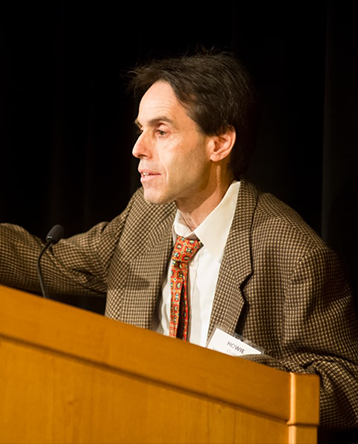
Howie Choset is a Professor of Robotics at the Robotics Institute, Carnegie Mellon University. He directs the Undergraduate Robotics Minor and leads the Biorobotics Laboratory, where his research focuses on snake robots, motion planning, and medical robotics. He is also affiliated with the Manufacturing Futures Institute. Ph.D., Mechanical Engineering, California Institute of Technology (1996) M.S., Mechanical Engineering, California Institute of Technology (1995) B.S.E., Computer Science and Engineering, University of Pennsylvania (1990) B.S., Economics, The Wharton School of Business (1990) Choset's research centers on robotics for confined and complex environments, particularly through the development of snake robots. His work integrates mechanism design, path and motion planning, and estimation to enable applications in surgery, manufacturing, infrastructure inspection, and search and rescue. He is a pioneer in medical robotics and has co-founded Medrobotics to commercialize minimally invasive surgical robots. His recent publications highlight a strong focus on ergodic exploration, multi-agent systems, motion planning under uncertainty, and medical robotics. Themes include optimizing robot trajectories for information gathering, solving complex path planning problems with dynamic obstacles, and advancing autonomous systems for disaster response and space exploration (e.g., the EELS robot for Enceladus). MIT Technology Review Top 100 Innovators under 35 (2002) Best Paper Award, RIA (1999) Best Paper Award, ICRA (2003) Best Paper, IEEE Bio Rob (2006) Best Video, ICRA (2011) Nominations for best papers at ICRA, IROS, and CLAWAR Choset has advised numerous students, many of whom have won top awards. His lab has received significant funding for robotics research, including projects in surgical robotics, additive manufacturing, and autonomous exploration. He is the lead author of the textbook Principles of Robot Motion and is actively involved in educational innovation through custom robotics labs. He leads the Biorobotics Laboratory at CMU, which develops advanced robotic systems like snake robots and the EELS (Exobiology Extant Life Surveyor) robot for NASA missions. The lab collaborates with industry and government agencies on applications ranging from surgery to space exploration.
Dr. Foong Shaohui is an Associate Professor and Associate Head at the Engineering Product Development (EPD) pillar of the Singapore University of Technology and Design (SUTD), with prior experience as a Visiting Assistant Professor at MIT's Mechanical Engineering department (2011). He leads the Aerial Innovation Research (AIR) Laboratory @ SUTD and actively collaborates with Singapore's Ministry of Defence (MINDEF) and medical institutions like National University Hospital (NUH) and Changi General Hospital (CGH). PhD, MS, and BS in Mechanical Engineering from Georgia Institute of Technology (2005-2010) Research Interests span multiple domains: Robotics & UAVs : Nature-inspired aerial craft design (Project MONOCO), hybrid flight dynamics, and transformable rotorcraft Medical Device Innovation : Magnetic localization systems for nasogastric tubes and ventriculostomy procedures Engineering Education : Design-Centric pedagogy and pre-university Aerial Craft Workshops Autonomous Systems : Deep tunnel sewer inspection drones (NRF/PUB funded) and soft robotics Scientific Contributions include patented magnetic localization technologies (licensed to Medergo Pte. Ltd.), over 20 peer-reviewed publications, and 5 granted patents. His work bridges aerospace engineering with biomedical applications through innovative mechatronic solutions. Best Application Paper Award at SCIS & ISIS (2014) Research Grants include projects funded by Singapore's National Research Foundation (NRF), Public Utilities Board (PUB), and National University Hospital partnerships. He mentors PhD/Master's students through interdisciplinary research in aerial robotics and medical device development.
Guoyao Wu is a Distinguished Professor of Animal Nutrition at Texas A&M University's College of Agriculture & Life Sciences, holding dual appointments in the Department of Animal Science and the Graduate Faculty of Nutrition. His expertise spans nutritional biochemistry, protein metabolism, and reproductive physiology. Dr. Wu earned his B.Sc. from South China Agricultural University, M.Sc. degrees from Beijing Agricultural University and the University of Alberta, and a Ph.D. from the University of Alberta, followed by postdoctoral training at McGill University and Memorial University of Newfoundland. His research focuses on amino acid and protein metabolism across molecular, cellular, and whole-animal levels, using models like cattle, pigs, and aquatic species. Key areas include placental nutrient transport, fetal programming, and the role of amino acids in mitigating conditions like sarcopenia and intrauterine growth restriction. He has pioneered studies on glycine, creatine, and citrulline supplementation in livestock and aquaculture. Dr. Wu has received over 15 prestigious awards from China, Canada, and the U.S., including the Thousand-People-Talent Award and Changjiang Scholar Award. He serves on editorial boards of journals like Amino Acids and Frontiers in Bioscience , and teaches graduate courses in protein metabolism. His work bridges basic science and applied nutrition, with implications for improving livestock productivity, human health, and aquaculture sustainability. Current projects address amino acid requirements of companion animals, microgravity effects on metabolism, and placental biology in ruminants.
Houman Savoji is an Associate Professor in the Department of Pharmacology and Physiology at the Faculty of Medicine, University of Montreal. He is also a full-time researcher at the CHU Sainte-Justine Research Center and principal investigator in regenerative medicine, organs-on-chip, and bioprinting at TransMedTech Institute. Dr. Savoji received his PhD in Biomedical Engineering from the Institute of Biomedical Engineering at Polytechnique Montréal in 2016. He then completed a postdoctoral fellowship at the Institute of Biomaterials and Biomedical Engineering at the University of Toronto. His research expertise combines advanced manufacturing technologies (micro- and nano-fabrication, 3D bioprinting, microfluidics, cell electrospinning) with functional and composite materials for applications in tissue engineering, regenerative medicine, and organs-on-chip. His work focuses on the design, development, optimization, implementation, and characterization of innovative functional biomaterials using emerging engineering technologies, with particular emphasis on cardiac tissue engineering and biomimetic pulmonary heart valves for pediatric patients. Dr. Savoji has published extensively on biomaterials, tissue engineering, 3D bioprinting, and organ-on-chip technologies. His recent publications demonstrate expertise in viscoelastic characterization of soft tissues, engineering immune responses to biomaterials, ceramic engineering for biomedical applications, and advanced 3D bioprinting techniques for cardiac and vascular tissue engineering. 2017-2020, Postdoctoral Research Grant, CIHR 2017-2019, Postdoctoral Research Grant, FRQNT 2017-2018, Human Society of International Grant, Human Toxicity Assessment Project 2016, CR-CHUM Research Center Award 2015, Star Student-Researcher Award, FRQNT 2014-2015, Jane and Frank Warchol Fellowship, Society of Vacuum Coaters Foundation 2013, Institute of Textile Science Award 2012-2015, Excellence Doctoral Scholarship for Foreign Students, FRQNT Dr. Savoji has supervised Master's students including Ines Barrakad (2024) working on 'Advanced manufacturing technologies versus molding of corneal implants: 3D printing vs molding of a Keratoprosthesis' and Zineb Ajji (2023) researching 'Development of perfusable patches by 3D bioprinting for potential application in cardiac tissue regeneration.' He has secured numerous research grants from organizations including CIHR, NSERC, FRQNT, FRQS, MITACS, and others for projects related to 3D bioprinting of cardiac tissues, biomimetic heart valves, and other tissue engineering applications. The Savoji Laboratory, located within the Department of Pharmacology and Physiology and Institute of Biomedical Engineering of the Faculty of Medicine of the University of Montreal, the Research Center of the CHU Sainte-Justine (CHUSJ), and the TransMedTech Institute, focuses on multidisciplinary research involving 3D bioprinting using stem-cell derived human cardiac cells to fabricate functional cardiac tissues for transplantation and drug discovery applications.
Prof. Waldemar Kolanus leads the Molecular Immunology and Cell Biology department at the University of Bonn's Life & Medical Sciences Institute (LIMES) . His research bridges immunoregulation , stem cell dynamics , and metabolic stress responses in immune cells. Unit 2 member at LIMES Principal investigator in SFB 704 and ImmunoSensation Cluster Leads a multidisciplinary lab with postdocs, PhD students, and technical staff His work focuses on intracellular signaling pathways connecting immune activation to tissue homeostasis, particularly through: Cytohesin proteins in integrin-mediated adhesion and migration TRIM71 in stem cell regulation and congenital hydrocephalus High-salt environments affecting macrophage function Publication trends show expertise in immune cell migration , genetic models , and chemical inhibition , with frequent use of mice and zebrafish for in vivo studies. Key articles explore: TRIM71's dual role in auditory development and germ cell maintenance Cytohesin family's Golgi regulation and insulin signaling Ruxolitinib's off-target migration inhibition of dendritic cells Contact details: Address: LIMES Institute, Carl-Troll-Straße 31, Bonn Email: kolanus.sekretariat@uni-bonn.de Phone: +49 228 73-62788
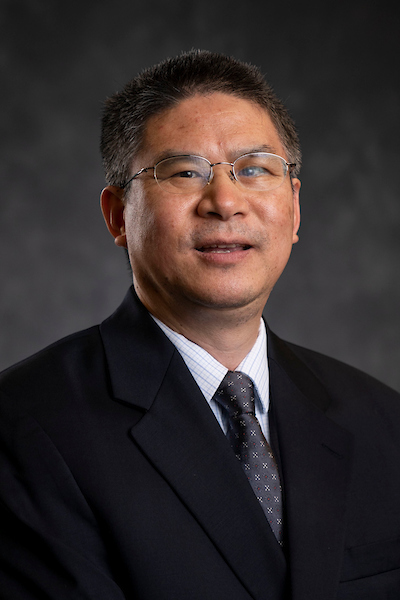
Chao Liu is an Associate Professor at the Department of Biomedical Engineering , Southern University of Science and Technology (2024.11–present). Previously, he served as an Assistant Professor at the same institution (2019–2024.11) and completed a Postdoctoral Fellowship at New York University (2016–2019) with joint appointments in the Department of Biomedical Engineering and Orthopedics at NYU Langone Health . He holds a PhD in Biomedical Engineering (2016) and MASc in Mechanical Engineering (2010) from University of Toronto , following a BASc in Engineering Science (2008). Education : PhD (IBBME, U of Toronto, 2016), MASc (Mechanical Engineering, U of Toronto, 2010), BASc (Engineering Science, U of Toronto, 2008) His research focuses on mechanobiology of stem cells , bone tissue engineering , and functional implants . He investigates how mechanical forces modulate osteogenic and angiogenic stem cells, designs implants with micro-geometry to enhance cellular activity, and develops 3D real-time imaging modalities for bone repair processes. His work spans biomechanics , regenerative medicine , and cellular mechanotransduction . The selected publications from 2022 to 2010 reveal trends in mechanical force applications for bone regeneration, pharmacological impairments in healing, nanostructured biomaterials for stem cell differentiation, and microfluidic platforms for osteocyte studies. These works are published in journals like Bone , FASEB Journal , and ACS Applied Materials & Interfaces . Scientific Awards : International Conference BME Young Investigator Award (2019), IFMRS Travel Grant (2017), ASBMR Young Investigator Grant (2016), CIHR Travel Awards (2010–2014), Ontario Graduate Scholarship (2011–2013), Barbara and Frank Milligan Fellowship (2008, 2010) Chao Liu mentors graduate students, including Zhang Jianing (2022 Master’s graduate). His lab ( https://abtrl.bme.sustech.edu.cn/ ) recruits postdocs and research assistants for projects in mechanical force applications , micro-geometric implants , and 3D imaging . He has contributed to 14 journal articles with 714 citations and presented at 6 international conferences in the past three years.
Ryan M Hebert, MD, is an Assistant Professor of Neurosurgery at the Yale School of Medicine, affiliated with the Neurosurgery department. He specializes in neurovascular disorders, including open and endovascular treatments for intracranial aneurysms, arteriovenous malformations, carotid disease, and dural arteriovenous fistulas. He also focuses on interventions for ischemic and hemorrhagic strokes. His practice locations include Yale New Haven Hospital and Lawrence and Memorial Hospitals in Connecticut. Education & Training: Bachelor’s in Molecular, Cellular, and Developmental Biology from the University of Colorado – Boulder (Howard Hughes Undergraduate Research Grant recipient) MD from Yale School of Medicine (NIH-funded thesis on CCM3 in cerebral cavernous malformations) 7-year Neurosurgery Residency at Yale New Haven Hospital, including enfolded neuro-interventional training CAST-accredited fellowship in Endovascular Neurosurgery and Neurovascular Critical Care at Thomas Jefferson University Hospital (2016) Research Interests: Dr. Hebert’s work centers on emerging surgical and endovascular techniques for neurovascular disorders, risk stratification in carotid disease, vasospasm prediction/post-subarachnoid hemorrhage treatment, and outcomes of minimally invasive spine surgery. His studies often integrate clinical practice with translational research, emphasizing patient outcomes and procedural optimization. Key topics include flow diverters, cranial nerve palsies, hospital frailty risk scores, and immune mechanisms driving aneurysm rupture. Publications Trends: His recent articles emphasize clinical outcomes of endovascular procedures, stroke interventions, and immune mechanisms in aneurysm rupture. He frequently collaborates on meta-analyses and systematic reviews to evaluate treatment efficacy and complication rates, particularly involving cranial nerve recovery and thrombectomy volumes. Awards & Grants: He secured an NIH-funded thesis and a Howard Hughes Undergraduate research grant. No explicit scientific awards are listed, but his work has been recognized via peer-reviewed publications and contributions to clinical guidelines. Advising & Grants: While no students are listed, he collaborates with prominent researchers like Charles Matouk, Kevin Sheth, and Joseph Antonios on NIH-funded projects. His research addresses healthcare resource utilization and procedural volume impacts on mortality, indicating a focus on translational and clinical studies. Labs & Teams: Active in interdisciplinary teams at Yale School of Medicine, particularly in neurovascular critical care and endovascular surgery. Collaborates with the Stroke Center and Janeway Society for physician-scientist development.
Sophie Sanchez is an Associate Professor at Uppsala University's Department of Organismal Biology, specializing in Evolution and Development. Her research focuses on vertebrate evolution, using advanced imaging techniques like synchrotron microtomography to study fossilized anatomy and developmental processes. She has contributed significantly to understanding sensory organ evolution in jawed vertebrates, early tetrapod development, and the structural adaptations of ancient fish. Key work includes studies on placoderms, osteostracans, and the molecular bases of evolutionary innovations. Her findings bridge paleontology with developmental biology, employing cutting-edge microscopy to reveal hidden biological details in fossils. Publications highlight her expertise in fossil musculature, bone histology, and genomic evolution, with high-impact contributions to journals like Nature and Science . Collaborative projects involve global teams analyzing Devonian and Permian vertebrates, emphasizing interdisciplinary approaches to evolutionary questions.