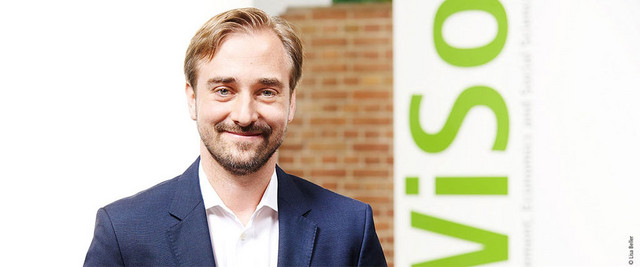
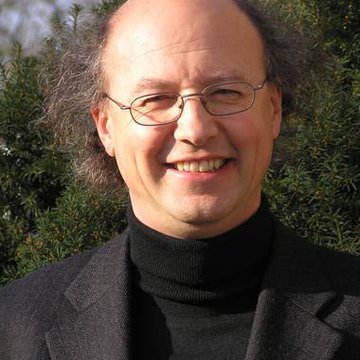
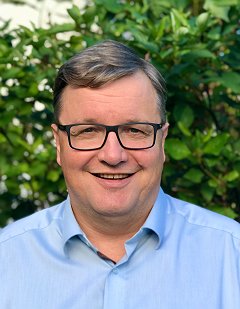
Daniel Wiesen is an Associate Professor in Behavioral Service Management at the University of Cologne 's Faculty of Management, Economics and Social Sciences , focusing on the Department of Business Administration and Health Care Management . His research spans Health Economics , Behavioral and Experimental Economics , and Incentive Design in healthcare contexts. Ph.D. in Economics (2011) from University of Cologne M.A. in Economics (2006) from University of Bonn and National University of Singapore His work examines Physician Behavior , Risk Attitudes , and Behavioral Interventions through experimental methodologies. Google Scholar publications show a thematic progression from Medical Payment Systems to Altruism Dynamics and Clinical Decision-Making . Recent articles focus on 2025 Healthcare Workforce Selection , 2024 Donor Registry Optimization , and 2023 Altruism Frameworks . His experimental research frequently addresses Incentive Structures and Behavioral Healthcare Policy . Active in the Cologne Laboratory for Economic Research (CLER) and associated with the Cluster of Excellence ECONtribute , he contributes to interdisciplinary healthcare economics and social behavior studies .
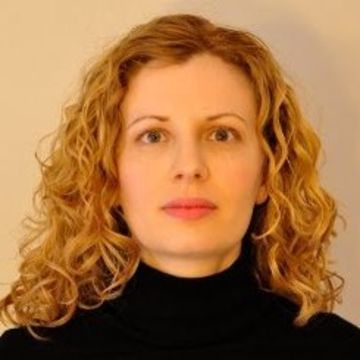
Jutta Billino serves as Associate Professor in the Department of General Psychology at the Faculty of Psychology and Sports Science, Justus Liebig University Giessen, where she has held academic positions since 2008. Her research examines interindividual differences in visual perception and sensorimotor control across the adult lifespan, with particular focus on how sensory, motor, cognitive, and motivational processes interact in healthy aging and neurological conditions. Her academic background includes a Diploma in Psychology from Justus Liebig University Giessen and University of Utah (1992-1998), state certification as Psychological Psychotherapist (1999-2002), Clinical Neuropsychology certification (1999-2005), and PhD (Dr. rer. nat.) from JLU Giessen in 2009. Her doctoral work investigated motion processing pathways in humans under Prof. Karl Gegenfurtner. Professor Billino's research program explores visual perception and sensorimotor control through behavioral experiments with healthy adults and neurological patients. Her work reveals how aging affects visual confidence, tactile suppression during movement, and multisensory integration, demonstrating that cognitive control capacities mediate age-related differences. Current projects examine memory for unexpected objects in real-world scenes and cross-modal metacognition, highlighting preserved abilities in older adults through compensatory mechanisms. Recent publications (2018-2023) show consistent focus on aging and perception, with key contributions in visual confidence mechanisms, sensorimotor predictions, and multisensory integration. Her work spans experimental psychology, cognitive neuroscience, and clinical neuropsychology, frequently employing eye-tracking, behavioral paradigms, and patient studies to uncover lifespan trajectories in perceptual processing. Her scientific recognition includes: DFG Graduate College Fellowship (2004-2008) in 'Neuronal Representation and Action Control' As academic supervisor, she guides PhD candidates in perceptual aging research and secures third-party funding for her laboratory investigations. Her teaching integrates clinical neuropsychology with experimental methods, reflecting her dual expertise in research and clinical practice. She maintains active collaborations across European institutions, particularly in motion perception and aging research networks. Professor Billino leads a research group within the Department of General Psychology focused on visual perception across the lifespan. Her team employs behavioral testing, eye-tracking, and patient studies to investigate how sensory, motor, and cognitive processes interact during aging. Current projects examine confidence calibration in multisensory tasks and neural mechanisms underlying preserved perceptual abilities in older adults, with implications for healthy aging interventions.
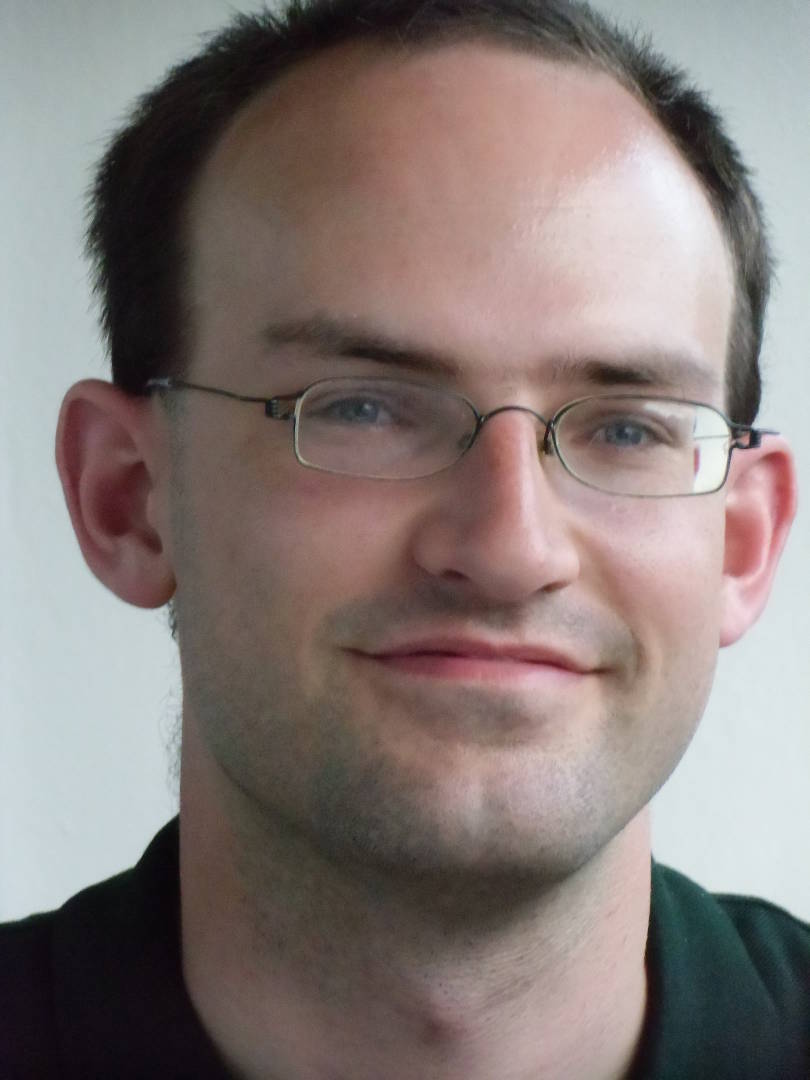
Laura Grigolon is an Assistant Professor of Economics at the University of Mannheim, Germany, holding a Junior Professorship in Microeconomic Theory within the Department of Economics. She serves as project leader for A02 in the Collaborative Research Centre CRC TR 224. Education Ph.D. in Economics, University of Leuven (Belgium) Research Focus : Her work centers on industrial organization and competition policy through applied microeconomic frameworks, with distinctive applications in automotive markets, peer-to-peer platforms, and health economics. She integrates theoretical modeling with empirical analysis to evaluate policy impacts, particularly examining consumer behavior under regulatory interventions and market distortions. Her methodological approach frequently employs discrete choice models and natural experiments to isolate causal effects in complex market environments. Publication Trends : Recent output (2015-2024) reveals consistent focus on policy-relevant industrial organization questions. Key themes include tax enforcement mechanisms, electrification dynamics in transportation, stigma barriers in healthcare innovation, credit market distortions from common ownership, and automotive policy analysis during economic crises. Her research demonstrates methodological evolution from discrete choice model comparisons toward integrated theory-empirics frameworks for policy evaluation. Scientific Recognition : No awards or fellowships were documented in provided sources. Academic Engagement : While student advising isn't specified, her project leadership in CRC TR 224 indicates active collaborative research participation. Current grant involvement isn't detailed, though automotive policy work suggests potential government or EU funding ties. Research Infrastructure : As A02 project leader in CRC TR 224, she contributes to this University of Bonn-affiliated collaborative research center focused on economic policy analysis, maintaining dual institutional connections between Mannheim and Bonn.
Dr. Kirsten Gebhard is a Scientific Associate at the Institute of Prehistoric Archaeology, Department of History and Cultural Studies, Freie Universität Berlin. She serves as employee and project manager in the DFG project "Große Grube Estenfeld" (DFG Project 'Built Knowledge'), focusing on archaeological landscape analysis and settlement dynamics. Her work spans prehistoric archaeology from the Neolithic to Iron Age periods across Central and Southeastern Europe. Current affiliation: Institute of Prehistoric Archaeology, Freie Universität Berlin Project role: DFG Project "Große Grube Estenfeld" (Built Knowledge) Location: Fabeckstr. 23/25, Room 0.1013, 14195 Berlin Contact: +49 30 838 52054 | kirsten.gebhard@fu-berlin.de Dr. Gebhard's research focuses on: Neolithic circular enclosures (Rondells) Michelsberg culture expansion patterns Landscape archaeology in wetland environments Material culture analysis across settlement sites Cultural dynamics during transitional periods Human-environment interactions in prehistoric Europe Her publication record includes studies on: German Kreisgrabenanlagen (enclosure systems) Çatalhöyük's cultural diffusion patterns Thessalian settlement dynamics Late Bronze Age reindeer utilization Urnenfelder ceramic decoration techniques Eisenzeit metallurgy in Central Europe
Prof. Dr. Susanne Alban leads the Kiel Pharmacognosy Group (KPG) at Christian-Albrechts-University Kiel, focusing on glycans and glycobiology with applications in inflammation, metastasis, and cancer. Her research bridges pharmacognosy and hemostasis , developing novel anticoagulant and anti-inflammatory agents from marine and plant sources. Academic Affiliation : Christian-Albrechts-University Kiel Key Collaborations : European Union's EFF project, pharmaceutical industry, and medical researchers Research Interests : Structure-function relationships of sulfated glycans Antimetastatic and anti-inflammatory mechanisms Development of heparin alternatives with reduced bleeding risk Pharmaceutical quality control for sulfated polysaccharides Article Trends : Recent publications emphasize marine biotechnology (Fucus vesiculosus, Saccharina latissima), structure-activity analysis of sulfated polysaccharides, and clinical anticoagulant challenges (e.g., 2008 heparin contamination). Keywords reveal focus on inflammation-metastasis-hemostasis interplay , fluorescence assay development , and complement/contact system modulation . Patents & Methodologies : Novel heparin quality control assays (PCT/DE 2009/001215) Laminarin sulfate-based anti-inflammatory drugs (WO 0236132-A1) Fluorescence microplate assays for sulfated glycans Complement-inhibiting glucan sulfates Education & Mentorship : Supervised multiple doctoral and diploma theses on sulfated glycan mechanisms, including studies by Ann-Kathrin Schoenfeld (2017) and Niels Grünewald (2009). Her habilitation (1999) at University of Regensburg established her career in carbohydrate-based drug development. Applied Projects : Coordinated interdisciplinary research on Baltic Sea macrophytes (EFF-funded 'Riff Nienhagen'), analyzing sulfated polysaccharides from Delesseria sanguinea for pharmaceutical applications. Developed standardized extraction methods for reproducible bioactive compounds.
Tillmann Rendel is a Research Fellow at the University of Tübingen , affiliated with the Department of Programming Languages and Software Technology . He contributes to projects involving DSLs , language design , and program transformations . Education: M.Sc. in Computer Science. Research interests center on programming languages , focusing on modular systems , functional programming , and domain-specific language implementation . His work explores invertible syntax descriptions , copattern matching , and variability-aware testing . Publications highlight advancements in parsing , DSL design , and language composition , with a strong emphasis on formal semantics , compiler design , and interactive development tools . Scientific Awards: Most Influential Paper Award at GPCE 2018 for 'Polymorphic Embedding of DSLs' (2008 paper co-authored with Hofer, Ostermann, and Moors). Collaborations include key contributions to the Uroboro project , participation in Dagstuhl Seminars , and presentations at major conferences like OOPSLA , ICFP , and DSLDI .
Dr. Anselm Arndt is a Research Associate in Climate Geography at the Geographical Institute, Humboldt University of Berlin, focusing on glaciology and climate modeling. His work examines energy and mass balances of glaciers and snow surfaces across diverse regions including the Tibetan Plateau and Andes Mountains. M.Sc. in Technical Environmental Protection (2012-2016), Technical University of Berlin B.Sc. in Technical Environmental Protection (2007-2012), Technical University of Berlin Research spans glacial dynamics, urban climatology, and climate impact assessment, particularly through the development of the COSIPY open-source modeling framework. His work addresses spatial variability in glacial mass balance and snowpack analysis across high mountain regions. Recent publications analyze glacier responses to atmospheric forcing in High Mountain Asia (2023), surface mass balance modeling techniques (2022-2023), and COSIPY model validation across multiple regions (2019-2020). Key themes include climate sensitivity, snowmelt dynamics, and cryospheric-hydrologic interactions. Active in research committees, Dr. Arndt contributes to the Geographical Institute's climatic geography department while maintaining technical expertise in Python-based glaciological modeling.
Miguel D. Mahecha is a Full Professor of Environmental Data Science and Remote Sensing at the University of Leipzig's Faculty of Physics and Earth System Sciences, where he serves as Institute Head of the Institute for Earth System Science and Remote Sensing. He is also a key figure at the Remote Sensing Centre for Earth System Research, a collaborative initiative between Leipzig University and the Helmholtz Centre for Environmental Research (UFZ). His academic positions include being a Principal Investigator in the Centre for Scalable Data Analytics and Artificial Intelligence and co-spokesperson for the National Research Data Infrastructure for Earth System Sciences (NFDI4Earth). Mahecha's research focuses on understanding ecosystem responses to climate extremes and human-environment relationships during these extreme events. His work spans macro-ecological dynamics, ecosystem functioning, and the development of Earth System Data Cube methodologies that combine empirical methods with theoretical understanding. His research employs data-driven approaches and high-dimensional Earth observations to unravel complex interactions within the Earth system. His recent publications reveal a strong emphasis on compound climate extremes, Earth system data cubes, and AI applications in environmental science. Mahecha's work frequently addresses the intersection of biodiversity, climate extremes, and ecosystem functioning, with particular attention to developing novel methodologies for analyzing spatiotemporal patterns in Earth system data. Fellow of the European Laboratory for Learning and Intelligent Systems Member of the German Centre for Integrative Biodiversity Research (iDiv) Co-spokesperson for NFDI4Earth Principal Investigator in the Centre for Scalable Data Analytics and Artificial Intelligence Mahecha leads multiple significant research projects including Digital Forest (real-time forest monitoring), NFDI4BioDiversity (biodiversity data infrastructure), and XAIDA (AI for detection and attribution of extreme events). His teaching portfolio covers fundamental and advanced topics in physical geography, Earth system components, and geospatial data analysis, reflecting his commitment to training the next generation of Earth system scientists.
Prof. Dr. Wolfgang Heuwieser is a faculty member at the Free University of Berlin , specializing in Veterinary Medicine with a focus on Milk production, Fertility in cows, and Reproduction . He works at the Veterinary Clinic for Reproduction , where his research and clinical practice address critical aspects of dairy cattle health and reproductive efficiency. His research interests include Bovine Reproductive Health , Dairy Cow Fertility , and Animal Health Management . Heuwieser's work integrates advanced technologies such as automated activity monitoring , point-of-care diagnostics , and computer vision systems to optimize reproductive outcomes and general wellness in dairy cattle. Recent publications highlight his expertise in Hormonal Treatments , Heat Stress Impact , and Calving Management . His studies span 2017 to 2025 , reflecting ongoing contributions to veterinary science and dairy farming practices. Heuwieser can be contacted via email at w.heuwieser@fu-berlin.de for collaborations, expert consultations, or further information about his research projects.
Dr Andreas Wirag is a post-doctoral research associate in English Didactics at the University of Göttingen and currently holds a temporary W2 professorship there for 2024/25. He previously held a temporary W2 professorship at the University of Kassel (2023/24) and has been a member of the English Department at Göttingen since 2018, where he teaches methodology and arts-based foreign-language courses. Education & Career: Studied English and Spanish for secondary-school teaching at Albert-Ludwigs-Universität Freiburg, with study abroad at Universidad de Granada and Anglia Ruskin University. Research assistant, English Department, Freiburg (2013-15) and graduate school “Teaching Processes”, Koblenz-Landau (2015-18). Post-doc/research associate in English Didactics, University of Göttingen (2018-present). Research Interests: His work focuses on embodied foreign-language learning, cognitive-linguistic approaches to vocabulary and grammar instruction, drama & arts-based pedagogy, anti-racist ELT, and empirical research methods. He coordinates externally funded projects such as “Bühne frei” (2018-22) and “Innovation plus” (2022-23). Publications & Trends: Wirag has authored/edited six academic volumes and over 40 peer-reviewed articles since 2017. His recent output (2022-25) increasingly combines cognitive-linguistic insights with performative and digital methods, exploring VR vocabulary learning, drama effects on personality traits, and prototype-based grammar tasks. Teaching & Capacity Building: He offers BA/MA seminars on task-based learning, theatre in EFL, research methods, and academic writing, and conducts nationwide in-service teacher workshops on creative methods, poetry-slam and vocabulary tasks. Service & Networks: He reviews for ten international journals, sits on the university’s central teacher-education board (ZEWIL), and is active in the DGFF, GCLA and several research networks on lexical competence and school theatre.
Prof. Dr. Klaus Strassmeier is a Professor at the Leibniz Institute for Astrophysics Potsdam (AIP), based in office HH/104 with contact details +49 331 7499 295 and kstrassmeier@aip.de. His work centers on the Stellar Physics and Exoplanets department, specifically the Stellar Activity research group, focusing on observational studies of stellar magnetic phenomena. His research spans: Stellar Activity and starspot dynamics through multi-decade photometric campaigns Doppler imaging for stellar surface mapping Stellar dynamos and magnetic braking mechanisms Exoplanet atmosphere characterization via high-resolution spectroscopy Instrumentation development for telescopes like PEPSI Analysis of his 2024-2025 publications reveals consistent emphasis on long-term stellar activity monitoring (e.g., 40-year XX Trianguli study), chaotic dynamo behavior, and exoplanet atmosphere investigations. His work leverages the PLATO mission framework and advanced spectroscopic techniques, often involving international collaborations through AIP's High-resolution Spectroscopy and Polarimetry group. No scientific awards are documented in available materials. Prof. Strassmeier actively contributes to telescope robotics projects and instrumentation development while mentoring students through the University of Potsdam Astrophysics Network. His grant-funded research includes PLATO mission participation and long-term stellar monitoring programs, with future work targeting dynamo theory refinement and exoplanet atmosphere modeling. He leads the Stellar Activity group within AIP's research ecosystem, utilizing facilities like the Einstein Tower and Great Refractor observatories.
Nathalia Nascimento is a Research Fellow at Pennsylvania State University, USA, holding a doctorate from Pontifical Catholic University of Rio de Janeiro (PUC-Rio), Brazil. Her expertise spans Computer Engineering and Artificial Intelligence with institutional affiliations reflecting active research roles in North American academia. Her educational foundation includes doctoral research at PUC-Rio focused on interdisciplinary computing systems. Research interests prominently feature Multiagent Systems , Internet of Things , Artificial Intelligence , Software Engineering , Software Product Line , and Software Framework development, emphasizing AI integration into adaptable software architectures. Recent publications demonstrate a cohesive trajectory in leveraging large language models for human-AI collaboration, system adaptability, and performance validation. Key trends include architectural innovations for chatbot automation control, self-adaptive multiagent coordination, and rigorous empirical analysis of LLM capabilities in programming contexts, highlighting her focus on practical AI-software synthesis. Dr. Nascimento actively contributes to academic governance through program committees for EASE 2025 (AI Models/Data Track), CASCON 2025 (Posters Track), and Mining Software Repositories 2024 (Mining Challenge), reflecting community engagement without documented advising responsibilities or grant leadership.
Lola Burgueño is an Associate Professor at the University of Malaga (UMA), Spain, where she is a member of the Atenea Research Group and part of the Institute of Technology and Software Engineering (ITIS). She completed her PhD with honors in April 2016 from the University of Málaga, following a master's degree in Software Engineering and Artificial Intelligence (2012) and a Computer Science and Engineering degree (2011). Her academic journey includes postdoctoral positions at the Open University of Catalonia (Barcelona, Spain; 2018-2022) and CEA List (Paris, France; 2018-2020), along with visiting researcher appointments at the University of Alabama (USA; 2014), Vanderbilt University (USA; 2016), and Université de Montréal (Canada; 2022). Dr. Burgueño's research spans several interconnected domains: Software Engineering and Model-Driven Software Engineering Artificial Intelligence integration in software development processes Uncertainty management during software design phases Model-based software testing methodologies Performance optimization of model transformations Digital twin technologies and Socio-Cyber-Physical Systems Her publication record shows an evolving research trajectory from foundational work in model transformations and non-functional requirements toward increasingly sophisticated integration of AI techniques with traditional software engineering approaches, with recent emphasis on ethical considerations in AI-enhanced software modeling and human-centered aspects of digital twin technologies. Professional service and recognition: PC (co-)chair for ECMFA'21, SLE'22 and JISBD'25 Active Program Committee member for ASE, ICSE, MODELS, SLE, and other premier software engineering conferences Editorial Board member of the Journal on Software and Systems Modeling (SoSyM) Steering Committee member of the ACM SIGPLAN International Conference on Software Language Engineering (SLE) Member of the WG on Diversity & Inclusion of Informatics Europe Dr. Burgueño maintains strong international collaborations across Europe and North America, regularly reviewing for top-tier journals including TSE, JSS, EMSE, and SoSyM, and contributing to the advancement of software engineering research and education globally.
Paul Grünbacher serves as an Associate Professor and Deputy Head of the Institute of Software Systems Engineering at Johannes Kepler University Linz, Austria. With over 150 publications in international peer-reviewed venues, he's established himself as a leading researcher in software engineering, particularly in specialized domains requiring sophisticated modeling approaches. His primary research interests include software product lines , model-based development , software evolution , requirements engineering , and software monitoring . These interconnected fields reflect his focus on creating adaptable, maintainable software systems that can evolve over time while maintaining quality and functionality. His work bridges theoretical foundations with practical applications in complex software environments. Analysis of his recent publications reveals a consistent focus on temporal aspects of software evolution, particularly in product line contexts. His research demonstrates strong emphasis on creating methods to track, analyze, and support software changes across multiple dimensions including spatial distribution and temporal progression. The increasing integration of monitoring techniques with requirements engineering represents an emerging trend in his more recent work. Fellow of Automated Software Engineering (2021) Editorial Board Member, Empirical Software Engineering Journal (Springer, 2018-present) Editorial Board Member, Information and Software Technology Journal (Elsevier, 2015-present) Steering Committee Member, IEEE/ACM International Conference on Automated Software Engineering (2004-present) Grünbacher has served as a program committee member for numerous prestigious conferences including ASE, ICSE, and REFSQ across multiple years. He led the Christian Doppler Laboratory for Monitoring and Evolution of Very-Large-Scale Software Systems from 2013-2021, securing significant research funding and directing a team focused on practical solutions for evolving complex software systems. His editorial roles demonstrate recognition of his expertise in empirical software engineering methodologies. As head of the Christian Doppler Laboratory for Monitoring and Evolution of Very-Large-Scale Software Systems (2013-2021), Grünbacher directed a research team developing innovative approaches for monitoring and evolving complex software systems. His current work through the Institute of Software Systems Engineering continues this focus, with increasing attention to cyber-physical systems and digital process twins.
Esther Guerra is a Full Professor in the Department of Computer Science at the School of Engineering, Autonomous University of Madrid. She joined the university in 2010 after previously serving as a professor at the Universidad Carlos III de Madrid from 2004 to 2010. Her academic career spans over two decades with consistent contributions to software engineering research and education. Dr. Guerra's research focuses on Model-Driven Engineering (MDE), Domain-Specific Languages, and software testing. She has made significant contributions to language engineering, particularly in language product lines, metamorphic testing, and the development of tools for model-based engineering. Her work bridges theoretical foundations with practical applications, especially in chatbot development, low-code platforms, and augmented reality systems. She leads the MISo research group which actively develops tools like Merlin, MetaDepth, and Wodel-Test. Her publication record shows a consistent trajectory of high-impact research, with recent work focusing on adaptive modeling languages, chatbot engineering, and test amplification frameworks. She has published in top-tier journals including ACM Transactions on Software Engineering and Methodology, Journal of Systems & Software, and Software and Systems Modeling. As an educator, Dr. Guerra has taught numerous courses including Software Analysis and Design Project, Automated Software Development, and Model-Driven Software Development. She has supervised numerous undergraduate and master's theses focused on practical applications of model-driven techniques. Dr. Guerra is actively involved in the academic community, serving on program committees for major conferences including ASE, MODELS, ICSE, and SPLASH. She has contributed to the organization of several workshops and symposia focused on software engineering topics.