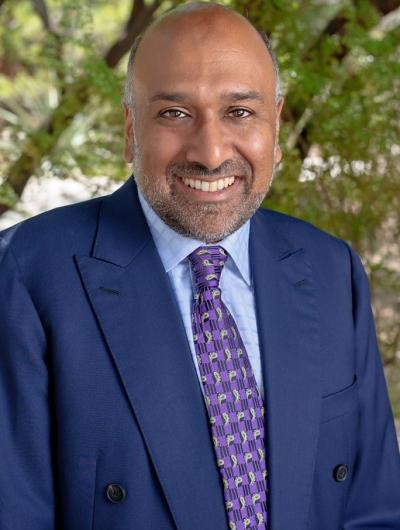
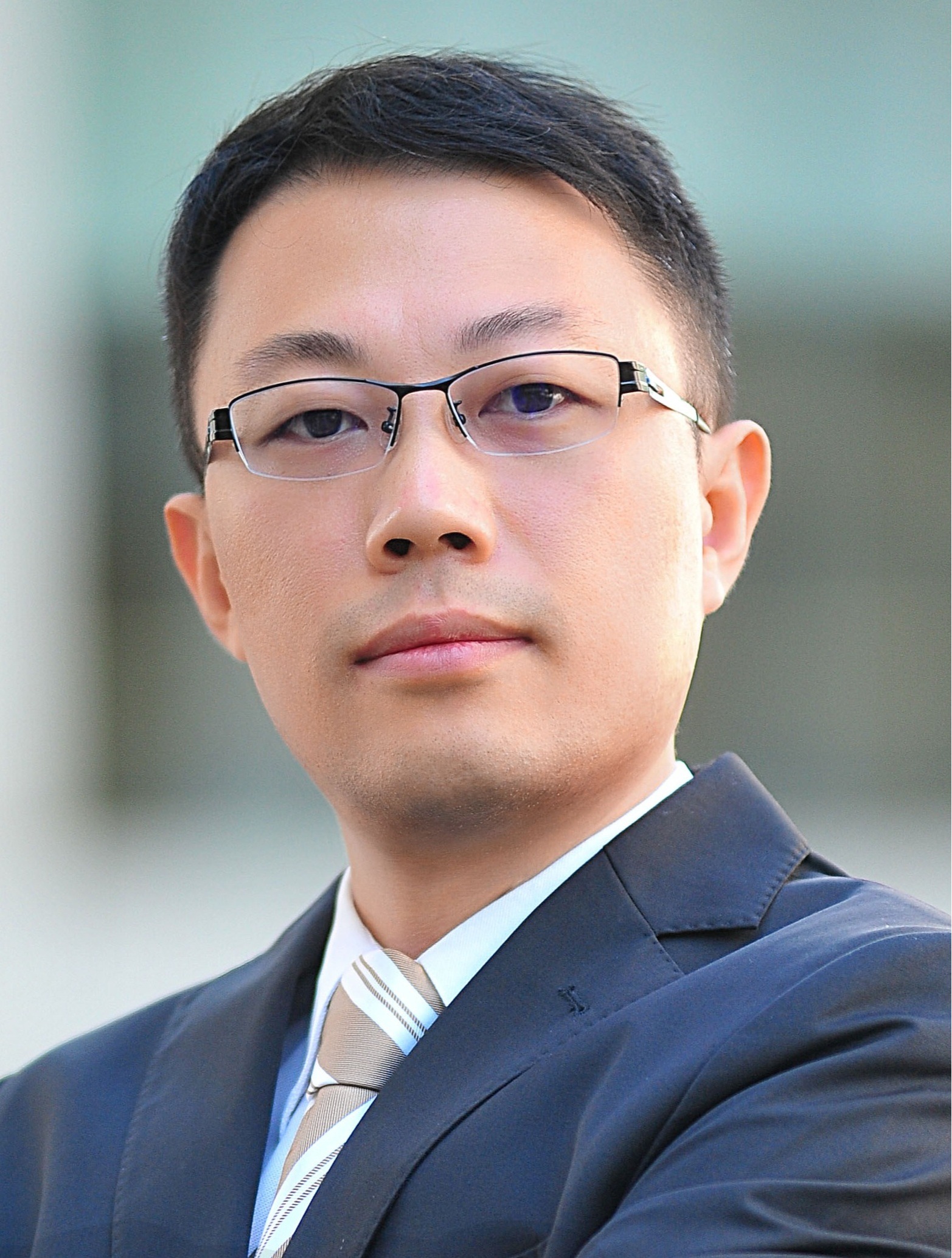
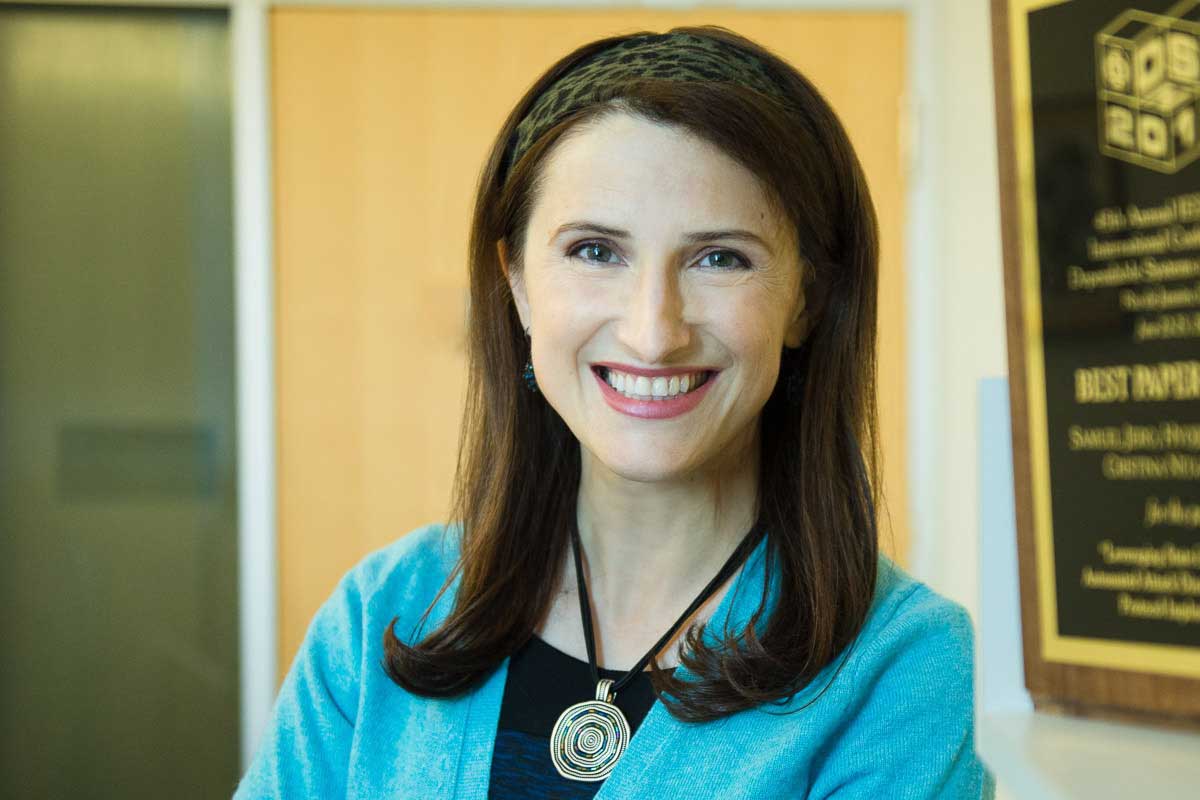
Sascha Struwe serves as a Postdoctoral Researcher at Aalborg University Business School within the Faculty of Social Sciences and Humanities, actively contributing to the International Business Research Group. Based at Fibigerstræde 11 in Aalborg Øst, Denmark, Struwe operates at the intersection of service innovation theory and business practice with international focus. Research expertise centers on service innovation , value co-creation , and digital servitization , particularly examining B2B contexts and open banking ecosystems. Work consistently explores institutional influences through German-Chinese case studies, addressing how cultural and regulatory frameworks shape service design. Recent trajectories reveal evolution from foundational service design challenges (2019-2021) toward digital transformation implications (2022-2023), with emphasis on value co-destruction mechanisms in financial ecosystems. Struwe led the PhD project Innovating the Invisible and Intangible: Value Creation in B2B service (2018-2021) investigating co-creation capabilities across industrial sectors. Academic engagement includes conference participation at EIBA and CICALICS events, plus a visiting researcher appointment at Fudan University's Nordic Centre (2019-2020). Current work continues through the International Business Research Group, focusing on digital literacies and service ecosystem resilience.
Rachel M. Werner, MD, PhD, is a Professor of Medicine at the Perelman School of Medicine and holds the Robert D. Eilers Memorial – William Maul Measey Professorship in Health Care Management and Economics at the Wharton School , both at the University of Pennsylvania . She serves as Executive Director of the Leonard Davis Institute of Health Economics and is an Attending Physician at the Philadelphia Veterans Affairs Medical Center . Dr. Werner is a Core Investigator with the VA Center for Health Equity Research and Promotion and a Senior Fellow at the Leonard Davis Institute . Education: B.A. in Political Science, Macalester College (1992) M.D. in Medicine, University of Pennsylvania School of Medicine (1998) Ph.D. in Health Economics, Wharton School, University of Pennsylvania (2004) Dr. Werner's research program, spanning over two decades, explores the effects of health care payment policies and quality improvement incentives on delivery systems, with a focus on unintended consequences such as worsening racial disparities through public quality reporting. She employs causal inference methods from observational data and leads R01 grants from the Agency for Healthcare Research and Quality (AHRQ) and the National Institute on Aging (NIA) . Scientific Awards: Alice Hersh New Investigator Award Presidential Early Career Award for Scientists and Engineers American Federation of Medical Research (AFMR) Outstanding Investigator Award Elected member of the National Academy of Medicine Her work influences federal and state advisory committees and evaluates Medicaid policies , Medicare systems, and post-acute care models . She directs a VA national center assessing the medical home effectiveness and collaborates with institutions like the Center for Health Equity Research and Promotion and the Center for Health Incentives and Behavioral Economics .
Julius L. Chen, PhD is an Assistant Professor in the Department of Health Policy and Management at Columbia University's Mailman School of Public Health. His research employs empirical microeconomics to evaluate innovative health care delivery and financing strategies, with a focus on value-based care and provider payment models implemented by Medicare, Medicaid, and employers. Dr. Chen's educational background includes: BA in Economics with highest honors from the University of California, Berkeley (2010) MS and PhD in Applied Economics and Managerial Science from The Wharton School, University of Pennsylvania (2013, 2016) EdM in Education Leadership, Organizations, and Entrepreneurship from Harvard University (2025) His research spans Healthcare Policy , Health Economics , and Value-Based Care , with specific interests in chronic disease management, provider payment systems, and biostatistical methods. He investigates how payment and delivery innovations impact patient health and economic outcomes, particularly for vulnerable populations and in Medicare/Medicaid contexts. Analysis of his publications reveals consistent focus on health disparities, chronic condition management, and structural factors in primary care. His work frequently examines Medicare beneficiaries using observational designs to assess real-world policy impacts, with recent studies addressing racial disparities, nurse practitioner workforce issues, and pandemic-related utilization changes. Dr. Chen has received notable recognition including: Calderone Health Equity Award (2021) Calderone Award for Junior Faculty Development (2021) Columbia Public Health Innovation Fund Award (2020) He teaches graduate courses in health care finance, provider payment systems, and organizational behavior. As Faculty Lead for the Mailman School Admissions Committee and affiliate of the Center for Healthcare Delivery Research and Innovations and Columbia Population Research Center, he actively contributes to institutional initiatives while maintaining professional memberships in the American Economic Association and American Public Health Association.
Christine A. Parlour is the Sylvan C. Coleman Chair of Finance and Accounting at the Haas School of Business, UC Berkeley. She co-directs the Berkeley Center for Responsible Decentralized Intelligence. Her research focuses on Fintech, digital payments, and market microstructure, particularly in cryptocurrency and decentralized finance (DeFi). She has served on the Nasdaq Economic Advisory Board and the New Special Study of Securities Markets steering committee. Education: PhD and MA in Economics from Queen’s University (Kingston), BSocSci from University of Ottawa. Her work explores payment system externalities, blockchain protocols, and banking innovation. Recent research includes analysis of Bitcoin transaction fees, decentralized exchange liquidity, and systemic risks in DeFi markets. Publications span top finance journals, addressing topics like Uniswap’s AMM model, miner collusion in Bitcoin, and the impact of Fintech on traditional banking. She frequently engages with policymakers on digital currency regulation and CBDC design.
Olga Kokshagina serves as an Associate Professor in Innovation & Entrepreneurship at The University of Sydney, with adjunct research appointments at Monash University's Emerging Technology Lab and the UNU Hub - Learning Planet Institute. She is also an active member of the French Digital Council. Her research program investigates technology-mediated collaboration in complex innovation systems, focusing on healthcare transformation, deep tech commercialization, and co-design methodologies. Kokshagina has led high-impact projects with global institutions including the World Health Organization, OECD, STMicroelectronics, Vall d’Hebron Hospital, and Roche, demonstrating strong translational research capabilities. Her scholarly work centers on value-based healthcare innovation, digital platform governance, and AI-enhanced collaborative systems. She examines how organizational capabilities evolve during technological transitions, particularly in healthcare ecosystems, and investigates regulatory frameworks for algorithmic control in digital markets. Kokshagina's research bridges theoretical innovation management with practical applications, evidenced by her co-founding of Ninti—an initiative advancing women's health in workplace environments—and her Open Covid-19 crowdsourcing campaign that mobilized global expertise during the pandemic. Analysis of her 2021-2025 publications reveals a cohesive trajectory examining innovation in socio-technical systems. Key themes include value digitalization in healthcare, mission-oriented interdisciplinary collaboration, and the impact of big data on technology management. Her work consistently addresses grand challenges through mixed-methods approaches, spanning conceptual frameworks in journals like Research Policy to applied studies in Technovation and R&D Management, with increasing focus on quantum readiness and AI-augmented learning systems. No scientific awards are documented in the provided materials. Kokshagina currently holds a 2025 research grant for "Co-designing societal readiness and scenario building for quantum" through the University of Sydney Nano Institute/Catalyst program. While no student supervision activities are mentioned, her collaborative projects involve multi-institutional teams across industry, government, and academic sectors. Kokshagina maintains active roles within the University of Sydney Nano Institute and contributes to international policy discourse through the French Digital Council. Her Ninti initiative exemplifies her commitment to human-centered innovation, while ongoing collaborations with healthcare providers like Roche and Vall d’Hebron Hospital demonstrate sustained engagement with real-world implementation challenges in value-based care systems.
Gautam Gowrisankaran is a Professor of Economics at Columbia University , with affiliations as a Research Associate at the National Bureau of Economic Research (NBER), a Research Fellow at the Centre for Economic and Policy Research (CEPR), and a Professeur affilié at HEC Montréal. His research spans Health Economics , Industrial Organization , and Environmental Economics . Primary Affiliation : Columbia University, Department of Economics Secondary Affiliations : NBER, CEPR, HEC Montréal His work investigates dynamic market behaviors , including hospital pricing under Medicare reforms, energy transitions in regulated markets, and the impact of policy uncertainty on technology adoption. Recent publications focus on renewable energy integration , insurance market dynamics , and environmental regulation enforcement . Key trends in his research include applied microeconomic modeling , policy evaluation , and strategic interactions in markets with high stakes such as healthcare and energy. His methodological approach often combines structural estimation with empirical data analysis . Notable Grants : Doctoral Dissertation Research in Economics (Effect of Certified Nurse Midwife Scope-of-Practice Laws) Gautam actively contributes to academic discourse through collaborations with institutions like the University of Arizona and University of Chicago . His work addresses critical societal challenges, including healthcare affordability, energy sustainability, and regulatory efficiency.
Lu Yi is a Professor at the Department of Economics, Tsinghua University School of Economics and Management , holding a CITIC Chair Professor since 2022. He is also Director of multiple research centers , including the Tsinghua University China Economic and Social Data Research Center and the Center for International Economics. A doctoral supervisor , he has guided students across institutions and academic programs. Lu Yi's education includes a BA from Fudan University's School of Life Sciences (1999) , an MA from Fudan University's School of Management (2003) , and a PhD from the University of Hong Kong's Faculty of Business and Economics (2007) . His research focuses on Chinese economy, public finance, and global economic governance , with particular emphasis on trade liberalization, institutional quality, and environmental policy. Key research areas : Trade policy impacts, productivity gains from trade, environmental regulation effects, and labor market responses to technological change Leadership roles : Editorial board member of American Economic Journal: Economic Policy , Co-Editor of China & World Economy , former Deputy Editor-in-Chief of Economic Journal Policy advisory : Expert for National Healthcare Security Administration's DIP payment system, National Council Member for Social and Economic Council His scientific awards span national and provincial levels , including the First Sun Shangqing Young Scholar Award , Pushan World Economics Outstanding Paper Youth Award , and multiple provincial social science achievement awards in Shandong, Liaoning, Zhejiang, Fujian, and Sichuan. His publications in top journals like the Journal of Public Economics , Review of Economics and Statistics , and Nature Climate Change demonstrate his influence in applied economics and policy research.
Amitabh Chandra is the Ethel Zimmerman Wiener Professor of Public Policy at Harvard Kennedy School (HKS) and the Henry and Allison McCance Family Professor of Business Administration at Harvard Business School (HBS). He holds dual roles as Director of Health Policy Research at HKS and chairs several initiatives, including the Pagliuca Harvard Life Lab and the joint MS/MBA program in life sciences. His research focuses on healthcare pricing, pharmaceutical innovation, racial disparities in care, and Alzheimer’s treatment economics. Dr. Chandra has advised the U.S. Congress, the Massachusetts government on healthcare reform, and serves on the Congressional Budget Office’s Health Advisors Panel. His affiliations include the Malcolm Wiener Center for Social Policy and the Mossavar-Rahmani Center for Business and Government at HKS. His research spans biopharmaceutical capital allocation, Medicare drug negotiation policies, and the economic implications of healthcare cost-sharing. Notable recent work addresses price regulation in healthcare, orphan drug exemptions, and the impact of the Inflation Reduction Act on pharmaceutical innovation. Key Awards: ASHE Medal (under 40), Kenneth Arrow Award, Eugene Garfield Award Committees: Blavatnik Fellows Board, Health Affairs Council on Spending Grants: NIH funding (NIA, NICHD), Robert Wood Johnson Foundation He explores how economic principles shape healthcare systems, focusing on aligning drug pricing with therapeutic value and improving equitable access to treatments. His work bridges academia and policy, influencing national dialogues on healthcare reform and innovation incentives.
Maria Monica Wihardja serves as a Visiting Fellow and Co-coordinator of the Media, Technology and Society Programme at ISEAS–Yusof Ishak Institute while holding an Adjunct Assistant Professor position at the National University of Singapore. Her career bridges academic research and high-impact policy engagement, including former roles as World Bank Economist in the Poverty and Equity Global Practice and senior advisor to Indonesia's Presidential Executive Office on strategic economic reforms. Her educational background features: PhD in Regional Science, Cornell University MPhil in Economics, Cambridge University BA in Applied Mathematics-Economics, Brown University Wihardja's research integrates economic analysis with sociotechnical systems, focusing on digital transformation's impact on labor markets, food security, and democratic processes. She examines how technological disruption creates both opportunities for inclusion and risks of inequality, particularly through studies of platform economies, electoral disinformation, and sustainable agro-food systems. Her methodology combines quantitative econometrics with policy-oriented field research, often leveraging large-scale datasets from government and private sector partnerships. Analysis of her recent publications reveals three dominant research trajectories: (1) Digital economy effects on labor market polarization and inclusion, (2) Food system resilience through agricultural modernization, and (3) Geopolitical dimensions of supply chain reconfiguration. These intersect with her policy engagement in ASEAN economic integration frameworks and Indonesia's G20 presidency initiatives. Her scientific recognition includes: Nikkei Asian Scholar 2023 award Wihardja actively shapes regional discourse through editorial roles at East Asia Forum and Center for Indonesian Policy Studies. Her grant-funded work frequently involves World Bank partnerships and Indonesian government collaborations, particularly on stunting prevention and food policy reforms. Current projects examine deepfake impacts on electoral integrity and sustainable financing mechanisms for green transitions. She leads the Media, Technology and Society Programme at ISEAS, coordinating interdisciplinary research on digital governance and Southeast Asian technology policy. The programme partners with regional think tanks, government agencies, and private sector stakeholders to develop evidence-based policy responses to technological disruption.
Danny Yagan is a Researcher at the University of California, Berkeley Department of Economics, with expertise in public economics, taxation, and income inequality. He contributes to the National Bureau of Economic Research (NBER) and the Conference on Research in Income and Wealth. His research focuses on fiscal policy, including deficit sustainability and the "growth dividend" concept. He has extensively studied pass-through business entities' impact on labor income share and inequality, using administrative tax data to analyze wealth distribution and taxation of top earners. Recent work examines spatial inequality trends, place-based redistribution, and the role of colleges in intergenerational mobility. Collaborations with scholars like Raj Chetty, Emmanuel Saez, and Owen Zidar highlight his interdisciplinary approach. Yagan's publications span topics including tax reform, capital taxation, and household investment behavior. He is actively involved in policy analysis and empirical economic research.
Lawton R. Burns is the James Joo-Jin Kim Professor of Health Care Management and Professor of Management at the Wharton School, University of Pennsylvania. He serves as Co-Director of the Roy and Diana Vagelos Program in Life Sciences and Management and Chairperson of the Health Care Systems Department since 2008. Dr. Burns holds a PhD in sociology and an MBA in health administration from the University of Chicago, along with a BA from Haverford College. PhD, University of Chicago (1981) MBA, University of Chicago (1984) MA, University of Chicago (1976) BA, Haverford College (1973) His research focuses on healthcare supply chains, organizational innovation, and strategic management in health systems. He has authored or co-authored 15+ books, including analyses of integrated healthcare, pharmaceutical and medical device sectors, and global health systems in India and China. Recent works examine evidence-based healthcare innovation and the role of GPOs/PBMs in drug pricing. Dr. Burns advises on healthcare policy, including Senate testimony on pharmacy benefit managers and antitrust implications of physician-hospital organizations. His teaching covers healthcare strategy, managed care, integrated delivery networks, and the U.S. healthcare ecosystem, with courses requiring competitive analysis of producer, purchaser, and provider organizations. Board of Institute of Medicine, Health Services Research Section (2003) Arthur Anderson Distinguished Visitor, University of Cambridge (2001) Teacher of the Year, Administrative Medicine Program (1999) Edwin Crosby Memorial Fellowship (1992-93) Udall Fellowship (1990-91) Invited Lecture Series, Catholic University of Rome (1997)
Janina Grabs is Professor of Sustainability Research at the University of Basel, where she heads the subject area of Sustainability Research within the Department of Social Sciences at the Faculty of Humanities and Social Sciences. She is responsible for social science teaching in the Master's program in Sustainable Development and leads a research group investigating sustainability governance in global value chains, particularly in tropical agricultural commodities. Her academic background includes a PhD in Political Science from Westfälische Wilhelms-Universität Münster (2018), with research stays at Carleton University in Ottawa and Yale University in New Haven. Prior to her current position since June 1, 2024, she worked as an assistant professor at ESADE Business School in Barcelona (2021-2024) and as a postdoc at ETH Zurich (2019-2021). Professor Grabs' research focuses on transnational sustainability governance in global value chains, examining how states, firms, NGOs and other actors can improve environmental and social sustainability in commodity production. Her interdisciplinary work bridges political economy, regulatory governance, and business in society scholarship to investigate who defines sustainability in the marketplace, what rule-making mechanisms exist, their effectiveness, and potential unintended consequences on smallholders' livelihoods. She places special emphasis on coffee, palm oil, and cocoa sectors, exploring how global production and consumption processes can be steered toward more sustainable directions within market frameworks. Analysis of her recent publications reveals a strong focus on zero-deforestation initiatives, supply chain due diligence legislation (particularly the EU Deforestation Regulation), jurisdictional approaches to sustainable commodity governance, and the evolving role of various actors in sustainability governance. Her work spans multiple commodities but shows particular depth in coffee and palm oil sectors, examining both environmental and social dimensions of sustainability through field research in Colombia, Honduras, Costa Rica and Indonesia. Her significant contributions to the field have been recognized with prestigious awards: 2021 Organizations and the Natural Environment Book Award from the Academy of Management 2022 Lynton Keith Caldwell Award for the best book in the field of science, technology and environmental politics from the American Political Science Association Professor Grabs actively mentors doctoral students and postdoctoral researchers including Alexandra Bögner, Charline Depoorter, Lucia Casalegno, Lesly Nassila, and Philipp Dunker. Her research is supported by multiple third-party funded projects such as EXPECT-AGRI (investigating political economy of expectations in agri-food sustainability transformations), PACSMAC (examining paradoxes of climate-smart coffee production), and research on zero-deforestation commitments in the palm oil sector. She also serves as book review editor for the journal Regulation & Governance and participates in professional associations including the ECPR Standing Group on Regulatory Governance and the International Studies Association. She leads the Sustainability Research Group at the University of Basel, which conducts interdisciplinary research on sustainability governance and transformations toward more sustainable socio-economic systems, with particular focus on agri-food, energy, and mobility sectors while addressing critical questions of justice, equity, and inclusivity in sustainability transitions.
Laurie Graham is a Lecturer at the Yale School of Public Health (YSPH) and an Adjunct Professor at Boston University’s School of Public Health, where she also serves on the Advisory Board for the Health Policy and Management Department. Her expertise lies at the intersection of healthcare, business strategy, and technology. She holds a B.A. in Geography from George Washington University and an M.P.H. in Health Policy Management from YSPH (2012). Professionally, Graham has over 15 years of experience in healthcare consulting, strategic leadership, and policy reform. Her roles include Senior Director of Corporate Strategy at Optum (UnitedHealth Group), Vice President of Growth at Cotiviti, and advisory work at ARPA-H. Her work focuses on transforming healthcare systems through value-based payment models, payer-provider partnerships, and cross-sector collaboration. She teaches courses like Leading Health Care Transformation at YSPH, emphasizing real-world application of strategic insights. Her research interests center on healthcare system innovation, equitable access, and leveraging technology to optimize public health outcomes. Despite no listed publications, her professional contributions highlight a focus on practical solutions for systemic challenges in healthcare delivery and policy.
John Z. Ayanian serves as the Alice Hamilton Distinguished University Professor of Medicine and Healthcare Policy at the University of Michigan, holding joint appointments as Professor of Internal Medicine in the Medical School, Professor of Health Management and Policy in the School of Public Health, and Professor of Public Policy in the Gerald R Ford School of Public Policy. As inaugural Director of the Institute for Healthcare Policy and Innovation (IHPI), he leads a consortium of 700 faculty members across 15 schools and maintains clinical practice as a general internist at Michigan Medicine. His academic foundation includes a Bachelor of Arts in history and political science from Duke University (1982), medical degree from Harvard Medical School (1987), and master's in public policy from Harvard Kennedy School (1987), followed by residency and fellowship at Brigham and Women’s Hospital and post-doctoral training in health services research at Harvard School of Public Health. Dr. Ayanian's research program investigates health equity, access to care, and quality of care with particular attention to social determinants including race/ethnicity, gender, socioeconomic status, and insurance coverage. His work critically examines Medicaid expansion impacts, Medicare Advantage disparities, and policy responses to health inequities, often utilizing large-scale claims databases and cross-institutional collaborations. Current projects include the federally-authorized evaluation of Michigan's Medicaid expansion program serving over 700,000 adults. Analysis of his 15 most recent publications (2025) reveals three dominant research thrusts: (1) Medicare Advantage vs Traditional Medicare comparisons across diverse clinical conditions, (2) Medicaid policy evaluation including unwinding impacts and expansion effects, and (3) innovative measurement of health equity through new indices and AI applications. His work consistently emphasizes methodological rigor in health services research while maintaining strong policy relevance. His scientific honors include: Election to the National Academy of Medicine Master status in the American College of Physicians John Eisenberg National Award for Career Achievement in Research Distinguished Investigator Award from AcademyHealth Election to Alpha Omega Alpha and Association of American Physicians Dr. Ayanian leads the federally-funded Healthy Michigan Plan evaluation team of 15 faculty members and serves as founding Editor-in-Chief of JAMA Health Forum, previously holding editorial positions at the New England Journal of Medicine. His research receives substantial federal support focused on health policy evaluation, with particular emphasis on vulnerable populations. He actively mentors students and junior faculty across multiple disciplines. As Director of IHPI, he fosters interdisciplinary collaboration across 15 schools at the University of Michigan. His leadership extends to center memberships in AI and Digital Health Innovation, Caswell Diabetes Institute, and Center for Global Health Equity, where he promotes data-driven solutions to health disparities through cross-campus partnerships and innovative research methodologies.
Cristina Nita-Rotaru is a tenured Professor of Computer Science at Northeastern University's Khoury College of Computer Sciences , where she leads the Network and Distributed Systems Security Laboratory (NDS2) and is a founding member of the Cybersecurity and Privacy Institute . Previously, she was a faculty member at Purdue University from 2003 to 2015. Education: Ph.D. in Computer Science from Johns Hopkins University M.S. in Computer Science from Politehnica University of Bucharest , Romania Research Focus: Her research lies at the intersection of cybersecurity , distributed systems , and computer networks . She designs and builds resilient distributed systems and network protocols that maintain security, availability, and performance despite faults, misconfigurations, and attacks. Her work integrates formal methods , adversarial testing , blockchain security , and trustworthy AI . Funding & Impact: Her research has been supported by NSF , DARPA , ONR , Google , Ethereum Foundation , and others. She has received numerous awards, including the NSF CAREER Award (2006) and multiple best paper awards at top venues like NDSS , ACM CCS , and IEEE S&P . Scientific Awards: NSF CAREER Award (2006) NETYS 2023 Best Paper Award ACM SACMAT 2022 Best Paper & Test-of-Time Awards IEEE SafeThings 2019 Best Paper Award NDSS 2018 Best Paper Award ISSRE 2017 Best Paper Award DSN 2015 Best Paper Award IETF/IRTF Applied Networking Research Prize (2016, 2018, 2025) Purdue College of Science Research Award (2013) Purdue Excellence in Research Award (2012) Purdue College of Science Leadership Award (2012) Purdue College of Science Undergraduate Advising Award (2008) Purdue Teaching for Tomorrow Award (2007) Advising & Students: She has advised over 30 PhD and MS students at Northeastern and Purdue. Notable former students include Reza Curtmola (NJIT Professor) , Endadul Hoque (Syracuse University Assistant Professor) , and Max von Hippel (Bencify founding partner) . Labs & Teams: She directs the NDS2 Lab , focusing on network and distributed systems security, with projects spanning blockchain protocols , SDN security , IoT and connected cars , and formal verification of protocols .