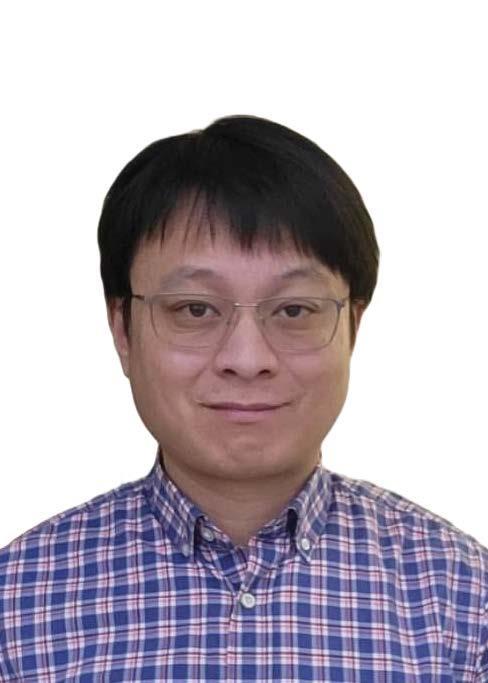
Yun Zhou is an Associate Professor in the Department of Operations Management at DeGroote School of Business, McMaster University. His research bridges theoretical operations research with practical applications in supply chain optimization, revenue management, and healthcare logistics. PhD: Rotman School of Management, University of Toronto Doctorate & B.Sc.: Tsinghua University Dr. Zhou specializes in revenue management , supply chain coordination , and dynamic pricing , particularly in on-demand delivery systems and sharing economy platforms . His work addresses uncertainty in demand , perishable product inventory , and healthcare operations challenges like vaccine allocation and surgical scheduling . Recent publications focus on robotic warehouse systems (e.g., rack-moving robots for order picking), price and matching dynamics in sharing economies , and blood supply chain coordination . These span optimization algorithms , stochastic modeling , and empirical retail analytics . SSHRC Grant: Addressing societal challenges through operations research
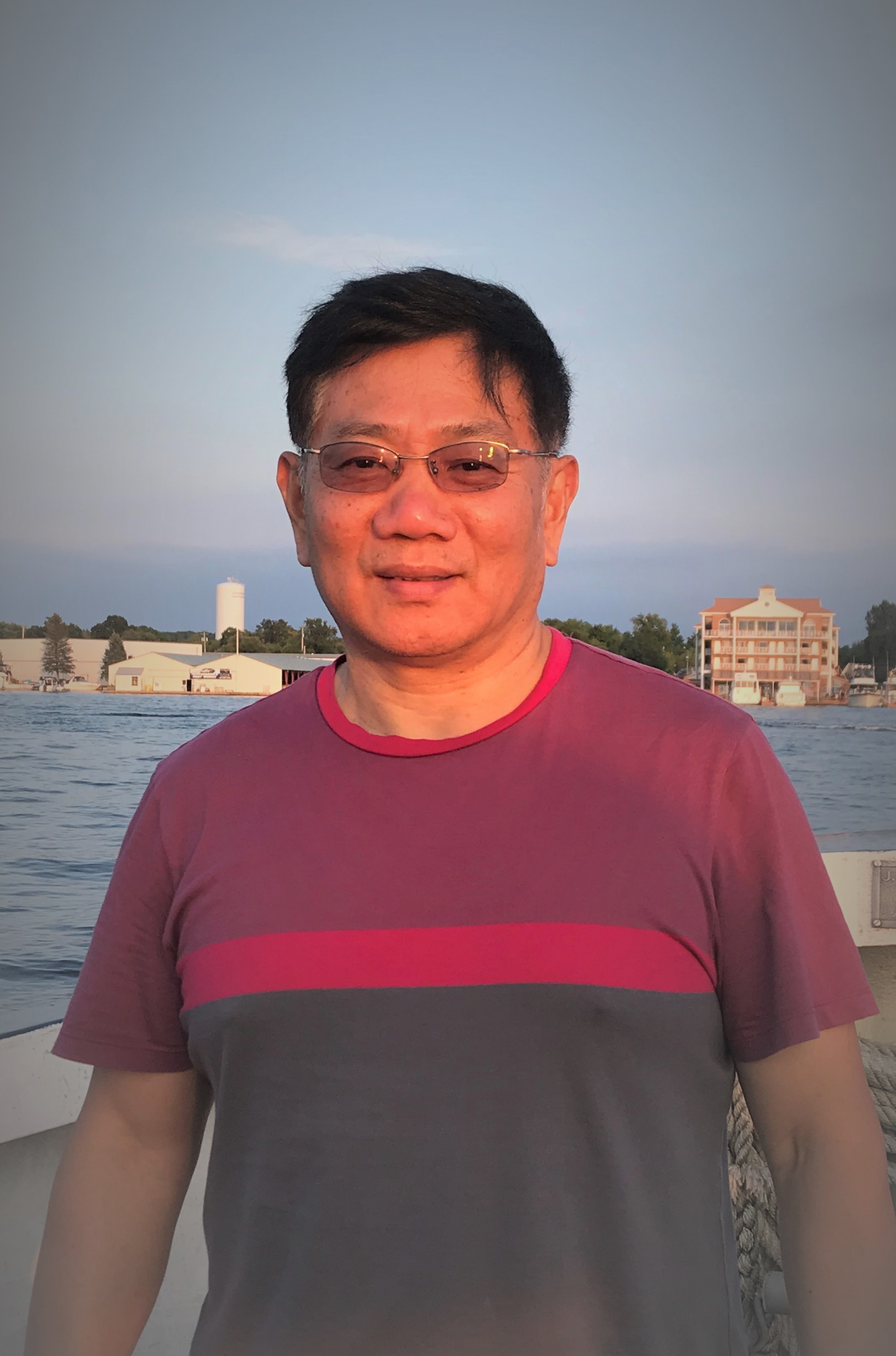
Professor Xiaojing Ma is a tenured faculty member at Weill Cornell Medicine's Graduate School of Medical Sciences, serving in the Department of Microbiology and Immunology. His research focuses on tumor immunology and cancer immunotherapy, particularly studying UBR5 E3 ubiquitin ligase in breast and ovarian cancers. Education: Bachelor of Science in Animal Science, Beijing Agricultural University, China (1982) PhD in Molecular Genetics, University of Edinburgh, UK (1987) Research Interests: Professor Ma's laboratory conducts cutting-edge research in tumor immunology using animal models of breast and ovarian cancers. His work centers on understanding the mechanisms of immunosuppression in cancer and developing novel targets for cancer immunotherapy. A major focus is the UBR5 pathway, a HECT domain E3 ubiquitin ligase that acts as a cross-cancer regulator of tumorigenesis and anti-tumor immunity. His team explores UBR5's immunological role in identifying neoantigens for cancer vaccine development and investigates molecular degraders of UBR5 via PROTAC technology for therapeutic applications. Current Research Projects: Identification of UBR5's E3 ligase substrates and interacting protein partners Discovery of tumor-associated antigens in UBR5-deficient tumors for cancer vaccine development Investigation of UBR5's immunoregulatory activities on myeloid cells in the tumor microenvironment Exploration of UBR5's role in T cell lineage development and tumor immunity Development of molecular degraders targeting UBR5 via PROTAC technology Research Trends: Professor Ma's research spans cancer immunotherapy, tumor immunology, and molecular oncology, with particular emphasis on ubiquitin-mediated protein degradation pathways. His work bridges basic science discoveries in molecular immunology with translational applications in cancer treatment, focusing on developing novel immunotherapeutic strategies against aggressive and therapy-resistant malignancies. Professional Affiliations: Department of Microbiology and Immunology, Weill Cornell Medicine Immunology & Microbial Pathogenesis Program Laboratory Focus: The Ma laboratory employs state-of-the-art technologies and experimental strategies to explore the pathophysiology and immunobiology of UBR5, an enigmatic molecule with significant clinical potential. The lab's research aims to bring immediate clinical benefits to patients with highly aggressive and therapy-resistant cancers through immune activation and generation of T cell memories for long-term immunosurveillance against cancer recurrence.
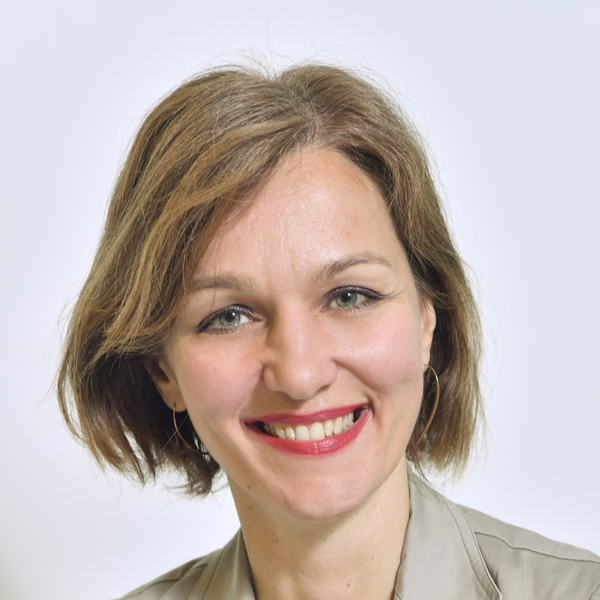
Aleksandra Torbica is an Associate Professor at the Department of Social and Political Sciences at Bocconi University, specializing in Health Economics and Health Technology Assessment (HTA). She has been a key collaborator with SDA Bocconi since 2002 and previously served as Director of the Center for Research on Health and Social Care Management (CERGAS) until 2022. Her research focuses on the intersection of global health policy , health economics , and healthcare management , with expertise in healthcare financing systems, governance, and the use of real-world data to inform decision-making. She has contributed to high-impact journals like Social Science & Medicine and Value in Health , addressing topics such as digital health interventions, pandemic preparedness, and healthy ageing. Scientific Awards & Grants: Teaching Excellence Award (2020) - Università Commerciale Luigi Bocconi PRIN Grant on Real-World Evidence (2019) COMED Project (2018) - European Commission IQCE Project (2017) - European Commission Her recent publications highlight interdisciplinary approaches to health economics, with a focus on cost-effectiveness analysis, policy evaluation, and health risk perception during global crises like the COVID-19 pandemic.
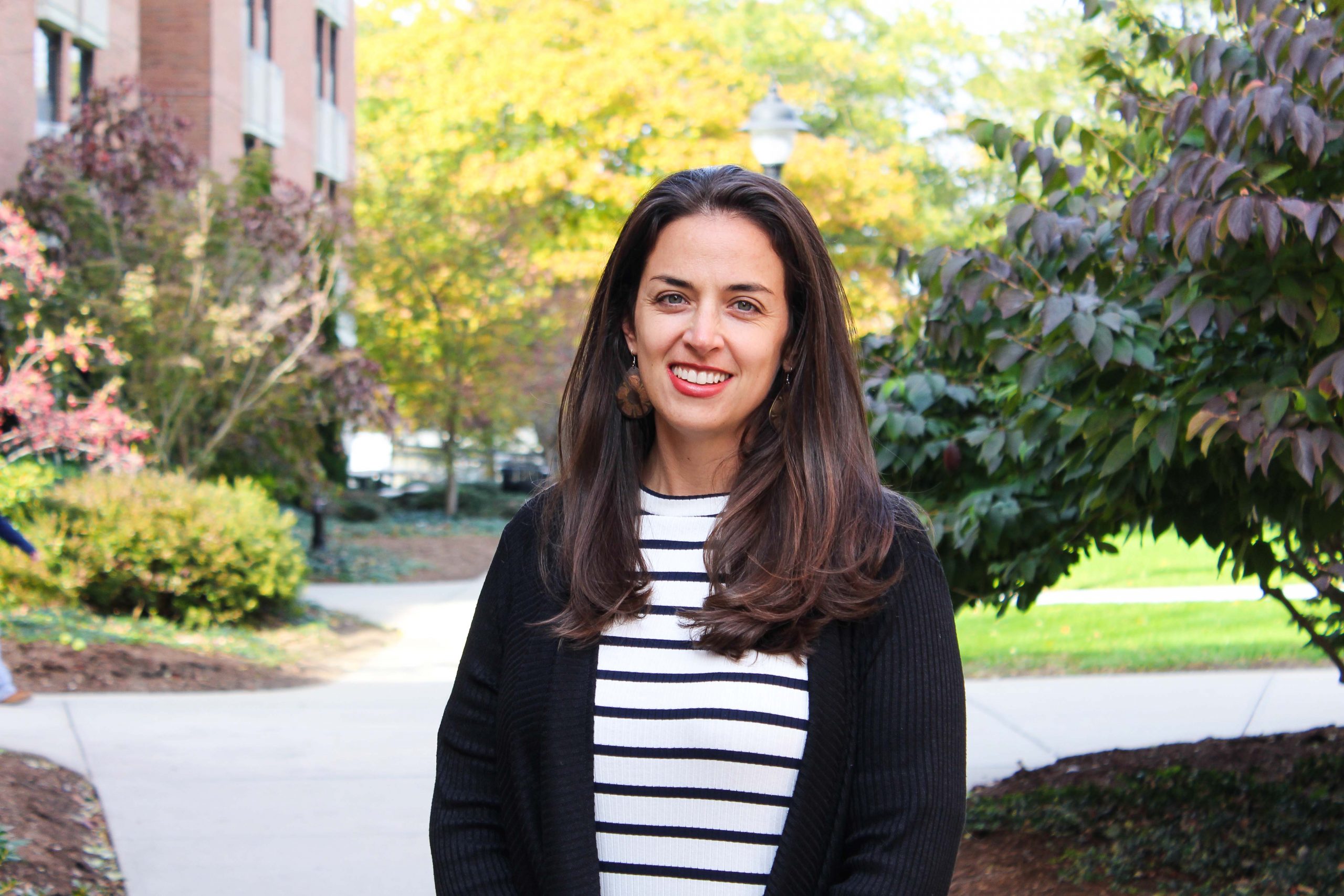
Estelle S. Harris is a Professor of Medicine at the University of Utah Health Science Center , specializing in Pulmonary and Critical Care Medicine . She serves as Medical Director for the University of Utah Medical ICU and Huntsman Cancer Hospital ICU/Intermediate Care Unit, with additional roles as a pulmonary consultant for neuromuscular clinics and the NeuRx Diaphragm Stimulator Program. Education: MD from University of Colorado School of Medicine; Residency in Internal Medicine at Boston City Hospital; Fellowship in Pulmonary/Critical Care at University of Michigan Hospitals Dr. Harris’s research focuses on acute lung injury , vaccine effectiveness for respiratory viruses, and critical care interventions for sepsis and COVID-19. She has led studies on non-invasive ventilation and immunothrombosis in severe infections. Her publications highlight collaborations with networks like VISION , IVY , and ACTIV , addressing topics such as SARS-CoV-2 variants , antiviral therapies , and biomarker dynamics in critical illness. Professional Memberships: American Thoracic Society, American College of Chest Physicians, Society of Critical Care Medicine
Lisa Eaton is a Professor in the Department of Human Development and Family Sciences at the University of Connecticut. Her research focuses on health and well-being development across the lifespan, advanced quantitative methods for social sciences, ecological approaches to disease prevention, health disparities interventions, and community-based programs. She holds a PhD from the University of Connecticut (2009) and completed a Post Doctoral Fellowship at Yale University (2010). Education: PhD, University of Connecticut (2009) Post Doctoral Fellowship, Yale University (2010) Dr. Eaton’s recent publications emphasize HIV prevention, stigma reduction, health disparities among sexual and gender minorities, mental health, and intersectional approaches to public health challenges. She explores topics such as PrEP uptake, syndemic theory, structural stigma, and the impact of social determinants on biomedical outcomes. Her work often employs advanced statistical methods like latent profile analysis and geometric intersectional stigma scales. Her articles highlight interventions addressing HIV prevention among Black and Hispanic/Latino populations, including studies on medication adherence, substance use interactions, and the effects of stigma on healthcare engagement. She also investigates broader public health issues like the anti-vaccination movement, pandemic-related healthcare disruptions, and LGBTQ+ youth well-being. Dr. Eaton can be contacted via email at lisa.eaton@uconn.edu .
Caius Radu, M.D., is a full Professor in the Departments of Molecular and Medical Pharmacology and Surgery at the University of California, Los Angeles (UCLA). He also serves as Vice-Chairman of the Department of Molecular and Medical Pharmacology and as Co-Director of the Cancer Molecular Imaging, Nanotechnology, and Theranostics Research Program (CMINT) within the Jonsson Comprehensive Cancer Center. Education: M.D., University of Medicine, Craiova, Romania Postdoctoral training in immunology and cancer biology, University of Texas Southwestern Medical Center (Dallas) Postdoctoral training at UCLA under the mentorship of Dr. Owen Witte Research Interests: Dr. Radu's laboratory investigates the intersection of metabolic signaling , nucleotide metabolism , and immune networks in cancer, with a translational focus on molecular imaging and theranostic applications. Key efforts include elucidating novel mechanisms regulating nucleotide metabolism in pancreatic and prostate cancers, identifying actionable co-dependencies, and developing non-invasive imaging probes that predict therapeutic response. The group integrates rigorous pre-clinical mouse models with cutting-edge PET imaging to accelerate bench-to-bedside translation. Current projects revolve around STING pathway activation , PSMA-targeted radioligand therapy , CD73 adenosine blockade , mutant KRAS inhibition , and mRNA cancer vaccines . These multi-pronged strategies aim to overcome tumor immune evasion, enhance cytotoxic therapies, and personalize treatment selection. Recent Publication Trends: From 2020-2025, the Radu group has published extensively on synergistic combination therapies that pair immune checkpoint modulation with targeted metabolic inhibition. A dominant theme is leveraging nucleoside analog PET tracers (e.g., 18F-FAC, 18F-CFA) to visualize immune activation and metabolic stress in real time. Parallel studies dissect resistance mechanisms to PSMA-targeted alpha therapy and explore STING agonism as a strategy to sensitize otherwise refractory pancreatic and prostate tumors. Scientific Awards & Honors: While the provided text does not enumerate specific awards, Dr. Radu’s leadership roles at UCLA and the Jonsson Comprehensive Cancer Center, along with continuous high-impact publications, attest to sustained recognition in cancer research. Advising & Team: Dr. Radu mentors an active bench-to-bedside team comprising: Graduate Students: Amanda Creech, Hailey Lee Postdoctoral Scholar: Khalid Rashid Staff Research Associate: Weihang Zhao Lab Manager: Nanping Wu Laboratory & Core Affiliations: The Radu laboratory operates within the CMINT program at the Jonsson Comprehensive Cancer Center, with ready access to UCLA’s preclinical imaging cores, flow cytometry facilities, and translational pathology resources. Collaborative ties span the departments of Molecular and Medical Pharmacology, Surgery, Radiological Sciences, and the Institute for Molecular Medicine.
Michael S Kinch is Professor of Pharmacological Sciences at Stony Brook University and serves as Chief Innovation Officer. He founded and directs the Center for Research Innovation in Biotechnology (CRIB), which analyzes trends in drug discovery, development, and commercialization. Previously, he held leadership positions as Executive Dean for Sciences at Long Island University, Associate Vice Chancellor at Washington University in St. Louis, and founded the Yale Center for Molecular Discovery at Yale University. Dr. Kinch earned his PhD in Immunology from Duke University and a Bachelor's of Science in Molecular Genetics from The Ohio State University. His educational background has provided the foundation for his interdisciplinary work spanning science, medicine, law, and business of drug development. His research focuses on innovative approaches to improve biomedical translation and entrepreneurship. The CRIB laboratory curates comprehensive information on FDA-approved medicines, vaccines, and drugs in clinical trials, creating a unique database that reveals how medicines work, the diseases they treat, contributing organizations, pricing, and other critical factors. His work identifies trends in drug development and anticipates future challenges and opportunities across pharmaceutical innovation, regulatory science, drug pricing, and academic contributions to drug discovery. Dr. Kinch's extensive publication record demonstrates consistent focus on FDA approvals, pharmaceutical innovation trends, and the business of drug development. His recent work examines antibiotic development, monoclonal antibodies, bispecific antibodies, and the economic and regulatory challenges facing the pharmaceutical industry, with publications primarily in Drug Discovery Today and related journals. Dr. Kinch has published more than 150 scientific papers and holds five dozen US patents. He has authored multiple trade books on trends in medicine development and distribution. His research has been featured in prominent media outlets including The Wall Street Journal, The Washington Post, The New York Times, CNN, BBC, and Bloomberg News. As an academic leader and innovator, Dr. Kinch has established programs to support biomedical entrepreneurship and technology commercialization. His work with translational fellows and university gap funds demonstrates his commitment to bridging the gap between academic research and healthcare applications. The Center for Research Innovation in Biotechnology (CRIB) serves as his primary research laboratory, providing insights into molecular targets and the mechanistic basis of drugs, vaccines, and emerging therapies.
Sarah Hillman is an Associate Clinical Professor in Women's Health within the Applied Health Sciences department. She holds the prestigious 125th Anniversary Fellow designation and maintains an active research program focused on critical women's health issues across the lifespan, with particular emphasis on primary care contexts and patient experiences within the NHS. Her research profile demonstrates deep expertise in several key areas: Menopause care accessibility and women's experiences within contemporary healthcare systems Development of community-based care models following perinatal loss (stillbirth and second trimester miscarriage) Perineal trauma management and wound care pathways following childbirth Vaccination uptake among pregnant women Qualitative research methodologies and action research approaches Systematic reviews and meta-analyses in women's health Dr. Hillman's recent scholarly output shows remarkable productivity with 11 publications in 2025 alone, reflecting her leadership in translating research into practical clinical applications. Her work consistently employs patient-centered approaches to identify barriers to equitable care and develop evidence-based interventions that address real-world healthcare challenges. She has received recognition as a 125th Anniversary Fellow and her research has been published in high-impact journals including The British Journal of General Practice and BMJ Open. Her work has garnered attention from both academic (Mendeley readers) and professional (Bluesky) communities. Dr. Hillman currently leads three major NIHR-funded research projects through 2031, serves as Principal Investigator on a study examining HRT discontinuation, and mentors the next generation of researchers as she is accepting PhD students for projects in women's health and primary care. Her collaborative network spans multiple UK institutions and research specialties, reflecting the interdisciplinary nature of her work.
Daniel Salmon is a Professor at the Johns Hopkins Bloomberg School of Public Health with primary appointments in the Department of International Health and the Division of Global Disease Epidemiology and Control. He also holds joint affiliations in Health, Behavior and Society and is associated with the Institute for Vaccine Safety. His educational background includes a PhD from the Johns Hopkins Bloomberg School of Public Health (2003), an MPH from Emory University Rollins School of Public Health (1996), and a BA from Rutgers University (1991). Dr. Salmon's research focuses on optimizing childhood infectious disease prevention through vaccines, with expertise in vaccinology, epidemiology, behavioral epidemiology, and health policy. His work emphasizes post-licensure vaccine safety, risks of vaccine refusal, factors influencing vaccine acceptance, evaluation of state immunization exemption laws, vaccine safety systems development, and interventions to improve vaccine decision-making. He has extensive experience developing surveillance systems and measuring immunization coverage through various methodologies. His recent publications demonstrate a strong focus on contemporary vaccine safety issues, particularly related to COVID-19 vaccination, including myocarditis risks, health economics of vaccination, and policy implications of vaccine mandates. His work spans epidemiological studies, systematic reviews, meta-analyses, and policy evaluations within the broader field of vaccine safety science. Dr. Salmon has received numerous honors including the Haddon Fellow award (1999-2001), Achievement Award for Dedication to Students (2005), recognition for developing the Federal Immunization Safety Task Force (2008), and being named an Outstanding Recent Graduate by Johns Hopkins Bloomberg School of Public Health (2013). He has collaborated extensively with state, federal, and global public health authorities to strengthen immunization programs and pandemic planning. His work has contributed significantly to vaccine safety monitoring systems, including the PRISM program for H1N1 vaccine safety monitoring. As director of the Institute for Vaccine Safety, he leads research examining vaccine safety, vaccine hesitancy, and interventions to improve vaccine decision-making. His team develops evidence-based communication strategies to address vaccine concerns and improve public confidence in immunization programs.
Emily S. Gurley is a Professor at the Bloomberg School of Public Health , Johns Hopkins University . She holds primary affiliations with the Department of Epidemiology (Division of Infectious Disease Epidemiology) and Center for Global Health . Her work spans research, teaching, and field operations in Bangladesh , where she has led initiatives in outbreak detection and disease surveillance since 2003. Education: PhD, Johns Hopkins Bloomberg School of Public Health (2012) MPH, Emory University (2002) BA, Oglethorpe University (1996) Research Focus centers on emerging infectious diseases , particularly Nipah virus and arboviruses , using a One Health framework. She emphasizes disease surveillance , outbreak investigation , and transmission dynamics at the human-animal-environment interface. Her projects include CHAMPS (Child Health and Mortality Prevention Surveillance) in Bangladesh and collaborations with the US CDC . Notable Trends in Research include the intersection of zoonotic spillover , genomic epidemiology , and public health policy , with a focus on Bangladesh and South Asia . Her work addresses pandemic preparedness , vaccine trials , and antimicrobial resistance in low-resource settings. Scientific Awards include: Excellence in US COVID-19 Public Health Practice (Coursera, 2021) Coursera Innovation Award for Contact Tracing Course (2021) Shikani/El-Hibri Prize for Discovery (2020) Inaugural Abe Lilienfeld Student Award (2011) Advising and Collaborations highlight her mentorship of junior scientists and leadership in interdisciplinary studies. She serves on the WHO Nipah Virus Taskforce and contributes to global CHAMPS and Global Disease Detection programs.
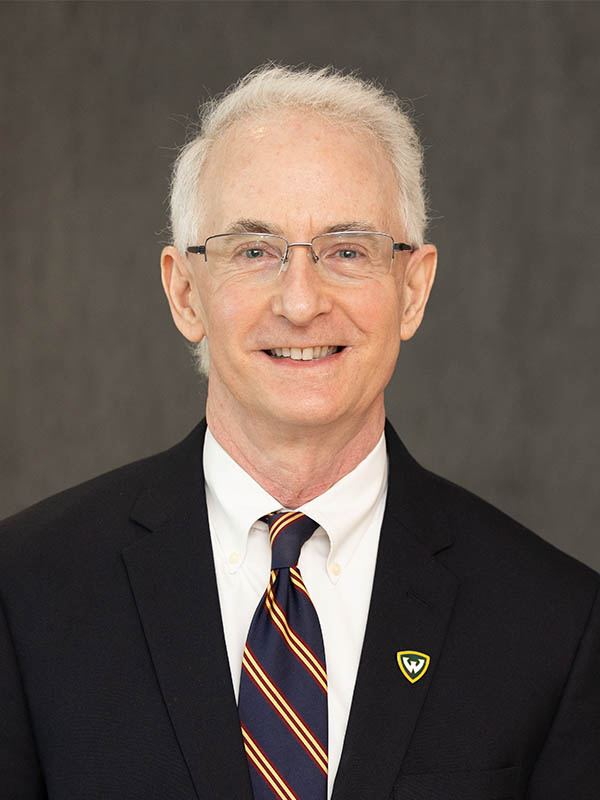
Paul E. Kilgore is a Professor and Director of Research at Wayne State University’s Eugene Applebaum College of Pharmacy and Health Sciences , with a dual appointment as Co-Director of the Center for Emerging and Infectious Diseases at Wayne State University School of Medicine. His career spans clinical medicine, epidemiology, and vaccine research, with a focus on reducing disease burden from bacterial and viral infections through translational research and addressing health disparities. Education: MD (Wayne State University, 1991), MPH in Epidemiology (University of Michigan, 1987) Prior Appointments: National Immunization Program (CDC), International Vaccine Institute (South Korea), VA Medical Center (Atlanta) Research interests include vaccine-preventable diseases , infectious disease epidemiology , and antimicrobial resistance , with over 100 peer-reviewed publications. His work integrates global health , environmental health , and community partnerships to improve health outcomes. Scientific contributions are highlighted by awards such as the Excellence in Research Award (2017) and Fellow of the American College of Physicians (2018) . He has mentored pharmacy students, residents, and junior faculty while leading NIH-, CDC-, and industry-funded projects, including COVID-19 vaccine trials .
Arjun Venkatesh, MD, MBA, MHS, is the Chair of Emergency Medicine at Yale School of Medicine and a Professor at Yale University. He leads the Department of Emergency Medicine and serves as a Scientist at the Yale Center for Outcomes Research and Evaluation (CORE). His roles include advancing healthcare quality, emergency care efficiency, and health policy. Dr. Venkatesh is a national leader in emergency medicine, contributing to federal quality measurement programs like CMS's Overall Hospital Quality Star Ratings and leading the ACEP Emergency Quality Network. Education: MD from Northwestern University Feinberg School of Medicine, MBA from Ohio State University, and MHS from Yale University. Completed residency at Brigham and Women’s/MGH and the Robert Wood Johnson Clinical Scholars Program at Yale. Research focuses on healthcare quality, system efficiency, opioid use disorder, and emergency care transitions. He has published over 200 peer-reviewed papers and secured $6M+ in NIH/AHRQ grants. His work informs national standards for emergency care quality and hospital performance metrics. Publications highlight innovations in clinical decision support, emergency department efficiency, and patient-reported outcomes (e.g., PROM-OTED tool). His recent studies address post-COVID-19 health outcomes, hospital capacity constraints, and opioid use disorder interventions. Awards: Mid-Career Research Award (SAEM, 2022), Young Investigator Award (SAEM, 2017), and Top New Reviewer (Annals of Emergency Medicine, 2015). Grants and Advising: Leads the E-QUAL Network, collaborates with CMS, and mentors teams advancing emergency care equity. His lab focuses on translating research into practice to improve acute care delivery. Labs/Teams: Venkatesh Lab (Yale) and the Reid Lab for Innovation in Population Health. Collaborates with experts like Craig Rothenberg and Andrew Ulrich on quality improvement initiatives.
Dr. Josef Singer is a Clinical Associate Professor at Karl Landsteiner Private University and a senior physician at the University Hospital Krems, where he works in the Department of Internal Medicine 2. He is a specialist in internal medicine with subspecializations in hematology, oncology, and immunology, and serves as a private lecturer in immunology. He is actively engaged in both clinical practice and translational research, particularly in immuno-oncology and precision medicine. His research interests focus on understanding the complex interplay between cancer cells and the immune system, with a particular emphasis on immunotherapies. He investigates the role of IgE antibodies in tumor defense and currently leads a research project on the expression and regulation of MIC-A and MIC-B on tumor cells and their interaction with natural killer (NK) cells. His work is supported by seed funding from the Research Impulses package. He also contributes to academic development by helping design a new PhD program in Tumor Biology. Dr. Singer's recent publications reflect a strong focus on clinical oncology, including studies on chronic myeloid leukemia treatment outcomes, palliative radiotherapy near the end of life, stage IV colorectal cancer therapy response, and systemic anticancer treatment in terminal stages. His work often utilizes real-world data and retrospective cohort analyses to inform clinical decision-making and improve patient care. He has been recognized for his research excellence, receiving the Wilhelm Auerswald Prize for the best dissertation in Austria and being named Researcher of the Month at the Medical University of Vienna in 2015. Researcher of the Month, Medical University of Vienna, January 2015 Wilhelm Auerswald Prize for the best dissertation at a medical university in Austria, 2015 Dr. Singer is involved in mentoring and training the next generation of physician-scientists through his academic role and contributions to PhD education. He collaborates extensively with colleagues at the University Hospital Krems and international institutions, reflecting his commitment to multidisciplinary and cooperative research. His clinical and research work is conducted within a supportive academic environment fostered by the Karl Landsteiner Private University and its partners.
Ian F. Parney, M.D., Ph.D., is a Professor of Neurosurgery at Mayo Clinic in Rochester, Minnesota, where he also serves as Vice Chair for Research in the Department of Neurologic Surgery and Mayo Clinic Enterprise Chair for Neurosurgery Research. He is affiliated with the Mayo Clinic Alix School of Medicine and holds a joint appointment in the Department of Immunology. His clinical expertise is in malignant brain tumor surgery, including glioblastomas, metastatic tumors, and meningiomas, with advanced techniques such as awake brain surgery, intraoperative MRI, and laser ablation. Dr. Parney earned his BSc and MD from the University of Alberta, followed by a PhD in Experimental Surgery, and completed clinical and research fellowships at the University of California, San Francisco. His research is centered on three themes: improving glioma surgery through advanced imaging and guidance, understanding glioblastoma immunology, and developing effective immunotherapies such as dendritic cell vaccines. His lab uses patient-derived models, humanized mice, and collaborations with the Mayo Clinic Human Cellular Therapy Laboratories for GMP-grade vaccine production. His research publications span neuro-oncology, immunology, and surgical innovation, with a strong translational focus. He actively leads national clinical trials and is deeply involved in education, mentoring students, residents, and fellows. He holds leadership roles in major professional societies, including the American Association of Neurological Surgeons (AANS) and Society for Neuro-Oncology. Listed in Who's Who in America Best Doctors in America Best Doctors in Canada Governor General's Gold Medal for Top PhD Graduate New Investigator Award Multiple research fellowships and bursaries Dr. Parney is actively involved in clinical trials, grant-funded research, and national committees, including the National Cancer Care Network CNS Panel. His lab operates at the intersection of surgery and immunology, aiming to improve outcomes for patients with glioblastoma. He is a member of multiple research groups, including the David F. and Margaret T. Grohne Cancer Immunology and Immunotherapeutics Program.
Sean Richey serves as Professor and Director of Graduate Studies in the Department of Political Science at Georgia State University's College of Arts and Sciences. His academic leadership extends to serving as Editor of the academic journal Questions in Politics alongside Dr. J. Benjamin Taylor. During 2013-2014, he was awarded a Fulbright Scholar Fellowship at the University of Tokyo and Japan Women's University. Richey's research spans American Politics with specialized focus on voting behavior, political communication networks, public opinion, and social capital. His scholarly work examines how interpersonal networks shape political knowledge, voting accuracy, and civic engagement. More recently, he has expanded his research interests to explore the intersection of artificial intelligence and political processes, authoring the AI and Politics Substack newsletter which analyzes emerging issues at this critical juncture. His publication record demonstrates consistent scholarly productivity from 2005-2016, with research trends showing evolution from traditional voting behavior studies to more contemporary examinations of digital media's impact on political participation. His work frequently employs network analysis methodologies and comparative approaches, including US-Japan comparative studies. Richey has made significant contributions to understanding how social interactions shape political cognition and behavior. Scientific Recognition: Fulbright Scholar Fellowship (2013-2014) at University of Tokyo and Japan Women's University Richey maintains an active scholarly profile as Director of Graduate Studies, guiding political science graduate students at Georgia State University. His research has been supported through prestigious opportunities like the Fulbright program, and his editorial role for Questions in Politics demonstrates his standing in the academic community. His recent work on AI and politics suggests ongoing engagement with emerging technological challenges to democratic processes. Based in Langdale Hall 1082A at 38 Peachtree Center Avenue in Atlanta, Richey remains actively engaged in both traditional political science scholarship and contemporary analyses of technology's impact on political systems through his Substack publication.