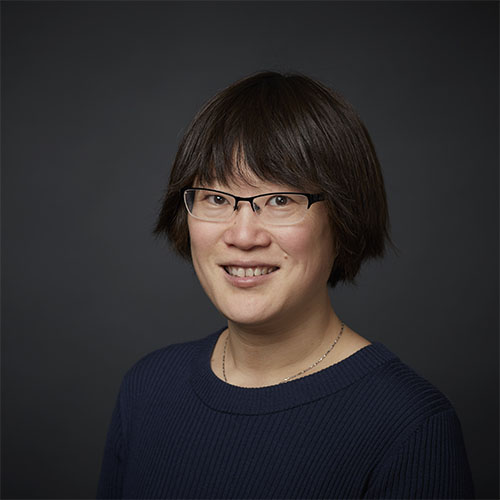
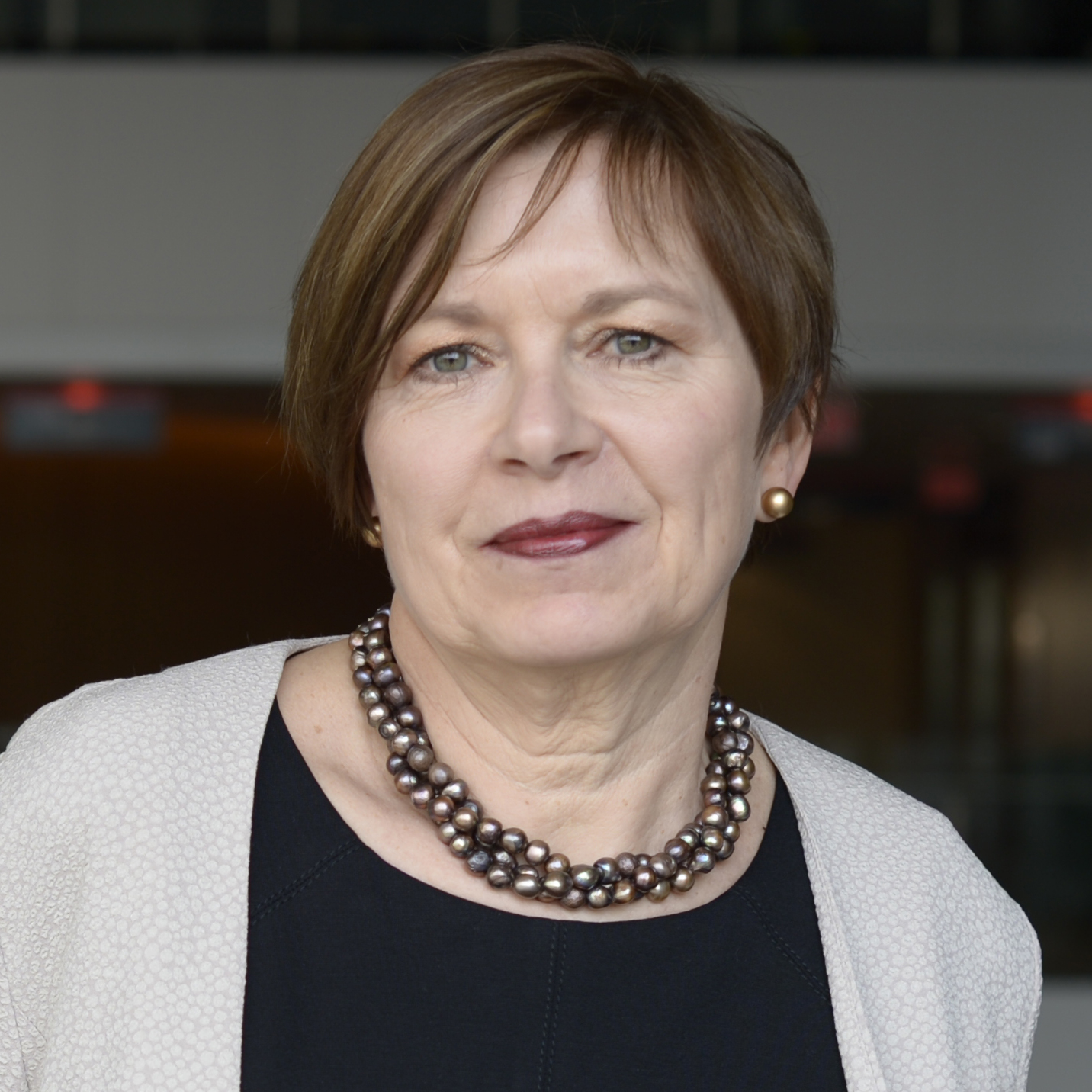
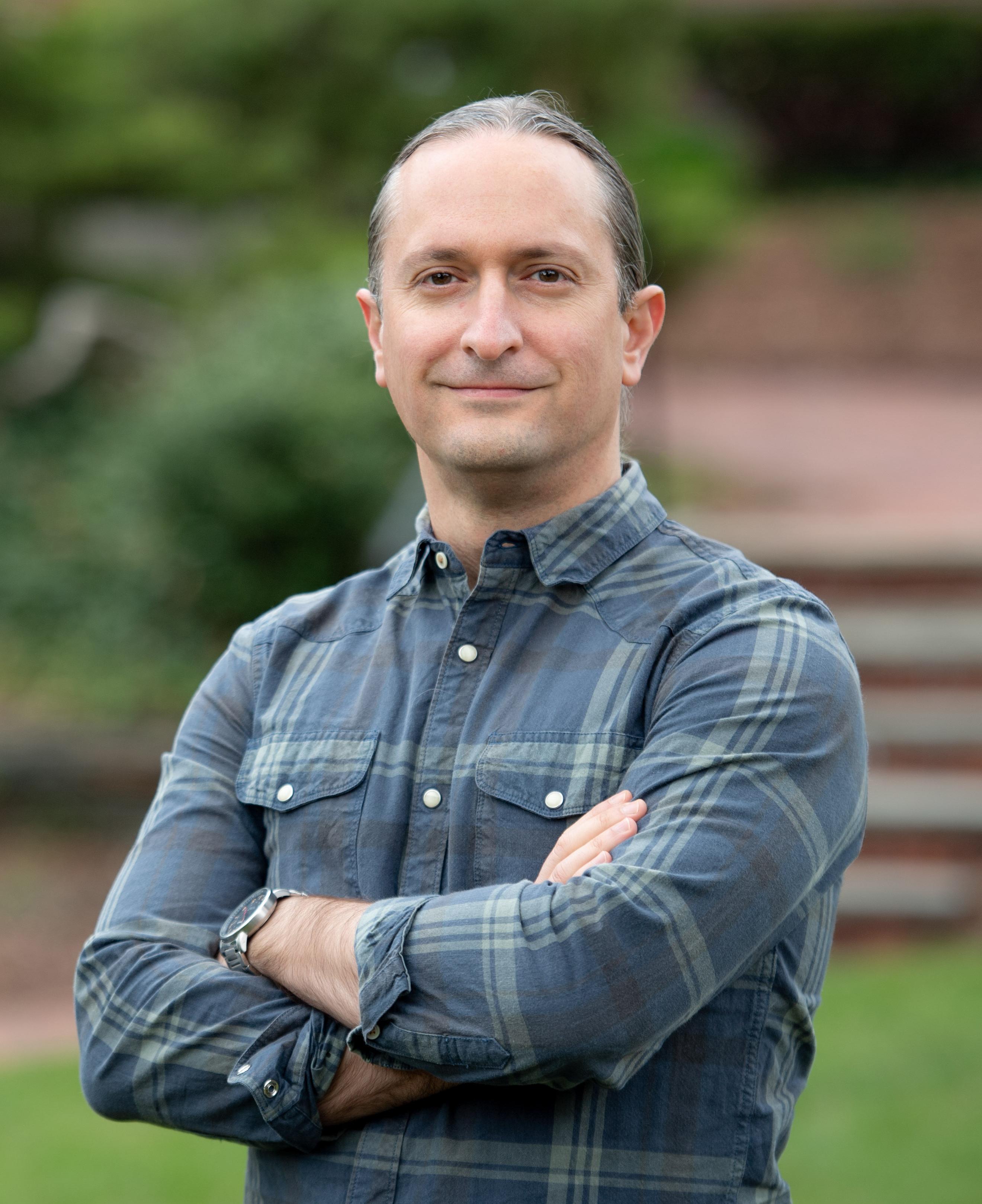
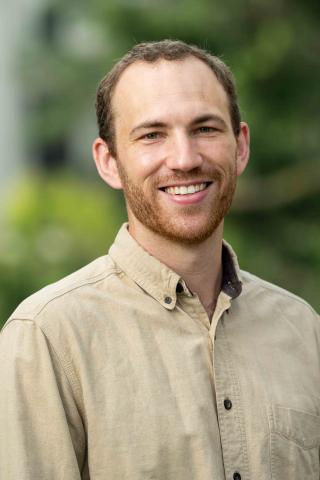
Christian Dimmer is an Associate Professor at Waseda University's School of International Liberal Studies , where he teaches courses on urban studies, placemaking, and sustainable cities. Previously, he held academic positions at the University of Tokyo as Assistant Professor and Post-doctoral Researcher. His research focuses on post-disaster urbanism, public space governance, and sustainability transitions. Ph.D. in Urban Engineering from the University of Tokyo (2008) Master's equivalent in Spatial and Environmental Planning from Technical University of Kaiserslautern (2001) Dimmer's research interests span transition design , participatory placemaking , new urban commons , and community resilience . His work examines how urban Japan balances public-private space dynamics and navigates post-disaster rebuilding through participatory approaches. Articles reflect a trajectory from historical critiques of public space to contemporary issues like pandemic spatial protocols and Olympic urbanism, with keywords spanning urban governance , disaster recovery , and collective creativity . Notable scientific awards include the JSPS Post-doctoral Fellowship. He co-founded humanitarian architecture organizations like the Open Architecture Collaborative - Tokyo Chapter and the Alliance for Humanitarian Architecture . Teaching experience covers post-graduate urban design theories, transition design methods, and global urbanism across Japanese institutions.
Professor Takehisa Shinozaki is affiliated with Waseda University's School of Creative Science and Engineering. His research focuses on labor economics, public economics, and economic policy, with a particular emphasis on income inequality, employment environments, and educational resource impacts. Education: Not explicitly detailed in the text. Research Interests: Shinozaki investigates wage inequality, NEET (Not in Employment, Education, or Training) dynamics, work-life balance systems, and the economic effects of educational resource allocation. He also explores subjective perceptions of income disparities and policy responses to inequality. Recent Article Trends: His work spans empirical analyses of Japanese labor markets, including wage gaps (1980s–2000s), student achievement determinants, and the socioeconomic costs of suicide. Key themes include class size impact , labor policy evaluation , and healthcare accessibility . Scientific Awards: Recipient of the 4th Labor Relations Paper Excellence Award (2004) for research on part-time worker wage gaps. Grants & Projects: Led studies on work-life balance systems (2012–2016), educational finance (2008–2011), and regional labor market analysis (2004–2006).
Sean Forbes serves as Professor of Educational Psychology and Director of the O Grows Community-University Partnership within Auburn University's College of Education, Department of Educational Foundations, Leadership, and Technology. His office is located in 3314 Education Building. Education : Ph.D. from the University of Florida (1999). Research Focus : Dr. Forbes' work centers on community-university collaborations through youth participatory action research (YPAR), particularly examining food security dynamics and social capital networks in alternative education settings. His research integrates agricultural education with psychological frameworks to address at-risk youth development, utilizing ego network analysis to map resource attainment pathways. Recent studies explore SNAP Challenge implementations, community farmers' market engagement, and personality variables in learning environments. Publication Trends : His 15 most recent publications (2024-2019) demonstrate consistent focus on the O Grows initiative, revealing methodological emphasis on two-mode network analysis for understanding educational resource access. Key thematic clusters include food insecurity experiences among pre-service teachers, prolonged agricultural program engagement with alternative school students, and sustainability compass applications in community food systems. Leadership : As Director of O Grows, Dr. Forbes manages a multi-faceted community-university partnership addressing food systems sustainability through empirical research and practical interventions, though specific grant details remain unspecified in available materials. Operational Framework : The O Grows partnership functions as an integrated research-practice ecosystem connecting Auburn University with community stakeholders to develop sustainable food solutions while advancing educational psychology through real-world applications.
Dr. Yun Qian is a distinguished Earth Scientist and Lab Fellow at Pacific Northwest National Laboratory (PNNL), where he leads the Earth System Modeling Group with over 80 scientists and staff within the Atmospheric, Climate, and Earth Sciences (ACES) Division. He joined PNNL in 2000 and has established himself as a renowned expert in climate modeling, particularly in regional climate systems, aerosol-climate interactions, and urban climate effects. Dr. Qian is also an AMS Fellow with significant contributions to understanding human influences on the Earth system. Dr. Qian received his academic training in China: Ph.D. in Atmospheric Science from Nanjing University, Nanjing, China B.S. in Atmospheric Science from Nanjing University, Nanjing, China Dr. Qian's research focuses on advancing our understanding of climate systems through sophisticated modeling approaches. His work spans regional and global climate modeling, aerosol-climate interactions, snow and glacier impurities and their climatic impacts, land-atmosphere-water interactions, urban and coastal environment modeling, and uncertainty quantification in climate modeling. His pioneering work on Asian aerosols revealed their dominant role in shaping climatic trends in East Asia, while his research on snow and ice impurities provided new insights into changes in snowpacks in the western United States and the Himalayas. Dr. Qian has also made significant contributions to understanding how atmosphere-land-water interactions modulate the influence of human activities on the environment. Analysis of Dr. Qian's recent publications shows a strong focus on urban climate effects, regional climate modeling, and the impacts of human activities on climate systems. His work increasingly incorporates advanced computational methods including machine learning for weather pattern identification. There's a clear trend toward studying the interactions between urban environments and climate systems, with particular attention to heat stress, precipitation patterns, and regional warming effects. His research also shows growing interest in extreme weather events and their changing patterns under climate change scenarios. Dr. Qian has received numerous prestigious awards and recognitions: Fellow of American Meteorological Society Chair of AMS Coastal Environment Committee Program Chair for Annual AMS Coastal Environment Symposium Editor of JGR-Atmospheres, Atmospheric Chemistry and Physics, and Advances in Atmospheric Sciences Director of international workshop on Uncertainty Quantification in Climate Modeling and Projection Member of Scientific Steering Committee for IPCC CMIP6 Global Monsoons Modeling Inter-comparison Project NSR 2020 Best Paper AAS Esteemed Review Paper Award PNNL Exceptional Contribution Program Award PNNL EBSD Mentor of the Year Editors' Citation for Excellence in Refereeing at AGU (2015, 2019) Contributing Author of IPCC Assessment Report Fellowship Award of International Council for Science (ICSU), 1997 Xue-Du-Feng-Zheng Award in Chinese Academy of Sciences, 1998 With over 200 peer-reviewed articles and 20,000 citations (h-index of 74), Dr. Qian has made substantial contributions to climate science. His work has garnered significant media attention, with features in top-tier scientific publications like Nature and Science, as well as major news outlets including the Associated Press, New York Times, Washington Post, BBC, NBC, and NPR. He has served as chair of the AMS Coastal Environment Committee, Program Chair for the Annual AMS Coastal Environment Symposium, and as a member of the Scientific Steering Committee for the IPCC CMIP6 Global Monsoons Modeling Inter-comparison Project. Dr. Qian has also directed international workshops on uncertainty quantification in climate modeling and served as an editor for three prestigious journals. Dr. Qian leads the Earth System Modeling Group at PNNL, which comprises over 80 scientists and staff. His team focuses on developing and applying atmospheric and land surface models to advance understanding of human influence on the Earth system. The group's work spans regional climate modeling, aerosol-climate interactions, snow and glacier impurities, land-atmosphere-water interactions, urban and coastal environment modeling, and uncertainty quantification. Their research has significant implications for understanding climate change impacts and developing adaptation strategies.
Corinne Wallace is an Adjunct Assistant Professor in the Department of Civil Engineering at McMaster University , with research expertise at the intersection of water security, climate change, public health, and gender equity. Her work spans both technical engineering analysis and community-engaged studies, particularly focusing on marginalized populations in Canada, East Africa, and South America. Dr. Wallace's research interests include: Water-Health Nexus Climate Change Impacts on Disease Gender Equity in Water Access Indigenous Water Governance Mosquito-Borne Disease Modeling Rainwater Harvesting Systems Her publication trends show increasing focus on climate-health interactions (2025), gender-water linkages (2024), and machine learning applications for water quality analysis (2025). She employs mixed-methods approaches and works closely with First Nations communities and international development organizations. Dr. Wallace utilizes art-science communication strategies like the Virtual Water Gallery to transform water and climate knowledge dissemination. Her recent work explores EDI (Equity, Diversity, Inclusion) implementation in large research networks and conceptual frameworks for climate-water equity.
Ivana Bojanic is a full-time Researcher at the Faculty of Nursing and Health Sciences, Nord University, Norway. She holds a PhD in Medicine and Health Sciences from NTNU (2023) and has a background in pharmacy, medical biochemistry, and clinical experience as a laboratory head in Serbia. Her research focuses on mental health, drug use patterns, and cultural safety in healthcare, particularly among the Sami population and Arctic indigenous communities. She leads interdisciplinary projects funded by organizations like NordForsk and SANKS, addressing mental health in cardiovascular diseases/diabetes, digital health innovations for aging populations, and culturally safe healthcare services. Education: BSc in Pharmacy and Medical Biochemistry from the University of Belgrade, MSc in Pharmaceutical Health Prevention (University of Belgrade), PhD in Medicine and Health Sciences (NTNU). Teaching responsibilities include physiology, pharmacology, and quantitative research methods at bachelor's and master's levels. She supervises PhD and master's students and collaborates internationally on public health initiatives. Key Research Projects include: "Exploring Cultural Safety in Municipal Healthcare Services for Saami with Somatic Diseases" (Project Manager, NOK 267,000) "Promoting Healthy Aging of Sámi and Inuit Elders Through Co-Designed Digital Health Tool" (NordForsk, NOK 15 million) She is affiliated with research groups: Healthcare and Population Health, Pharmaceuticals and Pharmaceutical Management. Her work emphasizes co-design methods, quantitative/qualitative research, and health equity for marginalized groups such as the Sami population.
Professor Bingqin Li is a leading academic in social policy and urban governance at UNSW's School of Arts, Design & Architecture. She holds dual PhDs from the London School of Economics (Social Policy) and Nankai University (Economics). Her research focuses on urban governance in fast-growing economies, aging societies, and social policy in multicultural contexts. She has advised the World Bank, EU, WHO, and UNESCAP, and chairs the East Asian Social Policy Research Network. Research Themes: Urbanization, disability inclusion, social spending, governance of complex policies Regional Expertise: China, Australia, and comparative studies with Western nations Key Publications: Over 150 works including Urban Studies, Social Policy & Administration Recent grants include studies on CALD social services resilience and urban food security during crises. Awards include the Chinese Social Policy Association's Best Paper Award (2018) and STICERD research awards. She supervises PhD students in urbanization, governance processes, and sustainable development. Current supervision focuses on rural-urban linkages and housing policy in China. Active in international conferences, she delivers keynotes on topics like aging populations and disability employment in the digital age.
Susan Phillips is a Professor and Interim Chief Advancement Officer at the School of Public Policy and Administration, Carleton University, Ottawa, Canada. She holds concurrent roles as Honours Visiting Fellow at Queensland University of Technology’s Australian Centre for Philanthropy and Nonprofit Studies, and Associate at the University of St. Andrews’ Centre for the Study of Philanthropy and Public Good. Her work focuses on philanthropy, nonprofit governance, and public administration, with particular emphasis on policy capture, disaster philanthropy, and place-based grantmaking. Phillips has received prestigious awards including the J.E. Hodgetts Award for Best Paper (2018), Distinguished Research Career Recognition from CAPPA (2019), and Carleton University’s Impact Award (2015). Her research explores regulatory regimes, nonprofit financial sustainability, and the intersection of celebrity advocacy with public policy. Recent publications highlight her expertise in disaster response philanthropy, nonprofit coalition dynamics, and cross-national comparisons of grantmaking practices. She supervises graduate students like Christopher Dougherty and actively contributes to policy dialogues through initiatives like Canada’s Standards Program assessment and community foundation impact evaluations.
Prof. Dr. Wouter van der Brug is a full-time Professor at the University of Amsterdam 's Faculty of Social and Behavioural Sciences , specializing in democratic representation and electoral behavior. His research focuses on populist parties, voter dynamics, and European integration. Current affiliation: University of Amsterdam Academic rank: Professor Email: W.vanderBrug@uva.nl Research interests include: Generational political alignment and dealignment Populist party support and parliamentary behavior Regional disparities in voting patterns European integration and institutional trust Urban-rural political divides Authoritarian attitudes and far-right voting Recent publications analyze 2024 European Parliament elections, fiscal austerity effects on EU trust, and youth political cognition. His work combines comparative politics, political psychology, and electoral geography across 15 recent articles. Contact: W.vanderBrug@uva.nl | +31 (0)20 000 00000
Andrew Scherer is the Pierre and Patricia Bikai Professor of Anthropology and Archaeology at Brown University, where he also serves as Director of the Joukowsky Institute for Archaeology and the Ancient World. His work focuses on Mesoamerican (particularly Maya) archaeology, integrating bioarchaeology, landscape analysis, and political studies to examine Classic Maya polities along the Usumacinta River. Co-directs interdisciplinary projects in Mexico/Guatemala (Lacanja Tzeltal, Piedras Negras, Tikal, El Zotz, Yaxha) Research themes: mortuary archaeology, ritual practice, warfare, political organization, and diet/subsistence Selected Publications : As the Gods Kill: Morality and Social Violence among the Precolonial Maya (2025), Mortuary Landscapes of the Classic Maya (2015), and co-edited volumes including Substance of the Ancient Maya (2024) and Embattled Bodies, Embattled Places (2014). Research Funding : Multiple NSF grants (2003-2015) National Geographic Society support (2009) Wenner-Gren and Heinz Trust grants Academic Affiliations : Society for American Archaeology, Dental Anthropology Association, Dumbarton Oaks (as Pre-Columbian Fellow 2008-2009) Teaching : Courses on human evolution, bioarchaeology, Maya violence studies, and archaeological principles at Brown University.
Colin Jerolmack is a Professor of Sociology and Environmental Studies at New York University, where he also served as Chair of the Environmental Studies Department (2017–2023). His work bridges ethnography, environmental sociology, and human-animal studies. He holds a Ph.D. in Sociology from the City University of New York (2009) and a B.S. in Psychology from Drexel University (2000). Research Interests: - Ethnography of urban and rural communities - Environmental policy and climate change impacts - Human-animal relations (e.g., The Global Pigeon ) - Social theory and qualitative methodologies Key Publications: - Up to Heaven and Down to Hell (2021): Explores fracking's social and environmental impacts in rural Pennsylvania. - The Global Pigeon (2013): Analyzes urban human-animal interactions. - Over 40 peer-reviewed articles on ethnography, climate justice, and animal studies. Media & Outreach: - Featured in The New York Times , Los Angeles Review of Books , and podcasts like Stand Up! with Pete Dominick . - Regular contributor to climate and energy policy discussions. Awards: - PROSE Award Finalist (2021) for Up to Heaven and Down to Hell . - Recognized for interdisciplinary contributions to environmental sociology. Labs & Initiatives: - Co-founded NYU's Animal Studies Master's program and Center for Environmental and Animal Protection.
Dr. Robert F. Breiman is Professor of Global Health and Environmental Health at Emory University’s Rollins School of Public Health and School of Medicine. His research focuses on addressing health inequities through child mortality prevention, urban health in impoverished settings, and combating respiratory and enteric diseases, including emerging pathogens. He founded the Infectious Diseases and Oncology Research Institute (IDORI) at the University of the Witwatersrand (2022–2025) and now serves as its Senior Scientific Advisor. Education: MD (University of Arizona), Infectious Diseases (UCLA), Epidemic Intelligence Service (CDC) Research Interests: Dr. Breiman’s work spans maternal and child health , infectious disease dynamics , typhoid fever burden studies , urban health disparities , and vaccine implementation . His projects include CDC- and NIH-funded initiatives on SARS-CoV-2, pneumococcal genetics, and typhoid surveillance across Africa, South Asia, and beyond. Scientific Awards: Elected to the National Academy of Medicine (2017) Fellow of the Infectious Diseases Society of America (FIDSA) Fellow of the American Society of Tropical Medicine and Hygiene (FASTMH) Phi Beta Kappa and Phi Kappa Phi honors Grants & Affiliations: He has led major global initiatives, including the Gates Foundation-funded Child Health and Mortality Prevention Surveillance (CHAMPS) , CREID-ECA (NIH), and COVIED (CDC). His collaborations span institutions like Johns Hopkins University, Washington State University, and the International Vaccine Institute, with mentorship roles in Uganda, Kenya, and Bangladesh.
Dr. Daniel Agness is an Assistant Professor of Economics at the University of Maryland, College Park. His research focuses on development economics, urbanization, agricultural transformation, and social networks, with a regional emphasis on East Africa. He holds a PhD and MA in Agricultural and Resource Economics from UC Berkeley and a BA in Economics from Stanford University. His work addresses critical issues such as housing policy in Ethiopia, technology adoption in Kenya and Rwanda, and labor market dynamics. Key projects include analyzing condominium development impacts in Ethiopia and evaluating self-employed workers' time valuation in collaboration with leading economists. Agness has conducted fieldwork in Ethiopia, Kenya, and Rwanda, with notable studies published in the Review of Economic Studies and other peer-reviewed journals. His research integrates experimental and observational methods to understand structural transformation processes in developing economies. He has collaborated with institutions like the Abdul Latif Jameel Poverty Action Lab (J-PAL) and contributes to initiatives such as the African Urbanization and Development Research Initiative. His teaching and advising emphasize applied microeconomics and development fieldwork methodologies.
Lev Gonick is the University Chief Information Officer at Arizona State University and holds the academic rank of Professor of Practice in the School of Public Affairs. He also serves as a Senior Global Futures Scientist with the Global Futures Scientists and Scholars initiative, and is affiliated with the Center on Technology, Data and Society. His career spans over 25 years in education, technology, and smart city development, including roles as CIO at Case Western Reserve University (2001-2013) and co-founder/CEO of DigitalC, a broadband innovation nonprofit. Education: Ph.D. in International Political Economy, York University (Canada), 1992 M.A. in World Politics, Binghamton University, 1983 B.A. in Philosophy, Political Science, and Religion, The Ohio State University, 1981 Research Interests: Focuses on the intersection of technology and society, including the future of education, broadband infrastructure, smart cities, IoT, programmable urban systems, and the political economy of information technology. His work emphasizes community engagement through technology and digital equity initiatives. Notable Achievements: Recipient of Inside Business Magazine's Power 100 (2015) Government Technology's Top 25 Doers, Dreamers and Drivers (2011) Broadband Properties Cornerstone Award (2011) NATOA Visionary of the Year (2010) ComputerWorld Premier 100 IT Leader CIO Magazine CIO 100 Award Professional Contributions: Pioneered projects like the Case Connection Zone, foundational to national initiatives like US Ignite and Gig.U. Developed ClevelandPlus in Second Life and OneCleveland digital city initiatives. Advocates for fiber-to-home networks and inclusive technology policies.
Dr. Ewilly Liew is a Senior Lecturer at the Econometrics and Business Statistics Department of Monash University's Malaysia School of Business. She holds multiple administrative roles, including Director of Undergraduate Studies, Course Director for Bachelor of Business and Commerce (BBusCom), and Deputy Course Director for Bachelor of Digital Business (BDigBus). Her academic journey includes a Postgraduate Research Degree Full Scholarship (2013-2015) and a Data Science Microcredential from Monash Australia (2020). Dr. Liew has received notable awards like the Monash Vice Chancellor's Citation for Outstanding Contribution to Student Learning (2020). Her research focuses on emerging technology adoption, digital transformation, and behavioral analysis in public healthcare, higher education, and service sectors. Methodologies include data visualization, statistical learning, and structural equation modeling. She has led interdisciplinary projects on AI-driven healthcare analytics and collaborated with clinical specialists using Electronic Medical Records systems. Internationally, she served as a visiting research fellow at Harvard University (2015) and organized the IEEE International Conference on Industrial Engineering and Engineering Management (IEEM 2022). Dr. Liew's teaching innovations include developing four new Business Analytics units. Her students excel in national and regional data science competitions. She actively participates in conferences and workshops, contributing to topics like geopolitical data security and healthcare service quality decision analytics. Her work aligns with UN Sustainable Development Goals, emphasizing thriving communities in developing contexts.