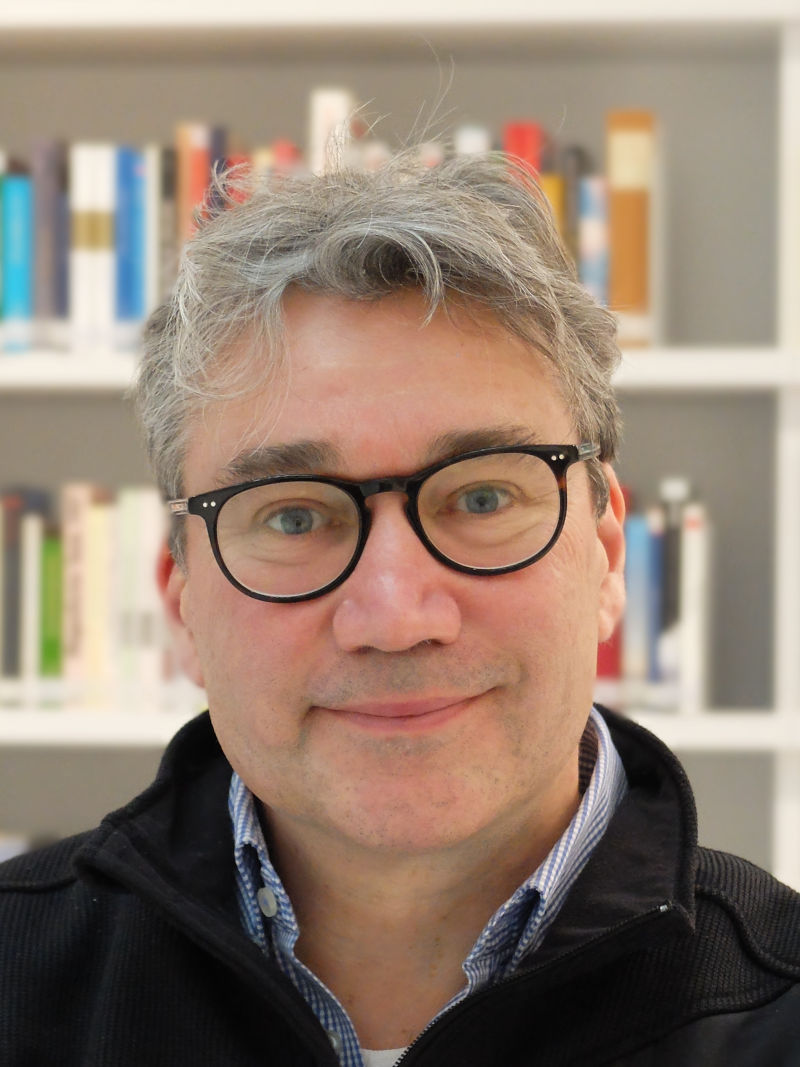
Johan Lithner is a Professor in the Department of Science and Mathematics Education at Umeå University, Sweden. He is affiliated with the Umeå Mathematics Education Research Centre (UMERC) and leads the Learning by Imitative and Creative Reasoning (LICR) research group. His work focuses on mathematical reasoning, problem-solving strategies, and their cognitive and educational implications. Key research areas include analyzing how students engage with algorithmic vs. creative reasoning, the role of formative assessment, and the neurobiological basis of learning through studies using fMRI and eye-tracking technologies. He has contributed extensively to textbook analysis, teacher professional development, and curriculum design, emphasizing the importance of fostering deep understanding over rote learning. Dr. Lithner’s research spans over two decades, involving collaborations across disciplines such as cognitive psychology, neuroscience, and educational policy. His projects include evaluating the impact of national educational reforms, designing effective mathematics tasks, and investigating how teaching methods influence brain activity and long-term retention. He has led major grants addressing formative assessment mechanisms and the cognitive benefits of creative reasoning for students of varying abilities. Research Projects: Combatting detrimental lack of understanding in mathematics via formative assessment (2024–2028) LEARNING TO ENGAGE THE BRAIN (2014–2025) Podcasting in School (2008) His publications span peer-reviewed journals like Educational Studies in Mathematics and Frontiers in Psychology , focusing on empirical studies of learning processes and their applications in educational practice. Awards: No specific awards listed, though his sustained contributions to mathematics education research are widely recognized. Grants: Multiple grants from Swedish Research Council and EU frameworks, including projects on cognitive neuroscience and teacher training. Lithner’s work bridges theory and practice, influencing both academic discourse and classroom methodologies globally.