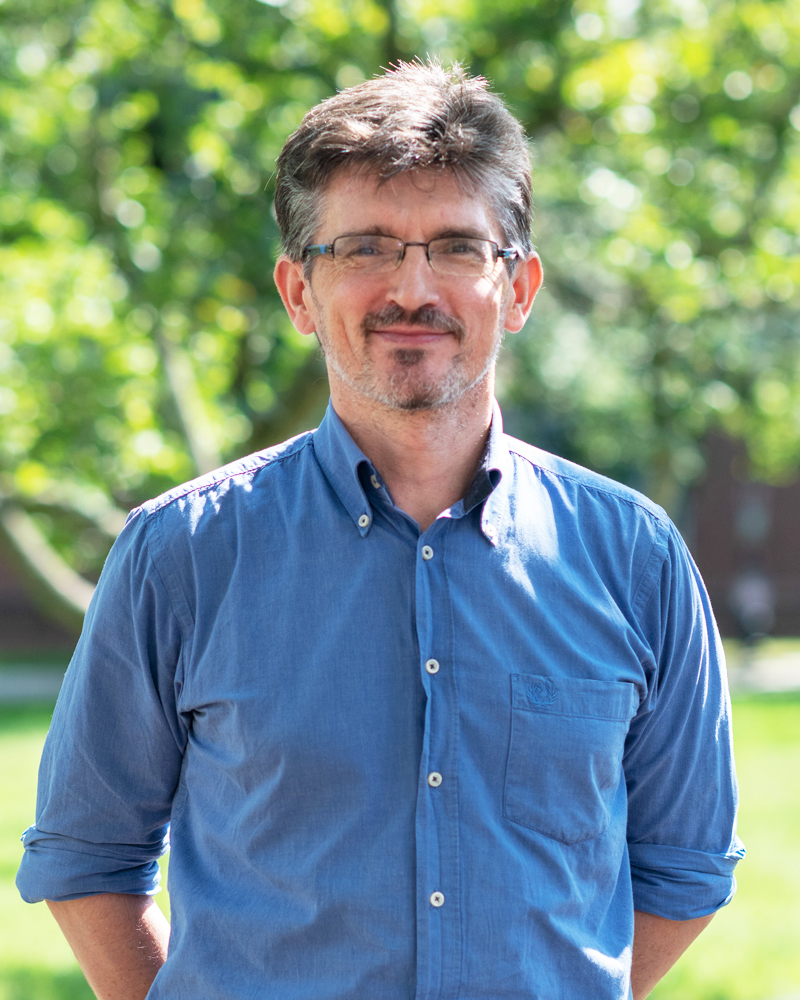
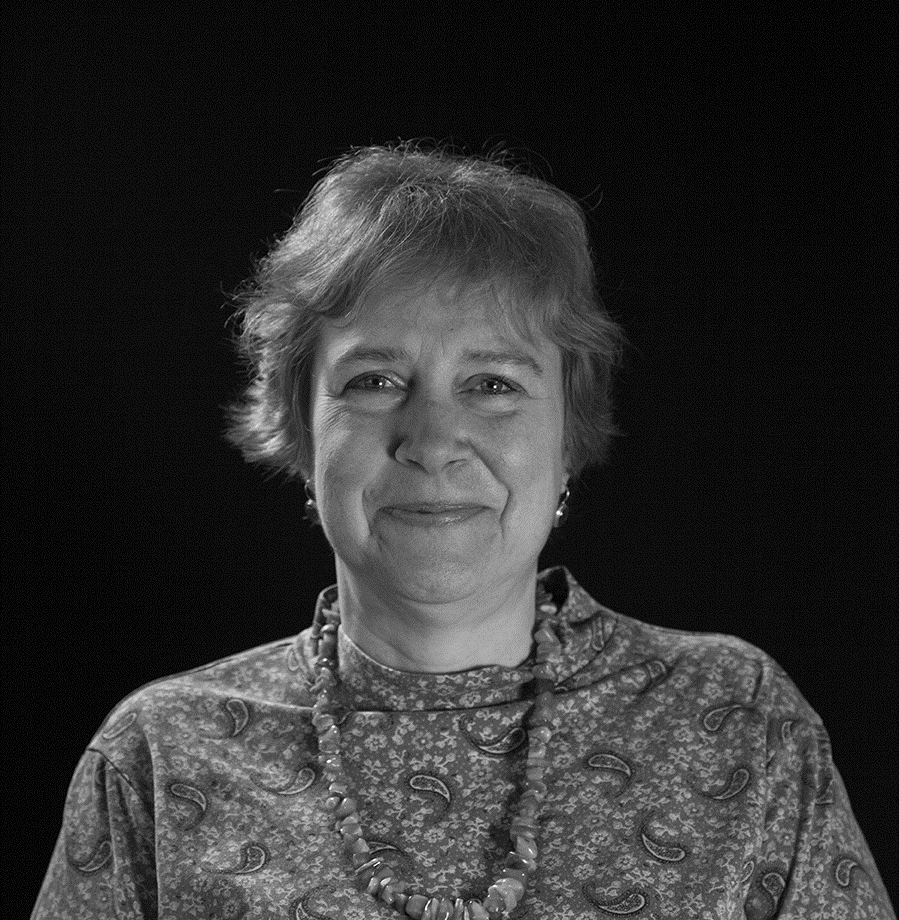
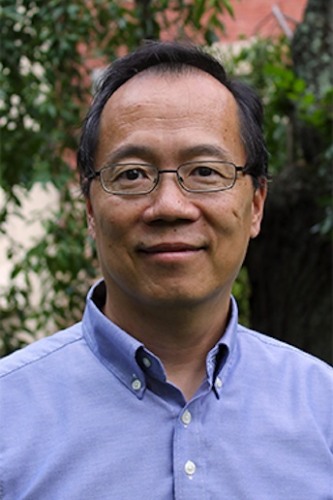
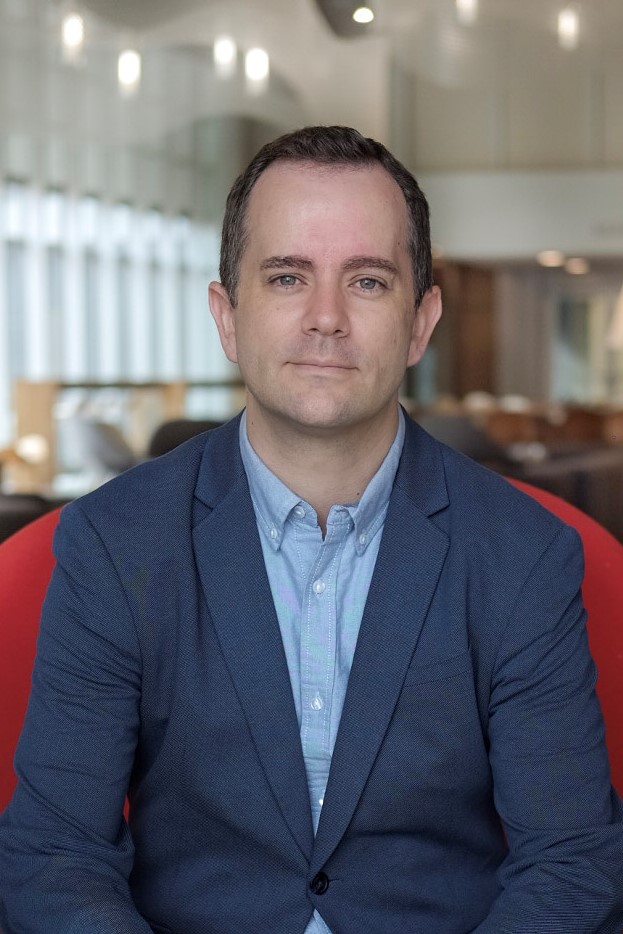
Amilcare Porporato is the Thomas J. Wu '94 Professor of Civil and Environmental Engineering at Princeton University, with joint appointment at High Meadows Environmental Institute. His research integrates hydrology, ecology, and thermodynamics to study soil-water interactions and sustainable resource management. Education includes: Ph.D. Polytechnic of Milan (1996) M.S. Civil Engineering, Polytechnic of Milan (1992) Research explores nonlinear hydrologic systems, soil moisture dynamics, ecohydrology, and environmental complexity using theoretical and experimental approaches. His work advances understanding of water-biota interactions across scales from pore-level processes to landscape evolution. Honors and Awards: Hydrologic Sciences Award, AGU Borland Lecturer American Geophysical Union Fellow Inaugural Landolt Chair, EPFL Teaches courses on Environmental Thermodynamics (ENV 385/CEE 385) and Ecohydrology (CEE 587/ENV 587).
Professor Beatrice Heuser is a distinguished academic in the Department of Politics within the School of Social & Political Sciences at the University of Glasgow. Her career spans multiple prestigious institutions across Europe, including King's College London, University of Reading, and visiting professorships at Sciences Po Paris, Bundeswehr University Munich, and MGIMO. She maintains significant affiliations with major strategic research institutes including Chatham House, RUSI, IFRI, and IRSEM. Education: BA from Bedford College London, MA from LSE, DPhil from Oxford (St Antony's/St John's), Habilitation from University of Marburg Professional Experience: Former Director of Studies at German Bundeswehr's military history research office, NATO Headquarters consultant, and extensive teaching across European institutions Her research centers on strategic studies with particular focus on the cultural dimensions of warfare, nuclear strategy, and the historical evolution of strategic thought. Key research areas include strategic culture, military exercises as political instruments, laws of war development, and European defense policy. Her work bridges historical analysis with contemporary security challenges, examining how cultural narratives shape strategic decision-making from antiquity to the nuclear age. Professor Heuser's recent publications demonstrate consistent scholarly output across strategic theory, military history, and contemporary security issues. Her work shows particular emphasis on the conceptual foundations of strategic culture, historical analysis of warfare evolution, and practical applications to modern security challenges including nuclear deterrence and asymmetric warfare. The interdisciplinary nature of her research connects political theory, historical analysis, and security studies. She actively supervises graduate students in strategic theory, nuclear strategy, insurgency studies, and defense policy-making within NATO/EU contexts. Her teaching portfolio includes War and International Relations, Defense Policy, and Strategic Theory courses.
Zhenchao Qian is a Professor of Sociology and Research Associate at the Population Studies and Training Center (PSTC) at Brown University. His research focuses on social demography, stratification, and family dynamics, particularly examining marriage patterns, immigrant integration in the U.S., and social change in China. He holds a Ph.D. from the University of Pennsylvania and previously served as faculty at Ohio State University and Arizona State University, including a term as department chair at Ohio State. His work analyzes 'who marries whom' and the societal implications of marital and cohabitation choices, exploring how factors like education, race, and nativity influence union formation. He also investigates racial identity among interracial couples' children and family transformations in urban China. Qian has received grants from NIH, Russell Sage Foundation, and other institutions, totaling over $4.5 million in funding. Awards include AAAS Fellowship and membership in the Sociological Research Association. Qian’s research emphasizes the intersection of demographic trends and social inequality, with recent studies addressing immigrant wealth disparities, marital assimilation patterns, and the consequences of economic restructuring on family structures. His current projects include analyzing union history impacts on midlife health and training demography scholars through NIH-funded programs.
Prof. Dr. Anette Eva Fasang is a Full Professor of Microsociology at Humboldt University of Berlin, where she also serves as Director of the Department of Social Sciences and Academic Director of the Berlin Graduate School of Social Sciences (BGSS). She leads major research initiatives on life course stratification, social demography, and inequality, and has held leadership roles at the WZB Berlin Social Science Center. Her work bridges sociology, demography, and quantitative methodology, with a strong focus on comparative welfare state analysis. Ph.D. in Sociology, Jacobs University Bremen (2005–2009) B.A. and M.A. in Sociology, Ludwig-Maximilians-University Munich (1999–2004) Her research centers on life course dynamics, particularly how family formation, employment, and welfare regimes interact to shape social inequality across the lifespan. She employs advanced quantitative methods, especially sequence analysis, to study intergenerational transmission, gender disparities, and the long-term consequences of early-life trajectories. Her work spans comparative European and U.S. contexts and increasingly includes global perspectives, such as in Egypt and Senegal. The recent publications reflect a consistent focus on life course trajectories, social stratification, and methodological innovation. Key themes include the intersection of work and family, wealth and earnings accumulation, gender and racial inequality, and the impact of structural factors like welfare regimes and labor markets. Methodologically, her work advances sequence analysis and decomposition techniques for longitudinal data. Scientific Awards: Elected Fellow of the European Academy of Sociology (2024) Rosabeth Moss Kanter Award for Excellence in Work-Family Research (2023) Honorary Doctorate from the University of Turku (2022) Rosabeth Moss Kanter Award (2018) Prof. Fasang has supervised numerous doctoral students, many of whom have won top dissertation prizes. She leads significant research grants from the German Research Foundation (DFG), including the Cluster of Excellence SCRIPTS and the DYNAMICS research training group. Her advisory roles include the German Family Demographic Panel (FReDA) and scientific boards in Germany and Finland. She is actively involved in research teams and collaborative projects, such as the KOMPAKK study on household risks during the pandemic and the EQUALLIVES project on young adult life courses. Her work is deeply embedded in interdisciplinary networks across Europe and North America.
Professor Ake Fagereng is a Professor in Structural Geology at the School of Earth and Environmental Sciences, Cardiff University. He has been with Cardiff University since 2014, initially as a Lecturer in Structural Geology (2014-2017), then as a Reader in Structural Geology (2017-present), and currently as a Professor. Prior to Cardiff, he was a Lecturer/Senior Lecturer in the Department of Geological Sciences at the University of Cape Town (2010-2014). He also holds an honorary position as a Research Fellow in the Department of Geological Sciences at the University of Cape Town (2014-present). Professor Fagereng's primary research focuses on how the Earth deforms and how this deformation is recorded in rocks. His work integrates field investigations of active and ancient deformation structures with microstructural analysis and geochemical techniques to understand: Seismic styles in subduction zones (from creep through slow slip events to giant earthquakes) Rift formation processes and the role of pre-existing structures Causes of large earthquakes far from plate boundaries Interplay between fluids (water and melt) and deformation processes His recent research has been significantly supported by an ERC-funded MICA project, which explores geological processes controlling fault slip speed and varied behavior of faults accommodating tectonic deformation in the Earth's crust. The project investigates why some faults experience slow earthquakes while others generate damaging seismic events, addressing critical questions of societal importance regarding earthquake hazard. Professor Fagereng has received numerous prestigious awards for his contributions to geoscience, including: Outstanding Young Scientist Award from the European Geosciences Union (2016) International Visiting Fellow at Kyoto University, Japan (2016) Excellent Reviewer Award from Earth, Planets, and Space (2015) Editor's Citation for Excellence in Refereeing from the American Geophysical Union (2013) President's Award from the National Research Foundation, South Africa (2013) As a dedicated educator and Fellow of the Higher Education Academy, Professor Fagereng teaches across undergraduate programs at Cardiff University, specializing in structural geology, tectonics, and geodynamics. He has served as Director of Fieldwork from 2015 to 2018 and regularly leads field courses in Cornwall, North Wales, Spain, and Cyprus. His research portfolio demonstrates consistent contributions to understanding earthquake processes, fault mechanics, and tectonic deformation through extensive international collaborations and fieldwork in diverse tectonic settings worldwide.
Maria Stanfors is a Professor at the Department of Economic History and Centre for Economic Demography at Lund University , with additional membership in the Proactive Ageing profile area. Her work bridges historical and contemporary analyses of gender, labor markets, and family dynamics. Research Focus : Gender differentials in labor outcomes, unpaid care work, family formation, and assortative mating. Databases : Creator of HILMA-database (1890-1940 private sector workers) and user of SEDD (Scanian Economic Demographic Database). Projects : Swedish Research Council (2024-2027): Union membership impacts in early 20th-century Sweden Crafoord Foundation (2023-2024): Gender and care responsibilities across life courses Forte (2021-2024): Educational assortative mating effects on inequality Policy Engagement : Chair of IFAU's Scientific Council (2020-) and member of Swedish Gender Equality Agency (2021-). Her research methodology combines Swedish register data with international surveys like SHARE , SILC , and NSFG , while teaching includes graduate courses on Human Capital and Marriage & Fertility , plus undergraduate instruction in Work & Family Systems . The 2024 International Gender for Excellence Conference featured her work on women's historical roles in physics culture, despite this being outside her primary field.
Prof. Recep Boztemur is a distinguished historian at the Department of History, Middle East Technical University (METU), Ankara. He holds a Ph.D. from the University of Utah and an M.A. from Ankara University. His research focuses on historical methodology, world history with a special emphasis on the Middle East, and Ottoman legacy studies. Boztemur has extensively published on topics ranging from Ottoman urban architecture preservation in Lefke to 20th-century political Islam dynamics in Turkey. His work critically examines ideological biases in Middle East studies and explores the interplay between nationalism, religion, and state formation processes in the region. Education Background: Ph.D. in History, University of Utah (Salt Lake City) M.A. in History, Ankara University Research Interests: Historical Methodology & Historiography Ottoman Empire Decline & Legacy Middle Eastern Nationalism Dynamics Colonialism & Imperial Studies Political Islam & Secularism Historical Memory & Education Publications Highlight Key Themes: Analysis of Arab Revolt (1916-1918) geopolitics Critical examination of US Near East policy Comparative studies on Turkish and Egyptian state formation Impact of Marxist theories on Eastern studies Lab/Team Affiliation: Actively contributes to METU's interdisciplinary history research initiatives, focusing on digital humanities and historical GIS mapping projects.
Dr. Anne Brons is an Assistant Professor and Researcher in the Department of Sociology at Utrecht University's Faculty of Social and Behavioural Sciences. Her work focuses on family sociology, social demography, and cross-national comparisons of social stratification patterns. Brons investigates how parental socioeconomic status influences family formation and dissolution across different countries and cohorts. Her research interests include: Family structure dynamics Union formation patterns Social inequality transmission Cross-national comparative methods Her publications consistently examine demographic transitions through quantitative cross-national analyses, particularly focusing on how economic factors influence partnership decisions. Brons teaches sociology courses and supervises student research projects.
Christine Schwartz is a Professor in the Department of Sociology at the University of Wisconsin-Madison. She is affiliated with the Center for Demography and Ecology, the Center for Demography of Health and Aging (where she serves as Associate Director), and the Institute for Research on Poverty. PhD in Sociology from the University of California, Los Angeles (2006) Bachelor’s degree from Reed College Her research focuses on the intersections of family demography, social stratification, and gender studies. Key areas include: Assortative mating and income inequality Impact of educational gender gaps on marriage trends Intergenerational mobility and family structure Demographic shifts in divorce and cohabitation Her recent work analyzes trends in educational and occupational homogamy, family earnings inequality, and the sociological implications of changing union dynamics. This research has appeared in journals like Proceedings of the National Academy of Sciences , Demography , and American Sociological Review . Scientific awards include the Vilas Distinguished Achievement Professor title and an NIH-funded R03 grant for studying divorce trends (1970–2019). She has advised numerous research projects and collaborated with teams at Wisconsin and international institutions.
Nathan Robbins is a Research Scientist at the Max Planck Institute for Demographic Research (MPIDR) in Rostock, Germany, affiliated with the Research Group on Gender Inequalities and Fertility. His research centers on gender disparities in family formation and stability, with concentrated expertise in fatherhood dynamics, fertility patterns, and socioeconomic influences on family structures. Key investigation areas include union dissolution mechanisms among disadvantaged populations, policy impacts on parental leave utilization, and racialized consequences of child support debt. Analysis of Robbins' 2019-2024 publications reveals consistent methodological approaches in demographic and sociological analysis across transnational contexts. His work demonstrates particular attention to intersectional factors affecting fathers of color and low-income families, with recent studies employing comparative European policy analysis and U.S.-focused racial inequality frameworks. He actively contributes to MPIDR's Gender Inequalities and Fertility research group, advancing the institute's mission through empirical studies on evolving family structures and gendered social policies.
Dr. Roselinde van der Wiel serves as an Assistant Professor of Social Demography within the Department of Demography at the Faculty of Spatial Sciences, University of Groningen. Her academic profile demonstrates a strong commitment to advancing demographic research with particular emphasis on family structures and their societal implications. As an active board member of the Dutch Demographic Society, she contributes significantly to the national demographic community. Her research expertise centers on the intricate relationships between family complexity, migration patterns, and economic outcomes. Dr. van der Wiel has made substantial contributions to understanding how previous relationships, children from former partnerships, and repartnering influence major life transitions including cohabitation, migration decisions, and labor market participation. Her work frequently examines gender differences in these processes and employs sophisticated longitudinal methodologies to track family dynamics over time. Analysis of her recent publications reveals a cohesive research trajectory focused on the interplay between family structure and spatial mobility. A consistent theme across her work is how pre-existing family ties shape critical life decisions, with particular attention to how these dynamics vary across different social contexts and national settings. Her research increasingly incorporates cross-national comparative elements to identify universal patterns and context-specific variations. GUF-100 Prize (July 2016) NIDI-NVD thesis award (November 23, 2016) Dr. van der Wiel plays a key role in the ERC Advanced Grant project 'Family ties that bind,' led by Clara H. Mulder, which investigates how family networks influence migration behavior and labor market outcomes. Her academic service extends to peer review activities for journals including the Journal of Family Studies, and she regularly presents her research at international conferences. Media outlets have featured her expertise on how previous relationships and children impact new romantic partnerships, demonstrating the societal relevance of her work. As part of the Department of Demography at Groningen, she collaborates with an international network of researchers on family demography. Her research group maintains strong connections with demographic institutions across Europe and participates in various interdisciplinary initiatives examining the demographic dimensions of social change. She has organized academic events including the Symposium with valedictory lecture of Leo van Wissen in 2024, further cementing her role in the academic community.
Alessandra De Rose is a Full Professor of Demography at the Faculty of Economics, Sapienza University of Rome, where she is affiliated with the Department of Methods and Models for Economy, Territory, and Finance. She serves as Editor-in-chief of Genus - Journal of Population Sciences and Director of the Annals of the Department of Methods and Models for Economics, Territory, and Finance. Her leadership roles have included President of the Italian Association for Population Studies (AISP-SIS) from 2011 to 2015, Director of her Department, holder of the UNESCO Chair in "Population, Migrations and Development," and President of the Italian National Committee for National Scientific and Teaching Qualification (ASN) for Demography and Social Statistics during 2012-13 and 2021-23. Her research focuses on critical demographic issues including: Fertility patterns and determinants Family behaviors and dynamics Gender inequalities in work and family life Population aging and its societal impacts Workforce aging and intergenerational care Professor De Rose is currently Principal Investigator for Sapienza University in the PNRR-PE8 Project "Age-It. Aging well in an aging society," specifically leading Spoke1 which examines workforce aging and intergenerational care. Her scholarly contributions include over 60 peer-reviewed journal articles, 40 book chapters, and numerous conference papers, with an H-index of 20 as of March 2025. Her work appears in leading journals such as Population Studies, Demographic Research, European Journal of Population, Genus, European Sociological Review, and Social Indicators Research. Her recent publications reveal a strong emphasis on: Gender disparities in household labor division during the pandemic Intergenerational care dynamics and disability-free grandparenthood The relationship between education and fertility preferences across different cultural contexts Workforce aging and its implications for policy and business Professor De Rose has received recognition through prestigious appointments including: Chairholder of the UNESCO Chair in "Population, Migrations and Development" Dean of the European Doctoral School in Demography (EDSD) for academic years 2015-16 and 2016-17 President of the Italian Association for Population Studies (AISP-SIS) She has led or coordinated multiple research projects including: 2023-2026: PNRR-PE8: Age-It Ageing well in an ageing society (PI: Daniele Vignoli, Università degli studi di Firenze, Responsible for Sapienza Team, Spoke1) 2016-2020: JPI - More Years Better Lives (MYBL): Age-Specific Wellbeing and Transfer Accounts: Evaluation Intergenerational Support - AgeWellAccounts (Responsible for the Italian Team) 2019-2021: Sapienza University: The economic and social sustainability of population aging: the challenges of the Silver Economy in the digital age Her research methodology combines demographic techniques with sociological and economic perspectives, often employing longitudinal data and comparative analyses. She has contributed significantly to understanding how economic crises impact demographic behaviors, particularly regarding fertility decisions and family formation.
Elina Einiö serves as a University Lecturer and Docent in demography at the Faculty of Social Sciences, University of Helsinki, Finland. She is also affiliated with the Helsinki Institute for Demography and Population Health and serves as a Supervisor for the Doctoral Programme in Social Sciences. Her research spans the intersecting fields of kinship demography, public health, and multidisciplinary studies of changing institutions including family and legislation. Dr. Einiö's current work examines how legislative and societal changes affect LGBT populations and their children. She also investigates family violence, particularly in contexts of family dissolution. Her methodological expertise includes register-based research and life course approaches to demographic phenomena. Analysis of her recent publications (2020-2025) reveals a strong focus on family dynamics, health outcomes, and demographic transitions. Her work frequently employs Nordic register data to examine same-sex relationships, divorce patterns, health consequences of marital transitions, and intergenerational effects. A notable trend is her increasing focus on LGBTQ+ family formation and the impacts of social policy changes on vulnerable populations. Award for the Best Demographic Doctoral Thesis of the Year in the Field of Mortality and Health Research in Finland (2011) Demography Promoter Award (2022) Dr. Einiö has been actively involved in research dissemination, notably presenting at the House of Commons of the United Kingdom's All Party Parliamentary Group on Fatherhood in 2016. Her research on young fatherhood and mortality risk generated significant international media coverage in 2015. She currently leads the Academy of Finland-funded project 'Minority stress and gendered lives of same-sex couples and their children in Finland (MISTLIFE)' (2024-2028). Her research activities are centered at the Helsinki Institute for Demography and Population Health, where she collaborates with a multidisciplinary team studying population health and societal change in Finland and the Nordic region.
Pamela J. Smock is a Professor of Sociology and Research Professor at the Population Studies Center within the University of Michigan’s College of Literature, Science, and the Arts (LSA). Her research focuses on demography, family structures, and social stratification, with emphasis on the economic consequences of divorce, cohabitation dynamics, and racial-ethnic disparities in family patterns. She holds a PhD in sociology from the University of Wisconsin-Madison, specializing in demography, alongside degrees from the University of Chicago. Smock’s work appears in top journals like American Sociological Review and Demography , examining topics such as lifelong singlehood’s economic impact, gender differences in family dissolution outcomes, and intersectional analyses of family disruption. She has served as Editor-in-Chief of Demography , Deputy Editor of Journal of Marriage and Family , and held leadership roles in professional organizations like the Population Association of America and American Sociological Association. Her awards include membership in the Sociological Research Association and recognition for editorial excellence. Current research explores late-life economic well-being tied to relationship histories and Social Security policies, alongside racial disparities in economic fallout from family disruption. Smock teaches courses on population problems and women’s inequality in work (SOC 330, SOC/WGS 451). Education: PhD (Sociology, UW-Madison), MA (Social Sciences, UChicago), BA (Sociology, UChicago) Key Roles: Editorships in top journals, leadership in national demographic associations, frequent media commentator (NYT, NPR) Research Labs: Population Studies Center at U-M
Sten Nyberg is a Professor of Economics at the Department of Economics, Stockholm University. He has held significant positions including Head of Department (2018-2024), Chief Economist at the Swedish Competition Authority (2008-2012), and has served as an economic expert for the Stockholm City Court and as a member of the Market Court. He has also been a visiting scholar at Stanford University and a member of the school of social science at the Institute for Advanced Study in Princeton. His research focuses on applied microeconomic theory with emphasis on industrial organization, competition policy, housing markets, and social norms and economic behavior. Current research examines competition on vertically integrated platforms and self-preferencing, as well as the relationship between inequality and the evolution of pro-social preferences. Professor Nyberg teaches contract theory at the undergraduate level and industrial organization at the master's level. His publication record shows a consistent focus on competition policy, with recent works addressing digital platform competition, housing market dynamics, and Brexit economic implications. His research demonstrates strong connections between theoretical microeconomic analysis and practical policy applications across multiple domains. Professor Nyberg actively contributes to policy development through service on the SNS research council and participation in government inquiries related to competition policy, including a reference group for new competition tools expected in spring 2025.